Support

Sudbury

About

Welcome to Sudbury, a dynamic city that perfectly balances industrial heritage with breathtaking natural beauty. As the largest city in Northern Ontario, it serves as a vital regional hub for art, culture, and education. Situated on the ancient rock of the Canadian Shield, the city is famous for its rugged landscape and is often referred to as the "City of Lakes," boasting over 300 lakes within its municipal boundaries.

Located in the heart of Canada, Sudbury offers a distinct four-season climate that opens up a world of outdoor activities, from summer kayaking on Lake Ramsey to winter snowmobiling on groomed trails. While the city is globally renowned for its vast nickel deposits and mining industry, it has undergone a remarkable "re-greening" transformation, turning industrial landscapes into lush, thriving green spaces.

Sudbury. Source: Kupi.Binoculars

The history of Sudbury is fascinating, tracing its origins from a major lumber and mining camp to a modern center of innovation and science. Visitors can explore this deep-rooted legacy at Dynamic Earth, an immersive earth sciences center that is home to the iconic Big Nickel, the world's largest coin. Another unmissable attraction is Science North, a spectacular interactive museum featuring a planetarium, an IMAX theatre, and unique architecture shaped like a snowflake.

Whether you are looking to explore the depths of the earth, hike through scenic trails, or enjoy the tranquility of a lakeside sunset, Sudbury welcomes you with open arms. It is a destination where urban comfort meets the wild beauty of the north, making it an ideal stop for any traveler planning a unique adventure.


Weather Overview

Sudbury experiences a continental climate characterized by four distinct seasons, each offering a unique atmosphere for visitors. To help you pack appropriately for your trip, it is recommended to check the current weather in Sudbury closer to your departure date. The city generally sees significant temperature variations throughout the year, transitioning from freezing winters to pleasantly warm summers.

The summer months are the warmest time to visit, with July being the peak. During this period, the average temperature hovers around 20.2°C, with daily highs reaching up to 25.3°C. It is a great time for outdoor activities, though you should be prepared for some precipitation, as June through August typically see about 12 wet days each month. In contrast, winters are cold and ideal for snow sports. January is usually the coldest month, with average temperatures dropping to -10.2°C and minimums often reaching -14.7°C.

Spring and autumn offer milder, transitional weather. By May, temperatures warm up to an average of 12.2°C, while October sees cooler days averaging around 8.3°C. Throughout the year, the number of days with precipitation remains relatively consistent, ranging from 10 to 14 days per month. Overall, you can expect warm summers with occasional rain and cold winters perfect for enjoying the northern landscape.

Interesting Facts

Beyond the main attractions, Sudbury holds fascinating secrets and geological wonders that make it truly unique. From its cosmic origins to groundbreaking science occurring deep beneath the surface, there is much more to this northern city than meets the eye.
Big Nickel. Source: Kupi.Binoculars
  • The city sits within the Sudbury Basin, which is the second-largest impact crater on Earth, formed by a massive meteorite collision approximately 1.85 billion years ago.

  • Sudbury is home to the Big Nickel, an enormous nine-meter replica of a 1951 Canadian five-cent coin, holding the title of the world's largest coin.

  • During the Apollo era, NASA astronauts trained in the region to study shatter cones and unique rock formations, a history that is now highlighted at Dynamic Earth to show how they prepared for lunar exploration.

  • Two kilometers below the surface lies SNOLAB, the world's deepest clean underground laboratory, where scientists conduct Nobel Prize-winning research on neutrinos and dark matter.

  • Despite its industrial reputation, the city contains 330 lakes within its municipal boundaries, more than any other municipality in Canada.

How to Get There

Reaching this northern hub is quite convenient, with options ranging from air travel to scenic rail journeys. Whether you are arriving from within Ontario or further afield, you can find detailed information on all ways to reach the city to help plan your itinerary.

The primary gateway for air travelers is Sudbury Airport (YSB), located approximately 21 km from the city center. It is a regional hub connecting the area to major Canadian cities. A taxi or shuttle ride from the airport to downtown typically takes around 30 to 40 minutes. For those who cannot fly directly into Sudbury, an alternative option is Jack Garland Airport (YYB) in the city of North Bay. However, please note that this airport is about 121 km away from Sudbury, meaning a transfer by car or bus will take approximately 1.5 to 2 hours.

For clarity, here is a summary of the main airports:

Airport Name City Passenger Traffic Km from City
Timmins Victor M. Power Airport Timmins Medium 232.8
Sudbury Airport Sudbury Medium 21.0
Rouyn-Noranda Airport Rouyn-Noranda Small 250.8
Jack Garland Airport North Bay Small 121.4
Chippewa County Airport Sault Ste. Marie Small 268.8

Travelers who prefer the comfort of a train can arrive at Sudbury Junction Station (XDY). This station is located just 0.5 km from the city center, making the final leg of your journey very short and convenient.

Here is the railway station information:

Station City Passenger Traffic Km to Center
Sudbury Junction Station Sudbury 0.5

Main Attractions

Sudbury is a destination where curious minds and nature lovers alike will find plenty to explore. The city is renowned for its fascinating geology and interactive learning centers, making it a fantastic spot for families and science enthusiasts. One of the most famous landmarks is Science North, an architectural marvel designed in the shape of two snowflakes. This science center features four floors of interactive exhibits, an IMAX theatre, and a planetarium, offering an engaging way to learn about the natural world.

Science North. Source: Kupi.Binoculars

For those interested in the region's rich mining history, Dynamic Earth is an absolute must-visit. This immersive earth sciences center takes visitors on a journey underground to experience the life of a miner and understand the geological forces that shaped the area. The site is also home to the iconic Big Nickel, a massive nine-meter replica of a 1951 Canadian coin that stands as a tribute to Sudbury's nickel mining heritage and serves as a popular photo opportunity for travelers.

Dynamic Earth. Source: Kupi.Binoculars

If you prefer spending time outdoors, Bell Park offers a beautiful escape right in the city. Located on the western shores of Ramsey Lake, this large municipal park features a scenic boardwalk, an amphitheater for summer concerts, and plenty of green space for picnics. It is the perfect place to enjoy a leisurely walk, watch the sunset over the water, or participate in one of the many festivals held there throughout the year.

Bell Park. Source: Kupi.Binoculars

Local Cuisine

Sudbury’s culinary scene is a hearty reflection of its multicultural history and northern geography. The city has a particularly strong Italian heritage, which has gifted the region with one of its most beloved local specialties: Porketta. Unlike the traditional Italian porchetta, the Sudbury version is a savory, boneless pork roast heavily seasoned with dill, garlic, and fennel. It is so popular that it is often the prize at local charity events known as "Porketta Bingo," and you can find it served in sandwiches at delis and diners across the city.

In addition to savory meats, the region is famous for its natural bounty. During the summer months, wild blueberries cover the rocky landscape, making their way into pies, jams, and sauces found in local bakeries. For a taste of the lakes, look for fresh pickerel (walleye) on menus. This mild, flaky freshwater fish is a staple of Northern Ontario cuisine, often pan-fried or battered for a classic shore lunch experience.

When it comes to drinks and nightlife, the city offers a relaxed and welcoming vibe. Locals enjoy locally brewed craft beers that celebrate the north's rugged spirit. For a casual evening, the Townehouse Tavern is a legendary spot. Known for its live music history and famous burgers, it is a great place to soak up the local atmosphere with a cold pint or a classic Caesar cocktail.

Townehouse Tavern. Source: Kupi.Binoculars

For a more refined dining experience, the city's Italian roots shine through in its many family-run restaurants. Places like Bella Vita Cucina offer authentic pasta and wood-fired dishes that pay homage to the community's European ancestors. Whether you are grabbing a quick bite at a chip stand or enjoying a sit-down meal, Sudbury’s food culture is defined by generous portions and warm northern hospitality.

Travel Tips

To ensure your visit to the "City of Lakes" is as smooth and enjoyable as possible, we have compiled a list of essential practical advice. From navigating the vast geography of the region to packing the right gear for the northern climate, these tips will help you travel like a local.

  1. Clothing and Gear: Your wardrobe should be dictated by the season. Winters are harsh, so a heavy parka, thermal layers, and waterproof boots are non-negotiable. In summer, light clothing is suitable, but if you plan to explore the trails or lakes, bring insect repellent and long sleeves, as black flies and mosquitoes can be active in the bush.

  2. Transportation: While the GOVA bus system serves the central areas effectively, Sudbury is geographically vast. To fully appreciate the scattered attractions, such as the Onaping Falls or the outskirts of the Sudbury Basin, renting a car is highly recommended for flexibility and convenience.

  3. Finances: The local currency is the Canadian Dollar (CAD). Credit and debit cards are widely accepted at hotels, restaurants, and shops. ATMs are easy to find throughout the city. Tipping is customary in Canada; expect to leave 15-20% of the bill for service in restaurants, bars, and taxis.

  4. Health and Safety: Sudbury is generally a safe city, but standard precautions apply. For medical emergencies, dial 911; the main hospital is Health Sciences North. If you are venturing into nature, be "bear wise"—black bears are common in Northern Ontario, so keep food stored safely and maintain a respectful distance from wildlife.

  5. Communication: English is the primary language, but the city has a large and vibrant Francophone community. You will frequently hear French spoken and see bilingual signage. Free Wi-Fi is commonly available in coffee shops, public libraries, and most hotels.

  6. Local Etiquette: The atmosphere here is laid-back and friendly. It is polite to greet shopkeepers and bus drivers. When driving, remember that pedestrians have the right of way at crosswalks, and it is common courtesy to wave a "thank you" if another driver lets you merge.

  7. What to Avoid: Do not underestimate travel times. Because the city is spread out over a large area, walking between major attractions is rarely feasible. Avoid relying solely on walking or taxis for long distances, as costs can add up quickly.

  8. Local Insight: If you are visiting in late July or August, look down! The rocky terrain is often covered in wild blueberries. Picking them is a favorite local tradition, and you might even catch the annual Blueberry Festival, which celebrates this delicious natural bounty.

Armed with these practical tips, you are ready to embrace the rugged charm and warm hospitality of Northern Ontario. Whether you are here for the science, the scenery, or the snow, a little preparation will go a long way in making your Sudbury adventure unforgettable.

Entertainment & Nightlife

Entertainment and Nightlife:

Nightlife in Sudbury is defined by its unpretentious, friendly atmosphere and a strong love for live music. Unlike the high-gloss clubs of larger metropolises, the evening scene here is rooted in cozy pubs, energetic sports bars, and venues that showcase local talent. The primary hub for entertainment is Downtown Sudbury, particularly along Elgin Street and its surrounding blocks. This district comes alive on weekends, offering a walkable selection of bars and music venues where the crowd is diverse, ranging from university students to longtime locals.

For those seeking a classic Sudbury experience, the Townehouse Tavern is an institution. Known for its dedication to the indie music scene, this venue has hosted countless bands over the years and remains the heartbeat of the city's musical culture. It is the perfect place to grab a pint, enjoy a legendary burger, and listen to live performances in a gritty, authentic setting. The dress code throughout the city is generally casual; jeans and comfortable attire are the norm, even on a Friday night.

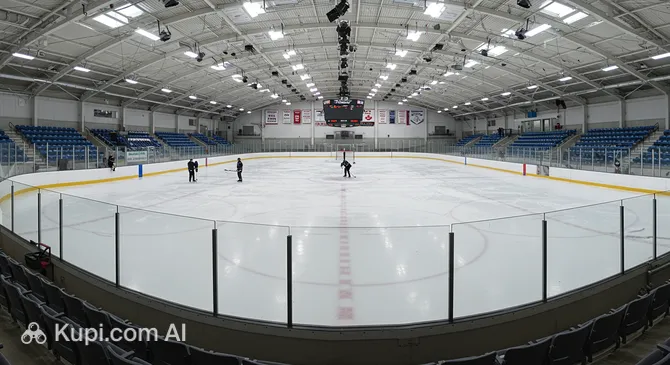
If your idea of a night out involves cheering along with a roaring crowd, the Sudbury Community Arena is the place to be. Located right downtown, it is the home of the Sudbury Wolves, the local OHL hockey team. Game nights are electric, often serving as the start of a big evening out for many residents. Beyond hockey, the arena also hosts major concerts and events, making it a central pillar of the city's entertainment calendar.

Sudbury Community Arena. Source: Kupi.Binoculars

For a more relaxed evening or a late-night bite, Kelseys Original Roadhouse offers a familiar and welcoming environment. It is a popular spot to gather with friends for cocktails and appetizers after a day of exploring. Most bars and pubs in the city stay open until 2:00 AM, with the peak hours being between 10:00 PM and 1:00 AM. Prices for drinks and cover charges are generally quite reasonable compared to larger Canadian cities.

Kelseys Original Roadhouse. Source: Kupi.Binoculars

Regarding safety and transportation, downtown Sudbury is generally safe for evening walks, especially on main thoroughfares like Elgin and Durham Streets. However, as with any city, it is advisable to stick to well-lit areas late at night. Public transport runs in the evening, but frequencies decrease. For a hassle-free return to your accommodation, calling a taxi or using a ride-sharing service is the most convenient option. Local taxi companies are reliable, and services like U-Ride are also available in the region.

While the nights are lively, daytime entertainment in Sudbury offers a different pace. Visitors can explore the Sudbury Shopping Centre for a mix of retail therapy and dining. For culture lovers, the Sudbury Theatre Centre produces professional plays and musicals that highlight regional stories. Whether you are catching a matinee or rocking out to a live band at midnight, the city ensures there is always something to keep you entertained.

Parks & Museums

Sudbury’s transformation from a mining landscape to a green, culturally vibrant city is one of Canada's great success stories. Today, the city offers a rich tapestry of outdoor spaces and educational institutions that celebrate both its geological history and its thriving artistic community. From the shores of pristine lakes to interactive science centers, there is a wealth of places to explore.

The crown jewel of the city's green spaces is undoubtedly Bell Park. Located on the western shores of Ramsey Lake, this expansive park is the community's living room, featuring a two-kilometer boardwalk that is perfect for leisurely strolls. It hosts the city's major festivals and offers a main beach that is a summer favorite for families. For those seeking a more rugged wilderness experience within city limits, the Lake Laurentian Conservation Area provides over 2,400 acres of protected green space with a network of trails for hiking, snowshoeing, and birdwatching, just minutes from downtown.

When it comes to museums, Sudbury is a leader in science education. Science North is Northern Ontario’s most popular tourist attraction, renowned for its hands-on approach to learning. Housed in two snowflake-shaped buildings, it encourages visitors to interact with exhibits ranging from biology to space exploration. Complementing this is Dynamic Earth, an immersive earth sciences center that delves into the region's mining heritage. Here, you can descend seven stories underground to tour a demonstration mine and understand the geological forces that created the Sudbury Basin.

The city's history is deeply tied to the land, a connection symbolized by the Big Nickel. Standing nine meters tall on the grounds of Dynamic Earth, this massive coin is not just a roadside attraction but a monument to the nickel mining that built the city. For a quieter, spiritual experience, the Grotto of Our Lady of Lourdes offers a serene park setting with statues and walking paths, providing a unique architectural and cultural landmark that reflects the city's diverse heritage.

For a truly authentic local experience, drive out to Onaping Falls to visit the A.Y. Jackson Lookout. Named after the famous Group of Seven artist who captured the scenery on canvas, this spot offers a breathtaking view of the High Falls as they cascade over the rocks. It is a spectacular sight, particularly in the autumn, and remains a beloved hidden gem for photographers and nature lovers alike.

Getting Around

The public transport system in Sudbury, known locally as GOVA, is the primary means of getting around the city for those without a vehicle. Because the city covers a remarkably large geographic area, there is no metro or tram system; instead, the city relies on a comprehensive bus network. The system is designed with a "hub-and-spoke" model, where most major routes connect at the Downtown Transit Terminal, making the city center the main transfer point for reaching outlying neighborhoods and key attractions.

For tourists, the payment system is straightforward and affordable. You can pay a single cash fare directly to the driver upon boarding, but it is essential to have the exact change ready, as drivers cannot handle money. If you plan to use the bus frequently, it is more economical to purchase a Day Pass, which allows for unlimited travel for 24 hours, or a multi-ride card (available in 5 or 10-ride options). These passes can be bought at the main transit terminal downtown or at authorized retailers, such as select convenience stores and municipal service centers throughout the city.

To make the most of the GOVA system, always ask the driver for a transfer slip when you pay your fare. This slip is valid for 90 minutes and allows you to switch buses in any direction without paying again, which is very useful if your destination requires a connection. Buses generally operate from early morning until late at night on weekdays, but service frequency decreases on weekends and holidays. Using a mobile map app is highly recommended to track real-time bus arrivals, as intervals between buses can be longer on suburban routes.

While public transit is reliable for reaching major hubs, many visitors find that renting a car is the most practical option for exploring the region. Due to the significant distances between natural attractions, hiking trails, and the city center, having a vehicle offers the flexibility to travel at your own pace. Taxis and ride-sharing apps are also widely available and are a convenient alternative for late-night travel or quick trips where bus connections might be less frequent.

For shorter distances, particularly during the warmer months, the city offers a growing network of cycling paths and walking trails. The area around Ramsey Lake and Bell Park is especially pedestrian-friendly, allowing you to move between nearby museums and green spaces comfortably. However, for cross-town journeys, relying on motorized transport remains the best choice to navigate the city's expansive layout efficiently.

Accommodation

Accommodation in Sudbury is designed to meet the practical needs of travelers, ranging from reliable international hotel chains to classic roadside motels and cozy bed and breakfasts. While the city does not typically feature ultra-luxury resorts, visitors can expect clean, comfortable, and modern facilities. Most properties cater well to families and business travelers, offering amenities such as indoor pools, onsite dining, and ample parking, which is essential given the city's car-centric layout.

When choosing where to stay, location is key. The most popular area for tourists is the "South End," particularly around the "Four Corners" intersection. This district is convenient because it places you just a short drive from major attractions like Science North and offers easy access to a wide variety of restaurants and shopping plazas. For those arriving by car from the east, the Kingsway strip is lined with numerous motels and hotels, providing a direct route into the city. Alternatively, staying in the downtown core is ideal if you are attending an event at the Sudbury Community Arena or want to be within walking distance of local pubs and government offices.

Booking your stay is generally straightforward, but it is wise to plan ahead. Sudbury is a major regional hub that frequently hosts large mining conferences, hockey tournaments, and cultural festivals. During these peak times, vacancy rates can drop quickly, and prices may rise. Generally, the price range for accommodation is moderate and affordable compared to larger Canadian capitals. Reservations can easily be made through major online platforms or by contacting hotels directly to secure the best rates.

Nearby Cities

For those looking to explore the surroundings, Sudbury serves as an excellent base for day trips to several interesting nearby locations:

Located approximately an hour and a half to the east, North Bay is often called the "Gateway to the North." This friendly city sits on the shores of Lake Nipissing and offers a beautiful waterfront area perfect for walking or cycling. Visitors can enjoy a scenic cruise on the Chief Commanda II or explore the local heritage at the Dionne Quints Museum, making it an easy and rewarding day trip.

Heading south into the heart of cottage country, Huntsville serves as a major hub for the Muskoka region. It is a haven for outdoor enthusiasts, offering access to stunning lakes, granite landscapes, and the nearby Algonquin Provincial Park. The town itself features a charming main street lined with artisan shops and restaurants, providing a perfect mix of nature and culture.

Another fascinating destination is Owen Sound, located on the southern shores of Georgian Bay. Although it requires a slightly longer drive, it rewards travelers with spectacular natural sites like Inglis Falls and a rich maritime history. The city is known for its vibrant arts scene and the Billy Bishop Home and Museum, offering a diverse experience for those willing to venture a bit further.

City Population Distance (km)
North Bay 51,553 120
Owen Sound 31,820 214
Huntsville 19,816 189
Midland 16,864 212
Bracebridge 16,010 208

These nearby destinations offer a glimpse into the diverse culture and landscapes of the region, ranging from the rugged Canadian Shield to the serene waters of cottage country.

Shopping & Souvenirs

As the primary retail hub for Northeastern Ontario, Sudbury offers a diverse shopping scene that ranges from large commercial districts to charming local boutiques. Whether you are looking for the latest fashion trends, outdoor gear to tackle the northern terrain, or unique regional handicrafts, the city provides plenty of options to satisfy your needs.

The heart of the city's retail action is the "New Sudbury" area, located along Lasalle Boulevard and Barrydowne Road. Here you will find the Sudbury Shopping Centre, the largest mall in Northern Ontario. It serves as a convenient one-stop destination for travelers, housing a wide array of major international brands, electronics stores, and a food court. Surrounding the mall is a bustling commercial zone filled with big-box retailers, making it the go-to spot for stocking up on essentials or camping supplies.

Sudbury Shopping Centre. Source: Kupi.Binoculars

For a more distinctively local experience, head to the downtown core, particularly along Durham and Elgin Streets. This walkable area is home to independent shops that showcase the city's artistic side. You can browse through eclectic bookstores, music shops, and small boutiques selling clothing and gifts. It is also an excellent place to discover works by local artisans, including jewelry and paintings inspired by the rugged landscapes of the Canadian Shield.

When searching for the perfect souvenir, look for items that celebrate Sudbury’s unique identity. Given the city's mining heritage, shops often carry nickel-themed memorabilia and geological curiosities, such as decorative rocks or items featuring the famous Big Nickel. In the summer and early autumn, the region's obsession with wild blueberries takes center stage; visitors can find delicious blueberry jams, sauces, and even blueberry-themed apparel at local markets and specialty food stores. Indigenous crafts, such as beadwork and moccasins, are also popular keepsakes that honor the area's rich cultural history.

Reached the end of the page?

That means the route is fully explored