Support

Rouyn-Noranda

About

Welcome to Rouyn-Noranda, a vibrant cultural capital nestled in the heart of the Abitibi-Témiscamingue region. Known for its rich mining heritage and dynamic arts scene, this city offers a unique blend of urban energy and rugged wilderness. Located in western Quebec, Canada, it serves as a gateway to the vast outdoors while maintaining a warm and inviting community atmosphere.

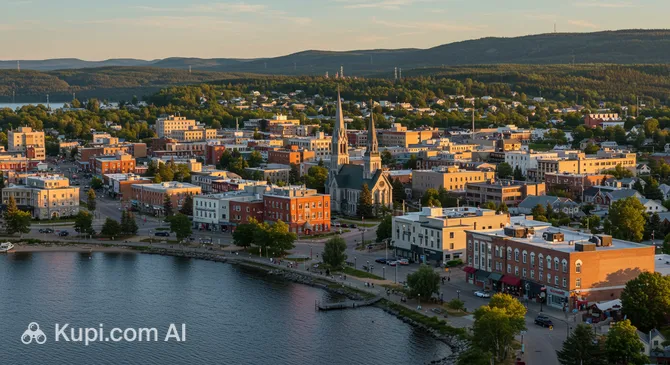
With a population of approximately 42,000 residents, the city feels both intimate and lively. It sits gracefully on the shores of Lake Osisko, providing stunning waterfront views right in the town center. The history of Rouyn-Noranda is deeply intertwined with the discovery of copper and gold, which transformed it into a booming industrial hub, often referred to as the "National Copper Capital." Today, that legacy is celebrated alongside a thriving contemporary spirit.

Rouyn-Noranda. Source: Kupi.Binoculars

Travelers are drawn here not just for the stories of the past, but for the exceptional access to nature and culture. A visit isn't complete without exploring the historic Dumulon General Store, which offers a glimpse into the lives of early pioneers. Nature enthusiasts will appreciate the city's proximity to the breathtaking Parc national d'Aiguebelle, where suspension bridges and unique geological phenomena await. Additionally, the city is famous for its festivals, particularly the Emerging Music Festival, which attracts visitors from all over.

Whether you are looking to explore the depths of a mine, hike through pristine forests, or enjoy a local concert, Rouyn-Noranda promises an unforgettable experience. We invite you to discover the charm and resilience of this northern jewel on your next adventure.

Weather Overview

The climate in Rouyn-Noranda is characterized by four distinct seasons, offering a true northern experience. Visitors can expect warm, pleasant summers ideal for outdoor adventures and cold, snowy winters that transform the city into a winter wonderland. For more detailed forecasts and historical data, you can consult the guide to the weather in Rouyn-Noranda.

Winter is the longest season, with temperatures dropping significantly. January is typically the coldest month, with an average temperature of -13.2°C and lows reaching -17.4°C. The cold persists well into March, so travelers should come prepared with thermal layers and heavy coats to enjoy the season comfortably.

Summer offers a stark contrast, bringing warmth and sunshine. July is the warmest month, featuring an average temperature of 19.2°C and daily highs around 24.0°C. This is the best time to explore the lakes and parks, though it is wise to be ready for occasional showers, as the summer months generally see between 13 and 14 wet days.

Spring and autumn are transitional and can be quite crisp. May sees averages rising to 10.1°C, while October cools down to around 7.0°C. Precipitation is a regular occurrence throughout the year, with the number of wet days ranging from 11 to 16 per month, ensuring the region's lush greenery remains vibrant.

Interesting Facts

Beyond the scenic lakes and mining heritage, Rouyn-Noranda holds fascinating stories that define its resilient character. Discover some of the lesser-known aspects that make this city a unique destination in Quebec.

  • A Tale of Two Cities: Before officially merging in 1986, Rouyn and Noranda were separate towns with starkly different personalities. Noranda was a meticulously planned company town designed by New York architects with orderly curves, while Rouyn sprang up spontaneously as a chaotic, "Wild West" settlement for prospectors and merchants.

  • The Persistence of Edmund Horne: The city owes its existence to the determination of prospector Edmund Horne. After two unsuccessful expeditions, he finally discovered massive copper and gold deposits on his third trip in 1917, sparking a rush that transformed the remote boreal forest into a booming industrial hub.

  • A Skyline Icon: The Horne Smelter is not just a factory but a historic landmark. Its towering smokestacks have dominated the local skyline for nearly a century, serving as a visual symbol of the city's long-standing title as the "National Copper Capital."

  • Unexpected Cultural Hub: Despite its industrial roots and northern location, the city is a surprising artistic heavyweight. It hosts the prestigious Festival du cinéma international en Abitibi-Témiscamingue, drawing filmmakers and cinephiles from around the globe to this unlikely cultural oasis.

How to Get There

Reaching this northern hub is part of the adventure, with several options available depending on your starting point. For a comprehensive guide on all travel methods, including driving directions and bus services, you can read more about how to get to Rouyn-Noranda on our detailed page.

The most direct way to arrive by air is via the local Rouyn-Noranda Airport (IATA: YUY). Conveniently located just 14 km from the city center, this regional airport handles regular flights connecting the area to major hubs like Montreal. A taxi or shuttle ride from the terminal to downtown typically takes around 15 to 20 minutes. For travelers who cannot find a direct connection, the airport in the neighboring city of Val-d'Or (IATA: YVO) is a viable alternative. Situated approximately 94 km away, the drive from Val-d'Or to Rouyn-Noranda generally takes roughly 1 hour and 15 minutes by car or taxi.

For clarity, here is a summary of the main airports in the region:

Airport Name City Annual Passengers Km from City
Timmins Victor M. Power AirportTimmins200,000178.4
Val-d'OrVal-d'Or180,00094.2
Sudbury AirportSudbury129,033223.7
Rouyn-Noranda AirportRouyn-Noranda100,00014.0
Jack Garland AirportNorth Bay78,000210.3

Travelers preferring rail transport should be aware that the city of Rouyn-Noranda does not have a railway station. The closest option is the Sudbury Junction Station (IATA: XDY) located in the city of Sudbury, which is about 245 km away. From there, you would need to rent a car or arrange for a transfer, a journey that typically takes approximately 3 hours by road.

Below is the information regarding the nearest railway connection:

Station City Km to Center
Sudbury Junction StationSudbury244.8

Main Attractions

Rouyn-Noranda is a city where rugged industrial history meets breathtaking natural beauty and a surprisingly sophisticated arts scene. From walking in the footsteps of gold rush pioneers to crossing suspension bridges over ancient fault lines, the local attractions offer diverse experiences for every type of traveler.

A true jewel of the region is the Parc national d'Aiguebelle. Located just a short drive from the city, this park is famous for its dramatic geological features, including 2.7 billion-year-old rocks and giant majestic fault lines. The highlight for many visitors is the suspension bridge that hangs 22 meters above a deep ravine, offering a thrilling view of the landscape below. With its pristine lakes and a spiral staircase descending down a cliff face, it is a paradise for hikers and nature photographers seeking a unique outdoor adventure.

To understand the city's origins, a visit to the Maison Dumulon Historic Site is essential. This heritage site takes you back to the "Roaring Twenties" when the city was a booming mining camp. It features the first general store and post office of the area, originally founded in 1924. Costumed guides often bring the history to life, sharing stories of the pioneers who built their lives here. The rustic log buildings, located on the shores of Lake Osisko, provide a charming and educational glimpse into the past.

Art lovers will be delighted by the MA - Musée d'art de Rouyn-Noranda. Far from being a traditional quiet museum, this is a vibrant cultural hub that showcases contemporary art with a focus on regional talent and Indigenous perspectives. The exhibitions are known for being accessible and unpretentious, inviting visitors to engage with the creative spirit that defines the local community. It is a perfect stop for those looking to explore the modern cultural identity of Abitibi-Témiscamingue.

For a relaxing escape right in the city center, the Parc botanique À Fleur d'eau offers a lush sanctuary. This beautiful park features over 25,000 plants, trees, and shrubs adapted to the northern climate. It also includes a unique geological garden that displays massive rock specimens from the region's mines. A wooden boardwalk circles the small Lake Édouard, making it an ideal spot for a peaceful afternoon stroll or a picnic surrounded by nature.

Another fascinating heritage landmark is the Saint George Russian Orthodox Church. Built in the mid-1950s, this small wooden church stands as a testament to the diverse immigrant communities that flocked to the region for mining work. Its distinctive onion dome and intimate interior offer a quiet reflection on the multicultural history that helped shape the city into what it is today.

Local Cuisine

The culinary scene in Rouyn-Noranda is a delightful reflection of its northern location, blending hearty Quebecois classics with unique boreal ingredients. Visitors will find a food culture that is unpretentious yet deeply committed to quality, with many chefs sourcing products directly from the surrounding forests and farms of the Abitibi-Témiscamingue region.

No visit to this part of Quebec is complete without indulging in poutine, the province's most famous dish. In Rouyn-Noranda, this comfort food is taken seriously, with local institutions serving generous portions topped with fresh, squeaky cheese curds and rich gravy. For a true local experience, travelers should look for variations that include savory additions like smoked meat or spicy sausages, a staple at late-night snack bars known as casse-croûtes.

Beyond comfort food, the region is celebrated for its fresh freshwater fish, particularly walleye (often listed as doré on menus). Caught in the pristine lakes nearby, it is typically pan-fried with butter and herbs or served as a delicate fillet. Game meat is also a highlight here, with dishes featuring bison, elk, or venison offering a taste of the wild. These are often paired with wild berries, such as blueberries or cloudberries, which grow abundantly in the area.

When it comes to drinks, Rouyn-Noranda has a thriving craft beer culture. The city is home to renowned microbreweries that experiment with local botanicals to create distinct northern flavors. Visitors can enjoy a pint of locally brewed stout or IPA in lively pubs where the atmosphere is always welcoming. For a non-alcoholic option, traditional spruce beer (bière d'épinette) is a unique, fizzy soda with a piney taste that offers a refreshing, albeit acquired, taste of history.

Dining in the city ranges from casual street food to sophisticated bistros located in the vibrant downtown area. The atmosphere is generally relaxed and friendly, with locals often gathering on outdoor terraces during the warmer months. Whether you are grabbing a quick bite at a festival food truck or enjoying a multi-course meal highlighting regional terroir, the warm hospitality of Rouyn-Noranda is always on the menu.

Travel Tips

Planning a trip to Rouyn-Noranda requires a bit of foresight, especially given its northern location and distinct seasonal changes. These practical tips will help you navigate local customs, logistics, and the climate to ensure your visit to this dynamic part of Canada is as smooth as it is memorable.

  1. Clothing and Gear: The weather here dictates your wardrobe. If visiting in winter, heavy parkas, thermal layers, and insulated waterproof boots are essential to handle temperatures that can drop well below freezing. In summer, the climate is pleasant, but if you plan to explore the forests or parks, bring sturdy hiking shoes and strong insect repellent, as mosquitoes and black flies can be intense, particularly in June and July.

  2. Transportation: While there is a municipal bus service (Autobus de ville), it is primarily designed for locals and may not reach all tourist sites. Renting a car is highly recommended to fully enjoy the region, especially for trips to Parc national d'Aiguebelle. Taxis are available and reliable, but do not rely solely on ride-hailing apps, as their coverage can be limited compared to major cities.

  3. Finances: The local currency is the Canadian Dollar (CAD). Credit and debit cards (Visa and Mastercard) are widely accepted in hotels, restaurants, and shops. However, it is wise to carry some cash for smaller transactions or if you visit remote areas. Tipping is standard culture here; expect to leave 15% to 20% of the bill at restaurants and bars.

  4. Health and Safety: Rouyn-Noranda is a safe city with a low crime rate. Pharmacies are easily accessible for minor ailments, though they may not operate 24/7. For serious medical emergencies, dial 911. A specific safety tip for this region involves driving: always be vigilant for wildlife, such as moose, on the highways, especially at dawn and dusk.

  5. Communication: French is the dominant language in the region. While many people in the hospitality industry speak English, it is not universally spoken by everyone. Learning a few basic phrases like "Bonjour" (Hello) and "Merci" (Thank you) is greatly appreciated. Free Wi-Fi is generally available in most cafes, hotels, and public buildings.

  6. Local Etiquette: The atmosphere is generally informal and friendly. A handshake is a common greeting. Locals value politeness; it is customary to greet shop staff when entering a store. Queuing is orderly, so always wait your turn in lines at bus stops or counters.

  7. What to Avoid: Avoid assuming that everyone speaks English immediately; starting a conversation in English without a polite attempt at French can be seen as disrespectful. Also, never underestimate the distances between gas stations when driving outside the city—always keep your tank reasonably full when exploring the wider region.

  8. Local Insight: Experience the popular "5 à 7" (Happy Hour) tradition. After work, locals often flock to downtown microbreweries and pubs to socialize. It is a fantastic way to meet people, soak up the local vibe, and taste some excellent regional craft beers.

Armed with these practical tips, you are ready to explore the rugged beauty and warm hospitality of Rouyn-Noranda. A little preparation goes a long way, allowing you to relax and focus on the unique experiences this northern gem has to offer.

Entertainment & Nightlife

Despite its remote location, Rouyn-Noranda boasts a nightlife scene that punches well above its weight, earning its reputation as a cultural hub in the Abitibi-Témiscamingue region. The city’s energy is fueled by a mix of students, artists, and industrial workers, creating a diverse and welcoming atmosphere after dark. The action is concentrated in the downtown area, particularly along Avenue Principale and Rue Perreault, where everything is within easy walking distance.

For those seeking a lively evening, the local microbrewery scene is a must-visit. Le Trèfle Noir Brasserie Artisanale is a cornerstone of the city's social life, offering a wide selection of locally crafted beers in a warm, pub-style setting. It is the perfect place to start the night with a "5 à 7" (happy hour), mingling with locals over a pint of IPA or stout. Another iconic venue is the Cabaret de la Dernière Chance. With its rustic, eclectic decor and history as a prospector's hang-out, it now serves as a legendary spot for live music, hosting everything from local bands to touring alternative acts.

The atmosphere in Rouyn-Noranda is distinctly casual and unpretentious. There is no need for high heels or formal wear; jeans and a comfortable top fit right in with the laid-back crowd. Bars and clubs typically stay open until 3:00 AM, with the peak hours being between 11:00 PM and 1:00 AM on Fridays and Saturdays. Prices for drinks and cover charges are generally lower than in major metropolitan areas like Montreal, making for an affordable night out.

Safety is rarely a concern in the city center, and the downtown core is well-lit and safe for walking at night. However, during the cold winter months, walking long distances is not recommended due to the freezing temperatures. Local taxi services are reliable and easy to hail or call, providing a warm and safe way to return to your accommodation. Ride-sharing apps may have limited availability, so keeping a local taxi number handy is practical advice.

Beyond the bars, the city offers rich entertainment options during the day and early evening. The Théâtre du Cuivre is the premier venue for performing arts, staging major concerts, theater productions, and comedy shows. For a more intimate cultural experience, the Petit Théâtre du Vieux Noranda offers a unique space for experimental theater and community events, reflecting the city's deep artistic soul.

Parks & Museums

Rouyn-Noranda seamlessly blends its industrial heritage with an impressive array of green spaces and cultural institutions, offering visitors a chance to explore both the great outdoors and the region's artistic soul. From geological wonders to contemporary art venues, the city provides diverse environments for relaxation, education, and inspiration.

For nature lovers, the Parc national d'Aiguebelle is the undisputed highlight of the region. This vast protected area is renowned for its dramatic landscapes, featuring two massive geological faults and a suspension bridge that offers dizzying views of the canyon below. It is a year-round destination, perfect for hiking and kayaking in the summer, or snowshoeing and backcountry skiing when the snow falls. The park's rugged beauty provides a genuine connection to the ancient geography of the Canadian Shield.

Closer to the city center, the Parc botanique À Fleur d'eau serves as a peaceful urban oasis. This park is unique for combining botanical beauty with geological history, showcasing a collection of large rock specimens from local mines alongside thousands of plants adapted to the northern climate. Its accessible boardwalks wind around a small lake, making it an excellent spot for a leisurely afternoon stroll or a family picnic surrounded by nature.

Another favorite among locals is the Sentier polyvalent du lac Osisko. This multi-use path loops around the lake that sits at the heart of the city, offering scenic views of the waterfront and the downtown skyline. It is a hub of activity where visitors can cycle, jog, or rollerblade, enjoying the fresh air without leaving the urban environment.

On the cultural front, the MA - Musée d'art de Rouyn-Noranda stands out as a premier institution. More than just a gallery, the MA is a dynamic space that exhibits contemporary works with a strong focus on regional and Indigenous artists. Its exhibitions are designed to provoke thought and dialogue, making art accessible and relevant to the community. It is a must-visit for anyone interested in the modern cultural identity of Abitibi-Témiscamingue.

To delve into the city's past, the Maison Dumulon Historic Site offers an immersive experience. Housed in the authentic general store and post office from the 1920s, this museum recreates the atmosphere of the gold rush era. Costumed guides share captivating stories about the pioneers who founded the settlement, providing a tangible link to the rugged history that shaped the city.

Architectural enthusiasts should take a walk through the Old Noranda district. Unlike the spontaneous growth of many mining towns, this area was meticulously planned in the 1920s as a "garden city." The winding streets and well-preserved heritage houses reflect a deliberate architectural vision that contrasts sharply with the grid layout of the neighboring Rouyn sector.

For a truly authentic local experience, consider a short trip to the Collines Kékéko located just outside the city. While less commercialized than the national parks, this network of hiking trails is a favorite "insider" spot for residents seeking solitude and panoramic views of the boreal forest, especially breathtaking during the autumn foliage season.

Getting Around

The public transport infrastructure in Rouyn-Noranda is designed to serve its compact urban center effectively, relying primarily on a municipal bus network known as L'Autobus de Ville. There is no metro, tram, or train service within the city limits. The bus system consists of several lines that connect key neighborhoods, the downtown commercial district, and educational institutions like the Cégep and the university campus. It is a reliable option for getting around the main parts of the city, though it does not extend far into the surrounding rural areas.

Payment options are straightforward and affordable. For a single trip, you can pay in cash directly to the driver upon boarding, but it is essential to have the exact change as drivers do not carry cash. If you plan to use the bus frequently, it is more economical to purchase a booklet of tickets or a monthly pass. These can be bought at various authorized points of sale throughout the city, including designated convenience stores (dépanneurs), pharmacies, and the main bus terminal.

Tourists should be aware that the frequency of service differs from larger metropolitan areas. Buses typically run from early morning until early evening, with reduced schedules on weekends and holidays. It is highly recommended to consult the official schedule or use real-time tracking apps, such as Zenbus, which allow you to see exactly where the bus is and when it will arrive. This is particularly useful in winter when waiting outside for long periods is less desirable.

For those looking to explore beyond the bus routes, taxis are a popular and readily available alternative. Local companies operate 24/7 and can be easily summoned by phone; hailing a cab on the street is less common. Taxis are especially useful for reaching the airport or returning to your accommodation late at night after the bus service has ended. Ride-sharing apps are not as prevalent here as in major cities, so relying on traditional taxi services is often the safest bet.

Given the region's vast natural beauty, renting a car is arguably the most practical option for visitors who wish to visit attractions like Parc national d'Aiguebelle or the farther reaches of the mining heritage sites. Additionally, during the warmer months, the city is very bike-friendly. The Sentier polyvalent offers a network of paved paths that make cycling a pleasant and efficient way to navigate the town and enjoy the scenic views around Lake Osisko.

Accommodation

Accommodation in Rouyn-Noranda caters primarily to practical travelers, offering a comfortable range of options that reflect the city's industrial yet welcoming character. Visitors will not find sprawling luxury resorts here; instead, the city provides a solid selection of mid-range hotels, reliable chain establishments, and charming motels. For those seeking a more intimate experience, there are a few bed and breakfasts and smaller inns that offer a personal touch and a hearty breakfast to start the day.

The most convenient area to stay is undoubtedly the downtown core (Centre-ville) and the historic district of Vieux-Noranda. Choosing a hotel in this area places you within walking distance of the main attractions, such as Lake Osisko, the local microbreweries, and the vibrant restaurant scene on Avenue Principale. Staying centrally allows you to enjoy the city's nightlife without worrying about transportation. Alternatively, there are several motels and lodgings located along the main highways leading into the city, which are often more budget-friendly and offer easy parking for those on a road trip.

While the city is generally easy to book, availability can fluctuate drastically during major local events. The most critical time to plan ahead is during the Emerging Music Festival (FME), typically held on the Labour Day weekend in late summer. During this period, the city's population swells with visitors, and every room in town—from hotels to university dorm rentals—is often booked months in advance. If your travel dates coincide with this or other cultural festivals like the international film festival, securing your reservation early is essential.

In terms of pricing, Rouyn-Noranda is generally affordable compared to major Canadian metropolitan centers. Most accommodations fall into the mid-range category, providing good value for money with standard amenities like free Wi-Fi and parking. Booking can easily be done through major online platforms, but many local independent hotels also appreciate direct bookings, which can sometimes secure you a better rate or a specific room request.

Nearby Cities

For those looking to explore the surroundings, Rouyn-Noranda serves as an excellent base for day trips to several interesting nearby locations. While the immediate region of Abitibi-Témiscamingue offers plenty of charm, travelers willing to venture a bit further can discover the distinct culture and landscapes of neighboring Ontario. One of the most notable destinations within driving distance is **Timmins**. Located approximately 2.5 hours west, this city shares a similar mining heritage with Rouyn-Noranda and is affectionately known as the "City with a Heart of Gold." It offers excellent outdoor opportunities, including the scenic Hersey Lake Conservation Area, which is perfect for hiking and picnicking. Visitors can also explore the local history and the deep connection the community has with the gold rush era. For a slightly longer excursion, **Sudbury** presents a fascinating mix of science and nature. Although it requires a drive of about 3 hours, it is home to world-class attractions like Science North and Dynamic Earth, where you can see the famous Big Nickel. The city's unique geography, shaped by an ancient meteorite impact, creates a stunning backdrop of lakes and rock formations that are well worth the journey for a full day of exploration.
City Population Distance (km)
Sudbury88054244
North Bay51553217
Timmins41788173
Huntsville19816324
Petawawa17187291
These nearby destinations offer a glimpse into the diverse culture and landscapes of the region, providing a perfect contrast to the French-speaking heritage of western Quebec.

Shopping & Souvenirs

Shopping in Rouyn-Noranda offers a pleasant mix of urban convenience and regional charm, serving as the primary commercial hub for the Abitibi-Témiscamingue region. While it may not have the sprawling megamalls of a major metropolis, the city provides a well-rounded retail experience that ranges from familiar brand-name stores to unique independent boutiques. Visitors can expect a friendly atmosphere where local shop owners often take the time to share the stories behind their products.

The heart of the local shopping scene is undoubtedly the downtown area (Centre-ville), particularly along the vibrant Avenue Principale. This walkable district is lined with historic buildings that house a variety of specialty shops, fashion boutiques, and gift stores. Strolling down this street allows tourists to discover locally made clothing, home decor, and artistic creations in a setting that feels authentic and lively. The nearby Rue Perreault also extends this experience, offering additional spots to browse for hidden gems.

For those looking for a more traditional one-stop shopping experience, the city is home to Les Promenades du Cuivre. This is the largest shopping mall in the area, featuring a wide selection of national retailers, electronics stores, and fashion chains. It is a convenient destination for travelers who need to restock on essentials or browse well-known brands in a comfortable, climate-controlled environment. Another notable commercial center is Place Rouyn-Noranda, which offers various services and retail options.

To get a true taste of the local culture, a visit to the Marché Public de Rouyn-Noranda is highly recommended. Typically operating during the summer months from June to September, this outdoor market gathers regional farmers and artisans in one place. It is the perfect spot to sample fresh seasonal berries, homemade preserves, and artisanal cheeses, or to pick up handcrafted items that reflect the area's agricultural heritage.

When searching for the perfect souvenir, consider items that celebrate the region's unique identity. Given the city's title as the "National Copper Capital," copper art and jewelry make for fitting and beautiful keepsakes. Additionally, the region is rich in Indigenous culture, so look for authentic crafts such as moccasins or fur products. Foodies might appreciate boreal forest products, such as herbal teas, wild mushroom spices, or maple treats, as well as merchandise from the local microbreweries.

Store hours in Rouyn-Noranda generally follow standard Quebec patterns. Most shops are open from Monday to Wednesday from 9:30 AM to 5:30 PM. On Thursdays and Fridays, stores often stay open later, until 9:00 PM, to accommodate evening shoppers. Weekend hours are typically from 9:30 AM to 5:00 PM on Saturdays and 12:00 PM to 5:00 PM on Sundays, though smaller boutiques may have more limited hours. Major credit cards (Visa and Mastercard) and debit cards are widely accepted, but carrying a small amount of cash is useful for the public market or smaller vendors.

Travelers should be aware that advertised prices in stores usually do not include sales tax. In Quebec, a 5% federal Goods and Services Tax (GST) and a 9.975% provincial Quebec Sales Tax (QST) are added at the register. Visitors should note that Canada does not currently offer a tax refund program for international tourists for general goods purchased during their stay.
Reached the end of the page?

That means the route is fully explored