Support

Timmins

About

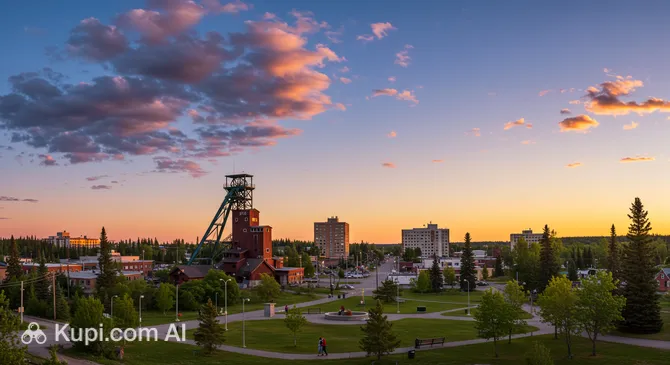
Welcome to Timmins, a vibrant city located in the heart of Northeastern Ontario. Often referred to as the "City with a Heart of Gold," this community is renowned not only for its rich mineral deposits but also for the warmth and hospitality of its residents. Surrounded by the boreal forest and dotted with hundreds of lakes, it is a quintessential destination in Canada for those seeking a mix of industrial heritage and outdoor adventure.

Timmins. Source: Kupi.Binoculars

Geographically, the city spans a large area, offering plenty of space for its population of approximately 42,000 people to enjoy a connection with nature. The climate here is typical of the north, with snowy winters perfect for snowmobiling and warm summers that are ideal for fishing and hiking. The history of Timmins is inextricably linked to the discovery of gold in the Porcupine Camp, which triggered a massive boom and shaped the city's identity as a major mining hub.

Visitors will find plenty of unique attractions to explore. You can peer into the city's industrial past at the impressive Hollinger Open Pit Lookout or get close to Canadian wildlife, such as moose and bison, on a wilderness tour at Cedar Meadows. Timmins is also famous as the hometown of country music superstar Shania Twain, a fact that locals are proud to share. Whether you are interested in cultural heritage or seeking a peaceful retreat in the great outdoors, Timmins offers a memorable experience for every traveler.

Weather Overview

The climate in this region is continental, characterized by four distinct seasons with significant temperature variations. Winters are typically cold and snowy, with January being the coldest month, featuring average temperatures of -13.5°C and lows dipping to -18.3°C. These conditions create a crisp, wintry environment that is ideal for cold-weather sports, provided visitors dress warmly.

Summer brings a welcome transformation, offering warm and pleasant weather perfect for exploring the outdoors. July is generally the warmest month, with average highs reaching 24.6°C and daily averages settling around 19.3°C. To pack the right gear for your trip, it is advisable to check the detailed forecast for the weather in Timmins before you travel. Expect warm summers with occasional rain and cold winters, as the area experiences between 10 and 14 wet days per month throughout the year.

Interesting Facts

Beyond its reputation as a mining powerhouse, Timmins holds a treasure trove of fascinating details and unique distinctions. From its immense geographic footprint to its celebrity connections, the city is full of surprises for the curious traveler.
  • Despite its modest population, Timmins is geographically massive; covering nearly 3,000 square kilometers, it is one of the largest cities in Canada by land area, spacious enough to fit the entire country of Luxembourg within its municipal boundaries.

  • For a truly wild encounter, Cedar Meadows Resort & Spa offers a rare "Sleeping with the Wolves" experience, where guests can stay in chalets featuring large glass walls that look directly into a wolf enclosure.

  • The city is the proud hometown of global country music superstar Shania Twain, and her legacy is permanently marked with "Shania Twain Drive"; locals fondly recall her early days singing in local venues before she achieved international stardom.

  • Timmins is one of the few places in the world where you can find a major gold mining operation actively running in the heart of the community; the Hollinger Open Pit is located just minutes from downtown, cleverly separated from the urban landscape by a large berm.

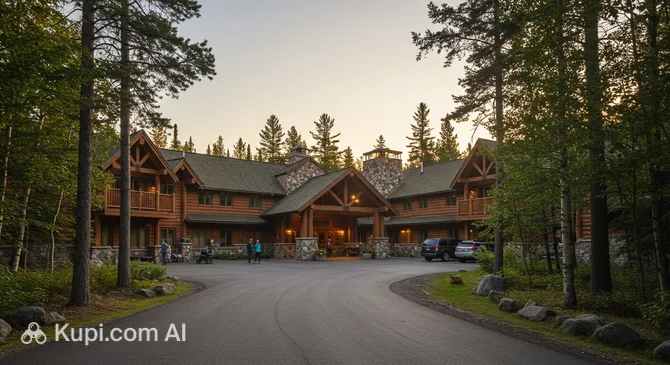
Cedar Meadows Resort & Spa. Source: Kupi.Binoculars

How to Get There

Reaching the heart of Northeastern Ontario is relatively straightforward, with air travel being the most convenient option for long-distance travelers. While the city is tucked away in the Canadian Shield, it remains well-connected to major hubs. You can find more about how to get to Timmins and plan your specific route by checking the detailed transport guide.

The primary gateway to the city is the Timmins Victor M. Power Airport (IATA: YTS), located approximately 11 km from the downtown core. This regional hub handles a significant volume of passengers annually and offers regular flights connecting to Toronto and other destinations. A taxi or shuttle ride from the terminal to the city center typically takes about 20 minutes. For those who cannot find a direct flight, the Sudbury Airport (IATA: YSB) in the city of Sudbury is another viable option, though it is situated about 210 km away. Travelers landing there would need to rent a car or take a bus, with the drive taking approximately 2.5 to 3 hours.

For clarity, here is a summary of the main airports:

Airport Name City Passenger Traffic Km from City
Timmins Victor M. Power AirportTimminsMedium10.9
Val-d'OrVal-d'OrMedium267.6
Sudbury AirportSudburyMedium209.6
Rouyn-Noranda AirportRouyn-NorandaSmall187.4
Jack Garland AirportNorth BaySmall275.4

Travel by train is less direct, as the city of Timmins does not have its own passenger railway station. The closest major rail link is the Sudbury Junction Station (IATA: XDY), located in the city of Sudbury, roughly 222.5 km south of Timmins. This station is served by VIA Rail's "The Canadian" transcontinental train. From Sudbury, travelers must continue their journey by bus or rental car, a trip that takes approximately 3 hours through the scenic northern landscape.

Below is the information for the nearest railway station:

Station City Passenger Traffic Km to Center
Sudbury Junction StationSudbury222.5

Main Attractions

Timmins offers a unique blend of rugged outdoor beauty and rich industrial history, making it a fascinating destination for explorers. From intimate encounters with Canadian wildlife to scenic lakes located right in the city center, the local attractions provide memorable experiences for visitors of all ages.

One of the premier destinations in the region is the Cedar Meadows Resort & Spa. This location is much more than just a place to stay; it is a hub for nature lovers. The resort is famous for its daily wilderness tours, where guests are transported on a tractor-drawn wagon through a 100-acre wildlife park. Here, you can see majestic animals such as moose, bison, and elk in their natural habitat, often close enough to hand-feed. It is a rare opportunity to connect with the wild side of Northern Ontario while enjoying the amenities of a relaxing retreat.

Cedar Meadows Resort & Spa. Source: Kupi.Binoculars

For those interested in the local heritage, the Timmins Museum: National Exhibition Centre is a must-visit cultural landmark. As a public art gallery and history museum, it tells the story of the Porcupine Camp and the gold rush that built the city. Visitors can explore the "Black Gold" gallery to learn about the mining industry or view rotating art exhibits from local and national artists. The museum also features a recreated prospector's cabin, offering a tangible glimpse into the life of the early pioneers who settled in this rugged terrain.

Located in the heart of the city, Gillies Lake Conservation Area serves as the community's recreational hub. A beautiful 2.5-kilometer lit walking trail loops around the lake, making it a popular spot for jogging, walking, and picnicking. In the summer, the lake is bustling with activity, offering a swimming beach and green spaces for relaxation. It is a perfect example of how Timmins integrates nature directly into its urban landscape, providing a peaceful escape just minutes from downtown.

Another iconic symbol of the city is the McIntyre Headframe. Visible from many parts of Timmins, this towering structure is a remnant of the famous McIntyre Mine and stands as a testament to the city's prolific gold-mining past. While it is primarily a historical monument to be admired from the outside, it is a favorite subject for photographers and a constant reminder of the industry that drives the local economy. Nearby, the McIntyre Community Building offers arenas and ballrooms, continuing the legacy of the site as a gathering place for locals.

Local Cuisine

The culinary scene in Timmins is a reflection of its rugged northern geography and diverse cultural roots. The food here is hearty and comforting, designed to satisfy appetites sharpened by fresh air and outdoor activity. Visitors will find a strong French-Canadian influence throughout the city, meaning that excellent poutine—crispy fries smothered in rich gravy and fresh squeaky cheese curds—is a staple found in many local eateries and chip stands.

Freshwater fish is a distinct highlight of the local diet, with walleye (often referred to locally as pickerel) being the catch of choice. It is typically served lightly breaded or pan-fried, offering a true taste of the northern lakes. For those with an adventurous palate, wild game is a must-try experience. The dining room at Cedar Meadows Resort & Spa is renowned for specializing in dishes like bison and elk, providing a unique opportunity to savor authentic local flavors in an elegant setting.

The general dining atmosphere in the city is relaxed and unpretentious, ranging from cozy independent diners to lively family restaurants. It is common for locals to gather at popular venues such as East Side Mario's, which offers a friendly environment and a menu of Italian-American favorites. Whether you are seeking a gourmet experience or a casual meal, the city’s restaurants pride themselves on warm Northern hospitality.

East Side Mario's. Source: Kupi.Binoculars

When it comes to beverages, the region has a growing appreciation for craft beer, with local breweries producing distinct ales and lagers inspired by the surrounding landscape. For a sweet finish or a non-alcoholic treat, look for items featuring wild blueberries. These berries grow abundantly in the surrounding forests during the summer months and are frequently used in pies, cheesecakes, and refreshing drinks.

Travel Tips

Planning a trip to Timmins means preparing for a true Northern Ontario adventure, where nature is vast and the seasons are distinct. To help you make the most of your visit to this friendly community, here are some practical tips to ensure a smooth and enjoyable journey.

  1. Clothing and Gear: Packing for Timmins depends entirely on the season. In winter, temperatures can drop significantly, so thermal layers, a heavy parka, insulated boots, and gloves are essential. Summers are warm, but if you plan to explore the forests or lakes, bring insect repellent and long-sleeved clothing to protect against black flies and mosquitoes. Comfortable, waterproof footwear is recommended year-round for outdoor activities.
  2. Transportation: The city covers a massive geographic area, making a rental car the most convenient way to get around. While Timmins Transit operates buses within the main urban areas, schedules can be limited, and many natural attractions are located on the outskirts. Ride-hailing apps and taxis are available but can become costly for longer distances.
  3. Finances: The local currency is the Canadian Dollar (CAD). Credit and debit cards are widely accepted at hotels, restaurants, and shops. However, it is wise to carry a small amount of cash for smaller purchases or if you venture into more remote areas. Tipping is standard practice in Canada; expect to leave 15-20% at restaurants and for taxi services.
  4. Health and Safety: Timmins is a safe city, but the wilderness presents its own set of rules. When driving, especially at dawn, dusk, or night, remain vigilant for wildlife like moose and bears on the highways, as collisions can be dangerous. Pharmacies and medical clinics are available in the city center, but check opening hours as 24/7 services may be limited.
  5. Communication: English is the primary language spoken, but given the region's demographics, you will frequently hear French as well. Most locals are bilingual or comfortable communicating in English. Free Wi-Fi is commonly available in hotels, coffee shops, and public buildings, and mobile coverage is good within the city limits but may be spotty in deep bush areas.
  6. Local Etiquette: The people of Timmins are known for their "heart of gold" hospitality. It is customary to greet people with a smile or a friendly "hello," even strangers on walking trails. Politeness is valued, so holding doors open for others and saying "please" and "thank you" will go a long way in interacting with the locals.
  7. What to Avoid: Do not underestimate the weather or the wilderness. Avoid venturing into dense forests without a map, GPS, or letting someone know your plans, as it is easy to get disoriented. Also, never attempt to feed or approach wild animals, no matter how calm they appear; observe them from a safe distance.
  8. Additional Tip: If you are visiting during the winter months, keep an eye on the night sky. Timmins is located far enough north that, under the right conditions, you have a good chance of witnessing the Northern Lights (Aurora Borealis) dancing overhead, a spectacular bonus to your trip.

By keeping these practicalities in mind, you will be well-equipped to experience the best of what Timmins has to offer. Whether you are here for the rich history or the breathtaking outdoors, a little preparation ensures your visit will be safe, comfortable, and full of great memories.

Entertainment & Nightlife

Nightlife in Timmins is characterized by a relaxed and friendly spirit, reflecting the city's hardworking industrial roots. Rather than high-end nightclubs or sprawling entertainment districts, the scene revolves around cozy pubs, lively sports bars, and venues hosting local live music. The atmosphere is unpretentious and welcoming, making it easy for visitors to strike up a conversation with locals over a pint of beer or a casual meal.

The primary hub for evening entertainment is located in the Downtown area, particularly along Third Avenue and Cedar Street. Here, you can find a cluster of establishments within walking distance of each other. The vibe is distinctly casual; there is rarely a need for formal attire, and jeans or comfortable outdoor wear are the standard dress code. Friday and Saturday nights are the busiest, with the crowd being a mix of young professionals, mine workers, and tourists unwinding after a week of work.

For those looking to enjoy a familiar and upbeat environment, East Side Mario's is a popular choice. While known primarily as a restaurant, its bar area offers a spirited setting for evening drinks and watching sports games. If you prefer a more distinct local flavor, venues like The Working Class on Second Avenue offer an excellent selection of craft beers and often host live bands, ranging from rock to indie. Another staple is The Victory Tavern, often called "The Vic," which provides a historic pub experience with live entertainment and a gritty, authentic charm.

Practical advice for a night out includes planning your transport in advance. While the downtown core is walkable, winters can be harsh, making walking less appealing late at night. Taxis are the most reliable way to get around; local companies are readily available and generally affordable. Prices for drinks and cover charges (if applicable for live music) are reasonable compared to larger metropolitan areas. Safety in Timmins is generally good, but it is advisable to stick to well-lit main streets and avoid walking alone in quiet areas late at night.

If you are staying at Cedar Meadows Resort & Spa, the on-site lounge provides a sophisticated and safe alternative for a nightcap without the need to travel into the city center. It offers a quieter atmosphere perfect for conversation and relaxation after a day of outdoor adventure.

During the day, entertainment options shift towards cultural and leisure activities. Families and curious minds can visit Science Timmins to engage with interactive exhibits. For a classic pastime, the city has bowling lanes and a cinema showing the latest releases. These venues provide excellent indoor alternatives when the Northern Ontario weather is less than inviting.

Parks & Museums

Timmins offers a compelling blend of rugged natural beauty and rich industrial heritage, making it a unique destination for exploration. The city is surrounded by the dense boreal forest and dotted with pristine lakes, while its downtown core preserves the legacy of the gold rush that founded the community. Visitors can easily transition from hiking in serene conservation areas to discovering the fascinating history of mining in the Porcupine Camp.

One of the city's premier natural escapes is the Hersey Lake Conservation Area, located just north of the city center. This expansive park features 45 kilometers of trails that wind through beautiful jack pine forests, making it a favorite for hikers, runners, and nature photographers. Interpretive signage along the Tamarack Trail provides insights into the local flora and fauna, while the sandy beach area offers a refreshing spot for a summer swim. It is a peaceful retreat that showcases the quintessential landscape of Northern Ontario.

For those willing to venture a short distance from the city, Kettle Lakes Provincial Park is a spectacular destination formed by ancient glacial activity. The park contains 22 deep, spring-fed lakes hidden among the trees, offering exceptional opportunities for canoeing, fishing, and swimming. The landscape here is distinct, characterized by eskers and kettle depressions, and the park provides a variety of hiking trails that range from easy walks to more rugged treks. It is an ideal spot for a day trip to immerse yourself in the silence of the north.

The cultural heart of the city is undoubtedly the Timmins Museum: National Exhibition Centre. This dynamic facility serves as both a history museum and a public art gallery, offering a comprehensive look at the region's past and present. The permanent "Black Gold" exhibition vividly recounts the story of the Porcupine Gold Rush, featuring artifacts and interactive displays that bring the mining era to life. Art lovers will appreciate the rotating exhibits in the gallery, which showcase works by local, regional, and national artists, ensuring there is always something new to see.

While not a traditional indoor museum, the Hollinger Open Pit Lookout functions as an impressive open-air exhibit. This accessible viewing platform allows visitors to gaze directly into an active gold mine operation located surprisingly close to the downtown core. Interpretive panels explain the mining process and the history of the Hollinger Mine, which was once the largest gold mine in the British Empire. It provides a rare and tangible connection to the industry that drives the local economy.

Architecturally, the skyline of Timmins is dominated by the McIntyre Headframe, a towering structure that has become an iconic symbol of the city. Although visitors cannot enter the headframe itself, the site is a significant historical landmark representing the McIntyre Mine's contribution to the city's development. Nearby, the Porcupine Miners Memorial stands as a somber and dignified tribute to the workers who lost their lives in the mines, offering a place for reflection and respect amidst the city's industrial backdrop.

For a truly local experience, seek out High Falls on the Grassy River. This lesser-known spot offers a stunning view of cascading water and is often quieter than the main conservation areas. It is a perfect location for a picnic or simply to enjoy the raw power of nature without the crowds.

Getting Around

Navigating Timmins requires a bit of planning due to its immense geographic footprint. As one of the largest municipalities in Canada by land area, the city is composed of several distinct communities—such as Schumacher, South Porcupine, and Porcupine—separated by stretches of highway and forest. While the downtown core is compact and easily walkable, a vehicle is generally considered essential for exploring the wider region and accessing nature trails or outlying attractions.

Public Transportation
For those traveling without a car, Timmins Transit provides a reliable bus service connecting the major urban pockets. The network covers key destinations including the downtown terminal, Timmins Square shopping mall, and the Northern College campus.

  • Service Hours: Buses operate seven days a week, though frequency is reduced during evenings, weekends, and holidays. It is highly recommended to check the route schedules in advance.
  • Payment: Fares can be paid with exact cash on the bus or with pre-purchased tickets and passes available at various vendors across the city.
  • Accessibility: The fleet is equipped to handle wheelchairs and mobility devices, ensuring accessible travel for all passengers.

Car Rental & Driving
Renting a car is the most convenient way to experience the full scope of the city. Several major rental agencies operate out of the airport and downtown locations. Driving allows you the flexibility to visit remote spots like High Falls or the Hersey Lake Conservation Area on your own schedule.

If you are visiting in the winter, be aware that road conditions can change rapidly. Snow and ice are common, so ensure your vehicle is equipped with winter tires. Although the city’s snow removal services are excellent, drivers should always exercise caution and allow extra travel time during storms.

Taxis
Taxis are a readily available and efficient mode of transport, especially for trips where bus routes may be indirect. Established local companies, such as Vet’s Taxi, offer 24-hour service. This is often the best option for late-night travel or for getting to the airport if you do not have a rental car. While ride-sharing apps may have a presence, local taxi fleets are generally more consistent and reliable in this region.

Cycling & Walking
During the spring, summer, and fall, cycling is a fantastic way to see the city. Timmins boasts an extensive network of multi-use trails that connect residential areas with parks and conservation lands. Walking is pleasant and practical within specific neighborhoods like downtown or South Porcupine, but the distances between these communities are too great to cover on foot.

Accommodation

Where to Stay:

Accommodation in Timmins is designed to cater to a diverse mix of visitors, ranging from business travelers connected to the mining industry to tourists seeking outdoor adventure. The city offers a reliable selection of lodging options, including familiar brand-name hotels, comfortable motels, and cozy bed and breakfasts. While you will not find ultra-luxury skyscrapers here, the hospitality is warm, and the facilities are well-equipped to ensure a restful stay after a day of exploring the north.

Most hotels are conveniently clustered along the main thoroughfare, Algonquin Boulevard (Highway 101), and Riverside Drive. Staying in this area places you within easy reach of the downtown core, restaurants, and shopping centers like Timmins Square. This central location is ideal for those who want quick access to amenities and the airport. For a quieter experience, there are options located slightly further from the highway, offering a more secluded atmosphere while still being just a short drive from the city's main attractions.

For travelers looking for a unique experience that combines comfort with nature, the Cedar Meadows Resort & Spa is a standout choice. Unlike standard roadside hotels, this resort offers a more immersive stay, featuring chalet-style suites and an on-site Nordic spa. It is particularly well-regarded for its scenic setting and the opportunity to see wildlife right on the property, making it a favorite for couples and families looking to relax in style.

When planning your trip, it is important to remember that Timmins is a major industrial hub. Hotels can fill up quickly during the week with contract workers and during major mining conferences or hockey tournaments. Therefore, it is highly recommended to book your accommodation in advance, especially if you are visiting during the busy summer season or winter holidays. Prices are generally mid-range, offering good value for the amenities provided, and reservations can easily be made through major online booking platforms or by contacting the properties directly.

Nearby Cities

For those looking to explore the surroundings, Timmins serves as an excellent base for day trips to several interesting nearby locations:

One notable neighbor is Rouyn-Noranda, located approximately 173 km away across the provincial border in Quebec. This city offers a fascinating cultural contrast with its strong francophone heritage and vibrant arts scene, set amidst a landscape rich in mining history and beautiful lakes. It is an ideal spot for visitors wanting to experience a different side of the region's identity.

Another major destination is Sudbury, situated about 222 km south of Timmins. As the largest city in Northern Ontario, it is famous for its unique geology and world-class attractions such as Science North and the Big Nickel at Dynamic Earth. While the drive is longer, the variety of museums, restaurants, and urban amenities makes it a compelling option for a full-day excursion or a weekend visit.

City Population Distance (km)
Sudbury88054222
North Bay51553279
Rouyn-Noranda42334173
West Nipissing14364257
Amos12823238

These nearby destinations offer a glimpse into the diverse culture and landscapes of the region.

Shopping & Souvenirs

As the primary service hub for Northeastern Ontario, Timmins offers a shopping experience that blends big-box convenience with small-town charm. Visitors will find that the city caters well to both practical needs and the search for unique local treasures. From large retail centers hosting familiar national brands to quiet streets lined with independent boutiques, the city provides a relaxed atmosphere for browsing and buying.

For a comprehensive shopping trip, Timmins Square is the premier destination. Located on Riverside Drive in the city's west end, this is the largest indoor shopping mall in the region. It features a wide array of stores, ranging from fashion and electronics to department stores, making it a convenient one-stop spot for travelers needing to resupply or simply spend an afternoon indoors. Nearby, the surrounding retail parks on Riverside Drive offer additional large-format stores and supermarkets.

If you prefer a more traditional and walkable experience, the Downtown district, particularly along Third Avenue and Pine Street, is the place to be. This area is home to a variety of locally owned businesses, including specialty clothing boutiques, jewelers, and gift shops. Walking through the downtown core allows visitors to discover unique items that are not found in the larger chain stores, all while enjoying the historic character of the city center.

For a taste of local culture and produce, the Mountjoy Farmers' Market is a highlight of the shopping scene. typically held on Saturday mornings during the warmer months (and occasionally in winter at indoor venues), this market gathers local growers, bakers, and artisans. It is an excellent place to purchase fresh seasonal vegetables, homemade preserves, and handcrafted goods, offering a direct connection to the community's agricultural roots.

When looking for souvenirs, items that reflect the city's identity are the best choice. Given Timmins' reputation as the "City with a Heart of Gold," gold jewelry or small mineral samples are popular keepsakes. Additionally, the region's strong Indigenous heritage is often represented through beautiful beadwork, moccasins, and art available at local galleries or trading posts. Foodies should look for products made with wild blueberries, which grow abundantly in the surrounding forests and are often crafted into delicious jams and sauces.

Store opening hours in Timmins generally follow standard Canadian patterns. Major malls and supermarkets are typically open from 9:30 AM to 9:00 PM on weekdays, with reduced hours on Saturdays and Sundays. Downtown boutiques may have shorter operating hours, often closing around 5:30 PM or 6:00 PM and sometimes remaining closed on Sundays. Payment methods are modern and convenient; credit cards (Visa and Mastercard) and debit cards are universally accepted, though carrying a small amount of cash is useful for smaller market vendors.

Travelers should be aware that the advertised price on shelf tags usually does not include sales tax. In Ontario, a Harmonized Sales Tax (HST) of 13% is added at the register for most goods and services. While Canada does not currently offer a tax refund program for international visitors on general goods, the quality and uniqueness of the northern products often make them well worth the value.
Reached the end of the page?

That means the route is fully explored