Support

Sault Ste. Marie

About

Sault Ste. Marie, affectionately known as "The Soo," is a vibrant city located in Northern Ontario at the heart of the Great Lakes. Situated on the St. Marys River, which connects Lake Superior to Lake Huron, this border city offers a unique blend of urban amenities and rugged natural beauty. It serves as a major gateway for travelers exploring Canada, providing easy access to vast wilderness areas and scenic landscapes.

The city holds a significant place in the region's development, having served as a gathering place for Indigenous peoples and a hub for fur traders for centuries. Visitors interested in the past can explore the fascinating history of Sault Ste. Marie, which is deeply intertwined with the waterways that define its geography. Today, with a population of over 73,000 residents, it remains a bustling community that celebrates its heritage while embracing modern industry and tourism.
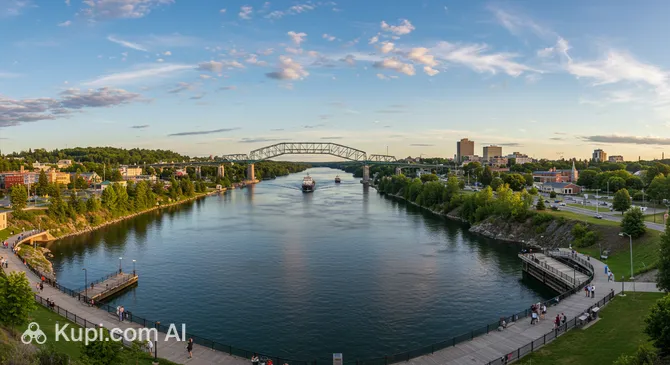
Sault Ste. Marie. Source: Kupi.Binoculars

One of the city's most famous attractions is the Agawa Canyon Tour Train, which takes passengers on a breathtaking journey through the Canadian Shield, offering spectacular views of lakes, rivers, and rock formations, particularly during the autumn season. Aviation enthusiasts will find the Canadian Bushplane Heritage Centre to be a highlight, featuring interactive exhibits on the history of bush flying and forest fire management. For a relaxing afternoon, the Sault Ste. Marie Canal National Historic Site offers picturesque walking trails and the chance to see the world's first electrically operated lock.

Whether you are looking to witness the engineering marvel of the locks, enjoy outdoor adventures, or simply relax by the waterfront, Sault Ste. Marie is a welcoming destination. Its friendly atmosphere and strategic location make it an ideal stop for anyone touring Northern Ontario.
Weather Overview

The climate in this region is defined by significant seasonal contrast, ranging from warm, pleasant summers to cold winters. During the peak summer months of July and August, daily highs typically reach around 22.5°C, creating ideal conditions for outdoor activities near the waterfront. Conversely, the winter season requires warm clothing, as January and February often see temperatures drop to average lows of -10.7°C.

Precipitation is a fairly frequent occurrence throughout the year, with the number of wet days ranging from 10 in May and July to 18 in November. Travelers should expect frequent cloud cover and regular precipitation, whether in the form of summer rain or winter snow. To help plan your packing list and daily activities, it is helpful to review the detailed forecast for weather in Sault Ste. Marie before your trip.

Interesting Facts

Beyond the main attractions, Sault Ste. Marie holds many fascinating secrets and historical distinctions that surprise even seasoned travelers. From its ancient roots to its connections with famous figures, the city offers plenty of intriguing stories to discover.
  • Oldest Settlement in Ontario: Established as a Jesuit mission in 1668, the city is widely recognized as the oldest permanent European settlement in the province, predating many of Canada's larger metropolitan areas.

  • A Tale of Two Cities: Sault Ste. Marie is actually one of two cities with the same name; its "twin" is located just across the St. Marys River in Michigan, USA, connected by the International Bridge.

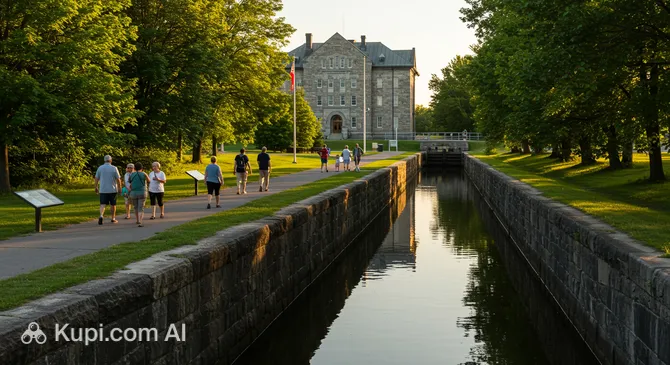
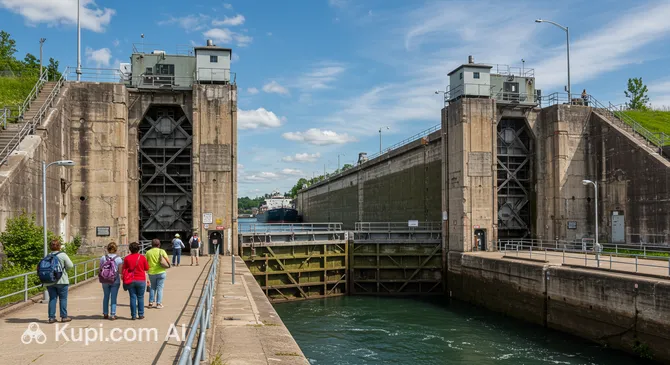
  • Unique Engineering: The Sault Ste. Marie Canal National Historic Site features the only remaining Emergency Swing Dam in the world, a remarkable structure built to protect the locks after a dramatic accident in 1909.

  • Hemingway’s Favorite: The legendary author Ernest Hemingway visited the area in the 1920s and famously declared that the best rainbow trout fishing in the world could be found in the local rapids.

  • Stellar Connection: The city is the hometown of Dr. Roberta Bondar, who made history in 1992 as Canada’s first female astronaut and the world’s first neurologist in space.

Sault Ste. Marie Canal National Historic Site. Source: Kupi.Binoculars

How to Get There

Reaching this northern Ontario destination is straightforward, with options to suit different travel preferences. Whether you are flying in from a major hub or planning a scenic drive, you can find more about how to get to Sault Ste. Marie to help finalize your itinerary.

The most direct air route is through Sault Ste. Marie Airport (YAM), which serves as the primary gateway for the region. Located just 13.7 km from the city center, it welcomes travelers with efficient service. The journey from the airport to downtown typically takes about 40 minutes by taxi or shuttle. For another nearby option, travelers can consider Chippewa County Airport (CIU), situated approximately 30.8 km away. While also listed under Sault Ste. Marie, it is important to check border crossing requirements if arriving here, as it may involve transit logistics. The drive from this airport to the city center takes roughly 65 minutes.

For clarity, here is a summary of the main airports:

Airport Name City Passenger Traffic Km from City
Cherry Capital Airport Traverse City Medium 220.0
Sault Ste. Marie Airport Sault Ste. Marie Medium 13.7
Sudbury Airport Sudbury Medium 271.4
Sawyer International Airport Marquette Small 235.8
Chippewa County Airport Sault Ste. Marie Small 30.8

Travelers preferring rail transport should be aware that the city does not have its own active passenger railway station for standard intercity transit. The closest option is Sudbury Junction Station in the city of Sudbury, which is about 256.7 km from Sault Ste. Marie. From there, you can arrange for a bus or taxi service, though the journey is quite long, taking approximately 6 hours and 45 minutes by road.

Here is the information regarding the nearest railway station:

Station City Passenger Traffic Km to Center
Sudbury Junction Station Sudbury 256.7

Main Attractions

Sault Ste. Marie is a destination defined by its unique connection to the Great Lakes, offering a mix of engineering marvels and rich historical heritage. The city’s most famous landmark is the Soo Locks, a vital shipping channel that allows massive freighters to bypass the rapids of the St. Marys River. Visitors can watch these giant vessels from observation decks or experience the operation firsthand aboard the Soo Locks Boat Tours, which take passengers through the locks alongside the ships.

Soo Locks. Source: Kupi.Binoculars

For aviation enthusiasts, the Canadian Bushplane Heritage Centre is a must-visit attraction. Located in a historic waterfront hangar, this interactive museum is dedicated to preserving the history of bush flying and forest protection in Canada. It features a collection of over 30 vintage aircraft, flight simulators, and hands-on exhibits that offer an immersive look into the adventurous lives of northern pilots.

Canadian Bushplane Heritage Centre. Source: Kupi.Binoculars

History buffs will appreciate the Museum Ship Valley Camp, a retired Great Lakes freighter that has been transformed into a floating museum. Its massive cargo holds contain hundreds of artifacts, including two lifeboats from the legendary SS Edmund Fitzgerald. Nearby, the Tower of History stands 210 feet tall, offering sweeping panoramic views of the city and the surrounding waterways.

Those looking for outdoor relaxation should head to Bellevue Park. This scenic green space features walking trails, a greenhouse, and excellent vantage points for watching river traffic. Additionally, the Sault Ste. Marie Canal National Historic Site provides a picturesque setting to walk among historic sandstone buildings and see the world's first electrically operated lock, blending recreational beauty with industrial history.

Local Cuisine

The culinary landscape of Sault Ste. Marie is a delightful reflection of its rich history and diverse community, with a particularly strong Italian heritage that has left an indelible mark on the local food scene. Visitors cannot leave the city without trying the famous "Soo-style" pizza. This local variation is renowned for its distinct crust—often crisp and slightly chewy—and a savory sauce that sets it apart from typical delivery chains. It is a source of local pride and a staple meal for families and tourists alike.

Given its location on the St. Marys River and next to Lake Superior, the city is also a prime destination for fresh freshwater fish. Lake Superior whitefish and lake trout are common features on menus, often served pan-fried or battered with chips. The freshness of the catch, sometimes brought in the same day, makes seafood dining here a highlight for any gastronome.

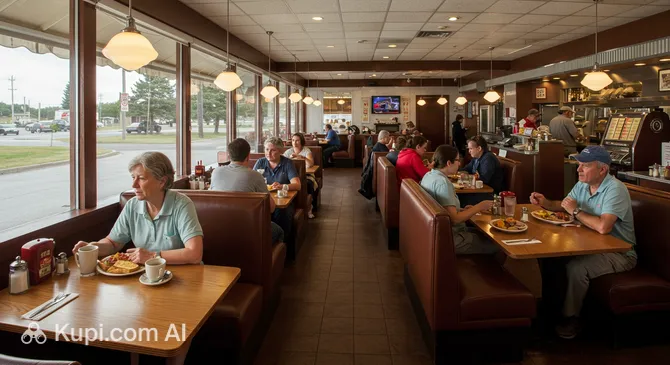
For those starting their day, the city offers unique breakfast experiences that champion local ingredients. A standout location is The Breakfast Pig, a celebrated eatery known for its commitment to ethically raised pork and creative, hearty morning dishes. It exemplifies the city's shift towards farm-to-table dining, where local producers are highlighted in comforting, innovative ways.

The Breakfast Pig. Source: Kupi.Binoculars

Beyond traditional Canadian and Italian fare, the dining scene includes a variety of international flavors and lively spots for evening entertainment. Travelers looking for a vibrant atmosphere might visit The Palace Mexican Restaurant & Saloon, which offers a different culinary pace with its festive environment. It is a popular spot for both locals and visitors to gather for food and drinks after a day of sightseeing.

The beverage culture in Sault Ste. Marie is also thriving, particularly with the rise of craft breweries. Local brewers take advantage of the region's clean water to produce excellent lagers and ales, often inspired by the rugged Northern Ontario landscape. Whether you are enjoying a locally brewed pint or a classic Caesar cocktail on a patio overlooking the water, the city offers plenty of ways to toast to your travels.

Travel Tips

Visiting Sault Ste. Marie offers a unique blend of urban convenience and rugged northern adventure, but a little preparation goes a long way in this border city. To ensure your trip is smooth and enjoyable, here are some practical tips to help you navigate "The Soo" like a pro.

  1. Clothing and Gear: The weather dictates your wardrobe here. In winter, heavy parkas, thermal layers, and waterproof boots are non-negotiable. Summers are pleasant, but evenings by the river can be cool, so pack a light jacket. If you plan to hike the nearby trails, bring sturdy walking shoes and insect repellent, as black flies and mosquitoes can be active in the bush during early summer.
  2. Transportation: While Sault Ste. Marie Transit operates bus routes throughout the city, the schedules may not suit a tight itinerary. To fully explore the surrounding Algoma region or visit attractions on the outskirts, renting a car is highly recommended. Taxis and ride-sharing apps are available for short trips within the city limits.
  3. Finances: The local currency is the Canadian Dollar (CAD). Credit and debit cards are accepted almost everywhere, including most restaurants and attractions. However, it is wise to carry a small amount of cash for small vendors or rural stops. Tipping is customary in Canada; expect to leave 15–20% for waitstaff, taxi drivers, and bartenders.
  4. Health and Safety: Sault Ste. Marie is generally a safe community, but standard travel precautions regarding personal belongings apply. In case of emergency, dial 911. The Sault Area Hospital is the main medical facility, and you will find several pharmacies with extended hours for minor health needs.
  5. Communication: English is the dominant language spoken in the city. While you may see bilingual signs due to federal regulations, daily life is conducted in English. Free Wi-Fi is widely available in hotels and cafes, but cell service can be spotty once you venture deep into the wilderness north of the city.
  6. Local Etiquette: Politeness is a hallmark of local culture. It is polite to hold doors open for others and to say "sorry" if you accidentally bump into someone. When driving, pedestrians have the right of way at crosswalks, and drivers are generally patient and courteous.
  7. What to Avoid: Do not attempt to cross the International Bridge to the American side without your passport and proper travel documents. It is a strict international border, and turning back can be complicated once you are on the bridge. Also, avoid assuming American currency is accepted at par; while some shops may take USD, the exchange rate offered is usually unfavorable.
  8. Bridge Crossing Tip: If you do plan to visit the twin city in Michigan, check the bridge wait times online beforehand. Traffic can back up during holidays or shift changes, so timing your crossing can save you significant time.

By keeping these practicalities in mind, you can focus less on logistics and more on the incredible landscapes and friendly atmosphere of Northern Ontario. A little foresight ensures that your time in Sault Ste. Marie is as relaxing and memorable as possible.

Entertainment & Nightlife

Nightlife in Sault Ste. Marie offers a relaxed and welcoming alternative to the high-energy club scenes of larger metropolises. The city’s evening entertainment is centered primarily around the downtown core, particularly along Queen Street East and the waterfront district. Here, visitors will find a variety of cozy pubs, sports bars, and lounges where the atmosphere is friendly and the dress code is almost universally casual. It is a place where locals and tourists mingle easily, often bonding over live music or a local craft beer.

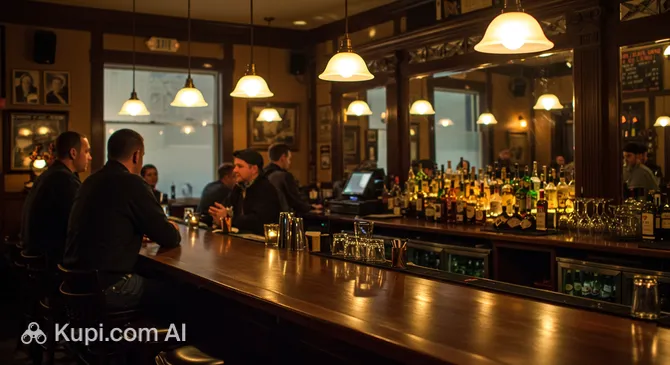
For a lively start to the evening, many head to The Palace Mexican Restaurant & Saloon. Known for its vibrant decor and festive ambiance, this venue is a popular spot to enjoy cocktails and socialize. The establishment often buzzes with activity, making it a staple of the local social scene. If you are looking for a more high-stakes evening, the city is also home to a modern casino located near the International Bridge, offering slot machines, table games, and its own onsite restaurant and bar.

The Palace Mexican Restaurant & Saloon. Source: Kupi.Binoculars

Live entertainment is a significant part of the culture here. The Memorial Gardens serves as the premier venue for large-scale events. Whether it is a rock concert or a spirited hockey game featuring the local team, the Soo Greyhounds, this arena draws enthusiastic crowds and provides an electric atmosphere. Smaller venues and pubs across the city also frequently host local bands, offering everything from acoustic sets to classic rock covers on weekends.

From a practical standpoint, nightlife in "The Soo" is affordable and accessible. Most bars and pubs are open until 2:00 AM on Fridays and Saturdays. While the downtown area is walkable and generally safe, especially on busy weekends, it is advisable to use a taxi or ride-sharing service when returning to your accommodation late at night. Local cab companies are reliable, and wait times are usually short. As for safety, sticking to well-lit main streets like Queen Street and the boardwalk is recommended for night walks.

Before the sun sets, the city offers plenty of daytime diversions to fill your itinerary. Visitors can explore various museums and art galleries that showcase regional history and culture, or enjoy a stroll through the scenic parks along the St. Marys River. For families, there are several indoor entertainment centers and cinemas, ensuring that there is something to do at any hour of the day.

Parks & Museums

Sault Ste. Marie offers an enriching blend of scenic beauty and cultural depth, making it a rewarding destination for those who appreciate both the outdoors and local heritage. The city’s green spaces provide peaceful retreats along the riverfront, while its museums and galleries preserve the stories of the region's maritime past and artistic achievements.

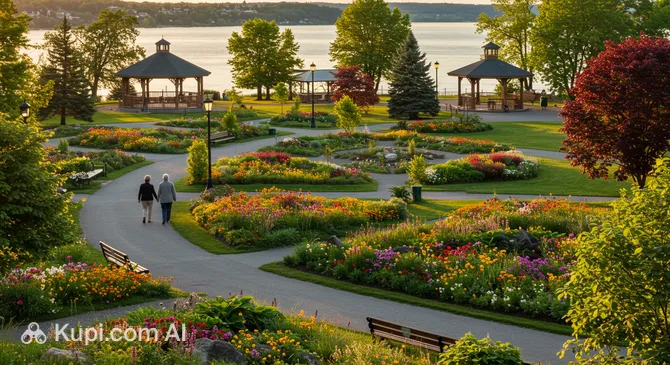
For a quintessential outdoor experience, Bellevue Park is the city's premier recreational space. Located along the St. Marys River, this expansive park is perfect for a leisurely afternoon, featuring paved walking paths that offer uninterrupted views of passing freighters. It is also home to a lovely greenhouse, which provides a burst of color even in cooler months, and vibrant floral displays that attract photographers and nature lovers alike.

Bellevue Park. Source: Kupi.Binoculars

Just a short drive from the city center, the Hiawatha Highlands offers a more rugged natural escape. This area is renowned for its network of hiking trails that wind through tranquil forests and lead to the spectacular Crystal Falls. In the winter, the park transforms into a hub for cross-country skiing and snowshoeing, showcasing the region's year-round appeal for outdoor enthusiasts.

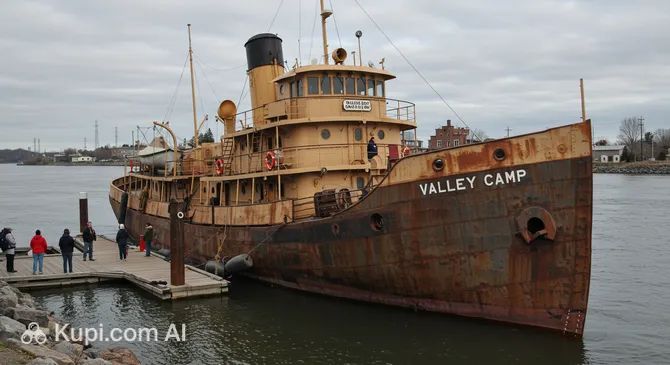
In terms of culture, the city’s maritime history is brought to life at the Museum Ship Valley Camp. This retired Great Lakes freighter allows visitors to explore the captain's quarters, engine room, and vast cargo holds, which now house extensive exhibits. Among its most poignant displays are the two lifeboats from the SS Edmund Fitzgerald, offering a somber and fascinating connection to one of the Great Lakes' most famous shipwrecks.

Museum Ship Valley Camp. Source: Kupi.Binoculars

Art enthusiasts should not miss the Art Gallery of Algoma, situated near the waterfront. The gallery focuses on celebrating Canadian art, with a special emphasis on the Group of Seven, whose work was heavily inspired by the landscapes of Northern Ontario. It serves as a cultural hub, hosting rotating exhibitions and workshops that highlight both local and national talent.

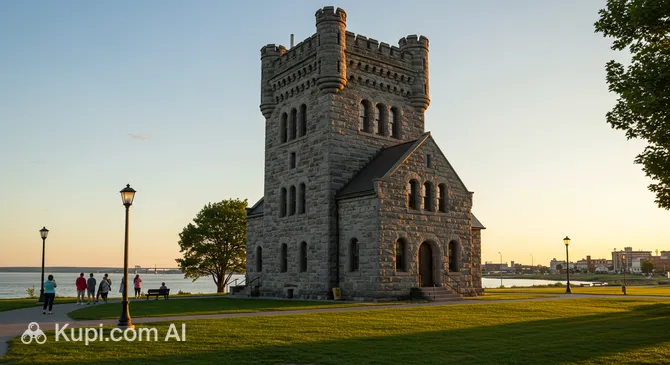
For a mix of history and spectacular vistas, the Tower of History is an unmissable landmark. Rising 210 feet above the city, it provides a bird's-eye view of the entire Sault Ste. Marie area, the historic locks, and the wilderness beyond. The lower level features museum exhibits detailing the early missionary settlements and the evolution of the region, providing context to the panoramic sights viewed from the observation deck.

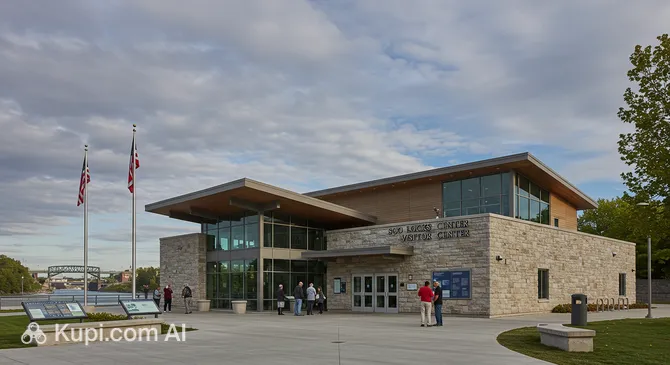
To deepen your understanding of the engineering feats that define the city, the Soo Locks Visitor Center offers informative displays and a chance to see the lock operations up close. For a truly authentic local experience, take a walk across the lock gates to Whitefish Island. This National Historic Site has been a gathering place for Indigenous peoples for centuries and offers rustic trails with quiet spots to watch the rapids, blending natural beauty with deep cultural significance.

Getting Around

The public transport system in Sault Ste. Marie is compact and straightforward, primarily relying on a network of buses operated by Sault Ste. Marie Transit. While the city does not have a metro, tram, or trolleybus system, the bus service is efficient for reaching key destinations, including the downtown core, major shopping centers, Sault College, and Algoma University. The routes are designed to converge at the main transit terminal located downtown on Dennis Street, making it easy to transfer between lines.

For payment, the system accepts cash fares, which must be paid with exact change upon boarding as drivers do not carry change. For tourists planning to use the bus frequently, it is more economical to purchase a multi-ride pass or a reloadable smart card. These can be bought at the downtown transit terminal and at various authorized municipal centers throughout the city. While there isn't a complex zone system, fares are affordable and allow for a transfer window if you need to switch buses to complete your journey.

Travelers should be aware that while buses run daily, the service does not operate 24 hours a day. Service typically begins early in the morning and ends around midnight on weekdays, with reduced hours on weekends and holidays. It is highly recommended to check the latest schedule or use a navigation app to plan your trips, especially if you are traveling on a Sunday or late in the evening.

Given the city's layout and the distance to some natural attractions, many visitors find alternatives to public transport convenient. Taxis are readily available and can be hailed or booked by phone. Additionally, ride-sharing services like Uride are popular and reliable in this region, often serving as the local alternative to major global apps. For those who prefer active travel, the city features the Hub Trail, a scenic non-motorized multi-use path that connects many parts of the city, making cycling and walking pleasant options during the warmer months.

Accommodation

Finding the perfect place to stay in Sault Ste. Marie is relatively easy, as the city offers a welcoming mix of accommodation options to suit various travel styles and budgets. Visitors can choose from recognizable international hotel chains, comfortable roadside motels, and charming bed and breakfasts. While there are no ultra-luxury resorts, the standard of hospitality is high, with many establishments providing cozy, clean, and convenient bases for exploring Northern Ontario.

For those who want to be in the heart of the action, the downtown district near the waterfront is the most popular choice. Staying in this area places you within walking distance of key attractions like the Soo Locks and the beautiful boardwalk. It is an ideal location for travelers who prefer to explore on foot, offering easy access to the Tower of History, local museums, and a variety of dining options.

Tower of History. Source: Kupi.Binoculars

Another common area for accommodation is along Great Northern Road (Highway 17 North). This strip is particularly convenient for road trippers and those with a vehicle, featuring a high concentration of motels and motor inns. This area offers quick access to the highway for day trips into the surrounding wilderness while still being just a short drive from the city center and amenities like the Memorial Gardens.

In terms of pricing, Sault Ste. Marie is generally affordable compared to larger metropolitan hubs. Most hotels fall into the mid-range category, offering good value for money. Booking can typically be done easily through major online platforms or directly with the property. However, a crucial tip for travelers is to book well in advance if visiting during the autumn season. The fall colors attract thousands of visitors for the Agawa Canyon Tour Train, causing hotels to fill up quickly during September and October.

Nearby Cities

Sault Ste. Marie serves as a vital urban hub in Northern Ontario, a region defined by its vast wilderness and significant distances between communities. While the city is relatively isolated, it acts as a gateway to other distinctive destinations in the province. Travelers planning a road trip through this expansive landscape can explore several other cities, each offering its own unique industrial history and natural charm, though reaching them typically involves a scenic drive of a few hours.

City Population Distance (km)
Sudbury 88,054 257
Timmins 41,788 314
Saugeen Shores 13,715 329
West Nipissing 14,364 339
Owen Sound 31,820 342

Shopping & Souvenirs

Shopping in Sault Ste. Marie offers a relaxed and diverse experience that ranges from modern retail centers to charming local boutiques. While it may not have the massive sprawling complexes of a major metropolis, the city provides everything a traveler needs, alongside unique regional items that reflect the character of Northern Ontario. Visitors can enjoy a mix of convenient big-box shopping and the discovery of independent artisans, particularly in the downtown core and waterfront areas.

The heart of the city's independent retail scene is found along Queen Street East. This historic thoroughfare is perfect for a leisurely stroll, lined with specialty shops, vintage stores, and locally owned boutiques selling clothing, home decor, and gifts. For those seeking familiar brands and larger commercial outlets, Great Northern Road serves as the main commercial artery. This strip is home to major chains, outdoor outfitters, and essential services, making it the go-to destination for stocking up on supplies or travel gear.

For a concentrated shopping experience, the Station Mall is the city's premier destination. Conveniently located on the waterfront near the International Bridge, it features a wide selection of fashion retailers, electronics stores, and a food court. Its central location makes it an easy stop for tourists exploring the nearby boardwalk or waiting for a tour train. Another option is the Cambrian Mall, situated further north, which offers additional grocery and retail choices in a quieter setting.

To truly taste the local flavor, a visit to the Mill Market is highly recommended. Housed in a historic building near the canal district, this vibrant farmers' market is a hub of community activity. Here, visitors can purchase fresh produce from the Algoma region, locally caught fish, maple syrup, and handmade crafts. It is an excellent spot to meet local producers and find authentic goods that you won't see in standard stores.

When looking for keepsakes to bring home, Sault Ste. Marie offers plenty of distinct options. Indigenous art and crafts, such as moccasins and dreamcatchers, are popular and meaningful souvenirs, reflecting the area's deep First Nations heritage. You can also find excellent gifts, including "Soo" branded apparel and maritime memorabilia, at the gift shops of major attractions like the Soo Locks Visitor Center.

Soo Locks Visitor Center. Source: Kupi.Binoculars

Standard shopping hours in the city are generally from 9:30 AM to 9:00 PM on weekdays and Saturdays for malls and major retailers. Independent boutiques on Queen Street often close earlier, typically around 5:00 PM or 6:00 PM. On Sundays, opening hours are usually reduced, often from 11:00 AM to 5:00 PM. Payment is hassle-free, with major credit and debit cards widely accepted, though carrying a small amount of cash is useful for market stalls or smaller vendors.

Travelers should be aware that the advertised shelf prices in Ontario typically do not include sales tax. A Harmonized Sales Tax (HST) of 13% is added to the total at the checkout register. Unlike some international destinations, Canada does not currently offer a general tax refund program for visiting tourists, so visitors should budget accordingly for this addition to the final price of goods and services.

Reached the end of the page?

That means the route is fully explored