Support

Iron Mountain

About

Nestled in the scenic Upper Peninsula of Michigan, Iron Mountain is a welcoming city that serves as a vibrant hub for the surrounding area. With a population of approximately 7,500 residents, this community offers a perfect blend of small-town charm and significant historical depth within the United States. It is situated near the border with Wisconsin, making it a strategic and picturesque stop for travelers exploring the Great Lakes region.

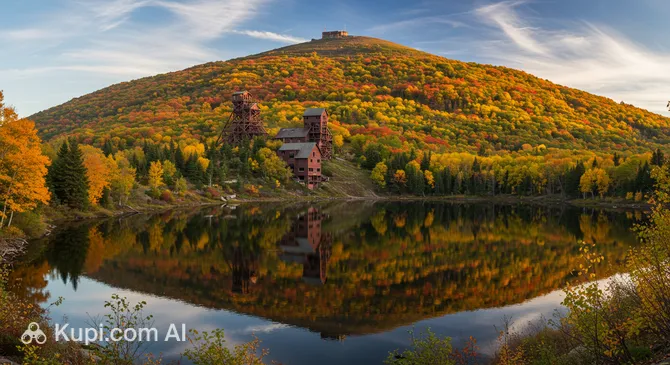
Iron Mountain. Source: Kupi.Binoculars

The city gets its name from the valuable iron ore discovered in the vicinity, which deeply influenced its development and identity. Visitors interested in the history of Iron Mountain will find a fascinating legacy rooted in the mining boom of the late 19th century. This heritage is proudly preserved, allowing guests to step back in time and appreciate the industrial grit that built the region.

Today, Iron Mountain is renowned for its unique attractions and outdoor recreation opportunities. It is home to the famous Pine Mountain Ski Jump, which hosts world-class competitions and offers stunning panoramic views of the landscape. Another must-see is the Cornish Pumping Engine and Mining Museum, featuring the largest steam-driven pumping engine ever built in the western hemisphere. Nature enthusiasts also flock to the Millie Mine Bat Viewing site, a truly unique spot where thousands of bats can be observed emerging at dusk during the warmer months.

Whether you are drawn by the allure of historic engineering marvels or the call of outdoor adventures, Iron Mountain provides a memorable experience for every traveler. It is an ideal destination for those looking to discover the rugged beauty and warm hospitality of Michigan's Upper Peninsula.

Weather Overview

Iron Mountain experiences a distinct continental climate with four clearly defined seasons, making it a year-round destination with varying conditions. To help you pack appropriately for your trip, it is useful to review the current details regarding the weather in Iron Mountain.

Winters in the region are typically cold, with January seeing average temperatures of -7.8°C and lows dropping to -11.5°C. As the year progresses, the weather warms significantly, leading to pleasant summers. July is generally the warmest month, boasting average high temperatures of 26.6°C and a daily average of 21.0°C, which provides a comfortable atmosphere for outdoor activities.

The transitional seasons of spring and autumn bring moderate temperatures, with May averaging 13.3°C and September settling around 16.4°C. In terms of precipitation, the warmer months tend to see a higher frequency of wet weather. Expect warm summers with regular rainfall, averaging about 12 to 13 wet days per month, and cold winters where temperatures stay consistently below freezing.

Interesting Facts

Beyond the main attractions and scenic views, Iron Mountain holds fascinating secrets that speak to its history of innovation and resilience. From engineering marvels to unexpected industrial origins, the city’s past is filled with unique stories that go far beyond simple mining tales.

  • The Invention of Famous Charcoal: The backyard staple known as Kingsford charcoal has its roots right here. Henry Ford built a sawmill and a chemical plant in the area to produce wooden parts for his Model T cars. To minimize waste, he utilized the sawdust and wood scraps to create charcoal briquettes, originally sold at Ford dealerships, which eventually launched the famous brand named after his relative and local agent, Edward G. Kingsford.

  • A Ground-Freezing Feat: The legendary Chapin Mine required a groundbreaking engineering solution to sink a shaft through unstable quicksand. In 1889, engineers utilized a pioneering freezing process, circulating super-cooled brine through pipes driven into the ground. This created a frozen wall of soil, allowing miners to safely dig through the water-logged earth to reach the rich iron ore deposits below.

  • The Glider Capital: During World War II, the local industrial facilities shifted their focus to the war effort in a major way. The area produced more CG-4A gliders than any other plant in the United States. These silent aircraft were crucial for transporting troops and equipment, and many local women joined the workforce to construct the wood and fabric frames.

  • A Cradle of Coaches: Iron Mountain is the hometown of two close friends who became legends in American sports: NFL coach Steve Mariucci and college basketball icon Tom Izzo. The two grew up in the city and attended the same high school, and their enduring friendship is a point of immense local pride, often celebrated as the "Mariucci-Izzo connection."

How to Get There

Reaching this scenic destination in Michigan's Upper Peninsula is part of the adventure. Visitors can choose from local flights or a scenic drive through the Great Lakes region. You can find more about how to get to Iron Mountain and plan the best route for your itinerary.

For those preferring air travel, the most convenient option is Ford Airport (IMT), located directly in Iron Mountain. It is a small regional facility situated just 4.1 km from the city center, making the transfer very quick; expect a total travel time of approximately 10 minutes by taxi or shuttle. Alternatively, travelers looking for more connection options often fly into Austin Straubel International Airport (GRB) in Green Bay. While it is located about 148.5 km away, it is a larger hub with higher passenger traffic. The journey from Green Bay to Iron Mountain takes roughly 2 hours by road. Another viable option is Sawyer International Airport (MQT) in Marquette, which is about 78.8 km away, with a transfer time of around 1 hour.

For clarity, here is a summary of the main airports:

Airport Name City Passenger Traffic Km from City
Austin Straubel International Airport Green Bay Medium 148.5
Sawyer International Airport Marquette Small 78.8
Houghton County Airport Hancock Small 153.3
Oneida County Airport Rhinelander Small 110.9
Ford Airport Iron Mountain Small 4.1

Iron Mountain does not have a direct passenger railway station. Most visitors arriving by land utilize the well-maintained highway network or intercity bus services that connect the Upper Peninsula with major cities in Michigan and Wisconsin.

Main Attractions

Iron Mountain offers a compelling mix of industrial history and outdoor splendor. The city's landmarks tell the story of its mining roots and its surprising contribution to aviation history, all set against the backdrop of the rugged Upper Peninsula landscape. Whether you are a history buff or a nature enthusiast, the area provides several unique sites to explore.

One of the most iconic sites is the Pine Mountain Ski Jump. Known as one of the highest artificial ski jumps in the world, it is a premier destination for winter sports enthusiasts, hosting international competitions that draw thousands of spectators. Even in the warmer months, the site is worth a visit; travelers can climb the 500 steps to the top for a breathtaking panoramic view of the surrounding forests and hills. The grounds also feature the U.P. Veterans Memorial, a serene spot dedicated to honoring local service members.

For those fascinated by engineering and history, the Cornish Pumping Engine and Mining Museum is an essential stop. The museum houses the largest steam-driven pumping engine ever built in the United States, a 725-ton behemoth designed to dewater the Chapin Mine. Beyond this mechanical giant, the museum displays a vast collection of underground mining equipment and artifacts that provide a deep dive into the lives of the miners who shaped the region's economy in the late 19th and early 20th centuries.

A unique chapter of the city's past is preserved at the World War II Glider and Military Museum. During the war, the local Ford plant was converted to manufacture CG-4A gliders for the US Army. This museum showcases a fully restored glider, offering a rare look at these silent aircraft that played a crucial role in airborne operations. The exhibits also feature extensive military memorabilia, photographs, and uniforms, celebrating the community's wartime efforts and industrial capability.

Nature lovers should not miss the Millie Mine Bat Viewing site. Located on the grounds of an abandoned mine, this spot has transformed into a critical hibernaculum for thousands of bats. The best time to visit is at dusk during late summer, particularly in August and September, when visitors can sit on the specially designed viewing benches and watch the spectacle of bats emerging from the mine shaft to hunt for insects.

Just a short drive from the city center, the Iron Mountain Iron Mine offers a hands-on adventure into the earth. Visitors can don hard hats and take a guided underground train tour to see the geological formations and mining drifts up close. The tour includes demonstrations of mining machinery and offers an immersive educational experience about the techniques used to extract iron ore, making it a favorite for families and curious travelers.

Local Cuisine

The culinary landscape of Iron Mountain is a delicious testament to its history, blending the hearty traditions of the Upper Peninsula with the distinct flavors of its immigrant roots. Food here is designed to be comforting and filling, reflecting the needs of the miners and loggers who built the city. The dining atmosphere is warm and unpretentious, with a focus on family recipes that have been passed down for generations.

No visit to the region is complete without trying the pasty. Originally introduced by Cornish miners, this savory turnover was the ultimate portable lunch for workers underground. A traditional Iron Mountain pasty features a sturdy, flaky crust stuffed with ground beef, potatoes, onions, and the essential ingredient—rutabaga. While some modern versions experiment with different fillings, the classic recipe remains the local favorite, typically served with a choice of ketchup or gravy.

The city's strong Italian heritage offers another unique flavor profile, most notably with Porketta. This local specialty is a seasoned pork roast, slow-cooked with generous amounts of fennel, garlic, and herbs until it falls apart. It is most commonly enjoyed as a sandwich on fresh bread and is a staple at local markets and festivals. Visitors will also find excellent homemade pastas, particularly ravioli served with "sugo," a rich, slow-simmered meat sauce that is a point of pride for many local cooks.

Dining out in Iron Mountain often revolves around the beloved Supper Club tradition. These establishments offer a leisurely dining experience where the meal is an event in itself, often starting with a classic relish tray of fresh vegetables and spreads. This is also the best setting to experience a Friday Fish Fry, a weekly ritual where the community gathers for battered walleye, perch, or cod. To drink, the region is known for the Brandy Old Fashioned, a sweet variation of the classic cocktail that is iconic to the Upper Midwest culture.

Travel Tips

Preparing for a trip to Iron Mountain is the first step toward a memorable adventure in Michigan's beautiful Upper Peninsula. To help you navigate the local lifestyle and make the most of your visit, here are some practical tips designed to ensure a smooth and enjoyable experience.

  1. Clothing and Gear: Packing for Iron Mountain depends heavily on the season. For winter visits, heavy-duty thermal layers, a waterproof down coat, and insulated boots are essential to handle freezing temperatures and snow. In summer, the weather is pleasant, but evenings can still be cool, so bring a light jacket. Crucially, if you plan to hike or explore the outdoors in June or July, pack strong insect repellent, as mosquitoes and black flies can be intense in the woods.
  2. Transportation: The best way to explore Iron Mountain and its surrounding natural attractions is by renting a car. Public transportation is very limited and not designed for tourism, and ride-hailing services like Uber or Lyft can be unreliable or non-existent in this small community. Having your own vehicle gives you the freedom to visit scattered mining sites and scenic lookouts at your own pace.
  3. Finances: The local currency is the US Dollar (USD). Credit and debit cards are widely accepted at hotels, restaurants, and larger stores. However, it is wise to carry some cash for small purchases at local bakeries, family-run diners, or for tipping. ATMs are readily available throughout the city. Tipping culture follows the standard American norm of 15-20% for restaurant service.
  4. Health and Safety: Iron Mountain is a safe community with a low crime rate. For medical needs, the Marshfield Medical Center-Dickinson provides comprehensive care, and there are several pharmacies in town, though 24-hour options may be limited. The biggest safety concern for tourists is often nature-related: be cautious of ticks when hiking in tall grass and drive carefully at dawn and dusk, as deer collisions are common on local roads.
  5. Communication: English is the primary language, often spoken with the unique "Yooper" dialect of the Upper Peninsula. Cell phone coverage is generally good within the city limits but can become spotty or non-existent as you venture deeper into the forests or rural areas. It is highly recommended to download offline maps and save important locations on your phone before heading out on excursions.
  6. Local Etiquette: The locals, often referred to as "Yoopers," are known for their friendliness and hospitality. It is polite to greet shop owners and return waves from passing drivers on back roads. The atmosphere is laid-back and casual; there is rarely a need for formal attire, even in the city's nicer restaurants.
  7. What to Avoid: Do not trespass on fenced-off property around old mining sites. While the history is fascinating, old mine shafts and pits can be unstable and dangerous. Stick to designated viewing areas like the Millie Mine Bat Viewing site or official tours to ensure your safety.
  8. Time Zone Alert: A crucial detail for planning your itinerary is that Iron Mountain is located in the Central Time Zone (CST/CDT), unlike most of Michigan, which is on Eastern Time. If you are driving from the Lower Peninsula or flying in from the east, remember to set your watch back one hour to avoid missing reservations or flight departures.

By keeping these practicalities in mind, you can focus on the stunning scenery and rich history that make Iron Mountain such a special destination. Whether you are chasing waterfalls or exploring iron mines, a little preparation will go a long way in this ruggedly charming corner of the Midwest.

Entertainment & Nightlife

Entertainment and nightlife in Iron Mountain reflect the city’s welcoming, small-town character. Rather than sprawling nightclub districts or high-energy dance floors, the evening scene here is defined by cozy lounges, historic pubs, and lively sports bars where locals and visitors mingle effortlessly. The atmosphere is consistently relaxed and unpretentious, making it easy to strike up a conversation and enjoy the genuine hospitality of the Upper Peninsula.

The hub of evening activity is undoubtedly Downtown Iron Mountain. The walkable streets around Stephenson Avenue and Ludington Street are home to several key establishments that stay open late. In the warmer months, the energy often spills out onto the sidewalks, particularly during local events or live music nights. The "Sandstone Terrace" area downtown frequently hosts evening concerts during the summer, creating a vibrant community gathering spot.

For a taste of the local social scene, Sol Blu Lounge is a standout venue. Housed in a beautifully renovated historic building, it offers a distinct ambiance with a wide selection of craft beers, specialty cocktails, and often features live music or open mic nights. It is a place where the vibe can shift from a quiet evening drink to a lively party depending on the night. Another excellent option in the heart of downtown is Spiro's, a popular local establishment known for its inviting atmosphere. It serves as a great destination for those seeking a relaxed evening with quality food and drinks, perfect for unwinding after a day of exploration.

If you are visiting during the winter sports season, the nightlife naturally extends to the Pine Mountain Resort. The resort's bar, Famers, is legendary among skiers and locals alike. It captures the classic "après-ski" spirit with rustic decor, hearty drinks, and a bustling crowd recounting the day's adventures on the slopes. It remains a spirited venue year-round, offering a cozy retreat with views of the surrounding landscape.

Practicalities for a night out in Iron Mountain are straightforward. The dress code is almost universally casual; jeans and flannel are the norm, even in the nicer establishments. Most bars are open until 2:00 AM, though kitchen hours may end earlier. Prices are generally very reasonable compared to larger metropolitan areas. In terms of safety, the downtown area is well-lit and secure for walking at night. However, transportation options like Uber or Lyft can be extremely scarce or non-existent late at night. It is highly recommended to have a designated driver or save the number of a local taxi service, such as City Cab, before heading out.

While the focus is often on the outdoors, Iron Mountain also offers entertainment beyond the bar scene. The historic Braumart Theatre is a cultural gem in the city center, offering a mix of classic movie screenings, live theater productions, and concerts. For a more active daytime or early evening experience, visitors can enjoy local bowling alleys or catch the latest films at the local cinema, providing fun options for families or those looking for a relaxed change of pace.

Parks & Museums

Iron Mountain offers a delightful balance of outdoor tranquility and rich cultural heritage, making it easy for visitors to transition from a morning hike to an afternoon of historical exploration. The city’s commitment to preserving its green spaces and its industrial past ensures that there is always something fascinating to discover, whether you prefer the quiet of a forest trail or the stories found within museum walls.

For those seeking fresh air within the city limits, Iron Mountain City Park is a beloved local gem. Situated conveniently in the heart of town, this park is famous for its shaded walking trails and picnic areas, but its most distinct feature is the animal enclosure which houses a herd of deer. It provides a unique opportunity for families to observe wildlife up close in a safe environment. Just a short drive north of the downtown area, Lake Antoine Park serves as the region’s premier spot for water-based recreation. It features a sandy beach perfect for swimming, a boat launch, and expansive grassy areas for volleyball or barbecues, making it a bustling hub of activity during the summer months.

Travelers looking for a more rugged natural experience should explore the Fumee Lake Natural Area. Encompassing over 1,800 acres, this pristine reserve is strictly non-motorized, ensuring a peaceful atmosphere for hikers, bikers, and birdwatchers. The area includes two lakes—Fumee and Little Fumee—surrounded by miles of trails that wind through diverse habitats. It is an excellent location to spot bald eagles, loons, and other native wildlife without the noise of city traffic.

The city's cultural landscape is anchored by the Menominee Range Historical Museum. Housed in the stately former Carnegie Public Library, this museum offers a more intimate look at the daily lives of the people who built Iron Mountain. While other local museums focus on industrial machinery, this venue showcases over 100 exhibits detailing the domestic history, fashion, and social life of the Victorian era, as well as the region’s logging and fur trading roots. It is a treasure trove of period clothing, photographs, and household artifacts that bring the past to life.

Complementing the historical museum is the renowned Cornish Pumping Engine and Mining Museum. Although famous for its massive engineering centerpiece, the museum also serves as a comprehensive gallery of the region's mining heritage. It features an extensive collection of underground tools, geological samples, and exhibits on the Cornish culture that heavily influenced the local community. It provides essential context for understanding why Iron Mountain exists and how it thrived.

History enthusiasts should also take note of the Ardis Furnace. These concrete ruins are the remains of an experimental blast furnace built in 1908 to test a new method of extracting iron from ore. While the experiment was short-lived, the massive structure remains as a monument to industrial innovation and is a fascinating site for photography. Additionally, the Dickinson County Courthouse and Jail complex stands as a stunning example of Richardsonian Romanesque architecture, dominating the skyline with its red brick and sandstone facade.

For a truly authentic local experience, visit the Fumee Lake Natural Area during the autumn or winter. While summer draws the crowds, the fall foliage here is spectacular and often overlooked by transient tourists. In winter, the trails are groomed for cross-country skiing and snowshoeing, offering a silent, snowy wonderland that feels worlds away from civilization.
Getting Around

Public transportation in Iron Mountain is quite limited compared to larger metropolitan areas, reflecting its nature as a smaller community in the Upper Peninsula. There is no standard fixed-route city bus system with scheduled stops that tourists can hop on and off spontaneously. Instead, the city relies primarily on demand-response services and private transportation, making it a destination where having a personal vehicle is highly advantageous.

The main public transit option is provided by the Dickinson-Iron Community Services Agency (DICSA). This is a door-to-door, dial-a-ride service rather than a traditional bus line. While it is open to the public, it requires advanced planning. Visitors must call to schedule a ride at least 24 hours in advance, and the service generally operates only on weekdays from early morning until mid-afternoon (typically around 8:00 AM to 3:30 PM). It is not designed for evening dining or weekend sightseeing.

Regarding payment for the DICSA service, fares are distance-based and relatively affordable, though higher than a standard metro ticket. General public fares for a one-way trip within the local area typically range around $7.00, while seniors (60+) pay a reduced rate. Payment is usually made in cash directly to the driver, so it is essential to carry small bills. There are no travel passes or digital tap cards for this specific service.

For more immediate transportation needs, taxis and rideshares are the primary alternatives. Local companies like City Cab and Get-A-Cab operate in the area, but it is advisable to call them 30 to 45 minutes before you need to leave, as fleets are small. Rideshare apps like Uber and Lyft are available but can be inconsistent; you may find drivers easily during the day, but availability drops significantly late at night or early in the morning.

For those looking to explore the city actively, cycling is a popular and scenic option. U.P. Sport and Spoke, located downtown, offers bike rentals, including mountain bikes suitable for the local terrain. This is an excellent choice for visiting nearby attractions like the Pine Mountain Ski Jump or riding the trails, though it is less practical for luggage transport.

Practical Advice: The most reliable way to navigate Iron Mountain and the surrounding wilderness is to rent a car. This gives you the freedom to visit scattered historical sites and natural parks without being constrained by the limited operating hours of the shuttle service. If you stick to the downtown area, the city is compact enough to be very walkable, with many shops and restaurants located within a few blocks of each other.

Accommodation

Accommodation in Iron Mountain is designed to support the city's reputation as an outdoor adventure hub. Visitors will find a welcoming selection of lodging options that prioritize comfort and convenience over opulence. The range typically spans from reliable mid-range chain hotels and budget-friendly motels to rustic cabins and vacation rentals suited for larger groups or longer stays. While there are no ultra-luxury five-star properties, the local establishments are known for their warm "Yooper" hospitality and cleanliness.

When choosing where to stay, location is a key factor depending on your itinerary. The majority of hotels are clustered along Stephenson Avenue (US-2), the city's main commercial artery. Staying in this area offers the most convenience, with easy access to restaurants, grocery stores, and the highway for day trips. Alternatively, visitors looking for a more resort-style experience often choose the area surrounding Pine Mountain to the south of the city center. This location is particularly popular for its proximity to skiing facilities and golf courses, offering a quieter, more scenic environment tucked away from the main traffic.

One of the most well-known lodging destinations in the area is the Pine Mountain Ski & Golf Resort. As the only full-service resort in Iron Mountain, it is a favorite for travelers seeking recreational amenities right at their doorstep, including ski-in/ski-out access in the winter and a championship golf course in the warmer months. For those who prefer the consistency of national brands, the city is well-served by several familiar franchises such as AmericInn and Comfort Inn, which typically offer standard amenities like indoor pools and complimentary breakfasts, making them ideal for families.

Booking Tip: While Iron Mountain generally has sufficient capacity for tourists, the city can become fully booked during major local events. The most critical time to book in advance is during the Continental Cup Ski Jump weekend in February, when thousands of spectators descend on the town. Summer weekends and the peak fall foliage season in late September and October also see high demand, so reserving your room at least a month ahead is widely recommended.

In terms of pricing, Iron Mountain is an affordable destination. Most accommodations fall into the budget to mid-range categories, making it accessible for most travelers. Prices can spike slightly during peak ski season or holiday weekends, but generally remain reasonable compared to larger tourist hotspots. Booking is straightforward, with most properties listed on major online travel platforms, though calling smaller, family-owned motels directly can sometimes yield better rates or specific room requests.

Nearby Cities

For those looking to explore the surroundings, Iron Mountain serves as an excellent base for day trips to several interesting nearby locations. Whether you are interested in the bustle of a larger city, the serenity of lakeside nature, or deep historical roots, the region offers diverse options within a manageable driving distance.

One of the most popular destinations is Marquette, the largest city in Michigan's Upper Peninsula. Located on the shores of Lake Superior, it is a vibrant university town known for its maritime history and stunning natural beauty. Visitors can explore Presque Isle Park for hiking and cliff jumping or visit the Marquette Maritime Museum to learn about the Great Lakes shipping industry. It provides a perfect mix of cultural amenities and outdoor adventure.

Heading south into Wisconsin, travelers can visit Green Bay, a city famous worldwide for its professional football team. Beyond the legendary Lambeau Field, the city offers family-friendly attractions like the National Railroad Museum and the beautiful Green Bay Botanical Garden. It is a larger urban center where visitors can enjoy extensive shopping, dining, and entertainment options that might not be available in smaller towns.

For a quieter escape focused on nature, Three Lakes offers a quintessential Northwoods experience. Known for having the largest chain of inland lakes in the world, it is a paradise for boating, fishing, and water sports enthusiasts. The town exudes a relaxed charm, making it an ideal spot for a peaceful day on the water or exploring the surrounding forests.

City Population Distance (km)
Green Bay 219,472 145
De Pere 25,216 152
Marquette 20,561 96
Ashwaubenon 17,042 149
Three Lakes 15,367 85

These nearby destinations offer a glimpse into the diverse culture and landscapes of the region, allowing travelers to expand their itinerary beyond the immediate Iron Mountain area.

Shopping & Souvenirs

Shopping in Iron Mountain offers a refreshing departure from the cookie-cutter experience of massive suburban malls. Instead of high-end luxury brands and sprawling complexes, visitors will find a charming collection of locally owned boutiques, historic storefronts, and specialty shops that reflect the character of the Upper Peninsula. The retail scene here is intimate and welcoming, perfect for finding unique gifts, outdoor gear, and authentic regional souvenirs.

The heart of the shopping district is located in Downtown Iron Mountain. A stroll down Stephenson Avenue and the surrounding streets reveals a variety of independent businesses housed in beautifully preserved brick buildings. Here, you can browse through eclectic gift shops offering home décor, handmade jewelry, and books by local authors. It is the ideal place to find "Yooper" merchandise—clothing and novelty items that celebrate the distinct culture and humor of the Upper Peninsula residents.

Given the region's focus on nature and recreation, it is no surprise that outdoor outfitters are a staple of the local retail landscape. Whether you are looking for equipment for the ski slopes at Pine Mountain or need durable boots for hiking the nearby trails, local sporting goods stores are well-stocked with high-quality gear. The staff in these shops are often local experts who can provide excellent advice on the best equipment for the current season's conditions.

For treasure hunters and history buffs, the area is known for its antique shops and thrift stores. The city's rich mining history means that vintage finds are often genuine and intriguing, ranging from old mining artifacts to rustic furniture and retro collectibles. Spending an afternoon sifting through these stores is a popular pastime for visitors looking to take a piece of history home with them.

During the warmer months, the Iron Mountain Farmers and Artisans Market becomes a vibrant community hub. Typically held on Saturdays from June through October, this market showcases the best of the local harvest. Visitors can purchase fresh seasonal produce, maple syrup, honey, and homemade jams, alongside crafts created by local artisans. It is a fantastic opportunity to support the local economy and taste the fresh flavors of the region.

Practical Tips: Most shops in Iron Mountain operate on standard business hours, typically opening around 9:00 or 10:00 AM and closing by 5:00 or 6:00 PM. Be aware that many smaller, family-run businesses may have reduced hours on weekends or may be closed entirely on Sundays. Michigan's state sales tax is 6%, which applies to most tangible goods.

Reached the end of the page?

That means the route is fully explored