Support

Thunder Bay

About

Nestled on the rugged north shore of Lake Superior, Thunder Bay is a vibrant city that perfectly blends urban amenities with the untamed beauty of the wilderness. As one of the sunniest cities in Eastern Canada, it serves as a major gateway for outdoor enthusiasts and offers a warm welcome to visitors exploring the province of Ontario.

Thunder Bay. Source: Kupi.Binoculars

Geographically, Thunder Bay is significant as the "Lakehead," marking the western limit of navigation on the Great Lakes. With a population of approximately 108,000, it acts as the commercial and cultural hub of Northwestern Ontario. The city is renowned for its dramatic landscapes, from the sparkling waters of the world's largest freshwater lake to the dense boreal forests that surround it.

The history of Thunder Bay is rich and fascinating, originating from the amalgamation of the twin cities of Fort William and Port Arthur. Today, travelers can step back in time at Fort William Historical Park, one of the largest living history attractions in North America. For those seeking natural wonders, the iconic Sleeping Giant rock formation and the thundering Kakabeka Falls—often called the "Niagara of the North"—are absolute must-sees.

Whether you are looking to hike scenic trails, explore the revitalized waterfront, or dive into the local culture, Thunder Bay offers an unforgettable experience. It is a destination that invites you to embrace adventure and discover the superior nature of the north.

Weather Overview

The climate in this region is characterized by four distinct seasons, offering a wide variety of conditions for travelers. To pack appropriately for your trip, it is best to consult the detailed forecast for the weather in Thunder Bay before you arrive.

Summers are generally pleasant and warm, which is ideal for enjoying the city's outdoor attractions. During July and August, average temperatures sit around 18°C, with daily maximums often reaching nearly 22°C. However, visitors should expect occasional rain, as these months typically see about 10 to 12 wet days.

In contrast, winters are cold and crisp, perfect for snow sports enthusiasts. January and February are the coldest months, with average temperatures dropping to approximately -11°C and minimums falling as low as -15°C. The shoulder seasons of May and September offer milder conditions, with average temperatures ranging from 8°C to 14°C, providing a comfortable balance for sightseeing.

Interesting Facts

Beyond the famous Sleeping Giant and the roaring Kakabeka Falls, Thunder Bay holds many fascinating secrets that surprise even seasoned travelers. From unique culinary inventions to quirks of geography and time, this northern city has a character all its own.

Intercity Shopping Centre. Source: Kupi.Binoculars
  • Thunder Bay is the birthplace of a unique pastry known as the "Persian." This oval-shaped, fried cinnamon bun topped with pink berry icing is considered a local delicacy and is rarely found outside the city limits, making it a must-try for visitors with a sweet tooth.

  • The city’s geography was shaped by the 1970 amalgamation of two fierce rivals, Port Arthur and Fort William. The Intercity Shopping Centre and its surrounding district were developed in the "Intercity" area—formerly a swampy buffer zone separating the two towns—to create a unified commercial heart for the newly formed municipality.

  • Despite its location at a longitude that geographically aligns with the Central Time Zone, the city operates on Eastern Time. This decision results in exceptionally long summer evenings, with the sun often setting as late as 10:00 PM in June and July.

  • Often referred to as the "Curling Capital of the World," the city has a deep obsession with the sport. It boasts a remarkably high number of curling rinks per capita and has produced numerous world champions, embedding the roaring game deeply into the local culture.

How to Get There

Reaching this northern Ontario hub is straightforward, with air travel being the most efficient method for the majority of visitors. Whether you are arriving from within Canada or crossing the border, you can find more about how to get to Thunder Bay to help plan your specific route.

The primary gateway to the region is Thunder Bay International Airport (IATA: YQT), which is conveniently located just 5.7 km from the city center. As the third busiest airport in Ontario, it serves as a major regional hub with frequent connections. A taxi or shuttle ride to the downtown area typically takes around 30 minutes. The airport handles a significant volume of passengers annually, ensuring modern amenities and services for travelers.

For those considering alternative routes, the geography of the Great Lakes plays a crucial role. The most practical alternative in the United States is Duluth International Airport (IATA: DLH), located approximately 280 km away. The drive along the scenic North Shore via Highway 61 generally takes between 3.5 and 4 hours, depending on the border crossing wait times. In contrast, while Houghton County Airport (IATA: CMX) in Hancock may appear closer at 146 km in a straight line, Lake Superior blocks the direct path. The drive requires navigating around the lake, resulting in a journey of approximately 7 hours, making it a much less convenient option than the distance suggests.

For clarity, here is a summary of the main airports:

Airport Name City Passenger Traffic Km from City
Thunder Bay International Airport Thunder Bay Medium 5.7
Duluth International Airport Duluth Medium 279.9
Sioux Lookout Airport Sioux Lookout Small 273.1
Sawyer International Airport Marquette Small 265.3
Houghton County Airport Hancock Small 146.3

Regarding rail travel, Thunder Bay is not currently served by direct intercity passenger trains. While the city has a rich history with the railway, visitors today primarily arrive by road via the Trans-Canada Highway or by air. Bus services are available for those traveling from other Canadian cities, offering a scenic but longer alternative to flying.

Main Attractions

Thunder Bay offers a compelling mix of natural wonders, historical sites, and modern amenities, making it a well-rounded destination for travelers. While the city is globally recognized for the majestic Sleeping Giant and the roaring Kakabeka Falls, it also boasts a vibrant urban scene where visitors can shop, dine, and relax after a day of adventure.

For those interested in retail therapy or needing to pick up essentials during their trip, the Intercity Shopping Centre is the region's premier commercial hub. As the largest shopping mall in Northwestern Ontario, it features a diverse selection of brand-name stores, services, and food options. Its central location makes it an easy and convenient stop for tourists looking to experience the modern pulse of the city.

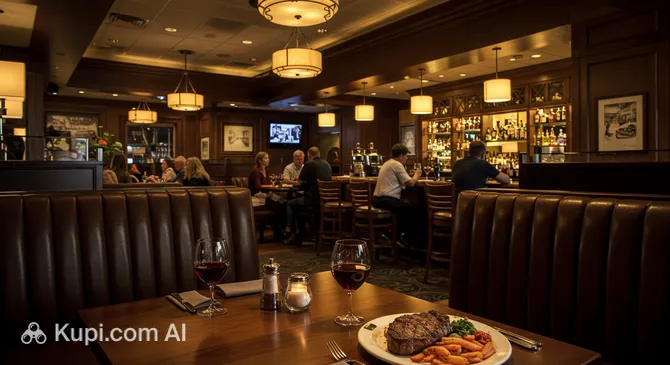
The culinary landscape in Thunder Bay is equally inviting, offering perfect spots to unwind. The Keg Steakhouse & Bar is a popular choice for visitors seeking a classic and reliable dining experience. Known for its high-quality steaks and warm, upscale casual atmosphere, it provides a comfortable setting to celebrate a special occasion or simply enjoy a hearty meal with travel companions.

The Keg Steakhouse & Bar. Source: Kupi.Binoculars

For a taste of local hospitality, Daytona's Restaurant stands out as a favorite among residents and tourists alike. This establishment is celebrated for its creative approach to comfort food and its friendly, welcoming vibe. It is an excellent venue to recharge and enjoy flavorful dishes that reflect the city's appreciation for good food and good company.

Daytona's Restaurant. Source: Kupi.Binoculars

Beyond these urban comforts, the city's historical significance is best experienced at Fort William Historical Park. This sprawling living history museum transports visitors back to the days of the Canadian fur trade, offering a stark but fascinating contrast to the modern dining and shopping experiences found in the city center.

Local Cuisine

The culinary scene in Thunder Bay is deeply rooted in its geography and diverse cultural history. With one of the largest Finnish populations outside of Scandinavia, the city offers a unique blend of hearty European flavors and fresh, locally sourced ingredients from the surrounding boreal forests and lakes.

Given its location on the shores of the world's largest freshwater lake, it is no surprise that fish plays a central role in the local diet. Lake Superior whitefish and pickerel (walleye) are staples here, often served freshly caught and lightly fried or smoked. Visitors can enjoy these freshwater delicacies at various local eateries, where the "catch of the day" is truly fresh off the boat.

The city is also famous for its Finnish pancakes, a breakfast tradition that differs significantly from the thick, fluffy North American variety. These pancakes are thin, buttery, and large, featuring crispy, caramelized edges. They are a beloved comfort food available in diners throughout the city, usually served with maple syrup or a side of strawberry sauce.

For caffeine enthusiasts, Thunder Bay boasts a surprisingly vibrant and sophisticated coffee culture. The historic Bay and Algoma districts are the epicenter of this scene, teeming with independent roasters and cozy cafes. It is the perfect area to explore for a high-quality brew, reflecting the city's appreciation for artisanal craftsmanship and warm hospitality.

To round out the gastronomic experience, the local craft beer industry has surged in popularity. Brewers take advantage of the pristine, cold waters of Lake Superior to create exceptional ales and lagers. Sampling a flight at a local taproom offers a refreshing taste of the region's natural resources and creativity.

Travel Tips

Visiting Thunder Bay is an adventure into the heart of Canada's outdoors, but a little preparation goes a long way in this northern landscape. To help you make the most of your time at the "Lakehead," here are some essential practical tips for a seamless and enjoyable journey.

  1. Clothing and Gear: The weather here can be unpredictable, largely due to the influence of Lake Superior. Layers are your best friend; even in summer, a cool breeze off the lake often requires a windbreaker or sweater in the evenings. If you are visiting in winter, heavy thermal gear, an insulated parka, and waterproof boots are absolute necessities. Comfortable, sturdy walking shoes are essential year-round for exploring the numerous hiking trails.
  2. Transportation: While Thunder Bay Transit provides reliable bus service within the city limits, renting a car is highly recommended for tourists. Many of the best attractions, such as Kakabeka Falls and Sleeping Giant Provincial Park, are located outside the urban core and are difficult to reach by bus. Ride-hailing apps and local taxi services are available, but a personal vehicle offers the most freedom.
  3. Finances: The local currency is the Canadian Dollar (CAD). Credit and debit cards (Visa and Mastercard) are widely accepted almost everywhere, including tap-to-pay terminals. It is advisable to carry a small amount of cash for purchases at farmers' markets or smaller independent vendors. The standard tipping culture is 15-20% for restaurant service and taxi rides.
  4. Health and Safety: The city is generally safe for travelers, but it is wise to exercise standard precautions in downtown areas after dark. For medical emergencies, the Thunder Bay Regional Health Sciences Centre is the main hospital. If you are hiking, be "bear aware" by making noise on trails and carrying bug spray during the summer to protect against mosquitoes and black flies.
  5. Communication: English is the primary language spoken throughout the city. Free Wi-Fi is readily available in most hotels, coffee shops, and the public library. If you require mobile data, you can purchase a prepaid SIM card at the Intercity Shopping Centre or major grocery stores.
  6. Local Etiquette: People in Thunder Bay are known for their friendly, down-to-earth nature. It is customary to greet staff when entering a shop and to hold doors open for people behind you. When enjoying the outdoors, strictly follow the Leave No Trace principles—respecting nature and keeping trails clean is deeply important to the local community.
  7. What to Avoid: Do not underestimate the temperature of Lake Superior. Even on the hottest summer days, the water remains incredibly cold and can cause shock if you jump in unprepared; stick to designated shallow beach areas for swimming. Additionally, avoid feeding wildlife, as this can be dangerous for both you and the animals.
  8. Local Insight: To sound like a local, refer to a summer vacation home as a "camp," not a cottage. For a taste of local life, try to visit the Thunder Bay Country Market on Saturday mornings or Wednesday evenings to sample regional foods and buy local crafts.

With these practical tips in hand, you are well-equipped to navigate the city and its wild surroundings with confidence. Enjoy the warm northern hospitality and the breathtaking scenery that makes Thunder Bay such a unique and memorable destination.

Entertainment & Nightlife

Entertainment in Thunder Bay reflects the city's friendly and unpretentious character. While it may not have the sprawling nightclubs of a major metropolis, it boasts a lively social scene centered around live music, craft beer, and cozy pubs. The nightlife here is less about exclusive guest lists and more about enjoying good company, local talent, and a welcoming atmosphere.

The primary hub for evening entertainment is the Port Arthur downtown district, particularly along Red River Road and Cumberland Street. This area, often referred to as the Entertainment District, is walkable and packed with a variety of venues ranging from gastropubs to dance floors. On weekends, the streets are bustling with locals and visitors hopping between bars, making it the most vibrant part of the city after dark.

For those seeking a refined evening with high-quality drinks and a polished atmosphere, The Keg Steakhouse & Bar is a reliable choice. It serves as an excellent starting point for the night, offering a sophisticated setting for cocktails and conversation. Alternatively, if you prefer a more relaxed environment to unwind with friends, Daytona's Restaurant offers a casual vibe perfect for enjoying evening drinks and comfort food without the need to dress up.

The local atmosphere is distinctly casual. There is rarely a strict dress code; jeans and a nice top or flannel shirt fit right in almost anywhere. Bars typically stay open until 2:00 AM, with the crowd peaking between 10:00 PM and midnight. Prices are generally affordable compared to larger Canadian cities, with a pint of beer or a mixed drink costing significantly less than in Toronto or Vancouver.

Safety in Thunder Bay is generally good in the entertainment districts, but standard precautions apply. It is advisable to stick to well-lit main streets like Red River Road when walking at night. For getting around, local taxi services are readily available, and rideshare apps operate within the city limits. Hailing a cab on the street can be hit-or-miss late at night, so keeping a taxi number handy or using an app is recommended.

Beyond the nightlife, the city offers plenty of cultural entertainment during the day. Visitors can catch a professional production at the Magnus Theatre, the only professional theatre company in Northwestern Ontario, located in a beautifully restored historic schoolhouse. For art lovers, the Thunder Bay Art Gallery features an impressive collection focusing on the works of Indigenous artists, providing a serene and inspiring cultural experience before the sun goes down.

Parks & Museums

Thunder Bay is a city where the untamed wilderness of the Canadian Shield meets a rich tapestry of cultural heritage. For visitors, this means easy access to breathtaking natural landscapes and a variety of institutions that preserve the region's unique history and artistic expressions.

The city is surrounded by some of Ontario's most spectacular natural environments. Sleeping Giant Provincial Park is perhaps the most iconic, located on the Sibley Peninsula. It offers over 100 kilometers of hiking trails that range from easy walks to challenging climbs, rewarding adventurers with panoramic views of Lake Superior. Another natural wonder is Kakabeka Falls Provincial Park, located just west of the city. Known as the "Niagara of the North," the falls plunge 40 meters into a gorge, and the park features accessible boardwalks that allow visitors to view the thundering water from multiple vantage points.

For a more urban green space, Marina Park at Prince Arthur's Landing is the jewel of the waterfront. It is a beautifully designed area that connects the city to the lake, featuring walking paths, a splash pad, and public art installations. It serves as a perfect spot for a leisurely stroll while admiring the view of the Sleeping Giant on the horizon.

Culturally, the city offers deep insights into the region's past and creative present. The Thunder Bay Art Gallery is a must-visit, renowned for its focus on contemporary Indigenous art. It holds one of the largest collections of such works in Canada, with a particular emphasis on the Woodland School of Art, providing a profound look into the stories and traditions of the First Nations people.

History buffs will appreciate the Thunder Bay Museum, housed in a historic building that once served as a police station and courthouse. The museum chronicles the diverse history of Northwestern Ontario, from early Indigenous settlements and the fur trade era to the development of the modern city. Its exhibits are well-curated, offering a comprehensive overview of how life has evolved in this northern outpost.

Among the city's most significant historical landmarks is the Terry Fox Monument. Perched on a high vantage point overlooking the Trans-Canada Highway and Lake Superior, this site marks the location where the Canadian hero was forced to end his Marathon of Hope. It is a moving tribute that also offers one of the most stunning scenic lookouts in the area.

For a lesser-known gem, visit the Centennial Botanical Conservatory. This indoor facility is an oasis of tropical plants and flowers, offering a vibrant and warm escape, especially during the cooler months. It is a peaceful retreat that many tourists overlook, perfect for a quiet moment surrounded by lush greenery.

Getting Around

Public transportation in Thunder Bay is primarily provided by Thunder Bay Transit, which operates a comprehensive network of bus routes connecting the city's diverse neighborhoods, shopping districts, and major attractions. As there is no metro, tram, or light rail system, the bus service is the backbone of local transit. The network is designed to link the two major hubs of the city—Port Arthur in the north and Fort William in the south—making it relatively easy to travel between these distinct downtown areas.

For payment, the system has modernized to include digital options alongside traditional methods. Travelers can pay their fare using cash (exact change is required) upon boarding. For a more convenient experience, visitors can use the Umo Mobility platform, which allows you to pay via a smartphone app or a reloadable smart card. Passes are available in various formats, including single rides, day passes, and monthly passes, offering flexibility depending on the length of your stay. If you pay with cash or tickets and need to switch buses, be sure to ask the driver for a paper transfer, which is valid for a limited time.

When planning your journey, it is helpful to know that the system operates from early morning until approximately midnight on weekdays and Saturdays, with reduced service hours on Sundays and holidays. The two main transit terminals are the City Hall Terminal in the south and the Water Street Terminal in the north. Buses generally run frequently on main corridors, but service can be less frequent in suburban areas. Using a transit app to check real-time schedules is highly recommended, as the city covers a large geographic area and wait times can vary.

If you prefer a more direct route or are traveling late at night, taxis and ride-sharing services are excellent alternatives. Thunder Bay is the birthplace of Uride, a popular Canadian ride-sharing app that offers reliable and often cost-effective transportation around the city. Traditional taxi companies are also readily available and can be hailed by phone or found at designated stands near major hotels and the airport.

For those who enjoy active travel, the city is becoming increasingly bike-friendly, with a growing network of multi-use trails and bike lanes. However, given the significant distances between the northern and southern districts, cycling is best suited for exploring specific neighborhoods or the scenic waterfront paths rather than for cross-town commuting. Car rentals remain the most popular choice for tourists who wish to explore the surrounding nature reserves, but for staying within the urban limits, the bus and ride-share combination is perfectly adequate.

Accommodation

Finding the right place to stay in Thunder Bay is relatively stress-free, as the city offers a practical range of accommodation options suited to various travel styles. While you won't find ultra-luxury 5-star resorts here, the city provides a solid selection of reliable mid-range chain hotels, charming bed and breakfasts, and budget-friendly motels. Whether you are passing through on a Trans-Canada Highway road trip or planning an extended outdoor adventure, there is likely a comfortable spot to rest your head.

The choice of location largely depends on your itinerary. Visitors who want to be close to the dining scene, nightlife, and the waterfront views of the Sleeping Giant typically prefer the Port Arthur district (North Ward). This area allows for easy walking access to Marina Park and the local shops on Red River Road. Conversely, the Arthur Street corridor, located near the airport and the highway in the Fort William area (South Ward), is lined with numerous hotels and motels. This strip is particularly convenient for travelers with cars who value easy access to the main roads and quick connections to the airport.

For those seeking a more unique or intimate experience, the city has a growing number of vacation rentals and guest houses, often located in quieter residential neighborhoods or near the rural outskirts. During the summer months, budget-conscious travelers and backpackers can also look into seasonal accommodations offered by the local college and university residences, which provide an affordable alternative to traditional hostels.

Booking Tips and Prices:

Accommodation prices in Thunder Bay are generally moderate compared to larger Canadian metropolises like Toronto or Vancouver. Most properties fall into the mid-range category, offering good value for money. However, the city is a major stopover point for cross-country travelers and hosts several large sports tournaments throughout the year. Consequently, it is highly recommended to book in advance if you are visiting during the peak summer season (July and August) or during major winter sporting events. Reservations can easily be made through major online booking platforms or by contacting properties directly.

Nearby Cities

Thunder Bay serves as the central hub for Northwestern Ontario, a region known for its vast wilderness and scattered communities. Due to the sheer size of the province, neighboring cities are located at considerable distances, making any trip a true journey through the northern landscape. Whether you are heading east towards the Great Lakes or west towards the prairies, the routes offer distinct and beautiful scenery.

City Population Distance (km)
Sault Ste. Marie 73,368 425
Geraldton 20,000 225
Kenora 15,096 413
Dryden 7,749 305
Fort Frances 7,700 308

Shopping & Souvenirs

Thunder Bay serves as the primary retail hub for Northwestern Ontario, offering a diverse shopping landscape that blends modern convenience with northern charm. Visitors can find everything from large national retailers to quirky independent boutiques that reflect the city's unique cultural heritage. Whether you are looking for outdoor gear to explore the wilderness or a handcrafted gift made by a local artisan, the city provides ample opportunities to find exactly what you need.

For a distinctively local experience, the Bay and Algoma district is a must-visit destination. This historic neighborhood, deeply rooted in the city's Finnish history, has evolved into a hip and vibrant area filled with specialty shops, vintage stores, and artistic gift boutiques. It is a walkable district where you can browse for one-of-a-kind items and enjoy a relaxed, creative atmosphere. Similarly, Westfort Village offers a glimpse into the city's past with its collection of long-standing family businesses and friendly, small-town vibe.

If you are looking for mainstream brands and a comprehensive indoor shopping experience, the Intercity Shopping Centre is the place to go. Located centrally between the varied districts of the city, it stands as the largest mall in the region. Here, tourists can access a wide range of fashion retailers, electronics stores, and essential services, making it a convenient stop for any travel necessities.

To truly connect with the local community, a visit to the Thunder Bay Country Market is highly recommended. Operating on Saturday mornings and Wednesday evenings at the Canadian Lakehead Exhibition grounds, this market is a showcase of regional talent. The upper level is dedicated to local artisans selling handmade pottery, jewelry, and textiles, while the main floor features fresh local produce and baked goods, offering a perfect slice of life in the north.

When it comes to souvenirs, Amethyst is the quintessential keepsake from Thunder Bay. The region is famous for its amethyst mines, and this striking purple quartz—the official gemstone of Ontario—can be found in many local gift shops in the form of raw clusters, polished stones, or elegant jewelry. Additionally, authentic Indigenous crafts, such as hand-beaded moccasins and leatherwork, are beautiful and meaningful items to bring home.

Standard shopping hours in the city generally run from 9:30 AM or 10:00 AM to 9:00 PM on weekdays for major centers and malls, with reduced hours on weekends. Independent boutiques in areas like Bay and Algoma often close earlier, typically around 5:00 PM or 6:00 PM. Credit and debit cards are widely accepted everywhere, although carrying a small amount of cash is useful for smaller vendors at the market.

Visitors should be aware that a 13% Harmonized Sales Tax (HST) is added to most purchases at the register. It is important to note that Canada does not currently offer a general tax refund program for international tourists on goods and services, so the final price paid at checkout is generally non-refundable regarding taxes.


Reached the end of the page?

That means the route is fully explored