Support

Hancock

About

Welcome to Hancock, a charming and historically rich city located in the northernmost part of Michigan's Upper Peninsula. Nestled on the scenic Keweenaw Peninsula, this community offers a unique blend of cultural heritage and natural beauty within the United States. Often referred to as the "focal point of Finnish America," Hancock is known for its steep hills, offering breathtaking views of the Portage Canal, and its welcoming small-town atmosphere.

With a population of approximately 4,300 residents, Hancock maintains a cozy feel while serving as a gateway to the rugged wilderness of the region. The city experiences a distinct climate with snowy winters perfect for sports enthusiasts and pleasant, mild summers. Visitors interested in the region's industrial past will find that the history of Hancock is deeply intertwined with the copper mining boom of the 19th century, leaving a lasting legacy on the local architecture and community spirit.
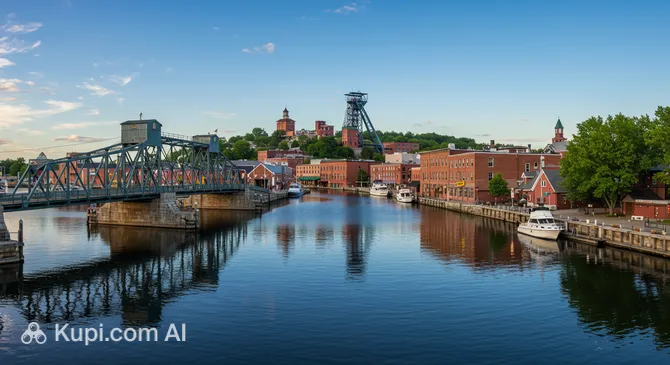
Hancock. Source: Kupi.Binoculars

Travelers should not miss the opportunity to visit the iconic Quincy Mine, often called "Old Reliable," which offers fascinating underground tours and is part of the Keweenaw National Historical Park. Another highlight is the Finnish American Heritage Center, which hosts archives, an art gallery, and a theater celebrating the area's strong Nordic roots. For those who enjoy scenic engineering, the massive Portage Lake Lift Bridge connects Hancock to the neighboring city of Houghton and provides a spectacular backdrop for evening walks.

Whether you are looking to explore deep historical roots, enjoy outdoor recreation, or simply experience the genuine hospitality of the "Copper Country," Hancock is a delightful destination waiting to be discovered.

Weather Overview

The climate in Hancock is characterized by distinct seasonal changes, offering travelers everything from snowy winter wonderlands to pleasantly warm summers. Generally, the weather pattern involves cold winters and mild to warm summers, with a consistent number of precipitation days throughout the year.

During the peak winter months of January and February, the city experiences its coldest temperatures, with averages hovering around -6.4°C and minimums dropping to -9.1°C. These months are also quite active in terms of precipitation, with up to 16 wet days, creating ideal conditions for winter sports enthusiasts. As the season shifts, temperatures gradually rise, with May seeing a comfortable average of 9.0°C.

Summer brings the most inviting weather for outdoor exploration. July and August are typically the warmest months, featuring average temperatures around 18.8°C and highs reaching up to 21.5°C. While these months have slightly fewer wet days compared to winter, rain is still possible. For a more detailed breakdown to help you plan your packing, you can view the full report on the weather in Hancock.

Interesting Facts

Beyond the scenic views and mining history, Hancock holds several fascinating traits that set it apart from other towns. This small community is packed with unique cultural quirks and geographical distinctions that often surprise visitors.

  • The Northernmost City: Hancock holds the title of the northernmost city in Michigan. Its location at the top of the Keweenaw Peninsula places it at a latitude further north than several major Canadian cities, including Montreal and Ottawa.

  • Bilingual Street Signs: To honor its profound cultural roots, Hancock is one of the rare places in the country where you will encounter bilingual street signs. As you explore the town, you will notice that many signs display names in both English and Finnish, a tribute to the settlers who shaped the region.

  • Birthplace of a Snow Legend: The local folklore figure "Heikki Lunta," known as the Finnish snow god, was actually invented in Hancock in 1970. A local radio salesman created the character to jokingly summon snow for a threatened snowmobile race, and when a massive blizzard followed, the legend became a permanent part of local culture.

  • Life on an Island: While it appears to be part of the mainland, Hancock is technically located on an island. The dredging of the Portage Canal in the 19th century separated the northern tip of the peninsula from the rest of the Upper Peninsula, creating what locals affectionately call "Copper Island."

How to Get There

Reaching the scenic Keweenaw Peninsula is the first step of your adventure. While the region feels wonderfully remote, it is accessible by air and road. For a comprehensive guide on all travel options, you can read more about how to get to Hancock on our detailed page.

The most convenient gateway is the Houghton County Airport (CMX), which is located directly in Hancock, just 8.4 km from the city center. This proximity makes it the ideal choice for travelers wanting to minimize ground travel time. A taxi or shuttle ride from the airport is a short drive, allowing you to start your visit almost immediately. Although it is a smaller facility with an annual passenger traffic of around 55,000 people, it provides essential connections to major hubs.

Alternatively, visitors can fly into Sawyer International Airport (MQT), situated in the city of Marquette. This airport is about 124.9 km away from Hancock. While it requires a longer ground transfer—taking approximately a 2-hour drive by taxi or rental car—it serves a larger volume of passengers, with an annual traffic of roughly 85,000 travelers, potentially offering more flight schedules.

For clarity, here is a summary of the main airports serving the region:

Airport Name City Passenger Traffic Km from City
Houghton County Airport Hancock Small 8.4
Sawyer International Airport Marquette Small 124.9
Ford Airport Iron Mountain Small 150.1
Oneida County Airport Rhinelander Small 180.0

Currently, there is no direct railway service to Hancock. Visitors preferring ground transport typically arrive by personal vehicle or intercity bus services that connect the Upper Peninsula with major cities in Michigan and Wisconsin. The drive offers scenic views of the Great Lakes region, making the road trip an enjoyable part of the experience.

Main Attractions

Hancock offers a fascinating array of attractions that blend its rich industrial history with the natural beauty of the Keweenaw Peninsula. From exploring deep underground mines to enjoying outdoor recreation on the steep hills and waterfronts, there is something here for every type of traveler.

One of the most significant landmarks in the region is the Quincy Mine. Often called "Old Reliable," this historic site offers visitors a rare chance to descend underground and experience the reality of copper mining. Above ground, the site features the massive Nordberg Steam Hoist, the largest of its kind in the world. It is a captivating destination for history buffs interested in the engineering marvels and the labor history that defined the Copper Country.

For those visiting during the snowy months, Mont Ripley Ski Area is a premier destination. Owned by Michigan Technological University, this ski hill is renowned for its challenging slopes and excellent snow conditions. Beyond the sport, it offers one of the best vantage points in the area; from the top of the runs, skiers are treated to a spectacular panoramic view of Hancock, Houghton, and the Portage Lake Lift Bridge spanning the canal below.

To understand the unique cultural fabric of the city, a visit to the Finnish American Heritage Center is essential. Located on the campus of Finlandia University, this center serves as the national archive for Finnish-American history. It features an art gallery, a theater, and a museum with rotating exhibits. It is an engaging place to learn about the traditions, music, and stories of the immigrants who settled in this northern region.

If you are looking for relaxation by the water, the Hancock Recreation Area is a perfect spot. Situated along the scenic Portage Canal, this area features a sandy beach for swimming, a boat launch, and a popular campground. It provides a peaceful setting for a picnic or an evening walk, allowing visitors to watch boats pass through the canal while enjoying the fresh Upper Peninsula air.

Local Cuisine

The culinary scene in Hancock is deeply rooted in its rich history and cultural heritage, particularly its strong Finnish influence and mining past. The food here is hearty, comforting, and designed to sustain locals through the snowy winters of the Upper Peninsula. For visitors, dining in Hancock offers a genuine taste of "Yooper" culture, where traditional recipes have been handed down through generations.

The absolute must-try dish in the region is the pasty. Originally brought to the area by Cornish miners, this savory hand-held pie was adopted by the Finnish population and became a staple of the local diet. A traditional pasty is filled with ground beef, potatoes, onions, and rutabaga, all encased in a sturdy, golden crust. It is a meal in itself, often served with a side of ketchup or gravy, and you will find dedicated pasty shops and bakeries throughout the city perfecting their own versions of this iconic food.

Given the city's location on the Keweenaw Peninsula, freshwater fish is another highlight of the local menu. Lake Superior whitefish and lake trout are frequently featured in restaurants, often served fresh, smoked, or as a creamy chowder. For a unique sweet treat, look for thimbleberry products. These tart red berries grow wild in the area and are difficult to cultivate commercially, making thimbleberry jam a rare and cherished local delicacy that pairs perfectly with toast or pancakes.

The Finnish heritage is perhaps most visible in the city's bakeries and breakfast spots. You should try pannukakku, a custard-like oven pancake served with syrup or berries, and nisu (also known as pulla), a sweet, braided bread flavored with cardamom that is often dipped in coffee. Another traditional snack is juustoa, often called "squeaky cheese," which is a mild, baked cheese that is warmed up before eating.

When it comes to beverages, coffee plays a central role in social life, reflecting the Nordic tradition of frequent coffee breaks. You will find that the local coffee culture is strong, with residents gathering in cozy cafes to socialize. For something stronger, the region has a thriving craft beer scene. While exploring the town, you can sample local ales and lagers brewed with the pristine waters of Lake Superior, often found in the relaxed, friendly bars and pubs that serve as community hubs.

Dining in Hancock is generally casual and unpretentious. The atmosphere is welcoming, with many family-owned diners and restaurants offering home-style cooking at affordable prices. Whether you are grabbing a quick pasty for lunch or sitting down for a fish fry dinner, the experience is characterized by warm hospitality and a sense of community pride.

Travel Tips

Planning a trip to Hancock is the start of an exciting adventure into the heart of the Keweenaw Peninsula, but navigating this unique northern outpost requires a bit of local know-how. To help you make the most of your visit to "Copper Island," here are some practical tips covering everything from navigating the snowy climate to understanding local customs.

  1. Clothing and Gear: Packing for Hancock depends heavily on the season. If you visit in winter, bring heavy-duty thermal layers, a waterproof parka, and insulated boots, as the "lake effect" snow can be intense and deep. In summer, the weather is mild, but evenings near Lake Superior can get chilly, so always carry a light jacket or sweater. Since the city is built on steep hills, comfortable, sturdy walking shoes are a must regardless of the season.

  2. Transportation: While the city is walkable, the steep terrain can make getting around on foot a workout. The best way to explore Hancock and the surrounding wilderness is by renting a car. Public transportation is available via the city transit system and regional buses, but schedules may be limited compared to large metropolitan areas. Ride-sharing apps are operational but can have longer wait times, especially late at night.

  3. Finances: The local currency is the US Dollar (USD). Credit and debit cards are widely accepted at most hotels, restaurants, and larger shops. However, it is wise to carry some cash for small purchases at local bakeries, craft fairs, or rural roadside stands. ATMs are readily available throughout the city. Tipping is standard practice in the US; aim for 15-20% at restaurants and bars.

  4. Health and Safety: Hancock is generally a very safe and welcoming community for tourists. For medical needs, the UP Health System has facilities nearby in Hancock and Houghton. Pharmacies are available, though you should check their hours as they may not be open 24/7. In winter, be cautious of icy sidewalks and falling snow from rooftops.

  5. Communication: English is the primary language spoken by everyone. You might hear locals use unique "Yooper" slang or see Finnish words on signs (like tervetuloa for welcome), but no foreign language skills are needed. Cell phone coverage is generally good within city limits but can become spotty or non-existent as you venture further into the remote wilderness of the Keweenaw Peninsula, so downloading offline maps is recommended.

  6. Local Etiquette: The people of Hancock are known for their friendly, small-town hospitality. It is polite to greet shopkeepers and people you pass on the street. If you are invited to a traditional wood-fired sauna—a cornerstone of local culture—be sure to ask about the specific etiquette of your host, as it is a revered social activity with its own set of unspoken rules.

  7. What to Avoid: Do not trespass on fenced-off or marked private property around old mining sites. While the industrial ruins are fascinating, they can be dangerous due to unstable ground and open shafts. Stick to designated tours like the Quincy Mine or marked public trails to explore the history safely.

  8. Additional Tip: When ordering a pasty (the local meat-and-potato pie), be prepared for a friendly local debate on how to eat it. Some locals swear by ketchup, while others insist on gravy. Trying it both ways is a fun way to engage with residents and find your own preference!

By keeping these practical tips in mind, you will be well-prepared to embrace the rugged beauty and warm community spirit of Hancock. Whether you are trekking up the hills or relaxing with a warm coffee, you are sure to have a memorable and comfortable stay in Michigan's northernmost city.

Entertainment & Nightlife

Nightlife in Hancock reflects the city's friendly, small-town character and its rugged, northern spirit. Unlike the high-energy club scenes of major metropolises, the evening entertainment here is centered around cozy taverns, historic cocktail lounges, and laid-back sports bars. The atmosphere is distinctly casual and unpretentious, often fueled by a mix of local residents, outdoor enthusiasts, and university students from the area.

The hub of activity is primarily located along Quincy Street, the city's main thoroughfare. Here, you can easily walk between venues, although the steep terrain of the city means you should be prepared for a bit of a climb if you venture off the main strip. The vibe is welcoming, with a dress code that rarely exceeds "smart casual"—flannel shirts and jeans are a common sight, fitting perfectly with the "Yooper" lifestyle.

For a taste of the local social scene, visitors should check out Gino's Restaurant & Cocktail Lounge. It is a long-standing local favorite that offers a relaxed setting for evening drinks, often featuring an outdoor patio that is bustling during the warmer summer months. Another popular spot is Bleachers Sports Bar, which provides a classic American pub experience with pool tables, televised sports, and a lively crowd, making it a great place to mingle with locals.

If you are looking for a venue with a bit of history, Nutini's Supper Club is worth a visit. While it serves as a dining spot, its lounge area retains a nostalgic charm, perfect for a quiet nightcap. Most venues stay open until around 2:00 AM on weekends, though hours can be shorter on weekdays. Prices in Hancock are generally very affordable compared to larger cities, with beers and cocktails reasonably priced.

Safety is rarely a concern in Hancock, as the crime rate is low and the streets are generally safe for walking at night. However, the biggest hazard is often the weather; during winter, sidewalks can be icy, so caution is advised. While the downtown area is walkable, ride-sharing services like Uber or Lyft are available but can be limited late at night. Local taxi services are a reliable alternative if you need a ride back to your accommodation.

During the daytime, entertainment shifts towards cultural and outdoor pursuits. The city is home to the historic Orpheum Theater, which occasionally hosts live music, films, and community events. For those interested in local creativity, the Copper Country Community Arts Center offers galleries and workshops. Additionally, the nearby trails and waterfront parks provide ample opportunity for daytime recreation before the sun sets and the evening lights of the Portage Lake Lift Bridge begin to glow.

Parks & Museums

Exploring Hancock offers a delightful mix of rugged outdoor beauty and preserved cultural history. The city's green spaces allow visitors to immerse themselves in the serene landscapes of the Upper Peninsula, while its museums and galleries provide a deep dive into the region's copper mining legacy and Nordic roots.

For nature lovers, the Maasto Hiihto and Churning Rapids Trails are a crown jewel of the city. These extensive trail systems offer year-round recreation, transforming from premier cross-country skiing destinations in the winter to lush hiking and mountain biking paths in the summer. Winding through dense forests and along the banks of Swedetown Creek, the trails provide a peaceful escape where you can admire the local flora and perhaps spot wildlife just minutes from downtown.

Another essential outdoor spot is the Hancock Recreation Area, widely known among locals as the city beach. Located on the shores of the Portage Canal, this park is perfect for a relaxing afternoon by the water. It features a sandy beach for swimming, a modern campground for those who want to sleep under the stars, and picnic facilities with scenic views of the lift bridge and passing boats.

In terms of cultural institutions, the Quincy Mine is the most prominent historical site. While famous for its underground tours, the site also functions as a comprehensive museum within the Keweenaw National Historical Park. Visitors can explore the massive Nordberg Steam Hoist, an engineering marvel housed in a cathedral-like brick structure, and walk through the heritage grounds to understand the scale of the mining operations that built the city.

Art enthusiasts should visit the Copper Country Community Arts Center. Located on Quincy Street, this venue champions local creativity, featuring a main gallery that hosts rotating exhibitions by regional artists. It serves as a vibrant cultural hub, offering workshops and a sales gallery where you can find unique, handcrafted souvenirs ranging from pottery to paintings that capture the spirit of the Copper Country.

For a deeper look into the area's ethnic identity, the Finlandia University Gallery, housed within the Finnish American Heritage Center, is a must-see. It is the premier venue for contemporary Finnish-American and international art in the region. The gallery presents diverse exhibits that often explore themes of heritage, migration, and northern identity, reflecting the strong connection Hancock maintains with Finland.

Insider Tip: If you are hiking the Maasto Hiihto trails, look for the hidden "gorges" along the creek. These deep, wooded ravines offer a surprisingly dramatic landscape and a profound sense of solitude that feels miles away from civilization.

Getting Around

Public transport in Hancock is designed to serve a small, close-knit community and differs significantly from the complex systems found in large metropolitan areas. There is no metro, tram, or train service within the city limits. Instead, the public transportation network relies primarily on a demand-response bus service and road-based travel, which is well-suited to the local population size and the city's hilly terrain.

The core of the local system is Hancock Public Transit. Unlike standard city buses that follow a fixed route and schedule, this is a "dial-a-ride" service. Visitors cannot simply wait at a bus stop; instead, you must call the dispatch center ahead of time to schedule a pickup. The small buses or vans provide curb-to-curb service, picking you up from your location and dropping you off at your destination within the service area. This personalized approach is convenient but requires a bit of planning, especially for tourists used to hopping on and off transit at will.

Regarding payment, the system is straightforward and traditional. Fares are generally paid in cash directly to the driver upon boarding. It is essential to carry exact change, as drivers typically do not carry cash to make change. For those planning an extended stay, discounted punch cards or tokens may be available for purchase at the City Hall or sometimes directly from transit drivers. The cost is very affordable, making it an economical way to get around if you do not have a vehicle.

For tourists, the most practical advice is to be mindful of operating hours. The transit service usually operates during standard business hours on weekdays, with limited or no service in the evenings and on weekends. Therefore, if you are planning dinner out or a late-night return to your hotel, you should not rely solely on the public bus. Always verify the current phone number and hours of operation upon arrival, as they can change seasonally.

Given the limitations of the bus service, walking is a popular alternative for short distances, though the city's steep hills can make it a rigorous workout. For greater flexibility, local taxi companies are available, though they often require booking in advance rather than hailing on the street. Ride-sharing apps like Uber and Lyft do operate in the area but can have fewer available drivers compared to big cities, leading to longer wait times. Consequently, renting a car remains the most reliable option for visitors who wish to explore the wider region and the scenic Keweenaw Peninsula at their own pace.

A unique aspect of navigating the area is the crossing of the Portage Lake Lift Bridge. While not a mode of transport itself, this massive double-deck vertical-lift bridge is the critical artery connecting Hancock to the neighboring city of Houghton. Public transit and taxis frequently cross this bridge, and during the winter, it serves as a vital link for snowmobiles on the lower deck, highlighting the region's adaptation to its snowy climate.

Accommodation

Accommodation in Hancock is reflective of its small-town charm and rich history. Visitors will not find sprawling luxury mega-resorts here; instead, the city offers a welcoming selection of cozy motels, reliable mid-range chain hotels, and historic inns that capture the local character. In recent years, the options have expanded to include vacation rentals and private apartments, which are particularly popular for families or groups looking for a "home away from home" while exploring the rugged Keweenaw Peninsula.

The most convenient area to stay is near the downtown district along Quincy Street. Lodging here places you within walking distance of local dining, shops, and cultural sites like the Finnish American Heritage Center. Another popular choice is to look for accommodation near the Portage Canal waterfront. Properties in this vicinity often provide stunning views of the Portage Lake Lift Bridge and easy access to the walking trails along the water, offering a scenic backdrop to your stay.

A crucial tip for travelers is to book well in advance, especially if you plan to visit during peak seasons. Summer is busy with road trippers and nature lovers, while autumn attracts visitors for the spectacular fall foliage. Additionally, winter weekends can fill up quickly due to the influx of snowmobilers and skiers heading to the nearby slopes. During major local events or university festivities in the neighboring area, vacancies can become scarce very quickly.

The price range for accommodation in Hancock is generally affordable to mid-range. Budget-conscious travelers can find economical motels that provide the basics, while those seeking more amenities can expect moderate prices at branded hotels or boutique inns. Booking is straightforward, with most establishments listed on major online travel platforms. However, for smaller, family-run motels or bed and breakfasts, calling directly can sometimes be the best way to secure a specific room preference.

Nearby Cities

While Hancock serves as a perfect base for exploring the Keweenaw Peninsula, the surrounding region offers several other interesting destinations for those willing to take a scenic road trip. The Upper Peninsula of Michigan and the neighboring state of Wisconsin are dotted with cities that share a similar heritage of forestry, mining, and love for the outdoors.

The closest major hub is Marquette, located approximately 111 km to the southeast. As the largest city in the Upper Peninsula, it offers a wider range of shopping, dining, and cultural amenities, including the Northern Michigan University campus. The drive along the coast of Lake Superior is spectacular, making Marquette an easy and popular choice for a day trip or a weekend getaway.

For travelers heading further west, the "Twin Ports" area offers a significant urban experience. Duluth, situated in Minnesota about 271 km away, is a major port city known for its aerial lift bridge and vibrant waterfront district. directly across the bay lies Superior, Wisconsin. At a distance of 272 km from Hancock, Superior complements its neighbor with its own maritime history and access to the great lake.

Heading south into Wisconsin, you can visit Three Lakes, roughly 154 km away. As the name suggests, this smaller community is renowned for its chain of lakes and water-based recreation, offering a quieter, nature-focused atmosphere. Further south, about 254 km from Hancock, is Wausau. This city is a well-known destination for winter sports, particularly skiing at Granite Peak, and serves as a central hub for arts and commerce in central Wisconsin.

Here is a quick reference guide to these nearby cities to help you plan your travels:

City Distance (km) Population
Marquette 111 20,561
Three Lakes 154 15,367
Wausau 254 76,016
Duluth 271 118,975
Superior 272 26,601

Shopping & Souvenirs

Shopping in Hancock offers a refreshing departure from the hustle of large commercial centers, focusing instead on intimate, locally-owned boutiques and specialty stores. The experience here is deeply connected to the city's heritage, with many shops offering goods that reflect the region's copper mining history, Nordic roots, and artistic community. Visitors will find that browsing the storefronts is as much about cultural discovery as it is about purchasing unique items.

The primary destination for retail therapy is Quincy Street, the city's main thoroughfare that runs through the heart of downtown. This walkable district is lined with historic buildings housing an eclectic mix of businesses. Here, you can wander between antique shops filled with treasures from the mining era, quaint gift stores, and outdoor outfitters ready to equip you for the rugged Upper Peninsula wilderness. The steep, hilly nature of the street adds a picturesque backdrop to your window shopping.

Travelers looking for large-scale shopping complexes or international fashion chains will not find them within Hancock's city limits. The city prides itself on independent commerce. For a more conventional mall experience, visitors typically cross the bridge to the neighboring city of Houghton, where the Copper Country Mall and other larger retail plazas provide department stores and standard amenities. In Hancock, the focus remains strictly on small-scale, personal service.

For a taste of local flavor, the Hancock Tori (Farmers Market) is a beloved seasonal gathering spot. Held on Quincy Green during the warmer months, this market is a vibrant showcase of the community's agricultural and creative output. "Tori" is the Finnish word for market, and true to its name, you can find fresh local produce, homemade baked goods like nisu bread, and handcrafted items from local artisans. It is an excellent place to mingle with residents and sample the region's harvest.

When searching for the perfect souvenir, there are several distinctively "Copper Country" items to look for. Thimbleberry jam is perhaps the most prized local delicacy; made from wild berries that are unique to the region, it makes for a delicious and rare gift. Given the city's history, copper crafts and jewelry are also popular keepsakes. Additionally, due to the strong Finnish heritage, many shops sell imported Nordic goods, ranging from high-quality sauna supplies and woolens to iconic design pieces and salty licorice.

Store hours in Hancock generally follow a relaxed, small-town schedule. Most boutiques and independent shops open around 10:00 AM and close by 5:00 PM or 6:00 PM. It is important to note that many businesses have reduced hours or may be closed entirely on Sundays. Major credit and debit cards are widely accepted, though carrying a small amount of cash is recommended for small purchases at the farmers market or pop-up stalls.

The United States does not have a VAT refund system for international tourists similar to those found in Europe. In Hancock, the price you see on the shelf typically does not include sales tax. Michigan state sales tax (currently 6%) will be added to your total at the checkout register. There is no mechanism to claim this tax back upon leaving the country, so visitors should factor this small addition into their shopping budget.

Reached the end of the page?

That means the route is fully explored