Support

Wausau

About

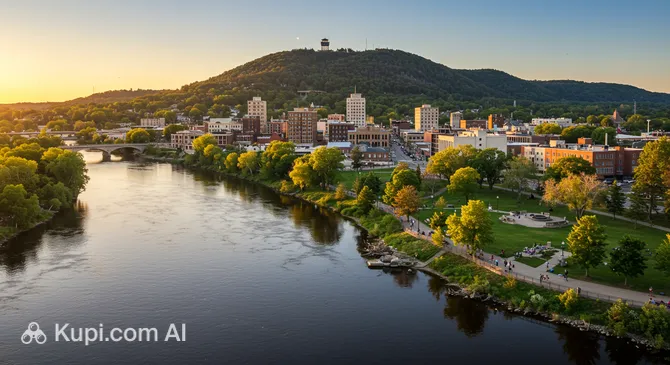
Nestled along the winding banks of the Wisconsin River, Wausau serves as a vibrant hub of culture and outdoor adventure in central Wisconsin. With a population of approximately 76,000, this charming city offers a perfect blend of small-town hospitality and urban amenities, making it a delightful destination for travelers seeking both relaxation and excitement.

Wausau. Source: Kupi.Binoculars

Located in the United States, Wausau is geographically defined by its stunning river views and the prominent Rib Mountain nearby. The region experiences four distinct seasons, transforming from a lush green landscape in the summer to a snowy wonderland in the winter, which makes it a year-round playground for nature enthusiasts.

The city's heritage is deeply rooted in the timber industry, a past that has significantly shaped its architecture and community spirit. Visitors interested in the local background can delve into the rich history of Wausau to discover how it evolved from a rugged logging settlement into a modern center for arts and commerce.

Travelers are often drawn to the renowned Rib Mountain State Park, which offers miles of hiking trails and hosts the popular Granite Peak Ski Area, one of the oldest ski resorts in the country. For culture seekers, the Leigh Yawkey Woodson Art Museum is a must-visit, famous internationally for its "Birds in Art" exhibition and beautiful sculpture garden. Additionally, the revitalized downtown River District features unique shops and dining options centered around the lively 400 Block public square.

Whether you are looking to hit the slopes, explore diverse art galleries, or simply enjoy a scenic walk by the river, Wausau welcomes you with open arms. It is an ideal stop for anyone touring the Midwest, promising memorable experiences and scenic beauty.

Weather Overview

Wausau experiences a distinct four-season climate, ranging from freezing winters to pleasantly warm summers. The coldest month is typically January, where the average temperature hovers around -7.6°C, and nights can get quite chilly with minimums dipping to -11.4°C. Travelers visiting during the winter season should come prepared for freezing conditions, as December and February also maintain average temperatures well below zero.

In contrast, the summer months offer much milder conditions perfect for exploring the outdoors. July is generally the warmest month, featuring an average temperature of 21.4°C and highs that reach up to 26.3°C. For those planning a visit and needing specific forecasts, the guide to weather in Wausau provides comprehensive monthly details.

Precipitation occurs year-round, but the frequency of wet days increases during the warmer season. From April through August, you can expect around 12 wet days per month, whereas the winter months are slightly drier with about 7 to 8 wet days. Overall, visitors can expect warm summers with occasional rain and cold, drier winters.

Interesting Facts

Beyond its scenic riverbanks and ski hills, Wausau holds several fascinating distinctions that often surprise visitors. From geographical oddities to agricultural fame, the city offers unique stories waiting to be discovered.
  • Wausau is situated remarkably close to a unique geographical marker known as the "45x90" point. This spot marks the exact intersection of the 45th Parallel North and the 90th Meridian West, making it the precise center of the Northwest Hemisphere. It is one of only four such points on the globe and the only one located on accessible land.

  • The region has earned the title of the "Ginseng Capital of the World." Due to its specific soil composition and climate, Marathon County produces a massive percentage of the United States' ginseng crop, which is highly coveted in international markets for its superior quality.

  • Geology enthusiasts will appreciate that the area is home to Wausau Red Granite, a striking igneous rock. This distinct stone is so significant to the local landscape and history that it was officially named the state rock of Wisconsin in 1971.

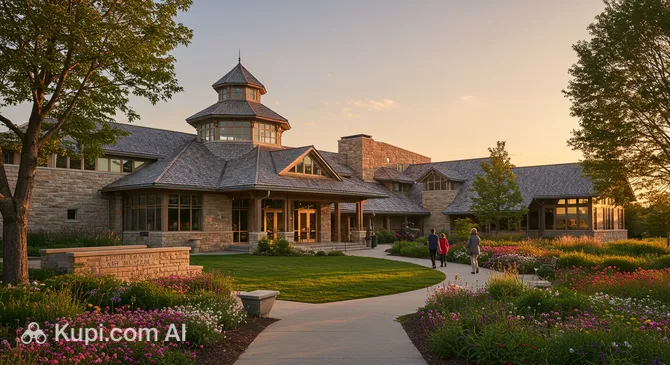
  • Unlike many world-class institutions, the Leigh Yawkey Woodson Art Museum maintains an "Always Free" admission policy. This commitment ensures that its renowned exhibitions and tranquil sculpture garden remain accessible to all travelers without the barrier of a ticket price.

Leigh Yawkey Woodson Art Museum. Source: Kupi.Binoculars

How to Get There

Reaching Wausau is convenient thanks to a variety of transportation options connecting this central Wisconsin hub to the rest of the country. Whether you prefer to fly into a nearby regional airport or enjoy a scenic drive through the Midwest, you can easily find a route that suits your travel plans. For a complete guide on the best ways to arrive, you can read more about how to get to Wausau.

The most direct way to arrive by air is via the Central Wisconsin Airport (CWA), which serves as the primary aviation gateway for the region. Located approximately 20 km from the city center, it offers a quick and easy connection for visitors. A taxi or shuttle ride from the airport to downtown Wausau typically takes about 25 to 30 minutes. Travelers looking for more flight options might consider the Outagamie County Regional Airport (ATW), located in the city of Appleton. Although it is situated about 118 km away, it handles a larger volume of passenger traffic. The journey from Appleton to Wausau by car or taxi generally takes around 1 hour and 15 minutes.

For clarity, here is a summary of the main airports:

Airport Name City Passenger Traffic Km from City
Outagamie County Regional AirportAppletonLarge117.7
Austin Straubel International AirportGreen BayMedium130.0
Central Wisconsin AirportWausauMedium20.3
Oneida County AirportRhinelanderSmall75.4
Ford AirportIron MountainSmall151.9

Wausau does not currently have a direct intercity passenger railway station. However, the city is well-connected by a network of well-maintained highways, making it easily accessible by car or bus. Interstate 39 and U.S. Highway 51 run directly through the area, linking Wausau to major cities like Madison and Milwaukee. Several commercial bus lines also operate routes to the city, offering an affordable and reliable alternative for ground transportation.

Main Attractions

Rib Mountain State Park is undoubtedly one of the crown jewels of the area, drawing outdoor enthusiasts throughout the year. Rising high above the landscape, this billion-year-old hill provides some of the most spectacular panoramic views of the Wisconsin River valley. Visitors can explore miles of hiking trails that weave through ancient rock formations and lush forests, which burst into a stunning display of fiery colors during the autumn months. It is an ideal spot for a family picnic, a challenging hike, or simply soaking in the natural beauty of central Wisconsin.

For those who appreciate culture and creativity, the Leigh Yawkey Woodson Art Museum is a world-class destination located right in the city. Famous for its internationally acclaimed "Birds in Art" exhibition, the museum focuses on nature-themed art that resonates with the region's scenic surroundings. Guests can wander through the elegant galleries or step outside to enjoy the tranquil sculpture garden, which features permanent installations set amidst beautifully landscaped grounds. With its commitment to free admission, it offers a welcoming and inspiring experience for all.

Winter sports lovers will find their paradise at Granite Peak Ski Area, which occupies the slopes of Rib Mountain. As one of the oldest ski resorts in the Midwest, it combines historic charm with modern amenities, including high-speed lifts and extensive snowmaking capabilities. The resort boasts dozens of runs that cater to every skill level, from gentle slopes for beginners to thrilling vertical drops for experts. Whether skiing, snowboarding, or enjoying the après-ski atmosphere in the chalet, it is a premier destination for cold-weather fun.

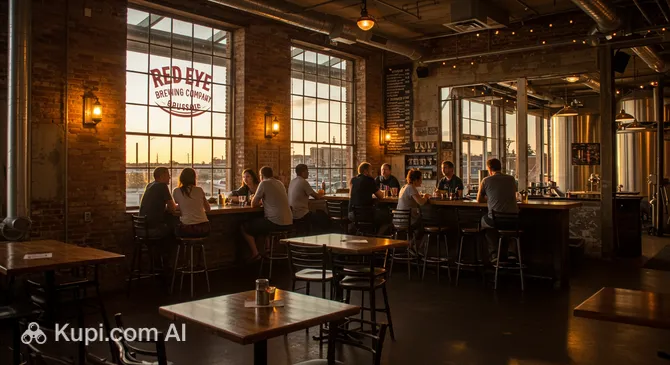
Red Eye Brewing Company. Source: Kupi.Binoculars

To get a taste of the local flavor, travelers should visit the Red Eye Brewing Company. This popular microbrewery is not just a place to grab a drink; it is a community hub known for its commitment to sustainability and artisanal craftsmanship. Visitors can sample a rotating selection of handcrafted beers, from refreshing lagers to complex ales, all brewed on-site. The accompanying menu features delicious dishes made with locally sourced ingredients, offering a perfect way to relax and refuel after a day of sightseeing.

Local Cuisine

The culinary landscape of Wausau is a delightful reflection of Wisconsin’s rich agricultural heritage and German roots, offering hearty comfort food that satisfies the soul. Visitors cannot leave the city without trying the state’s most iconic snack: cheese curds. Whether eaten fresh and "squeaky" or deep-fried to golden perfection with a side of ranch dressing, this dairy delicacy is a staple appetizer found on nearly every local menu. Another must-try is the classic bratwurst, often grilled or boiled in beer, serving as a testament to the region's deep cultural history.

One of the most cherished local traditions is the Friday Night Fish Fry. This weekly culinary event brings communities together at restaurants, pubs, and supper clubs across the city. The meal typically features beer-battered cod, perch, or walleye, served alongside coleslaw, rye bread, and potato pancakes. It is more than just dinner; it is a social experience that defines the start of the weekend for locals and offers tourists a warm, welcoming atmosphere.

When it comes to beverages, the local culture is equally distinctive. The Brandy Old Fashioned is the unofficial state cocktail of Wisconsin. Unlike the traditional whiskey version found elsewhere, the local variation is made with brandy and can be ordered "sweet" (with lemon-lime soda) or "sour" (with grapefruit soda). For beer enthusiasts, the city has a thriving craft brew scene. Places like the Red Eye Brewing Company offer a chance to taste locally brewed ales and lagers that pair perfectly with the region's hearty dishes.

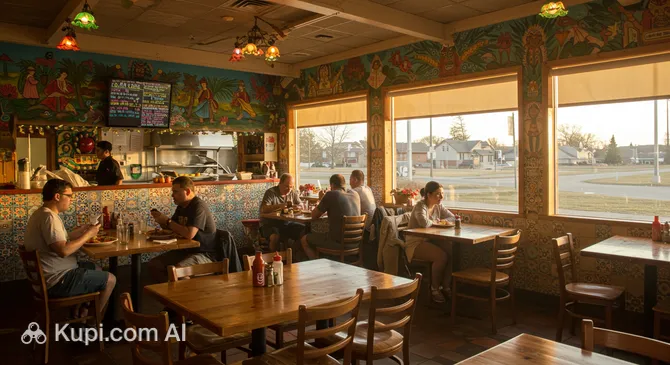
La Taqueria. Source: Kupi.Binoculars

The dining scene in Wausau ranges from nostalgic supper clubs, known for their relish trays and prime rib, to vibrant modern eateries in the downtown River District. Travelers looking for diverse flavors beyond traditional Midwest fare will find excellent options as well. For instance, La Taqueria brings authentic street-style Mexican cuisine to the heart of the city, offering a flavorful contrast to the classic dairy and meat-heavy local diet. Whether browsing the stalls at the local farmers market or sitting down for a multi-course dinner, visitors will find that food here is prepared with pride and a focus on local ingredients.

Travel Tips

Welcome to Wausau! To help you make the most of your visit to this charming Wisconsin river city, here is a collection of practical advice covering everything from packing for the seasons to navigating local customs.

  1. Clothing and Gear: The weather here varies greatly by season. If visiting in winter, heavy coats, thermal layers, and waterproof boots are essential due to snow and sub-zero temperatures. Summers are warm and humid, requiring light breathable fabrics, but always pack a light jacket for cooler evenings near the river. Comfortable walking shoes are a must if you plan to hike at Rib Mountain.
  2. Transportation: The most convenient way to explore Wausau and the surrounding area is by renting a car, as attractions are spread out. While there is a local bus service called Metro Ride, its routes and operating hours are limited. Ride-sharing apps like Uber and Lyft are available, though wait times may be longer than in larger cities.
  3. Finances: The local currency is the US Dollar (USD). Credit and debit cards are widely accepted at hotels, restaurants, and shops. However, it is wise to carry some cash for small purchases at the farmers market or local festivals. Tipping is standard practice; expect to leave 15-20% for good service at restaurants and bars.
  4. Health and Safety: Wausau is generally a very safe destination for tourists. Pharmacies like Walgreens and CVS are easily accessible for minor health needs, though you should check their hours as not all are open 24/7. In case of any serious emergency, dial 911 for immediate assistance.
  5. Communication: English is the primary language spoken throughout the city. Most locals are friendly and happy to help with directions. Free Wi-Fi is widely available in hotels, coffee shops, and public buildings like the library, making it easy to stay connected.
  6. Local Etiquette: Visitors often experience the famous "Midwest Nice." It is polite to smile, say hello to passersby, and hold doors open for others. When driving, be patient and courteous; aggressive driving is frowned upon here.
  7. What to Avoid: Do not underestimate winter driving conditions if you visit between November and March; roads can be slippery with ice and snow. Additionally, avoid skipping the tip at sit-down restaurants, as this is considered rude and significantly impacts the staff's earnings.
  8. Local Insight: If you are in town during the summer, head to the "400 Block" in the downtown square. It serves as the city's living room, hosting free concerts and events where you can mingle with locals and enjoy the community atmosphere.

With these tips in hand, you are ready to enjoy the natural beauty and warm hospitality of Wausau without worry. Whether you are skiing the slopes or strolling along the Wisconsin River, a little preparation ensures your adventure will be as relaxing as it is memorable.

Entertainment & Nightlife

The nightlife scene in Wausau reflects the city's friendly and unpretentious character. Rather than high-energy nightclubs with strict dress codes, you will find a welcoming atmosphere centered around cozy pubs, craft breweries, and live music venues. The vibe here is distinctly "Midwest Nice," where locals are happy to strike up a conversation, and the dress code is almost universally casual. Whether you are looking for a quiet pint of local ale or a place to tap your feet to a local band, the evening options are relaxed and accessible.

The heart of the action lies in the River District, particularly along Third Street in downtown Wausau. This walkable area serves as the city's main entertainment hub, featuring a cluster of bars and eateries that are perfect for an evening of bar-hopping. During the summer months, the famous "400 Block"—a large public square in the center of downtown—comes alive on Wednesday evenings for "Concerts on the Square." This free event draws thousands of people for live music, picnics, and socializing, setting a festive tone for the rest of the night.

For a taste of the local craft beer culture, the Red Eye Brewing Company is an excellent starting point. It offers a sophisticated yet comfortable environment where you can enjoy small-batch beers brewed on-site. If you are looking for a lively dinner before hitting the bars, La Taqueria provides a vibrant setting with authentic Mexican street food that pairs perfectly with a night out. For those seeking live entertainment later in the evening, venues like Malarkey’s Pub and the Intermission Bar are local staples known for hosting regional bands and offering a spirited pub atmosphere until closing time.

When planning your night, keep in mind that most bars in Wisconsin close around 2:00 AM or 2:30 AM on weekends. Prices are generally very affordable compared to larger cities. While downtown is walkable and safe for evening strolls, it is advisable to have a plan for getting back to your accommodation. Rideshare services like Uber and Lyft are available but can be less frequent late at night than in major metropolitan areas, so booking a ride in advance or calling a local taxi service is often a smart move.

Before the sun goes down, Wausau offers plenty of daytime diversions. Culture lovers should visit the Leigh Yawkey Woodson Art Museum, which is renowned for its avian-themed art and beautiful sculpture garden. For theater enthusiasts, the historic Grand Theater presents a variety of Broadway shows and concerts throughout the year, serving as a cultural anchor that transitions seamlessly into the city's evening entertainment landscape.

Parks & Museums

Wausau offers a seamless integration of natural splendor and cultural richness, making it a destination where outdoor exploration and artistic appreciation go hand in hand. The city's landscape is defined by its lush riverbanks and rolling hills, while its downtown core is preserved with a deep respect for history and the arts.

Rib Mountain State Park stands as the region's premier natural landmark, encompassing over 1,500 acres of ancient geological formations. Rising above the surrounding terrain, this billion-year-old hill offers visitors some of the most breathtaking panoramic views in Wisconsin. The park features approximately 13 miles of hiking trails that range from accessible paved paths to rugged terrain, perfect for observing local wildlife and vibrant autumn foliage. It is a haven for nature lovers seeking solitude or a vigorous workout within minutes of the city center.

For a more cultivated outdoor experience, Monk Botanical Gardens provides a tranquil escape known locally as "Wausau's Happy Place." Spanning 30 acres, this beautifully designed space features a variety of themed areas, including a meditation garden, a kitchen garden, and a whimsical treehouse that delights visitors of all ages. It is an evolving green space that encourages connection with nature through educational programs and peaceful walking paths.

The cultural crown jewel of the city is the Leigh Yawkey Woodson Art Museum. Internationally recognized for its flagship "Birds in Art" exhibition, this institution celebrates the natural world through a diverse collection of paintings, sculptures, and works on paper. Beyond its indoor galleries, the museum grounds feature a stunning sculpture garden where art interacts harmoniously with the landscape. With its commitment to always-free admission, it remains an accessible and inspiring destination for all tourists.

Another significant institution is the Marathon County Historical Society, which preserves the stories and artifacts of the region. Often centered around the Woodson History Center and the historic Yawkey House Museum, this organization offers a glimpse into the opulent lives of the lumber barons who built the city. Visitors can explore restored interiors and rotating exhibits that detail the economic and social evolution of central Wisconsin.

Architectural enthusiasts should not miss the Grand Theater, a historic landmark located in the heart of downtown. Built in 1927 as an opera house, this Classic Revival-style venue has been lovingly restored and continues to serve as the region's hub for performing arts. Its grand façade and ornate interior provide a stunning backdrop for Broadway shows and concerts, anchoring the city's Arts Block.

For a truly local experience, take a stroll through the Riverlife Park along the Wisconsin River. This developed waterfront area perfectly combines recreation with relaxation, offering paved trails, exercise stations, and scenic overlooks. It is a favorite spot for locals to watch the sunset over the water, providing a quiet moment to reflect on the day's adventures.

Getting Around

As is common in many smaller American cities, the public transport options in Wausau are relatively limited compared to major metropolitan areas. The city is primarily designed for automobile travel, and most visitors find that renting a car is the most convenient way to get around. However, for those without a vehicle, the local bus system provides a reliable, albeit smaller-scale, service for navigating the core areas of the community.

The main provider of public transportation is Metro Ride, a bus service that operates several fixed routes throughout the city and neighboring Weston. There is no underground metro, tram, or trolleybus system here. The bus routes typically converge at the Transit Center in the downtown area, making it relatively easy to reach key destinations such as the Wausau Center, Northcentral Technical College, and major medical facilities. The buses are modern, clean, and equipped with bicycle racks, allowing passengers to combine cycling with their transit commute.

Paying for a ride is straightforward. Passengers can pay the fare in cash upon boarding, but it is essential to have exact change as drivers do not carry cash to make change. For tourists planning to use the bus multiple times, buying a pack of tokens or a monthly pass can offer savings. These passes and tokens are typically available for purchase at the City Hall, the Transit Center, and select local grocery stores. The fares are generally very affordable, making it a budget-friendly option for getting around town.

A critical piece of advice for tourists is to check the operating hours carefully. Metro Ride service is focused primarily on weekday business hours, with buses running from early morning until early evening. Service on Saturdays is often limited or operates on a reduced schedule, and there is typically no bus service on Sundays or major holidays. Therefore, it is important to plan your return trips in advance to avoid being stranded after the buses stop running.

Given the limited schedule of the bus system, alternatives like taxis and rideshare apps are popular and necessary supplements. Services such as Uber and Lyft are active in the area and provide a convenient way to travel during evenings and weekends when public transit is unavailable. There are also local taxi companies that can be called for a scheduled pickup. For short distances, especially near the river and downtown, walking is a pleasant option, and the city’s network of trails, such as the River Edge Parkway, makes cycling a viable and scenic way to explore during the warmer months.

Accommodation

Where to Stay:

Accommodation in Wausau is designed to suit a variety of travelers, ranging from outdoor enthusiasts to business visitors. The city primarily offers a wide selection of mid-range hotels and reliable national chains that provide comfortable and consistent amenities. For those seeking a more unique or intimate experience, there are charming bed-and-breakfasts located in historic homes, as well as vacation rentals and cabins that are particularly popular among those looking to stay closer to nature.

When choosing where to stay, location plays a key role depending on your itinerary. The Downtown River District is an excellent choice for visitors who want to be within walking distance of local dining, the arts scene, and the Wisconsin River. Staying here places you in the heart of the community's social life. Conversely, the area surrounding Rib Mountain and the highway corridors is ideal for skiers and hikers. This district offers easy access to the Granite Peak Ski Area and the state park, making it a convenient base camp for active vacations.

While the city does not typically feature ultra-luxury resorts, the standard of hospitality is high, with many properties catering specifically to families and sports groups. Prices in Wausau are generally quite affordable compared to larger metropolitan areas, with most options falling into the budget to mid-range categories. Booking is usually straightforward via major online platforms or direct reservations.

A crucial tip for travelers is to be mindful of the seasons. Wausau is a premier winter destination due to its ski slopes, so accommodation can fill up quickly from December through March. Similarly, the autumn peak color season draws many visitors. It is highly recommended to book well in advance if you plan to visit during these popular times to ensure you secure your preferred location.

Nearby Cities

For those looking to explore the surroundings, Wausau serves as an excellent base for day trips to several interesting nearby locations:

Just a short drive south lies Stevens Point, a university town known for its commitment to conservation and the arts. It is a fantastic destination for outdoor enthusiasts, featuring the famous Green Circle Trail, a 27-mile scenic loop perfect for hiking and biking. History buffs and beer lovers will appreciate a visit to the Stevens Point Brewery, one of the oldest continuously operating breweries in the United States, offering tours and tastings of their historic brews.

To the southwest, Marshfield offers a mix of agricultural heritage and unique local attractions. Families often visit Wildwood Park & Zoo to see the twin Kodiak bears and large buffalo herd. For a truly unique experience, Jurustic Park provides a whimsical look at "extinct" creatures made from rusted metal parts, created by a local amateur paleontologist, located just outside the city proper.

For those willing to travel a bit further, Appleton serves as the cultural heart of the Fox Cities. Located along the Fox River, it offers a vibrant downtown area filled with shops, restaurants, and museums. Visitors can explore the History Museum at the Castle, which features an exhibit dedicated to the city's most famous son, Harry Houdini, or enjoy a show at the Fox Cities Performing Arts Center.

City Population Distance (km)
Appleton 218,448 124
Neenah 27,194 126
Marshfield 25,793 54
Stevens Point 25,752 49
Fox Crossing 18,907 123

These nearby destinations offer a glimpse into the diverse culture and landscapes of the region.

Shopping & Souvenirs

Shopping in Wausau offers a delightful mix of small-town charm and modern convenience, catering to both those seeking unique local treasures and visitors in need of travel essentials. The city does not rely on massive, frenetic shopping complexes but rather provides a relaxed atmosphere where browsing is part of the leisure experience. From historic storefronts to bustling commercial corridors, the retail scene reflects the community's blend of outdoor heritage and artistic flair.

The heart of the local shopping experience is undoubtedly the Downtown River District. Centered around Third Street, this walkable area is lined with historic buildings that house an array of independent boutiques, specialty gift shops, and art galleries. It is the perfect place to find one-of-a-kind items, stylish clothing, and home décor while enjoying the scenic backdrop of the Wisconsin River. The district is also known for its friendly shop owners who are often happy to share the stories behind their local products.

For those looking for major national retailers and a wider selection of goods, Rib Mountain Drive serves as the city's primary commercial hub. Located just a short drive from the city center, this extensive retail corridor functions similarly to a large open-air shopping center. Here, travelers can find everything from outdoor gear suitable for the nearby ski slopes to electronics and department store staples. While traditional enclosed malls are less prominent, the Cedar Creek Mall in the nearby village of Rothschild offers a mix of outlet-style stores and hosts various trade shows and craft markets throughout the year.

A highlight for many visitors is the Wausau Farmers Market, located near Oak Island Park along the river. Operating typically from May through October, this lively market is a showcase of the region's agricultural bounty. It is the best place to mingle with locals and purchase fresh produce, flowers, and handcrafted goods. The market is particularly famous for its friendly atmosphere and the high quality of locally grown ingredients, making it a must-visit for foodies.

When it comes to souvenirs, Wausau has a specific claim to fame: it is known as the "Ginseng Capital of the World." High-quality ginseng products, ranging from tea to supplements, make for a unique and healthy gift that is distinct to this region. Additionally, no trip to Wisconsin is complete without bringing back some local cheese and sausage. For beer enthusiasts, picking up a growler or merchandise from the Red Eye Brewing Company is a great way to remember the local flavor. Art lovers might also find distinctive gifts at the shop within the Leigh Yawkey Woodson Art Museum, which offers items inspired by nature and their exhibitions.

Store opening hours in Wausau generally follow standard American schedules. Major retailers on Rib Mountain Drive are typically open from 10:00 AM to 9:00 PM, while smaller downtown boutiques may close earlier, around 5:00 PM or 6:00 PM, and may have reduced hours on Sundays. Credit and debit cards are universally accepted, though carrying a small amount of cash is recommended for small purchases at the farmers market or pop-up stalls.

Tourists should be aware that the United States does not have a Value Added Tax (VAT) refund system for international visitors similar to those found in Europe. The price you see on the shelf usually does not include the sales tax, which is added at the register. There is no mechanism for tourists to claim this tax back upon departure, so it is best to factor this small additional cost into your shopping budget.
Reached the end of the page?

That means the route is fully explored