Support

Minneapolis

About

Welcome to Minneapolis, a vibrant metropolis that perfectly blends urban sophistication with natural beauty. Often referred to as the "City of Lakes," it forms the famous "Twin Cities" alongside its neighbor, St. Paul. Located in the northern region of the United States, this dynamic city is a cultural hub known for its friendly atmosphere, thriving arts scene, and extensive park systems.

Minneapolis. Source: Kupi.Binoculars

Geographically, Minneapolis sits on the banks of the majestic Mississippi River and is renowned for its abundance of water, boasting over a dozen lakes within the city limits. The climate is characterized by distinct seasons, offering snowy winters that transform the city into a wonderland and warm, lush summers ideal for outdoor activities. With a metropolitan population of approximately 2.8 million people, it serves as the economic engine of the Midwest while maintaining a welcoming, community-focused spirit.

The city has a rich industrial past, once serving as the flour milling capital of the world. Exploring the history of Minneapolis reveals how this heritage has been preserved and repurposed, with historic mills now housing museums and lofts. Today, the city is just as famous for its modern architecture and the innovative Skyway System, which connects downtown buildings through enclosed pedestrian footbridges.

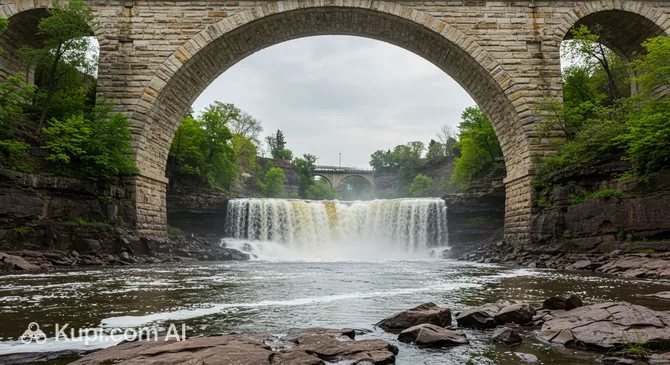
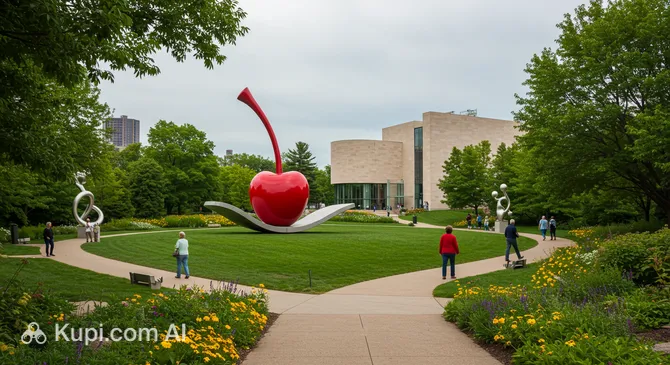
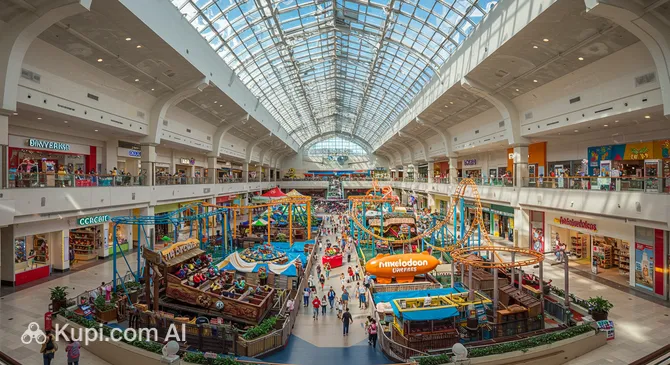
Travelers are drawn to Minneapolis for its exceptional attractions. Art lovers should not miss the Minneapolis Sculpture Garden, home to the iconic Spoonbridge and Cherry sculpture. For those seeking retail therapy, the massive Mall of America is located just nearby, offering endless entertainment and shopping options. Nature enthusiasts will appreciate Minnehaha Park, where a stunning 53-foot waterfall captivates visitors year-round.

Whether you are visiting for the world-class theater, the scenic bike trails, or the diverse culinary landscape, Minneapolis promises an unforgettable experience. It is a destination that invites you to explore its unique blend of Midwestern charm and cosmopolitan energy.
Weather Overview

Minneapolis experiences a continental climate characterized by four distinct seasons, offering a wide variety of atmospheric conditions throughout the year. For travelers planning a visit, understanding the weather in Minneapolis is key to packing appropriately. The winters are known for being cold, with January typically serving as the coldest month, featuring average temperatures of -7.9°C and minimums dropping to -11.8°C.

In contrast, the city comes alive with warmth during the summer months. July is generally the hottest time of year, with average temperatures reaching 23.7°C and daily highs often peaking at 28.5°C. Rainfall is more common during this period, with months like August experiencing approximately 13 wet days. Generally, visitors can expect warm summers with occasional rain and cold, dry winters.

Interesting Facts

Beyond the well-known lakes and malls, Minneapolis holds a treasure trove of fascinating stories and unique features that often surprise visitors. From architectural marvels to pop culture landmarks, the city has a distinct character defined by innovation and creativity.

Minneapolis Sculpture Garden. Source: Kupi.Binoculars
  • Minneapolis is home to the world's largest continuous skyway system. This intricate network of enclosed pedestrian footbridges spans over nine miles and connects 80 city blocks, allowing locals and visitors to travel between skyscrapers, hotels, and restaurants without ever stepping out into the winter cold.

  • The city is the birthplace of the famous Honeycrisp apple, which was scientifically developed for its unique texture by researchers at the University of Minnesota. You can explore the region's impressive horticultural achievements at the beautiful Minnesota Landscape Arboretum.

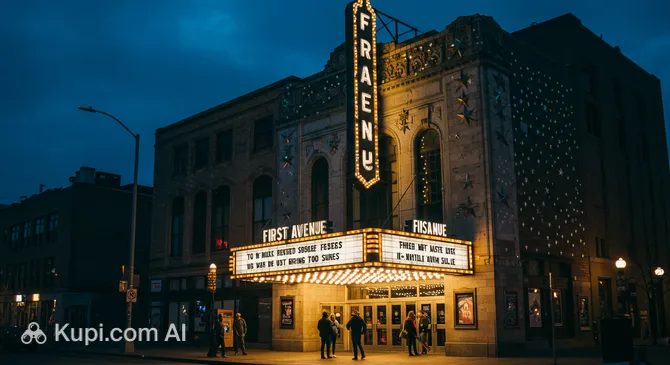
  • Music history runs deep here, as the city was the stomping ground of the legendary artist Prince. The iconic venue First Avenue, instantly recognizable by the silver stars on its black exterior, served as a key filming location for the movie "Purple Rain" and remains a pilgrimage site for music fans.

  • The Minneapolis Sculpture Garden is one of the largest urban sculpture parks in the country. It famously houses the Spoonbridge and Cherry, a whimsical sculpture that weighs approximately 7,000 pounds and features a fine mist spraying from the cherry's stem.

How to Get There

Reaching the "City of Lakes" is convenient thanks to its well-connected transportation network, serving millions of visitors annually. Whether you are arriving from within the United States or traveling internationally, you will find several options to suit your itinerary. For a complete guide on all available transport methods, you can read more about how to get to Minneapolis on our detailed page.

The primary gateway for most travelers is the Minneapolis–St. Paul International Airport (MSP). Conveniently located just 11.5 km from the city center, it is a major hub offering extensive domestic and international connections. The airport handles a large volume of passengers year-round, ensuring frequent flight options. A trip from the airport to downtown by taxi or public transport typically takes approximately 30 minutes, making it the most efficient choice for direct access to the city.

If you are exploring the broader region or cannot find a direct flight, there are alternative airports in nearby cities. The Rochester International Airport (RST) is located in the city of Rochester, about 133.5 km from Minneapolis. Traveling from there to Minneapolis by car or shuttle typically takes around 1.5 hours. Another option is the Duluth International Airport (DLH) in Duluth, situated approximately 223.2 km away, with a driving time of about 2.5 hours.

For clarity, here is a summary of the main airports serving the region:

Airport Name City Passenger Traffic Km from City
Minneapolis–St. Paul International Airport Minneapolis Large 11.5
Duluth International Airport Duluth Medium 223.2
Rochester International Airport Rochester Medium 133.5
La Crosse Regional Airport La Crosse Medium 201.2
Crow Wing County Airport Brainerd Small 171.8

In addition to air travel, Minneapolis is accessible by a network of highways and intercity bus services. While flying is often the fastest method, road trips offer a scenic way to experience the landscapes of Minnesota.

Main Attractions

Minneapolis is a city that effortlessly combines cultural depth with exhilarating entertainment, offering a wide array of attractions for every type of traveler. From world-class museums and architectural marvels to sprawling green spaces and legendary shopping destinations, the city provides endless opportunities for exploration and discovery.

No visit to the region is complete without experiencing the sheer scale of the Mall of America. Located in nearby Bloomington, this is far more than just a shopping center; it is one of the largest retail and entertainment complexes in North America. Visitors can spend days exploring hundreds of stores, dining at diverse restaurants, or enjoying the thrills of the indoor theme park, Nickelodeon Universe. It also houses the impressive SEA LIFE Minnesota Aquarium, making it a perfect destination for families looking for fun irrespective of the weather.

Mall of America. Source: Kupi.Binoculars

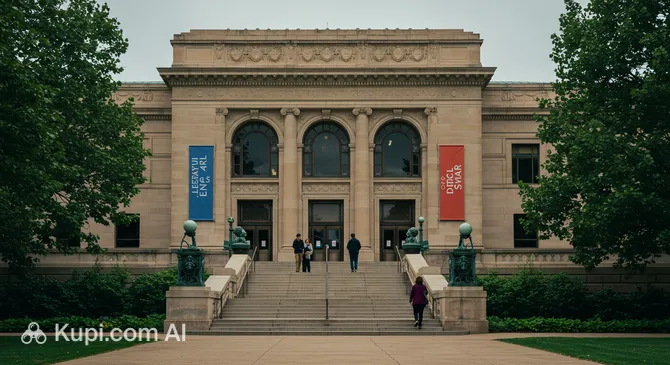
For those seeking a more serene and cultural experience, the Minneapolis Institute of Art (Mia) is a must-visit treasure. Home to a vast collection spanning 5,000 years of human history, this museum showcases masterpieces from around the globe, including Asian, African, and Native American art. General admission is free, allowing everyone to access its inspiring galleries. The museum's neoclassical architecture is as stunning as the art housed within, providing a beautiful backdrop for an afternoon of artistic immersion.

Minneapolis Institute of Art. Source: Kupi.Binoculars

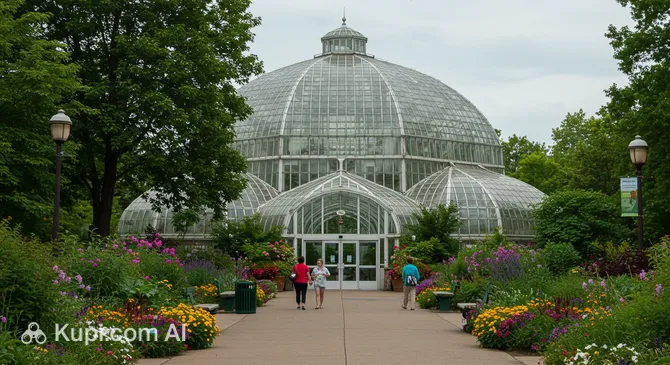
Nature enthusiasts and families will fall in love with the Como Park Zoo & Conservatory. This beloved historic park offers a delightful escape into the natural world. You can wander through the sunken garden of the Marjorie McNeely Conservatory, which blooms with vibrant flowers year-round, or visit the zoo to see polar bears, gorillas, and other exotic wildlife. The park also features a carousel and a lake, making it a comprehensive recreational spot that captures the charm of the Twin Cities.

Como Park Zoo & Conservatory. Source: Kupi.Binoculars

Music history buffs should take the opportunity to visit Paisley Park, the private estate and production complex of the legendary artist Prince. Located in Chanhassen, a short drive from downtown, this museum offers an intimate look into the life and creative process of the music icon. Guided tours take you through his recording studios, performance spaces, and personal artifacts, serving as a powerful tribute to his enduring legacy.

Finally, architecture and theater lovers should head to the riverfront to admire the Guthrie Theater. Designed by Jean Nouvel, this striking blue building is a landmark of modern design. Even if you do not catch a play, the building is open to the public, featuring the "Endless Bridge"—a cantilevered observatory that offers some of the best panoramic views of the Mississippi River and the Minneapolis skyline.

Local Cuisine

The culinary landscape of Minneapolis is a delicious reflection of its history and geography, blending hearty Midwestern comfort food with a sophisticated, chef-driven dining scene. As the "City of Lakes," fresh ingredients and farm-to-table philosophies are central to the local food culture. Visitors will find everything from James Beard Award-winning restaurants to vibrant food markets and historic diners, making it a surprising but rewarding destination for foodies.

No visit to Minneapolis is complete without trying its most famous culinary invention, the Juicy Lucy. Unlike a standard cheeseburger where the cheese sits on top, a Juicy Lucy features cheese stuffed inside the meat patty, creating a molten core of flavor. Two local establishments famously claim to be the creator of this burger, fueling a friendly rivalry that has lasted for decades. It is a messy, delicious "must-eat" experience, but diners should be careful—the cheese inside is piping hot.

Given Minnesota's abundance of fresh water, Walleye is the fish of choice on many menus. This mild, flaky freshwater fish is often served pan-fried with a cracker crust or as a sandwich. Another staple ingredient is wild rice, a native grain that has been harvested in the region for centuries. You will frequently find it in creamy wild rice soup, a warming dish perfect for the city's crisp autumns and winters. For a true taste of local home cooking, look for Tater Tot Hotdish, a comforting casserole made with ground beef, cream of mushroom soup, and crispy tater tots.

The city is also a major hub for the craft beer revolution. The local brewing scene is thriving, with taprooms scattered throughout neighborhoods like the North Loop and Northeast Minneapolis. Beer lovers can visit Utepils Brewing, which specializes in classic European-style beers nestled in a scenic setting near Bryn Mawr Meadows. It is a perfect example of how the city combines outdoor relaxation with high-quality brewing.

For those seeking a memorable dining atmosphere, the city offers venues that pair excellent food with unique settings. The historic Nicollet Island Inn provides an elegant experience right on the Mississippi River, offering scenic views and a menu rooted in classic American cuisine. Meanwhile, culture and cuisine meet at the Dakota, a renowned jazz club and restaurant where you can enjoy a sophisticated dinner while watching world-class musical performances.

Nicollet Island Inn. Source: Kupi.Binoculars

Beyond specific dishes, the food culture in Minneapolis is defined by its accessibility and variety. "Eat Street" (Nicollet Avenue) offers a stretch of diverse global cuisines, while the extensive Skyway system downtown allows office workers and tourists to grab lunch without braving the elements. Whether you are grabbing a quick bite at a food truck or sitting down for a multi-course meal, the local hospitality is always warm and welcoming.

Travel Tips

Welcome to Minneapolis! To ensure your visit to the "City of Lakes" is as enjoyable and stress-free as possible, we have compiled a list of essential practical tips. These insights will help you navigate the local customs, climate, and logistics like a seasoned traveler.

  1. Clothing and Gear: Packing for Minneapolis depends entirely on the season. If you visit in winter, heavy layers, a down coat, waterproof boots, gloves, and a warm hat are mandatory due to sub-zero temperatures. Summers can be hot and humid, so light, breathable fabrics are best. Regardless of the season, bring comfortable walking shoes, as you will likely spend time exploring the lakes or navigating the extensive Skyway system.

  2. Transportation: The city has an excellent public transport system called Metro Transit, which includes buses and a light rail network. The Blue Line light rail is particularly useful for tourists, connecting the airport, the Mall of America, and downtown. Ride-hailing apps like Uber and Lyft are widely available. While you can rent a car to explore the suburbs, it is not strictly necessary if you plan to stay within the city center.

  3. Finances: The local currency is the US Dollar (USD). Credit and debit cards are accepted almost everywhere, from high-end restaurants to small coffee shops. ATMs are plentiful throughout the city. Tipping is a standard part of the service culture in the United States; expect to tip between 18% and 20% in restaurants and bars, and a few dollars for hotel staff or taxi drivers.

  4. Health and Safety: Minneapolis is generally safe for tourists, but like any major city, it is wise to stay aware of your surroundings, especially at night. For minor health issues, chain pharmacies like CVS and Walgreens are easy to find, with some locations open 24 hours. In case of a serious emergency, dial 911 for immediate police, fire, or medical assistance.

  5. Communication: English is the primary language spoken. Free Wi-Fi is available in most hotels, cafes, and public buildings, including the airport and Mall of America. If you need mobile data, you can purchase a prepaid SIM card at the airport or at mobile provider stores around the city. Local apps like the "Metro Transit" app are very helpful for planning routes and buying tickets.

  6. Local Etiquette: Locals are known for "Minnesota Nice"—a cultural norm of being polite, friendly, and helpful. It is common to greet strangers with a smile or a nod. People generally respect personal space and orderly queuing. If you need directions, do not hesitate to ask; residents are typically very willing to assist visitors.

  7. What to Avoid: Do not underestimate the winter weather; walking outside for long periods without proper gear can be dangerous. Also, avoid blocking the flow of traffic in the Skyway system during rush hour—treat the walkways like a road and stick to the right side so commuters can pass.

  8. Shopping Bonus: One of the best perks of visiting Minnesota is that there is no sales tax on clothing and shoes. This makes the city, and particularly the Mall of America, a fantastic destination for refreshing your wardrobe without the extra cost found in many other states.

With these practical tips in mind, you are all set to experience the best of Minneapolis. Embrace the local charm, enjoy the tax-free shopping, and have a wonderful time exploring this dynamic Midwestern gem!

Entertainment & Nightlife

Minneapolis pulses with energy long after the sun goes down, offering a diverse array of entertainment options that range from legendary music venues to thrilling sports arenas. The city is celebrated for its vibrant arts scene and nightlife, making it a premier destination for those seeking excitement beyond the usual tourist spots.

Music is woven into the fabric of the city, and no venue is more legendary than First Avenue. Known for its distinct black exterior covered in silver stars, this club has hosted some of the biggest names in music history and remains a cornerstone of the local nightlife. Whether you are catching a rock concert or exploring the surrounding Warehouse District, the area offers a lively atmosphere filled with energy.

First Avenue. Source: Kupi.Binoculars

For sports fans, the Twin Cities are a true paradise. The roar of the crowd is a familiar sound at the massive Bank Stadium, an architectural marvel that hosts professional football games and major concerts throughout the year. Just across the river, the Energy Center serves as the premier destination for hockey and large-scale events, contributing to the region's reputation as a sports powerhouse.

Families and curious minds will find endless fun at the region's educational attractions. The Science Museum of Minnesota provides an interactive environment where visitors can explore exhibits on paleontology, technology, and the human body. For a walk on the wild side, the Minnesota Zoo in Apple Valley showcases animals in naturalistic habitats, featuring trails that wind through forests and lakes.

Minnesota Zoo. Source: Kupi.Binoculars

Those seeking active thrills will enjoy Nickelodeon Universe, an expansive indoor theme park featuring roller coasters and rides for all ages. In the winter months, outdoor enthusiasts can head to Buck Hill for skiing and snowboarding, proving that the city's cold weather is just another opportunity for adventure.

Parks & Museums

Minneapolis is widely celebrated for its seamless integration of urban development and the natural world, boasting one of the best park systems in the United States. Beyond its green spaces, the city and its surrounding "Twin Cities" region offer a rich tapestry of cultural institutions, preserving everything from local history to avant-garde art.

For those looking to immerse themselves in nature without leaving the city, the Mississippi National River and Recreation Area is a sprawling treasure. This 72-mile river park corridor runs right through the metro area, offering endless opportunities for hiking, birdwatching, and boating along the mighty Mississippi. Another favorite among locals is Boom Island Park, located on the riverfront. It provides some of the most picturesque views of the downtown skyline and serves as a peaceful spot for picnics or a leisurely stroll near the water.

Mississippi National River and Recreation Area. Source: Kupi.Binoculars

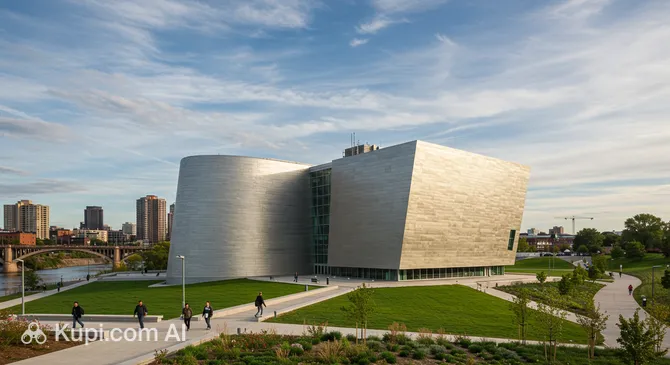
The city's cultural landscape is equally impressive, anchored by institutions that push creative boundaries. The Weisman Art Museum, located on the University of Minnesota campus, is a sight to behold before you even step inside. Designed by the renowned architect Frank Gehry, its shimmering stainless steel facade houses a diverse collection of modern art, ceramics, and American modernism. For a deep dive into the region's past, the Minnesota History Center offers interactive exhibits that explore the people, places, and events that shaped the state, making it an engaging stop for visitors of all ages.

Weisman Art Museum. Source: Kupi.Binoculars

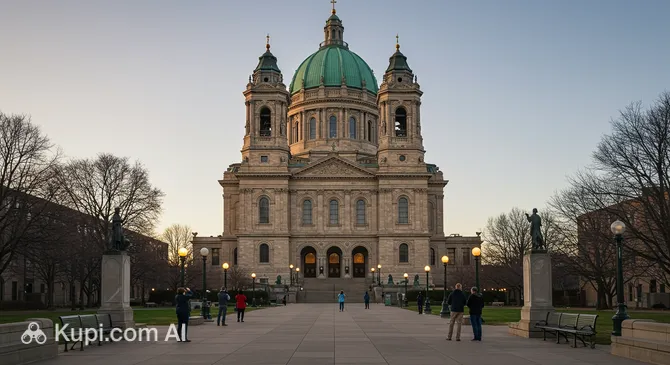
Architectural grandeur defines the skyline and historic districts of the area. One of the most stunning examples is the Cathedral of Saint Paul. Situated on a hill overlooking the city, this Beaux-Arts masterpiece features a massive copper dome and intricate interiors that rival the great cathedrals of Europe. In downtown Minneapolis, the Foshay Museum and Observation Deck offers a different kind of history. Modeled after the Washington Monument, this Art Deco skyscraper invites guests to its top-floor observation deck for panoramic views of the sprawling metropolis.

Cathedral of Saint Paul. Source: Kupi.Binoculars

For a truly authentic local experience during the warmer months, head to Lake Nokomis Beach. While many tourists flock to the larger lakes, this spot offers a more relaxed, neighborhood vibe perfect for swimming or enjoying a sunset. Additionally, culture seekers might enjoy the Landmark Center, a historic venue that frequently hosts music, dance, and cultural festivals in a beautiful castle-like setting.

Getting Around

Navigating Minneapolis is both efficient and enjoyable, thanks to a well-integrated public transportation network managed by Metro Transit. The system is designed to connect the downtown core with major attractions, neighborhoods, and the neighboring city of St. Paul. Whether you are visiting for business or leisure, you will find that getting around the "Twin Cities" area is straightforward and often scenic.

The backbone of the city's transport is the METRO Light Rail system, which consists of two primary lines that are particularly useful for visitors. The Blue Line is essential for travelers, as it connects the Minneapolis-St. Paul International Airport directly to the Mall of America and downtown Minneapolis. The Green Line is equally important, linking downtown Minneapolis with the University of Minnesota and downtown St. Paul. These trains run frequently and offer a reliable way to hop between the region's most popular destinations without the need for a car.

Complementing the light rail is an extensive bus network that covers the entire metropolitan area. This includes rapid bus lines that offer faster service with fewer stops, as well as local routes that navigate through specific neighborhoods. For those traveling from the northern suburbs, the Northstar Commuter Rail provides a convenient link into the city center. While the bus system is comprehensive, most tourists find that the light rail lines cover the majority of their needs within the central tourist zones.

Paying for your journey is simple and modern. The most convenient option for tourists is to download the Metro Transit app, which allows you to purchase tickets instantly on your smartphone. Alternatively, you can buy a reloadable Go-To Card if you plan to stay for several days, or purchase single-use tickets at vending machines located at all rail stations. Fares are affordable, typically ranging between $2.00 and $2.50, with slightly higher prices during rush hours (generally 6:00–9:00 AM and 3:00–6:30 PM). Importantly, tickets usually include free transfers between buses and trains within a 2.5-hour window.

When using the system, keep a few practical tips in mind. If you are paying with cash on a bus, you must have the exact change, as drivers do not carry cash. For the light rail, there are no turnstiles; instead, the system operates on a "proof of payment" basis. You must purchase your ticket before boarding and keep it handy, as transit police frequently check for valid fares. While the trains run frequently from early morning until late at night, they do not operate 24 hours a day, so be sure to check the schedule if you plan on a very late night out.

Minneapolis is also renowned as one of the most bike-friendly cities in North America. In warmer months, utilizing the city's bike-sharing programs and electric scooters is a fantastic alternative to motorized transport. Dedicated bike lanes and trails, such as the Midtown Greenway, make cycling a safe and popular way to see the sights. For those who prefer a car, ride-sharing apps like Uber and Lyft are widely available and offer a quick way to reach destinations that might be further from transit stops.

A unique feature of moving around downtown Minneapolis, especially during the winter, is the Skyway System. While not a vehicle, this network of enclosed, climate-controlled pedestrian footbridges connects over 80 city blocks. It effectively acts as a secondary transport grid, allowing you to walk between hotels, shopping centers, and restaurants in comfort, completely avoiding the snow or rain outside.

Accommodation

Where to Stay:

Finding the perfect place to stay in Minneapolis is easy, thanks to a wide range of accommodation options that cater to every budget and travel style. The city offers everything from luxurious high-rise hotels with panoramic skyline views to charming boutique inns and budget-friendly hostels. Whether you are visiting for business, a family vacation, or a romantic getaway, you will find a welcoming space to call home during your trip.

For most tourists, Downtown Minneapolis is the most convenient area to base yourself. Staying here places you within walking distance of major sports stadiums, theaters, and the Mississippi Riverfront. It also gives you direct access to the famous Skyway System, allowing you to navigate between your hotel, restaurants, and shopping centers without stepping out into the cold during winter. If you prefer a trendier vibe, the North Loop (Warehouse District) is known for its stylish boutique hotels converted from historic industrial buildings, surrounded by some of the city's best dining and nightlife.

Visitors focused on shopping or families planning to spend days at the theme parks often choose to stay in the southern district near the airport and the Mall of America (in neighboring Bloomington). This area is densely packed with family-oriented hotels that often provide free shuttle services to the mall and the light rail stations, making it a practical choice for those prioritizing convenience over downtown's urban energy.

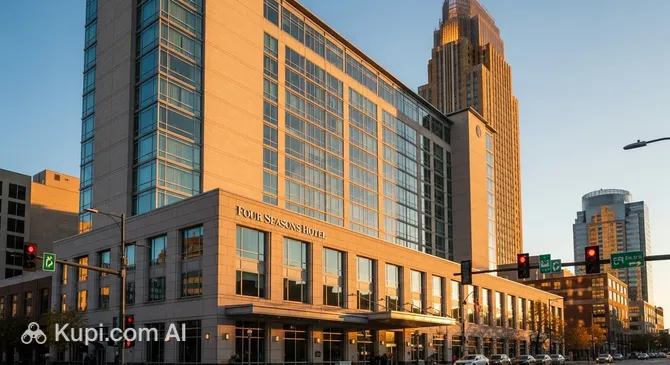
Travelers seeking a premium experience will find several world-class establishments in the heart of the city. A standout example is the Four Seasons Hotel, which offers top-tier luxury, exceptional service, and stunning views of the city. Properties like this often serve as a destination in themselves, featuring on-site spas and fine dining.

Four Seasons Hotel. Source: Kupi.Binoculars

Booking Tips and Prices: Accommodation prices in Minneapolis are generally moderate compared to coastal US cities, but they can fluctuate significantly based on the season. Summer and early autumn are peak times, so it is highly recommended to book your room at least a few months in advance. Prices typically range from $100–$150 per night for mid-range chain hotels to upwards of $300 for luxury stays. Online booking platforms are the most common way to secure a reservation, often offering flexible cancellation policies which are useful for international travelers.

Nearby Cities

For those looking to explore the surroundings, Minneapolis serves as an excellent base for day trips to several interesting nearby locations:

Just across the river lies St. Paul, the state capital and the other half of the famous "Twin Cities." While Minneapolis is known for its modern skyline, St. Paul offers a more historic and European atmosphere. Visitors can stroll down Summit Avenue to admire the longest stretch of Victorian homes in the country or visit the majestic Cathedral of Saint Paul. It is also a cultural hub, hosting the Science Museum of Minnesota and the Minnesota History Center, making it an essential stop for anyone visiting the region.

For a retreat into nature and lakeside luxury, Minnetonka is a perfect destination. Located just west of the city, it is famous for the expansive Lake Minnetonka, a sprawling body of water that is a magnet for boaters, anglers, and sunbathers during the summer months. The area offers charming lakeside dining options and scenic cruises, providing a relaxing contrast to the urban energy of the metropolis.

Shoppers and leisure seekers will enjoy a visit to Edina, an upscale suburb known for its premier retail centers like the Galleria and Southdale Center. Beyond shopping, the city features beautiful green spaces such as Centennial Lakes Park, where visitors can rent paddle boats, play mini-golf, or simply walk along the winding paths that surround the water.

City Population Distance (km)
St. Paul 309751 14
Brooklyn Park 85247 15
Minnetonka 53809 17
Edina 53059 12
St. Louis Park 49539 9

These nearby destinations offer a glimpse into the diverse culture and landscapes of the region.

Shopping & Souvenirs

Minneapolis is widely recognized as a premier shopping destination in the Midwest, drawing visitors with its diverse retail landscape and a significant financial perk. One of the most attractive features for tourists is that the state of Minnesota does not charge sales tax on clothing and shoes. This exemption applies to everything from luxury designer wear to everyday bargains, making the city a fantastic place to refresh your wardrobe without the extra cost found in many other destinations.

For an urban shopping experience, head to the North Loop neighborhood. Known as the Warehouse District, this trendy area is filled with converted industrial buildings that now house stylish boutiques, vintage stores, and independent design shops. It is the perfect spot to find unique fashion, home goods, and locally made products. In the heart of downtown, Nicollet Mall serves as a central commercial corridor. While it is primarily a business and dining hub, it features several key retailers and hosts a seasonal farmers market that adds a vibrant touch to the city center.

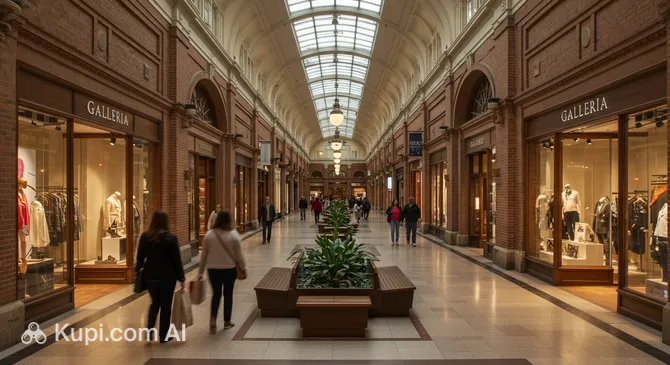
The region's retail fame is anchored by the legendary Mall of America. Located just a short light-rail ride away in Bloomington, it is one of the largest shopping and entertainment complexes in the world. With over 500 stores, it caters to every budget and style, offering an overwhelming variety of international brands. For a more upscale and intimate atmosphere, you can visit the Galleria in the nearby suburb of Edina. This luxury center features high-end fashion labels, home furnishing stores, and elegant dining options, providing a sophisticated alternative to the mega-malls.

Galleria. Source: Kupi.Binoculars

Another excellent option for bargain hunters is the Twin Cities Premium Outlets in Eagan. This outdoor complex offers significant discounts on designer brands and is a popular stop for those looking to maximize the tax-free clothing benefit.

To experience the local flavor, a visit to the Midtown Global Market is highly recommended. Located in the historic Sears building, this vibrant public market showcases the city's cultural diversity with stalls selling international crafts, spices, and artisanal foods. During the warmer months, the Minneapolis Farmers Market is a staple for locals and tourists alike, offering fresh produce, flowers, and handmade local goods in an open-air setting.

When looking for souvenirs to take home, consider items that reflect the unique character of the North. Wild rice, a native grain harvested in local lakes, is a classic and delicious gift. Given the city's musical heritage, merchandise related to the legendary artist Prince is widely available and makes for a quintessential Minneapolis keepsake. Additionally, you can find high-quality woolen blankets and winter accessories from historic local mills, perfect for staying warm and remembering your trip.

Most major shopping centers and department stores are open from 10:00 AM to 9:00 PM on weekdays and Saturdays, with reduced hours on Sundays, typically from 11:00 AM to 6:00 PM. Independent boutiques in neighborhoods like the North Loop may open later, around 11:00 AM, and close earlier in the evening. Credit and debit cards are universally accepted, and contactless payments are standard in almost all establishments.

As mentioned, the absence of sales tax on apparel and footwear is a major draw. This policy applies automatically at the register, so there is no need to fill out refund forms or present a passport to claim the exemption. It is a hassle-free benefit that applies to all shoppers, domestic and international alike.

Reached the end of the page?

That means the route is fully explored