Support

Montevideo

About

Montevideo is a picturesque city located in the western part of Minnesota, in the United States. Situated on the high banks where the Chippewa River meets the Minnesota River, this community offers scenic views and a warm, welcoming atmosphere. With a population of over 5,000 residents, it serves as a regional hub while maintaining a distinct small-town charm that appeals to visitors seeking a relaxing getaway amidst the natural beauty of the river valleys.

What truly sets this destination apart is its unique international connection. It is named after the capital of Uruguay, a relationship that has fostered a long-standing bond between the two cities. This cross-cultural friendship is a defining element of the local identity and is deeply rooted in the history of Montevideo. The city celebrates this heritage annually, making it a fascinating example of international goodwill on the American prairie.
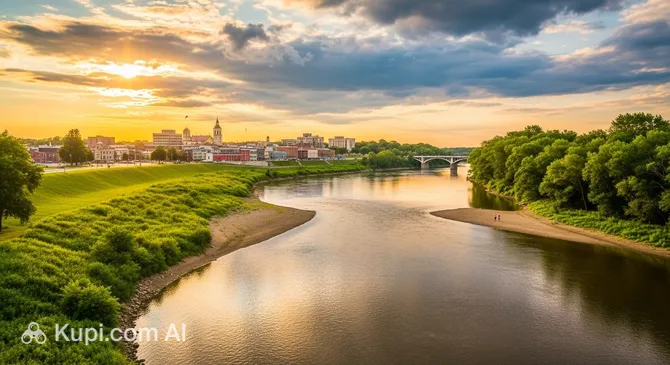
Montevideo. Source: Kupi.Binoculars

Travelers can explore several interesting sites that highlight both local heritage and this special diplomatic bond. A prominent landmark is the statue of José Artigas, the father of Uruguayan independence, which stands as a permanent symbol of the sister-city relationship. For history buffs, the Milwaukee Road Heritage Center offers a glimpse into the golden age of rail travel, preserving the legacy of the trains that once connected this agricultural region to the rest of the country.

Whether you are interested in unique historical connections, railway history, or simply looking to enjoy outdoor activities like fishing and kayaking along the rivers, Montevideo offers a memorable experience. Its blend of cultural pride, historic architecture, and friendly hospitality makes it a delightful destination to explore.

Weather Overview

The climate in this region is characterized by distinct seasons, offering a wide variety of atmospheric conditions throughout the year. Visitors can expect warm, pleasant summers and cold, crisp winters. To help you pack appropriately for your visit, it is helpful to review the typical weather in Montevideo before you go.

Summers are generally the most popular time for outdoor activities, with July being the warmest month, featuring an average temperature of about 23.5°C and highs reaching nearly 29°C. This season also brings the most frequent rainfall, particularly in May and June, which can see up to 13 wet days per month.

In contrast, the winter months transform the landscape with significantly lower temperatures. January and February are the coldest, with average lows dropping to around -13.5°C. While these months are quite chilly, they are also relatively dry compared to the spring and summer, with minimal precipitation recorded.

Interesting Facts

Beyond the main attractions, Montevideo holds many fascinating secrets that link the North American prairie to South American culture. This small city is defined by an extraordinary international friendship and unique local heritage that surprises many visitors.

  • The city boasts one of the oldest sister-city relationships in the United States, dating back to 1905. This unique bond began when the mayor of Montevideo, Minnesota, exchanged national flags with the mayor of Montevideo, Uruguay, forging a diplomatic connection that has lasted for over a century without any formal government initiation.

  • A prominent bronze statue of José Artigas, the father of Uruguayan independence, stands in the city center as a gift from the people of Uruguay. The 11-foot monument, dedicated in 1949, was funded by Uruguayan citizens who donated coins and scrap bronze, including discarded faucets, to pay for its creation and shipment to Minnesota.

  • Every summer, the city hosts Fiesta Days, a community celebration that transforms this Midwestern town into a hub of South American culture. The event traditionally features an authentic Uruguayan-style barbecue, or asado, often prepared by chefs who travel all the way from Uruguay specifically for the festival.

  • The local Swensson Farm Museum preserves a unique piece of Gilded Age history on the prairie. The site features a 22-room brick farmhouse built in 1901, which was unusually grand for the time and region, offering a rare glimpse into the prosperous life of early immigrant settlers.

How to Get There

Reaching this charming city in Minnesota typically involves a scenic drive through the prairie, as there are no direct commercial flights to the town itself. Visitors planning their journey can find more about how to get to Montevideo and the best routes to take on the dedicated transport page. Most travelers arrive via major hubs in neighboring cities and complete the trip by car.

The most significant gateway for international and domestic visitors is Minneapolis–St. Paul International Airport (IATA: MSP), located in Minneapolis. It is situated approximately 199 km east of Montevideo. As a major hub, it offers extensive flight connections from around the world. The drive from the airport to the city center typically takes about 2.5 to 3 hours by rental car or taxi. Alternatively, travelers can fly into Sioux Falls Regional Airport (Joe Foss Field) (IATA: FSD) in Sioux Falls, which is actually closer at a distance of about 172 km. The drive from Sioux Falls takes approximately 2 hours, making it a convenient regional option.

For clarity, here is a summary of the main airports:

Airport Name City Passenger Traffic Km from City
Minneapolis–St. Paul International Airport Minneapolis Large 198.7
Sioux Falls Regional Airport (Joe Foss Field) Sioux Falls Medium 171.6
Hector International Airport Fargo Medium 235.9
Rochester International Airport Rochester Small 281.3
Crow Wing County Airport Brainerd Small 203.7

Main Attractions

Montevideo offers a delightful mix of historical sites and outdoor spaces that allow visitors to experience the region's rich heritage and natural beauty. From a recreated pioneer village to scenic parks along the river, the city provides engaging stops for travelers exploring the Minnesota River Valley.

One of the most immersive experiences in the area is Historic Chippewa City. This unique open-air museum transports guests back to the late 19th century with a collection of over 20 preserved buildings, including a general store, a one-room schoolhouse, and a blacksmith shop. It is fascinating for tourists because it offers a tangible walk through history, allowing you to see exactly how early settlers in the region lived and worked. The site often hosts events and festivals that bring the pioneer era to life.

For those interested in the golden age of transportation, the Milwaukee Road Heritage Center is a must-visit destination. Located at the historic depot, this museum preserves the legacy of the railroad that was vital to the town's development. Visitors can explore displays of railroad artifacts, view historic rolling stock, and learn about the "Milwaukee Road" line. It is particularly interesting for rail fans and history buffs looking to understand the connection between the railways and agricultural growth in the Midwest.

A symbol of the city's unique international friendship can be found at Artigas Plaza in the downtown area. Here stands the bronze statue of José Artigas, the father of Uruguayan independence. This monument serves as a focal point for the community and a testament to the enduring bond between this Minnesota town and its South American sister city. It is a distinct landmark that highlights the town's special diplomatic history.

Nature lovers and families will enjoy spending time at Lagoon Park. Situated along the scenic Chippewa River, this expansive park is perfect for a relaxing afternoon of picnicking, fishing, or hiking. It serves as a central gathering place for the community, offering lush green spaces and river views that make it an ideal spot to unwind after a day of sightseeing. The park provides a peaceful environment where visitors can connect with the natural landscape.

A short drive from the city center leads to the Swensson Farm Museum, a remarkable site listed on the National Register of Historic Places. This preserved estate offers a comprehensive look at early 20th-century farm life. Beyond the main residence, visitors can explore the impressive timber-frame barn, the grist mill, and the family burial plot located on the grounds. It provides an intimate glimpse into the daily operations and lifestyle of a Norwegian immigrant family, set against the backdrop of the quiet prairie.

Local Cuisine

The culinary scene in Montevideo reflects the hearty and wholesome traditions of the Upper Midwest. Dining here offers a genuine taste of the United States heartland, with a focus on generous portions and locally sourced ingredients. While the options are primarily centered on classic American comfort food, the city’s unique history adds an unexpected international flair to its gastronomic offerings.

Visitors eager to try regional specialties should look for Walleye. This mild, freshwater fish is a staple of Minnesota cuisine and is commonly served pan-fried or grilled. Another essential local dish is the famous Hotdish. This beloved casserole typically consists of ground meat, vegetables, and a starch, such as tater tots, all bound together by a creamy sauce. It is widely regarded as a comfort food staple, especially popular during the winter season.

Thanks to the city’s sister-city relationship with the capital of Uruguay, South American cuisine makes a notable appearance during community events. The highlight of this cultural exchange is the traditional Uruguayan Asado. This style of barbecue features premium cuts of meat cooked slowly over wood fires. While it is not a daily menu item, it becomes the culinary centerpiece of the annual Fiesta Days celebration, offering an authentic taste of the Southern Cone on the prairie.

For beverage enthusiasts, Talking Waters Brewing Co. provides a popular gathering spot. This local brewery offers a variety of craft beers, including ales and lagers brewed on-site, in a relaxed environment. The downtown area also features several charming coffee shops where visitors can find specialty roasts and fresh baked goods, perfect for a mid-day break.

Eating out in the city is a casual experience defined by friendly hospitality. The atmosphere in local eateries ranges from classic family diners to laid-back pizza parlors, where the focus is on good food and community connection rather than formality. The unpretentious vibe makes it easy for travelers to feel at home while exploring the local flavors.

Travel Tips

Planning a visit to Montevideo, Minnesota, offers a chance to experience the genuine warmth of a small Midwestern community set against a backdrop of scenic river valleys. To ensure your trip to this unique prairie town is as smooth and enjoyable as possible, here are some practical tips to help you navigate local life and logistics.

  1. Pack for the Season. The weather in western Minnesota can be extreme. If you visit in winter, thermal layers, a heavy down coat, gloves, and waterproof boots are essential as temperatures often drop well below freezing. In summer, light and breathable clothing is best, but always bring high-quality insect repellent, as mosquitoes can be quite active near the Chippewa and Minnesota rivers, especially in the evenings.

  2. Rent a Car for Flexibility. Unlike major metropolitan areas, Montevideo does not have a metro or extensive public bus system. While the town is walkable in the downtown area, getting to the city and exploring the surrounding historic sites or parks requires a vehicle. Ride-sharing services may be scarce or unavailable, so having your own rental car is the most reliable way to get around.

  3. Carry Some Cash. While credit and debit cards are widely accepted at supermarkets, gas stations, and most restaurants, smaller local shops, seasonal farm stands, or community fundraisers might prefer cash. The local currency is the US Dollar (USD). ATMs are available in town, and tipping 15-20% at sit-down restaurants is the standard custom.

  4. Know Where to Find Help. Montevideo is a very safe community with low crime rates, but it is always wise to be prepared. For medical needs, the city is served by CCM Health, a comprehensive local hospital and clinic system. Be aware that unlike in big cities, pharmacies here are not open 24/7, so plan to pick up any necessary medications during standard business hours. In an emergency, dial 911.

  5. Stay Connected. The primary language spoken is English. Wi-Fi is generally available in hotels, the local library, and coffee shops. If you are an international traveler, ensure you have a travel adapter for Type A or B sockets. Cell phone coverage is generally good within the city, but signal strength may vary if you venture far out into the rural countryside.

  6. Embrace "Minnesota Nice". The local culture is defined by friendliness and politeness. It is common for strangers to greet you with a smile or a nod on the street. When driving on two-lane country roads, a small wave or lifting a finger from the steering wheel to acknowledge passing drivers is a customary gesture of goodwill.

  7. Respect Private Land. Much of the area surrounding the city consists of active farmland. Never enter fields, climb fences, or park in private driveways to take photos without permission. Farmers take their property rights and biosecurity seriously, so always admire the pastoral views from the public roadside.

  8. Check the Event Calendar. If your dates are flexible, try to time your visit with Fiesta Days in June. This is the town's biggest celebration, honoring its sister-city relationship with Montevideo, Uruguay. It is a unique opportunity to see parades, enjoy a carnival atmosphere, and taste authentic Uruguayan barbecue right in the middle of the Midwest.

By keeping these practicalities in mind, you will be well-prepared to relax and appreciate the slow-paced charm of the region. Whether you are here for the history, the river fishing, or the friendly locals, Montevideo is ready to welcome you with open arms.

Entertainment & Nightlife

Nightlife in Montevideo is defined by a relaxed, small-town atmosphere where the focus is on good conversation, local flavors, and community connection rather than high-energy clubbing. The evening scene is centered primarily around the historic downtown area, particularly along South 1st Street. Here, visitors will find a welcoming environment where locals gather after work to unwind. The vibe is casual and unpretentious, so there is no need for a strict dress code; jeans and comfortable attire are perfectly acceptable everywhere.

For a taste of the local craft beverage scene, Talking Waters Brewing Co. is a standout destination. Located in a repurposed garage space downtown, this brewery has become a social hub known for its rotating selection of ales, lagers, and IPAs brewed on-site. It offers a laid-back setting that often features trivia nights and food trucks, making it a great spot to start your evening. Another popular venue is Topper's Bar & Grill, a classic American establishment that offers a lively atmosphere, hearty pub food, and a place to watch sports or enjoy drinks with friends late into the evening.

If you are looking for entertainment beyond dining and drinks, Melody Lanes offers a fun, family-friendly night out. This local bowling alley frequently hosts "glow bowling" on Friday and Saturday nights, providing a spirited activity for groups. Additionally, the historic Hollywood on Main, housed in a beautifully restored Art Deco theater, occasionally opens its doors for special events, live music performances, and community gatherings, so it is worth checking their schedule when you arrive.

Most evening venues in the city close earlier than in major metropolises, with many kitchens shutting down by 9:00 PM or 10:00 PM, though bars may stay open later on weekends. Safety is rarely a concern in this tight-knit community; the downtown area is well-lit and safe for walking at night. However, since ride-sharing services can be scarce, it is highly recommended to have a designated driver or arrange for a local taxi service in advance if you plan to stay out late.

During the daylight hours, the city offers a different pace of entertainment. History enthusiasts can explore the immersive Historic Chippewa City or the Milwaukee Road Heritage Center to dive into the region's past. For those who prefer the outdoors, the parks along the Chippewa and Minnesota rivers provide ample space for picnicking and leisure before the sun goes down.

Parks & Museums

Montevideo offers a refreshing balance of outdoor recreation and historical preservation, making it an engaging destination for those who appreciate both nature and culture. The city's location at the confluence of two rivers provides lush green spaces, while its active historical society maintains several impressive sites that chronicle the region's development from the pioneer era to the railroad boom.

Lagoon Park is the crown jewel of the city’s park system, situated along the winding banks of the Chippewa River. It is a favorite spot for both locals and visitors, offering expansive areas for picnicking, a well-equipped playground, and scenic walking paths. The park is particularly appealing to tourists because of its on-site campground and direct access to the river, making it an excellent launching point for canoeing or fishing excursions. In the winter, the landscape transforms, offering opportunities for snowshoeing and enjoying the quiet beauty of the frozen river valley.

Another significant natural area is Smith Park, located near the confluence where the Chippewa River flows into the Minnesota River. This park is more than just a green space; it offers historic significance and commanding views of the river valley. It is an ideal location for travelers seeking a quiet moment to admire the geography that defined the town's early settlement. The park also features a shelter and plenty of shade, providing a perfect setting for a relaxed afternoon outdoors.

For a deep dive into the region's past, Historic Chippewa City is an essential stop. Operated by the Chippewa County Historical Society, this is not a typical indoor museum but a sprawling 20-acre living history village. It features over 20 preserved buildings, including a log cabin, a blacksmith shop, and a turn-of-the-century church. Visitors are often drawn here to experience the authentic atmosphere of a late 1800s prairie town. Walking down the boardwalks past the general store and millinery shop offers a tangible connection to the daily lives of the early settlers.

The Milwaukee Road Heritage Center captures the romance and importance of the railway era in western Minnesota. Housed in the historic depot, this museum showcases a rich collection of railroad memorabilia, signaling equipment, and photographs that tell the story of the "Milwaukee Road" line. It is particularly interesting for its displays of rolling stock and the insights it provides into how the railroad served as the lifeline for agricultural communities in the Midwest. The dedicated volunteers here often share fascinating stories about the golden age of train travel.

Just outside the city limits, the Swensson Farm Museum offers a unique perspective on agricultural history. Unlike typical pioneer sod houses, this site features a grand 22-room brick farmhouse built in 1901, reflecting the prosperity of the Gilded Age on the prairie. The museum grounds also include a large timber-frame barn and a grist mill. It is a compelling destination for those interested in architecture and immigrant history, as it preserves the legacy of the Norwegian family who built this remarkable estate.

For a truly local experience, take a walk along the river trails in Lagoon Park during the early evening. The sunset reflecting off the Chippewa River creates a stunning backdrop, and it is a prime time to spot local wildlife, including deer and various bird species, right at the edge of town.

Getting Around

The public transport system in Montevideo is designed primarily to serve the local community and differs significantly from the extensive networks found in major metropolitan areas. There is no subway, tram, or fixed-route bus system operating in the city. Instead, public transportation relies on a demand-response model, often referred to as "dial-a-ride," which provides curb-to-curb service for residents and visitors alike.

The main provider of transportation is Prairie Five RIDES. This service functions more like a shared shuttle than a traditional city bus. Passengers do not wait at designated stops; instead, the bus picks you up at your requested location and takes you to your destination within the service area. The fleet consists of accessible buses and vans equipped with lifts, ensuring they are usable by all travelers, including those with mobility challenges.

Payment for this service is affordable and straightforward. The base fare for a one-way trip within the city is approximately $2.00. For payment, you can use cash directly with the driver, but it is essential to have the exact change as drivers typically cannot make change. For those planning to stay longer or travel frequently, punch cards and monthly passes are available for purchase at the dispatch office, offering a convenient alternative to carrying cash for every ride.

For tourists, the most important piece of advice is to plan ahead. Since the bus service is on-demand, you cannot simply hop on. You must call the dispatch office to schedule your ride. While same-day requests are sometimes accommodated on a first-come, first-served basis, it is highly recommended to book your trip at least 24 hours in advance to guarantee a seat. The service generally operates Monday through Friday, from early morning until late afternoon (typically 7:00 AM to 5:00 PM), so it is not suitable for late-night outings.

If you need transportation outside of standard business hours or on weekends, Turbo Taxi is the primary local alternative. This service operates within the city limits and offers extended hours, including evenings and weekends, filling the gap left by the public transit schedule. Rideshare apps like Uber or Lyft may show availability in the app, but drivers are often scarce or non-existent in this rural area, so they should not be relied upon as a primary mode of transport.

Given the limited nature of public transit, most visitors find that renting a car is the most practical option for exploring the city and the surrounding Minnesota River Valley. The downtown area is compact and walkable, making it easy to stroll between shops and restaurants, but a vehicle is necessary to reach outlying parks, historical sites, and neighboring towns comfortably.

Accommodation

Accommodation options in Montevideo are practical and convenient, reflecting the city's role as a regional hub in western Minnesota. Travelers will primarily find a selection of mid-range chain hotels and budget-friendly motels that offer comfortable, no-nonsense lodging. While the city does not feature luxury resorts or high-end boutique properties, the available establishments focus on providing clean, quiet rooms and essential amenities like Wi-Fi and breakfast, ensuring a restful stay for road trippers and visitors alike.

Most lodging facilities are clustered along the main transportation arteries, particularly near the intersection of Highway 7 and Highway 29. Staying in this area is highly convenient for travelers arriving by car, as it offers easy access to gas stations, convenience stores, and fast-food dining. For those who prefer to be closer to the local culture, a few options are located nearer to the downtown district, placing guests within a short distance of the historic main street and the scenic river parks.

When planning your trip, it is important to consider the local event calendar. While finding a room is generally easy throughout most of the year, the city sees a surge in visitors during the annual Fiesta Days celebration in June. Additionally, the fall season can be busier due to the influx of hunters and outdoor enthusiasts exploring the Minnesota River Valley. Consequently, it is a smart travel tip to book your accommodation well in advance if your visit coincides with these peak times.

The price range for staying in the city is typically affordable, falling squarely into the budget to mid-range categories. This makes the destination an economical stopover for families and solo travelers. Reservations can be made easily through major online booking platforms, though some of the smaller, locally-owned motels may offer the best rates or availability if you contact them directly by phone.

Nearby Cities

For those looking to explore the surroundings, Montevideo serves as an excellent base for day trips to several interesting nearby locations:

Just a short drive away, Willmar is the most accessible destination for a quick getaway. Situated in the heart of a popular lake region, it is a haven for outdoor enthusiasts who enjoy fishing, boating, and hiking. The city also serves as a regional commercial hub, offering a wider variety of shopping centers and restaurants than can be found in the immediate vicinity, making it perfect for a relaxed afternoon trip.

Heading west across the state border, Brookings offers a vibrant university atmosphere. Home to South Dakota State University, this town features cultural attractions such as the South Dakota Art Museum and the stunning McCrory Gardens. It is an ideal spot for those interested in collegiate sports, academic history, and exploring beautiful botanical landscapes.

For a larger urban experience, St. Cloud sits along the majestic Mississippi River. Known for the granite quarries that built its foundation, the city boasts the beautiful Munsinger and Clemens Gardens, which are a highlight for nature lovers. Visitors can also explore Quarry Park and Nature Preserve, which offers unique swimming holes and hiking trails amidst granite rock formations.

City Population Distance (km)
St. Cloud 123569 140
Mankato 43938 161
Brookings 23432 110
Willmar 20823 57
Sartell 19096 141

These nearby destinations offer a glimpse into the diverse culture and landscapes of the region.

Shopping & Souvenirs

Shopping in Montevideo offers a relaxed and personal experience typical of a friendly small town in the Midwest. While it is not a destination for high-end luxury fashion or massive retail complexes, the city provides a charming selection of independent stores that cater to both daily needs and visitors looking for unique finds. The atmosphere is welcoming, with shop owners often taking the time to chat with customers, reflecting the genuine community spirit of the area.

The primary destination for a leisurely shopping trip is the Downtown District, particularly along South 1st Street. This historic thoroughfare is the heart of the community, lined with traditional brick storefronts that house a variety of local businesses. Here, visitors can browse through specialty boutiques, flower shops, and home décor stores. It is a walkable area perfect for window shopping and enjoying the slow pace of life away from the hustle of big cities.

Travelers should note that there are no large, enclosed shopping malls in the city. Instead, the retail landscape consists of standalone shops and smaller commercial centers. For more practical needs and larger selection, the corridor along Highway 7 and Highway 29 features well-known regional retailers and farm supply stores. These outlets are particularly good places to find durable outdoor clothing and equipment suitable for exploring the Minnesota River Valley.

For a taste of local flavor, the Montevideo Farmers Market is a seasonal highlight worth visiting. typically held during the warmer months, this market brings together local growers and artisans. It is an excellent spot to purchase fresh, seasonal produce, homemade jams, baked goods, and handcrafted items. Visiting the market offers a direct connection to the region's agricultural heritage and is a great way to support the local economy.

When searching for souvenirs, visitors often look for items that reflect the city's unique identity. Goods celebrating the "sister city" connection with the capital of Uruguay can sometimes be found, especially during community festivals. Additionally, locally made crafts, warm winter accessories, or products featuring the iconic "Minnesota Nice" sayings are popular choices to bring back home as a memory of the prairie.

Store hours generally follow a standard schedule, with most downtown businesses opening from 9:00 AM to 5:00 PM, Monday through Friday. On Saturdays, shops often have reduced hours, closing by early afternoon, and many independent boutiques remain closed on Sundays. Major retailers along the highway tend to stay open later and on weekends. While credit and debit cards are widely accepted, it is helpful to carry some cash for small purchases at the farmers market or smaller local spots.

A significant benefit for tourists shopping in this region is the state's tax policy. In Minnesota, clothing and footwear are exempt from sales tax. This makes it an attractive place to purchase wardrobe essentials, winter coats, or boots without the extra cost found in many other states. However, keep in mind that standard sales tax still applies to other categories such as jewelry, accessories, and souvenirs.

Reached the end of the page?

That means the route is fully explored