Support

Fort Dodge

About

Nestled along the scenic banks of the Des Moines River, Fort Dodge is a vibrant community in the heart of Webster County, Iowa. This charming city in the United States serves as a significant regional hub for retail, recreation, and industry. Known for its welcoming atmosphere and rich heritage, it offers visitors a delightful blend of small-town hospitality and engaging cultural experiences.
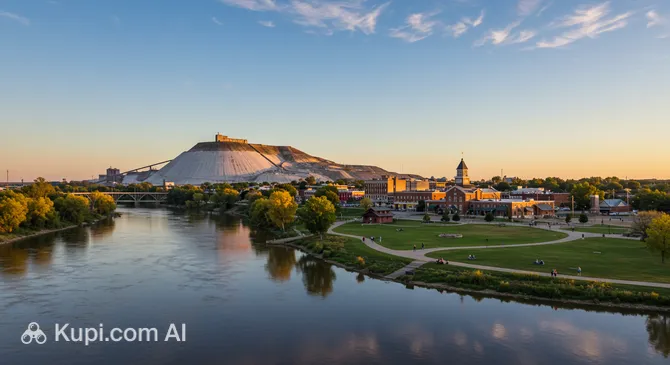
Fort Dodge. Source: Kupi.Binoculars

The city has a deep connection to the land and its resources, having long been a major center for gypsum mining, which earned it the nickname "Mineral City." Visitors can delve deeper into the past by exploring the history of Fort Dodge, which began as a military post established in 1850 to protect settlers on the frontier. With a population of approximately 25,000 residents, the city maintains a friendly community feel while providing the amenities of a larger urban center.

Travelers will find several unique attractions to explore. The Fort Museum and Frontier Village is a must-visit, featuring a recreation of the original 19th-century fort and a replica of the famous Cardiff Giant. Art lovers will appreciate the Blanden Memorial Art Museum, celebrated as the first permanent art museum in the state, housing an impressive collection of European and American art. Additionally, the city boasts an extensive system of parks and trails, perfect for outdoor enthusiasts looking to enjoy the natural beauty of the Midwest.

Whether you are interested in pioneer history, local art, or simply enjoying a relaxing day by the river, Fort Dodge is a destination worth discovering. We invite you to stop by and experience the unique character and warmth of this historic Iowa city.

Weather Overview

Fort Dodge experiences a classic continental climate characterized by four distinct seasons, each offering a different atmosphere for visitors. Generally, you can expect warm summers with occasional rain and cold, dry winters. Whether you are planning outdoor adventures or indoor museum visits, knowing what to expect from the elements is key to a comfortable trip.

Winter in the city is brisk, with January standing out as the coldest month; average temperatures drop to -6.0°C, and lows frequently reach -10.2°C. As the region transitions into spring, the weather becomes milder but wetter. May is typically the rainiest time of the year, recording approximately 15 wet days, while average temperatures rise to a pleasant 17.0°C, signaling the return of lush greenery.

Summer brings warmth and sunshine, with July being the hottest month, boasting average maximum temperatures of 28.9°C. This season is perfect for exploring local parks, though travelers should anticipate around 10 to 12 wet days per month. As autumn sets in, the heat subsides, and September offers comfortable averages of 20.3°C. For precise forecasts during your stay, we recommend checking the weather in Fort Dodge before you pack.

Interesting Facts

Beyond the main attractions, Fort Dodge holds many fascinating secrets and historical quirks that often surprise visitors. From artistic landmarks to curious local legends, the city has stories that go deeper than its industrial exterior.
  • The Origin of a Great Hoax: While the local museum displays a replica, the story of the famous "Cardiff Giant" actually began here. The massive block of gypsum used to carve the original 10-foot "petrified man"—one of the most famous hoaxes in American history—was mined from the earth in Fort Dodge before being shipped to New York to fool the public in 1869.

  • A Towering Canvas: The city skyline is dominated by one of the largest murals in the Midwest. Renowned Australian artist Guido van Helten transformed abandoned industrial grain silos into a stunning, photorealistic 110-foot masterpiece that depicts local residents, turning concrete structures into a celebration of community spirit.

  • The "Lizard" Confusion: The local waterway known as Lizard Creek reportedly received its name due to a case of mistaken identity. Legend has it that soldiers stationed at the original fort encountered native mudpuppies (large aquatic salamanders) and, unfamiliar with the species, misidentified them as lizards.

  • Dragon Boat Tradition: Despite being located in the landlocked Midwest, the city maintains a vibrant connection to ancient Chinese culture through its annual Dragon Boat Bash. Held at Kennedy Park, this event features authentic dragon boats and has become one of the premier rowing festivals in the region.

How to Get There

Planning a trip to Webster County requires a bit of logistical preparation, as the city is primarily accessible by road. To help you organize your journey and find the best route, you can read more about how to get to Fort Dodge, including detailed directions and transportation advice.

The city of Fort Dodge does not have its own major commercial hub listed for widespread passenger traffic, so most visitors fly into larger airports in neighboring cities. One of the most convenient options is Des Moines International Airport (DSM), located in Des Moines, approximately 114.5 km away. The drive from the capital to Fort Dodge typically takes about 1 hour and 30 minutes by rental car or taxi. Another viable choice is Eppley Airfield (OMA), situated in Omaha. Although it is further away at roughly 195.6 km, it is a significant regional hub. The travel time from Omaha is generally around 2 hours and 15 minutes by road.

For clarity, here is a summary of the main airports:

Airport Name City Passenger Traffic Km from City
Eppley Airfield Omaha Medium 195.6
Des Moines International Airport Des Moines Medium 114.5
Rochester International Airport Rochester Small 207.6
Sioux Gateway Airport Sioux City Small 182.3
Waterloo Airport Waterloo Small 145.4

Main Attractions

Fort Dodge offers a delightful variety of experiences, ranging from deep dives into frontier history to outdoor adventures on reclaimed industrial lands. The city's attractions reflect its unique heritage as a mining hub and a military post, providing tourists with engaging activities throughout the year. Here are some of the top places to visit during your stay.

The Fort Museum and Frontier Village is widely considered the centerpiece of the city's historical tourism. This extensive complex allows visitors to step back in time to the 19th century, featuring a faithful recreation of the original 1862 military fort along with a village of authentic and replica period buildings. Tourists can explore a one-room schoolhouse, a general store, and a blacksmith shop to get a feel for pioneer life. It is also famous for housing a replica of the Cardiff Giant, a nod to one of the greatest hoaxes in American history which has roots in the local gypsum mines.

For art enthusiasts, the Blanden Memorial Art Museum is a cultural treasure housed in a beautiful Neo-Classical building. Recognized as the first permanent art museum in the state, it boasts a sophisticated collection that includes European and American paintings, sculptures, and graphic arts, as well as Japanese prints. The museum is a peaceful retreat that offers rotating exhibitions and educational programs, making world-class art accessible in a warm, community-focused setting.

Adventure seekers should not miss the Gypsum City OHV Park, which stands as a testament to the city's nickname, "Mineral City." Spanning roughly 800 acres, this park repurposes former gypsum mines into a premier destination for off-highway vehicle riding. With miles of trails catering to dirt bikes, ATVs, and side-by-sides, it offers terrain ranging from open prairie to wooded areas and technical climbs. It is a unique way to experience the local landscape while enjoying an adrenaline rush.

Those looking for a relaxing day in nature will find Kennedy Park to be the perfect spot. Located just north of the city, this expansive park surrounds Badger Lake and offers excellent opportunities for fishing, kayaking, and camping. It is a favorite among families for its hiking trails, large playground, and the enchanting Children's Forest. Whether you are looking for a scenic picnic spot or a place to spot local wildlife, this park provides a refreshing escape into the outdoors.

Local Cuisine

The culinary landscape of Fort Dodge is deeply rooted in the agricultural traditions of the Midwest, offering visitors a taste of authentic comfort food. Because the city is surrounded by fertile farmland, many local restaurants take pride in serving dishes made with fresh, high-quality ingredients. The dining scene here is characterized by unpretentious, hearty meals and a welcoming atmosphere that reflects the friendly nature of the community.

No visit to this region would be complete without trying the iconic Breaded Pork Tenderloin sandwich. A true staple of Iowa cuisine, this dish features a pork loin that has been pounded flat until it is incredibly thin, breaded, and deep-fried to golden perfection. It is famously known for being significantly larger than the bun it is served on, often requiring diners to eat around the edges before picking it up. Alongside this classic, you will find excellent steakhouses serving premium beef, a testament to the area's strong cattle industry.

For those interested in local libations, Fort Dodge has a blossoming craft beverage scene. The city is home to independent breweries where you can sample small-batch ales and lagers, often brewed right on-site using local grains. Additionally, the surrounding rich soil supports a growing number of vineyards, allowing visitors to enjoy locally produced wines that capture the unique terroir of the river valley. Non-alcoholic options often include classic diner-style milkshakes and fresh apple cider during the harvest season.

The food culture in Fort Dodge is centered around casual, family-owned establishments rather than high-end distinct gastronomy. Locals often gather at the bustling Market on Central, a seasonal farmers market where you can find fresh produce, baked goods, and artisanal snacks. Whether you are grabbing a slice at a beloved neighborhood pizzeria or enjoying a sunset dinner overlooking the Des Moines River, the experience is defined by generous portions and genuine hospitality.

Travel Tips

Visiting Fort Dodge is a chance to experience the authentic heart of the Midwest, but like any destination off the beaten path, a little local know-how goes a long way. To help you make the most of your time in this historic river city, we have compiled a set of practical suggestions to ensure your journey is as smooth and enjoyable as possible.

  1. Clothing and Gear: Packing for Fort Dodge depends entirely on the calendar. Winters are genuinely cold and snowy, so bring a heavy insulated coat, gloves, and waterproof boots if visiting between December and March. Summers are warm and can be humid; lightweight, breathable fabrics are best, along with sunscreen and insect repellent for evenings by the river or at the OHV park. Comfortable walking shoes are a must for exploring the trails at Kennedy Park.

  2. Transportation: The most practical way to explore the city and the surrounding Webster County is by renting a car. While there is a local bus service (Dodger Area Rapid Transit), routes and hours can be limited for a tourist's schedule. Ride-sharing apps like Uber and Lyft operate here, but availability is not instantaneous like in major metropolitan areas, so plan your rides in advance or stick to a rental vehicle for maximum freedom.

  3. Finances: The currency is the US Dollar (USD). Credit and debit cards are widely accepted at hotels, restaurants, and larger shops. However, it is wise to carry a small amount of cash for small purchases at local events like the farmers market or for tipping at smaller diners. ATMs are plentiful, easily found at banks and convenience stores throughout the city.

  4. Health and Safety: Fort Dodge is generally a safe and family-friendly community. Standard precautions, such as locking your car and keeping valuables out of sight, are sufficient. For medical needs, UnityPoint Health - Trinity Regional Medical Center provides comprehensive care. Pharmacies like Hy-Vee and Walgreens are available for prescriptions and over-the-counter necessities, though they may not be open 24 hours.

  5. Communication: English is the primary language spoken. Visitors will find that locals are often eager to chat and offer directions. Mobile coverage is generally good within the city limits, with major carriers like Verizon and US Cellular offering strong signals. Free Wi-Fi is standard in most hotels, coffee shops, and the public library, making it easy to stay connected.

  6. Local Etiquette: Embrace the concept of "Iowa Nice." It is common practice to greet strangers with a smile or a nod on the street, and holding the door for the person behind you is expected. When driving on two-lane roads outside the city center, a friendly wave to passing drivers is a customary gesture of goodwill.

  7. What to Avoid: Do not underestimate the privacy of rural land. If you are driving outside the city limits to see the countryside, remember that fields and farm roads are private property; avoid entering them without permission. Also, avoid comparing the pace of life here to big cities; locals cherish their community's relaxed rhythm, and impatience is often frowned upon.

  8. Shopping Hours: Be aware that "closing time" often comes earlier here than in larger cities. Many local boutiques and independent shops in the downtown area may close by 5:00 PM or 6:00 PM on weekdays and might have limited hours or be closed entirely on Sundays. Check schedules in advance to avoid disappointment.

By keeping these simple tips in mind, you will be well-prepared to relax and enjoy everything Fort Dodge has to offer. The city's charm lies in its people and its history, and with the logistics handled, you are free to focus on creating memorable experiences in this welcoming corner of Iowa.

Entertainment & Nightlife

Entertainment and nightlife in Fort Dodge reflect the city's friendly, small-town character. While you will not find sprawling nightclubs or 24-hour party districts, the evening scene offers a cozy and welcoming environment centered around social dining, live music, and laid-back pubs. The atmosphere is distinctly casual, making it easy for visitors to mingle with locals and enjoy a stress-free night out after a day of exploring.

The primary hub for evening activity is the historic downtown area, particularly along Central Avenue. This district serves as the city's "Corridor of Commerce," where historic architecture houses a variety of restaurants and bars. In the evenings, the vibe here shifts from business to leisure, with patrons gathering to watch sports, enjoy craft beverages, or listen to local bands. The dress code is almost universally casual; jeans and comfortable attire are perfectly acceptable at nearly every venue in town.

For those looking to experience the local scene, Shiny Top Brewing is a standout destination. As a local microbrewery, it is well-regarded not just for its small-batch beers but also for hosting live music performances that bring energy to the downtown area. Another staple of Fort Dodge nightlife is Olde Boston's Restaurant & Pub. Housed in a renovated historic building, it offers a distinct ambiance where visitors can enjoy a hearty dinner before transitioning to the bar area for cocktails and conversation.

If you prefer active entertainment over a quiet drink, Fort Frenzy offers a different kind of evening fun. This family entertainment center features bowling, arcade games, and go-karts, remaining open into the evening on weekends. It is a popular spot for groups and families looking for high-energy activities indoors. For movie lovers, the local cinema offers the latest releases, providing a classic option for a relaxed night out.

Practicalities for a night out in Fort Dodge are straightforward. Most bars stay open until 2:00 AM on weekends, though kitchen service typically ends much earlier, often around 9:00 PM or 10:00 PM. Prices are generally very affordable compared to larger metropolitan areas. In terms of safety, the downtown and commercial districts are well-lit and considered safe for walking during the evening. However, as the night gets later, the streets can become quite quiet.

Getting around at night requires some planning. While ride-sharing services are available, the fleet is smaller than in big cities, so wait times can be longer, especially late at night. It is often a good idea to have the number of a local taxi service handy as a backup. Since the nightlife spots are somewhat spread out between downtown and the Corridor Plaza area, having a designated driver or reliable transportation is recommended for hopping between venues.

During the daylight hours, the entertainment options lean more towards cultural and recreational pursuits. Visitors can explore the city's history at the museums mentioned previously or catch a matinee performance at a local community theater. Whether day or night, the entertainment landscape in Fort Dodge is defined by its unpretentious charm and the genuine hospitality of its residents.

Parks & Museums

Fort Dodge seamlessly blends its rugged frontier past with a refreshing appreciation for the outdoors, offering visitors a mix of lush recreational areas and deeply rooted cultural institutions. The city’s landscape is defined by the winding Des Moines River and Soldier Creek, which provide a scenic backdrop for its parks, while its museums preserve everything from pioneer stories to fine art.

Oleson Park is one of the city's most beloved green spaces, known for its rolling wooded terrain and family-friendly atmosphere. A highlight for many visitors is the deer enclosure, where you can observe these gentle animals in a natural setting. The park also features a historic bandshell that often hosts open-air concerts, adding a musical soundtrack to warm summer evenings. With its extensive trail system and the new Monkelien Pavilion, it serves as a perfect spot for a leisurely afternoon walk or a picnic under the mature trees.

For a more active experience in nature, Snell-Crawford Park offers a tranquil escape along the banks of Soldier Creek. This park is famous among sporting enthusiasts for housing one of the first disc golf courses in the United States, a challenging layout that weaves through the trees and across the creek. Beyond the game, the park’s network of trails and bridges provides a picturesque route for hikers and joggers looking to explore the quiet beauty of the creek valley.

The city's cultural scene has recently expanded with the opening of the River's Edge Discovery Center. Situated near the water, this modern facility focuses on the region's relationship with the Des Moines River and its watershed. It features interactive exhibits that explore the area's water resources and history, including a nod to the famous "Lazy Ike" fishing lure, which originated in Fort Dodge. It is an engaging stop for those who want to understand the environmental and recreational heartbeat of the city.

To step directly into the Victorian era, visitors should tour the Vincent House. Built in 1872, this stunning example of Second Empire architecture is the oldest surviving structure in Fort Dodge. Once the home of a prominent pioneer family, it has been preserved as a time capsule of 19th-century elegance, complete with a third-floor ballroom. Guided tours offer a fascinating glimpse into the domestic life of the city's early elite, making it a key destination for architecture and history buffs.

Dominating the downtown skyline, the Webster County Courthouse stands as a monumental piece of civic history. Completed in 1902, this Beaux-Arts style structure is renowned for its impressive clock tower and copper dome. Visitors are often welcome to step inside to admire the four-story atrium and the stained-glass skylight, which cast a colorful glow over the historic interior, reflecting the prosperity of the region at the turn of the 20th century.

For a truly local experience, take a walk through the Oak Hill Historic District. This neighborhood, surrounding the art museum, is lined with well-preserved homes from the late 1800s and early 1900s. It offers a quiet, atmospheric stroll where you can appreciate the craftsmanship of a bygone era, far removed from the bustle of modern commercial strips.

Getting Around

The public transport system in Fort Dodge is relatively compact and straightforward, designed primarily to serve the essential needs of the local community. Unlike larger metropolitan areas, there are no metros, trams, or trolleybuses here. The backbone of the city's transit network is the Dodger Area Rapid Transit (DART) bus system, which provides a reliable and affordable way to navigate the main districts, including downtown, shopping centers, and medical facilities.

The DART network typically operates several fixed routes that cover the most important parts of the city. A unique feature of this system is that it often functions on a "flagging" basis in residential areas. This means that, in addition to waiting at designated stops, passengers can simply stand along the route and wave to the driver to signal them to stop, provided it is safe to do so. All routes generally converge at a central transfer point downtown, making it easy to switch buses and reach different neighborhoods without a direct line.

Payment on the bus is simple but requires preparation. Fares are very affordable, typically costing around $1.75 per ride for adults, with discounted rates available for students and seniors. It is essential to carry exact cash, as drivers cannot make change. For travelers planning to use the bus frequently during their stay, monthly passes are available and can be purchased at the DART administrative office or the central transfer station. There are currently no advanced mobile apps for digital ticketing, so keeping small bills and coins on hand is the best strategy.

Tourists should be aware of the operating hours to avoid getting stranded. The buses generally run only on weekdays, from approximately 7:00 AM to 6:00 PM. There is typically no fixed-route service on weekends or in the late evenings. Therefore, if you plan to explore the city on a Saturday or Sunday, or if you are heading out for dinner, you will need to rely on alternative forms of transportation.

Given the limited hours of the bus system, many visitors find that renting a car is the most convenient option for total freedom. However, for those without a vehicle, taxi services and rideshare apps like Uber and Lyft are available. While rideshare availability has improved, it is not as instantaneous as in bigger cities, so it is wise to request your ride with plenty of time to spare. Local taxi companies are reliable but often require calling ahead to schedule a pickup.

Accommodation

Finding a place to stay in Fort Dodge is a straightforward and stress-free experience, with options primarily catering to families, business travelers, and road-trippers. The city’s accommodation landscape is dominated by reliable, mid-range hotel chains and budget-friendly motels. While visitors will not find opulent luxury resorts or sprawling five-star properties, the local lodging offers excellent value, cleanliness, and the warm hospitality characteristic of the Midwest. Many establishments provide convenient amenities such as indoor pools, fitness centers, and complimentary breakfasts.

The most popular and convenient area for tourists to base themselves is along the 5th Avenue South corridor, also known as Business Highway 20. This bustling strip serves as the commercial heart of the city, placing guests within easy reach of the main shopping districts, a variety of dining options, and entertainment venues like Fort Frenzy. Staying in this area ensures that you are never far from the essentials and allows for quick access to the highway for excursions to the Gypsum City OHV Park or the museums downtown.

For those who prefer a closer connection to nature, the region offers scenic camping opportunities during the warmer months. Kennedy Park, located just north of the city, features well-maintained campgrounds that accommodate both tents and RVs. This is a fantastic alternative for outdoor enthusiasts who want to wake up near Badger Lake and enjoy immediate access to hiking trails and fishing spots.

Booking Tips and Prices: Accommodation in Fort Dodge is generally very affordable, with prices ranging from budget to mid-range. Rooms can easily be secured through major online booking platforms or by contacting hotels directly. However, travelers should be aware that the city is a major hub for sports tourism. During state softball tournaments or the annual Dragon Boat Bash, hotels can reach capacity very quickly. It is highly recommended to book your room several weeks in advance if you plan to visit during these peak event times.

Nearby Cities

For those looking to explore the surroundings, Fort Dodge serves as an excellent base for day trips to several interesting nearby locations. Des Moines, the state capital, is a cultural hub featuring the golden-domed Capitol and the renowned Pappajohn Sculpture Park, offering a mix of history and modern art. Closer to home, Ames offers a youthful vibe as the home of Iowa State University, along with the stunning floral displays at Reiman Gardens. Meanwhile, West Des Moines is a premier destination for shopping enthusiasts, boasting major retail centers and diverse dining options.

City Population Distance (km)
Des Moines 514,654 111
West Des Moines 67,640 109
Ankeny 66,346 97
Ames 66,027 68
Urbandale 45,037 102

These nearby destinations offer a glimpse into the diverse culture and landscapes of the region.

Shopping & Souvenirs

Shopping

Shopping in Fort Dodge offers a convenient mix of modern retail efficiency and small-town charm, serving as the primary commercial hub for the surrounding region. Visitors will find a blend of familiar national chains, practical department stores, and a growing collection of independent boutiques. While it may not be a massive fashion capital, the city provides everything a traveler might need, alongside unique local finds that reflect the character of the Midwest.

The heart of the local shopping experience can be found in the Downtown District, particularly along Central Avenue. This historic area is undergoing a revitalization and features a variety of specialty shops, antique stores, and local businesses housed in beautiful turn-of-the-century buildings. It is the perfect place to stroll, admire the architecture, and browse for one-of-a-kind gifts, home décor, and books in a relaxed atmosphere.

For a more extensive retail experience, travelers should head to the Corridor of Commerce along 5th Avenue South. This busy strip is where the city's major commercial activity is concentrated, hosting big-box retailers, electronics stores, and clothing outlets. A key highlight of this area is Corridor Plaza, a new mixed-use development that has replaced the former enclosed mall. Currently evolving into a modern retail hub, this open-air complex features a fresh selection of stores and services, reflecting the city's shift towards a more contemporary shopping environment.

One of the highlights of the local shopping scene is the Market on Central. Held seasonally, this vibrant farmers market transforms the downtown streets into a bustling community gathering spot. Here, tourists can purchase fresh local produce, baked goods, handmade crafts, and artisanal products directly from regional growers and makers. It is an excellent opportunity to experience the local culture and pick up high-quality, Iowa-grown treats.

When looking for souvenirs to take home, consider items that celebrate the state's strong collegiate spirit. Merchandise supporting the Iowa Hawkeyes or Iowa State Cyclones is incredibly popular and widely available. Alternatively, look for locally made pottery, honey, or "Iowa Nice" themed apparel found in the downtown boutiques. These items make for meaningful keepsakes that capture the friendly essence of the community.

Most stores in Fort Dodge operate on standard American business hours. Major retailers and the shopping centers are typically open from 10:00 AM to 8:00 PM or 9:00 PM on weekdays and Saturdays, with reduced hours on Sundays, usually from 12:00 PM to 5:00 PM. Independent shops downtown may close earlier, often around 5:00 PM, and some may be closed on Sundays. Credit and debit cards are universally accepted, though having some cash is recommended for small vendors at the farmers market. Visitors should be aware that sales tax is added at the register and is not included in the price tag.

Reached the end of the page?

That means the route is fully explored