Des Moines is a captivating destination located in the Midwest region of the United States. As the capital and most populous city of Iowa, it serves as a major center for insurance, government, and culture. The city is renowned for its friendly atmosphere, blending the amenities of a large metropolitan area with the charm of a smaller community.
Geographically, the city is situated at the confluence of the Des Moines and Raccoon Rivers, providing a scenic backdrop for its bustling downtown. With a significant population that contributes to a vibrant urban energy, Des Moines experiences a continental climate characterized by warm summers and snowy winters, making it a distinct destination in every season.
Des Moines. Illustration.
Source: Kupi.com AI
Travelers interested in the roots of this river city can explore the fascinating history of Des Moines, which traces its development from a military fort to a modern hub. Today, visitors are drawn to iconic landmarks such as the Iowa State Capitol, famous for its magnificent gold-leafed dome. Art enthusiasts will delight in the Pappajohn Sculpture Park, an open-air gallery in the heart of the city, while the Greater Des Moines Botanical Garden offers a lush escape year-round.
Whether you are visiting for its thriving arts scene, its diverse culinary offerings, or its extensive network of trails, Des Moines invites you to discover its many hidden gems. It is a city that surprises and welcomes every guest with open arms.
Weather Overview
The climate in this region is continental, offering four distinct seasons for visitors to experience. Generally, you can expect warm summers with occasional rain and cold, dry winters. For travelers planning their trip, checking the weather in Des Moines is essential to pack appropriately for the conditions.
Summers are typically pleasant and warm, with July being the hottest month, averaging around 24.8°C and daily highs reaching nearly 30°C. June is also warm with an average of 23.6°C. While precipitation is generally moderate during this time, May stands out as the wettest month of the year, featuring approximately 15 wet days and slightly higher rainfall compared to the drier summer months.
Winters, in contrast, are quite cold. January is usually the coldest month, with an average temperature of -5.2°C and lows dipping to around -9.4°C. Despite the freezing temperatures, winter months like December and January are relatively dry, seeing only about 1mm of precipitation on average. Spring and autumn serve as mild transition periods, with temperatures ranging from a cool 5.0°C in March to a comfortable 21.0°C in September.
Average monthly temperature
Average monthly precipitation
Interesting Facts
Beyond the main attractions, Des Moines holds many fascinating secrets and quirky details that might surprise even seasoned travelers. From pop culture moments to unique urban planning, here are a few things you probably didn't know about this Midwestern gem.
The city boasts one of the most extensive skywalk systems in the world relative to its size. Spanning over four miles, this climate-controlled network connects dozens of buildings in the downtown area, allowing locals and visitors to navigate the city comfortably without ever stepping out into the winter cold or summer heat.
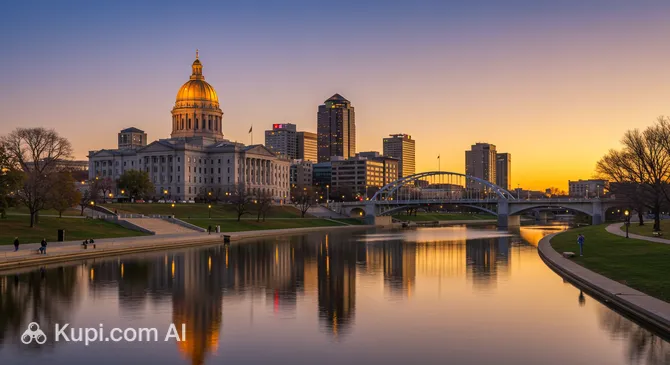
While most state capitols feature a single dome, the Iowa State Capitol is architecturally distinct with five. The massive central dome is covered in tissue-paper-thin sheets of 23-karat gold leaf and is flanked by four smaller copper-covered domes, creating a stunning silhouette on the skyline.
A bizarre piece of rock and roll history occurred here in 1982 when Ozzy Osbourne bit the head off a bat during a concert at Veterans Memorial Auditorium. The singer famously thought the bat thrown on stage was a rubber toy, cementing a legendary moment in music folklore right in Des Moines.
The city hosts one of the highest-ranked outdoor markets in the United States. The Downtown Farmers' Market transforms the Historic Court District every Saturday morning from May to October, drawing tens of thousands of visitors to sample local Iowa produce and artisan goods.
Iowa State Capitol. Illustration.
Source: Kupi.com AI
Traveler photos:
How to Get There
Reaching the capital of Iowa is quite convenient, with air travel being the most popular method for visitors coming from afar. Whether you are arriving for business or leisure, planning your route is the first step to a successful trip. You can find all ways to reach the city and detailed travel tips on our dedicated page.
The primary gateway to the city is Des Moines International Airport (IATA: DSM). Located just 6.6 km from the city center, it is the most direct option for travelers. This medium-sized hub welcomes over 3 million passengers annually, offering a comfortable and efficient arrival experience. The journey from the airport to downtown is quick, taking approximately 30 minutes by taxi or shuttle.
For those who might find better flight connections or fares through a larger hub, Eppley Airfield (IATA: OMA) is a viable alternative, though it requires a longer ground transfer. The city of Des Moines does not house this airport; it is located in Omaha, about 193.4 km away. Travelers choosing this route should be prepared for a ground journey of approximately 2 hours by car or taxi to reach Des Moines.
For clarity, here is a summary of the main airports:
Des Moines offers a delightful mix of cultural, historical, and recreational sites that cater to a wide range of interests. From world-class art installations to interactive science exhibits, the city's landmarks provide engaging experiences for visitors of all ages.
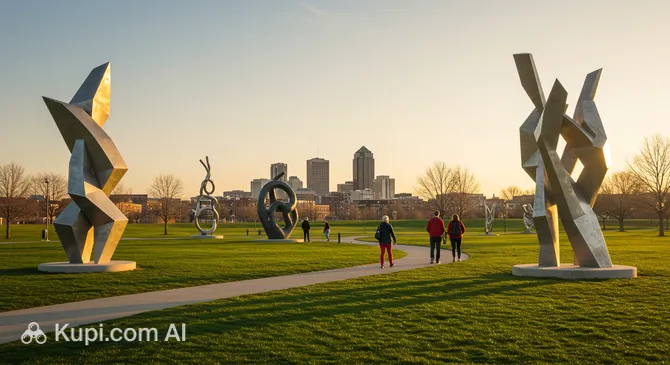
One of the most visually striking locations in the city is the Pappajohn Sculpture Park. Located in the Western Gateway Park downtown, this 4.4-acre open-air museum features more than 30 works by celebrated artists. It is a favorite spot for tourists to take a leisurely stroll, enjoy a picnic, and admire large-scale contemporary art against the backdrop of the city skyline.
Pappajohn Sculpture Park. Illustration.
Source: Kupi.com AI
Traveler photos:
For those seeking a deeper dive into the artistic world, the Des Moines Art Center is a must-visit. Renowned not only for its impressive collection of 20th and 21st-century art but also for its architecture, the complex was designed by three legendary architects: Eliel Saarinen, I.M. Pei, and Richard Meier. The museum offers a serene environment to explore paintings, sculptures, and mixed media works.
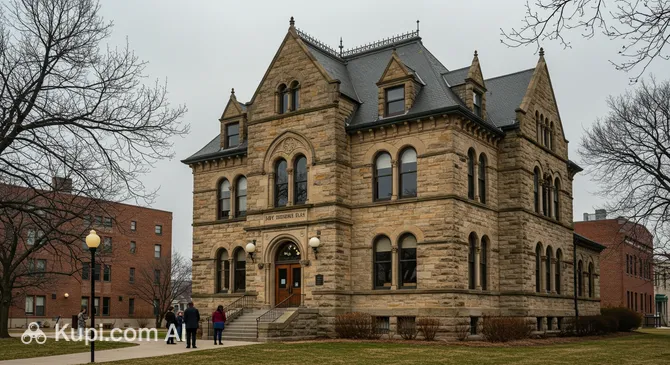
History and architecture buffs will appreciate the World Food Prize Hall of Laureates. Housed in the beautifully restored historic Des Moines Public Library building, this museum celebrates the legacy of Dr. Norman Borlaug and the fight against global hunger. The site features magnificent gardens, educational exhibits, and a stunning ballroom that showcases the city’s commitment to global humanitarian efforts.
World Food Prize Hall of Laureates. Illustration.
Source: Kupi.com AI
Traveler photos:
Families and curious minds should not miss the Science Center of Iowa. Situated in the downtown district, this dynamic facility encourages hands-on learning with interactive exhibits focused on space, zoology, and physics. It also houses a planetarium and an IMAX theater, making it an exciting destination for a day of discovery and fun.
Local Cuisine
Des Moines has evolved into a surprising culinary destination, embracing a strong farm-to-table philosophy that utilizes Iowa's rich agricultural heritage. The city's dining scene is unpretentious yet sophisticated, offering everything from classic comfort foods to innovative modern cuisine. Visitors will find that local chefs take great pride in sourcing fresh, seasonal ingredients directly from nearby farms, creating a connection between the land and the plate.
When it comes to signature dishes, you cannot leave the city without trying Steak de Burgo. This culinary staple, native to Des Moines, features a beef tenderloin topped with a rich sauce of butter, garlic, and Italian herbs. Another regional favorite is the breaded pork tenderloin sandwich. Often comically larger than the bun it is served on, this crispy, golden-fried delight is a testament to the state's pork production and is a must-try for any meat lover looking for an authentic Iowan meal.
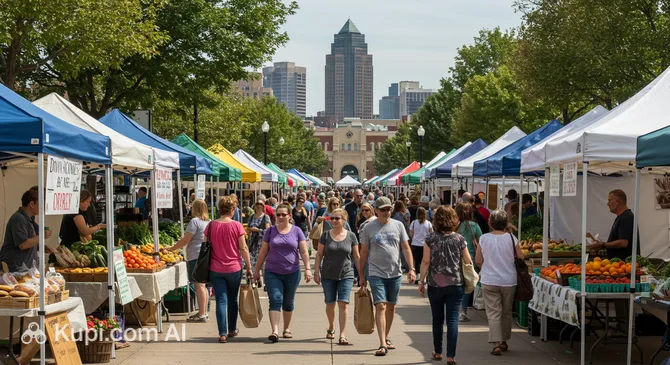
For a true taste of the local culture, a visit to the Downtown Farmers' Market is essential. Held on Saturday mornings in the Historic Court District, it is more than just a place to buy vegetables; it is a gastronomic festival featuring ready-to-eat breakfast burritos, fresh pastries, and artisanal cheeses. It serves as a vibrant gathering spot where tourists can mingle with locals and sample the best regional flavors in one place.
Downtown Farmers' Market. Illustration.
Source: Kupi.com AI
Traveler photos:
The beverage scene in Des Moines is equally vibrant, particularly known for its booming craft beer culture. Breweries like Lua Brewing offer creative ales and lagers in stylish settings, often paired with high-quality food. For those with a sweet tooth or looking for a refined breakfast, La Mie Bakery serves French-inspired pastries and breads that draw locals in droves every morning.
If you are in the mood for a nostalgic dining experience, The High Life Lounge offers a trip back to the 1960s. Known for its retro decor, shag carpet, and comfort food menu featuring pot roast and tater tots, it captures the friendly, laid-back spirit of the Midwest. Whether you are dining in a polished restaurant or a cozy pub, the flavors of Des Moines are sure to leave a lasting impression.
Travel Tips
Des Moines is a welcoming city in the United States that blends urban excitement with small-town warmth, but knowing a few local logistics will make your visit even smoother. Here are some essential tips to help you pack the right gear and navigate the capital of Iowa with ease.
Clothing and Gear: Iowa experiences four distinct seasons, so checking the forecast is crucial. In winter, bring a heavy coat, gloves, and waterproof boots for snow; in summer, lightweight, breathable clothing is best for the humidity. Since the electrical outlets are Type A and B, international travelers will need a power adapter to charge their devices.
Transportation: While the Des Moines Area Regional Transit (DART) offers bus services throughout the city, renting a car is the most convenient way to explore the wider area and suburbs. Ride-sharing apps like Uber and Lyft are widely available, and the downtown area is very walkable.
Finances: The local currency is the US Dollar (USD). Credit and debit cards are accepted almost everywhere, from restaurants to market stalls, so carrying large amounts of cash is rarely necessary. Tipping is standard practice here; expect to leave 18–20% of the bill at sit-down restaurants and a few dollars for service staff like bartenders or valets.
Health and Safety: Des Moines is generally a very safe city for tourists, but standard precautions should be taken, such as staying in well-lit areas at night. Pharmacies like Walgreens and CVS are plentiful, with some locations open 24 hours for minor health needs. In case of an emergency, dial 911 for immediate assistance.
Communication: English is the primary language spoken throughout the city. Free Wi-Fi is readily available in most hotels, coffee shops, and public buildings. For navigation and transit schedules, having Google Maps or the MyDART app downloaded on your phone is highly recommended.
Local Etiquette: Locals pride themselves on "Iowa Nice," a culture of genuine friendliness. It is polite to smile at passersby, hold doors open for others, and engage in small talk with cashiers or servers. A simple "please" and "thank you" is expected and appreciated in all interactions.
What to Avoid: Do not confuse Iowa with Idaho or Ohio; while it is a common mistake for visitors, locals appreciate it when you know exactly where you are. Also, avoid being overly impatient in service interactions, as the pace of life here is often more relaxed than in major coastal cities.
Local Insight: If you are visiting downtown, make use of the Skywalk system. This 4-mile network of climate-controlled overhead bridges connects hotels, parking garages, and offices, allowing you to navigate the city center comfortably without ever stepping outside into the winter cold or summer heat.
By keeping these practical tips in mind, you will be well-prepared to enjoy everything from the bustling farmers' market to the quiet river trails. Des Moines is a city that rewards curiosity and kindness, ensuring your stay is as comfortable as it is memorable.
Entertainment & Nightlife
When the sun sets over the golden dome of the Capitol, Des Moines transforms into a lively hub of entertainment that surprises many first-time visitors. The city's nightlife scene is diverse, ranging from energetic dance clubs and game bars to sophisticated jazz lounges and historic theaters. Whether you are looking to dance the night away or enjoy a quiet craft cocktail, the downtown area offers a concentrated and walkable selection of venues.
The heartbeat of the city's nightlife is undoubtedly the Historic Court District. Located along Court Avenue downtown, this area buzzes with activity, especially on weekends. It features a dense row of sports bars, Irish pubs, and dance clubs that attract a younger, energetic crowd. During the warmer months, the energy spills out onto the sidewalks, creating a festive street-party atmosphere. It is the perfect place to start a bar crawl or catch a big game on TV surrounded by enthusiastic locals.
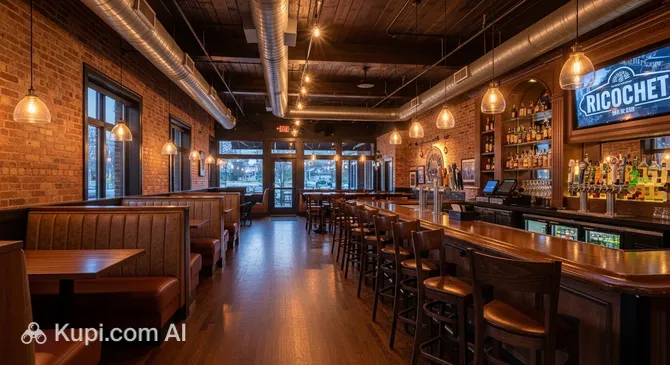
For a slightly more eclectic and trendy vibe, head across the river to the East Village. This district is known for its cool, indie spirit and houses some of the city's most unique spots. A standout venue here is Ricochet, a modern game lounge that redefines a night out. Instead of just sitting at a bar, guests can challenge each other to ping pong, shuffleboard, foosball, and darts while enjoying craft drinks. It offers a fun, social atmosphere that appeals to groups and couples alike.
Ricochet. Illustration.
Source: Kupi.com AI
Traveler photos:
Music lovers will find plenty to appreciate in Des Moines. For a classy and intimate evening, Noce is the premier destination for jazz. This beautifully designed club brings the spirit of old-school cabaret to Iowa, hosting both local talent and touring acts in a sophisticated setting. If you prefer larger productions or big-name concerts, the Iowa Events Center Arena (often referred to as Wells Fargo Arena) is the city's major venue for touring bands and large-scale shows.
Those seeking a mix of history and performance art should check the schedule at Hoyt Sherman Place. This historic mansion and theater offers a stunning backdrop for concerts, comedy shows, and lectures. Even if there isn't a show, the architecture alone makes it a cultural gem worth noting. During the day, the city offers other forms of entertainment, from exploring the vast collection at the Art Center to family-friendly fun at the Science Center, ensuring that your itinerary is full from morning until late at night.
Hoyt Sherman Place. Illustration.
Source: Kupi.com AI
Traveler photos:
Practical Advice for Nightlife:
Dress Code: Des Moines is generally casual. Jeans and a nice top are acceptable in almost all bars and clubs, though you might want to dress up slightly more for venues like Noce or the theater.
Getting Around: The downtown area is very walkable, but if you are moving between the Court District and East Village, a quick walk across the bridge is easy. Late at night, ride-sharing services like Uber and Lyft are plentiful and affordable.
Safety: The main nightlife districts are well-lit and generally safe, with a visible police presence on weekends. However, standard city safety applies: stay in groups and avoid unlit alleys.
Prices: You will find that cover charges are rare (except for clubs or live music venues), and drink prices are significantly lower than in major coastal cities, making a night out here very budget-friendly.
If you are looking for a local neighborhood vibe away from the downtown hustle, you might venture to the south side to visit the Angry Goldfish Pub & Eatery. It is a relaxed spot known for its comfort food and friendly service, perfect for a low-key evening. Whether you stick to the main drag or explore the neighborhoods, the people of Des Moines are welcoming, making it easy to strike up a conversation and make new friends.
Parks & Museums
Des Moines seamlessly blends its urban landscape with an impressive array of green spaces and cultural institutions, offering visitors a chance to explore both the natural beauty and the rich heritage of the region. The city takes pride in its extensive park system and world-class museums, making it easy to transition from a morning hike to an afternoon of historical discovery.
For outdoor enthusiasts, Gray's Lake Park is perhaps the most iconic recreation spot in the city. Located just south of downtown, this 167-acre park features a picturesque lake encircled by a 2-mile paved trail that is perfect for walking, jogging, or biking. It is particularly enchanting in the evening when the bridge and trail are illuminated with colorful lights, offering a stunning view of the Des Moines skyline reflecting off the water. Visitors can rent paddleboards and canoes during the warmer months or simply relax on the swimming beach.
Gray's Lake Park. Illustration.
Source: Kupi.com AI
Traveler photos:
Another horticultural gem is the Greater Des Moines Botanical Garden, dominated by its striking geodesic dome. This conservatory allows guests to experience a tropical climate year-round, walking among exotic plants, cacti, and blooming flowers regardless of the weather outside. Beyond the dome, the outdoor gardens showcase hardy perennials and water features, providing a serene escape on the banks of the Des Moines River.
Those looking for a vast natural retreat within the city limits should explore Des Moines Water Works Park. Spanning approximately 1,500 acres, it is one of the largest urban parks in the country. It offers a more rugged experience with wooded trails for hiking and equestrian use, as well as open fields for picnics and fishing spots along the Raccoon River. It is a favorite local sanctuary for disconnecting from the urban bustle.
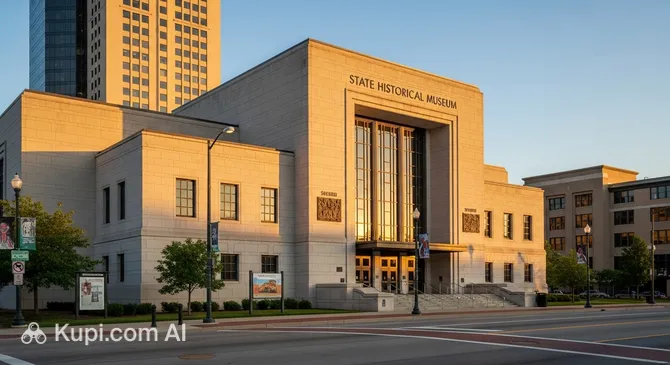
On the cultural front, the State Historical Museum provides a fascinating look into the stories that shaped Iowa. The museum features diverse exhibits ranging from the state's natural history and Native American heritage to its contributions to Hollywood and political significance. It is an engaging stop for families and history buffs alike, offering interactive displays that bring the past to life.
State Historical Museum. Illustration.
Source: Kupi.com AI
Traveler photos:
For a unique architectural experience, a visit to Salisbury House & Gardens is essential. This majestic 1920s stone mansion was modeled after the King's House in Salisbury, England. Today, it serves as a historic house museum filled with original art, rare books, and antique furnishings collected by its original owners. The surrounding gardens are equally impressive, meticulously maintained to reflect the grandeur of the estate.
For a quiet moment of reflection, seek out the Robert D. Ray Asian Garden along the riverwalk. This beautifully landscaped pavilion features stone pagodas, waterfalls, and sculptures that honor the city's Asian community and its commitment to diversity, offering a peaceful riverside atmosphere that feels worlds away from the busy streets.
Getting Around
The public transport system in Des Moines is primarily maintained by the Des Moines Area Regional Transit Authority, commonly known as DART. Unlike larger metropolises, the city does not rely on a subway or tram network; instead, it operates a comprehensive bus system that connects the downtown core with major shopping centers, suburbs, and medical facilities. For visitors staying within the central district, the network is efficient and easy to navigate, though renting a car is often recommended for reaching outlying attractions.
A highlight for tourists is the D-Line, a free downtown shuttle service that runs in a continuous loop. This shuttle is particularly useful for visitors as it connects key destinations such as the Iowa State Capitol, the East Village, and the Western Gateway Park without costing a cent. It runs frequently on weekdays and Saturdays, making it an excellent way to hop between museums, restaurants, and hotels without worrying about parking or schedules.
For standard bus routes, the payment system is straightforward and affordable. A single ride typically costs around $1.75, while a day pass offers unlimited travel for approximately $4.00, which is a great value for a full day of exploration. Passengers paying with cash must have the exact change ready, as drivers cannot provide change. However, the most convenient method for travelers is the MyDART app. This mobile application allows you to plan your trip, track buses in real-time, and purchase digital tickets instantly on your smartphone, eliminating the need to carry coins.
When planning your travel, it is important to note that bus frequency varies significantly depending on the time of day. Service is most frequent during weekday rush hours, while evening and weekend schedules are reduced. Tourists should always check the latest timetables via the app or the DART website before heading out, especially on Sundays when service is limited on many routes.
While not a vehicle-based system, the Des Moines Skywalk is a unique and essential part of the city's transportation infrastructure. This extensive network of climate-controlled, overhead pedestrian bridges connects over four miles of downtown buildings. It functions effectively as a "pedestrian subway," allowing locals and visitors to travel between hotels, offices, and dining spots comfortably, completely shielded from rain, snow, or summer humidity.
For those who prefer more direct or private transport, ride-sharing services like Uber and Lyft are widely available and reasonably priced compared to larger coastal cities. Traditional taxis are also an option, though they usually need to be called in advance rather than hailed on the street. Additionally, during the warmer months, the BCycle bike-share program offers a fun alternative. With stations located throughout downtown and near parks, renting a bike is a fantastic way to explore the city's scenic river trails and green spaces.
Accommodation
Where to Stay:
Des Moines offers a welcoming array of accommodation options suited to every type of traveler, from business professionals to families on vacation. The city’s hospitality scene is characterized by a mix of modern high-rise hotels, charming bed and breakfasts, and convenient budget-friendly motels. Whether you prefer the convenience of a full-service luxury stay or the independence of a vacation rental, you will find suitable choices throughout the metropolitan area.
For those who want to be in the center of the action, staying in the Downtown district is highly recommended. This area places you within walking distance of major attractions like the Iowa Events Center Arena, the farmers' market, and the vibrant nightlife of Court Avenue. A major advantage of staying downtown is access to the Skywalk system, which connects many hotels to offices and venues, allowing you to move around comfortably regardless of the weather. Alternatively, the West Des Moines area offers excellent shopping and dining options with easy access to the interstate, while the zone surrounding the airport provides practical solutions for those with early flights or short layovers.
Travelers can expect a standard range of lodging categories. The city center features several upscale and historic hotels that offer premium amenities and river views. For a more intimate experience, the historic neighborhoods surrounding downtown host a few beautifully restored guest houses. Families and budget-conscious travelers will find a high concentration of reliable chain hotels and motels along the major highway corridors, often providing essential amenities like free parking and breakfast.
Accommodation prices in Des Moines are generally quite reasonable compared to larger US cities, falling mostly into the mid-range category. However, rates can spike significantly during major events, such as the Iowa State Fair in August or large conventions. It is advisable to book your room well in advance if you plan to visit during these peak times. Most reservations can be easily made through major online booking platforms, though booking directly with the property can sometimes yield better cancellation policies.
Nearby Cities
For those looking to explore the surroundings, Des Moines serves as an excellent base for day trips to several interesting nearby locations:
Located just a short drive north is Ames, a vibrant community best known as the home of Iowa State University. Visitors here can explore the beautiful Reiman Gardens, which features a stunning butterfly wing and diverse plant collections, or enjoy the youthful energy and cultural events that come with a college town.
Immediately adjacent to the capital lies West Des Moines, a bustling hub for shopping and dining. It houses the Jordan Creek Town Center, one of the largest shopping complexes in the region, as well as Raccoon River Park, where outdoor enthusiasts can enjoy a large lake for fishing and boating.
Another rapidly growing neighbor is Ankeny, which offers a perfect mix of modern amenities and small-town charm. It is a popular starting point for the High Trestle Trail, a famous route for cyclists and hikers, and features the District at Prairie Trail, known for its local boutiques and breweries.
City
Population
Distance
West Des Moines
67 640
12 km
Clive
18 323
13 km
Urbandale
45 037
13 km
Ankeny
66 346
16 km
Grimes
14 842
18 km
These nearby destinations offer a glimpse into the diverse culture and landscapes of the region.
Shopping & Souvenirs
Shopping
Shopping in Des Moines offers a delightful blend of Midwestern charm and modern convenience. While the city may not be a global fashion capital, it surprises visitors with its vibrant districts filled with independent boutiques, antique treasures, and locally made goods. From historic neighborhoods to convenient retail centers, the shopping scene here is relaxed, accessible, and full of unique finds that reflect the creativity of the local community.
The heart of the city's independent shopping culture is undoubtedly the Historic East Village. Located at the foot of the Capitol, this walkable district is lined with trendy clothing stores, home decor shops, and specialty grocers. It is the perfect place to hunt for one-of-a-kind items, ranging from vintage vinyl records to handcrafted jewelry. The atmosphere here is lively and welcoming, making it a favorite destination for those who prefer browsing small, locally-owned businesses over big-box retailers.
For travelers looking for a more traditional retail experience or everyday essentials, the city is home to several established shopping centers. Park Fair Mall is a longstanding community hub where visitors can find a variety of services and stores in a convenient location. It serves as a practical stop for those needing to pick up supplies during their trip.
Park Fair Mall. Illustration.
Source: Kupi.com AI
Traveler photos:
Another accessible option within the city limits is the Southgate Shopping Center. Situated to the south of the downtown area, this center features a mix of retail outlets and dining options, providing a straightforward shopping experience for visitors staying in the vicinity. For more extensive mall shopping with major department stores, many locals also venture to the large complexes in the neighboring suburb of West Des Moines.
No shopping trip to Des Moines is complete without visiting the Downtown Farmers' Market. While famous for its fresh produce, this market is also a treasure trove for shoppers seeking non-food items. Dozens of local artisans set up stalls selling handmade soaps, artwork, pottery, and clothing. It is an excellent spot to find authentic gifts that are directly connected to the region's culture.
When it comes to souvenirs, visitors often look for items that celebrate Iowa's unique identity. Popular choices include apparel featuring "Iowa Nice" slogans, products made from local corn or soy wax, and artisanal goods like honey or craft beer from local breweries. The museum shops at the State Historical Museum and the Art Center are also fantastic places to find high-quality books, prints, and educational toys.
Most shops in Des Moines operate from roughly 10:00 AM to 9:00 PM on weekdays and Saturdays, with reduced hours on Sundays, typically opening around noon and closing by 6:00 PM. Independent boutiques in areas like the East Village may have shorter operating hours, often closing by 5:00 PM or 6:00 PM, so it is wise to check ahead. Credit and debit cards are universally accepted, and contactless payment methods are becoming increasingly common.
Travelers should be aware that the United States does not typically offer a Value Added Tax (VAT) refund system for international tourists. In Des Moines, a sales tax is applied to most purchases at the register. The price you see on the tag usually does not include this tax, so expect the final total to be slightly higher when you pay.