Support

Omaha

About

Welcome to Omaha, a dynamic metropolis that perfectly blends Midwestern hospitality with big-city energy. As the largest city in Nebraska, it serves as a cultural and economic hub for the region. Situated on the banks of the Missouri River, Omaha offers a unique atmosphere where historic charm meets modern innovation, making it an increasingly popular destination for travelers seeking authentic American experiences.

Geographically, the city is located in the Midwest region of the United States, featuring a continental climate with distinct seasons that transform the landscape throughout the year. With a population of approximately 806,000 residents in its metropolitan area, Omaha feels bustling yet accessible. Its strategic location has long made it a vital crossroads for transportation and commerce, earning it the nickname "Gateway to the West."
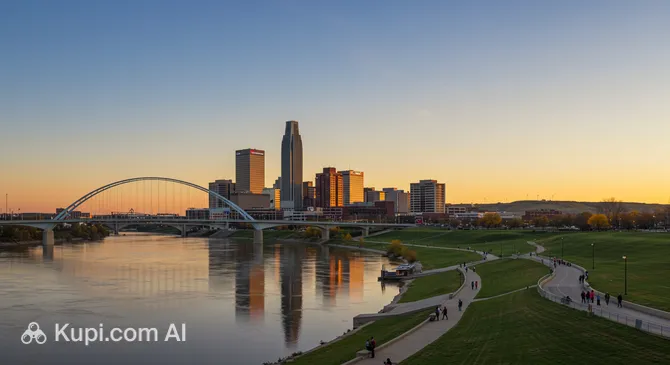
Omaha. Source: Kupi.Binoculars

The city's past is deeply intertwined with the story of American expansion. Visitors eager to delve into the history of Omaha will discover a fascinating narrative of pioneers, railroad tycoons, and the livestock industry. Today, this heritage is celebrated in districts like the Old Market, where cobblestone streets and converted warehouses now host trendy boutiques, galleries, and restaurants.

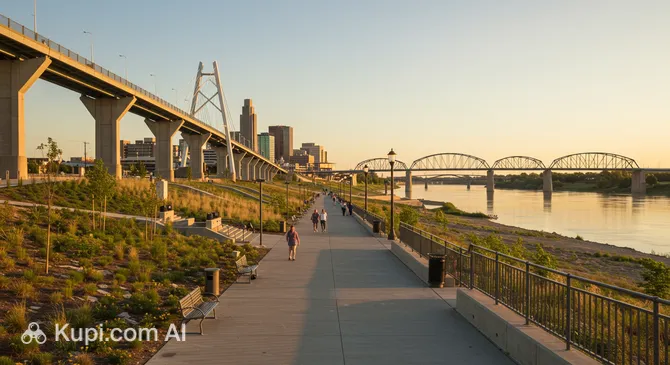
Omaha is home to several world-class attractions that draw visitors from near and far. The Henry Doorly Zoo and Aquarium is consistently ranked among the best in the world, featuring the world's largest indoor desert and a massive indoor rainforest. For those who enjoy outdoor activities, the Bob Kerrey Pedestrian Bridge offers a scenic walk across the river, famously allowing you to stand in two states at once.

Whether you are here to explore its rich cultural scene, enjoy top-tier dining, or simply relax by the riverfront, Omaha promises a memorable journey. We invite you to discover the hidden gems and friendly spirit of this vibrant Midwestern city.
Weather Overview

Omaha experiences a classic continental climate with four distinct seasons, bringing a wide variety of conditions throughout the year. Generally, you can expect warm summers with occasional rain and cold, dry winters, so checking the forecast before packing is always a good idea.

The winter months can be quite chilly, with January being the coldest time of the year; average temperatures hover around -3.7°C, while lows can drop to -8.0°C. In contrast, summers are pleasant and warm. July is typically the hottest month, with average temperatures of 25.4°C and daily highs reaching up to 30.4°C. For a deeper dive into seasonal averages and forecasts, you can consult the guide to weather in Omaha.

Precipitation patterns vary significantly, with late spring being the wettest period. May sees the highest frequency of rain, recording about 15 wet days, whereas the winter months are much drier, with December and January averaging only 4 to 6 wet days. September and October offer a comfortable transition with milder temperatures and fewer rainy days, making autumn a popular time for outdoor exploration.

Interesting Facts

Beyond the main attractions, Omaha holds many fascinating secrets and historical quirks that often surprise visitors. From culinary inventions to wartime secrets, the city has played an unexpected role in American history.

Lewis & Clark Landing. Source: Kupi.Binoculars
  • The Home of the Reuben: While New York delis might disagree, culinary history suggests the Reuben sandwich was invented in Omaha. Legend has it that the savory combination of corned beef, Swiss cheese, and sauerkraut was first created at the Blackstone Hotel during a late-night poker game in the 1920s.

  • A WWII Secret: In a rare event during World War II, a Japanese fire balloon exploded over the Dundee neighborhood. The incident was kept strictly confidential at the time to deny the enemy information about the effectiveness of their trans-Pacific balloon bombs.

  • Historic Riverfront: The area has deep historical roots dating back to the famous Lewis and Clark Expedition of 1804. The explorers camped along the Missouri River banks, a site now commemorated by Lewis & Clark Landing, which serves as a vibrant public space today.

  • The Oracle's Residence: Omaha is famously home to Warren Buffett, one of the world's wealthiest investors. Despite his immense fortune, he still resides in the same quiet neighborhood home he purchased in 1958, reflecting the city's unpretentious and grounded character.

How to Get There

Reaching this Midwestern hub is convenient thanks to its central location and good transport connections. Whether you are flying in from across the country or driving through the heartland, the journey is straightforward. For a detailed breakdown of routes and transport tips, you can read more about how to get to Omaha to plan your arrival smoothly.

The primary gateway for most visitors is Eppley Airfield (OMA), located just 5.8 km from the city center. As the largest airport in Nebraska, it handles a significant volume of passengers and offers numerous connections. The transfer to downtown is quick; a taxi or ride-share typically takes around 15 minutes depending on traffic. This international airport is the most direct option for travelers.

Alternatively, you can fly into Lincoln Airport (LNK), situated in the nearby city of Lincoln, approximately 82.7 km from Omaha. While it is a smaller regional hub compared to Eppley Airfield, it serves as a practical secondary option. Visitors arriving here should plan for a longer transfer, with the journey by ground transport taking approximately one hour.

For clarity, here is a summary of the main airports:

Airport Name City Passenger Traffic Km from City
Eppley Airfield Omaha Large 5.8
Des Moines International Airport Des Moines Large 192.9
Lincoln Airport Lincoln Medium 82.7
Grand Island Airport Grand Island Small 202.0
Sioux Gateway Airport Sioux City Small 132.6

Beyond air travel, Omaha is well-connected by ground transportation. The city is a key stop on Amtrak's California Zephyr line, which runs daily between Chicago and the San Francisco Bay Area, offering a scenic rail journey into the historic downtown station. For those preferring to drive, the city sits at the intersection of Interstate 80 and Interstate 29, making it easily accessible by car from major cities throughout the Midwest.

Main Attractions

Omaha offers a diverse array of sights that cater to history buffs, art lovers, and those seeking vibrant urban experiences. While the city is famous for its world-class zoo, the downtown area and surrounding neighborhoods provide a wealth of other engaging activities. From bustling entertainment districts to serene green spaces, there is plenty to explore.

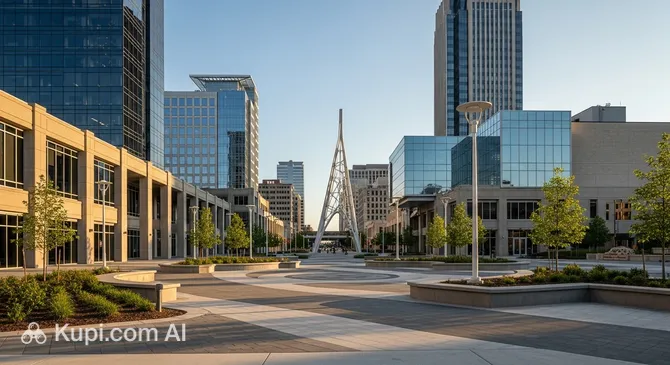
A modern highlight of the city's social scene is The Capitol District. Located in the heart of downtown, this destination revitalizes the urban core with a dynamic mix of dining, nightlife, and hospitality. It is centered around a plaza that frequently hosts outdoor events, making it a perfect spot for tourists to soak up the local atmosphere, enjoy a meal at a chef-driven restaurant, or experience the city's energy after dark.

The Capitol District. Source: Kupi.Binoculars

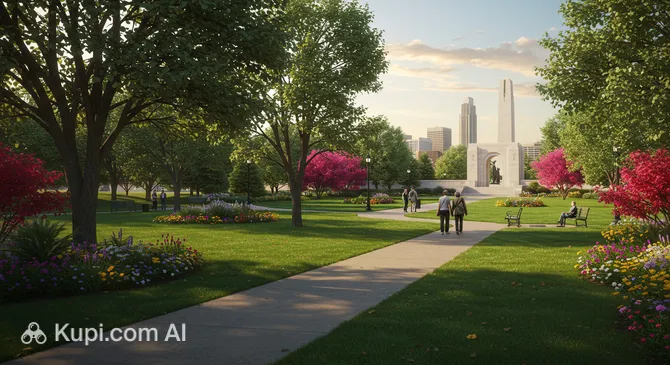
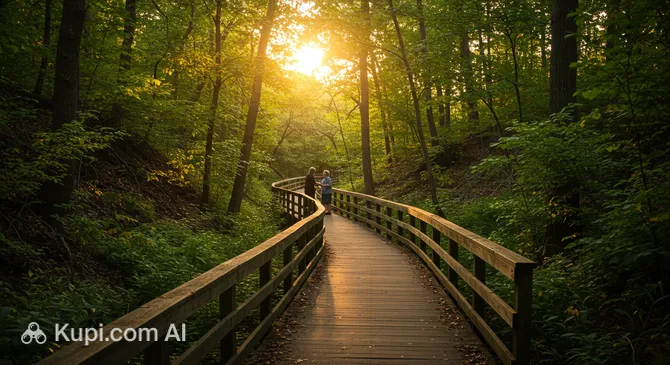
For a moment of reflection and natural beauty, Memorial Park is a must-visit landmark. Created to honor the men and women of the armed forces, this expansive park features impressive monuments and a renowned rose garden that blooms spectacularly in the warmer months. It serves as a community gathering place for concerts and events, offering visitors a peaceful retreat with plenty of open space for walking and relaxation.

Memorial Park. Source: Kupi.Binoculars

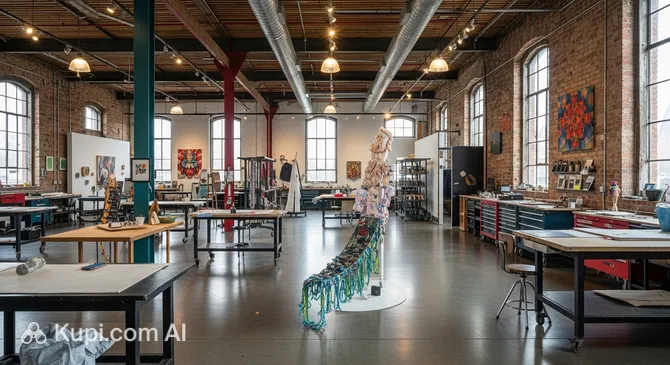
Creativity thrives at the Hot Shops Art Center, located in the historic creative district. This unique facility allows visitors to step directly into the studios of local artists. You can watch glass blowers, potters, and bronze casters at work, gaining an intimate look at the artistic process. With numerous galleries and frequent open house events, it is an inspiring stop for anyone interested in the local culture and craftsmanship.

To experience the riverfront that defines the region's geography, head to Tom Hanafan River's Edge Park. Situated just across the pedestrian bridge, this area offers sweeping views of the Omaha skyline and easy access to the Missouri River. It is a fantastic location for outdoor enthusiasts, featuring walking trails and a large lawn that often hosts festivals, seamlessly connecting the urban landscape with nature.

Local Cuisine

Cuisine:

Omaha is often hailed as a premier destination for beef lovers, with a reputation built on its historic stockyards and the globally recognized "Omaha Steaks" brand. However, the city's culinary landscape has evolved far beyond its carnivorous roots. Today, visitors will find a sophisticated dining scene that embraces the farm-to-table movement, utilizing the rich agricultural produce of Nebraska to create diverse and modern menus.

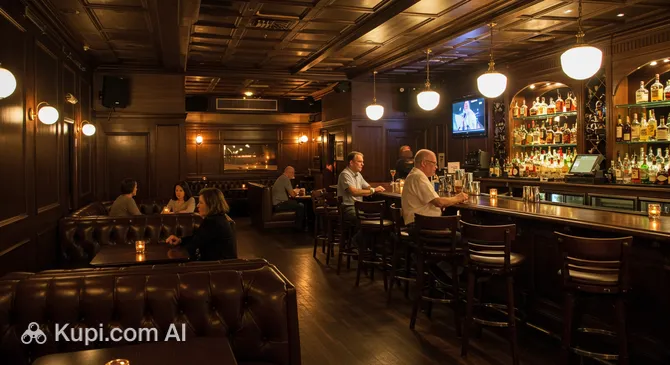
For those seeking the quintessential steakhouse experience, 801 Chophouse is a definitive stop. Located in the historic Paxton building, this upscale establishment channels the atmosphere of a classic 1920s New York restaurant. It is renowned for serving aged USDA Prime steaks and fresh seafood, offering a luxurious setting that pays homage to the city's meat-packing heritage.

801 Chophouse. Source: Kupi.Binoculars

Beyond traditional fare, the city offers a variety of contemporary and international options. Clio brings the flavors of the Mediterranean to the Old Market, featuring a menu centered around shareable mezze, house-made spreads, and wood-fired dishes. Nearby, Memoir provides a polished American Grill experience in the Mercantile development. With its open kitchen and eclectic menu ranging from sushi to pasta, it reflects the modern versatility of local dining.

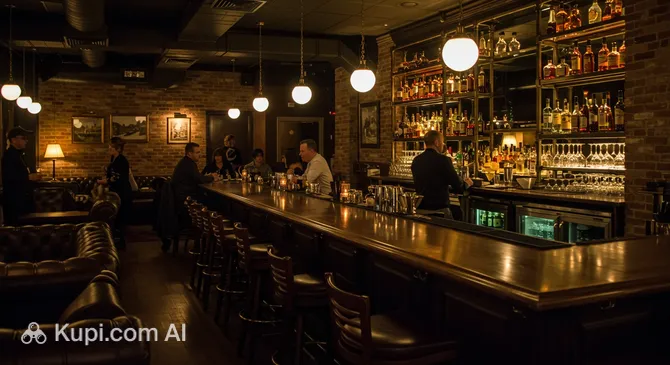
The nightlife scene is equally vibrant, with unique venues for evening libations. Wicked Rabbit offers an immersive speakeasy atmosphere; hidden behind a small liquor store front, this intimate bar delights guests with craft cocktails and whimsical decor. For a stylish lounge setting, the Red Lion Lounge is another popular choice, providing a comfortable environment to relax and socialize after a day of exploration.

Wicked Rabbit. Source: Kupi.Binoculars

Travel Tips

To ensure your visit to the "Gateway to the West" is as smooth and enjoyable as possible, we have compiled a list of essential travel advice. These practical tips will help you navigate local customs, logistics, and the unique quirks of Omaha with the confidence of a seasoned local.

  1. Clothing and Gear: The weather in Nebraska can be unpredictable, so the best strategy is to dress in layers. Summers are hot and humid, requiring light fabrics, while winters can be bitterly cold, necessitating heavy coats, gloves, and hats. Since you will likely be doing a lot of walking—especially if you visit the expansive Henry Doorly Zoo or the cobblestoned Old Market—bring sturdy, comfortable walking shoes.
  2. Transportation: While downtown Omaha is walkable and served by the ORBT (Omaha Rapid Bus Transit) system, the city as a whole is quite spread out. To fully explore the different neighborhoods and attractions, renting a car is highly recommended and is the most convenient option. Ride-sharing apps like Uber and Lyft are also widely available and reliable for shorter trips.
  3. Finances: The local currency is the US Dollar (USD). Credit and debit cards are accepted almost everywhere, from high-end steakhouses to small coffee shops. However, it is wise to carry a small amount of cash for tips or small purchases at local markets. Tipping is standard practice; expect to leave 15-20% of the bill at restaurants and bars.
  4. Health and Safety: Omaha is generally considered a safe city for tourists, but standard big-city precautions apply, such as keeping an eye on your belongings in crowded areas. Pharmacies and drugstores are plentiful throughout the city for minor health needs. In case of any serious emergency, dial 911 for immediate police, fire, or medical assistance.
  5. Communication: English is the primary language spoken. The locals are known for being chatty and helpful, so do not hesitate to ask for directions. Free Wi-Fi is commonly found in hotels, cafes, and public buildings. If you are visiting from abroad, prepaid SIM cards can be easily purchased at major electronics stores or mobile carrier shops.
  6. Local Etiquette: You will likely encounter "Nebraska Nice"—a genuine friendliness common in the Midwest. It is customary to greet people with a smile, hold doors open for strangers, and say "hello" to passersby. When driving, a friendly wave to let someone merge is a common courtesy that is much appreciated.
  7. What to Avoid: Do not underestimate the changing weather conditions. If you are visiting in spring or summer, stay aware of local weather forecasts regarding thunderstorms. Also, avoid assuming you can see the entire world-famous zoo in just an hour or two; it is massive and requires proper time allocation.
  8. Culinary Tip: Since Omaha claims to be the birthplace of the Reuben sandwich, do not leave without trying one at a local deli or restaurant. It is a point of local culinary pride and a delicious way to connect with the city's history.

Armed with these tips, you are ready to dive into everything Omaha has to offer, from its historic streets to its vibrant riverfront. We hope your stay is filled with wonderful discoveries, warm midwestern hospitality, and safe travels throughout Nebraska.

Entertainment & Nightlife

Omaha comes alive after dark with a vibrant and diverse nightlife scene that surprises many visitors. The city is divided into several distinct entertainment hubs, each offering a unique vibe ranging from historic charm to hipster cool. Whether you are looking for craft cocktails, live music, or a lively dance floor, the "Gateway to the West" has something to offer every nocturnal adventurer.

The most famous area for evening entertainment is the Old Market. With its cobblestone streets and covered sidewalks, this historic district transforms at night into a bustling center of activity. Here, you will find a dense concentration of English-style pubs, street performers, and atmospheric patios. For a grittier, more indie experience, head to the Benson neighborhood. Known for its live music venues and breweries, it attracts a younger, alternative crowd. Meanwhile, the Blackstone District is the place to go for trendy bars and modern speakeasies.

For those seeking a centralized spot with upscale energy, The Capitol District is a premier destination. This modern entertainment zone surrounds a large plaza that often hosts outdoor concerts and events. It is lined with stylish bars and lounges, making it easy to hop from one venue to another without needing a car. It is a safe, well-lit area perfect for tourists looking to mingle with locals.

If you prefer open-air entertainment, Turner Park in Midtown Crossing is a fantastic venue, especially during the warmer months. It is renowned for hosting "Jazz on the Green," a beloved free concert series that draws thousands of people for picnics and music under the stars. The surrounding area also features numerous restaurants and patios, creating a relaxed and communal evening atmosphere.

Turner Park. Source: Kupi.Binoculars

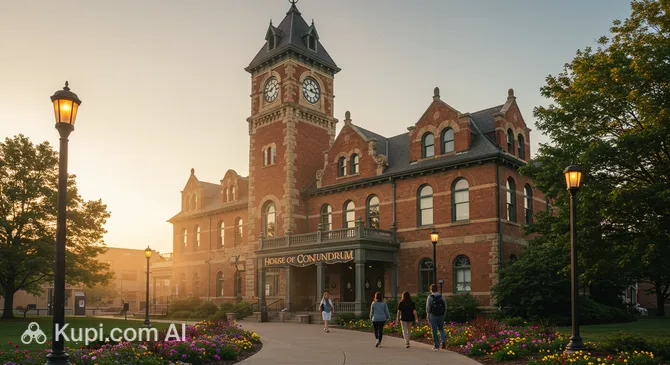
For a different kind of evening fun that challenges the mind, you might visit the House of Conundrum. This popular escape room venue offers a variety of themed scenarios, providing an exciting group activity before heading out for drinks or dinner. It is a great option for friends or families looking to bond over puzzles and mysteries.

House of Conundrum. Source: Kupi.Binoculars

Practical Nightlife Tips:

  • Safety: The main entertainment districts like the Old Market and Capitol District are generally safe for walking at night. However, it is always wise to stay in well-lit areas and avoid walking alone in secluded spots.
  • Transport: While downtown is walkable, moving between districts (e.g., from Old Market to Benson) requires transportation. Ride-sharing services like Uber and Lyft are readily available and are the most convenient way to get around safely after drinking.
  • Timing and Prices: Bars in Omaha typically close at 2:00 AM. The "happy hour" culture is strong, often running until 6:00 PM or 7:00 PM. Prices are generally reasonable compared to coastal US cities; expect to pay around $6-$10 for a cocktail and $5-$7 for a beer.
  • Dress Code: The vibe is predominantly casual to smart-casual. While some upscale clubs might prefer a sharper look, jeans and a nice top are acceptable in almost all bars and pubs.

Beyond the nightlife, Omaha offers plenty of daytime entertainment options to fill your schedule. The city boasts a thriving performing arts scene, with historic theaters hosting Broadway shows and symphonies. Museums and galleries are scattered throughout the city, providing cultural enrichment before the sun goes down and the city lights turn on.

Parks & Museums

Omaha offers a delightful balance of urban sophistication and natural beauty, with a wealth of green spaces and cultural institutions that celebrate its heritage. From expansive public gardens to museums housed in architectural marvels, the city provides ample opportunities for visitors to explore its artistic soul and outdoor charm.

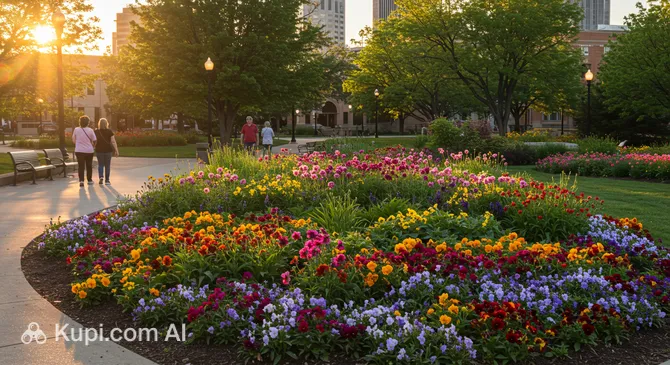
For those seeking a retreat into nature without leaving the city limits, Fontenelle Park is one of the oldest and most beloved recreational areas in the region. Spanning over a hundred acres, this historic park features a serene lagoon, winding walking paths, and a popular golf course. It is an excellent spot for a leisurely afternoon stroll or a picnic under the shade of mature trees, offering a quiet escape from the downtown bustle.

Fontenelle Park. Source: Kupi.Binoculars

Another jewel in the city's crown is the Lauritzen Gardens, a botanical sanctuary that showcases the beauty of the Midwest's flora. While it is a paid attraction, the experience of wandering through its Victorian garden, rose terraces, and the massive floral display hall is well worth it. The gardens provide a living museum of plant life, changing with the seasons to offer a fresh perspective whenever you visit.

When it comes to history and culture, the Durham Museum stands out as a must-visit landmark. Housed in the magnificent Art Deco Union Station, the museum is dedicated to preserving the history of the western United States. Visitors can walk through restored train cars, explore exhibits on the region's pioneer past, and marvel at the building's 60-foot ceilings and sculpted grand hall, which is an architectural treasure in itself.

Art enthusiasts will find inspiration at the Joslyn Art Museum, known for its comprehensive collection that ranges from ancient Greek pottery to modern American masterpieces. The building, a striking pink marble structure, is an artwork in its own right. The galleries feature significant works depicting the American West and Native American cultures, providing a deep cultural context to the land you are visiting.

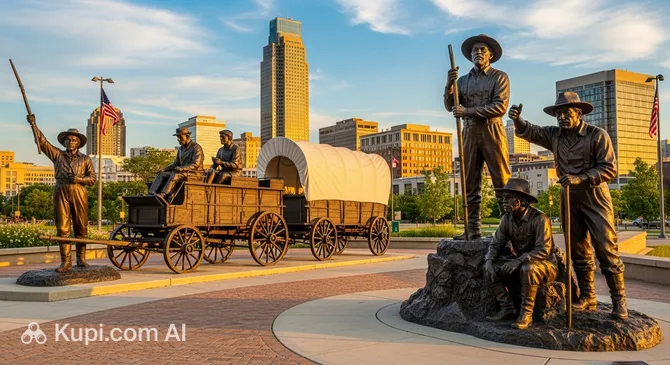
A unique fusion of art, history, and open space can be found at Pioneer Courage Park. Located in the downtown area, this sculpture park pays homage to the brave families who traveled westward. It features larger-than-life bronze statues of wagon trains and pioneers, integrated directly into the city streets. Walking through this installation feels like stepping back in time, allowing you to walk alongside the settlers in a truly immersive historical tribute.

Pioneer Courage Park. Source: Kupi.Binoculars

For an authentic insider experience, consider visiting the General Crook House Museum at Fort Omaha. This beautifully restored 19th-century home offers a glimpse into the Victorian era and the military history of the frontier. It is often quieter than the larger museums, providing an intimate look at the daily lives of those who shaped the city's early years.

Getting Around

Navigating Omaha is relatively straightforward, though the city is geographically spread out. The public transportation system is primarily managed by Metro, which operates a network of bus routes covering the metropolitan area. Unlike some larger urban centers, Omaha does not have a subway or light rail system; instead, it relies on a fleet of buses to connect neighborhoods, shopping districts, and major attractions.

The standout feature of the local transport network is ORBT (Omaha Rapid Bus Transit). This modern, rapid transit line runs along the central Dodge Street corridor, connecting downtown to the western parts of the city. ORBT buses are distinctively orange, spacious, and equipped with free Wi-Fi and onboard bike racks. They arrive more frequently than standard buses—typically every 10 to 15 minutes during peak times—making them the most convenient option for tourists moving between the riverfront, the downtown core, and major shopping centers.

For payment, the system has modernized significantly with the introduction of the Umo Mobility platform. Travelers can download the Umo app to plan trips, track buses in real-time, and pay fares digitally using a smartphone. If you prefer a physical card, reloadable smart cards are available at various retail locations. Cash is still accepted on board standard buses, but you must have exact change as drivers cannot provide refunds. A single ride is very affordable, typically costing around $1.25, with transfers available if you use the digital payment methods.

While the bus system is reliable for central areas, service frequency can decrease significantly in the evenings and on weekends, especially on non-ORBT routes. Buses generally operate from early morning until late evening, but it is highly recommended to check schedules in advance using the official app or Google Maps. For destinations outside the central corridors, waiting times can be longer, so planning ahead is essential.

Given the city's layout, many visitors find that alternatives to public transport offer more flexibility. Ride-sharing services like Uber and Lyft are widely available, reliable, and reasonably priced, making them a popular choice for evening outings or reaching specific restaurants. Traditional taxis can also be hailed or booked by phone, though they are less common on the streets than ride-share vehicles.

For short trips around the downtown and university areas, the Heartland B-cycle bike-share program is a fantastic option. With numerous stations located near parks and museums, you can easily rent a bike for a quick ride along the riverfront trails. Electric scooters are also frequently found on downtown sidewalks, offering a fun way to zip between nearby attractions. However, if you plan to explore the wider region or visit the outer suburbs, renting a car remains the most efficient way to see everything at your own pace.

Accommodation

Finding the perfect place to stay in Omaha is relatively easy, as the city offers a wide spectrum of accommodation options to suit every preference and budget. Whether you are looking for the refined elegance of a restored historic hotel, the reliability of a modern national chain, or the coziness of a vacation rental, you will find plenty of choices. The local hospitality scene is welcoming, with properties often praised for their friendly service and spacious amenities.

For most tourists, especially first-time visitors, the Downtown and Old Market areas are the most convenient locations to base yourself. Staying here places you within walking distance of the city's best dining, nightlife, and major cultural attractions like the museums and the riverfront parks. If you prefer a trendier, more local vibe, the Blackstone District and Midtown Crossing offer stylish boutique hotels surrounded by hip cafes and lounges. Conversely, families or travelers with a car might look towards West Omaha, where newer developments offer larger rooms, ample parking, and easy access to shopping centers.

When planning your trip, it is crucial to be aware of the city's major event calendar. Omaha hosts significant annual gatherings, most notably the NCAA Men's College World Series in June and the Berkshire Hathaway Shareholders Meeting in the spring. During these periods, hotel rooms sell out months in advance and prices can skyrocket. If your travel dates coincide with these massive events, booking your accommodation as early as possible is highly recommended to secure a room at a reasonable rate.

Generally, accommodation prices in Omaha are quite reasonable compared to larger coastal cities. You can find comfortable mid-range hotels for a moderate price, while luxury properties and historic suites are available for those wishing to splurge. Budget travelers will find numerous affordable motels and economy chains, particularly near the interstate exits and away from the immediate downtown core. Booking is typically done through major online travel platforms, though booking directly with hotels can sometimes yield special offers or flexible cancellation policies.

Nearby Cities

For those looking to explore beyond the city limits, Omaha serves as an excellent base for day trips to several intriguing locations. The surrounding region offers a mix of state capitals, historic river towns, and cultural hubs, all of which are easily accessible by car.

Just across the Missouri River lies Council Bluffs, which functions practically as a sister city to Omaha. It is steeped in railroad history, being home to the Union Pacific Railroad Museum and serving as the historic starting point of the transcontinental railroad. Visitors can also enjoy its vibrant casino resorts and the scenic drives along the Loess Hills National Scenic Byway.

A short drive to the southwest takes you to Lincoln, the capital of Nebraska. This university town is famous for its towering State Capitol building, which offers panoramic views of the plains. The city also features the beautiful Sunken Gardens and the historic Haymarket District, a revitalized area filled with shops, galleries, and restaurants.

For those willing to venture a bit further north, Sioux City offers a deep dive into the legacy of the Lewis and Clark expedition. Located at the junction of Iowa, Nebraska, and South Dakota, it features the impressive Sioux City Art Center and the Sergeant Floyd Monument, marking a significant site in the history of American exploration.

City Population Distance (km)
Lincoln 289,136 81
Sioux City 111,924 143
Council Bluffs 62,617 6
Graham 33,727 140
De Witt 25,920 127

These nearby destinations offer a glimpse into the diverse culture and landscapes of the Midwest, making them perfect additions to your travel itinerary if you have extra time to spare.

Shopping & Souvenirs

Shopping in Omaha is a delightful mix of historic charm and modern convenience, drawing visitors from across the region. The city offers everything from high-end fashion and expansive shopping centers to quirky independent boutiques hidden within renovated warehouses. Whether you are looking for the latest trends or a one-of-a-kind handcrafted item, the diverse retail districts provide a satisfying experience for every type of shopper.

For a truly atmospheric shopping trip, the Old Market district is the place to start. Wandering along its brick-paved streets, you will discover a treasure trove of local businesses. This area is famous for its eclectic mix of antique shops, independent bookstores, and clothing boutiques housed in late 19th-century buildings. It is the perfect spot to find vintage vinyl, unique jewelry, or home decor while soaking in the historic ambiance of the city.

If you prefer a more comprehensive retail experience, Omaha boasts several impressive shopping centers. Westroads Mall stands out as the largest in the state, featuring a vast array of department stores, specialty brands, and dining options all under one roof. For those who enjoy open-air shopping, Village Pointe in West Omaha offers a lifestyle center experience with upscale brands, a cinema, and pedestrian-friendly walkways that make for a pleasant afternoon stroll.

Local markets play a significant role in the community's shopping culture. The Omaha Farmers Market is a beloved weekend tradition, typically held in the Old Market and Aksarben Village during the warmer months. Here, you can browse stalls filled with fresh seasonal produce, artisanal cheeses, baked goods, and handmade crafts. It is a vibrant place to mingle with locals and sample the flavors of the Midwest.

When searching for the perfect memento to take home, consider exploring the Hot Shops Art Center. This creative hub is not just a gallery but a working studio space where you can purchase glass art, pottery, and bronze sculptures directly from the artists who made them. Other popular souvenirs include "Huskers" gear, celebrating the University of Nebraska's massive sports culture, and the world-famous Omaha Steaks, which can often be shipped directly to your home.

Hot Shops Art Center. Source: Kupi.Binoculars

Store opening hours in Omaha generally follow standard American schedules. Major malls and department stores are typically open from 10:00 AM to 9:00 PM on weekdays and Saturdays, with shorter hours on Sundays, usually closing around 6:00 PM. Independent boutiques in areas like the Old Market may have more variable hours, often opening later in the morning and closing earlier in the evening.

Payment is convenient throughout the city, with credit and debit cards being universally accepted. Contactless payments like Apple Pay and Google Pay are also widely used. Visitors should be aware that the listed price on items does not include sales tax. A local sales tax is added at the register, and unlike in some international destinations, there is generally no tax refund system available for tourists in Nebraska.

Reached the end of the page?

That means the route is fully explored