Support

Quincy

About

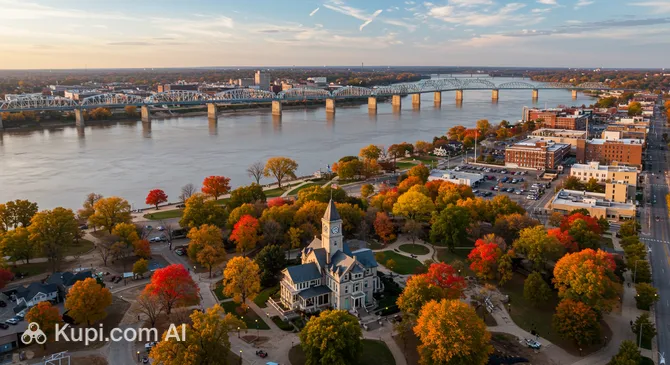
Quincy, known affectionately as the "Gem City," is a captivating destination located along the limestone bluffs overlooking the Mississippi River. Situated in Western Illinois, this river city serves as a cultural and economic hub for the region, celebrated for its scenic beauty and architectural grandeur. As a noteworthy stop in the United States, Quincy offers visitors a unique blend of Midwestern hospitality, riverfront charm, and a deeply rooted sense of community.

Quincy. Source: Kupi.Binoculars

The city is renowned for its impressive collection of historic architecture, particularly within the East End Historic District, where tree-lined streets display magnificent homes from the 19th century. Those interested in the history of Quincy will be fascinated by its significance during the Civil War era and its role as a key station on the Underground Railroad. Washington Park, the site of one of the famous Lincoln-Douglas debates, remains a central gathering place that honors this rich heritage.

Beyond its historical allure, Quincy invites travelers to explore unique attractions such as the Villa Kathrine, a rare Moorish-style castle perched on the bluffs offering stunning views of the river. Visitors can also enjoy the vibrant arts scene, local museums, and the bustling activity along Maine Street. Whether you are admiring the sunset over the Mississippi or exploring the local shops, Quincy provides a memorable and relaxing experience for all who visit.

Weather Overview

Quincy experiences four distinct seasons, characterized by significant seasonal temperature variations that shape the local atmosphere. For travelers planning their itinerary, checking the weather in Quincy is recommended to ensure you pack appropriately for the conditions. The city generally enjoys warm summers and faces cold, crisp winters, with transition periods that offer mild but changeable weather.

During the peak of summer, particularly in July, average temperatures hover around 25.6°C, with highs frequently reaching 30.4°C, creating a perfect setting for riverside activities. Conversely, the winter months bring a chill to the air; January is typically the coldest month, with average temperatures dropping to -1.3°C and lows hitting -5.4°C. Precipitation is fairly distributed throughout the year, though spring sees a slight increase in frequency, with May recording about 14 wet days. Expect warm summers with occasional rain and cold winters where temperatures often dip below freezing.

Interesting Facts

Beyond the main attractions, Quincy holds many fascinating secrets that showcase its deep historical roots and cultural significance. The city's past is woven with stories of compassion, political milestones, and artistic pioneering that often go unnoticed by the casual observer.

  • Quincy holds the distinguished title of establishing the nation's very first community arts council. The Quincy Society of Fine Arts was founded in 1947, setting a national precedent for fostering local culture and proving that the city has long been a visionary leader in supporting creativity and the humanities.

  • In the winter of 1838-1839, the city played a pivotal humanitarian role by providing refuge to thousands of members of the Church of Jesus Christ of Latter-day Saints. When they were expelled from Missouri under an extermination order, the citizens of Quincy opened their homes and provided supplies to the refugees before they eventually settled in Nauvoo.

  • While the Lincoln-Douglas debates are a well-known part of American history, the event hosted in Quincy’s Washington Park was particularly monumental. It was the sixth debate in the series and drew a massive audience, with an estimated 12,000 to 15,000 spectators gathering to hear the future president speak.

  • During the mid-to-late 19th century, Quincy was a bustling metropolis that rivaled major hubs in importance. For a time, it was the second-largest city in Illinois, surpassing even the state capital, Springfield, thanks to its booming river transportation and thriving lumber industries.

How to Get There

Planning a trip to Quincy involves choosing the best entry point to this charming river city in Illinois. While the city itself is tucked away along the Mississippi River, it is accessible via several regional and major transportation hubs. For a comprehensive guide on the various routes and modes of transport, you can read more about how to get to Quincy to help finalize your travel itinerary.

The city of Quincy does not have its own major commercial airport, but you can fly into Lambert-St. Louis International Airport (STL) in the city of St. Louis, which is about 160 km from Quincy. This is the most significant hub in the region, serving millions of passengers annually, and offers the widest range of flight connections. The drive from the airport to Quincy typically takes around 2 hours by rental car or taxi. Alternatively, travelers can choose Peoria International Airport (PIA), located in Peoria approximately 166.5 km away. This regional airport is a good option for those looking to avoid the bustle of a larger hub, with a similar travel time of about 2 hours by road.

For clarity, here is a summary of the main airports in the vicinity:

Airport Name City Passenger Traffic Km from City
Lambert-St. Louis International Airport St. Louis Large 160.1
Peoria International Airport Peoria Medium 166.5
Quad City International Airport Moline Medium 184.6
Columbia Regional Airport Fulton Small 142.3
Capital Airport Taylorville Small 148.5

For those considering rail travel to the general area, it is important to note that the closest major station listed for this route is not within the city limits. You can arrive at the St Louis Railway Station (ZSV) in the city of St. Louis, which is approximately 179 km from Quincy. From this station, travelers would need to arrange a rental car or bus transfer to complete the journey, which takes roughly 2.5 hours by road.

Below is the information for the railway station serving the region:

Station City Passenger Traffic Km to Center
St Louis Railway Station St. Louis Medium 179.0

Main Attractions

Quincy offers a delightful array of sights and experiences, blending its rich architectural heritage with a vibrant modern culture. Visitors are often drawn to the city's historic downtown, known as "The District," where the past meets the present in a lively setting of boutiques, galleries, and entertainment venues. While the stunning 19th-century homes and the famous Villa Kathrine are major highlights, the city also boasts several museums, such as the Quincy Museum located in the Newcomb-Stillwell Mansion, which provides a deeper look into the region's fascinating past.

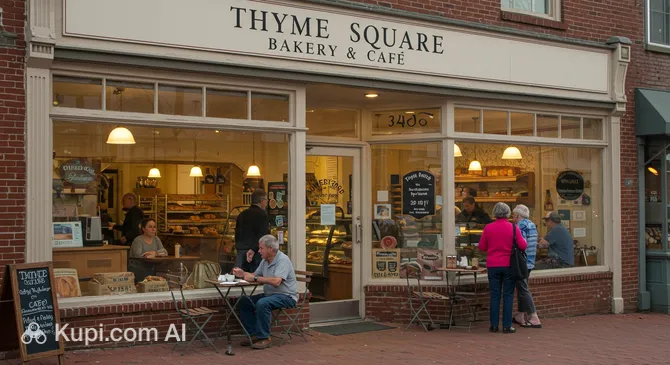
For those exploring the heart of the city, a stop at Thyme Square Bakery & Cafe is a wonderful way to experience the local flavor. Situated in a charming setting, this establishment is well-regarded for its dedication to using fresh, locally sourced ingredients to create memorable meals. It serves as a perfect spot to relax and recharge after a morning of touring the nearby historic sites and riverfront parks.

Thyme Square Bakery & Cafe. Source: Kupi.Binoculars

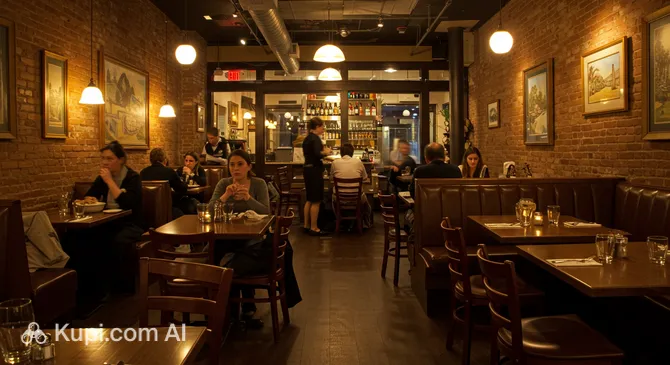
As evening approaches, the city's culinary scene continues to impress with diverse options. Tiramisu stands out as a favorite for lovers of Italian cuisine. This restaurant offers a cozy and inviting atmosphere where guests can enjoy a variety of classic dishes, making it a popular choice for a pleasant dinner out. Whether you are admiring the architecture or enjoying the local hospitality, Quincy ensures a fulfilling visit for every traveler.

Tiramisu. Source: Kupi.Binoculars

Local Cuisine

Local Cuisine:

Quincy’s culinary scene is a delightful reflection of its Midwestern roots, offering hearty comfort food mixed with riverfront traditions. The city is situated right on the Mississippi, which influences some of the local favorites, but it is the agricultural abundance of Illinois that truly defines the menu. Visitors can expect generous portions, friendly service, and a growing focus on locally sourced ingredients that highlight the region's farming heritage.

One of the absolute must-try dishes in this area is the breaded pork tenderloin sandwich. Often served significantly larger than the bun it rests on, this crispy, golden-fried staple is a source of pride for Illinoisans and can be found in many local diners and pubs. Another regional favorite is fried catfish, a nod to the city’s riverside location, typically served with classic sides like hushpuppies and coleslaw. For a quick and nostalgic lunch, loose-meat sandwiches are also a popular choice, offering a savory alternative to the standard hamburger.

When it comes to beverages, Quincy boasts a rich brewing history that dates back to the 19th century. Today, that tradition is kept alive by a resurgence of local craft breweries offering a variety of unique ales and lagers. These spots often serve as community gathering hubs. For non-alcoholic options, sweet iced tea is a refreshing standard during the warm summer months, often enjoyed alongside a meal on a patio.

The heart of the city's food culture beats in "The District," the historic downtown area where a diverse array of dining options is clustered. Here, travelers can find everything from casual eateries to more refined experiences. For instance, those looking for fresh, farm-to-table fare might visit Thyme Square Bakery & Cafe, which is celebrated for using high-quality local produce. Meanwhile, cravings for international flavors are well-served by establishments like Tiramisu, offering authentic Italian dishes in a cozy setting. Whether grabbing a bite at the seasonal farmers market in Washington Park or enjoying a sit-down dinner, the atmosphere in Quincy is consistently welcoming and unpretentious.

Travel Tips

To ensure your visit to the "Gem City" is as smooth and enjoyable as possible, it helps to know a few practical details about life in this charming Midwestern river town. From navigating the historic districts to understanding the local climate, these tips will help you make the most of your time in Quincy.

  1. Clothing and Gear: Packing for Quincy requires paying close attention to the season. Summers are typically hot and humid, so light, breathable fabrics are essential, while winters can be quite cold with potential snowfall, making heavy coats, gloves, and layers necessary. Since exploring the East End Historic District involves a fair amount of walking, bring comfortable, sturdy shoes. If you are visiting from abroad, remember to pack a power adapter for Type A or B sockets.

  2. Transportation: The most convenient way to explore Quincy and the surrounding region is by renting a car. While the city has a public bus system known as Quincy Transit Lines, routes and frequency may be limited for a tourist's schedule. Taxis and ride-hailing apps are available but may have longer wait times than in major metropolitan areas, so planning your trips in advance is recommended.

  3. Finances: The local currency is the United States Dollar (USD). Credit and debit cards are widely accepted at hotels, restaurants, and shops throughout "The District" and beyond. However, carrying a small amount of cash is useful for small purchases at local markets or festivals. Tipping is standard practice in the U.S.; expect to leave 15–20% for good service at restaurants and bars.

  4. Health and Safety: Quincy is generally a safe city for travelers, but it is always wise to practice standard precautions like locking your car and keeping valuables out of sight. For medical needs, Blessing Hospital is the primary healthcare facility in the area. Pharmacies are easily accessible, with several major chains operating locations throughout the city, some of which have extended hours.

  5. Communication: English is the primary language spoken. Residents are typically very helpful and willing to offer directions or recommendations. Free Wi-Fi is commonly available in hotels, cafes, and public buildings. If you need a local SIM card, you can find them at major retail stores or mobile carrier shops located along Broadway Street.

  6. Local Etiquette: The local culture embodies "Midwestern nice." It is polite to greet shopkeepers and waitstaff, and holding the door for strangers is a common courtesy. When driving, be patient and courteous; aggressive driving is generally frowned upon here. The pace of life is slightly more relaxed than in big cities, so embrace the friendly atmosphere.

  7. What to Avoid: Do not trespass on private property when admiring the historic homes. Many of the stunning architectural landmarks in the residential districts are private family residences, so please admire them from the sidewalk. Additionally, avoid swimming in the Mississippi River near the city front; the currents are deceptively strong and dangerous.

  8. Additional Tip: If you are visiting on a Saturday morning during the warmer months, stop by the Farmers Market in Washington Park. It is a fantastic place to buy fresh local produce, meet locals, and find unique handmade crafts that you won't find in standard souvenir shops.

By keeping these practical tips in mind, you will be well-prepared to experience the best of Quincy's hospitality and heritage. Whether you are here for the architecture or the river views, a little preparation ensures your trip will be relaxing and memorable.

Entertainment & Nightlife

When the sun sets over the Mississippi River, Quincy transforms into a lively hub of evening activity, offering a welcoming mix of sophisticated dining, casual pubs, and cultural experiences. The heart of the city's nightlife beats in The District, the historic downtown area centered around Maine Street and Hampshire Street. Here, locals and visitors alike gather to unwind, enjoying an atmosphere that balances Midwestern friendliness with a vibrant social scene.

For those looking to begin their evening with a refined culinary experience, Tiramisu is an excellent choice. This establishment sets the tone for a relaxed night out, offering a cozy ambiance perfect for conversation before heading to the nearby bars. After dinner, the options in The District are plentiful. The Pour Haus is a local favorite, known for its "caffeine and spirits" concept where you can enjoy craft cocktails in a lounge-style setting that feels both intimate and energetic. If you prefer a view with your entertainment, The Dock offers a quintessential river city experience, often featuring live music and a bustling patio right along the water's edge during the warmer months.

Beyond the bar scene, Quincy boasts a strong cultural current. The Quincy Community Theatre provides high-quality entertainment ranging from Broadway-style musicals to compelling dramas, making it a perfect destination for theater enthusiasts. For a more low-key evening, the city's historic architecture takes on a new charm under the streetlights, offering a picturesque backdrop for a post-dinner stroll.

Practicalities for a night out in Quincy are straightforward. Most bars and venues in The District are within walking distance of each other, making it easy to hop from one spot to the next. The dress code is generally casual to smart-casual; you will feel comfortable in jeans and a nice top at most places. While the city is safe for night walks, especially in the downtown area, it is always wise to stay in well-lit zones. For transportation, ride-sharing services like Uber and Lyft operate in the city, though wait times can be slightly longer than in major metropolises, so booking a ride a few minutes in advance is recommended.

Parks & Museums

Quincy offers a rich blend of natural beauty and historical depth, evident in its well-maintained parks and diverse cultural institutions. The city's location along the limestone bluffs of the Mississippi River provides a stunning backdrop for green spaces, while its museums preserve the unique heritage of the region, ranging from architectural marvels to fine arts.

One of the city's most beloved green spaces is Washington Park, located in the heart of downtown. This historic square is not only a beautiful spot for a stroll among mature trees and flower beds but also a site of national significance, famously hosting the sixth Lincoln-Douglas debate in 1858. For those seeking panoramic vistas, Riverview Park lives up to its name, offering breathtaking views of the Mississippi River from the bluffs. It is a favorite spot for sunset watchers and features a statue of George Rogers Clark, adding a touch of history to the scenic landscape.

The cultural scene in Quincy is anchored by several unique institutions. The Quincy Museum, housed in the imposing Newcomb-Stillwell Mansion on Maine Street, is a treasure trove for history buffs. The building itself is a masterpiece of Richardsonian Romanesque architecture, and inside, visitors can explore exhibits detailing Victorian life, local history, and rotating cultural displays. Another architectural gem is the Villa Kathrine, a rare example of a Moorish-style castle in the Midwest. Perched on a bluff overlooking the river, it serves as the official Tourist Information Center and offers tours that explain its intriguing design and the story of its eccentric builder, George Metz.

For art enthusiasts, the Quincy Art Center is a must-visit destination. Located in the carriage house of the historic Lorenzo Bull estate, this museum focuses on modern and contemporary visual arts. It hosts rotating exhibitions featuring regional and national artists, providing a sophisticated cultural experience in a serene, historic setting.

For a truly authentic local experience, head to Indian Mounds Park. Beyond its public swimming pool and recreational facilities, this park preserves ancient Native American burial mounds. It offers a quiet, reflective atmosphere and some of the best uncrowded vantage points for viewing the river, making it a hidden gem for those who want to connect with the area's deep past and natural splendor.

Getting Around

The public transport system in Quincy is straightforward and primarily designed to serve the essential needs of the community. Unlike larger metropolises with complex subway or tram networks, this river city relies almost exclusively on a bus service known as Quincy Transit Lines (QTL). For visitors, this means navigation is simple, though it requires a bit of planning regarding schedules and routes to ensure smooth travel across the city.

The bus network consists of several fixed routes that radiate from the downtown area to key destinations such as shopping centers, the medical district, and residential neighborhoods. These buses are easily recognizable and offer a reliable way to reach major points of interest without a private vehicle. While the city does not have trams, trolleybuses, or a metro system, the bus service efficiently covers the majority of the urban footprint, connecting the historic riverfront with the commercial areas further east.

Regarding payment, the system operates on a low-cost, user-friendly basis. Fares are very affordable, typically requiring a small cash payment upon boarding. It is crucial for tourists to carry exact change in coins or small bills, as drivers are not equipped to provide change. For those planning a longer stay or frequent travel, discounted tokens and monthly passes can be purchased at City Hall or select local grocery stores, offering a convenient alternative to carrying cash for every trip.

Practical advice for using the bus includes checking the operating hours carefully, as they are more limited than in big cities. Service generally runs from early morning until early evening on weekdays, with reduced hours on Saturdays and typically no service on Sundays or major holidays. Route maps and schedules are available online or at central transfer points. Validating your ride is as simple as dropping your fare into the box next to the driver when you step on board.

Given the schedule limitations of public transit, many visitors find that alternative modes of transport offer more flexibility. Renting a car is the most popular option for exploring the wider region at your own pace. For shorter trips within the city, ride-sharing apps and local taxi services are readily available and reliable. Additionally, the historic downtown area, known as "The District," is quite compact and pedestrian-friendly, making walking a pleasant and viable option for exploring local shops, restaurants, and architectural landmarks.

While Quincy does not boast a historic cable car or vintage trolley system for daily commuting, the simplicity of its transit reflects the relaxed pace of life in the region. The focus is on functionality and accessibility, ensuring that residents and visitors can move around the city safely and economically. If you arrive via the intercity train, you will find that local taxis are the best way to bridge the gap between the station and your accommodation.

Accommodation

Accommodation in Quincy caters to a variety of preferences, offering a welcoming mix of options that reflect the city's blend of history and practicality. Visitors will not find sprawling luxury resorts here; instead, the city provides a solid selection of reliable mid-range chain hotels, budget-friendly motels, and charming bed and breakfasts. This range ensures that whether you are a business traveler, a family on a road trip, or a couple seeking a romantic historic getaway, there is a suitable place to rest.

When choosing where to stay, location is a key factor. For those who want to immerse themselves in the local culture, looking for accommodation near the historic downtown area, known as "The District," is highly recommended. Staying here places you within walking distance of the Mississippi riverfront, unique local shops, and a variety of dining options. Alternatively, many of the standard commercial hotels are conveniently clustered along Broadway Street. This area is ideal for travelers with cars, offering easy access to major highways and quick connections to the rest of the region.

Prices in Quincy are generally quite reasonable compared to larger metropolitan hubs, with most properties falling into the budget to mid-range categories. While availability is usually good, it is a smart tip to book your room in advance, particularly if you plan to visit during the summer months or when local festivals are taking place, as the most popular spots can fill up. Reservations can be easily made through major online booking platforms or by contacting the properties directly.

Nearby Cities

For those looking to explore the surroundings, Quincy serves as an excellent base for day trips to several interesting nearby locations. While the city itself offers plenty of riverside charm, the wider region along the Mississippi and into neighboring Missouri provides a wealth of historical and cultural experiences within a reasonable driving distance.

One of the most captivating destinations for a day trip is Alton. Located approximately 157 km south of Quincy, this city shares a similar river heritage but is distinguished by its dramatic limestone bluffs and its reputation for being one of the most haunted small towns in America. Visitors can drive along the scenic Great River Road to get there, enjoying breathtaking views of the Mississippi. The city is also rich in history, having hosted the final Lincoln-Douglas debate, and offers a variety of antique shops and local eateries that make for a pleasant afternoon.

Another excellent option is St. Charles, situated about 151 km away on the banks of the Missouri River. This historic city is famous for its beautifully preserved Main Street, lined with gas lights, brick walkways, and 19th-century architecture. As the first state capital of Missouri, it boasts a significant past, including being a starting point for the Lewis and Clark Expedition. Today, it is a bustling hub for boutique shopping, dining, and festivals, providing a lively contrast to the quieter pace of the rural Midwest.

City Population Distance (km)
O'Fallon 90802 139
Alton 83705 157
St Charles 70218 151
St. Peters 57289 144
Florissant 52382 158

These nearby destinations offer a glimpse into the diverse culture and landscapes of the region, allowing travelers to experience the broader history and natural beauty of the Midwest beyond the city limits of Quincy.

Shopping & Souvenirs

Shopping in Quincy offers a pleasant and relaxed experience that mirrors the city's overall charm, blending historic atmosphere with modern convenience. While you will not find high-end luxury fashion avenues, the city prides itself on a diverse selection of locally owned boutiques, antique shops, and essential retail centers. Visitors can enjoy browsing through unique storefronts in the heart of the city or finding familiar brands in the larger commercial districts, making it easy to find everything from daily necessities to one-of-a-kind treasures.

The primary destination for those seeking local flavor is The District, Quincy’s historic downtown area centered around Maine Street and Hampshire Street. This walkable neighborhood is lined with beautifully preserved architecture and features a variety of independent shops selling clothing, home décor, and gifts. For a more conventional shopping experience, Broadway Street serves as the city's main commercial artery. Stretching across town, this corridor is home to numerous national chains, grocery stores, and service centers, making it the go-to spot for practical purchases.

For those who prefer an enclosed shopping environment, the Quincy Town Center (formerly known as the Quincy Mall) is the principal shopping hub in the region. Located on Broadway, it houses several department stores, specialty retailers, and a cinema, providing a classic American mall experience. It is a convenient stop for travelers needing to restock on supplies or looking for standard apparel brands in a climate-controlled setting.

Market enthusiasts should not miss the Farmers Market held in Washington Park. Operating seasonally on Saturday mornings from May through October, this market is a vibrant community gathering place where local growers and artisans showcase their goods. It is an excellent spot to find fresh seasonal produce, baked goods, and handmade crafts that reflect the agricultural heritage of Western Illinois.

When it comes to souvenirs, Quincy is particularly known for its thriving antique scene. Several large antique malls and independent vintage shops are scattered throughout the city, offering everything from historic furniture to retro collectibles. Bringing back a piece of Americana or a locally crafted art piece from one of The District’s galleries is a wonderful way to remember your trip. Additionally, items featuring the "Gem City" moniker are popular keepsakes found in local gift shops.

Store opening hours in Quincy generally follow standard American schedules. Most smaller boutiques in The District are open from 10:00 AM to 5:00 PM or 6:00 PM, often with reduced hours on Sundays. The larger stores and the mall along Broadway typically operate from 10:00 AM to 9:00 PM. Credit and debit cards are universally accepted, though carrying a small amount of cash is recommended for small purchases at the Farmers Market.

Travelers should be aware that the United States does not have a national value-added tax (VAT) refund system like many European countries. In Illinois, sales tax is added to the marked price of goods at the register. There is generally no tax-free shopping or refund mechanism available for international tourists in this region, so the price you pay at the counter is final.
Reached the end of the page?

That means the route is fully explored