St. Louis is a captivating destination often recognized by its iconic skyline and known affectionately as the "Gateway to the West." Located along the western bank of the Mississippi River in the state of Missouri, this vibrant metropolis embodies a unique blend of Midwestern hospitality and Southern charm. As a major cultural and economic hub in the United States, the city offers a rich tapestry of experiences for travelers, ranging from world-class museums to a legendary music scene.
St. Louis. Illustration.
Source: Kupi.com AI
The city's geographical position near the confluence of the Missouri and Mississippi rivers has played a crucial role in its development. Exploring the history of St. Louis reveals its transformation from a fur-trading post founded by French merchants to a bustling port city that hosted the 1904 World's Fair. Today, with a metropolitan population of over 2 million, it remains a dynamic urban center with distinct seasons that offer different perspectives of its scenic parks and neighborhoods.
Visitors are drawn to the city's impressive array of attractions. The most famous landmark is undoubtedly the Gateway Arch, a soaring stainless steel monument that offers stunning views of the river and cityscape. Nature lovers and families flock to Forest Park, one of the largest urban parks in the country, which houses the renowned St. Louis Zoo and the Art Museum. Additionally, the city is celebrated for its soulful blues music heritage and delicious barbecue, making it a feast for both the ears and the palate.
Whether you are interested in architectural marvels, lush green spaces, or vibrant nightlife, St. Louis provides a welcoming atmosphere for an unforgettable journey. It is a city that invites you to explore its diverse neighborhoods and discover the spirit of discovery that defines it.
Weather Overview
Travelers planning a visit should be prepared for four distinct seasons, as the weather in St. Louis varies significantly throughout the year. Summers are typically hot, with July being the warmest month, averaging 26.7°C and frequently reaching highs of 31.4°C. In contrast, winters are cold, with January seeing average temperatures drop to roughly 0.8°C and minimums dipping to -3.1°C.
Spring and autumn offer milder temperatures but different precipitation patterns. May is one of the wetter months, averaging 20.3°C with approximately 14 wet days, while September tends to be drier with just 7 wet days and pleasant averages around 22.7°C. Overall, you can expect warm summers with occasional rain and cold winters where temperatures often hover near freezing.
Average monthly temperature
Average monthly precipitation
Interesting Facts
Beyond the main attractions, St. Louis holds many fascinating secrets and historical firsts that surprise even frequent visitors. This city is a treasure trove of architectural marvels and unique claims to fame that go far beyond its iconic arch.
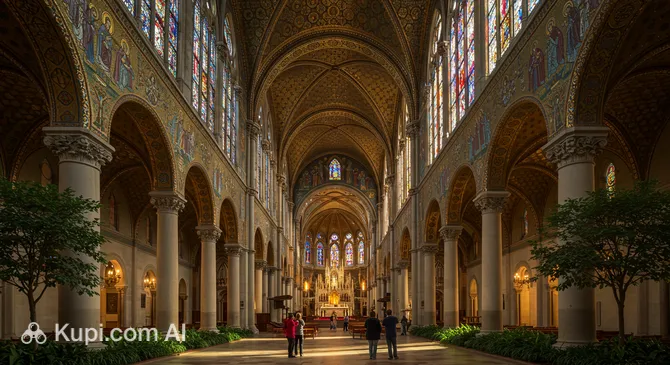
The stunning Cathedral Basilica of Saint Louis contains one of the largest mosaic collections in the Western Hemisphere. Its interior is adorned with over 41 million individual pieces of glass tesserae in 7,000 different colors, creating a breathtaking visual masterpiece that took nearly 80 years to complete.
While New York's Central Park is world-famous, Forest Park in St. Louis is actually significantly larger. Spanning approximately 1,300 acres, it served as the main site for the 1904 World's Fair and continues to be a massive urban oasis filled with museums and lakes.
St. Louis was the very first city in the United States to host the modern Olympic Games. The 1904 Summer Olympics took place here, coinciding with the World's Fair, marking a pivotal moment in American sports history.
The city is a hub for culinary innovation, with popular treats like the ice cream cone and iced tea widely believed to have been popularized or invented here during the 1904 World's Fair. Additionally, the local "gooey butter cake" is a legendary accidental invention that has become a beloved staple.
Although it looks rigid, The Gateway Arch is an engineering marvel designed to move. To withstand strong winds and earthquakes, the 630-foot stainless steel structure can sway up to 18 inches, a fact that highlights the ingenuity behind the tallest monument in the U.S.
Cathedral Basilica of Saint Louis. Illustration.
Source: Kupi.com AI
Traveler photos:
How to Get There
Reaching the "Gateway to the West" is convenient thanks to its central location and robust transport infrastructure. Whether you prefer flying or taking a scenic train ride, there are excellent options available. For a detailed breakdown of routes and tips, you can read more about how to get to St. Louis and plan your arrival seamlessly.
The primary entry point for most air travelers is Lambert-St. Louis International Airport(STL). Located within St. Louis itself, approximately 19.4 km from the city center, it is a major hub accommodating millions of passengers annually. The airport offers a wide range of domestic and international connections. Upon arrival, the journey to the downtown area is relatively quick; a taxi or rideshare typically takes around 50 minutes depending on traffic. This airport is by far the most practical choice for visitors intending to stay in the city.
While Lambert is the main hub, there are other regional airports in neighboring cities, though they are significantly further away. For instance, travelers might fly into Capital Airport(SPI) in Taylorville, which is about 142.4 km from St. Louis. Another option is Cape Girardeau Airport(CGI) in Cape Girardeau, located roughly 165.1 km away. However, given the considerable distance, these are less common for direct tourism to St. Louis unless combined with a broader road trip.
For clarity, here is a summary of the main airports:
Travelers who enjoy rail transport can arrive directly in the heart of the city. The St Louis Railway Station(ZSV) serves as a key node for train journeys in the region. Ideally situated just 0.6 km from the city center, it offers incredible convenience for tourists, allowing you to start exploring almost immediately after stepping off the train. With a steady flow of passengers, it connects St. Louis efficiently to other major destinations.
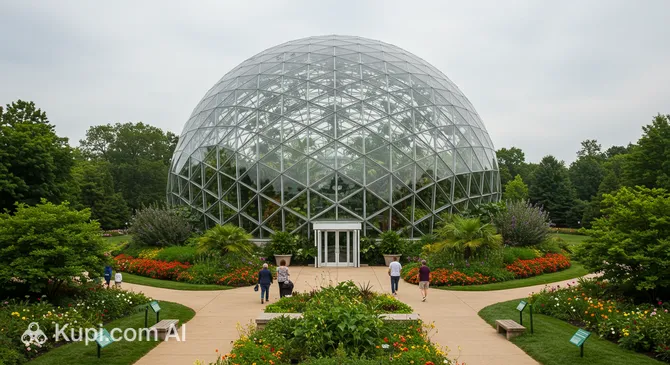
St. Louis boasts a remarkable variety of attractions that cater to history buffs, nature enthusiasts, and families alike. One of the city's crown jewels is the Missouri Botanical Garden, a National Historic Landmark founded in 1859. As one of the oldest botanical institutions in the country, it offers visitors a chance to explore 79 acres of stunning horticultural displays. Highlights include the massive 14-acre Japanese Garden and the Climatron, an iconic geodesic dome conservatory that houses a vibrant tropical rainforest collection.
Missouri Botanical Garden. Illustration.
Source: Kupi.com AI
Traveler photos:
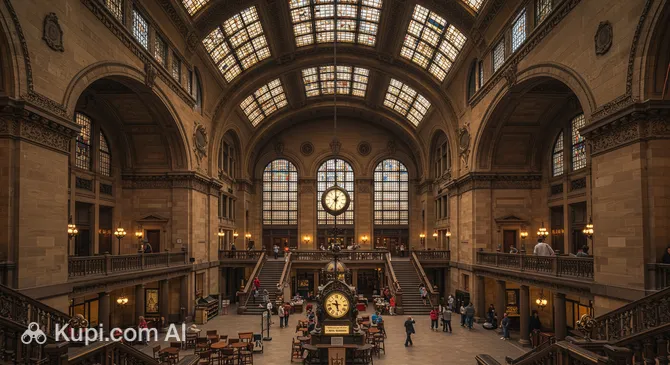
For those seeking entertainment and history combined, St. Louis Union Station is a must-visit destination. Once the busiest passenger rail terminal in the world, this architectural masterpiece has been transformed into a bustling leisure complex. Inside, you will find the St. Louis Aquarium at Union Station, which takes guests on an aquatic journey from the Mississippi River to the deep ocean. The complex also features The St. Louis Wheel, a 200-foot observation wheel providing breathtaking panoramic views of the city skyline.
St. Louis Union Station. Illustration.
Source: Kupi.com AI
Traveler photos:
Located within the expansive grounds of Forest Park, the Saint Louis Zoo is consistently ranked among the top zoos in the nation. It is celebrated for its commitment to conservation and its diverse collection of over 12,000 animals representing 500 species. A major draw for tourists is that general admission is free, allowing everyone to enjoy exhibits like the Penguin and Puffin Coast and the immersive River's Edge habitat without an entry fee.
Just a short drive from downtown, history enthusiasts can step back in time at the Cahokia Mounds State Historic Site. This UNESCO World Heritage Site preserves the central section of the largest prehistoric native civilization north of Mexico. Visitors can climb the 100-foot Monks Mound, the largest earthen structure in North America, and visit the interpretive center to learn about the sophisticated Mississippian culture that thrived here centuries ago.
Local Cuisine
The culinary landscape of St. Louis is as distinct and storied as its history, offering a unique menu of flavors that you simply cannot find anywhere else. The city’s food scene is a proud reflection of its diverse heritage, blending traditional Midwestern comfort food with Italian, German, and Southern influences. For any visitor, the journey begins with the "Holy Trinity" of local specialties: toasted ravioli, St. Louis-style pizza, and gooey butter cake.
Toasted ravioli, affectionately known as "T-ravs," are breaded, deep-fried pasta pillows filled with meat or cheese and dusted with parmesan, typically served with marinara sauce for dipping. Equally famous is the local style of pizza, characterized by a cracker-thin crust and the liberal use of Provel cheese—a processed blend of cheddar, Swiss, and provolone that melts into a creamy, tangy layer. For dessert, a slice of gooey butter cake is mandatory; this dense, sweet treat, originally created by accident in the 1930s, has become a beloved staple at bakeries across the city.
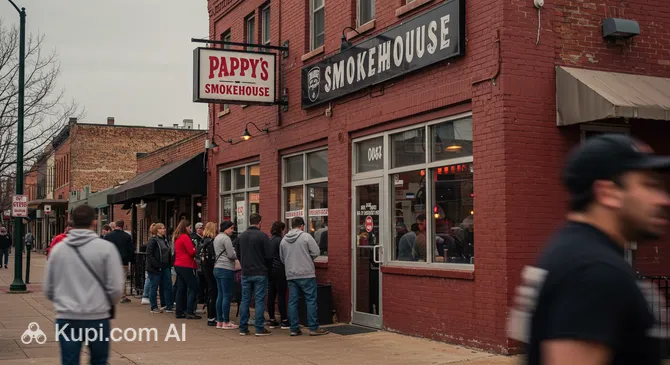
St. Louis is also a heavyweight contender in the world of barbecue. Unlike other regions that focus solely on brisket or ribs, this city is famous for its pork steaks—thick slices of pork shoulder grilled and simmered in a sweet, tomato-based sauce. To experience the height of this craft, visitors often head to renowned spots like Pappy's Smokehouse, where the ribs are dry-rubbed and slow-smoked to perfection, drawing lines of hungry patrons daily.
Pappy's Smokehouse. Illustration.
Source: Kupi.com AI
Traveler photos:
The dining culture here is deeply rooted in its neighborhoods. "The Hill" is a historic Italian-American enclave where family-owned trattorias have served generations of locals. Meanwhile, the Soulard district offers a lively atmosphere with a strong Mardi Gras spirit. Here, you can find the Broadway Oyster Bar, a favorite haunt that brings a taste of the delicious Cajun and Creole cooking of New Orleans to the banks of the Mississippi, accompanied by live music.
For a more modern gastronomic experience, the city has embraced the food hall revolution. A prime example is the City Foundry, a revitalized industrial space that now hosts a diverse collection of local kitchens. It is the perfect place for tourists to sample a wide variety of cuisines, from street tacos to artisanal waffles, all under one roof.
No culinary tour would be complete without acknowledging the city's status as a beer capital. Home to the historic Anheuser-Busch brewery, St. Louis has a brewing legacy that dates back to the mid-19th century. Today, this tradition continues with a booming craft beer scene. Visitors can enjoy everything from classic lagers to experimental ales at microbreweries scattered throughout the city, often paired with hearty pub fare.
Travel Tips
Welcome to St. Louis! To ensure your trip to the "Gateway to the West" is as smooth as it is memorable, here are some practical tips to help you navigate the city like a local and make the most of your visit.
Clothing and Gear: The weather here can be quite variable. Summers are typically hot and very humid, so pack light, breathable fabrics and sun protection. Winters can be biting cold, requiring a heavy coat, gloves, and layers. Since you will likely be walking a lot in places like Forest Park or the Botanical Garden, bring comfortable walking shoes.
Transportation: The MetroLink light rail system is clean, safe, and perfect for getting from the airport to Downtown and the Central West End. However, St. Louis is a sprawling city with many distinct neighborhoods. To fully explore areas like "The Hill" or South Grand, renting a car is often the most practical choice. Ride-hailing apps are also widely available.
Finances: The local currency is the US Dollar ($). Credit and debit cards are accepted almost everywhere, even at small kiosks. ATMs are easy to find throughout the city. Tipping is a standard part of the service industry here; it is customary to leave 18-20% of the bill at restaurants and bars.
Health and Safety: St. Louis is home to world-class medical facilities. Pharmacies like CVS and Walgreens are common, with many 24-hour locations. As in any major metropolitan area, it is important to stay aware of your surroundings. Stick to well-lit, populated tourist districts like the Delmar Loop or Soulard at night, and always lock your car, keeping valuables out of sight.
Communication: English is the primary language, and locals are known for being helpful if you need directions. Free Wi-Fi is standard in hotels, coffee shops, and most public attractions. If you are visiting from abroad, prepaid SIM cards can be purchased at major mobile carrier stores found in shopping centers.
Local Etiquette: People in St. Louis embody "Midwestern nice." It is common for strangers to smile, say hello, or hold doors open for you; returning the gesture is considered polite. Sports are a religion here, so showing respect for the local teams—especially the Cardinals (baseball) and Blues (hockey)—is a great way to make friends.
What to Avoid: Do not underestimate the summer heat and humidity; dehydration can happen quickly, so carry water. Additionally, try to avoid wearing Chicago Cubs gear unless you enjoy friendly but intense banter, as the sports rivalry between the two cities is legendary.
Bonus Tip: Take advantage of the free admission culture. St. Louis is unique in that many of its world-class attractions, including the Art Museum, History Museum, Science Center, and the Zoo, are completely free to the public, making it an incredibly budget-friendly destination.
With these practical insights in mind, you are well-prepared to dive into the rich culture and vibrant life of the city. Enjoy the delicious barbecue, the soulful music, and the warm hospitality that make St. Louis such a special place to visit!
Entertainment & Nightlife
As the sun sets over the Mississippi River, St. Louis transforms into a vibrant playground for night owls and music lovers. The city’s nightlife is deeply rooted in its musical heritage, particularly blues and jazz, but it has evolved to offer a diverse array of experiences ranging from laid-back dive bars to energetic dance clubs. Whether you are looking to sip craft cocktails in a sophisticated lounge or dance the night away, the "Gateway City" has a district to match your mood.
One of the most iconic areas for evening entertainment is the historic Soulard neighborhood. With its red-brick townhouses and cobblestone streets, it exudes a charm reminiscent of New Orleans. Here, live music spills out from almost every doorway, and the atmosphere is consistently festive. Just a short distance away, The Grove (along Manchester Avenue) offers a more modern and inclusive vibe. This trendy district is famous for its colorful street art, pulsing dance floors, and late-night street parties, making it a favorite among the younger crowd and the LGBTQ+ community.
For a truly unique experience, you must visit the Venice Café. Located in the Benton Park neighborhood, this venue is more than just a bar; it is a living art installation. Every inch of the property, including its lush patio, is covered in intricate mosaics and eclectic sculptures. It hosts live bands regularly and offers a bohemian atmosphere that perfectly captures the creative spirit of the city.
Venice Café. Illustration.
Source: Kupi.com AI
Traveler photos:
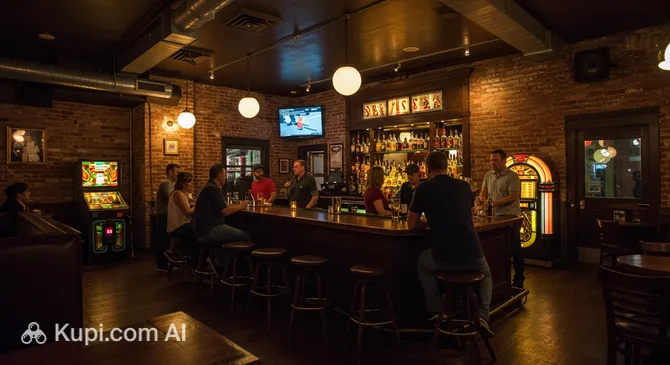
If you prefer an evening filled with nostalgia and games, head to the Central West End or the Delmar Loop to find Up-Down STL. This lively arcade bar features dozens of vintage arcade games, pinball machines, and skeeball alleys, all set against a backdrop of 80s and 90s pop culture. With an extensive selection of craft beers on tap and house-made pizza, it is an excellent spot for groups looking for a fun and casual night out.
Up-Down STL. Illustration.
Source: Kupi.com AI
Traveler photos:
Another staple of the local nightlife scene is The Gramophone in The Grove. Originally a concert venue, it has reinvented itself as a tavern that specializes in incredible sandwiches and a relaxed vibe. It is the perfect place to end your night, as the kitchen stays open late, serving up hearty food to fuel you after hours of exploring.
Practical Advice for Nightlife:
Timing: Bars in St. Louis typically stay open until 1:30 AM, with some clubs in the city holding licenses to operate until 3:00 AM. The peak time for going out is usually around 10:00 PM.
Dress Code: The vibe is generally casual and unpretentious. Jeans and a nice top work almost anywhere, though some upscale clubs in downtown might require smarter attire.
Safety & Transport: While districts like Soulard and The Loop are pedestrian-friendly, walking between different neighborhoods at night is not recommended due to the distance and varying safety levels. It is best to use ride-sharing apps like Uber or Lyft to hop between districts.
Prices: You will find that entertainment here is quite affordable compared to coastal U.S. cities. Cover charges are rare except for live music venues, and drink prices are reasonable.
Before the sun goes down, the city offers plenty of daytime entertainment to fill your itinerary. Culture seekers can catch a world-class performance at the historic Stifel Theatre, which hosts everything from comedy shows to concerts. For families or those seeking an adrenaline rush, Ryze Adventure Park provides an exciting 4-story obstacle course and mini-golf, offering a perfect active start to your day before the evening festivities begin.
Parks & Museums
St. Louis is a city that seamlessly blends urban sophistication with natural beauty, offering an impressive array of green spaces and cultural institutions. From expansive public gardens to world-class galleries, the city provides countless opportunities for visitors to immerse themselves in art, history, and the great outdoors. Whether you are looking for a quiet afternoon stroll or an educational deep dive into the region's past, you will find that many of these treasures are not only accessible but often free to the public.
While the iconic arch dominates the skyline, the grounds surrounding it form the Gateway Arch National Park. This revitalized riverfront park connects the city to the Mississippi River and serves as a symbolic door to the American West. It is a perfect spot for walking and cycling, offering lush landscaped grounds and reflecting ponds that frame the monument beautifully.
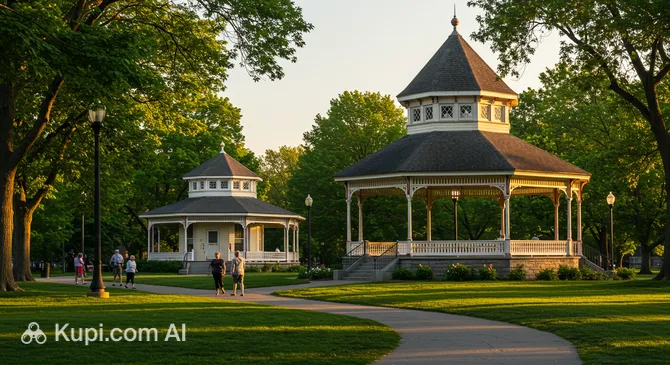
For a different kind of landscape, Tower Grove Park stands as one of the finest examples of a Victorian walking park in the country. Gifted to the city by Henry Shaw, the same philanthropist behind the botanical garden, it features ornate pavilions, whimsical gazebos, and a collection of statues scattered among unique tree species. It is a favorite among locals for picnics, farmers' markets, and quiet contemplation away from the city buzz.
Tower Grove Park. Illustration.
Source: Kupi.com AI
Traveler photos:
Nature enthusiasts seeking a wilder experience should venture to Lone Elk Park. Located just outside the city limits, this wildlife management area offers a unique drive-through experience where you can observe elk, bison, wild turkeys, and deer roaming freely. The park's rugged terrain and wooded hills provide a stark and beautiful contrast to the manicured urban parks, making it an exciting excursion for families and photographers.
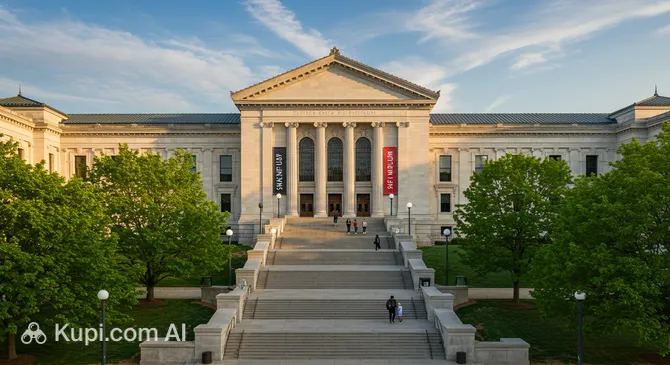
The city's cultural scene is anchored by the magnificent Saint Louis Art Museum, perched atop Art Hill in Forest Park. Housed in the main building from the 1904 World's Fair, the museum holds a comprehensive collection spanning 5,000 years of human creativity. Visitors can admire everything from ancient Egyptian artifacts to contemporary masterpieces, and general admission to the permanent collection is always free.
Saint Louis Art Museum. Illustration.
Source: Kupi.com AI
Traveler photos:
To understand the soul of the city, a visit to the Missouri History Museum is essential. This institution does an excellent job of storytelling, covering pivotal moments such as the Lewis and Clark Expedition and the 1904 World's Fair. Interactive exhibits and rotating galleries ensure that the history of St. Louis is presented in a way that is engaging for all ages. Nearby, beneath the arch, the Museum at the Gateway Arch offers a modern, interactive look at the westward expansion of the United States.
History buffs will also appreciate the architectural significance of the Old Courthouse. With its cast-iron dome that inspired the U.S. Capitol, this building is a masterpiece of mid-19th-century federal architecture. It is historically profound as the site where the first two trials of the pivotal Dred Scott case were heard, making it a powerful landmark for understanding the nation's legal and civil rights history.
For a truly authentic local experience, consider a trip to Grant's Farm. This historic farm, once owned by Ulysses S. Grant and now by the Busch family, combines history with wildlife. Visitors can take a tram ride through a deer park, see the famous Clydesdale horses, and explore a German-style courtyard, offering a delightful mix of heritage and fun that is distinctively St. Louis.
Getting Around
Navigating St. Louis is relatively straightforward thanks to a public transportation system managed by Metro Transit, which connects the city's most popular neighborhoods and attractions. The backbone of the network is the MetroLink, a light rail system that is particularly useful for visitors. It consists of two lines: the Red Line, which provides a direct link between Lambert-St. Louis International Airport and downtown, and the Blue Line, which serves the western suburbs and connects to the Red Line at Forest Park. For tourists, MetroLink is often the fastest way to move between the airport, the Gateway Arch, and the museum district in Forest Park.
Complementing the light rail is the extensive MetroBus network. Buses cover a much wider area than the trains, reaching corners of the city and surrounding county that the rails do not touch. While the bus system is reliable, routes can sometimes be complex for first-time visitors, so using a navigation app to plan your journey is highly recommended. For a unique and nostalgic experience, look out for the Loop Trolley, a heritage streetcar that runs along the vibrant Delmar Loop district, connecting it to Forest Park. Although its schedule can be seasonal, it offers a charming way to explore one of the city's most eclectic entertainment hubs.
The payment system is designed to be user-friendly. You can purchase single-ride tickets or passes at Ticket Vending Machines (TVMs) located at every MetroLink station and major transit centers. These machines accept cash and credit cards. For those planning to use transit frequently, the Gateway Card is a reloadable smart card option. However, the most convenient method for modern travelers is the mobile ticketing option available through the Transit app. This allows you to buy fares directly on your smartphone and scan your screen to ride, eliminating the need for paper tickets.
Fares are quite affordable, with options for two-hour passes or full-day passes that offer unlimited rides on both the bus and light rail. A crucial piece of advice for tourists using the MetroLink is to remember to validate your ticket before boarding. The system operates on a proof-of-payment basis; you must insert your paper ticket into the red validation machines found on the station platforms to time-stamp it. Failure to do so can result in a fine if fare inspectors check your ticket during the ride.
Public transport generally operates from the early morning, around 4:00 AM or 5:00 AM, until past midnight. However, frequencies drop late at night and on weekends. If you plan to explore late into the evening or wish to visit attractions further afield, such as the Lone Elk Park, alternatives are advisable. Rideshare services like Uber and Lyft are ubiquitous and reasonably priced. Additionally, renting a car is a popular choice for many visitors, as it provides the flexibility to explore the sprawling metropolitan area at your own pace. For shorter distances within downtown or the Central West End, electric scooters and bikes are often available for rent via mobile apps.
Accommodation
Finding the perfect place to stay in St. Louis is easy, thanks to a wide spectrum of accommodation options that cater to every type of traveler. The city offers everything from historic luxury properties and high-rise chains to charming boutique inns and budget-friendly motels. Whether you are looking for a lavish suite with river views or a cozy rental in a quiet neighborhood, the "Gateway City" has plenty of choices to suit your style and budget.
For first-time visitors, staying in Downtown is often the most convenient choice. This area places you within walking distance of major landmarks like the Gateway Arch, Busch Stadium, and the convention center. It is the heartbeat of the city's tourism, perfect for those who want to be in the middle of the action. Alternatively, the Central West End offers a more sophisticated, European vibe. This walkable district is lined with sidewalk cafes and antique shops and is ideally situated next to Forest Park, making it a favorite for couples and culture lovers.
If you prefer a lively atmosphere with plenty of nightlife, the Delmar Loop area provides funky boutique hotels and easy access to concert venues and eclectic dining. For a quieter, family-friendly experience, looking for accommodations in the suburbs like Clayton or near the historic Soulard district can offer a more relaxed pace while still keeping you close to the city's main attractions.
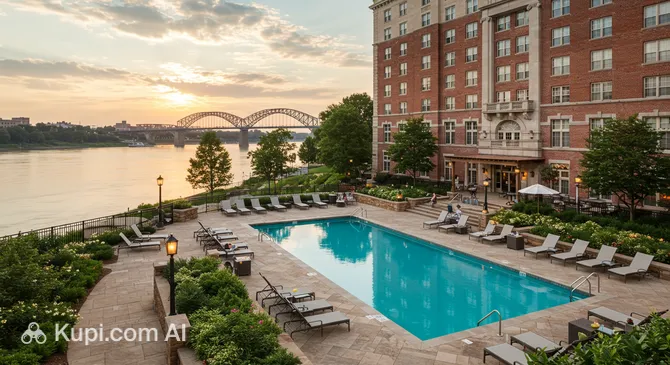
Travelers seeking a specific recommendation might consider the St. Louis Hotel. Establishments like this typically offer a comfortable base for exploring the region, ensuring you have a relaxing retreat to return to after a day of sightseeing.
St. Louis Hotel. Illustration.
Source: Kupi.com AI
Traveler photos:
Booking Tips and Prices:
Accommodation prices in St. Louis are generally reasonable compared to other major U.S. cities. Budget travelers can find motels and hostels ranging from $60 to $100 per night, while mid-range hotels typically cost between $120 and $200. Luxury stays can go upwards of $250 per night. It is highly recommended to book in advance, especially if you plan to visit during the summer months or when the St. Louis Cardinals have a home game, as hotels downtown fill up quickly. Most bookings can be easily made through major online travel platforms or directly via hotel websites.
Nearby Cities
Nearby Cities:
St. Louis serves as an excellent starting point for exploring the wider region, with several charming communities located just a short drive from the city center. The surrounding area offers a diverse mix of historic suburbs and riverfront towns, each with its own unique character. Whether you are interested in the lively atmosphere of a university town or the quiet charm of established neighborhoods, these nearby cities provide a wonderful opportunity to see more of what the Midwest has to offer.
Below is a list of cities located in close proximity to St. Louis:
City
Population
Distance
East St Louis
19 437
4 km
Granite City
27 336
9 km
University City
34 953
12 km
Pasadena Hills
11 788
12 km
Cahokia
12 440
12 km
Shopping & Souvenirs
Shopping in St. Louis offers a delightful mix of experiences, ranging from high-end luxury retailers to quirky independent boutiques and historic markets. The city does not rely on a single shopping district; instead, its retail therapy is spread across various distinctive neighborhoods, each offering a unique vibe. Whether you are looking for the latest fashion trends, vintage treasures, or locally made crafts, you will find plenty of opportunities to indulge in some retail therapy while exploring the "Gateway to the West."
For a stroll that combines shopping with entertainment, the Delmar Loop is one of the most popular destinations. Often cited as one of the great streets in America, it is lined with an eclectic array of shops selling vintage clothing, vinyl records, and pop culture memorabilia. Alternatively, the Central West End offers a more sophisticated atmosphere. Here, walkable streets are dotted with upscale boutiques, antique shops, and independent bookstores, making it perfect for window shopping followed by a coffee at a sidewalk café.
Travelers seeking a premier indoor shopping experience should head to Plaza Frontenac. This upscale shopping center is the destination for luxury fashion, housing high-end department stores like Neiman Marcus and Saks Fifth Avenue, along with designer brands such as Louis Vuitton and Tiffany & Co. It provides a refined environment for those looking to purchase premium goods. For a more mainstream mix of national retailers, the Saint Louis Galleria is another major hub located centrally in the metropolitan area.
Plaza Frontenac. Illustration.
Source: Kupi.com AI
Traveler photos:
No shopping trip to St. Louis is complete without visiting the historic Soulard Farmers Market. Operating since 1779, it is the oldest public market west of the Mississippi River. Open Wednesday through Saturday, this lively open-air pavilion features vendors selling fresh produce, spices, meats, and flowers. It is also a fantastic place to find unique local handicrafts and soak up the authentic atmosphere of the city.
When it comes to souvenirs, St. Louis has several signature items that make for perfect gifts. Sports fans should look for merchandise celebrating the St. Louis Cardinals (baseball) or the St. Louis Blues (hockey), which is widely available. Culinary travelers often bring home bottles of authentic St. Louis-style BBQ sauce or a box of "Gooey Butter Cake" mix to recreate the local dessert at home. Locally brewed craft beers and artisan chocolates are also popular choices.
Most shops in the city operate from 10:00 AM to 9:00 PM on weekdays and Saturdays, with shorter hours on Sundays, typically from 11:00 AM to 6:00 PM. Smaller boutiques and independent stores may close earlier, around 6:00 PM or 7:00 PM. Payment is convenient, with credit and debit cards accepted almost everywhere. Contactless payments like Apple Pay are also becoming standard, though it is always useful to carry a small amount of cash for small purchases at markets.
Visitors should be aware that the United States does not typically offer a Value Added Tax (VAT) refund system for international tourists like many European countries do. The price you see on the tag does not include sales tax, which will be added at the register. In St. Louis, the combined sales tax rate is generally around 9-10%, so be prepared for the final total to be slightly higher than the listed price.