Support

Fort Leonard Wood

About

Nestled in the rugged hills of the Missouri Ozarks, Fort Leonard Wood offers a unique blend of military heritage and natural beauty. While primarily known as a major installation for the United States Army, this community has evolved into a fascinating destination for visitors interested in history and outdoor recreation. The area is characterized by its scenic landscapes, rolling forests, and a welcoming atmosphere that reflects the patriotic spirit of the region.

Geographically, the city is situated in Pulaski County, surrounded by the Mark Twain National Forest. The climate here features distinct seasons, with warm summers perfect for river activities and crisp autumns that paint the hills in vibrant colors. With a population of approximately 15,629 residents, it maintains a close-knit community feel. Those interested in the origins of this installation can delve into the history of Fort Leonard Wood, which dates back to its establishment in 1940 and its subsequent growth into a premier training center.

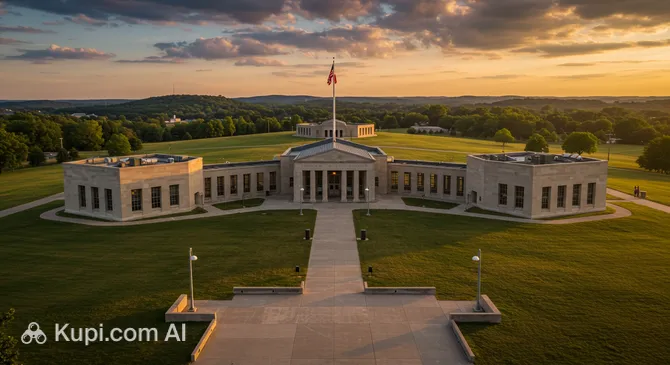
Fort Leonard Wood. Source: Kupi.Binoculars

For tourists, the standout attraction is undoubtedly the John B. Mahaffey Museum Complex. This facility houses three distinct museums dedicated to the Military Police, the Chemical Corps, and the Engineer Corps, offering an immersive look into specialized branches of service. Beyond the museums, the surrounding Ozark landscape provides ample opportunities for adventure. The nearby Big Piney River is a favorite spot for fishing, canoeing, and enjoying the serene wilderness.

Whether you are a military history enthusiast or a nature lover looking for a quiet retreat in the Ozarks, Fort Leonard Wood has something to offer. We invite you to explore its museums, enjoy the scenic trails, and experience the unique character of this historic Missouri community.

Weather Overview

The climate in this region is characterized by four distinct seasons, offering a variety of conditions depending on when you visit. Summers are typically warm to hot, with July being the peak month where average temperatures reach around 26.5°C and highs frequently climb to 31.6°C. Winters, on the other hand, are quite cold; January sees the lowest temperatures with an average minimum of -2.4°C, so packing layers is essential for travel during the colder months.

Precipitation is fairly consistent throughout the year, though spring tends to be the dampest season. May is notably the wettest month, featuring approximately 15 days with rainfall, while September is generally the driest with only about 6 wet days. Overall, visitors can expect warm summers with occasional rain and cold, relatively dry winters. To help plan your trip with the most current forecasts, be sure to check the weather in Fort Leonard Wood before you pack.

Interesting Facts

Beyond the main attractions and training grounds, Fort Leonard Wood holds many fascinating secrets that reveal the depth of its character. Delving deeper into its past and present uncovers unique stories that set this installation apart from typical military bases.

  • A Legacy in Stone: During World War II, the fort housed thousands of German and Italian prisoners of war. These POWs were instrumental in beautifying the post, and their handiwork—including intricate stone walls, culverts, and patios—can still be seen throughout the installation today, serving as a quiet testament to a bygone era.

  • "Little Korea" of the Ozarks: The rugged, hilly terrain of the Missouri Ozarks was historically noted for its striking resemblance to the landscape of the Korean Peninsula. Because of this similarity, the post became a critical training ground during the Korean War, earning it the nickname "Little Korea" among the soldiers preparing for deployment.

  • Home of the Sapper: This location is the exclusive home of the Sapper Leader Course, one of the U.S. Army's most grueling leadership schools. It is here that elite combat engineers earn the coveted "Sapper Tab," marking them as experts in mobility, counter-mobility, and survivability.

  • A Doctor at the Helm: The fort is named after Major General Leonard Wood, a figure with a surprisingly non-traditional military background. Before rising to become the Chief of Staff of the Army, Wood began his career as a Harvard-educated physician, making him the only medical officer to ever hold the Army's highest position.

How to Get There

Reaching this destination in the Missouri Ozarks requires a bit of planning, as it is tucked away in a scenic, rugged region. While there are no direct commercial flights landing right at the installation's doorstep, several regional and international hubs serve the area. For a detailed breakdown of routes and transfer options, you can read more about how to get to Fort Leonard Wood.

The city of Fort Leonard Wood does not have its own airport, but you can fly into Springfield-Branson National Airport (SGF) in the city of Nixa, which is about 120.6 km from Fort Leonard Wood. It is a convenient regional option for many travelers. The drive from here typically takes approximately 1.5 hours. Alternatively, for a wider range of international connections, you can choose Lambert-St. Louis International Airport (STL) in St. Louis. This large hub is located approximately 193.8 km away, with a travel time of around 2 hours by car. Another nearby facility is Columbia Regional Airport (COU) in Fulton, situated 121.4 km from the city, also requiring about a 1.5-hour drive.

For clarity, here is a summary of the main airports:

Airport Name City Passenger Traffic Km from City
Lambert-St. Louis International AirportSt. LouisLarge193.8
Springfield-Branson National AirportNixaMedium120.6
Columbia Regional AirportFultonSmall121.4
Joplin AirportJoplinSmall216.1
Cape Girardeau AirportCape GirardeauSmall236.1

If you prefer traveling by train, please note that the city of Fort Leonard Wood does not have a railway station. However, you can arrive at the St Louis Railway Station (ZSV) in the city of St. Louis, which is about 198.6 km from Fort Leonard Wood. From there, you will need to arrange ground transportation, such as a rental car or bus service, to complete the roughly 2-hour journey to the installation.

Here is the information about the nearest railway station:

Station City Passenger Traffic Km to Center
St Louis Railway StationSt. LouisMedium198.6

Main Attractions

John B. Mahaffey Museum Complex is the premier cultural destination within the installation, offering a comprehensive look into United States military history. This unique facility is the only one of its kind to house three distinct regimental museums under a single roof: the U.S. Army Engineer Museum, the Military Police Corps Museum, and the Chemical Corps Museum. Visitors can explore immersive exhibits ranging from historic fortifications and bridge-building equipment to the evolution of chemical warfare defense and law enforcement. It is an essential stop for anyone wishing to understand the heritage and specialized skills of the soldiers trained here.

For those seeking a moment of reflection, Memorial Groves provides a serene and respectful atmosphere. Located centrally on the post, this beautifully landscaped area features monuments and plaques dedicated to the brave men and women who have served in the armed forces. The park serves as a poignant reminder of the sacrifices made by service members and offers a quiet space for families and visitors to pay their respects amidst the bustle of the active military base.

Nature enthusiasts will appreciate Happy Hollow Recreation Area, a scenic spot located within the boundaries of Fort Leonard Wood. Nestled in the rugged Ozark terrain, this area offers direct access to the outdoors with picnic sites, hiking trails, and opportunities for fishing. It is a perfect example of the region's natural beauty, allowing tourists to enjoy the lush forests and rolling hills that characterize this part of Missouri while remaining close to the main facilities.

Just a short distance from the main cantonment area, the Big Piney River is a major draw for outdoor adventure. Known for its clear waters and excellent fishing, specifically for smallmouth bass and goggle-eye, the river is also a favorite for canoeing and kayaking. Floating down the Big Piney offers a relaxing way to see the limestone bluffs and wildlife of the Missouri Ozarks, making it a popular day trip for visitors stationed at or visiting the fort.

Local Cuisine

The culinary landscape of Fort Leonard Wood and its surrounding communities reflects a hearty blend of Midwestern comfort and Southern hospitality. Given its location in the Ozarks, the food here is designed to satisfy big appetites, featuring rich flavors and generous portions. Visitors will find that the local dining scene is unpretentious and welcoming, heavily influenced by the agricultural heritage of Missouri and the diverse backgrounds of the military families who call the area home.

One of the must-try dishes in this region is fried catfish. With the Big Piney and Gasconade rivers nearby, freshwater fish is a staple, typically served breaded in cornmeal and fried to a golden crisp, accompanied by hushpuppies and coleslaw. Another regional favorite is Ozark-style barbecue. Slow-smoked brisket, pulled pork, and ribs slathered in a thick, tangy tomato-based sauce are popular choices that highlight Missouri's strong barbecue tradition.

For those looking to explore unique regional specialties, keep an eye out for Springfield-style cashew chicken. Originating in the nearby city of Springfield, this dish features fried chicken chunks covered in a savory brown gravy and topped with cashews and green onions, a variation widely embraced throughout the Ozarks. The area's international community also brings authentic German and Korean flavors to the table, offering a surprising and delightful variety for a small region.

When it comes to beverages, sweet iced tea is the ubiquitous drink of choice, served cold and sugary at almost every eatery. For something stronger, the region is part of Missouri's growing wine country. The local Norton wine, a dry red made from the official state grape, is a robust choice worth sampling. Additionally, craft beer enthusiasts will find a selection of local brews that capture the spirit of the Ozarks.

The food culture here revolves around casual, family-friendly dining. You won't find many high-end, dress-code establishments; instead, the area is dotted with cozy diners, buffet-style restaurants, and roadside barbecue joints. Locals and tourists alike gather in these relaxed spots to enjoy a good meal and conversation. Whether you are grabbing a quick bite near the post or sitting down for a family dinner in the neighboring towns of St. Robert or Waynesville, the atmosphere is always warm and inviting.

Travel Tips

Visiting Fort Leonard Wood offers a unique opportunity to experience rich military history amidst the stunning backdrop of the Missouri Ozarks. To help you navigate this active installation and the surrounding wilderness with ease, here are some practical tips for a smooth and enjoyable journey.

  1. Clothing and Gear: The climate features four distinct seasons, so pack accordingly: lightweight, breathable fabrics for the hot, humid summers and warm layers with a heavy coat for the cold winters. Since the region is known for its rugged terrain, bring sturdy hiking boots if you plan to explore the trails, and always pack insect repellent to protect against ticks and chiggers during outdoor activities.

  2. Transportation: A personal vehicle or rental car is virtually essential, as public transport is limited and ride-sharing services can be sporadic in this semi-rural area. If you are driving onto the installation, ensure you have a valid driver's license, current vehicle registration, and proof of insurance readily available, as these are required for entry at the security gates.

  3. Finances: The local currency is the US Dollar (USD), and credit cards are widely accepted at museums, hotels, and restaurants both on and off the post. ATMs are plentiful in the adjacent towns of St. Robert and Waynesville, though carrying a small amount of cash is recommended for small purchases at local fairs or rural shops.

  4. Health and Safety: The area is generally very safe for tourists, but standard precautions apply; keep valuables secure and be aware of your surroundings. For medical needs, there are several pharmacies and urgent care clinics in St. Robert, just outside the main gate, which are accessible to civilians.

  5. Communication: English is the primary language, and the local dialect is often warm and informal. While Wi-Fi is standard in hotels and cafes, be aware that cell phone signals can be spotty or non-existent if you venture deep into the river valleys or remote parts of the Mark Twain National Forest.

  6. Local Etiquette: This is a deeply patriotic community; if you are outdoors on the installation in the late afternoon and hear the "Retreat" bugle call, it is customary to stop and stand respectfully until the music ends. General politeness is the norm here, so feel free to offer a friendly greeting or nod to strangers you pass.

  7. What to Avoid: Strictly avoid taking photographs or videos of the access control points (security gates) and guards when entering the fort, as this is prohibited for security reasons. Also, do not speed while driving on the installation; speed limits are rigorously enforced by the Military Police, and there is zero tolerance for traffic violations.

  8. Base Access Tip: If you do not possess a military ID, you must stop at the Visitor Control Center located at the main gate to obtain a visitor pass before entering. Be sure to bring a Real ID-compliant identification card and allow a little extra time for the background check process.

With these practical tips in mind, you are well-prepared to explore everything from the fascinating military museums to the serene riverways. A little preparation regarding base access and local customs will ensure your visit to Fort Leonard Wood is both memorable and hassle-free.

Entertainment & Nightlife

Entertainment and nightlife in Fort Leonard Wood and its immediate surroundings are defined by a relaxed, small-town atmosphere rather than a bustling metropolis club scene. Since the installation itself is primarily a military training center, the most vibrant evening activities are found just outside the main gates in the neighboring communities of St. Robert and Waynesville. The nightlife here is casual and welcoming, catering largely to service members, their families, and locals looking to unwind after a long week.

The main hub for evening entertainment is Saint Robert Boulevard in St. Robert. This strip is lined with various dining establishments and bars that stay open late. The vibe is distinctly unpretentious; you won't find strict dress codes or velvet ropes here. Instead, expect sports bars with pool tables, karaoke nights, and friendly crowds. A popular spot for locals is Hub's Pub and Grill, known for its laid-back environment, billiards, and classic pub fare. It is a great place to mingle with the community and enjoy a cold drink without the hassle of a crowded nightclub.

For those seeking a mix of history and evening relaxation, the nearby town of Waynesville along Historic Route 66 offers a few charming options. Cellar 66 is a well-regarded wine bar and restaurant that offers a more refined, yet still casual, setting. It is an excellent choice for couples or groups wanting to enjoy a glass of Missouri wine or a craft cocktail in a quieter atmosphere. Another notable mention is El Jimador in St. Robert, which, while primarily a restaurant, often hosts a lively crowd in the evenings enjoying margaritas and a festive social scene.

Practical advice for a night out in this area centers on transportation and safety. While the area is generally very safe for walking, the distance between venues often requires a vehicle. Ride-sharing services can be limited compared to major cities, so it is wise to have the number of a local taxi service, such as St. Robert Taxi, saved in your phone. Prices for drinks and cover charges (if any) are very reasonable compared to national averages. Most bars are busiest on Friday and Saturday nights, with things winding down relatively early compared to big cities.

During the daylight hours, entertainment shifts towards family-friendly and recreational activities. If you are looking for indoor fun, the Daugherty Bowling Center located on the installation offers affordable lanes and a fun atmosphere. For those interested in regional culture, the museums mentioned earlier provide a fascinating way to spend an afternoon. Additionally, the surrounding Ozark hills offer plenty of daylight adventures, from hiking to river floating, ensuring that your days are just as engaging as your evenings.

Parks & Museums

While Fort Leonard Wood is primarily known as a military installation, the area is surprisingly rich in green spaces and historical custodians that reflect the heritage of the Missouri Ozarks. Visitors will find that the region offers a compelling mix of well-maintained parks perfect for relaxation and museums that preserve unique chapters of United States history.

Colyer Park is one of the most accessible and pleasant outdoor spots located directly on the installation. Centered around a tranquil lake, this park is a favorite for families and soldiers alike, offering paved walking paths, picnic pavilions, and a Japanese garden area that provides a peaceful retreat. It is an excellent location for a quiet afternoon of fishing or simply enjoying the fresh Ozark air in a manicured setting.

Just a short drive from the main gates in the neighboring town of Waynesville, Waynesville City Park is a must-visit natural attraction. The park is home to Roubidoux Spring, one of the largest springs in Missouri, which pumps out millions of gallons of cold, clear water daily. This site is renowned among scuba divers for its underwater cave system and is equally popular with anglers looking for trophy trout. The walking trails along the Roubidoux Creek offer scenic views of the limestone bluffs, making it a perfect spot for nature lovers.

For a glimpse into the civilian history of the region, the Old Stagecoach Stop Museum in nearby Waynesville offers a captivating look at life in the 19th century. Built in the 1850s, this building is the oldest in the county and has served as a tavern, a Civil War hospital, and a hotel on the historic Route 66. Each room is restored to represent a different era of its existence, providing a tangible timeline of the area's development before and after the military post was established.

Architecturally, the installation preserves several gems near the main museum area, including the Rolling Heath School. This one-room schoolhouse, originally built in 1912, was relocated to save it from demolition. It stands today as a charming reminder of the rural education system that once served the Ozark communities before the army arrived. Additionally, the post features examples of World War II-era mobilization architecture, some of which have been preserved to showcase the rapid expansion of the facility in the 1940s.

For a truly unique experience, adventurous visitors should inquire about Miller Cave. Located within the bluffs overlooking the Big Piney River on the installation, this site is one of the most significant archaeological finds in North America, with evidence of human habitation dating back thousands of years. While access can be restricted due to training schedules or preservation efforts, it represents the deep, ancient history of the land that long predates modern settlement.

Getting Around

The transport infrastructure in Fort Leonard Wood differs significantly from major tourist destinations. Visitors should be aware that there is no public transport system such as a metro, tram network, or municipal bus service available for general tourist use within the installation or the immediate surrounding area. The region is primarily rural and military-focused, designed almost exclusively around personal vehicle use.

The most practical and highly recommended option for getting around is renting a car. Rental agencies are conveniently located in the nearby town of St. Robert and at the regional airports in Springfield and St. Louis. Having your own vehicle provides the necessary flexibility to travel between your hotel, the museums on the post, and the various natural attractions scattered throughout the Ozarks, which are generally not accessible by other means.

For those who prefer not to drive, local taxi services are the primary alternative. Companies such as Post Cab and Union Cab operate in the area and are familiar with the specific protocols for entering the military installation. These taxis can transport you from off-post hotels to destinations within the fort, making them a reliable choice for shorter journeys or evening outings where you might not want to worry about parking.

Ride-sharing services like Uber and Lyft are available in the region, but using them requires careful planning regarding base access. Not all drivers have the necessary authorization or security clearance to enter Fort Leonard Wood. If your driver does not have a valid pass, they will only be able to drop you off at the Visitor Control Center at the main gate, potentially leaving you stranded without transportation to the inner facilities. It is advisable to coordinate with the driver beforehand to confirm their access status.

Regardless of whether you choose a rental car, taxi, or ride-share, entering the installation requires strict adherence to security rules. All passengers must possess a valid photo ID, and if you are driving a rental, you must have the rental agreement and proof of insurance ready for inspection at the gate. Understanding these requirements beforehand will ensure a smooth entry onto the post and prevent any travel delays.

Accommodation

Finding the right place to stay is an important part of planning a visit to Fort Leonard Wood. Since the destination is an active military installation, the vast majority of accommodation options for tourists and visiting families are located immediately outside the gates in the adjacent communities. The region primarily offers a selection of reliable mid-range chain hotels, budget-friendly motels, and extended-stay suites designed to accommodate families attending military graduations or exploring the Ozarks.

The most convenient area for visitors is undoubtedly St. Robert. Situated right off Interstate 44 and bordering the installation's main entrance, this town serves as the primary hospitality hub. Staying here puts you within minutes of the Visitor Control Center and offers easy access to a variety of restaurants and shops. This area is populated by numerous well-known national hotel brands, ensuring a comfortable and familiar standard of lodging with amenities often including indoor pools and complimentary breakfasts.

For travelers seeking a quieter atmosphere with a touch of history, the nearby town of Waynesville is an excellent alternative. Located along Historic Route 66, Waynesville offers a more scenic setting near the Roubidoux Spring. Accommodation options here are slightly more diverse, ranging from independent motels with retro charm to vacation rentals and cabins that allow you to enjoy the natural beauty of the Missouri hills while remaining just a short drive from the fort.

Booking Tips and Prices: The availability of rooms in this area is closely tied to the military training schedule. During weeks with large Basic Combat Training graduations, hotels in St. Robert can reach capacity very quickly. It is highly recommended to book your accommodation well in advance once your travel dates are confirmed. In terms of cost, the region is generally affordable, with most options falling into the budget to mid-range categories. Reservations can easily be made via major online booking platforms, though contacting hotels directly may sometimes yield better rates, especially if you are visiting for official government business.

Nearby Cities

For those looking to explore the surroundings, Fort Leonard Wood serves as an excellent base for day trips to several interesting nearby locations:

City Population Distance (km)
Wentzville 43,213 166
Jefferson City 43,076 95
Nixa 22,925 125
Sedalia 21,696 143
Ozark 20,874 121

Among these options, Jefferson City stands out as a premier destination for history enthusiasts. Located less than 100 kilometers away, it is the state capital of Missouri and features the magnificent State Capitol building, which overlooks the Missouri River. Visitors can also take a fascinating tour of the historic Missouri State Penitentiary, once the oldest operating prison west of the Mississippi, to learn about its intriguing past.

Another worthwhile stop is Sedalia, known as the "Queen City of the Prairies." This town is steeped in railroad history, best experienced at the beautifully restored Katy Depot. It is also a cultural hub, hosting the annual Missouri State Fair and the Daum Museum of Contemporary Art, making it a great spot for those interested in both heritage and modern creativity.

For a more relaxed pace, Ozark offers a charming small-town atmosphere nestled along the banks of the Finley River. It is a haven for antique lovers, boasting numerous shops and boutiques that attract collectors from across the region. The Finley River Park provides a scenic backdrop for a leisurely afternoon, perfectly capturing the natural beauty of the Ozarks.

These nearby destinations offer a glimpse into the diverse culture and landscapes of the region.

Shopping & Souvenirs

Shopping in Fort Leonard Wood and its immediate vicinity offers a distinct experience that mirrors the area's dual identity as a military stronghold and a gateway to the Ozarks. The retail scene is a mix of practical convenience, military tradition, and small-town charm. While the installation itself houses large facilities for service members, the adjacent communities provide a variety of options for civilian visitors, ranging from well-stocked surplus stores to antique shops rich with local history.

For the general tourist, the primary shopping district is located just outside the main gate in the city of St. Robert. The bustling Saint Robert Boulevard serves as the commercial artery of the region. Here, visitors can find a concentration of strip malls, familiar chain retailers, and essential services. This area is convenient for picking up travel necessities, outdoor gear for exploring the nearby rivers, or casual clothing. It is the most accessible area for those without military identification to enjoy a day of browsing.

A short drive away, the historic town of Waynesville offers a more quaint and atmospheric shopping experience along Historic Route 66. This area is perfect for those who enjoy leisurely strolls past storefronts. You will find unique boutiques, local craft stores, and several antique shops tucked into historic buildings. The vibe here is much more relaxed compared to the commercial strip in St. Robert, focusing on unique finds rather than mass-market goods.

Regarding shopping malls, it is important for tourists to understand the specific restrictions of the area. The Main Post Exchange (PX) located on the installation acts as the primary shopping mall, featuring a large department store, a food court, and various specialty vendors. However, access to purchase goods at the Exchange is generally restricted to active-duty military, retirees, and authorized dependents. Civilian visitors without these privileges should plan to do their shopping in the off-post plazas in St. Robert, which offer similar goods without the access requirements.

For those interested in local flavor, the Pulaski County Farmers Market in Waynesville is a delightful stop. typically held on weekends during the warmer months. It showcases the agricultural heritage of the Missouri Ozarks, offering fresh seasonal produce, homemade jams, artisanal breads, and handcrafted items from local growers. Additionally, the region is dotted with "flea markets" and antique malls, which are treasure troves for collectors looking for vintage Americana, rustic home decor, or Route 66 memorabilia.

When it comes to souvenirs, the most iconic items to bring back are undoubtedly military-themed. The area surrounding the fort is home to numerous military surplus stores open to the public. Here, you can purchase authentic "Fort Leonard Wood" apparel, unit patches, tactical gear, and the highly collectible "challenge coins" that represent different battalions and training schools. Apart from military keepsakes, items related to Route 66—such as signs, magnets, and books—are popular, as are locally made Ozark crafts like wood carvings or pottery.

Opening hours in the region generally follow standard American schedules. Major retailers and grocery stores in St. Robert are often open from 9:00 AM to 9:00 PM or later, seven days a week. Smaller boutiques and antique shops in Waynesville typically operate from around 10:00 AM to 5:00 PM and may be closed on Sundays. Payment is hassle-free, with credit and debit cards (Visa, MasterCard, American Express) being universally accepted, though carrying a small amount of cash is advisable for small purchases at farmers markets or flea markets.

Visitors should be aware that the United States does not typically offer a Value Added Tax (VAT) refund system for international tourists. Sales tax is added to the price of goods at the register, so the price you see on the tag will be lower than the final total. This tax is non-refundable, so please budget accordingly for your shopping excursions.
Reached the end of the page?

That means the route is fully explored