Support

Lambert-St. Louis International Airport

Airports in the city

About the Airport

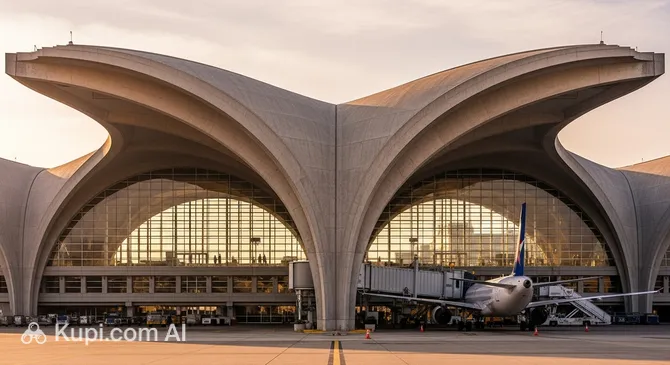
Lambert-St. Louis International Airport. Source: Kupi.com Binoculars

Lambert-St. Louis International Airport is not just an air harbor, but a true legend of American aviation, named after Olympic medalist and aviator Albert Bond Lambert. It is here that the spirit of history is felt: from the first flights of Charles Lindbergh to revolutionary architectural solutions of the mid-20th century. The famous concrete vaults of the main terminal, created by architect Minoru Yamasaki, became a style icon and a prototype for many modern airport terminals around the world, turning the start of a journey into an aesthetic pleasure.

IATA Code STL
ICAO Code KSTL
City St. Louis
Distance to Center ~23 km
Status International
Passengers per Year ~15.9 million (2024)
Schedule Available on the official website

Airport Features and Highlights:

Architectural Heritage: Terminal 1 is distinguished by a unique structure of four dome-shaped vaults. This 1956 design was groundbreaking for its time and set the standard for future terminals, including JFK Airport in New York.

Historical Significance: The airport prides itself on its connection to aviation pioneers. Historical exhibits can be found within the terminals, including a replica of the "Spirit of St. Louis" aircraft, on which Charles Lindbergh made his famous transatlantic flight.

Convenient Transport: Travelers can easily reach the city center and major attractions thanks to the MetroLink light rail line (Red Line), with stations located right at the terminal exits.

Art and Culture: The airport space is adorned with works of art, including the impressive mural "Black Americans in Flight," dedicated to the contribution of African Americans to the development of aviation and astronautics, as well as rotating art exhibitions by local authors.

Contact Information

For the most accurate and up-to-date information regarding the operations of Lambert-St. Louis Airport, it is recommended to use official communication channels.

  • Official Website: Current flight schedules, terminal maps, parking information, and services are available at www.flystl.com.
  • Help Desk Phone: For general information, you can call +1 314-426-8000.
  • Airport Address: 10701 Lambert International Blvd, St. Louis, MO 63145, USA.
  • Email: For most inquiries, the airport suggests using the dedicated contact forms available on the official website under the "Contact Us" section.
  • Social Media: Follow news and updates on the airport's official pages on popular social networks, usually found under the handle @flySTL.
  • Lost Luggage Information: If your luggage was lost during a flight, you must first contact your airline's representative. For items left in terminals or at security checkpoints, please contact the Airport Police Lost and Found.
  • Passenger Support Contacts: The main phone number (+1 314-426-8000) also serves for passenger support. For assistance for people with disabilities and other specific requests, it is best to review the information in the relevant section of the website in advance.

How to Get to the Airport

There are several convenient ways to get to Lambert – St. Louis International Airport (STL), the main transport hub of the city in the USA. The most popular and economical option is the MetroLink light rail system. Red Line trains directly connect the city center and other districts with both airport terminals (Terminal 1 and Terminal 2). A trip from the central station will take approximately 35–45 minutes, and the ticket price is quite democratic, making this method ideal for travelers with light luggage.

In addition to MetroLink, the transport system of St. Louis includes an extensive network of MetroBus routes. Although there is no direct bus service to the airport from the center, many routes take passengers to MetroLink stations, from where they can quickly reach the terminals. This option is convenient if you are starting your journey from an area far from the light rail lines.

For those who value comfort and travel with large luggage, taxis or ridesharing services (such as Uber and Lyft) will be the optimal choice. A car trip from the center of St. Louis to the airport will take about 20–30 minutes depending on traffic conditions. The cost of such a trip will be significantly higher than public transport and can vary from 40 to 60 dollars. Taxi stands and special zones for ride-hailing are located right at the terminal exits.

If you prefer to move around in your own or a rented car, access to Lambert – St. Louis Airport is well organized. The airport offers many parking options: from hourly parking right at the terminals to more budget-friendly long-term lots, from where free shuttles run to the terminals. It is recommended to familiarize yourself with the parking map and rates in advance, especially if you plan to leave your car for several days.

Although Lambert-St. Louis is the main airport serving the region, it is worth knowing that there are other air harbors in the vicinity. For example, Spirit of St. Louis Airport (SUS), located just 26 km away, is often used for business aviation, and MidAmerica St. Louis Airport (BLV) in Belleville may be convenient for some budget airlines. However, for most flights, STL remains the main and most convenient choice.

Terminals and Map

Lambert – St. Louis International Airport (STL) has a simple and clear structure consisting of two main terminals: Terminal 1 and Terminal 2. It is important to check in advance which terminal your airline departs from, as they are located in separate buildings and serve different flights.

Terminal 1 is the historic and main building of the airport. It serves most major American and international airlines, such as American Airlines, Delta, United, and others. Terminal 1 is divided into four concourses (gate zones): A, B, C, and D. Navigation inside is intuitive thanks to clear signs. Check-in and baggage drop-off areas are on the upper level, while the arrival and baggage claim area is on the lower level.

Terminal 2 is used primarily by Southwest Airlines, and also serves some charter and international flights. This terminal is more modern and compact, making it very easy to navigate. It consists of a single concourse, E. As in Terminal 1, departures and check-in are located on the upper floor, and arrivals on the lower floor.

To move between terminals, you can use several methods. The most popular is the free 24-hour shuttle, which runs between Terminal 1 (Exit 12) and Terminal 2. The trip takes about 10-15 minutes. An alternative option is the MetroLink light rail, which has stations in both terminals. This method is faster but requires purchasing a ticket.

When planning your time, allow the standard 1.5-2 hours before departure for domestic flights and about 3 hours for international ones. During peak hours (morning and evening), the time to pass through security may increase. To avoid confusion, always check your terminal and gate number on your ticket or the airline's website before traveling to the airport.

History of the Airport

The history of Lambert – St. Louis International Airport (STL) is rich in events and closely intertwined with the development of aviation in the USA. It all began in 1920, when Major Albert Bond Lambert, an Olympic medalist and aviation enthusiast, leased a plot of land for a flying club. By 1923, he bought this land and created one of the first municipal airports in the country. Initially, it served as a venue for air shows and balloon launches but quickly proved its commercial potential.

Perhaps the most famous episode in the airport's history is connected with the name of Charles Lindbergh. It was from here that he began his path to fame. His plane, the "Spirit of St. Louis," in which he made the first-ever solo transatlantic flight, was named after St. Louis businessmen who financed this bold venture. In the 1930s, the airport became home to American Airlines, and during World War II, the McDonnell Aircraft plant, producing fighter jets, was located here.

The main terminal, opened in 1956, became a true architectural gem and symbol of the airport. Designed by the famous architect Minoru Yamasaki (future author of the World Trade Center Twin Towers in New York), the terminal amazed the world with its innovative construction of four intersecting concrete vaults. This design became a model for many airport terminals around the world and still impresses travelers today.

In the 1980s, Lambert Airport reached its peak, becoming one of the largest hubs for Trans World Airlines (TWA) and serving over 30 million passengers a year. After TWA's merger with American Airlines and the events of 2001, its role as a transit hub diminished, but it continues to remain an important transport center for the region. In 2011, a powerful tornado seriously damaged one of the terminals, leading to large-scale reconstruction and modernization, once again demonstrating the resilience of this historic airport.

Services and Amenities

Lambert – St. Louis International Airport (STL) provides passengers with a full range of services and amenities to make their stay comfortable both before departure and upon arrival. The airport infrastructure is well thought out and meets the needs of various categories of travelers.

In both terminals, you will find many establishments for every taste: from popular fast-food chains and coffee shops to full-service restaurants. For those who wish to shop, there are stores offering souvenirs, press, books, and essential goods. International flight passengers can visit duty-free shops.

For a comfortable wait for your flight, you can use the services of premium lounges. Access is usually provided to loyalty program members, business class passengers, or for a separate fee. Free Wi-Fi is available throughout the terminals, and numerous gadget charging stations will allow you to always stay connected.

Financial matters are easily resolved at the airport thanks to the presence of ATMs and currency exchange points. For business travelers, business centers and conference rooms are provided where you can work or hold a meeting in a quiet environment.

Special attention is paid to the convenience of all passengers. For travelers with children, nursing rooms are equipped. The airport is fully accessible for people with disabilities: there are ramps, elevators, and specially equipped restrooms. In case of necessity, you can turn to first aid stations.

If you have a long layover or an early departure, you will easily find a suitable option for an overnight stay. A hotel is located right on the airport grounds, and several more hotels are in the immediate vicinity, most of which offer free shuttles for their guests.

Where to Eat

When planning a trip through Lambert-St. Louis International Airport, you can be sure you won't go hungry. The airport offers a variety of dining options for every taste, from a quick coffee before departure to a leisurely dinner. Prices here are comparable to other major US airports: a light snack will cost $15–25, and a full meal in a restaurant ranges from $30–50 per person. Most establishments are located in the secure area (airside), which is convenient for passengers waiting for their flight.

For a Quick Snack and Coffee

If you are short on time, the airport has many options for a quick and tasty bite. Starbucks coffee shops operate in both terminals (Terminal 1 at gate C17 and Terminal 2 at gate E16), where you can pick up a standard set of coffee, pastries, and sandwiches. Midtown Cafe also offers coffee and pastries at gates A16 and E38. For fans of classic American fast food, the popular Shake Shack operates in Terminal 2, known for its burgers, hot dogs, and milkshakes. And to try a legendary local dessert, look for Ted Drewes Frozen Custard vending machines, which are available around the clock in Concourses A, C, and E.

Full Meals and Local Cuisine

For those who prefer a substantial meal, the airport has several full-service restaurants. To feel the spirit of St. Louis, visit Schlafly Bar & Grill — an establishment from a famous local craft brewery. Here you can try signature burgers (about $18-20), appetizers, and local beverages. Another representative of local gastronomy is 4Hands Peacemaker (gate E6), serving seafood and sandwiches. Other options for a hearty lunch include the Italian restaurant Pasta House and the Asian bistro Pei Wei, offering freshly prepared Chinese dishes. In such restaurants, a main course with a drink will cost approximately $30–50.

Specialized Diets and Opening Hours

Travelers with special dietary preferences will also find suitable options. For example, the Schlafly menu features the plant-based Impossible Burger costing about $20, which is suitable for vegetarians and vegans. In Asian cuisine establishments like Pei Wei and salad bars, vegetarian dishes can often be found. Passengers requiring gluten-free or Halal meals are advised to verify ingredients directly with the staff. Most establishments open early in the morning (around 4:00–5:30 AM) and operate until the last flight departs, allowing you to grab a bite at almost any time.

Travel Tips

To ensure your journey through Lambert – St. Louis International Airport runs as smoothly as possible, use these proven tips. This guide will help you navigate the airport, save time, and avoid unnecessary stress.

Arrival Time at the Airport: For domestic flights within the USA, it is recommended to arrive at the airport 1.5-2 hours before departure. If you have an international flight, it is better to allow at least 3 hours. This will give you enough time for check-in, baggage drop, and security screening without rushing, especially during peak hours.

Check-in and Security: The fastest way to check in is online on your airline's website. This will allow you to head straight to the security checkpoint if you are traveling with hand luggage only. The airport has two terminals (T1 and T2), so verify in advance which one your flight departs from. At security control, be prepared to remove laptops and other large electronics from your carry-on, as well as liquids in containers up to 100 ml, packed in a transparent bag.

Seat Selection: If the airline allows you to select a seat in advance, consider your preferences. Window seats are ideal for those who love admiring views, while aisle seats provide more legroom and the ability to stand up freely. Seats in emergency exit rows usually offer extra space but may require an additional fee.

Carry-on Rules: Remember the "3-1-1" rule for liquids: containers no larger than 100 ml (3.4 oz), packed in one transparent resealable bag up to 1 liter in volume. Always keep valuables, documents, medication, and electronics in your carry-on. It is prohibited to bring sharp objects, weapons, and flammable substances into the aircraft cabin.

Tips for Transfer Passengers: If you have a connecting flight in St. Louis, find the gate number for your next flight on the information board immediately after arrival. A free shuttle runs between terminals. Ensure you have enough time for the transfer, especially if you need to go through security control again.

Customs Control: Upon arrival on an international flight, you will have to pass through passport and customs control. Have your passport, visa, and completed customs declaration (if required) ready. Be prepared to answer the officer's questions about the purpose of your trip and the items you are bringing in.

Saving Time and Money: To save money, book parking online in advance — it is often cheaper. Bring an empty water bottle with you and fill it after passing security. Public transport MetroLink directly connects both terminals with the city center, which is a budget-friendly alternative to taxis. Time savings are achieved through online check-in and traveling light.

In Case of Flight Delay: First, contact your airline representative for current information and possible options (rebooking, meal vouchers). Lambert Airport has free Wi-Fi, many cafes, and shops that will help pass the time while waiting for departure.

Reached the end of the page?

That means the route is fully explored