Support

Paducah

About

Nestled at the confluence of the Ohio and Tennessee Rivers, Paducah is a vibrant city in Kentucky that perfectly blends small-town charm with a rich cultural scene. As a designated UNESCO Creative City of Crafts and Folk Art, this destination in the United States offers a unique atmosphere fueled by creativity and riverfront heritage.

With a population of approximately 26,000 residents, the city maintains a welcoming and intimate feel while punching above its weight in terms of cultural offerings. The strategic location on the waterways has defined its development over the centuries. Visitors interested in the past can explore the fascinating history of Paducah, which details its rise as a significant hub for river trade and transportation.

Paducah is world-renowned for the National Quilt Museum, which draws fiber art enthusiasts from across the globe to see its exquisite contemporary exhibits. Another must-see feature is the Wall to Wall floodwall murals, a stunning outdoor gallery that depicts the city's past in vibrant detail. Strolling through the historic Lower Town Arts District, visitors will find restored Victorian homes converted into working artist studios and galleries.

Whether you are an art lover, a history buff, or simply seeking a scenic river town to explore, Paducah provides an unforgettable experience. Its blend of Southern hospitality and artistic flair makes it a delightful stop for any traveler planning a trip through the region.

Weather Overview

Paducah experiences four distinct seasons, offering a variety of atmospheric conditions depending on when you choose to visit. To help you pack appropriately, it is useful to review the current weather in Paducah before your journey. Generally, the city sees hot summers and cool winters, with moderate precipitation distributed fairly evenly throughout the year.

The summer months of June, July, and August are the warmest, with average temperatures ranging from 25°C to 27°C. July is typically the hottest month, where daily highs can reach nearly 32°C. This period is ideal for those who enjoy the heat, though it is worth noting that rain occurs on about 10 to 11 days each month during this season.

Winters are significantly cooler, with January being the coldest month. Average temperatures in winter sit between 3°C and 6°C, and overnight lows can drop to around -0.5°C. Spring and autumn provide a pleasant middle ground; May and September are particularly comfortable with averages in the low 20s (°C), although spring tends to bring slightly more frequent rainfall with up to 13 wet days in March and May.

Interesting Facts

Beyond the main attractions, Paducah holds many fascinating secrets and historical tidbits that surprise even the most seasoned travelers. This creative city is woven with stories that go far beyond its famous riverbanks and artistic reputation.

  • The city has a prestigious connection to American exploration history, as it was founded by William Clark of the famous Lewis and Clark expedition. He chose the name to honor Chief Paduke of the Chickasaw Nation, paying tribute to the indigenous history of the region.

  • Long before it became famous for quilts, Paducah was known as the "Strawberry Capital of the World." In the early 20th century, the local agricultural scene was dominated by berry farming, and during harvest season, thousands of train cars filled with strawberries were shipped from here to destinations across the country.

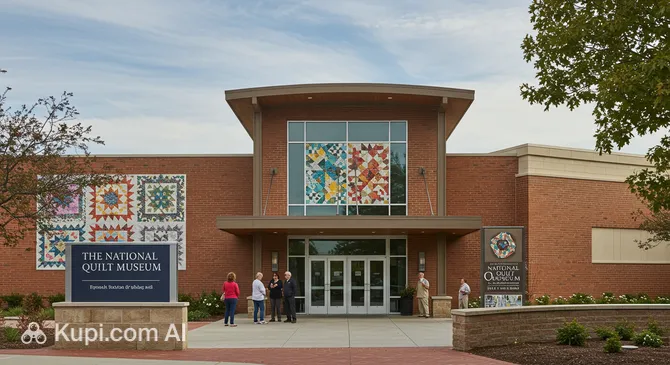
  • The renowned The National Quilt Museum is not merely a local gallery but stands as the largest museum of its kind in the world. Its influence was a key factor in Paducah receiving its designation as a UNESCO Creative City of Crafts and Folk Art.

  • The Paducah Riverfront sits at a geographically significant location where the Tennessee River flows into the Ohio River. This massive confluence is so wide that it creates a unique micro-environment and has historically made the city a critical hub for steamship navigation.

The National Quilt Museum. Source: Kupi.Binoculars

How to Get There

Reaching this creative city in Kentucky is convenient thanks to a variety of transport options connecting it to the wider region. Whether you prefer flying directly into the area or driving from a nearby major hub, you can easily plan your journey. For a detailed breakdown of routes and tips, you can read more about how to get to Paducah to find the best itinerary for your trip.

The most direct way to arrive is via Barkley Regional Airport (PAH), which is located within the city limits, just 15.8 km from the center. As a smaller regional hub, it offers quick processing times, and a taxi or shuttle ride to downtown typically takes around 45 minutes. While it handles a modest volume of passengers, it provides a hassle-free entry point for domestic travelers.

For those seeking more extensive flight connections, Nashville International Airport (BNA) is a major alternative. Located in Nashville, approximately 201.9 km from Paducah, this airport serves millions of passengers annually and offers a wide range of international and domestic flights. The drive from Nashville to Paducah generally takes between 2.5 to 3 hours by rental car or taxi service.

Another accessible option is Evansville Regional Airport (EVV) in the city of Evansville. Situated about 141.3 km away, it serves as a convenient middle ground for travelers coming from the north, with a transfer time of roughly 2 hours by road.

For clarity, here is a summary of the main airports:

Airport Name City Passenger Traffic Km from City
Nashville International Airport Nashville Large 201.9
Lambert-St. Louis International Airport St. Louis Large 241.0
Evansville Regional Airport Evansville Medium 141.3
Barkley Regional Airport Paducah Small 15.8
Cape Girardeau Airport Cape Girardeau Small 87.8

The city of Paducah does not have its own railway station, but rail travel is still a possibility through nearby hubs. You can arrive at St Louis Railway Station (ZSV) in the city of St. Louis, which is approximately 221.8 km from Paducah. From the station, travelers typically rent a car or take a bus to complete the journey, which takes about 3 to 4 hours depending on traffic and the mode of transport chosen.

Here is the nearest railway station option:

Station City Passenger Traffic Km to Center
St Louis Railway Station St. Louis Medium 221.8

Main Attractions

Paducah offers a delightful mix of cultural heritage, riverfront beauty, and artistic innovation. As a UNESCO Creative City, its main points of interest reflect a deep connection to history and creativity. From world-class fiber art to scenic river views, there is plenty to explore in this charming Kentucky town.

One of the city's most celebrated institutions is The National Quilt Museum. Far more than a display of traditional bedding, this facility is a global destination for fiber art enthusiasts. It features changing exhibitions of contemporary quilt art that rival paintings in their complexity and beauty. Visitors are often amazed by the intricate craftsmanship and the modern designs that challenge the conventional idea of quilting.

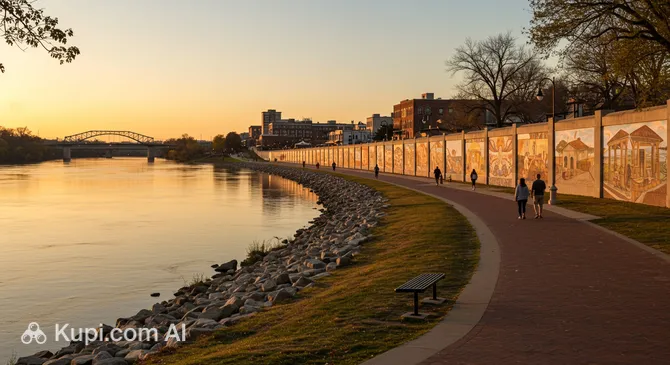
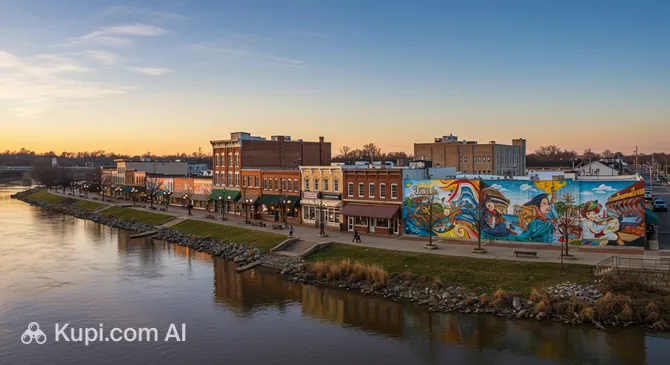
Just a short walk away lies the scenic Paducah Riverfront, the heart of the city's historical development. Located at the confluence of the Ohio and Tennessee Rivers, this area offers peaceful walking paths and stunning views of the water. A highlight here is the famous floodwall, adorned with the "Wall to Wall" murals—a series of vibrant paintings that narrate the rich history of Paducah, from its indigenous roots to the atomic age.

Paducah Riverfront. Source: Kupi.Binoculars

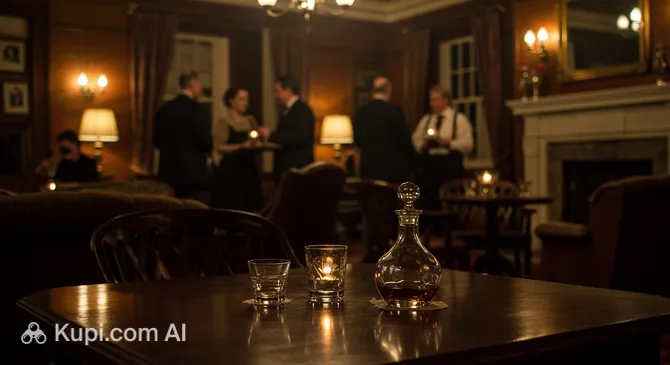
For those interested in historic architecture and local nightlife, The 1857 Hotel is a fascinating stop. Housed in a beautifully restored red-brick building that dates back to the mid-19th century, it stands as a testament to the city's revitalization efforts. While it functions as a boutique hotel, it is also a popular social hub, known for its stylish bar and atmosphere that blends industrial-chic design with Southern hospitality.

The 1857 Hotel. Source: Kupi.Binoculars

Beyond these specific sites, the Lower Town Arts District is an essential part of the Paducah experience. This neighborhood is filled with Victorian-era structures that have been transformed into working studios and galleries by artists from around the country. Walking through these streets offers a unique glimpse into the daily lives of the creatives who have helped put this city on the cultural map.

Local Cuisine

The culinary landscape of Paducah is deeply rooted in Southern tradition, offering visitors a taste of authentic comfort food with a distinct local flair. The city is situated in a region famous for its barbecue, specifically Western Kentucky-style, which typically features hickory-smoked meats slow-cooked to perfection. Diners can expect tender pulled pork and savory ribs, often served with a spicy, vinegar-based sauce that sets it apart from the sweeter varieties found elsewhere in the country.

Given the city's location at the confluence of the Ohio and Tennessee Rivers, freshwater cuisine is another highlight of the local menu. Fried catfish is a beloved staple, usually coated in a crispy cornmeal batter and accompanied by classic sides like hushpuppies, coleslaw, and white beans. For breakfast or a hearty lunch, traditional Southern dishes such as biscuits and sausage gravy, country ham, and fried green tomatoes are widely available and highly recommended.

When it comes to beverages, Paducah proudly embraces Kentucky’s heritage as the home of bourbon. Visitors can sample a wide array of fine whiskeys and craft cocktails throughout the city. For a sophisticated evening drink, the bar at The 1857 Hotel provides a stylish backdrop, blending historic architecture with modern mixology. Non-alcoholic options are equally popular, with sweet iced tea being the standard refreshment served at almost every meal, alongside locally roasted coffees found in cozy downtown cafes.

The food culture in Paducah is centered around its historic downtown and the Lower Town Arts District, where the vibe is welcoming and unpretentious. The city has seen a surge in the farm-to-table movement, with many chefs sourcing ingredients directly from regional farms to create seasonal menus. Whether you are grabbing a quick bite at a legendary barbecue shack or enjoying a multi-course meal in a restored brick warehouse, the dining scene perfectly mirrors the city’s creative and hospitable spirit.

Travel Tips

Welcome to Paducah, a city where Southern hospitality meets world-class creativity. To ensure your visit to this UNESCO Creative City is as smooth and enjoyable as possible, here are some practical tips to help you navigate local life with ease.

  1. Clothing and Gear: The weather varies significantly by season, so pack accordingly. Summers are hot and humid, requiring light, breathable fabrics, while winters can be chilly, making a warm coat and layers necessary. Since the best way to see the Lower Town Arts District and the riverfront murals is on foot, bring a pair of comfortable walking shoes. If you plan to visit religious sites or upscale dining venues, smart-casual attire is generally appropriate.

  2. Transportation: While the city has a public bus service known as PATS (Paducah Area Transit System), it is relatively limited in frequency and coverage. The most convenient way to explore Paducah and the surrounding region is by renting a car. Ride-sharing apps like Uber and Lyft are available but may have longer wait times than in major metropolitan areas, especially late at night.

  3. Finances: The local currency is the US Dollar (USD). Credit and debit cards are widely accepted at hotels, restaurants, and shops. However, it is wise to carry some cash for small purchases at local markets or festivals. ATMs are plentiful throughout the city. Tipping is a standard part of the culture; expect to leave 15-20% at restaurants and bars, and a few dollars for hotel staff or taxi drivers.

  4. Health and Safety: Paducah is generally a safe and welcoming destination for tourists. For medical needs, major pharmacies like CVS and Walgreens are easily accessible, and Baptist Health Paducah provides comprehensive medical care. In case of any emergency, dial 911 for immediate assistance. As with any travel, keep an eye on your belongings in crowded areas, though violent crime is rare.

  5. Communication: English is the primary language spoken. You may encounter a friendly Southern accent and local phrases like "y'all" (you all). Wi-Fi is widely available in hotels, coffee shops, and public buildings. If you are visiting from abroad, you can purchase a prepaid SIM card at major mobile carrier stores or large retailers like Walmart.

  6. Local Etiquette: The local culture is defined by politeness and friendliness. It is common to greet strangers with a smile or a "hello" when passing on the street. Holding doors open for others is a standard courtesy. When interacting with locals, a polite and patient demeanor goes a long way and will often be met with helpful advice and stories.

  7. What to Avoid: If you visit the National Quilt Museum, strictly observe the "do not touch" rule. These are delicate works of art, and oils from hands can damage the fabric. Also, avoid assuming that because it is a smaller city, everything closes early; check hours, but don't be surprised if some local shops are closed on Sundays.

  8. Additional Tip: If you are an art lover, check the schedule for the Lower Town Arts District. Many artists living in this revitalized neighborhood open their home studios to the public, offering a unique chance to meet the creators and buy art directly from the source. It is a rare and personal experience you won't find in larger cities.

By keeping these practical tips in mind, you will be well-prepared to relax and immerse yourself in the artistic spirit of Paducah. Enjoy the stunning river views, the incredible quilts, and the warm welcome that awaits you in Kentucky!

Entertainment & Nightlife

Entertainment and Nightlife:

While Paducah is known for its quiet, artistic charm, the city comes alive after dark with a nightlife scene that emphasizes quality, atmosphere, and local flavor. The entertainment landscape here is less about thumping mega-clubs and more about intimate live music venues, craft breweries, and sophisticated bars set against a backdrop of historic architecture. The primary hub for evening activities is the Historic Downtown district, particularly the blocks surrounding Market House Square, where locals and visitors mingle in a relaxed and friendly environment.

For those seeking a stylish night out, The 1857 Hotel is a standout venue. Located in a beautifully restored red-brick building, its bar serves as a social anchor for the downtown area. The atmosphere here is industrial-chic, attracting a diverse crowd ranging from young professionals to tourists enjoying craft cocktails and conversation. It is an ideal spot to begin your evening or wind down with a nightcap in a setting that perfectly bridges the city's past and present.

During the warmer months, the Paducah Riverfront transforms into a vibrant venue for community gatherings and entertainment. This area frequently hosts seasonal events, outdoor concerts, and festivals known as "River's Edge" activities. Even when there isn't a specific event scheduled, the riverfront provides a scenic and safe location for a moonlit stroll along the floodwall murals, offering a peaceful alternative to the bar scene.

Beyond the bars, Paducah offers rich cultural entertainment that extends into the evening. The Market House Theatre is a cornerstone of the local arts community, offering high-quality plays and musicals in a historic setting. For film buffs, the Maiden Alley Cinema specializes in independent films and often hosts special evening screenings and music events, providing a cozy and artistic alternative to mainstream movie theaters.

Daytime entertainment in Paducah is equally engaging, with a strong focus on cultural enrichment. Visitors can spend hours exploring the city's numerous museums, including the world-famous quilting exhibits or the interactive history centers. The Lower Town Arts District is perfect for daylight exploration, where you can visit working artist studios and galleries. For families, the local parks offer ample green space for picnics and recreation before the sun goes down.

Practical advice for enjoying Paducah at night includes keeping a casual to smart-casual dress code, which is appropriate for almost every venue in town. The downtown area is compact and highly walkable, allowing you to hop between bars and restaurants easily. Most venues stay open until around midnight or 1:00 AM on weekends, though hours may be shorter on weekdays. The area is generally very safe for walking at night, especially near Market House Square and Broadway. If you venture further afield or need to return to a hotel outside the center, ride-sharing services and local taxis are available, though it is advisable to book them in advance late at night.

Parks & Museums

Paducah seamlessly integrates its natural river setting with a dedication to preserving history and promoting the arts, offering visitors a wealth of green spaces and cultural institutions. The city's layout encourages exploration, inviting travelers to move easily from scenic waterfront parks to world-class museums that celebrate everything from fiber arts to transportation history.

The most iconic outdoor space is undoubtedly the Paducah Riverfront, which serves as the city's scenic "front porch." Located at the confluence of the Ohio and Tennessee Rivers, this park is not just a place for walking but a venue for community life, featuring a boat launch, expansive lawns, and the Wilson Stage for outdoor concerts. For a more traditional park experience, Bob Noble Park is a favorite among locals. It spans over 135 acres and features the picturesque Lake Montgomery, a large outdoor amphitheater, and the Music Garden, making it a perfect spot for a relaxing afternoon picnic or a leisurely stroll along the towering trees.

Culturally, the city punches well above its weight, anchored by The National Quilt Museum. This facility is the global center for quilt art, showcasing intricate designs that challenge the boundaries of the medium. To understand the region's commercial roots, the River Discovery Center is a must-visit. Housed in a historic building downtown, it offers interactive exhibits and simulators that educate visitors on the importance of the river industry. Additionally, the Paducah Railroad Museum captures the golden age of rail travel, displaying equipment and memorabilia that highlight the city's role as a major transportation hub.

History enthusiasts will appreciate the Lloyd Tilghman House & Civil War Museum, a beautifully preserved 1852 Greek Revival home that offers insight into the Western Theater of the Civil War. Another architectural gem is the William Clark Market House, a central landmark that dates back to 1905 and now houses a theater and museum, standing as a testament to the city's turn-of-the-century prosperity.

For a truly authentic experience, explore the Clyde F. Boyles Greenway Trail. This path connects several of the city's parks and offers a quieter, nature-filled route for walkers and cyclists, linking the bustling riverfront to the serene wooded areas of Stuart Nelson Park.

Getting Around

The public transport system in Paducah is managed by the Paducah Area Transit System (PATS), which provides a convenient and affordable way to navigate the city. The network primarily consists of fixed-route buses that connect residential neighborhoods with key commercial areas, medical facilities, and the downtown district. While the city is relatively small and easy to drive in, these buses offer a reliable alternative for visitors without a personal vehicle.

For tourists, the most attractive feature of the local transport network is the PATS Trolley. This complimentary service operates seasonally, typically from April through Labor Day, and is designed specifically to connect major points of interest. The trolley route loops through the Historic Downtown, the Lower Town Arts District, and stops at popular attractions such as the National Quilt Museum and the Convention Center. It is an excellent way to see the sights without worrying about parking, and passengers can hop on or off at any designated stop along the loop.

The standard fixed-route bus service operates on four main color-coded lines: Red, Yellow, Green, and Blue. These buses generally run Monday through Saturday, starting around 7:00 AM and finishing by 7:00 PM. It is important to note that there is typically no bus service on Sundays, so travelers should plan their weekend itineraries accordingly. The buses run on a scheduled hourly frequency, departing from the central PATS terminal on Harrison Street.

Paying for transport in Paducah is straightforward and cash-based. The fare for a standard one-way ride is very affordable, costing approximately $1.00. If you plan to use the bus, you must have the exact change ready when you board, as drivers do not carry cash and cannot provide change. There are no complex zone systems or smart cards for short-term visitors; you simply pay the driver directly upon entry. For those staying longer, books of ride coupons or monthly passes can be purchased at the main PATS office.

Beyond the public transit system, alternative transportation options are readily available. Ride-sharing apps like Uber and Lyft operate within the city, providing a flexible solution for evening travel or trips on Sundays when buses are not running. Traditional taxi services are also available but may require booking in advance rather than hailing on the street. For visitors planning to explore the wider Kentucky region or the outskirts of the city, renting a car remains the most practical option, although the downtown area itself is very walkable and best explored on foot.

Accommodation

Accommodation in Paducah caters to a variety of preferences, ranging from charming historic stays to convenient modern lodgings. Visitors can choose between immersive boutique experiences in the heart of the city or reliable, familiar chain hotels located near major transport routes. The options generally span from budget-friendly motels to comfortable mid-range hotels, with a few upscale historic properties adding a touch of luxury.

For those seeking to be close to the main cultural attractions, the Historic Downtown and Lower Town Arts District are the most popular areas to stay. Here, you can find restored bed and breakfasts and boutique hotels housed in 19th-century buildings, placing you within walking distance of the riverfront, the floodwall murals, and the major museums. Staying in this area offers a unique atmosphere that reflects the city's creative spirit and allows for easy exploration on foot.

Alternatively, travelers prioritizing easy highway access often prefer the accommodations located along Interstate 24, particularly near Exit 4. This area features a high concentration of standard mid-range hotels and motels, surrounded by shopping centers and dining chains. It is an excellent choice for those on a road trip or visitors looking for consistent amenities and ample parking.

Booking Tip: While accommodation is generally easy to find, the city fills up quickly during major local events, especially during the annual Quilt Week in the spring. If you plan to visit during this festival or the peak summer months, it is highly recommended to book your room several months in advance to secure your preferred location.

Prices in Paducah are generally moderate compared to larger metropolitan areas. Most visitors will find the rates to be reasonable, with plenty of options in the budget to mid-range categories. Reservations can be easily made through major online booking platforms or by contacting properties directly, which is sometimes the best way to find availability in smaller bed and breakfasts.

Nearby Cities

For those looking to explore the surroundings, Paducah serves as an excellent base for day trips to several interesting nearby locations:

Just a short drive away lies Murray, a vibrant university town known for its friendly atmosphere and cultural events. It is home to Murray State University and serves as a convenient gateway to the Land Between the Lakes National Recreation Area, making it a favorite spot for those who enjoy outdoor activities and lakeside relaxation.

For a taste of unique regional culture, Owensboro is a compelling destination located to the east. It is famously recognized as the "Bluegrass Capital of the World" and hosts the International Bluegrass Music Hall of Fame & Museum. Additionally, the city is renowned for its distinctive culinary tradition of mutton barbecue, offering a flavor profile you won't find just anywhere.

Crossing the state line into Illinois, Carbondale offers a mix of academic energy and natural beauty. As the home of Southern Illinois University, it has a lively downtown area, but its main draw for day-trippers is its proximity to the Shawnee National Forest. This area provides access to stunning hiking trails and unique rock formations, perfect for nature lovers.

City Population Distance (km)
Evansville 226,788 134
Clarksville 198,689 126
Owensboro 73,115 152
Carbondale 66,482 90
Murray 50,183 58

These nearby destinations offer a glimpse into the diverse culture and landscapes of the region.

Shopping & Souvenirs

Shopping in Paducah offers a distinct experience that mirrors the city's reputation as a UNESCO Creative City. While you will find standard retail options, the true charm of the local shopping scene lies in its independent boutiques, antique stores, and world-class art galleries. As a global hub for fiber arts, the city is particularly famous for its high-quality fabrics and quilting supplies, drawing enthusiasts from all over the world to browse its specialized shops.

The heart of the local retail experience is found in Historic Downtown. Strolling along Broadway and the streets surrounding Market House Square, visitors can explore a variety of locally owned businesses housed in restored 19th-century buildings. This area is excellent for finding unique clothing, home décor, and rare antiques. Just a short distance away, the Lower Town Arts District offers a different kind of shopping; here, you can visit working studios and purchase paintings, pottery, and jewelry directly from the artists who created them.

For those looking for major national brands and department stores, the Kentucky Oaks Mall is the regional shopping destination. Located near Interstate 24, it is the largest mall in the area and serves as a commercial hub for western Kentucky. It features a wide range of apparel, electronics, and beauty retailers, providing a convenient one-stop spot for general travel necessities and fashion.

If you enjoy browsing for local produce and handmade goods, the Paducah Homegrown Farmers Market is a must-visit. Located downtown near the riverfront, this seasonal market typically operates from spring through autumn. It is a lively place to buy fresh fruits, vegetables, local honey, and artisan crafts, offering a genuine taste of the region's agricultural bounty and community spirit.

When it comes to souvenirs, Paducah offers items you won't find anywhere else. Given the city's status as "Quilt City USA," fabric and quilting patterns are the ultimate keepsake; even if you don't quilt, the intricate textile art available at the gift shop of The National Quilt Museum makes for a beautiful gift. Other popular items include Kentucky bourbon, locally made pottery from the Lower Town artists, and antiques sourced from the surrounding historic region.

Store opening hours in Paducah generally follow standard American schedules. most downtown boutiques and specialty shops are open from approximately 10:00 AM to 5:00 PM or 6:00 PM, Monday through Saturday. The mall and larger chain stores often stay open later, until 9:00 PM. On Sundays, hours are often reduced, with many smaller local businesses closing early or remaining closed for the day. Credit and debit cards are universally accepted, though carrying a small amount of cash is helpful for the farmers market or smaller artisan stalls.

Travelers should be aware that the United States does not have a Value Added Tax (VAT) refund system for international tourists like many European countries. In Kentucky, a sales tax of 6% is added to the price of most goods at the register. The price you see on the tag is usually the pre-tax price, so expect the final total to be slightly higher when paying.
Reached the end of the page?

That means the route is fully explored