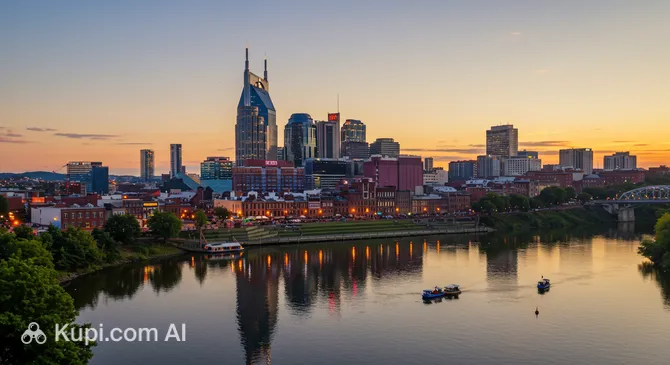
Nashville, the capital of Tennessee, is a vibrant metropolis that resonates with creativity and energy. World-renowned as "Music City," it serves as a global hub for songwriting, recording, and live performance, attracting artists and fans from every corner of the globe. Beyond its legendary musical heritage, the city offers a blend of Southern hospitality, modern urban sophistication, and a thriving culinary scene.
Located along the banks of the Cumberland River in the southeastern United States, Nashville features a rolling landscape and a humid subtropical climate with four distinct seasons. With a metropolitan population of over 1 million residents, it is a bustling economic and cultural center that still manages to retain a friendly, community-focused atmosphere.
Nashville. Illustration.
Source: Kupi.com AI
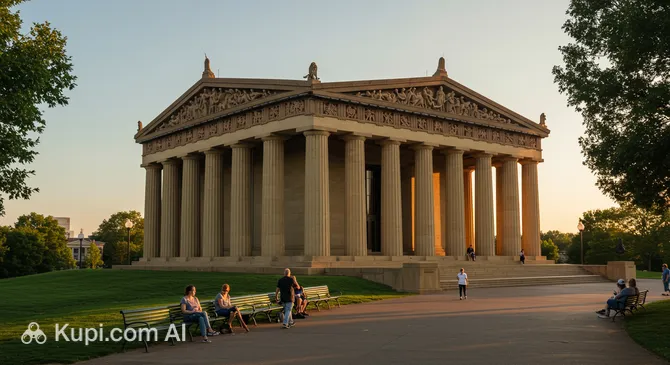
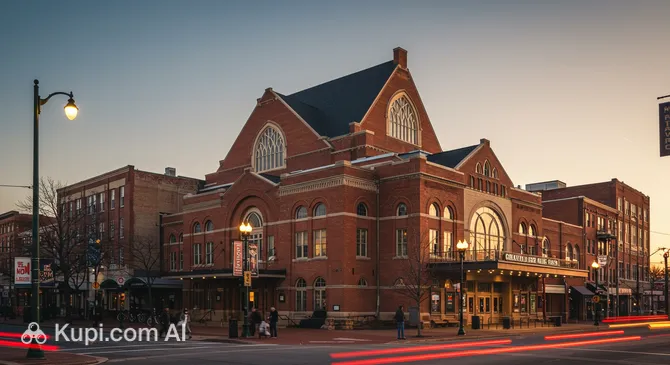
The fascinating history of Nashville stretches back to its founding as a strategic fort and river port, eventually evolving into the "Athens of the South." This nickname is famously represented by the Parthenon in Centennial Park, a full-scale replica of the original temple in Greece. Today, the city is perhaps best known for the neon lights of Broadway, where live music spills out of honky-tonks day and night, and the historic Ryman Auditorium, often called the "Mother Church of Country Music."
Whether you are exploring the exhibits at the Country Music Hall of Fame, tasting the city's signature hot chicken, or simply soaking in the spirited ambiance, Nashville promises a memorable journey. It is a destination that truly sings, inviting travelers to discover its unique rhythm and charm.
Weather Overview
Nashville experiences a distinct seasonal climate that brings a variety of weather conditions throughout the year. For travelers planning their wardrobe and itinerary, checking the current weather in Nashville is highly recommended. The city generally features hot, humid summers and cool, mild winters, offering a different atmosphere depending on when you visit.
Summer is the warmest time of the year, with July seeing average temperatures around 27.0°C and daily highs peaking near 31.7°C. This season also tends to be quite active in terms of precipitation, with July recording up to 16 wet days. Conversely, January is typically the coldest month, with average temperatures dropping to 4.7°C and lows hovering just above freezing at 0.6°C.
The transition seasons of spring and autumn provide moderate and pleasant conditions. May offers comfortable averages of 21.2°C, while October sees temps around 17.5°C, making them popular times for outdoor exploration. Rainfall is spread fairly evenly across the calendar, though September is notably drier with only about 8 wet days. Overall, visitors should expect warm summers with occasional rain and cold, generally drier winters.
Average monthly temperature
Average monthly precipitation
Interesting Facts
Beyond the famous neon lights of Broadway and the country music stardom, Nashville holds many fascinating secrets and unique distinctions that surprise even the most seasoned travelers.
The Parthenon. Illustration.
Source: Kupi.com AI
Traveler photos:
Nashville earned the nickname "Athens of the South" long before it became a music capital, which is why you can find The Parthenon in the city. Located within Centennial Park, this structure is the world's only full-scale reproduction of the ancient Greek temple, complete with a 42-foot statue of the goddess Athena inside.
The city's signature dish, Nashville hot chicken, has a spicy origin story rooted in revenge. Legend has it that the dish was created by a scorned lover who tried to punish a cheating partner by serving him impossibly spicy fried chicken, but the plan backfired when he ended up loving the flavor.
The legendary Ryman Auditorium was not originally built for music. It was constructed in 1892 as the Union Gospel Tabernacle, a house of worship for religious revivals, which explains its church-like pews and exceptional acoustics that later earned it the title "Mother Church of Country Music."
The famous slogan "good to the last drop" is widely believed to have been coined in Nashville by President Theodore Roosevelt. He reportedly uttered the phrase after finishing a cup of coffee at the historic Maxwell House Hotel, which gave the local coffee brand its enduring name.
How to Get There
Traveling to "Music City" is a seamless experience for visitors, thanks to its central location and excellent connectivity. Whether you are arriving for a weekend of live music or a business convention, you can find more about how to get to Nashville and the various transportation options available to suit your itinerary.
The primary gateway for most travelers is Nashville International Airport (BNA), conveniently located within the city limits just 10 km from the downtown area. As a major hub serving over 24 million passengers annually, it offers numerous domestic and international connections. The journey from the terminal to the city center is quick, typically taking around 35 minutes by taxi or shuttle, depending on traffic.
For those exploring the broader region or seeking alternative flight options, Huntsville International Airport (HSV) is another viable choice. It is not located in Nashville but in the city of Huntsville, approximately 168 km away. While further out, it serves as a regional entry point. A drive from Huntsville to Nashville generally takes about 2 hours via the interstate highway system.
For clarity, here is a summary of the main airports serving the region:
Nashville offers a wealth of experiences that go far beyond its reputation as a music capital, though its musical roots are undeniably the star of the show. A visit to the city would be incomplete without seeing the Grand Ole Opry. This world-famous stage hosts the longest-running radio broadcast in history and showcases a mix of country legends and contemporary chart-toppers. Attending a live performance here offers a unique glimpse into the heart of the genre and is often considered a rite of passage for music fans.
Grand Ole Opry. Illustration.
Source: Kupi.com AI
Traveler photos:
For those who want to immerse themselves in the vibrant nightlife, the Honky Tonk Highway on Lower Broadway is the place to be. This neon-lit district is lined with multi-story bars and venues where live music plays from morning until late at night. With no cover charges at most venues, visitors can easily hop from one spot to another, enjoying the energetic atmosphere and talented local bands that define the city's entertainment scene.
To understand the full scope of the region's musical heritage, the Country Music Hall of Fame and Museum provides an unparalleled educational experience. The massive downtown facility features an extensive collection of artifacts, including vintage instruments, stage costumes, and personal items from music icons. It tells the story of how country music evolved from folk traditions to a global phenomenon, making it a fascinating stop for history buffs and casual listeners alike.
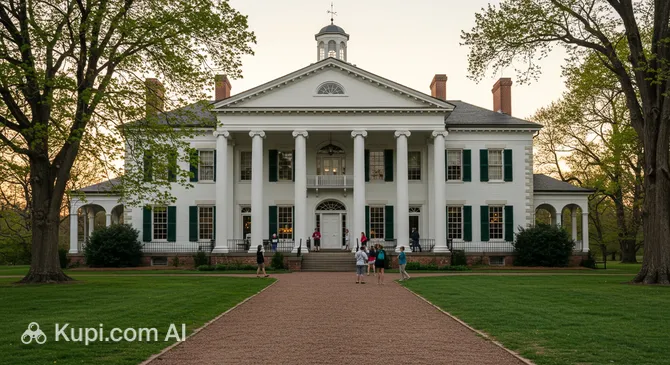
The Hermitage. Illustration.
Source: Kupi.com AI
Traveler photos:
Stepping away from the music scene, history enthusiasts will appreciate a trip to The Hermitage. This preserved plantation was the home of Andrew Jackson, the seventh U.S. President. Visitors can tour the Greek Revival mansion, wander through the beautiful gardens, and explore the grounds to learn about 19th-century life in the South. The site offers a comprehensive look at Jackson's complex legacy and the history of the people who lived and worked there.
For a peaceful retreat into nature and art, Cheekwood is a stunning destination located just a short drive from the city center. This 55-acre botanical garden and art museum features manicured landscapes, seasonal flower displays, and a historic Georgian-style mansion. It serves as a perfect spot for a relaxing afternoon stroll, offering a quiet counterpoint to the bustling energy of downtown.
Local Cuisine
Nashville's dining scene is a delicious collision of traditional Southern comfort food and contemporary culinary innovation. While music feeds the soul here, the local cuisine is equally renowned, offering everything from fiery fried chicken to sophisticated farm-to-table experiences. The city has evolved into a genuine foodie destination where historic recipes sit comfortably alongside modern gastronomy.
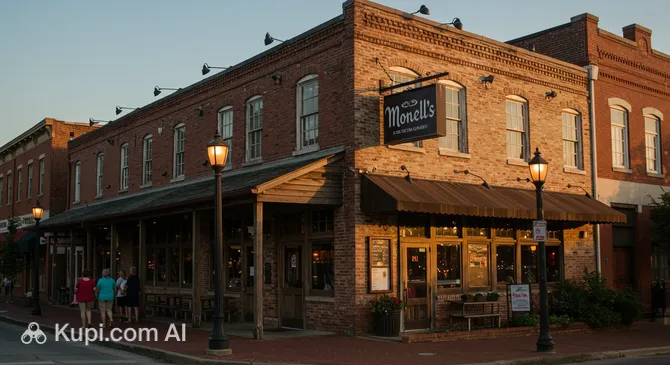
The city's most iconic contribution to the culinary world is undoubtedly Nashville Hot Chicken. This spicy specialty consists of marinated fried chicken doused in a cayenne-heavy paste, served atop a slice of white bread with pickles to cut the heat. It is a must-try for any visitor, with heat levels ranging from mild to dangerously hot. Another staple of the local diet is the traditional "meat and three" concept, where diners choose one meat entree and three side dishes like mac and cheese, collard greens, or creamed corn. For a truly authentic family-style experience, Monell's offers a communal dining setting where passing bowls of fried chicken and biscuits to your neighbors is part of the tradition.
Monell's. Illustration.
Source: Kupi.com AI
Traveler photos:
When it comes to beverages, Tennessee is synonymous with whiskey, and you will find it flowing freely throughout the city. However, a unique local favorite you might not expect is the Bushwacker. Often described as a chocolate milkshake for adults, this frozen cocktail blends ice cream, coffee liqueur, and rum, making it a perfect treat for warm Southern evenings. You can find these refreshing drinks and cold local beers at legendary spots like Tootsies Orchid Lounge, where the cocktails come with a side of world-class live music.
The food culture in Nashville is diverse and accessible, catering to all tastes and budgets. Locals and tourists alike flock to massive venues like the Assembly Food Hall at Fifth + Broadway. This sprawling marketplace brings together dozens of local eateries under one roof, making it an excellent spot to sample a variety of flavors in one visit. From the neon-lit honky-tonks serving hearty bar bites to upscale restaurants, the city ensures that every meal is a celebration of Southern hospitality.
Travel Tips
Welcome to Nashville! To help you navigate the "Music City" with the ease of a local and ensure your trip hits all the right notes, we have compiled a list of essential practical advice.
Clothing and Gear: The climate dictates your wardrobe here. Summers are hot and humid, so pack breathable, light clothing. Winters are generally mild but can have freezing spells, so layers and a medium coat are necessary. Most importantly, bring comfortable walking shoes; you will likely spend hours on your feet exploring downtown. If you are visiting from abroad, remember that the US uses Type A and B power plugs.
Transportation: Downtown Nashville is quite walkable, but for reaching neighborhoods like the Gulch or 12 South, ride-sharing apps like Uber and Lyft are the most popular and convenient choice. Public buses (WeGo) are available but may not fit a tight tourist schedule. Renting a car is only recommended if you plan to visit outer attractions, as parking in the city center can be expensive and scarce.
Finances: The local currency is the US Dollar (USD). Credit and debit cards are accepted almost everywhere, from restaurants to souvenir shops. However, it is wise to carry small bills for tipping. Tipping is a crucial part of the culture; expect to leave 15-20% for waitstaff, bartenders, and taxi drivers. ATMs are widely available throughout the city.
Health and Safety: Nashville is generally a safe destination for tourists, particularly in the busy downtown areas. However, standard precautions apply: keep your valuables secure in crowded honky-tonks. Pharmacies like CVS and Walgreens are easy to find, and some locations operate 24/7. In case of a medical emergency, dial 911.
Communication: English is the main language, often spoken with a warm Southern accent. You will frequently hear the word "Y'all" (you all) used to address a group. Free Wi-Fi is standard in most hotels, cafes, and public venues. Prepaid SIM cards can be purchased at the airport or at mobile carrier stores around the city.
Local Etiquette: Southern hospitality is real here; people are generally friendly, polite, and willing to help. A simple "hello" or holding the door for someone goes a long way. When visiting "listening rooms" (venues focused on songwriting), the strict rule is silence during performances. Talking while the music is playing in these specific venues is considered very rude.
What to Avoid: Avoid treating every music venue like a loud bar. While Broadway honky-tonks are rowdy, other spots are for quiet appreciation. Also, avoid the rookie mistake of wearing brand-new cowboy boots for a full day of walking—break them in first to avoid painful blisters.
Additional Tip: In the famous honky-tonks on Broadway, there is usually no cover charge to enter. The bands playing often rely on tips for their income. If you enjoy the music, it is customary to put some money in the tip bucket when it is passed around or request a song with a donation.
With these tips in mind, you are ready to dive into the vibrant culture and soulful atmosphere of Nashville. Enjoy the music, the food, and the unforgettable Southern charm!
Entertainment & Nightlife
Entertainment and Nightlife:
When the sun sets over the Cumberland River, Nashville truly comes into its own, transforming into a neon-soaked playground for music lovers and night owls. The city’s nightlife is legendary, centered primarily around live performances that range from rock and country to blues and jazz. Unlike many other cities where the club scene dominates, here the focus is on the stage, with music pouring out of open windows onto the streets until the early hours of the morning.
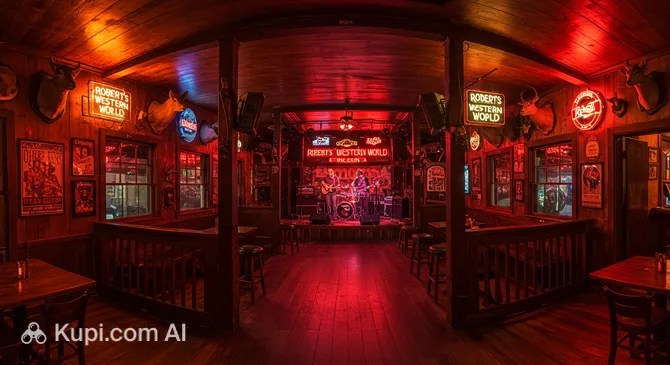
The epicenter of the action is undoubtedly Lower Broadway, often referred to as the "Honky Tonk Highway." This district is bustling with energy, characterized by multi-story venues that host live bands on every floor. For a quintessential experience, step into Robert's Western World. Known for its traditional country music, fried bologna sandwiches, and authentic atmosphere, it stands out as a favorite among purists who want to experience the golden era of the genre.
Robert's Western World. Illustration.
Source: Kupi.com AI
Traveler photos:
For those seeking a change of pace from the rowdy crowds of Broadway, the Gulch and Midtown offer a slightly more sophisticated or local vibe. These neighborhoods are home to rooftop bars with stunning skyline views and intimate venues. A must-visit for bluegrass fans is The Station Inn. This unassuming venue is world-renowned for its acoustics and history, hosting some of the finest pickers and musicians in an intimate, no-frills setting that demands attentive listening.
The atmosphere in Nashville’s nightlife districts is generally casual and welcoming. On Broadway, jeans and cowboy boots are the standard uniform, while venues in the Gulch might see a dressier crowd. Most bars stay open until 3:00 AM, and one of the best features of the city is that many honky-tonks do not charge a cover fee. However, carrying cash is highly recommended to tip the bands, as the tip jar is often their primary source of income. Prices for drinks are typical for a major US city, though they can be higher in the prime tourist spots.
Safety is a priority in the downtown area, which is well-patrolled and heavily populated at night. Walking between venues on Broadway is safe, but if you are venturing to other districts like Germantown or East Nashville, it is best to use a ride-sharing service or taxi. Designated pick-up zones are available for apps like Uber and Lyft to make getting home easier.
While the nights are electric, Nashville offers plenty of daytime entertainment as well. Families and nature lovers can spend hours exploring the Nashville Zoo at Grassmere, which features a diverse collection of animals and a historic plantation home. Alternatively, the Adventure Science Center provides interactive exhibits and a planetarium, making it a perfect stop for those looking to engage their minds before the evening festivities begin.
Parks & Museums
While Nashville is globally celebrated for its musical heritage, the city also boasts an impressive array of green spaces and cultural institutions that offer a quieter, yet equally enriching, experience. Beyond the honky-tonks, visitors can discover serene lakes, world-class art exhibitions, and historical sites that paint a vivid picture of the region's diverse past and present.
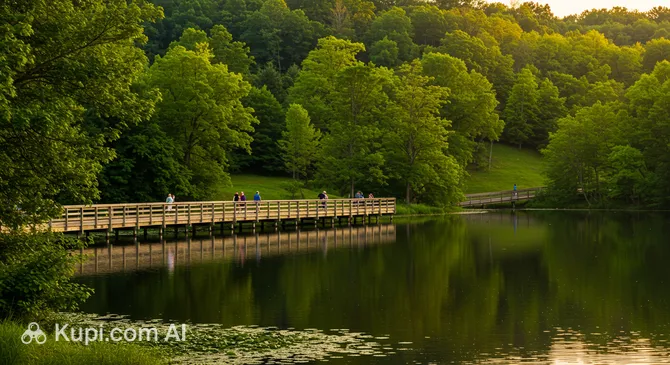
For a true escape into nature without leaving the metropolitan area, Radnor Lake State Park is a favorite among locals and wildlife enthusiasts. This protected natural area serves as a sanctuary for owls, herons, and deer, offering a peaceful retreat with strictly foot-traffic-only trails. It provides a perfect contrast to the bustling city center, allowing visitors to hike through lush woodlands and enjoy pristine lake views in a tranquil setting.
Radnor Lake State Park. Illustration.
Source: Kupi.com AI
Traveler photos:
Another significant green space is the Bicentennial Capitol Mall State Park, located in the shadow of the State Capitol. This urban park acts as a monument to Tennessee’s bicentennial celebration, featuring a 200-foot granite map of the state, a World War II memorial, and the Rivers of Tennessee Fountains. It is often paired with a visit to the nearby Centennial Park, which, as previously mentioned, houses the iconic Parthenon replica.
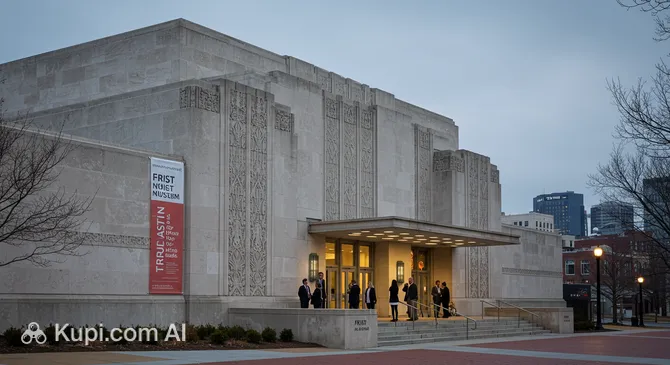
Nashville's cultural scene is anchored by the Frist Art Museum, housed in a magnificent Art Deco building that was formerly the city's main post office. Uniquely, the Frist has no permanent collection; instead, it hosts a rotating schedule of prestigious exhibitions from around the world, ensuring that there is always something new to see. The architecture itself is a masterpiece, with its classic limestone exterior and intricate metalwork.
Frist Art Museum. Illustration.
Source: Kupi.com AI
Traveler photos:
Music history is further explored at the National Museum of African American Music. Located at Fifth + Broadway, this state-of-the-art facility is dedicated to preserving and celebrating the central role African Americans have played in shaping American music genres, from jazz and blues to hip hop and gospel. Through interactive exhibits, visitors can trace the roots of these sounds and their global impact.
For those interested in automotive history and engineering, the Lane Motor Museum offers a quirky and fascinating collection. It specializes in European cars, particularly those with unusual designs, microcars, and amphibious vehicles. It is home to the largest collection of Tatras outside the Czech Republic and provides a delightful diversion for gearheads and design lovers alike.
To step back into the 19th century, a visit to the Belle Meade Historic Site & Winery is essential. Once a world-renowned thoroughbred horse farm, the site now offers tours of the Greek Revival mansion and the remaining outbuildings. It tells the story of the site's equestrian legacy and the history of the enslaved people who lived and worked there, ending with a wine tasting that highlights modern Tennessee viticulture.
For a unique photo opportunity that captures the artistic spirit of the Gulch neighborhood, seek out the What Lifts You Wings Mural. Painted by artist Kelsey Montague, this interactive street art invites visitors to become part of the image, making it one of the most Instagrammable spots in the city.
Getting Around
Getting around Nashville is relatively straightforward, though the city is largely car-dependent compared to other major metropolises. The public transportation system is managed by WeGo Public Transit, which operates a network of buses and a commuter rail line. While the downtown area is walkable, visitors looking to explore neighborhoods like 12 South, East Nashville, or Green Hills will likely need to rely on a mix of buses and alternative transport methods.
The backbone of the local transit system is the WeGo bus network. These purple and grey buses connect the downtown hub, WeGo Central, to various parts of the city and surrounding suburbs. For tourists, the bus is an affordable way to reach major attractions that are too far to walk to. While there is no underground metro or subway system in the city, the WeGo Star is a commuter train that connects the downtown Riverfront Station with the eastern suburbs. However, the train operates primarily during weekday rush hours, making it less practical for general sightseeing but useful for specific day trips.
Paying for rides is modern and convenient thanks to the QuickTicket system. Travelers can download the QuickTicket app to their smartphones to purchase passes and scan their phones upon boarding. Alternatively, reloadable physical cards are available at vending machines at the central station. For those who prefer traditional methods, cash is accepted on buses, but you must have the exact change as drivers cannot provide refunds. A standard single ride costs approximately $2, and an all-day pass is a great value at around $4, allowing unlimited travel for 24 hours.
For visitors, the most practical advice is to download the WeGo app or use Google Maps to track bus arrivals in real-time, as frequency can vary significantly depending on the route and time of day. Most bus routes operate from early morning until late evening, but service becomes less frequent at night and on weekends. If you are staying late at the honky-tonks on Broadway, be aware that bus options may be limited after midnight.
Because the public transit network does not cover every corner of the city with high frequency, rideshare services like Uber and Lyft are extremely popular and often the most efficient way to get around, especially for groups. Taxis are also available but are generally easier to find at hotel stands or the airport rather than hailing them on the street. For shorter distances within the downtown core, electric scooters (such as Bird and Lime) and Nashville BCycle electric bikes are widely available for rent, offering a fun and breezy way to navigate the city streets.
While there is no historic streetcar system currently used for public transit, you will likely see "trolleys" driving around the city. These are typically privately operated sightseeing trolleys rather than municipal transport. They offer hop-on, hop-off tours with narration, serving as an excellent way to get an overview of the major landmarks, though they require a separate ticket that is significantly more expensive than a standard bus fare.
Accommodation
Accommodation:
Finding the perfect place to stay in Nashville is an integral part of the travel experience, with options ranging from historic Southern hotels to sleek, modern high-rises. The city offers a diverse accommodation landscape that caters to all budgets and preferences, including luxury resorts, mid-range chains, boutique lodgings, and budget-friendly motels. In recent years, the number of vacation rentals and apartments has also surged, providing excellent alternatives for groups or those seeking a home-away-from-home atmosphere.
When choosing where to base yourself, location is key. Downtown is the most popular area for first-time visitors, placing you within walking distance of the honky-tonks on Broadway and major museums. For a trendier, more upscale vibe, The Gulch offers luxury hotels surrounded by high-end dining and shopping. Travelers seeking a more relaxed, resort-style environment often prefer the Music Valley area, which is close to the Grand Ole Opry and slightly removed from the downtown hustle. Alternatively, the Midtown and West End neighborhoods provide a mix of vibrant nightlife and proximity to Vanderbilt University, often at slightly more competitive rates than the city center.
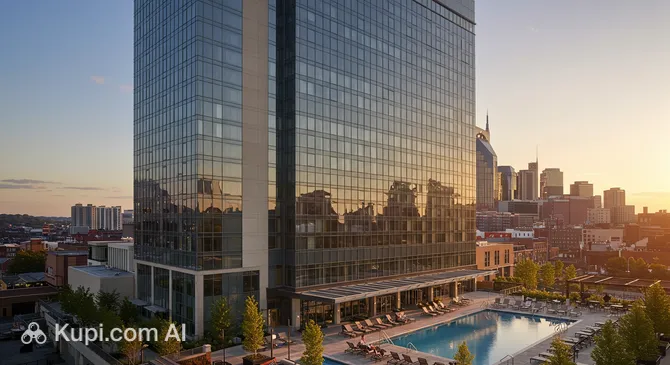
For those looking for premium stays, the city boasts several distinguished properties. The Grand Hyatt is a prominent choice located downtown, offering extensive amenities and easy access to the excitement of Broadway. Another excellent option is Holston House Nashville, an art deco-inspired hotel that blends historic charm with modern luxury, complete with a rooftop pool.
Grand Hyatt. Illustration.
Source: Kupi.com AI
Traveler photos:
Regarding costs, Nashville has become a highly desirable destination, which is reflected in the pricing. Luxury and downtown hotels typically command premium rates, often exceeding $300–$400 per night, especially on weekends. Mid-range options can be found for $150–$250, while budget accommodations are generally located further from the city center, often requiring a car or rideshare to reach the main attractions. Booking is usually done via major online travel platforms or directly through hotel websites.
Booking Tip: Nashville is a major event city, hosting concerts, festivals, and sports games year-round. Consequently, hotels can fill up months in advance, and prices can spike significantly during peak times. It is highly recommended to book your accommodation as early as possible—ideally 2 to 3 months out—to secure the best rates and availability.
Nearby Cities
For those looking to explore the surroundings, Nashville serves as an excellent base for day trips to several interesting nearby locations:
Located just a short drive south of the capital, Franklin is widely celebrated for its charming blend of history and modern sophistication. Its vibrant Main Street is lined with preserved Victorian architecture, antique shops, and local boutiques. History enthusiasts can delve into the past at significant Civil War sites such as the Carter House and Carnton, which offer a poignant look at the region's heritage.
To the southeast lies Murfreesboro, a city that played a crucial role during the Civil War. It is home to the Stones River National Battlefield, where visitors can walk through historic grounds and learn about the pivotal conflict that took place there. Beyond its history, the city offers lovely greenways and the Oaklands Mansion, a beautiful example of Italianate architecture.
Crossing the state line into Kentucky, Bowling Green offers a distinct change of pace and unique attractions. It is famously known as the home of the National Corvette Museum, a must-visit for car lovers. Additionally, its proximity to Mammoth Cave National Park makes it a strategic stop for those interested in exploring one of the world's longest cave systems.
City
Population
Distance
Ellamar
—
5 km
Goodlettsville
17 522
19 km
La Vergne
38 127
24 km
Mount Juliet
38 059
24 km
Nolensville
13 393
25 km
These nearby destinations offer a glimpse into the diverse culture and landscapes of the region.
Shopping & Souvenirs
Shopping:
Shopping in Nashville offers a delightful mix of Southern flair and modern trends, making it a paradise for those seeking everything from high-end fashion to unique local craftsmanship. The city is world-renowned for its western wear, particularly authentic cowboy boots and hats, but it also boasts a thriving scene of chic boutiques, vintage stores, and artisan shops. Whether you are looking to upgrade your wardrobe or find a one-of-a-kind keepsake, the retail landscape here is as diverse as its music.
For a quintessential Nashville shopping experience, head to the 12 South neighborhood. This walkable district is lined with trendy boutiques, including the famous Draper James, and offers a relaxed atmosphere perfect for browsing clothing, home goods, and accessories. Alternatively, The Gulch provides a more upscale urban setting, featuring a collection of luxury brands and lifestyle stores nestled between high-rise hotels and restaurants. Of course, no trip is complete without strolling down Lower Broadway, where numerous shops specialize in western apparel, offering the city's signature "buy one pair of boots, get two free" deals.
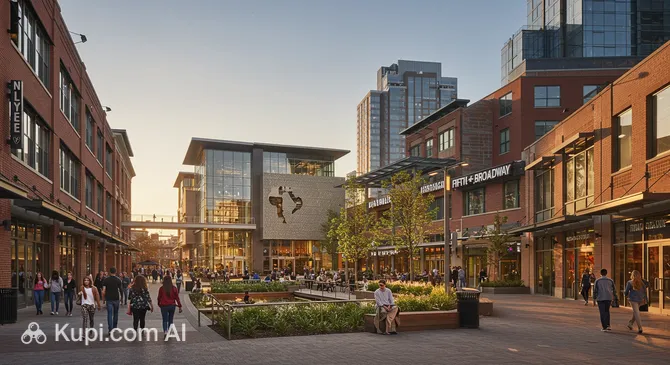
If you prefer a comprehensive shopping center experience, the city has several impressive destinations. Fifth + Broadway is a massive mixed-use development located right in the heart of downtown. It combines retail, dining, and entertainment in a vibrant open-air setting, housing widely recognized brands and local favorites alike.
Fifth + Broadway. Illustration.
Source: Kupi.com AI
Traveler photos:
Another notable spot is One Bellevue Place, a large lifestyle center that offers a wide range of department stores, specialty shops, and services, making it a convenient one-stop destination for varied shopping needs.
For a taste of local culture, the Nashville Farmers' Market is a must-visit. Open daily, it features a grand market house with artisans selling jewelry, crafts, and locally made products, alongside a fresh produce shed. If your visit coincides with the fourth weekend of the month, the Nashville Flea Market at The Fairgrounds is considered one of the top flea markets in the country, hosting hundreds of vendors selling antiques, collectibles, and vintage treasures.
When it comes to souvenirs, Nashville offers distinct items that go beyond the typical magnet or keychain. Top recommendations include a box of Goo Goo Clusters (the world's first combination candy bar invented here), a hand-printed poster from the historic Hatch Show Print shop, or a vinyl record from one of the city's independent music stores. And, naturally, a pair of cowboy boots or a Stetson hat remains the ultimate memento of Music City.
Most shops in the city operate from 10:00 AM to 9:00 PM on weekdays and Saturdays, with reduced hours on Sundays (typically 12:00 PM to 6:00 PM). Credit and debit cards are universally accepted, and contactless payment methods like Apple Pay are common. Visitors should be aware that the sales tax in Tennessee is relatively high, often around 9.25% when combined with local taxes. This amount is added at the register and is generally not refundable for international tourists.