Support

Duluth

About

Duluth is a captivating port city that serves as a gateway to the majestic North Shore of Lake Superior. Located in the state of Minnesota in the northern United States, this city blends a rich industrial heritage with breathtaking natural beauty. With a population of approximately 119,000 residents, it offers the amenities of a bustling urban center while maintaining a close and harmonious connection to the surrounding wilderness.

The city is defined by its steep hills, which provide panoramic views of the world's largest freshwater lake. The history of Duluth is deeply intertwined with shipping, timber, and iron ore, a legacy that is still visible today in its historic architecture and the massive vessels that navigate its harbor. Visitors are often charmed by the unique atmosphere, where rugged landscapes meet a revitalized and vibrant waterfront.
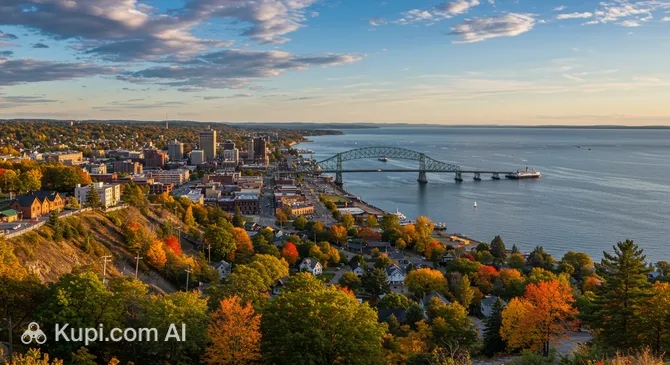
Duluth. Source: Kupi.Binoculars

Travelers flock to the area to witness the iconic Aerial Lift Bridge in action, rising to let giant ships pass into the harbor. Canal Park serves as the heart of the tourist district, offering a delightful mix of local shops, restaurants, and a scenic lake walk that stretches for miles. For those seeking outdoor adventure, the city is a perfect starting point for exploring the scenic North Shore or enjoying year-round activities at Spirit Mountain.

Whether you are watching a stunning sunrise over Lake Superior or exploring the local maritime museums, Duluth promises an unforgettable experience. It is a destination that invites you to slow down, breathe in the fresh air, and appreciate the undeniable grandeur of the Great Lakes region.
Weather Overview

Duluth experiences a distinct climate heavily influenced by its location on the shores of Lake Superior, leading to significant seasonal contrasts. The lake acts as a natural air conditioner, often keeping the city cooler in the summer and slightly warmer in the winter compared to inland areas. To help plan your trip effectively, you can view more detailed information about the weather in Duluth before you travel.

Summers are generally pleasant and mild, which is ideal for outdoor activities along the waterfront. July is typically the warmest month, with an average temperature of 20.3°C and daily highs reaching approximately 24.5°C. However, visitors should be prepared for some rain, as the summer months from June through August usually experience around 11 to 12 wet days each.

In contrast, the winter season is long and cold. January is the coldest month, with average temperatures dropping to -9.7°C and minimums often reaching -13.3°C. While the temperatures require warm layers, the winter months see fewer wet days compared to the spring and summer. Expect mild, comfortable summers with occasional rain and cold, relatively dry winters.

Interesting Facts

Beyond the scenic waterfront and industrial charm, Duluth holds several fascinating secrets that often surprise visitors. From culinary inventions to maritime records, the city boasts a collection of unique distinctions that set it apart from other Midwestern destinations.

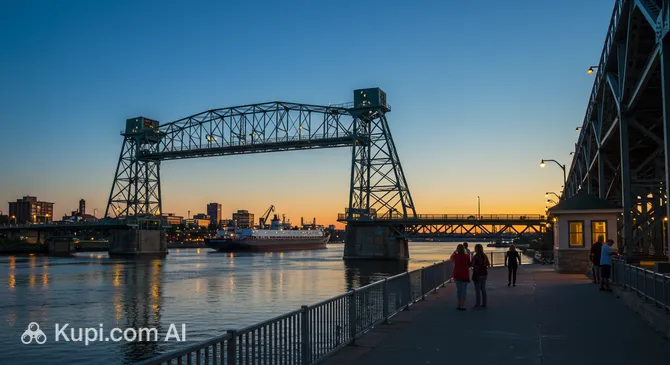
Aerial Lift Bridge. Source: Kupi.Binoculars
  • The iconic Aerial Lift Bridge has a rare engineering history; before it was converted to a vertical lift bridge in 1929, it operated as the first aerial transfer bridge in the United States, carrying passengers and cars across the canal in a suspended gondola.

  • Duluth is home to the farthest-inland freshwater seaport in North America, where massive ocean-going vessels, known locally as "salties," arrive after traveling more than 2,300 miles from the Atlantic Ocean through the St. Lawrence Seaway.

  • High above the city in Enger Park, you can find a massive Japanese Peace Bell, a gift from the sister city of Ohara, Japan, which stands as a unique symbol of international friendship overlooking the harbor.

  • The city claims a tasty slice of culinary history as the birthplace of the pizza roll, which was invented here in the 1960s by local entrepreneur Jeno Paulucci before becoming a freezer staple nationwide.

  • Music legend Bob Dylan was born in Duluth, and his legacy is quietly celebrated along a designated cultural pathway that winds through the downtown area, marking the early roots of the Nobel Prize-winning songwriter.

How to Get There

Reaching this scenic destination on the shores of Lake Superior is relatively straightforward, with options to fly directly into the city or arrive via a major hub nearby. Whether you prefer the convenience of a local landing or a scenic drive from the Twin Cities, you can find more about how to get to Duluth and plan the best route for your itinerary.

The most direct entry point is Duluth International Airport (DLH), located just 9.3 km from the city center. This regional airport offers a comfortable and efficient arrival experience. The journey from the terminal to downtown typically takes about 10 to 15 minutes by taxi or shuttle, making it an excellent choice for domestic travelers looking to minimize ground travel time.

Alternatively, many visitors choose to fly into Minneapolis–St. Paul International Airport (MSP). Although it is located in the city of Minneapolis, approximately 228 km away, it serves as a major international gateway with significantly more flight connections. The drive north to Duluth via Interstate 35 is scenic and takes about 2.5 to 3 hours. Several shuttle services also operate regular routes between this large airport and Duluth, catering to those who prefer not to rent a car.

For clarity, here is a summary of the main airports:

Airport Name City Passenger Traffic Km from City
Minneapolis–St. Paul International Airport Minneapolis Very Large 228.1
Duluth International Airport Duluth Medium 9.3
Oneida County Airport Rhinelander Small 241.1
Falls International Airport International Falls Small 220.6
Crow Wing County Airport Brainerd Small 161.5

Main Attractions

Duluth is packed with fascinating sites that celebrate its rich industrial past and stunning natural surroundings. From historic estates to interactive museums, the city provides a diverse range of experiences for visitors of all ages.

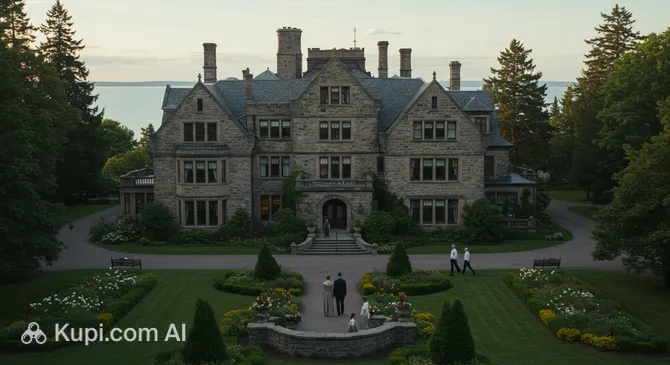
One of the most visited sites is the Glensheen Mansion, a historic estate located on the shores of Lake Superior. This 39-room Jacobean Revival mansion offers a glimpse into the lives of the wealthy Congdon family in the early 20th century. Visitors can tour the beautifully preserved interiors and wander through the expansive 12-acre gardens, making it a perfect spot for history buffs and architecture enthusiasts.

Glensheen Mansion. Source: Kupi.Binoculars

For those interested in the region's aquatic life, the Great Lakes Aquarium is a must-visit destination. Uniquely focused on freshwater ecosystems, this facility features interactive exhibits that showcase animals found in the Lake Superior basin and other rivers around the world. It is an educational and engaging experience, particularly well-suited for families traveling with children.

Great Lakes Aquarium. Source: Kupi.Binoculars

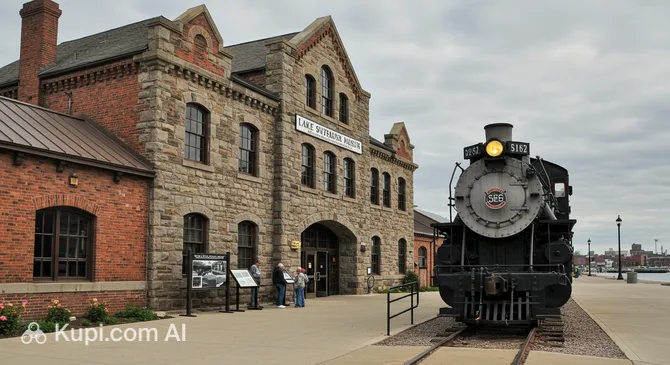
Railroad history comes alive at the Lake Superior Railroad Museum, housed within the historic St. Louis County Depot. The museum boasts an impressive collection of vintage locomotives and rolling stock, allowing guests to step inside historic train cars and learn about the pivotal role of railways in developing the region. It provides an immersive look at how trains shaped the iron ore and timber industries of the Northland.

Lake Superior Railroad Museum. Source: Kupi.Binoculars

Located right in the heart of Canal Park, the Lake Superior Maritime Visitor Center offers free admission and a wealth of information about the shipping industry. Operated by the U.S. Army Corps of Engineers, it provides excellent views of the harbor and features exhibits on shipwrecks, harbor history, and the mechanics of the nearby bridge. It is an ideal spot to watch massive freighters arrive while learning about the nautical heritage of the Great Lakes.

Local Cuisine

The culinary scene in Duluth is deeply rooted in the natural bounty of the North Woods and the pristine waters of Lake Superior. The local food culture emphasizes hearty, warming dishes designed to comfort visitors during the chilly winters, as well as fresh, locally sourced ingredients that celebrate the region's heritage. From rustic fish houses to trendy industrial-chic eateries, the city offers a dining experience that is both authentic and unpretentious.

One of the most iconic flavors of the region is wild rice, a native grain that is harvested from local lakes. It is a staple ingredient in many menus, most famously featured in creamy wild rice soup, often served with chicken or ham. Another "must-try" is Walleye, the state fish of Minnesota. Whether pan-fried, grilled, or served as a sandwich, this mild and flaky freshwater fish is a beloved local delicacy found in restaurants throughout the city.

For a true taste of the lake, visitors should explore the offerings at the historic DeWitt–Seitz Marketplace in Canal Park. This renovated warehouse is famous for its smoked fish, particularly smoked Lake Superior trout and salmon. It is the perfect place to grab a "Cajun Finn" sandwich or pick up some provisions for a lakeside picnic.

DeWitt–Seitz Marketplace. Source: Kupi.Binoculars

Duluth has also earned a reputation as a premier destination for craft beer enthusiasts. The secret ingredient cited by local brewers is the incredibly soft and clean water from Lake Superior. The city is home to numerous breweries, with the Lincoln Park Craft District serving as a central hub for the scene. A standout example is Bent Paddle Brewing, which uses this fresh lake water to craft award-winning ales and lagers that embody the spirit of the North.

Bent Paddle Brewing. Source: Kupi.Binoculars

The dining atmosphere in Duluth ranges from historic charm to modern innovation. For a glimpse into the past, the Pickwick Restaurant & Pub has been serving customers since 1914, offering classic charcoal-grilled steaks and a timeless wood-paneled ambiance. On the other end of the spectrum, the Duluth Grill has gained national attention for its fresh, organic approach to comfort food, transforming a former truck stop into a destination for creative dishes like bibimbap and homemade pies.

Travel Tips

Welcome to Duluth, a city where urban exploration meets the rugged wilderness of the North Shore. To ensure your visit to this lakeside gem is as smooth and enjoyable as possible, we have compiled a list of practical tips that cover everything from navigating the unique local climate to getting around the steep hills.

  1. Clothing and Gear: The golden rule for packing in Duluth is layering. The temperature near Lake Superior can be significantly cooler than just a few blocks inland, even in summer. Bring a windbreaker or fleece for evening walks along the Lakewalk, regardless of the season. In winter, heavy parkas, thermal layers, and waterproof boots are non-negotiable. Comfortable walking shoes are essential year-round, as the city is built on a steep hillside.

  2. Transportation: While the downtown and Canal Park areas are walkable, having a rental car is highly recommended to fully explore the Skyline Parkway and the scenic North Shore. Ride-sharing apps like Uber and Lyft are available, and the Duluth Transit Authority (DTA) operates buses, including the seasonal Port Town Trolley which connects major tourist districts in the summer.

  3. Finances: The local currency is the US Dollar (USD). Credit and debit cards are universally accepted at hotels, restaurants, and shops. ATMs are widely available throughout the city. Tipping is standard practice in the United States; expect to leave 15-20% for restaurant service and a few dollars for hotel staff or taxi drivers.

  4. Health and Safety: Duluth is generally a safe city for tourists. Major medical facilities, such as St. Luke's and Essentia Health, are located near the downtown area. For minor needs, pharmacies like Walgreens or CVS are easily accessible, though 24-hour options may be limited to specific locations. Always adhere to posted warnings at beaches, as Lake Superior's rip currents can be dangerous.

  5. Communication: English is the primary language spoken. Free Wi-Fi is standard in most hotels, coffee shops, and public buildings like the library. If you are an international traveler, purchasing a prepaid SIM card at a major retailer or mobile shop is straightforward. Useful local apps include parking payment apps and weather trackers.

  6. Local Etiquette: Minnesotans are known for being polite and friendly, a cultural trait often called "Minnesota Nice." It is common to greet strangers with a smile or a nod on the street. Holding the door for the person behind you is expected behavior. When driving, pedestrians in crosswalks always have the right of way.

  7. What to Avoid: Never underestimate the power of Lake Superior. Do not swim if warning flags are flying, and avoid walking on the pier breakwalls during storms, as waves can sweep people into the icy water. Additionally, avoid referring to the city as part of the "Twin Cities" (Minneapolis and St. Paul); Duluth has its own distinct identity.

  8. Shipping Schedule Hack: A unique tip for Duluth is to check the shipping schedule online or via local apps before heading to the Aerial Lift Bridge. Knowing exactly when the massive "salties" (ocean-going vessels) are arriving or departing guarantees you the best photo opportunities of the bridge lifting.

By keeping these practical tips in mind, you will be well-prepared to embrace the charm and adventure that Duluth has to offer. Whether you are watching ships arrive in the harbor or hiking the trails, a little preparation ensures your trip will be memorable for all the right reasons.

Entertainment & Nightlife

While Duluth is world-renowned for its outdoor adventures and daytime scenery, the city transforms into a cozy and vibrant hub for entertainment once the sun sets. The nightlife here reflects the character of the North Shore: laid-back, unpretentious, and deeply connected to local culture. Instead of high-end nightclubs with strict dress codes, you will find welcoming taprooms, intimate live music venues, and bustling waterfront districts where flannel shirts are as common as cocktail dresses.

The epicenter of evening activity is undoubtedly Canal Park. As the streetlights reflect off Lake Superior, visitors gather to enjoy dinner with a view or stroll along the lake walk. For a more trendy and industrial vibe, the Lincoln Park Craft District has emerged as the city's "cool" neighborhood. This revitalized area is packed with cideries, breweries, and restaurants housed in renovated warehouses, making it the perfect destination for a bar-hopping tour.

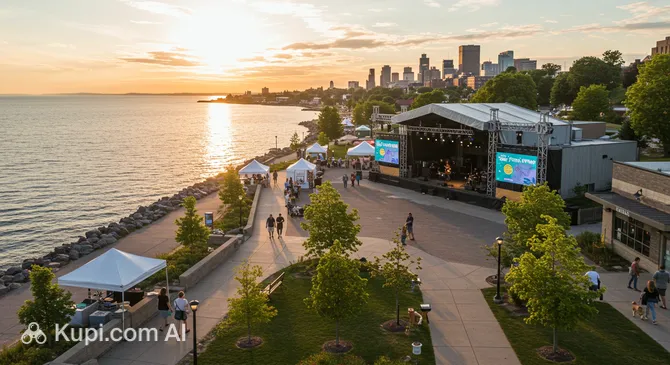
Live music is a staple of the local entertainment scene. For those visiting during the warmer months, Bayfront Festival Park is the premier outdoor venue. Situated right on the harbor, it hosts major concerts and festivals where you can enjoy world-class acts with the iconic Aerial Lift Bridge as a backdrop. It is an unforgettable way to spend a summer evening under the stars.

Bayfront Festival Park. Source: Kupi.Binoculars

For a more intimate setting, the "Twin Ports" area (encompassing Duluth and its neighbor Superior) offers excellent options. Just a short trip across the bridge, the Thirsty Pagan Brewing is a local favorite known for its house-brewed beers, gourmet pizzas, and frequent live jazz or folk performances in a rustic, friendly atmosphere. If you are looking for a sophisticated spot for tapas and craft cocktails, the Spirit Room provides a stylish escape with a relaxed, speakeasy-style ambiance.

Beyond the bars and music, Duluth offers unique evening experiences like sunset cruises with the Vista Fleet, allowing you to see the city skyline from the water. During the day, the entertainment options are equally diverse, ranging from family fun at the Duluth Children's Museum to cultural performances at local theaters and art galleries.

Practical Nightlife Tips:

  • Timing: Most bars and breweries close around 1:00 AM or 2:00 AM. The peak time for going out is typically between 9:00 PM and midnight.
  • Getting Around: Ride-sharing services like Uber and Lyft are widely available and are the safest way to travel between districts, especially if you are crossing between Canal Park and Lincoln Park.
  • Safety: Duluth is generally very safe for evening walks, particularly in well-lit tourist areas like Canal Park. However, as with any city, it is wise to stay aware of your surroundings and avoid unlit alleys late at night.
  • Dress Code: The vibe is "Northwoods Casual." You will feel comfortable in jeans and layers almost everywhere, though you can certainly dress up for a nice dinner or a night at the theater.

Parks & Museums

Beyond its bustling waterfront and industrial landmarks, Duluth offers a wealth of green spaces and cultural institutions that allow visitors to delve deeper into the region's history and natural beauty. The city's parks provide peaceful retreats with stunning lake views, while its museums preserve the stories of the people and industries that built the Northland.

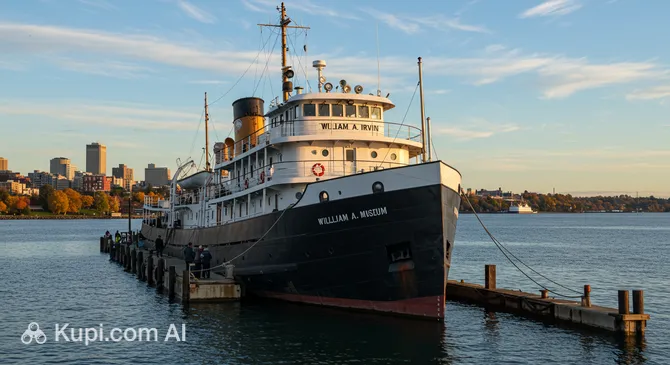
A standout historical attraction is the William A. Irvin Museum. Docked permanently in the harbor, this massive ore boat once served as the flagship of the U.S. Steel's Great Lakes fleet. Today, it operates as a floating museum where guests can tour the officer's quarters, the engine room, and the enormous cargo holds. It provides a tangible connection to the dangerous and vital work of the sailors who navigated these waters.

William A. Irvin Museum. Source: Kupi.Binoculars

For those who appreciate Victorian architecture, the Fairlawn Mansion & Museum is a short distance away and offers a fascinating contrast to the industrial harbor. This 1890 Queen Anne Victorian house features a four-story turret and lush gardens. The museum not only showcases the grandeur of the lumber boom era but also tells the compassionate story of its time as a children's home, offering a unique dual narrative of wealth and community service.

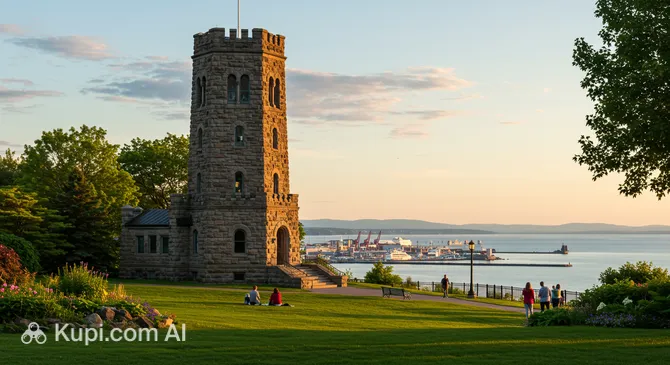
When it comes to outdoor spaces, Enger Park is a crown jewel located atop the bluffs. It is famous for Enger Tower, a stone structure that visitors can climb for one of the best panoramic views of Duluth and the Twin Ports. The park is also home to beautifully landscaped flower gardens and peaceful walking paths, making it a perfect spot for a picnic with a view.

Enger Park. Source: Kupi.Binoculars

Ideally situated along the shore of Lake Superior, Leif Erikson Park is a favorite for leisurely strolls. The park features a replica of a Viking ship and serves as a gateway to the Duluth Rose Garden. This formal English-style garden sits atop a highway tunnel and boasts over 3,000 rose bushes and other flowering plants. It is a sensory delight of colors and fragrances, set against the dramatic backdrop of the open lake.

Duluth Rose Garden. Source: Kupi.Binoculars

Nature enthusiasts looking for a more rugged experience should explore the Hartley Nature Center. This expansive urban wilderness offers miles of trails for hiking, mountain biking, and cross-country skiing, winding through forests and wetlands. Alternatively, for a day at the beach, the Park Point Recreation Area is located at the end of the world's longest freshwater sandbar, offering sandy dunes, swimming spots, and a distinct maritime forest environment.

Getting Around

The public transport system in Duluth is relatively compact and straightforward, primarily relying on a network of buses operated by the Duluth Transit Authority (DTA). Unlike larger metropolitan areas, the city does not have a subway or light rail system for daily commuting. The bus network is reliable and connects the downtown area with major neighborhoods, shopping districts, and the nearby city of Superior, Wisconsin. For tourists, the most relevant route is often the Port Town Trolley, a seasonal service running during the summer months that connects downtown, Canal Park, and Bayfront Festival Park.

Paying for rides is convenient and modern. The DTA utilizes a mobile ticketing app, typically Token Transit, which allows passengers to purchase passes directly on their smartphones and simply show the screen to the driver upon boarding. This is the easiest option for visitors. Alternatively, you can pay with cash when boarding the bus, but you must have exact change as drivers cannot provide change. Fares are very affordable, with a standard one-way ticket costing approximately $1.50, and day passes available for unlimited rides, which are a great value for travelers planning to explore multiple spots.

For those visiting during the colder months, Duluth offers a unique form of pedestrian "transportation" known as the Skywalk System. This network of climate-controlled, enclosed bridges connects over 3.5 miles of downtown buildings, hotels, shops, and restaurants. It allows you to navigate the city center comfortably without stepping outside into the snow or wind. Navigating the Skywalk can be a bit like a maze, so look for color-coded signs and maps posted at junctions to help you find your way.

While the bus system is efficient for reaching main attractions, many visitors find that ride-sharing services like Uber and Lyft offer more flexibility, especially for reaching destinations further up the steep hills or along the scenic North Shore. Traditional taxis are also available but usually need to be called in advance rather than hailed on the street. If you are staying downtown or in Canal Park, walking is often the best option, though be prepared for significant elevation changes if you venture away from the lakefront.

A special mention must be made of the North Shore Scenic Railroad. While not a mode of public transport for commuting, it is a historic train that operates from the St. Louis County Depot. It offers excursion trips along the lakefront and into the north woods, providing a nostalgic way to see the landscape. Operating schedules vary by season, so it is wise to check their timetable if you wish to experience this historic rail journey.

Accommodation

Finding the perfect place to stay in Duluth is an integral part of the travel experience, with options ranging from rustic lodges to modern waterfront resorts. The city offers a diverse accommodation landscape that caters to families, outdoor enthusiasts, and business travelers alike. Visitors can choose from charming bed and breakfasts tucked away in historic neighborhoods, reliable chain hotels near shopping districts, or luxurious suites with sweeping views of Lake Superior.

For most tourists, the most desirable area to stay is Canal Park. This district places you right in the heart of the action, within walking distance of the lake walk, restaurants, and the iconic lift bridge. Staying here means waking up to the sound of seagulls and the sight of ships entering the harbor. Alternatively, the Downtown area offers convenient access to the Skywalk system and local breweries, while the area around Miller Hill provides more budget-friendly chain hotels and easy access to the mall and airport.

If you are looking for a unique stay that combines industrial heritage with modern comfort, the Pier B Resort Hotel is a standout choice. Located right on the water's edge near Bayfront Festival Park, this resort was built on the site of a former cement dock. It features its own boat slip and an outdoor hot tub that overlooks the harbor, offering guests a front-row seat to the maritime activity of the port.

Pier B Resort Hotel. Source: Kupi.Binoculars

Booking Tips and Prices: Accommodation prices in Duluth fluctuate significantly depending on the season. During the peak summer months (June through August) and the fall foliage season (late September to early October), rates are at their highest, and availability can be scarce. It is highly recommended to book your room at least two to three months in advance if you plan to visit during these popular times or during major events like Grandma's Marathon. While winter offers the most affordable rates, weekends can still be busy with visitors enjoying winter sports.

Most travelers book through major online platforms, but checking directly with local inns or smaller motels can sometimes yield better deals or special packages. Whether you prefer a room with a fireplace or a simple spot to rest after a hike, planning ahead ensures you secure the best location for your North Shore adventure.

Nearby Cities

For those looking to explore the surroundings, Duluth serves as an excellent base for day trips to several interesting nearby locations:

Just across the bay lies Superior, Wisconsin. Often considered the other half of the "Twin Ports," this city shares the harbor and offers distinct attractions such as the Richard I. Bong Veterans Historical Center and the scenic sandy beaches of Wisconsin Point. Its immediate proximity makes it an effortless excursion for visitors staying in Duluth.

Traveling northwest into the Iron Range, Hibbing offers a deep dive into the region's industrial history. It is famous for the Hull-Rust-Mahoning Mine View, often called the "Grand Canyon of the North," and is celebrated as the childhood hometown of Bob Dylan. It provides a perfect educational day trip to understand the mining heritage that built the area.

City Population Distance (km)
Superior 26,601 7
Lino Lakes 21,180 196
Forest Lake 20,366 181
Ham Lake 16,389 192
Hibbing 16,224 95

These nearby destinations offer a glimpse into the diverse culture and landscapes of the region.

Shopping & Souvenirs

To ensure your visit to Duluth is complete, a tour of the local shops is a must. The city offers a shopping experience that perfectly reflects its dual identity as a gateway to the rugged wilderness and a modern commercial hub. From historic waterfront warehouses filled with local treasures to expansive retail centers, there is something to satisfy every style and budget.

One of the most popular destinations for visitors is the Canal Park district. This walkable area is teeming with boutiques, outdoor outfitters, and souvenir stores that celebrate the maritime spirit of the North Shore. A highlight of the neighborhood is the DeWitt–Seitz Marketplace. Located in a beautifully preserved historic building, this multi-story collection of shops offers unique gifts, gourmet kitchenware, and handcrafted goods, all set against the backdrop of the busy harbor.

For those seeking a more extensive retail experience, the "hilltop" area serves as the region's primary commercial center. Here you will find the Miller Hill Mall, which stands as the largest shopping complex in the area. It features a wide variety of major department stores, fashion chains, and specialty retailers, making it the ideal place to stock up on travel essentials or enjoy a day of browsing famous brands.

Beyond the main centers, Duluth is renowned for its locally made products that are built to last. The city has a long tradition of manufacturing high-quality canvas packs, woolen goods, and flannel apparel designed to withstand the northern elements. Visitors should also keep an eye out for local culinary specialties, such as wild rice, maple syrup, and jams made from native berries, which make for delicious and authentic souvenirs.

Reached the end of the page?

That means the route is fully explored