Support

Ironwood

About

Ironwood is a captivating destination often referred to as the "Western Gateway" to Michigan's Upper Peninsula. Known for its welcoming atmosphere and rich cultural tapestry, this city serves as a hub for outdoor enthusiasts and history buffs alike. With a population of approximately 5,000 residents, it offers a cozy, small-town feel while providing access to some of the most rugged and beautiful wilderness in the region.

Located along the Montreal River, which forms the border with Wisconsin, Ironwood is famous for its distinct four seasons and particularly its snowy winters. It is situated in "Big Snow Country," making it a premier location in the northern United States for winter sports. The surrounding landscape features lush forests, dramatic waterfalls, and rolling hills, creating a scenic backdrop for adventure year-round.
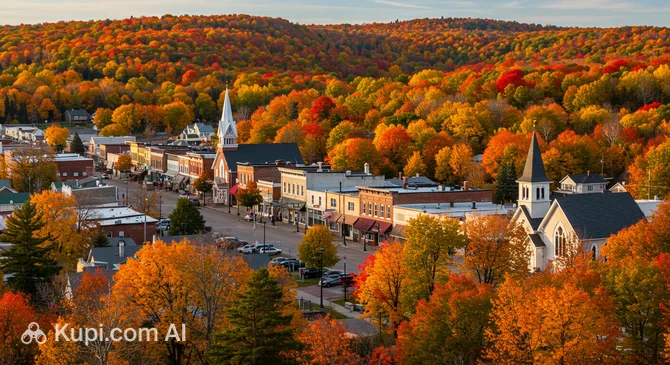
Ironwood. Source: Kupi.Binoculars

The city was founded on the success of the iron mining industry, which drew people from all over the world to this area in the late 19th century. Visitors interested in the past can explore the fascinating history of Ironwood, which is preserved in local museums and visible in the historic architecture of the downtown area. This heritage has deeply influenced the local culture and community spirit.

Ironwood boasts several unique attractions that draw travelers from far and wide. The city is home to the Hiawatha statue, known as the "World's Tallest Indian," which stands as an iconic symbol of the town. Another must-visit landmark is Copper Peak, the only ski flying hill in the Western Hemisphere, offering visitors a chance to take an "adventure ride" to the top for breathtaking panoramic views. Additionally, the nearby Black River National Forest Scenic Byway provides easy access to a series of stunning waterfalls leading to Lake Superior.

Whether you are seeking thrilling outdoor activities like skiing and snowmobiling, or simply want to relax and enjoy the scenic beauty of the Northwoods, Ironwood is the perfect destination. Plan your visit today to experience the warmth and adventure of this unique Michigan city.

Weather Overview

Ironwood experiences a distinct four-season climate, offering travelers a variety of atmospheric conditions depending on the time of year. To ensure you pack appropriately for your trip, it is recommended to check the detailed forecast for the weather in Ironwood before you depart.

Winters in this region are characteristically cold, with January being the coldest month, featuring an average temperature of -8.0°C and lows that can drop to -11.2°C. This season sees consistent precipitation events, with December and January typically recording around 12 to 13 wet days each. As the city transitions into spring, temperatures rise gradually, moving from a chilly -1.7°C average in March to a pleasant 12.9°C by May.

The summer months offer the most comfortable conditions for outdoor adventures. July is generally the warmest time of the year, with average temperatures hovering around 20.8°C and daily highs reaching a balmy 25.7°C. Autumn brings a crisp coolness, with September averages of 16.7°C quickly dropping to near freezing by November. Overall, expect warm summers with occasional rain and cold winters with frequent precipitation.

Interesting Facts

Beyond the scenic trails and historic mines, Ironwood holds fascinating stories and unique distinctions that surprise many visitors. From iconic fashion to rare musical treasures, the city offers details that go far deeper than its snowy reputation.

  • Home of the Stormy Kromer: Ironwood is the manufacturing headquarters for the legendary Stormy Kromer cap. Although the cap was originally invented in Wisconsin, this city is now the heart of production for the iconic wool hat, and visitors can even tour the factory to see how these symbols of the Northwoods are hand-stitched.

  • A View of Three States and Canada: While Copper Peak is famous as a ski flying hill, its observation deck offers a geographical marvel. On a clear day, the visibility stretches for roughly 40 miles, allowing you to see not just Michigan and Wisconsin, but also Minnesota and all the way across Lake Superior to the shores of Canada.

  • A Rare Musical Gem: The Historic Ironwood Theatre is home to a fully functional Barton pipe organ, installed in 1928. It is one of the very few remaining organs of its kind in the United States that is still in its original location and played regularly, preserving the authentic sound of the silent film era.

  • Extreme Snowfall: Ironwood is frequently cited as one of the snowiest cities in the country outside of mountainous regions. Thanks to "lake-effect" snow from Lake Superior, the area often receives over 200 inches of snow annually, creating a winter landscape so intense that it has shaped the local architecture and lifestyle.

How to Get There

Reaching the scenic "Western Gateway" of Michigan requires a bit of planning, as the city is situated in a relatively remote area of the Upper Peninsula. While there are no large commercial transport hubs directly within the town limits, visitors can fly into several regional airports located in neighboring cities and states. For a complete overview of travel options, you can read more about how to get to Ironwood on our detailed page.

The closest commercial airport listed is the Oneida County Airport (RHI), located in the city of Rhinelander, Wisconsin. It is situated approximately 107 km from Ironwood. The drive from Rhinelander typically takes about 1 hour and 30 minutes by rental car or taxi, offering a scenic route through the Northwoods.

For those seeking more flight connections, the Duluth International Airport (DLH) is a significant option. Located in Duluth, Minnesota, this airport is about 160 km away. It handles a larger volume of passengers compared to other nearby facilities, making it a reliable choice for travelers. The journey by road from Duluth to Ironwood generally takes around 2 hours. Another alternative is the Houghton County Airport (CMX) in Hancock, Michigan, roughly 151 km to the northeast, which serves as another entry point to the region.

For clarity, here is a summary of the main airports serving the area:

Airport Name City Passenger Traffic Km from City
Duluth International AirportDuluthMedium160.7
Central Wisconsin AirportWausauMedium190.4
Houghton County AirportHancockSmall150.9
Oneida County AirportRhinelanderSmall107.1
Ford AirportIron MountainSmall173.9

Main Attractions

Ironwood offers a delightful mix of outdoor adventures, historic landmarks, and cultural treasures. Whether you are looking to scale great heights for panoramic views or explore the serene beauty of waterfalls, the city's top sights provide memorable experiences for every type of traveler.

Copper Peak is arguably the most thrilling attraction in the region. Known as the only ski flying hill in the Western Hemisphere, it offers the popular "Adventure Ride," where visitors take an 800-foot chairlift followed by an 18-story elevator ride to the main observation deck. From the top, you are treated to an unparalleled 360-degree view that encompasses nearly 2,500 square miles, including vistas of Lake Superior and three states. It is a must-visit for thrill-seekers and photographers alike.

For those who appreciate natural beauty, the Black River National Forest Scenic Byway is an essential stop. This picturesque route winds through the Ottawa National Forest and features access to five spectacular waterfalls: Great Conglomerate, Potawatomi, Gorge, Sandstone, and Rainbow Falls. Each waterfall is accessible via hiking trails ranging from easy walks to more rugged treks, and the byway eventually leads to the beautiful Black River Harbor on the shores of Lake Superior, perfect for a sunset picnic.

Standing tall as a symbol of the city is the Hiawatha Statue. Towering at 52 feet, this fiberglass structure is known as the "World's Tallest Indian" and serves as a welcoming landmark for visitors entering Ironwood. Located in a small park, it provides a unique photo opportunity and a chance to learn a bit about the local lore and the statue's history as a tribute to the region's heritage and peace.

Culture enthusiasts should not miss the Historic Ironwood Theatre. Built in 1928, this architectural gem has been lovingly restored to its original splendor, featuring exquisite murals and a classic marquee that lights up the downtown area. The theatre is a hub for live performances and silent movies accompanied by its famous Barton pipe organ, offering guests a nostalgic step back into the golden age of cinema and entertainment.

Local Cuisine

The culinary scene in Ironwood is a heartwarming reflection of its rich mining history and diverse cultural roots. Located in the Upper Peninsula, the city offers a dining experience defined by comfort food, generous portions, and a welcoming, small-town atmosphere. Visitors will find that the local flavors are heavily influenced by the traditions of the Cornish, Italian, and Finnish immigrants who settled in the area to work the mines.

A true staple of the region is the pasty, a savory hand-held pie that is considered a must-try for any traveler. Originally brought over by Cornish miners as a convenient, hearty lunch for their shifts underground, the traditional pasty is filled with beef, potatoes, onions, and rutabaga, all wrapped in a sturdy, golden crust. You can find these iconic treats at various bakeries and shops throughout the city, often served with a side of ketchup or gravy.

Ironwood also boasts a vibrant Italian heritage, which is celebrated in its local restaurants and classic supper clubs. This legacy ensures a steady supply of authentic homemade pastas, rich sauces, and stone-fired pizzas. In addition to savory meals, the city's Finnish influence shines through in its bakeries, where you can taste nisu (also known as pulla), a sweet cardamom-spiced bread that pairs perfectly with a morning coffee.

For a quintessential local experience, join the residents for a traditional Friday Fish Fry. This weekly custom is popular across the northern United States and features fresh catches like walleye, perch, or whitefish, typically battered and served with coleslaw, rye bread, and potatoes. It is more than just a meal; it is a social event that highlights the friendly community spirit of Ironwood.

Travel Tips

Welcome to Ironwood! To make the most of your visit to this scenic gateway of the Upper Peninsula, a little preparation goes a long way. Here are some practical tips to help you navigate the local lifestyle and rugged environment with ease.

  1. Pack Smart for the Season. Ironwood is located in "Big Snow Country," so if you are visiting in winter, thermal layers, heavy coats, and waterproof boots are absolutely essential. In summer, clothing can be lighter, but always bring a jacket for cool evenings and—most importantly—effective insect repellent to ward off mosquitoes and black flies while hiking.

  2. Transportation Essentials. A personal vehicle is virtually required to get around. There is no metro or extensive public transit system, and ride-hailing apps like Uber or Lyft are often unavailable or unreliable in this rural area. Renting a car, preferably with four-wheel drive during winter months, is the best way to access the waterfalls and scenic byways.

  3. Managing Your Finances. The local currency is the US Dollar (USD). While credit and debit cards are widely accepted at hotels, supermarkets, and larger restaurants, it is wise to carry some cash. You may need it for small purchases at local bakeries, tipping, or entrance fees at smaller parks. ATMs are readily available in the downtown area.

  4. Health and Safety. Ironwood is a safe and peaceful community, but when exploring the outdoors, be mindful of nature. Check yourself for ticks after hiking in the woods. For medical needs, there are pharmacies in town, and the local hospital, Aspirus Ironwood, handles emergencies. Dial 911 for immediate assistance.

  5. Communication and Connectivity. English is the primary language spoken. While cell service is reliable within the city limits, be prepared for signal dead zones once you venture into the Ottawa National Forest or towards the Black River Harbor. It is highly recommended to download offline maps and save your itinerary before heading out on remote trails.

  6. Local Etiquette. Residents of the Upper Peninsula, often affectionately known as "Yoopers," are famous for their hospitality. It is customary to be polite, hold doors for others, and wave to passing drivers on back roads. The pace of life here is relaxed, so don't rush; locals are usually happy to chat and share advice about the area.

  7. What to Avoid. Do not underestimate winter driving conditions. "Lake-effect" snow can reduce visibility to near zero in minutes, so avoid speeding and keep a safe distance from other vehicles. Additionally, avoid trespassing on marked private lands, especially near old mining sites which can be hazardous.

  8. Check Seasonal Hours. Ironwood is a seasonal destination, and operating hours can vary significantly. Attractions like the Copper Peak adventure ride or certain museums may close or have limited schedules during the "shoulder seasons" (spring thaw and late autumn). Always verify opening times online before driving to a specific site.

With these tips in hand, you are fully prepared to embrace the adventure and charm of Ironwood. Whether you are navigating snowy trails or enjoying a summer sunset by the lake, a safe and memorable journey awaits you in the Northwoods.

Entertainment & Nightlife

Nightlife in Ironwood reflects the city's friendly, small-town character, offering a relaxed alternative to the high-energy club scenes of larger metropolises. Instead of thumping dance floors and strict velvet ropes, you will find cozy breweries, historic taverns, and classic supper clubs where the atmosphere is warm and the dress code is decidedly casual. The evening entertainment here is often centered around "apres-ski" relaxation in the winter or laid-back patio gatherings during the warmer months.

The hub of local activity after dark is primarily located in Downtown Ironwood, with Aurora Street serving as the main artery for evening pedestrians. This walkable district allows visitors to hop between venues easily. The crowd is a mix of locals sharing stories of the day and tourists winding down after hiking or snowmobiling. Flannel shirts and jeans are the standard attire, fitting perfectly with the rustic and unpretentious vibe of the Upper Peninsula.

For a taste of the local craft beverage scene, Cold Iron Brewing is a standout destination. Located on Aurora Street, this brewery serves as a community living room where visitors can sample locally made beers in a renovated historic building. It frequently hosts live music and food trucks, making it a lively spot to spend an evening. Another popular venue is Don & GG's, a restaurant and bar known for its hearty food and welcoming bar area, which often stays active into the night.

Those seeking cultural entertainment should check the schedule for the Historic Ironwood Theatre. While it is a daytime architectural landmark, it truly comes alive at night with a diverse lineup of concerts, plays, and screenings of classic films. Seeing a show here, often accompanied by the theater's vintage pipe organ, provides a sophisticated yet accessible night out that captures the artistic spirit of the city.

When planning a night out, keep in mind that "late night" in Ironwood might end earlier than you are used to. Many bars and kitchens close by 10:00 PM or 11:00 PM, especially on weekdays, though weekends can see activity stretching toward 2:00 AM at select taverns. Prices are generally very affordable compared to big cities, with pint prices and cover charges (if any) being quite reasonable.

Safety is rarely a concern in Ironwood, and the downtown area is generally safe for walking at night. However, street lighting can be dimmer on side streets, so stick to the main thoroughfares. Public transportation and ride-sharing services like Uber or Lyft are virtually non-existent late at night. It is crucial to plan your transport in advance; keep the number of a local taxi service handy or ensure you have a designated driver if you are staying outside the immediate downtown area.

Before the sun sets, Ironwood offers plenty of daytime diversions to fill your itinerary. Visitors can explore the region's rich heritage at local history museums, browse unique antique shops downtown, or enjoy the surrounding natural beauty. The city's parks and nearby trails provide excellent opportunities for hiking and photography, ensuring that your days are just as engaging as your evenings.

Parks & Museums

Ironwood seamlessly blends its rugged industrial past with a vibrant present, offering visitors a compelling mix of reclaimed natural spaces and cultural institutions. The city’s parks often tell a story of transformation, turning former mining grounds into lush recreational areas, while its museums preserve the heritage that built the community.

One of the city's most significant green spaces is the Miners Memorial Heritage Park. This expansive area is a testament to Ironwood's history, located right in the heart of the city. It features a network of trails that are perfect for hiking in the summer and cross-country skiing or snowshoeing in the winter. As you explore the terrain, you will encounter interpretive signs and remnants of the old iron mines, offering a unique opportunity to learn about the region's geology and industrial legacy while enjoying the fresh air of the United States Northwoods.

For a more traditional park experience, Norrie Park provides a peaceful retreat along the Montreal River. It is a favorite spot for locals and visitors alike, featuring a community garden, picnic areas, and a playground. The park's wooded setting makes it an excellent location for a quiet afternoon walk or a family gathering. During the warmer months, the gentle sounds of the river and the shaded paths offer a cooling escape from the sun.

To dive deeper into the local culture, a visit to the Ironwood Area Historical Society is essential. Housed in the beautifully restored Chicago and North Western Railroad Depot, which dates back to 1892, the museum serves as the custodian of the city's memories. Inside, you will find exhibits detailing the boom years of iron mining, the logging industry, and the daily lives of the immigrants who settled here. The architecture of the depot itself is a highlight, featuring red sandstone that is characteristic of the Lake Superior region.

Art enthusiasts will find a welcoming atmosphere at the Downtown Art Place (DAP). This volunteer-run visual arts center is dedicated to promoting the creative spirit of the community. It features galleries showcasing the work of local and regional artists, ranging from paintings and photography to pottery and textiles. The center frequently hosts workshops and exhibitions, making it a lively hub where tourists can engage with the contemporary culture of the Upper Peninsula.

For a truly authentic experience, look for the small Art Park located in the downtown district. This "pocket park" is tucked away between buildings and features colorful murals and seasonal decorations. It is a charming, lesser-known spot perfect for enjoying a takeaway coffee and admiring the local street art that adds a splash of color to the historic streetscape.

Getting Around

Given the modest size of the city, the public transport system in Ironwood is quite different from what you might find in larger metropolitan areas. There are no subways, trams, or trolleybuses here. Instead, public transportation is primarily provided by a bus service known locally as the "Little Blue Bus," operated by Gogebic County Transit. This service is the main lifeline for residents and visitors without personal vehicles who need to navigate the town and the immediate surrounding areas.

The bus system functions largely on a "dial-a-ride" or demand-response basis rather than following a strict, high-frequency fixed schedule like a city metro. This means that to use the service, you typically need to call the transit authority in advance to schedule a pickup. The buses connect Ironwood with nearby communities such as Bessemer and Wakefield. Operating hours are generally limited to daytime hours on weekdays, with reduced or no service available on weekends and major holidays, so it is crucial to check the current schedule before making plans.

Regarding payment, the system is straightforward and old-fashioned. There are no complex digital travel cards, mobile apps, or tap-to-pay turnstiles. Fares are very affordable and are usually paid in cash directly to the driver upon boarding. It is highly recommended to carry exact change, as drivers may not be able to provide change for large bills. Discounts are often available for seniors, students, and persons with disabilities.

For those seeking alternatives to the bus, options are somewhat limited. Ride-sharing apps like Uber and Lyft are often unreliable or completely unavailable in this rural region. There are a few local taxi services, but they typically require booking a ride well in advance rather than hailing one on the street. Because of this, most visitors find that renting a car is the most practical and efficient way to get around, especially if you plan to visit the waterfalls and ski hills located outside the city center.

If you are staying strictly within the historic downtown district, walking is a viable and pleasant option. The area is compact, and many shops, restaurants, and the historic theatre are located within a few blocks of each other. During the summer, biking is also a popular way to explore the local streets and nearby trails, though you will likely need to bring your own bike or arrange a rental beforehand, as dedicated city bike-share stations do not exist.

Accommodation

Accommodation in Ironwood is designed with the outdoor enthusiast in mind, offering a welcoming mix of reliable chain hotels, retro-style motels, and rustic cabins. As a primary hub for the Western Upper Peninsula, the city’s lodging options prioritize comfort and practicality, serving as cozy basecamps for visitors returning from a long day on the ski slopes, snowmobile trails, or hiking paths. While you will not find high-rise luxury resorts here, you will encounter the warm hospitality and "Northwoods" charm that the region is famous for.

For travelers seeking familiar amenities, several well-known national franchises operate within the city limits. These hotels typically offer standard conveniences such as heated indoor pools, complimentary hot breakfasts, and fitness centers. They are particularly popular with families and those looking for a consistent experience. Many of these establishments are located along the main thoroughfares, providing easy access to downtown dining and the highway for day trips to nearby waterfalls or Lake Superior.

A distinctive feature of Ironwood’s hospitality scene is the prevalence of independent, family-run motels. These classic roadside establishments offer a nostalgic travel experience, often featuring drive-up rooms and affordable rates. They are especially favored by snowmobilers and motorcyclists due to the ample trailer parking and direct access to the area's extensive trail networks. It is not uncommon to find motels here that provide specific amenities for winter sports, such as heated wax rooms for skis or drying areas for snow gear.

Given the area's deep Finnish heritage, many accommodations in Ironwood feature authentic saunas. This cultural staple is considered essential by locals for relaxing muscles after a day in the cold, and it is a unique amenity that sets the lodging experience here apart from other destinations in the United States. whether you are staying in a hotel or a rental cabin, asking about sauna availability is highly recommended for the full local experience.

For those preferring a more secluded stay, the surrounding area offers numerous vacation rentals, chalets, and log cabins, particularly near the ski hills just outside of town. These options provide a home-away-from-home atmosphere, often equipped with full kitchens and fireplaces. When planning your trip, keep in mind that Ironwood is a four-season destination; while summer is busy, the winter months—especially during peak ski season and major festivals—can see accommodations fill up quickly, so booking well in advance is advisable.

Nearby Cities

For those looking to explore the surroundings, Ironwood serves as an excellent base for day trips to several interesting nearby locations:

City Population Distance (km)
Duluth 118975 153
Superior 26601 151
Wausau 76016 171
Marshfield 25793 198
Eau Claire 103586 210

One of the most popular destinations for a day trip is Duluth, located on the shores of Lake Superior. This scenic port city is famous for its maritime heritage, featuring the iconic Aerial Lift Bridge and the bustling Canal Park district. Visitors can explore the Great Lakes Aquarium, tour historic vessels, or enjoy the rugged beauty of the lakefront.

Just across the bridge from Duluth lies Superior, which offers a quieter but equally engaging experience. It is home to the Richard I. Bong Veterans Historical Center and the stunning Wisconsin Point, a long sandbar that is perfect for birdwatching and beachcombing. The proximity of these two cities allows travelers to easily visit both in a single trip.

For those interested in the arts and outdoor recreation, Wausau in central Wisconsin is an excellent choice. The city boasts the renowned Leigh Yawkey Woodson Art Museum and is the gateway to Rib Mountain State Park, where visitors can hike trails offering panoramic views of the surrounding landscape.

These nearby destinations offer a glimpse into the diverse culture and landscapes of the region.

Shopping & Souvenirs

Shopping in Ironwood offers a delightful departure from the hustle of large commercial centers, inviting visitors to explore a retail landscape defined by small-town charm and local heritage. Instead of sprawling mega-malls, you will find independent boutiques, historic storefronts, and specialty shops that reflect the rugged character of the Upper Peninsula. The experience is less about high-end fashion and more about discovering high-quality outdoor gear, unique antiques, and handcrafted goods that tell the story of the region.

The heart of the city's shopping district is located in Downtown Ironwood, with Aurora Street serving as the main thoroughfare. A stroll down this historic street offers a mix of gift shops, bookstores, and art galleries set within beautifully preserved buildings. It is a walkable area where shop owners often greet customers by name. Visitors can browse for vintage treasures, locally made jewelry, and "Northwoods" decor that captures the rustic aesthetic of the surroundings.

Given the city's modest size, Ironwood does not host large modern shopping malls. For those needing travel essentials, groceries, or general supplies, the commercial strip along US Highway 2 (also known as Cloverland Drive) features several larger chain stores and plazas. While these provide convenience, the true flavor of the city is found in the smaller, locally-owned establishments downtown rather than in these functional shopping areas.

For a taste of fresh local flavor, the Ironwood Farmers Market is a seasonal highlight that draws the community together. Typically held in the park near the historic depot during the warmer months, this market showcases the agricultural bounty of the area. Here, you can purchase fresh produce, homemade jams, maple syrup, and artisan crafts directly from the growers and makers. It is an excellent place to find authentic, edible souvenirs and to mingle with local residents.

When it comes to souvenirs, there is one item that is absolutely essential: the Stormy Kromer cap. Ironwood is the home of this legendary wool hat, which has become an icon of the American outdoor lifestyle. Visitors can shop for these caps, along with coats and accessories, at local retailers or the factory store. Other popular keepsakes include copper art, reflecting the mining history, and "Yooper" themed merchandise that celebrates the unique culture of the Upper Peninsula.

Store hours in Ironwood generally follow a relaxed, small-town schedule. Most downtown shops open around 9:00 AM or 10:00 AM and close by 5:00 PM on weekdays and Saturdays. It is important to note that many independent businesses may be closed or have limited hours on Sundays. As for payment, major credit and debit cards are widely accepted throughout the city and the United States, though carrying some cash is recommended for small purchases at the farmers market or smaller family-run spots.

Sales tax is applied to most purchases in Michigan, and there is generally no tax-free refund system available for international tourists for standard retail goods. Travelers should expect the listed price on the shelf to be lower than the final total at the register once the state sales tax is added.

Reached the end of the page?

That means the route is fully explored