Support

Camp Douglas

About

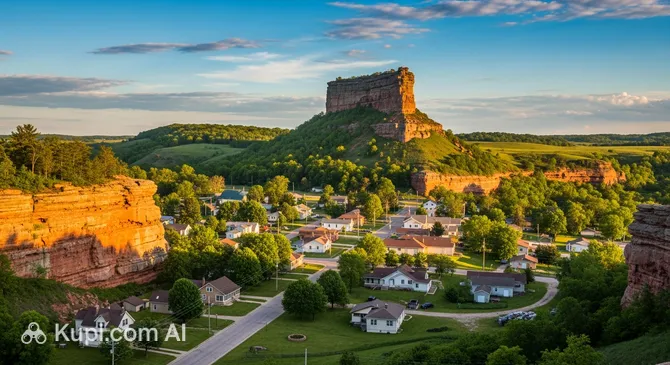
Camp Douglas is a captivating village located in Juneau County, Wisconsin, known for its distinctive landscape and strong community spirit. Situated in the United States, this small municipality with a population of approximately 730 residents offers a peaceful atmosphere set against a backdrop of dramatic scenery. It serves as a gateway to some of the region's most unique geological formations, making it a memorable stop for travelers exploring the Midwest.

Camp Douglas. Source: Kupi.Binoculars

The geography of the area is truly striking, characterized by towering sandstone buttes and mesas that rise abruptly from the flat plains. These ancient rock formations are a hallmark of the region and provide stunning photo opportunities. To understand how this unique settlement developed amidst such natural ruggedness, you can delve into the history of Camp Douglas, which reveals its long-standing significance as a transportation and military hub.

One of the village's primary claims to fame is its deep military heritage. It is home to Volk Field Air National Guard Base and the Wisconsin National Guard Museum, where visitors can view aircraft displays and learn about the state's aviation history. For nature enthusiasts, the nearby Mill Bluff State Park offers hiking trails that lead to panoramic views of the spectacular bluffs. Whether you are interested in military history or seeking outdoor adventure, Camp Douglas invites you to discover its unique charm.

Weather Overview

Camp Douglas experiences a continental climate characterized by distinct seasonal changes, offering a variety of conditions for travelers throughout the year. Summers are typically warm and inviting, with July being the hottest month, boasting average temperatures around 22.9°C and highs reaching up to 27.6°C. This period is ideal for exploring the local parks, though you might encounter some rainfall, as wet days are relatively common during the warmer months.

Winters in the village are cold and dry, transforming the landscape into a frosty scene. January is generally the coldest month, with average temperatures dropping to -6.3°C and lows frequently hitting -10.2°C. If you are planning a visit during this time, heavy coats and thermal wear are essential. To help you pack appropriately for your specific travel dates, it is helpful to review the current weather in Camp Douglas before you depart.

Spring and autumn offer milder, transitional weather, though spring can be quite wet, with April and May seeing about 13 rainy days each. September is particularly pleasant, maintaining a comfortable average of 18.7°C before the chill of late autumn sets in. Overall, you can expect warm summers with occasional rain and cold, dry winters.

Interesting Facts

Beyond its scenic landscapes and well-known landmarks, Camp Douglas holds a collection of fascinating details that weave together geology and history.
  • The village sits on the dry bed of the ancient Glacial Lake Wisconsin. The towering sandstone buttes that define the local skyline today were actually islands standing above the water during the Ice Age, creating a prehistoric archipelago that is now a geological wonder.

  • Camp Douglas has been a center for military activity since 1888. Originally established as a rifle range for the state's National Guard, the site now known as Volk Field has a history stretching back to the era of horse-mounted cavalry and remains a key training facility.

  • The settlement was named after James Douglas, a pioneer who established a logging camp in the area to supply railroad ties. His early efforts transformed the location from a simple timber camp into a vital junction where two major railway lines eventually intersected.

  • One of the village's most distinct features is the Wisconsin National Guard Museum, which is housed in a large log structure. This building was originally constructed as an officers' club and mess hall, offering a rustic architectural style that contrasts with the modern aircraft displayed nearby.

How to Get There

Reaching this scenic village in Wisconsin typically involves combining air travel with a short road trip, as there is no commercial airport directly within the municipality. For detailed information on routes and transportation options, you can read more about how to get to Camp Douglas.

The most convenient gateway for many travelers is La Crosse Regional Airport (LSE), located in the city of La Crosse. It is the closest commercial facility, situated approximately 79 km from Camp Douglas. Renting a car or taking a taxi from here usually results in a travel time of about 50 minutes to an hour. Alternatively, visitors often choose Dane County Regional Airport (MSN) in Monona, which serves the greater Madison area. Although it is further away at roughly 115 km, it is a larger hub with more flight connections. The drive from the Madison area to Camp Douglas typically takes around 1 hour and 15 minutes via the interstate.

For clarity, here is a summary of the main airports:

Airport Name City Passenger Traffic Km from City
Dane County Regional Airport Monona Large 115.0
Outagamie County Regional Airport Appleton Medium 145.2
La Crosse Regional Airport La Crosse Medium 79.3
Central Wisconsin Airport Wausau Medium 106.6
Dubuque Municipal Airport Dubuque Small 172.5

Since direct public transportation options like trains may be limited in the immediate vicinity, renting a car at your arrival airport is often the most practical way to complete your journey. Camp Douglas is conveniently located near major highways, making the final leg of the trip straightforward and scenic.

Main Attractions

Although Camp Douglas is a small community, it serves as an excellent base for exploring the unique geology and history of Juneau County. The area is defined by its dramatic landscape of sandstone buttes, and the local attractions largely revolve around these natural wonders and the village's deep-rooted military heritage.

Mill Bluff State Park is undoubtedly the highlight for outdoor enthusiasts visiting the area. Located just on the edge of the village, this park protects several towering sandstone bluffs that were once islands in an ancient glacial lake. Visitors can climb the stone steps to the top of Mill Bluff for a breathtaking panoramic view of the surrounding plains and rock formations. The park also features a swimming pond and peaceful campsites, making it a perfect spot for a day of hiking and relaxation in nature.

For those interested in aviation and history, the Wisconsin National Guard Museum at Volk Field is a must-visit destination. The museum chronicles the rich history of the Wisconsin National Guard from the 19th century to the present day. One of the main draws is the expansive outdoor air park, where you can walk among static displays of fighter jets, helicopters, and tanks. Inside, engaging exhibits tell the stories of the men and women who served, offering a fascinating glimpse into the military past of the region.

Cyclists and hikers will enjoy the Omaha Trail, a scenic paved path that runs directly through Camp Douglas. Built on a former railroad bed, this trail stretches for several miles, connecting the village to the nearby town of Elroy. The route offers a smooth and leisurely ride past the area's famous rock formations and through lush farmlands. It is an ideal way to experience the distinctive landscape up close without the need for a strenuous hike.

A short drive from the village leads to Castle Rock Lake, one of the largest bodies of water in Wisconsin. While not within the village limits, it is a popular recreational hub for visitors staying in Camp Douglas. The lake offers vast opportunities for boating, fishing, and water sports. Several parks along its shores provide sandy beaches and picnic areas, making it a favorite summer getaway for families looking to cool off near the water.

Local Cuisine

The culinary scene in Camp Douglas offers a genuine taste of the American Midwest, characterized by hearty comfort food and unpretentious hospitality. While the village is small, it embraces the rich gastronomic traditions of Wisconsin, where locally sourced dairy and meats take center stage. Dining here is a casual affair, often centered around family-run establishments, cozy taverns, and roadside grills that serve generous portions designed to satisfy hungry travelers.

No visit to this region is complete without trying deep-fried cheese curds. Known as the quintessential Wisconsin snack, these bite-sized pieces of fresh cheddar are battered and fried until golden brown. They are famous for their "squeak" when bitten into and are typically served with ranch dressing or marinara sauce. Another local institution is the Friday Night Fish Fry. This weekly tradition draws both locals and tourists to area restaurants to enjoy plates of battered cod, perch, or walleye, usually accompanied by coleslaw, rye bread, and potato pancakes.

Reflecting the area's German heritage, bratwursts are a staple on many menus. These savory sausages are often grilled or boiled in beer and served on a sturdy roll with sauerkraut and spicy mustard. For breakfast or a midday treat, you can also expect to find classic American diner fare, such as fluffy pancakes, steak and eggs, and homemade fruit pies that provide a sweet finish to a savory meal.

The beverage culture in Camp Douglas is deeply rooted in the state's brewing history. Local bars and eateries proudly serve a variety of Wisconsin craft beers and lagers. However, the most iconic drink to try is the Brandy Old Fashioned. Unlike the whiskey-based version found elsewhere, the Wisconsin style is distinctively made with brandy and often topped with a sweet lemon-lime soda or a sour mix, garnished with cherries and an orange slice.

Dining out in Camp Douglas is as much about the atmosphere as it is about the food. The area preserves the charm of the traditional "Supper Club" vibe, where meals are enjoyed at a leisurely pace in a warm, wood-paneled setting. Whether you are grabbing a quick burger at a local bar or sitting down for a full dinner, you will find that the food culture here is built on community, conversation, and simple, delicious flavors.

Travel Tips

Visiting Camp Douglas offers a unique glimpse into Wisconsin’s stunning geology and military history, but its small size requires a bit of specific planning. To help you make the most of your trip to this scenic village and its surrounding bluffs, here are some practical tips to ensure a smooth and enjoyable experience.

  1. Clothing and Gear: The weather in Wisconsin varies drastically by season, so packing layers is essential. In winter, bring heavy coats, thermal wear, and waterproof boots to handle snow and freezing temperatures. For summer visits, lightweight clothing is appropriate, but don't forget sturdy hiking shoes if you plan to explore Mill Bluff State Park. Since you will be spending time outdoors, insect repellent is highly recommended during the warmer months to protect against mosquitoes and ticks.
  2. Transportation: A rental car is virtually mandatory for getting around Camp Douglas and the surrounding Juneau County. There is no local public transportation system like a metro or bus network within the village itself. While ride-sharing apps might be available, drivers can be scarce in rural areas, so relying on them is risky. Having your own vehicle gives you the freedom to visit the state parks and nearby lakes at your own pace.
  3. Finances: The local currency is the US Dollar (USD). While most restaurants, gas stations, and the military museum accept credit and debit cards, it is wise to carry some cash. Smaller local bars or seasonal stands may prefer cash, and it is handy for tipping. ATMs are available, typically at banks or convenience stores. Tipping is standard practice in the US; expect to leave 18-20% at sit-down restaurants.
  4. Health and Safety: Camp Douglas is a very safe community, but it is a rural area. Pharmacies are generally not open 24/7 within the village; for urgent medical needs or late-night prescriptions, you may need to drive to nearby towns like Tomah or Mauston. In an emergency, dial 911. If you are hiking, stay on marked trails to avoid accidents on the steep sandstone bluffs.
  5. Communication: English is the primary language spoken here. Locals are generally very helpful if you need directions. Mobile network coverage is good near the village and the interstate but can be spotty in the deeper valleys or dense woods of the state parks. Free Wi-Fi is often available at local diners and hotels, but it is best to download offline maps before heading out on a hike.
  6. Local Etiquette: The culture here is defined by "Wisconsin Nice"—people are friendly, polite, and chatty. It is customary to greet shop owners and servers with a smile. If you are driving on back roads, a small wave to passing drivers is a common friendly gesture. When visiting the Wisconsin National Guard Museum, remember to be respectful as it is located on an active military installation.
  7. What to Avoid: Do not attempt to enter restricted areas of Volk Field or Camp Williams without proper authorization. The military base borders parts of the community, and strict security protocols are in place; pay close attention to "No Trespassing" signs. Additionally, avoid speeding through the village, as speed limits change quickly from the highway to the main streets and are strictly enforced.
  8. Local Insight: If you are in town on a Friday, do not miss the traditional Friday Night Fish Fry. It is more than just a meal; it is a social event where the community gathers. Ask a local where their favorite spot is—they will likely point you to a cozy supper club or tavern where you can enjoy this authentic cultural experience.

By keeping these tips in mind, you will be well-prepared to navigate the charming rural atmosphere of Camp Douglas. Whether you are climbing the bluffs or exploring aviation history, a little preparation will ensure your visit is safe, comfortable, and full of great memories.

Entertainment & Nightlife

Camp Douglas is a small village with a quiet and friendly atmosphere, where nightlife is defined by local connection rather than high-energy clubbing. You will not find sprawling nightlife districts or noisy dance halls here; instead, the evening scene revolves around cozy taverns and roadside bars that serve as the community's social hubs. The vibe is distinctly "Wisconsin," characterized by unpretentious hospitality, affordable drinks, and a relaxed pace that welcomes both locals and visitors passing through.

The heart of the village's evening activity is located along Main Street. Here, you can find Big Todd's Saloon and Grill, a classic local spot that embodies the spirit of a small-town tavern. It is a great place to unwind after a day of hiking, offering a selection of cold beers, bar games, and a chance to chat with residents. The dress code throughout the village is entirely casual—jeans and comfortable shoes are the norm—and the crowd is typically a mix of neighbors, military personnel from the nearby base, and outdoor enthusiasts.

For a more rustic experience just outside the village center, The Lowenge is a popular stop, particularly for those exploring the area's trails. Situated on Jacobson Road, this venue is known for being a welcoming "pit stop" for UTV drivers and snowmobilers, depending on the season. The atmosphere here is lively yet laid-back, often filled with stories of the day's adventures on the trails. Opening hours for local establishments can vary, but evenings generally wind down earlier than in larger cities, so it is best to arrive before midnight to enjoy the full experience.

When planning a night out, practical logistics are important. Most venues are very affordable, with drink prices significantly lower than in urban areas. While credit cards are widely accepted, carrying cash is highly recommended for smaller tabs or tipping. Since Camp Douglas is a rural community, rideshare services like Uber or Lyft are virtually non-existent. It is essential to have a designated driver or arrange transportation in advance if you plan to drink, especially given the unlit country roads where deer crossings are common.

Safety is rarely a concern in Camp Douglas, as the village is peaceful and crime rates are low. Walking along Main Street at night is generally safe, though the lack of streetlights on the outskirts makes visibility a priority. If you need assistance, local law enforcement is helpful, but for most visitors, common sense is all that is required to have a secure and enjoyable evening.

While the nights are quiet, daytime entertainment in the area offers plenty of engagement. Visitors can explore the Wisconsin National Guard Museum to see impressive aircraft displays or head to Mill Bluff State Park for hiking and picnicking among the dramatic rock formations. For a more active afternoon, the Omaha Trail provides a scenic route for cycling and walking that connects Camp Douglas to neighboring towns, offering a perfect way to spend the daylight hours before settling in for a relaxing evening.

Parks & Museums

Camp Douglas may be a small village, but it boasts a remarkable combination of ancient geological landscapes and rich military tradition. The area’s green spaces are defined by dramatic rock formations that rise from the plains, while its cultural institutions offer a deep dive into the history of the state's armed forces. For visitors, this creates a unique opportunity to explore both the natural beauty of the "Driftless Area" and the heritage of American aviation in one compact destination.

Mill Bluff State Park is the premier natural attraction in the area and a site of significant geological interest. As a unit of the Ice Age National Scientific Reserve, it protects towering sandstone buttes that were once islands in a prehistoric glacial lake. The park is famous for its stone steps that lead to the summit of Mill Bluff, offering a spectacular view of the surrounding countryside. Beyond the climb, the park features a peaceful swimming pond with a sandy beach and shaded picnic areas, making it an excellent spot for families to relax and cool off during the warm summer months.

For those who prefer a linear journey through nature, the Omaha Trail provides a scenic green corridor that runs directly through the village. This paved recreational trail is built on an abandoned railroad bed, ensuring a level and accessible path for hikers, cyclists, and rollerbladers. Flanked by lush vegetation and offering views of the distant bluffs, the trail connects Camp Douglas to the nearby community of Elroy. It serves as a tranquil escape where visitors can observe local wildlife and enjoy the rhythm of the rural landscape without the noise of traffic.

The cultural heart of the village is undoubtedly the Wisconsin National Guard Museum, located at Volk Field. This extensive facility is dedicated to preserving the heritage of Wisconsin's citizen-soldiers. Inside, visitors can explore immersive exhibits that cover conflicts and peacekeeping missions from the Civil War to the present day. The collection includes uniforms, weapons, and personal artifacts that tell the human stories behind the military operations. It is an educational experience that provides context to the active training center nearby.

Adjacent to the museum building is the Volk Field Air Park, which functions as an impressive open-air gallery. This outdoor display features a collection of retired military aircraft, including fighter jets, helicopters, and tanks. Aviation enthusiasts will appreciate the chance to see these machines up close and observe the evolution of aerial technology. The static displays are well-maintained and offer excellent photo opportunities against the backdrop of the Wisconsin sky.

Architecturally, the museum complex itself is a landmark. The main structure is housed in a historic Log Lodge, originally built as an officers' club and mess hall. This rustic building is one of the largest log structures in the state and showcases the craftsmanship of a bygone era. Its warm, timbered interior contrasts sharply with the metallic machinery outside, adding a layer of architectural charm to the military setting.

For a truly authentic local experience, take a moment to watch the sunset from the base of Target Bluff (also known as Long Bluff). While access to the very top may be restricted due to its location on military land, the view of the sun dipping behind the silhouette of these ancient sandstone giants is a defining image of Camp Douglas. It is a quiet, powerful reminder of the geological forces that shaped this unique corner of Wisconsin.

Getting Around

Navigating Camp Douglas is a tale of two scales. The village center itself is compact and pedestrian-friendly, allowing visitors to easily walk between local diners, small shops, and community spots within the municipality. If your itinerary is strictly limited to the main streets, you can manage comfortably on foot. However, because the region's defining landmarks—such as the towering sandstone bluffs at Mill Bluff State Park and the recreational areas at Castle Rock Lake—are scattered across the surrounding countryside, a private vehicle is indispensable for a full experience.

For those looking to explore beyond the village limits, renting a car is highly recommended. There is no local public bus system, and ride-sharing availability is often limited or non-existent in this rural part of the United States. Having your own transportation grants the freedom to travel between the geological formations and neighboring towns without being constrained by the lack of public transit options.

Rail travel serves as a viable connection point for the area, specifically through the Amtrak station in the nearby city of Tomah, located approximately 21 kilometers (13 miles) west. The station is served by the Empire Builder line, which runs between Chicago and the Pacific Northwest. While this provides a scenic way to arrive in the vicinity, travelers should be aware that there is no direct shuttle service from the train station to Camp Douglas. Consequently, arranging a taxi or a private ride from Tomah is necessary to complete the final leg of the journey.

Accommodation

Accommodation options within Camp Douglas are reflective of its status as a small, rural village. Travelers will not find sprawling luxury resorts or high-rise hotels here; instead, the local lodging scene is characterized by practical, budget-friendly motels and family-owned inns. These establishments are primarily designed to serve road trippers utilizing the nearby interstate and visitors attending events at the military facilities. The atmosphere is generally quiet and unpretentious, offering a comfortable place to rest without the frills of larger tourist hubs.

For those seeking traditional hotel stays, the most convenient area is situated near the intersection of the highway and the village's main roads. This location offers easy access for travelers passing through on I-90/I-94. If you require a wider variety of amenities, such as swimming pools or well-known chain hotels, it is common to look just outside the village limits. The neighboring towns of Tomah and Mauston, both a short drive away, provide a broader range of mid-scale lodging options while still keeping you close to the attractions in Camp Douglas.

Nature enthusiasts often prefer to stay closer to the landscape that defines the region. Mill Bluff State Park offers a rustic alternative with its campgrounds. Staying here allows visitors to wake up in the shadow of the towering sandstone buttes and enjoy immediate access to hiking trails. These campsites are popular during the warmer months, providing a serene experience that contrasts with the roadside motels.

In terms of pricing, accommodations in and around Camp Douglas are typically very affordable, falling into the budget to lower-mid-range categories. Booking is generally straightforward, with many places accepting walk-ins, though online reservations are recommended during the peak summer travel season. It is also wise to book in advance if your visit coincides with major training exercises at Volk Field, as local rooms can fill up quickly with military personnel and contractors.

Nearby Cities

For those looking to explore the surroundings, Camp Douglas serves as an excellent base for day trips to several interesting nearby locations. Wisconsin’s geography allows for easy travel to both vibrant urban centers and scenic river towns, making it convenient to experience the diversity of the region.

Located just an hour west, La Crosse is a top destination for nature lovers and history buffs alike. Situated along the majestic Mississippi River, this city is famous for Grandad Bluff, which offers sweeping views of three states. Visitors can explore the historic downtown district, take a riverboat cruise, or enjoy the outdoor recreational opportunities that the driftless region provides.

For a more urban experience, the state capital, Madison, is approximately an hour and 15 minutes to the southeast. Known for its stunning State Capitol building situated on an isthmus between two lakes, the city offers a lively cultural scene. Tourists can stroll down the pedestrian-friendly State Street, visit world-class museums, or enjoy the extensive bike paths and parks surrounding Lake Mendota and Lake Monona.

To the north, Wausau serves as a hub for outdoor adventure and arts. It is home to Granite Peak, a popular destination for skiing in the winter and hiking in the summer. The city also boasts a vibrant arts community, including the Leigh Yawkey Woodson Art Museum, making it a well-rounded spot for a day trip focused on both activity and culture.

City Population Distance (km)
Madison 461,778 118
La Crosse 99,227 80
Wausau 76,016 126
Sun Prairie 35,528 119
Winona 26,199 113

These nearby destinations offer a glimpse into the diverse culture and landscapes of the region, ensuring that travelers have plenty of options for memorable excursions.

Shopping & Souvenirs

Shopping in Camp Douglas reflects the village's small-town character and rural setting. Visitors should not expect a bustling retail district or high-end fashion boutiques; instead, the local commerce is focused on practical necessities and convenience for travelers passing through or visiting the nearby state parks. The shopping experience here is laid-back and personal, often limited to essential goods, groceries, and items needed for outdoor activities.

There is no designated shopping district or "high street" in the traditional sense. Most commercial activity is clustered near the interstate exit and along the main thoroughfare that runs through the village. Here, you will find convenience stores and gas stations that serve as one-stop shops for snacks, beverages, and basic travel supplies. For visitors camping at Mill Bluff or hiking the trails, these spots are reliable for picking up last-minute provisions like firewood, ice, or insect repellent.

Due to its small population, Camp Douglas does not have any shopping malls or large department stores. For a more extensive retail experience, travelers typically drive to the nearby city of Tomah, located about 15 minutes to the west. Tomah offers a variety of antique malls, larger supermarkets, and specialty shops that complement the limited options available in the village itself. Mauston, to the southeast, also provides additional retail choices including hardware stores and general merchandise retailers.

While there are no permanent daily markets in the village, the surrounding region of Juneau County is agricultural, and seasonal roadside stands are a common sight during the harvest months. In late summer and autumn, you may find local farmers selling fresh corn, pumpkins, and other produce along the country roads. Since this area is part of Wisconsin's cranberry country, keep an eye out for fresh cranberries during the fall harvest season, which make for a delicious and authentic local purchase.

When it comes to souvenirs, the best items to bring back from Camp Douglas are those that reflect the local culture and heritage. The gift shop at the Wisconsin National Guard Museum is a primary stop for unique memorabilia, offering military-themed patches, books, and clothing that celebrate the site's history. Additionally, no trip to Wisconsin is complete without purchasing local dairy products. Fresh cheese curds or blocks of locally produced cheddar can often be found in area convenience stores and make for a tasty reminder of your visit.

Store hours in Camp Douglas are typical for rural American communities. Most businesses open around 8:00 AM or 9:00 AM and close by 6:00 PM or 7:00 PM. However, convenience stores near the highway may operate with extended hours or even 24/7 to accommodate interstate travelers. Credit and debit cards are widely accepted everywhere, though it is always useful to have a small amount of cash for smaller transactions at seasonal stands or family-run spots.

Visitors should be aware that the United States does not have a Value Added Tax (VAT) refund system for international tourists like many European countries. In Wisconsin, a state sales tax is applied to most purchases at the register. The rate is generally 5.5% in this region, and the price you see on the shelf usually does not include this tax, which will be added at the time of payment.
Reached the end of the page?

That means the route is fully explored