Support

Fort Frances

About

Welcome to Fort Frances, a vibrant gateway to the great outdoors known for its boundless recreational opportunities and warm community spirit. Situated on the international border with the United States, this charming town serves as a major entry point into Canada for travelers arriving from the Midwest. With a population of approximately 7,700 residents, it offers the perfect balance of small-town hospitality and the rugged beauty of the northern wilderness, making it an ideal destination for nature lovers and adventurers alike.

Geographically, the town occupies a stunning location where the vast Rainy Lake narrows and flows into the Rainy River. This unique position not only provides breathtaking waterfront views but also defines the local lifestyle, which is deeply connected to the water. The climate here features four distinct seasons, ranging from warm, sunny summers perfect for boating to crisp, snowy winters that transform the landscape into a playground for ice fishing and snowmobiling.

The area boasts a rich heritage as the oldest European settlement west of Lake Superior, originally established as a fur trading post in 1731. Its strategic location along the "Voyageur's Highway" made it a vital hub for commerce and exploration. Visitors can delve deeper into this fascinating past and learn about the region's transformation from a trading post to a forestry center by exploring the history of Fort Frances, which is proudly preserved in local landmarks and museums.
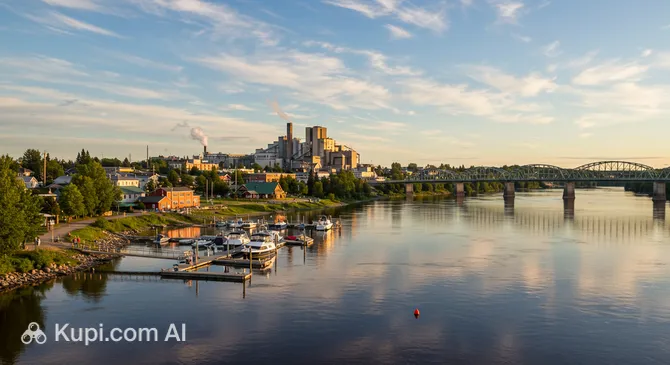
Fort Frances. Source: Kupi.Binoculars

For tourists, the allure of Fort Frances lies in its world-class outdoor attractions. Rainy Lake is undoubtedly the crown jewel, renowned as a premier destination for angling; it even hosts the annual Fort Frances Canadian Bass Championship. Visitors can stroll along the scenic La Verendrye Parkway, a beautiful waterfront trail that leads to the Sorting Gap Marina and the historic Hallett, a massive 60-foot logging tugboat that rests on the shore as a monument to the town's industrial past.

Another must-visit spot is Point Park, located at the confluence of the lake and river, offering excellent camping facilities, beaches, and the iconic "Lookout Tower" for panoramic views of the surroundings. Whether you are casting a line for walleye, exploring heritage sites, or simply enjoying a sunset over the water, Fort Frances invites you to experience an unforgettable adventure in the heart of Northwestern Ontario.

Weather Overview

Fort Frances experiences a diverse continental climate with four distinct seasons, offering travelers a mix of sunny days and crisp, cool air depending on the time of year. Summer is the warmest season, particularly in July, when average temperatures hover around 21.0°C and daytime highs can reach 25.8°C. This period is generally comfortable for outdoor activities, though it is wise to pack a raincoat, as the warmer months from June through September typically see between 12 and 13 wet days per month.

Winters are significantly colder, transforming the region into a snowy haven suitable for cold-weather sports. January and February are the chilliest months, with average temperatures around -12.0°C and lows often dipping to -17.1°C. For a more detailed forecast before your arrival, you can consult the current weather in Fort Frances. Generally, you can expect warm summers with occasional rain and cold, dry winters.

Interesting Facts

Beyond the scenic waterfront and historic trails, Fort Frances holds unique stories that add depth to its charming character. From hidden artistic landmarks to feats of engineering, there is much more to this border town than meets the eye.

  • The Rainy Lake Mermaid: Hidden away on a small rock near Copenhagen Island, a concrete statue of a mermaid has watched over the waters since the 1930s. Created by a visiting architect, this unexpected piece of art has become a beloved, albeit hard-to-find, icon for boaters exploring the lake.

  • Driving on Water: The approach to the town from the east involves crossing the Noden Causeway, a spectacular engineering marvel. This series of bridges and causeways stretches across Rainy Lake, hopping from island to island, and offers the surreal sensation of driving directly atop the water for several kilometers.

  • A Name with Purpose: The popular "Sorting Gap Marina" owes its name to the town's industrial roots rather than geography. In the height of the logging era, this specific area of the river was used to separate, or "sort," the massive influx of logs floating downstream based on their ownership stamps before they reached the mills.

  • The Coldest Neighbor: While International Falls across the river famously claims the title "Icebox of the Nation," Fort Frances shares the exact same climate. The town endures some of the coldest winter temperatures in Canada, creating a shared resilience and a strong culture of winter sports that defines the local border community.

How to Get There

Reaching this scenic destination in Ontario is relatively straightforward, thanks to its proximity to several transport hubs. Whether you are arriving from within Canada or crossing the border from the United States, you can find all ways to reach the city and plan your route accordingly. The journey often involves a scenic drive through the lake country, setting the tone for your visit.

The most convenient entry point for many travelers is Falls International Airport (IATA: INL), located just across the border in the city of International Falls, USA. It is situated approximately 4.9 km from Fort Frances. Since this airport is in a neighboring country, travelers will need to cross the International Bridge to reach their destination. The short drive typically takes about 15 to 20 minutes by taxi or car, depending on border traffic. Despite its modest size, it serves as a vital link for the region.

For those seeking a larger regional hub, Duluth International Airport (IATA: DLH) in Duluth, USA, is a significant option. Located about 216 km away, it offers more frequent connections. The drive from Duluth to Fort Frances takes approximately 3 hours, offering a beautiful route through the Northwoods. Alternatively, travelers staying within Canada can fly into Sioux Lookout Airport (IATA: YXL), which is roughly 199 km north of the town, with a travel time of around 2.5 hours by road.

For clarity, here is a summary of the main airports:

Airport Name City Passenger Traffic Km from City
Duluth International Airport Duluth Medium 216.3
Sioux Lookout Airport Sioux Lookout Small 199.2
Falls International Airport International Falls Small 4.9
Crow Wing County Airport Brainerd Small 252.2
Red Lake Airport Red Lake Small 274.8

Main Attractions

Immersing yourself in the local culture begins at the Fort Frances Museum and Cultural Centre. Located in the heart of downtown, this facility serves as the custodian of the region's rich history, from its Indigenous roots to the era of fur traders and the booming logging industry. Visitors can explore rotating exhibits that showcase local art and heritage, making it an excellent starting point for understanding the stories that shaped this border town.

A stroll along the waterfront brings you to one of the city's most recognizable landmarks, The Hallett. This massive 60-foot logging tugboat, weighing 57 tons, was once the workhorse of Rainy Lake, hauling millions of cords of wood during the peak of the forestry industry. Today, it rests permanently on the shore near the Sorting Gap Marina, serving as an impressive open-air monument where tourists can get up close to a piece of industrial history and snap memorable photos.

Just a short walk from the tugboat, the Lookout Tower offers a different perspective on the area. Standing tall at the marina, this structure provides panoramic views of the Rainy River and the international border. It is a favorite spot for visitors to watch the sunset or simply observe the boat traffic moving between the two countries. The surrounding area, known as the Sorting Gap, was historically significant for separating logs floating downstream, adding a layer of historical context to the scenic vistas.

For nature lovers, Point Park (often referred to as Pither's Point) is a must-visit destination located where Rainy Lake flows into the Rainy River. This expansive park features sandy beaches, well-maintained walking trails, and camping facilities, making it a hub for summer recreation. It is also a site of historical importance, home to ancient Indigenous burial mounds, which reminds visitors of the deep and enduring human connection to this beautiful landscape.

Local Cuisine

The culinary scene in Fort Frances is deeply influenced by its location on the shores of Rainy Lake and the surrounding wilderness. The food culture here is unpretentious and hearty, focusing on fresh, locally sourced ingredients that reflect the traditions of Northern Ontario. For visitors, dining in this border town offers a chance to taste the bounty of the region, from freshwater catch to wild-harvested grains and berries, all served with warm, small-town hospitality.

The undisputed star of the local menu is Walleye, locally known as Pickerel. As a premier fishing destination, Fort Frances takes pride in serving this freshwater fish, which is celebrated for its sweet, mild flavor and flaky texture. You must try a traditional "shore lunch," a beloved regional meal that typically features fresh walleye breaded and fried golden, accompanied by potatoes, baked beans, and coleslaw. While this meal is often cooked outdoors by fishing guides on the islands, many local restaurants recreate this authentic experience for diners in town.

Another staple of the region is wild rice, which grows naturally in the shallow waters of Northwestern Ontario. This nutritious grain has been harvested by Indigenous peoples for centuries and is a key ingredient in many local dishes. You might find it in creamy soups, savory casseroles, or served as a nutty, flavorful side dish that perfectly complements poultry or fish. For dessert, look for treats made with wild blueberries, which grow in abundance in the nearby forests during the summer months.

When it comes to drinks, the local preferences lean towards refreshing and robust choices that suit the northern climate. A classic Canadian Caesar—a cocktail made with vodka, clamato juice, hot sauce, and Worcestershire sauce, often garnished with a celery stalk or even a pickled bean—is a popular choice on patios overlooking the water. The town has also embraced the craft beer movement, with a local brewery offering small-batch ales and lagers that are perfect for relaxing after a day of exploration.

The dining atmosphere in Fort Frances is predominantly casual and family-friendly. You will not find many high-end, dress-code establishments; instead, the town is dotted with cozy diners, drive-ins, and grills, particularly along King's Highway and the waterfront areas. During the warmer months, the local farmers' market is a hub of activity where tourists can mingle with residents to buy fresh produce, homemade jams, and baked goods, getting a true taste of the community's agricultural heritage.

Travel Tips

To help you make the most of your visit to this friendly border town in Canada, we have compiled a list of essential travel advice. Whether you are crossing over for a day of shopping or planning a week-long fishing expedition on Rainy Lake, these practical tips will ensure your journey is smooth and hassle-free.

  1. Clothing and Gear: The weather in Fort Frances dictates your wardrobe. In summer, pack light, breathable clothing, but always bring a sweater for cooler evenings by the lake. Crucially, bring high-quality insect repellent, as mosquitoes and black flies can be intense in the woods and near water. If visiting in winter, thermal layers, a heavy parka, and insulated boots are non-negotiable. The electrical standard is the same as in the US (Type A and B plugs), so American travelers will not need adapters.

  2. Transportation: A rental car is the most practical way to get around. While the downtown area is walkable, exploring the scenic causeways, accessing fishing lodges, or visiting nearby attractions requires a vehicle. Public transportation is very limited and not designed for tourism. Taxis are available but should be booked in advance, especially during peak times or late at night.

  3. Finances: The official currency is the Canadian Dollar (CAD). Since Fort Frances is a border town, many local businesses may accept US dollars, but the exchange rate offered might not be favorable. It is best to use credit or debit cards, which are widely accepted, or withdraw cash from local ATMs. Tipping culture is similar to the US; it is customary to leave 15-20% for service in restaurants and bars.

  4. Health and Safety: Fort Frances is a very safe community with low crime rates. For medical emergencies, dial 911. The local hospital, La Verendrye General Hospital, provides emergency care. If you are driving outside the town, particularly at dawn or dusk, be extremely vigilant for wildlife like deer and moose on the highways, as collisions can be dangerous.

  5. Communication: English is the primary language spoken throughout the region. While the country is officially bilingual, French is not commonly spoken in daily interactions here. Wi-Fi is standard in most hotels and cafes. Travelers from the US should check their mobile plans for roaming fees, though coverage is generally good within the town limits.

  6. Local Etiquette: The vibe here is relaxed and small-town friendly. It is common to greet strangers with a nod or a "hello" on the street. If you are enjoying the outdoors, strict adherence to "Leave No Trace" principles is expected; locals take great pride in the pristine condition of their lakes and forests.

  7. What to Avoid: Do not attempt to cross the International Bridge or boat across the border line without proper identification (Passport or NEXUS card). Border security is strict, and even an accidental crossing on the water can lead to legal headaches. Also, avoid making jokes about security when interacting with border officers.

  8. Additional Tip: If you plan to cast a line, buy your Ontario fishing license and Outdoors Card immediately upon arrival or online beforehand. Conservation officers patrol the lakes frequently, and regulations regarding catch limits and slot sizes (fish you must release) are strictly enforced to protect the fishery.

Armed with these tips, you are ready to enjoy the warm hospitality and rugged beauty of Fort Frances. Whether you are here for the world-class angling or simply to relax by the water, a little preparation will go a long way in creating unforgettable memories in Northwestern Ontario.

Entertainment & Nightlife

Nightlife in Fort Frances is defined by its relaxed, small-town atmosphere rather than high-energy clubs or sprawling entertainment districts. The evening scene here revolves around socializing in cozy pubs, hotel lounges, and casual eateries where the focus is on good conversation, live music, and hearty food. For visitors, it is an opportunity to unwind after a day of outdoor adventure and mingle with the friendly locals in a laid-back setting.

The primary hub for evening activity is the downtown area along Scott Street. This historic strip is walkable and hosts several establishments where you can enjoy a drink and a meal. One of the standout venues here is The Flint House. Known for its rustic-chic decor and inviting ambiance, it offers a sophisticated yet comfortable space to enjoy craft cocktails, local beers on tap, and a diverse menu. It is a popular spot for both dinner and late-night drinks, often buzzing with activity on weekends.

For those who prefer a view with their evening entertainment, the waterfront area offers excellent options. La Place Rendez-Vous, often simply called "The Vous" by residents, is a staple of the local social scene. Located right on the shores of Rainy Lake, its lounge and patio provide stunning views, particularly at sunset. In the summer, the outdoor deck is the place to be, offering a refreshing breeze and a vacation vibe. In the winter, the warm interior serves as a cozy retreat for snowmobilers and ice anglers.

The atmosphere across the town is consistently casual and unpretentious. There is no strict dress code; jeans, flannel, and comfortable footwear are the norm, fitting perfectly with the region's outdoor lifestyle. Most venues stay open until around 11:00 PM or midnight on weekends, though hours can be shorter early in the week. Prices are generally affordable compared to larger cities, with a pint of beer or a cocktail costing significantly less than in major metropolitan hubs.

Getting around at night is straightforward, but planning is recommended. While the downtown core is safe for walking, distances to waterfront hotels or outlying areas can be too far to walk, especially during the cold winter months. Rideshare services are not widely available, so it is best to rely on local taxi companies. Keeping the number of a local taxi service handy is practical advice, as hailing a cab on the street is not common practice here.

In terms of safety, Fort Frances is a secure community, and walking in well-lit areas like Scott Street or the waterfront promenade is generally safe at night. However, standard precautions apply. If you are visiting in winter, be mindful of icy sidewalks and extremely low temperatures; dressing warmly is a safety necessity, not just a comfort choice. Additionally, always have a designated driver if you plan to travel by car, as police strictly enforce sobriety laws.

Beyond the bars, the town offers modest but enjoyable daytime and evening entertainment alternatives. Skylanes Bowling provides a classic five-pin bowling experience that is fun for families and groups. For culture enthusiasts, the Townshend Theatre hosts various performing arts events, concerts, and community plays throughout the year. While there are no large amusement parks, the community spirit shines through in these local venues, offering a genuine slice of life in Northwestern Ontario.

Parks & Museums

The cultural and recreational landscape of Fort Frances is deeply intertwined with its history as a forestry hub and its stunning location on the water. The city offers a delightful mix of manicured green spaces that celebrate the riverfront and institutions that preserve the stories of the region's Indigenous roots, fur trading past, and industrial evolution.

La Verendrye Parkway is the centerpiece of the city's green spaces, functioning as a linear park that stretches along the scenic Rainy River. This paved promenade is perfect for a leisurely afternoon stroll or a morning jog, offering uninterrupted views of the international border and the neighboring United States. The parkway connects several key landmarks and features plenty of benches and picnic spots where visitors can watch boats navigate the river or simply enjoy the calming breeze off the water.

Another significant natural area is Point Park (historically known as Pither's Point), situated where Rainy Lake narrows into the river. While it is a popular camping destination, it also serves as a beautiful day-use park with sandy beaches and towering pines that provide ample shade. It is an excellent spot for families to enjoy a picnic, swim in the fresh waters, or explore the walking trails that meander through the woods, offering a quiet escape just minutes from downtown.

For a deep dive into local heritage, the Fort Frances Museum and Cultural Centre is the premier institution in town. Housed in a revitalized building downtown, the museum offers more than just static displays; it is a community hub featuring rotating exhibits on local art, Indigenous history, and the fur trade era. Visitors can learn about the hardships and triumphs of early settlers and view artifacts that paint a vivid picture of life on the rugged Canadian Shield.

Art enthusiasts should seek out the Fine Line Art Gallery, a charming venue run by a local artist collective. This gallery showcases the creative talent of the Rainy River District, featuring works that often depict the breathtaking landscapes and wildlife of Northern Ontario. It is a wonderful place to admire local craftsmanship, from paintings and pottery to photography, and perhaps find a unique keepsake that captures the spirit of the north.

Among the city's historical landmarks, the Lookout Tower stands as a modern architectural tribute to the region's forestry watchtowers. Located near the marina, this structure allows visitors to climb up for a bird's-eye view of the Sorting Gap, where millions of logs once floated downstream. Nearby, the Hallett, a retired 60-foot logging tugboat, serves as an open-air historical site, allowing tourists to walk around and appreciate the massive scale of the machinery that once powered the local economy.

For a truly local experience, visit Rainy Lake Square in the heart of the town. This open-air venue hosts a variety of events, from farmers' markets to live outdoor concerts, serving as the modern "living room" of the community where culture and daily life intersect.

Getting Around

Fort Frances is a compact and intimate community where the public transport landscape differs significantly from larger metropolitan hubs. There is no subway, tram, or fixed-route municipal bus system operating within the town. Instead, the local transportation infrastructure is designed around personal vehicles, making the city easy to navigate for those who drive, while offering specific alternatives for those who do not.

For visitors without a car, taxi services are the primary mode of motorized transport. Local providers, such as North Air Taxi, operate fleets that serve the town and the surrounding Rainy River district. These taxis function as the de facto public transit system, offering on-demand rides to hotels, the airport, and tourist sites. Payment is straightforward: fares are generally metered or based on flat rates for specific zones. While cash is the standard and most reliable method of payment, many drivers can accept credit or debit cards if you request a vehicle equipped with a terminal when you call dispatch.

Practical advice for tourists relies heavily on planning ahead. Since there is no "hop-on, hop-off" bus service, you cannot rely on waiting at a stop. You must call to book a taxi in advance, particularly during peak times, late evenings, or weekends when demand is higher. If you require accessible transportation, the town operates a "Handi-Van" service for individuals with mobility challenges, though this typically requires prior registration or booking through local health services, so it is best to inquire well before your arrival.

The most recommended alternative for exploring Fort Frances and its scenic surroundings is renting a car. Agencies like Enterprise have a presence in the area, often near the airport or highway corridors. having your own vehicle allows you to visit out-of-town attractions like the Noden Causeway or fishing lodges at your own pace. Additionally, the downtown core, particularly around Scott Street and the waterfront La Verendrye Parkway, is highly walkable. In the summer months, cycling is a popular and pleasant way to get around, with the flat terrain making for an easy ride along the river.

While you may be accustomed to using ride-sharing apps in major cities, their availability in Fort Frances can be sporadic or non-existent. It is wise not to rely solely on apps for urgent transport; always keep the phone number of a local taxi company handy as a backup. There are no historic cable cars or funiculars here, but the scenic drive across the causeways acts as an attraction in itself, offering a unique travel experience over the water.

Accommodation

Accommodation

Accommodation in Fort Frances is designed to support the town's reputation as a gateway to the outdoors, offering a practical and comfortable range of options rather than high-end luxury. Visitors will primarily find reliable mid-range chain hotels, charming family-run motels, and scenic lakeside lodges. Whether you are in town for a fishing expedition, a business trip, or a stopover on a cross-country drive, the available lodgings provide a welcoming home base with a focus on hospitality and convenience.

When choosing where to stay, location plays a key role in the experience. The most popular area for tourists is undoubtedly the waterfront along Rainy Lake. Staying here offers immediate access to the marina, beautiful sunrise views, and a resort-like atmosphere. Alternatively, the King's Highway (Highway 11) corridor is dotted with motor inns and budget-friendly motels. This area is particularly convenient for road trippers seeking easy access to the main route and proximity to fast-food dining and gas stations. For those who prefer being in the center of the action, the downtown area places you within walking distance of the museum and local shops.

While the city does not host sprawling international resorts, it boasts well-regarded local establishments that define the hospitality scene. La Place Rendez-Vous is a standout example, widely recognized for its prime location right on the shore of Rainy Lake, offering guests both comfortable rooms and excellent dining with a view. Another notable option is the Copper River Inn, which offers modern amenities and suites suitable for longer stays. These hotels serve as excellent examples of the quality and comfort available to visitors, blending modern facilities with the rustic charm of Northwestern Ontario.

Booking Tip: Fort Frances is a seasonal hotspot, particularly during the summer. If your visit coincides with the annual Fort Frances Canadian Bass Championship in July, accommodation is in extremely high demand. It is strongly advised to book your room several months in advance during this peak period to ensure availability.

In terms of cost, travelers will find the city to be quite affordable. The general price range leans towards budget to mid-range, making it an accessible destination for families and groups. Most major hotels and motels can be booked through standard online travel platforms, which is convenient for comparing rates. However, for smaller fishing camps or cabins on the outskirts of town, booking directly by phone or through their specific websites is often the most effective method to secure a spot.

Nearby Cities

For those looking to explore the surroundings, Fort Frances serves as an excellent base for day trips to several interesting nearby locations:

Kenora is the most accessible and popular destination for a day trip, located approximately two hours north. Situated on the northern shores of the majestic Lake of the Woods, it is a premier hub for boating, fishing, and cottage life. Visitors can explore the vibrant Harbourfront, take a photo with the famous "Husky the Muskie" sculpture, or enjoy a meal at one of the local breweries. Its proximity makes it perfect for a spontaneous drive to enjoy a different lakeside atmosphere.

For travelers willing to embark on a longer journey, Thunder Bay offers a rewarding mix of history and natural wonder. Located on the shores of Lake Superior, it is home to the Sleeping Giant Provincial Park and the impressive Fort William Historical Park, which recreates the fur trade era on a grand scale. Alternatively, heading west leads to Winnipeg, a major cultural capital where you can visit The Forks Market and world-class museums, offering a distinct urban contrast to the wilderness of Northern Ontario.

City Population Distance (km)
Winnipeg 705,244 308
Thunder Bay 107,909 308
Geraldton 20,000 486
Steinbach 15,829 262
Kenora 15,096 151

These nearby destinations offer a glimpse into the diverse culture and landscapes of the region, ranging from quiet lakeside towns to bustling urban centers.

Shopping & Souvenirs

Shopping in Fort Frances offers a relaxed, small-town experience that contrasts sharply with the frantic pace of large urban centers. Rather than sprawling mega-malls and high-end fashion districts, the retail scene here is defined by locally owned boutiques, practical outdoor outfitters, and essential services that cater to both residents and the many visitors heading out to the lakes. Tourists will find a welcoming atmosphere where shop owners often take the time to chat, offering personalized advice on everything from the best fishing lures to local gift ideas.

The heart of the local shopping district is located downtown along Scott Street. This historic thoroughfare has been revitalized in recent years and serves as the commercial hub of the community. A stroll down this street reveals a variety of independent businesses, including charming gift shops, clothing boutiques, and florists. It is the perfect place to find unique items that are not available in big-box stores, all while enjoying the architectural character of the town’s older buildings. For more general needs and larger chain stores, the commercial strip along King's Highway offers supermarkets and hardware stores suitable for stocking up on supplies.

Unlike major metropolitan areas, Fort Frances does not have large enclosed shopping malls. Instead, the retail landscape features smaller strip malls and plazas that provide convenient access to everyday goods. These areas are typically located along the main highway corridors and are designed for quick and easy stops. Visitors preparing for a camping or fishing trip will find these spots particularly useful for purchasing groceries, camping gear, and other necessities before venturing into the wilderness.

For a taste of local culture and fresh produce, the Rainy Lake Square is the premier destination. Located centrally downtown, this open-air gathering space hosts the local market, which is a highlight during the warmer months. Here, tourists can browse stalls featuring fresh, locally grown vegetables, homemade jams, and artisanal baked goods. It is also a great spot to find handcrafted items from local artisans, making it a vibrant part of the community's social and economic life.

When looking for souvenirs to take home, visitors should focus on goods that reflect the region's heritage and natural beauty. Indigenous arts and crafts, such as intricate beadwork or handmade moccasins, are highly prized and support local creators. Given the town's reputation as a fishing destination, locally made fishing tackle or branded "Rainy Lake" apparel are practical and memorable keepsakes. Additionally, wild rice harvested from the surrounding waters is a delicious and authentic gift that represents the flavor of Northwestern Ontario.

Store opening hours in Fort Frances generally follow a standard schedule. Most downtown shops are open from 9:00 AM to 5:00 PM or 6:00 PM, Monday through Friday, with reduced hours on Saturdays. Many smaller independent businesses are closed on Sundays, although larger grocery stores and chains along the highway usually remain open seven days a week. Payment is straightforward, with major credit and debit cards (Visa, Mastercard) being widely accepted. However, it is always a good idea to carry some cash (Canadian Dollars) for small purchases at the market or smaller convenience stores.

Regarding taxes, visitors should be aware that Canada applies a Harmonized Sales Tax (HST) of 13% to most goods and services in Ontario. This tax is typically added at the cash register, so the sticker price is lower than the final total. Unlike some European destinations, there is no general VAT refund program for international tourists purchasing general goods for export, so travelers should budget accordingly for the tax inclusion.

Reached the end of the page?

That means the route is fully explored