Winnipeg is a dynamic and culturally diverse city located at the geographic centre of North America. As the capital of the province of Manitoba, it serves as a vital economic and cultural gateway to the west. Travelers exploring Canada will find that this prairie metropolis offers a unique blend of urban sophistication and friendly, small-town charm. Known for its distinct seasons, the city embraces both warm, sunny summers and crisp, snowy winters, earning it a reputation for resilience and vibrant year-round festivals.
Winnipeg. Illustration.
Source: Kupi.com AI
The city is historically significant due to its location at the confluence of the Red and Assiniboine Rivers, a meeting place known as The Forks. This area has been a centre of trade and gathering for over 6,000 years. To delve deeper into the region's past, visitors can explore the rich history of Winnipeg, which details its transformation from an Indigenous meeting place and fur-trading post into a modern urban centre. Today, The Forks remains a must-visit destination, bustling with a market, green spaces, and dining options.
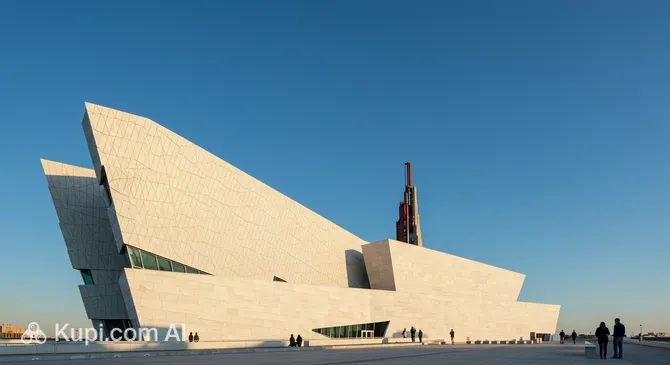
Beyond its historical roots, Winnipeg is celebrated for its impressive architecture and arts scene. The skyline is dominated by the striking Canadian Museum for Human Rights, the first museum solely dedicated to the evolution, celebration, and future of human rights. Nearby, the Exchange District features North America’s most extensive collection of turn-of-the-20th-century masonry architecture, often serving as a backdrop for film productions. With a population of over 700,000, the city pulses with energy, offering top-tier museums, diverse cuisine, and expansive parks like Assiniboine Park. A visit to Winnipeg promises an inspiring journey through the heart of the continent.
Weather Overview
Winnipeg experiences a continental climate defined by distinct seasonal contrasts, offering visitors a completely different atmosphere depending on the time of year. Generally, travelers can expect warm summers with occasional rain and cold, dry winters. The city is known for its sunny skies year-round, even during the coldest months.
The summer season, spanning from June to August, is typically warm and pleasant. July is usually the hottest month, with an average temperature of 21.3°C and daily highs often reaching 26.6°C. This period also sees the highest frequency of rainfall, with approximately 11 to 12 wet days per month, so packing a light rain jacket is advisable for summer trips.
Winters in Winnipeg are famous for their chill. From December through February, temperatures drop significantly, with averages plunging to around -14.0°C in February and minimums often reaching -19.0°C. Despite the cold, these months are quite dry, with very low precipitation levels. For a more detailed breakdown of monthly conditions to help plan your wardrobe, you can view the guide to weather in Winnipeg.
Spring and autumn act as short but beautiful transition periods. May and September are particularly comfortable, offering average temperatures between 12.9°C and 15.6°C. These months provide a mild alternative for exploring the city before the peak heat of summer or the deep freeze of winter arrives.
Average monthly temperature
Average monthly precipitation
Interesting Facts
Beyond the main attractions, Winnipeg holds many fascinating secrets and quirky claims to fame that often surprise visitors. From literary origins to architectural mysteries, the city’s history is far richer than it appears at first glance.
Manitoba Legislative Building. Illustration.
Source: Kupi.com AI
Traveler photos:
Winnie-the-Pooh’s namesake: The world-famous bear was actually named after this city. During World War I, Lieutenant Harry Colebourn bought a black bear cub and named her "Winnie" after his hometown of Winnipeg. He later donated her to the London Zoo, where she inspired author A.A. Milne to create the beloved children's character.
Slurpee Capital of the World: For over two decades, Winnipeg has consistently held the title of the Slurpee Capital of the World. Despite the city's reputation for chilly winters, its residents consume more of these frozen 7-Eleven drinks per capita than anyone else on the globe, often celebrating with the beverage even in sub-zero temperatures.
The Hermetic Code: The Manitoba Legislative Building is more than just a government office; it is an architectural puzzle filled with hidden hieroglyphics, numerological codes, and occult symbols. Architectural historians have described it as a modern-day temple, complete with sphinxes and a "Golden Boy" statue modeled after the Greek god Hermes.
A ship in the city: Inside the Manitoba Museum, you can find the Nonsuch, a full-sized replica of the 17th-century ketch that launched the Hudson's Bay Company. This vessel is considered one of the finest replicas in the world and actually sailed across the Atlantic Ocean before finding its permanent home in the museum gallery.
How to Get There
Reaching the heart of the continent is relatively straightforward, with options available for both air and rail travelers. Whether you are flying in from abroad or taking a scenic train journey across the provinces, you can find all ways to reach the city and plan the best route for your itinerary.
The most convenient entry point for air travelers is the Winnipeg James Armstrong Richardson International Airport (IATA: YWG). As a major international hub, it welcomes a large volume of passengers annually and offers a full range of services. Located within Winnipeg itself, the airport is just 6.9 km from the city center. A trip by taxi or shuttle is a quick commute to downtown hotels. Alternatively, some visitors might consider the Grand Forks International Airport (IATA: GFK). However, it is important to note that this airport is situated in Grand Forks, approximately 216.4 km away from Winnipeg. Travelers choosing this option should be prepared for a longer ground transfer involving a cross-border journey of several hours.
For clarity, here is a summary of the main airports:
If you prefer rail travel, you can arrive directly at the Winnipeg Railway Station (IATA: XEF). This historic station is centrally located in Winnipeg, just 0.8 km from the main downtown area. Because of its proximity to the center, the transfer is extremely short, typically taking just a few minutes by taxi or public transport to reach nearby accommodations.
Below is the information regarding the railway station:
Winnipeg offers a diverse array of attractions that blend history, culture, and nature. From ancient meeting places to modern architectural marvels, the city's landmarks provide a deep dive into the heritage of the Canadian Prairies. Whether you are interested in art, history, or simply enjoying the local atmosphere, there are several key sites that define the visitor experience.
Located at the junction of the Red and Assiniboine Rivers, The Forks National Historic Site is the city's most beloved gathering place. For thousands of years, this area served as a meeting point for Indigenous peoples, fur traders, and settlers. Today, it is a vibrant hub featuring a bustling market, riverside walking paths, and open green spaces. Tourists love it for its lively atmosphere, diverse food stalls, and the chance to skate on one of the world's longest frozen river trails during winter.
The Forks National Historic Site. Illustration.
Source: Kupi.com AI
Traveler photos:
Dominating the skyline with its spiraling glass tower, the Canadian Museum for Human Rights is an architectural masterpiece and a profound cultural institution. It is the first national museum located outside Canada's capital region and is dedicated to the evolution and future of human rights. Visitors are drawn to its immersive exhibits that encourage reflection and dialogue, as well as the Israel Asper Tower of Hope, which offers panoramic views of the city.
Canadian Museum for Human Rights. Illustration.
Source: Kupi.com AI
Traveler photos:
Art enthusiasts should not miss the Winnipeg Art Gallery (WAG), known for holding the world's largest public collection of contemporary Inuit art. The gallery's striking modernist building, along with the recently added Qaumajuq centre, houses thousands of works that showcase the creativity of the North. It is a fascinating destination for those looking to understand the artistic heritage of Canada's Indigenous cultures through sculptures, prints, and textiles.
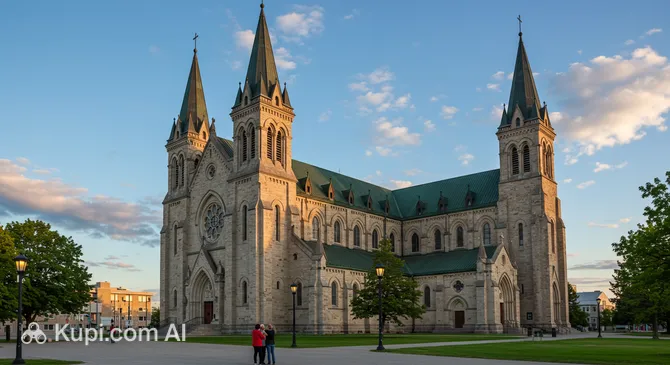
Crossing the river into the French Quarter, you will find the stunning Saint Boniface Cathedral. The current structure is unique because the new church is built within the limestone ruins of the previous basilica, which was destroyed by fire in 1968. This site is visually arresting and historically significant, serving as the heart of Manitoba's francophone community and the resting place of Louis Riel, a pivotal figure in Canadian history.
Saint Boniface Cathedral. Illustration.
Source: Kupi.com AI
Traveler photos:
Local Cuisine
Winnipeg’s culinary scene is a delightful surprise to many visitors, characterized by a diverse mix of cultural influences and a deep appreciation for hearty, locally sourced ingredients. The city’s food culture is unpretentious yet creative, shaped by its Indigenous heritage, historic fur trade roots, and waves of immigration, particularly from Eastern Europe. Dining here ranges from sophisticated riverfront restaurants to bustling food halls that serve as community hubs.
One cannot discuss local cuisine without mentioning the city's unique obsession with Honey Dill Sauce. This sweet and savory condiment, a blend of honey, mayonnaise, and dried dill, is a Winnipeg staple that is rarely found outside the province. It is traditionally served as a dipping sauce for chicken fingers, a dish that locals take surprisingly seriously. Another regional specialty is Smoked Goldeye, a freshwater fish smoked over oak wood to achieve a distinctive reddish-gold hue and a rich flavor, often enjoyed on a bagel or as an appetizer.
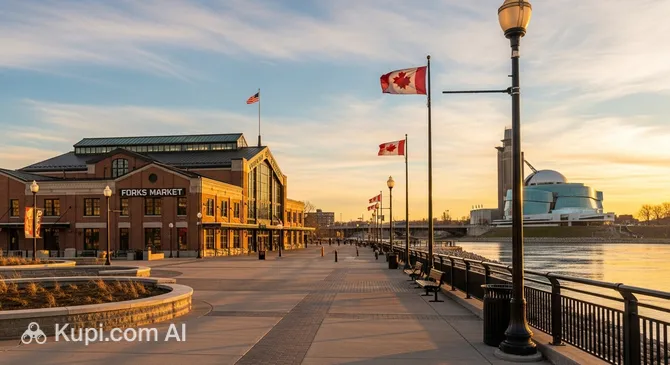
The Forks Market. Illustration.
Source: Kupi.com AI
Traveler photos:
For a comprehensive taste of what the city has to offer, The Forks Market is the ultimate destination. Located within the historic meeting place of the city, this vibrant food hall features a wide array of vendors offering everything from authentic fish and chips to fusion cuisine and artisanal baked goods. It is a favorite spot for both tourists and residents to grab a meal and sit at the communal tables, soaking in the lively atmosphere.
Winnipeg also boasts a thriving brunch culture that attracts long lines on weekends. Clementine Cafe is widely regarded as one of the best spots in the city to start the day, known for its globally inspired menu and cozy, subterranean setting in the Exchange District. For those with a sweet tooth, the city is the birthplace of the Schmoo Torte, a decadent dessert made of layers of pecan sponge cake, whipped cream, and caramel sauce that is a must-try treat.
Nonsuch Brewing. Illustration.
Source: Kupi.com AI
Traveler photos:
The local beverage scene has exploded in recent years, with a surge of independent craft breweries transforming industrial spaces into trendy taprooms. Establishments like Nonsuch Brewing offer high-quality, Belgian-style beers in an elegant atmosphere, while Kilter Brewing Co. provides a colorful and relaxed environment to sample local ales. During the warmer months, outdoor venues such as The Beer Can allow visitors to enjoy refreshing drinks under the open sky, capturing the friendly and spirited energy of Winnipeg’s summers.
Travel Tips
Welcome to Winnipeg, a city celebrated for its warm community spirit and distinct seasonal beauty. To ensure your visit to the "Heart of the Continent" is as comfortable and enjoyable as possible, we have compiled a set of essential practical tips for your journey.
Clothing and Gear: Packing for Winnipeg depends entirely on the calendar. If you visit in winter, you must bring heavy-duty gear: a high-quality insulated parka, thermal layers, waterproof boots, gloves, and a toque (beanie). The cold can be extreme, so do not underestimate it. In contrast, summers are often hot and humid, requiring light clothing, sunglasses, and a hat. Additionally, if you plan to enjoy the outdoors in June or July, carry mosquito repellent, as insects can be quite active in the evenings.
Transportation: While the city has a bus network known as Winnipeg Transit, which uses the reloadable "Peggo" card or exact cash change, many visitors find that renting a car offers the most flexibility for exploring diverse neighborhoods. Ride-hailing apps like Uber and TappCar are also widely available and reliable. If you are staying downtown, many attractions are walkable, but a vehicle is recommended for reaching outlying parks or nature sites.
Finances: The local currency is the Canadian Dollar (CAD). Credit and debit cards (Visa and Mastercard) are accepted almost everywhere, from restaurants to small cafes. ATMs are plentiful throughout the city. Tipping is a standard part of the service culture; it is customary to leave a tip of 15% to 20% of the bill at restaurants, bars, and for taxi services.
Health and Safety: Winnipeg is generally a safe destination, but like any major urban centre, it requires standard precautions. In an emergency, dial 911 for police, fire, or ambulance services. Pharmacies like Shoppers Drug Mart are common, with some locations open late or 24 hours. It is advisable to stay in well-lit, busy areas if walking downtown at night and to be aware of your surroundings.
Communication: English is the primary language spoken throughout the city. However, Winnipeg is home to a vibrant francophone community, particularly in the Saint Boniface district, where you will often hear French and see bilingual signage. Free Wi-Fi is available in many public spaces, including hotels, libraries, and The Forks. Prepaid SIM cards can be purchased at the airport, shopping malls, or convenience stores.
Local Etiquette: Winnipeggers are known for their friendliness and down-to-earth nature. It is polite to hold doors open for people behind you and to greet service staff with a smile. When taking an escalator, stand on the right to let others walk on the left. If you are driving, you might experience the "Winnipeg Wave"—a friendly wave of thanks from other drivers when you let them merge into traffic.
What to Avoid: Do not leave valuables visible in your parked car, as this can attract opportunistic theft. Also, avoid underestimating the winter weather; walking long distances in sub-zero temperatures without proper coverage can lead to frostbite very quickly. Always check the forecast before heading out for the day.
Additional Tip: If you are visiting during the colder months, make use of the Winnipeg Walkway system. This network of overhead skywalks and underground tunnels connects many downtown buildings, allowing you to navigate the city centre comfortably without stepping out into the cold.
By keeping these practicalities in mind, you will be well-prepared to navigate the city with ease and confidence. Whether you are exploring the historic streets or enjoying the local festivals, Winnipeg is ready to welcome you with open arms.
Entertainment & Nightlife
When the sun goes down, Winnipeg transforms into a lively hub of entertainment, proving that its vibrant spirit shines just as brightly at night as it does during the day. The city offers a diverse nightlife scene that ranges from sophisticated cocktail lounges in historic buildings to energetic clubs and laid-back pubs. Whether you are looking to catch a major concert, dance the night away, or simply enjoy a quiet drink with friends, the local scene caters to every mood and style.
The heartbeat of the city's nightlife is undoubtedly the Exchange District. This National Historic Site, with its well-preserved turn-of-the-century architecture, provides a dramatic backdrop for some of the trendiest spots in town. Here, you will find a concentration of supper clubs, speakeasy-style bars, and venues that host live jazz and indie bands. Another key area is Osborne Village, known for its bohemian vibe, bustling street life, and pubs that attract a younger, alternative crowd. For those who prefer a patio atmosphere during the warmer months, Corydon Avenue—often called "Little Italy"—is the perfect place to sip wine and watch the world go by.
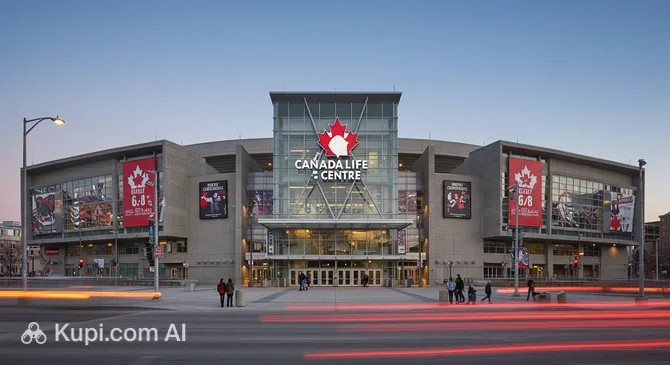
For large-scale entertainment, the Canada Life Centre is the premier destination. Located right downtown, this major arena is the home of the NHL's Winnipeg Jets and regularly hosts international touring artists and spectacular shows. Attending an event here is a great way to experience the passionate energy of the locals.
Canada Life Centre. Illustration.
Source: Kupi.com AI
Traveler photos:
If you are seeking a more intimate yet upscale experience, Damecca Lounge on Portage Avenue is a standout choice. Blending a modern restaurant feel with a stylish lounge atmosphere, it offers Asian-inspired cuisine and creative cocktails, making it a popular spot for starting the night in style. For a classic evening of food and drinks, the Garry Street Steakhouse and Bar provides a cozy and welcoming environment in a historic setting, perfect for unwinding after a day of sightseeing.
Damecca Lounge. Illustration.
Source: Kupi.com AI
Traveler photos:
Practical Advice for Night Owls:
Timing: The nightlife scene typically peaks on Friday and Saturday nights. Bars usually stay open until 2:00 AM.
Dress Code: Winnipeg is generally relaxed. While some upscale clubs and lounges in the Exchange District might appreciate "smart casual" attire, jeans are acceptable in most pubs and music venues.
Safety and Transport: The main entertainment districts like the Exchange and Osborne Village are generally safe and well-populated at night. However, it is always wise to stay in well-lit areas and avoid walking alone on quiet backstreets late at night. For getting around, ride-sharing services like Uber and local taxis are the most convenient and safe options for returning to your hotel.
While the nights are exciting, daytime entertainment in Winnipeg is equally engaging. Families and thrill-seekers can head to the Flying Squirrel Trampoline Park for high-energy fun. Culture lovers will appreciate the city's rich theater scene, including the renowned Royal Manitoba Theatre Centre, or a visit to the Manitoba Children's Museum, which offers interactive exhibits that delight visitors of all ages.
Parks & Museums
Winnipeg is a city that deeply values its green spaces and cultural heritage, offering a refreshing balance between urban sophistication and natural beauty. Beyond the bustling downtown, visitors will find an extensive network of parks, gardens, and world-class museums that preserve the rich history and artistic spirit of the prairies.
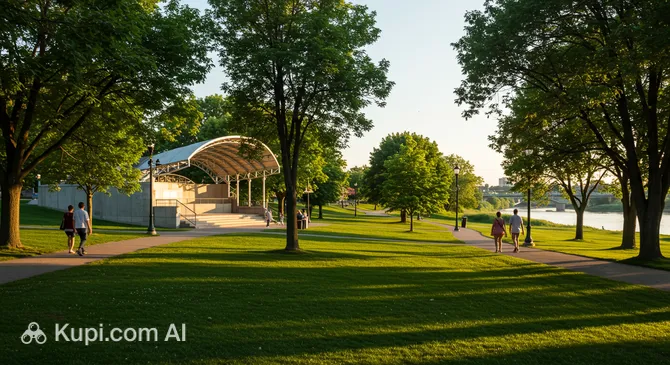
One of the city's most cherished outdoor spaces is Kildonan Park, located in the north end. This sprawling park is a favorite for families and nature lovers alike, featuring ancient trees, beautiful flower gardens, and plenty of walking paths. It is home to the Rainbow Stage, Canada's longest-running outdoor theatre, and the whimsical Witch's Hut, a fairytale-inspired stone cottage that delights children. In the winter, the park transforms with a skating pond and toboggan slides.
Kildonan Park. Illustration.
Source: Kupi.com AI
Traveler photos:
For those seeking a more rustic natural experience, Whittier Park in the Saint Boniface area offers a peaceful escape. Situated along the riverbank, it features dense woodlands and open spaces that are perfect for hiking and birdwatching. The park is also historically significant, sitting adjacent to the reconstructed walls of a fur-trading fort, blending nature with a glimpse into the past.
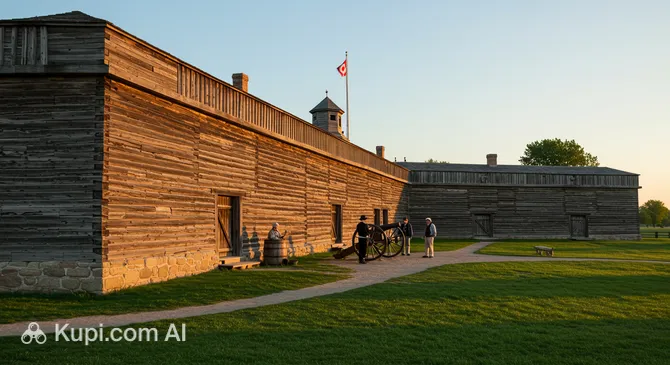
To fully understand the region's history, a visit to Fort Gibraltar is essential. This reconstructed 19th-century fur trade post brings history to life with costumed interpreters who demonstrate the daily activities of the Voyageurs, such as blacksmithing and beadwork. It serves as a key venue during the winter Festival du Voyageur but is a fascinating educational stop throughout the summer months.
Fort Gibraltar. Illustration.
Source: Kupi.com AI
Traveler photos:
While the city boasts several major museums, the Manitoba Museum stands out for its comprehensive scope. Beyond the famous ship replica mentioned elsewhere, the museum houses immersive dioramas that take you through the province's diverse biomes, from the Arctic coast to the boreal forest. It also features a Planetarium and a Science Gallery, making it a diverse attraction for curious minds of all ages.
Manitoba Museum. Illustration.
Source: Kupi.com AI
Traveler photos:
Winnipeg's cultural landscape is further enriched by the Franco-Manitoban Cultural Centre. Located in the heart of the French Quarter, this vibrant hub hosts art exhibits, theater productions, and concerts that celebrate the francophone heritage of Manitoba. It is a great place to experience the local arts scene and enjoy community events.
Architecture enthusiasts should look out for the James Avenue Pumping Station. This industrial landmark is a testament to the city's engineering history, preserving the massive machinery that once served Winnipeg's high-pressure water system. Its preservation and adaptive reuse highlight the city's commitment to maintaining its historical character.
For a unique local experience, head to Westview Park, affectionately known by locals as "Garbage Hill." Despite the nickname, this reclaimed green space offers some of the best panoramic views of the Winnipeg skyline, especially during sunset. It is a popular spot for jogging, kite flying, and simply taking in the horizon.
Getting Around
Public transportation in Winnipeg is primarily served by an extensive bus network operated by Winnipeg Transit. Unlike some other major North American cities, there is no subway or light rail system here; instead, the city relies on a fleet of buses that cover the downtown core and stretch out to the suburbs. A key component of this network is the BLUE rapid transit line, which uses a dedicated busway to provide faster service between the city center and the southern neighborhoods, making it a convenient option for visitors traveling across town.
For payment, the most convenient option for tourists is the Peggo card, a reloadable smart card that offers a lower fare compared to paying with cash. You can purchase and load these cards at various locations, including 7-Eleven stores and Shoppers Drug Mart pharmacies throughout the city. If you prefer to pay with cash, you must have the exact change ready when you board, as drivers do not carry funds to provide change. If you pay by cash, be sure to ask the driver for a paper transfer, which allows you to connect to other buses within a 75-minute window; with a Peggo card, this transfer is applied automatically.
A fantastic feature for visitors exploring the main attractions is the Downtown Spirit service. These are free buses that circulate through the downtown area, connecting popular spots such as The Forks, the Exchange District, and the University of Winnipeg. The routes are easy to spot and offer a budget-friendly way to hop between museums, restaurants, and shopping areas without worrying about fares. This service typically operates during the day and early evening, so it is wise to check the specific schedule if you plan to stay out late.
Beyond the bus system, ride-sharing apps like Uber and TappCar are widely available and offer a reliable alternative for getting around, especially late at night or when traveling to areas less served by transit. Traditional taxi companies, such as Unicity Taxi and Duffy’s Taxi, can also be hailed on the street or booked via telephone. For those who prefer active travel, the city is quite flat, making it excellent for cycling. In the summer months, you can rent bikes to explore the dedicated trails that run along the rivers and through major parks.
During the warmer season, usually from late spring to early autumn, a unique transport option becomes available: the River Spirit water bus service. Operated by Splash Dash, these pontoon boats offer a scenic way to travel between The Forks, the Exchange District, and Osborne Village via the Red and Assiniboine Rivers. While primarily a tourist attraction, it serves as a functional and delightful way to navigate the waterways that define the city's geography.
Accommodation
Where to Stay:
Winnipeg offers a broad spectrum of accommodation options designed to suit every travel style and budget. Visitors can choose from historic luxury hotels that have hosted royalty to modern mid-range chains, cozy bed-and-breakfasts, and budget-friendly hostels. Whether you are visiting for business, a family vacation, or a cultural getaway, the city provides comfortable bases for your stay, ranging from high-rise suites with skyline views to quiet rentals in residential neighborhoods.
For most tourists, the Downtown area is the most strategic place to stay. Hotels in this district place you within walking distance of major attractions like the Winnipeg Art Gallery and the bustling Exchange District. Staying here means you are never far from the city’s best dining, theater, and nightlife. Another highly desirable location is near The Forks. Accommodations in this vicinity offer easy access to the river trails, the market, and the Canadian Museum for Human Rights, making it perfect for those who want to be in the center of the action.
Travelers arriving by air or planning a short stopover might prefer the convenience of the Airport Area. The district surrounding the international airport is lined with numerous reliable hotel chains that offer shuttle services and easy access to the highway, allowing for quick trips into the city center or out to the surrounding prairies. For a quieter, more local experience, the francophone district of Saint Boniface offers charming guesthouses and smaller hotels with a distinct European flair.
Booking Tips and Prices:
Price Range: Accommodation in Winnipeg is generally affordable compared to other major Canadian cities. Budget options and hostels typically range from $40 to $80 CAD per night. Mid-range hotels usually cost between $120 and $180 CAD, while luxury stays can exceed $200 CAD per night.
When to Book: While it is often possible to find a room on short notice, it is highly recommended to book in advance if you are visiting during the summer months (July and August) or during major events like the Winnipeg Folk Festival or Folklorama. Winter visits are generally quieter, but prices may spike during home games for the local NHL team.
How to Book: Major online booking platforms are widely used and offer competitive rates. However, booking directly through a hotel's website can sometimes yield better cancellation policies or package deals.
Regardless of where you choose to stay, the city's relatively compact size and efficient road network ensure that you are never too far from the sights and experiences that make Winnipeg unique.
Nearby Cities
For those looking to explore the surroundings, Winnipeg serves as an excellent base for day trips to several interesting nearby locations. The region surrounding the provincial capital is dotted with charming communities that offer unique cultural experiences and outdoor adventures.
One of the most popular destinations for locals and visitors alike is Kenora. Situated on the shores of the magnificent Lake of the Woods, this town is a haven for boating, fishing, and swimming, effectively serving as cottage country for many Winnipeggers. Closer to the city, Steinbach invites travelers to explore its rich Mennonite heritage. Visitors can step back in time at the Mennonite Heritage Village, a living history museum that recreates the life of early settlers. Another excellent option is Portage La Prairie, known as the "City of Possibilities," which features the scenic Island Park and the historic Fort la Reine Museum.
City
Population
Distance
East St Paul
9 372
12 km
Taché
11 568
31 km
Selkirk
10 278
34 km
Steinbach
15 829
52 km
Gimli
2 300
83 km
These nearby destinations offer a glimpse into the diverse culture and landscapes of the region.
Shopping & Souvenirs
Shopping in Winnipeg offers a delightful mix of contemporary retail experiences, historic charm, and vibrant local creativity. The city is a hub for the central Canadian region, meaning visitors can find everything from high-end international brands to unique, locally-made goods. Whether you are looking for the latest fashion trends or hunting for one-of-a-kind antiques, the city’s diverse districts and centres cater to all tastes and budgets.
For a unique outdoor shopping experience, the Exchange District is a must-visit. Set amidst North America’s best-preserved collection of heritage buildings, this area is filled with independent boutiques, art galleries, and vintage shops. It is the perfect place to find local fashion design, vinyl records, and curated home decor. Another vibrant area is Osborne Village, often voted one of the best neighborhoods in the country. Here, the streets are lined with trendy shoe stores, specialty shops, and funky boutiques that reflect the area's artistic and bohemian spirit.
If you prefer a comprehensive indoor shopping experience, Polo Park is the city's largest and most popular shopping centre. Located just a short drive from the downtown core and the airport, it houses over 200 stores, including major department stores and popular international fashion chains. It is a bustling destination where tourists can find all their favorite brands under one roof.
Polo Park. Illustration.
Source: Kupi.com AI
Traveler photos:
For a more historic atmosphere, head to The Forks, where two distinct shopping venues await. The Johnston Terminal, a former railway warehouse, has been converted into a charming retail space. It is particularly known for its large antique mall on the lower level and various boutiques offering jewelry, clothing, and gifts on the main floor. Adjacent to it is The Forks Market, which, in addition to its food hall, features the "Market Loft" on the second floor. This area is dedicated to artisans selling handmade crafts, candles, cigars, and artwork.
Johnston Terminal. Illustration.
Source: Kupi.com AI
Traveler photos:
Markets play a significant role in the local shopping culture. Beyond The Forks, the St. Norbert Farmers' Market is a beloved institution. Operating primarily on weekends (and online year-round), it is the largest farmers' market in the province. Visitors can browse stalls overflowing with fresh local produce, home-baked goods, preserves, and handcrafted items, offering a true taste of the Manitoban prairies.
When searching for souvenirs, Winnipeg has several signature items worth bringing home. The city is famous for its Indigenous art, particularly Mukluks and Moccasins—beautiful, hand-beaded footwear that is both practical for the cold and culturally significant. Another unique local favorite is Honey Dill Sauce, a condiment found almost exclusively in Manitoba. Sports fans might appreciate merchandise from the Winnipeg Jets (NHL) or the Blue Bombers (CFL), while art lovers should look for soapstone carvings or prints from local galleries.
Most shopping malls and major retail stores are open from 10:00 AM to 9:00 PM on weekdays and Saturdays, with reduced hours on Sundays, typically from 11:00 AM to 6:00 PM. Independent boutiques in areas like the Exchange District may have shorter hours and might be closed on Sundays or Mondays. Payment is convenient, with credit and debit cards widely accepted even at smaller market stalls, though carrying some cash is always useful for small purchases.
Regarding taxes, the price you see on the shelf usually does not include sales tax. In Manitoba, a combination of the Goods and Services Tax (GST) and Provincial Sales Tax (PST) is added at the register, totaling 12%. Visitors should note that Canada no longer offers a general GST/HST refund program for tourists on goods bought for export, so the tax paid on purchases is generally final.