Support

Brandon

About

Brandon. Source: Kupi.Binoculars

Welcome to Brandon, a vibrant community affectionately known as the "Wheat City" for its rich agricultural heritage. As the second-largest city in the province of Manitoba, it serves as a bustling hub for trade, culture, and recreation in the southwestern region. The city offers a perfect blend of urban amenities and small-town charm, making it an inviting destination for travelers exploring the vast landscapes of Canada.

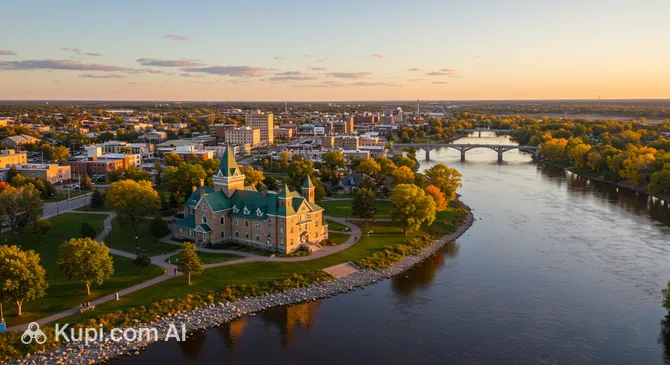
Geographically, Brandon is beautifully situated along the banks of the Assiniboine River, providing scenic views and ample opportunities for outdoor activities. With a population of approximately 48,000 residents, it maintains a friendly and accessible atmosphere. The climate here is typical of the prairies, featuring warm summers that are perfect for festivals and crisp, snowy winters that transform the area into a wonderland for seasonal sports.

The city's development has been deeply influenced by its location and resources. Visitors interested in the past can delve into the history of Brandon to learn how the arrival of the railway and the agricultural boom shaped its identity. Today, this legacy is preserved in its well-maintained architecture and local museums.

Travelers should not miss the Commonwealth Air Training Plan Museum, a National Historic Site dedicated to the memory of the airmen who trained during World War II. For nature lovers, the Riverbank Discovery Centre is a must-visit, offering miles of walking trails, lush green spaces, and a chance to connect with the local flora and fauna right in the heart of the city.

Whether you are attending the famous Royal Manitoba Winter Fair or simply passing through on a cross-country road trip, Brandon offers a warm welcome and a surprising array of experiences. It is a delightful stop that captures the enduring spirit of the Canadian prairies.

Weather Overview

Brandon experiences a distinct continental climate with significant seasonal variations, offering a true four-season experience. To help plan your trip effectively, you can view more detailed information about the weather in Brandon before you pack.

Winters in the city are characteristically cold and dry. January and February are the coldest months, with average temperatures hovering around -14°C and minimums occasionally dropping below -19°C. Despite the chill, these months see relatively few wet days, making the snowy landscape crisp and stable.

Summer brings a welcome warmth, with July being the hottest month, featuring average highs of 26.1°C. This season is also when the region sees the most moisture; June is typically the wettest month with about 11 days of precipitation. Overall, you can expect warm summers with occasional rain and cold, dry winters, making Brandon a city where each season offers a unique atmosphere.

Interesting Facts

Beyond its well-known reputation as the "Wheat City," Brandon holds several fascinating historical secrets and unique distinctions that often surprise visitors. From its unusual beginning to its pioneering achievements, the city has a character all its own.

  • Instant City Status: Unlike most communities that evolve slowly over time, Brandon never officially existed as a village or a town. Due to a rapid influx of settlers following the arrival of the railway, it was incorporated directly as a city in 1882.

  • A Hydroelectric Pioneer: Brandon beat the provincial capital to a major technological milestone. The city built the very first hydroelectric generating station in Manitoba in 1900, bringing power to its residents six years before Winnipeg established its own hydro plant.

  • A Royal Distinction: The city hosts the prestigious Royal Manitoba Winter Fair, which is one of only two agricultural fairs in all of Canada to have received a special "Royal" designation from Queen Elizabeth II.

  • The "Mulligan Guard": The historic site of the Brandon Mental Health Centre originally opened as a reformatory, but it was deemed a failure for a peculiar reason. It had only one inmate—a young boy named Billy Mulligan—who was watched over by a full staff, leading the government to quickly repurpose the facility.

How to Get There

Reaching this welcoming community in Manitoba is straightforward, though it often involves a combination of air and ground travel. Whether you are arriving from within Canada or crossing the border, planning your route is essential. You can find more details about all ways to reach the city to ensure a smooth journey to the heart of the prairies.

The city of Brandon does not have a major international airport of its own, so most visitors fly into Winnipeg James Armstrong Richardson International Airport (YWG). Located in the city of Winnipeg, this is the primary hub for the region and is situated approximately 195 km from Brandon. The drive from the airport takes about 2 to 2.5 hours by rental car or shuttle bus along the Trans-Canada Highway. Another option for travelers is Minot International Airport (MOT), located across the border in Minot, United States. It is roughly 201 km away, and the travel time by car is similar, though travelers should account for extra time at the border crossing.

For clarity, here is a summary of the main airports:

Airport Name City Passenger Traffic Km from City
Winnipeg James Armstrong Richardson International Airport Winnipeg Large 195.5
Minot International Airport Minot Medium 201.2
Grand Forks International Airport Grand Forks Small 292.9

For those preferring rail travel, it is important to note that the major regional hub is not located directly in the city center. You can arrive at the Winnipeg Railway Station (XEF) in the city of Winnipeg, which is about 202 km from Brandon. From this historic station, visitors typically rent a car or take a connecting bus service to complete the final leg of the trip, which takes approximately 2.5 hours.

Below is the information for the nearest major railway station:

Station City Passenger Traffic Km to Center
Winnipeg Railway Station Winnipeg 202.6

Main Attractions

Brandon offers a delightful mix of historical landmarks, cultural hubs, and natural retreats that reflect its identity as a major center in western Manitoba. While the city is deeply rooted in agriculture, its tourism offerings extend far beyond, providing engaging experiences for history buffs, art enthusiasts, and outdoor adventurers alike. Here are some of the top places to explore during your visit.

Commonwealth Air Training Plan Museum

Located at the Brandon Municipal Airport, this museum is a significant national site dedicated to the memory of the airmen who trained in Canada during World War II. It is the only museum of its kind in the country, housed in a historic hangar that preserves the atmosphere of the 1940s. Tourists are drawn here to see an impressive collection of vintage aircraft, including the Tiger Moth and the Harvard, as well as ground vehicles and artifacts. It offers a poignant and educational look into Canada’s contribution to the war effort.

Daly House Museum

For a glimpse into the Victorian era, the Daly House Museum is a charming stop. Built in 1882 for Brandon’s first mayor, Thomas Mayne Daly, this municipal heritage site invites visitors to step back in time. The house retains its original architectural beauty and is furnished with period antiques that recreate the lifestyle of the late 19th century. Beyond the interior, the site features a lovely Victorian garden, making it a peaceful spot to learn about the early domestic life of the city's prominent figures.

Art Gallery of Southwestern Manitoba

As a cornerstone of the city's cultural scene, this gallery is a must-visit for art lovers. It showcases a dynamic range of contemporary art from regional, national, and international artists. The gallery not only exhibits thought-provoking works but also serves as a community hub with workshops and events. Its central location makes it easily accessible, offering a modern contrast to the city's historical sites and a deep dive into the creative spirit of the region.

Riverbank Discovery Centre

Serving as the starting point for outdoor exploration, this centre is situated along the scenic Assiniboine River. It is famous for its extensive trail system which is perfect for walking, cycling, and birdwatching. A highlight for many tourists is the Red Willow Pedestrian Bridge, which connects the north and south sides of the river and offers beautiful views of the valley. The area is a sanctuary for local wildlife and a prime example of urban conservation, providing a refreshing escape into nature right within the city limits.

Local Cuisine

The culinary scene in Brandon is a delightful reflection of its identity as the "Wheat City" and its location in the heart of Canada's agricultural belt. The food culture here is unpretentious, hearty, and deeply connected to the land, with many local restaurants taking full advantage of the fresh beef, grains, and produce farmed in the surrounding Westman region. Visitors will find a welcoming mix of classic prairie comfort food and an increasingly diverse array of international flavors.

When it comes to must-try dishes, you cannot leave the region without tasting bison. As a staple of the prairies, bison is leaner and sweeter than beef, often featured in gourmet burgers, savory meatloaves, or tender steaks at local steakhouses. Another gastronomic icon of Manitoba is the beloved Honey Dill sauce. This unique, tangy-sweet condiment is a provincial obsession, typically served as a dipping sauce for chicken fingers, but you will find locals dipping almost anything into it.

The city's cultural heritage also heavily influences its menu, particularly the strong Ukrainian roots found throughout Manitoba. It is common to find handmade perogies (dumplings filled with potato and cheese) and cabbage rolls listed alongside standard pub fare. For pizza lovers, the local style tends to be substantial, featuring a thicker crust and generous layers of toppings and cheese, often influenced by the Greek families who established many of the region's favorite pizzerias.

In terms of beverages, the local craft beer scene is flourishing. Brewers here take pride in using locally grown barley and wheat to create distinct lagers and ales that pay homage to the area's farming legacy. For a non-alcoholic option or a morning pick-me-up, the city has a vibrant coffee culture with independent cafes roasting their own beans. If you are looking for a classic Canadian cocktail, a spicy Caesar—made with vodka, clamato juice, hot sauce, and Worcestershire sauce—is a staple at almost every bar and restaurant.

Dining in Brandon is a social affair, ranging from bustling diners and historic pubs to the seasonal Brandon Farmers' Market. This market is a hub for foodies, offering fresh vegetables, homemade preserves, and baked goods that showcase the best of the season. Whether you are enjoying a casual meal in a downtown heritage building or grabbing a quick bite from a local vendor, the food here is served with genuine prairie hospitality.

Travel Tips

Visiting Brandon is a relaxed and welcoming experience, but a little preparation goes a long way in making your trip to the "Wheat City" truly enjoyable. Whether you are here for a major agricultural fair or to explore the Assiniboine River valley, these practical tips will help you navigate the local lifestyle with ease.

  1. Clothing and Gear: The season dictates everything here. In winter, you absolutely need heavy-duty gear; a thermal parka, insulated boots, and windproof layers are essential as temperatures often drop below -20°C. In summer, the weather is warm and pleasant, so light clothing works well, but always pack mosquito repellent if you plan to walk along the river trails or visit nearby parks.

  2. Transportation: While Brandon Transit operates a reliable bus network across the city, the frequency is lower than in major metropolises, especially on Sundays and holidays. Renting a car is generally the most convenient option for tourists, giving you the freedom to explore the outskirts and the scenic Westman region. Taxis and local ride-services are also available for shorter trips.

  3. Finances: The official currency is the Canadian Dollar (CAD). Credit and debit cards (Visa and Mastercard) are accepted almost everywhere, from hotels to small coffee shops. ATMs are widely available throughout the city. Tipping is standard practice in Canada; expect to leave 15% to 20% of the bill at restaurants, bars, and for taxi services.

  4. Health and Safety: Brandon is generally safe for tourists, but standard precautions should always be taken with personal belongings. For medical issues, the Brandon Regional Health Centre is the main facility. Pharmacies are plentiful, though not all operate 24/7, so check opening hours if you need late-night medication. In an emergency, dial 911.

  5. Communication: English is the primary language spoken throughout the city. You will find that locals are chatty and helpful if you need directions. Free Wi-Fi is standard in most hotels, cafes, and public buildings like the library or the Riverbank Discovery Centre. A standard North American SIM card will work well here, as coverage is good within the city limits.

  6. Local Etiquette: Manitobans are known for being friendly and down-to-earth. It is polite to hold the door for the person behind you and to greet shopkeepers when entering a store. If you are driving, be patient; local drivers are generally courteous and often wave to acknowledge right-of-way.

  7. What to Avoid: Do not underestimate the winter weather warnings. If a "wind chill warning" is in effect, avoid staying outside for long periods to prevent frostbite. Also, avoid assuming public transport runs late into the night; plan your return trip in advance if you are out for a late dinner.

  8. Navigation Tip: Understanding the city layout helps immensely. 18th Street is the main commercial strip where you will find most chain restaurants and big-box stores, while the historic downtown area (around Rosser Avenue) offers unique local boutiques and heritage architecture. Knowing this distinction helps you find exactly what you are looking for.

With these tips in mind, you are all set to experience the warm hospitality and prairie charm of Brandon. Pack right, plan your transport, and get ready to enjoy everything this vibrant Manitoba city has to offer!

Entertainment & Nightlife

Entertainment and Nightlife:

While Brandon may be known for its agricultural roots, the city comes alive after dark with a spirited nightlife scene driven largely by its vibrant student population and close-knit community. The entertainment landscape here is unpretentious and welcoming, offering everything from energetic dance floors to cozy pubs where everybody knows your name. Whether you are looking to catch a live band, enjoy a quiet cocktail, or dance the night away, the "Wheat City" has plenty to offer.

The nightlife action is primarily split between the historic Downtown district, particularly along Rosser and Princess Avenues, and the bustling commercial hubs along 18th Street and Victoria Avenue. Downtown offers a more distinct local flavor with heritage buildings converted into pubs and lounges, while the major thoroughfares provide easy access to sports bars and larger venues. The atmosphere across the city is generally casual; there is rarely a strict dress code, so jeans and a smart-casual top will fit in perfectly almost anywhere.

For those seeking live music, The 40 (located within the Travelodge Brandon) is a legendary institution in western Manitoba. It regularly hosts touring rock bands and local talent, serving as the go-to spot for concert-goers and music lovers. If you are in the mood for dancing, Houston's Country Roadhouse on Victoria Avenue offers a high-energy environment. Despite the name, it plays a mix of country and top 40 hits, drawing a lively crowd on weekends. For a more relaxed evening, The Dock on Princess in the downtown area provides a classic pub experience with a great selection of craft beers and a patio that is popular during the warmer months.

Practicalities are simple in Brandon. The peak nights are Friday and Saturday, with venues typically staying open until 2:00 AM. Prices for drinks and cover charges are significantly lower than in major metropolitan hubs like Winnipeg. Since rideshare services can be limited compared to larger cities, the most reliable way to get around at night is by calling a local taxi service. It is advisable to have cash on hand or a card ready, and pre-booking a cab during peak hours is a smart move.

Safety in Brandon is generally good, but standard urban precautions apply. The downtown area is safe for walking between venues early in the evening, but as the night progresses, it is better to take a taxi directly to your destination rather than wandering, especially in unlit areas. Stick to the main streets where there is foot traffic.

During the day, the entertainment shifts towards culture and leisure. The Western Manitoba Centennial Auditorium is the premier venue for performing arts, hosting everything from symphony concerts to ballet and touring theatre productions. Movie buffs can catch the latest blockbusters at the local cinemas or enjoy independent films at the Evans Theatre on the university campus. For a family-friendly afternoon, the city also offers bowling alleys and escape rooms that provide fun alternatives to the bar scene.

Parks & Museums

While Brandon is often celebrated for its agricultural prowess, the city also boasts a surprising abundance of green spaces and cultural institutions that offer a deeper look into its community spirit. Beyond the major attractions, the city is dotted with manicured gardens and specialized museums that preserve the unique stories of the Westman region, making it a rewarding destination for those who love to explore on foot.

Eleanor Kidd Gardens

For a peaceful escape within the city, this beautifully landscaped area is a horticultural gem. Located near the Assiniboine River, the gardens feature intricate flower beds, winding pathways, and artistic sculptures that create a serene atmosphere. It is a favorite spot for photographers and visitors looking for a quiet place to read or relax. The combination of native plants and seasonal blooms makes it a colorful retreat during the spring and summer months.

Rideau Park

If you are traveling with family or looking for a classic community park experience, Rideau Park is an excellent choice. This spacious green area is well-loved by locals for its mature trees and open lawns, which are perfect for picnics. In the summer, the park comes alive with an outdoor pool and splash park, offering a refreshing break from the prairie heat. In winter, the gently rolling terrain is often used for tobogganing, making it a year-round recreational hub.

Brandon General Museum and Archives

To truly understand the civic history of the city, a visit to the Brandon General Museum and Archives is essential. Housed in the historic old Manitoba Telephone System building, this museum focuses on the social and commercial evolution of Brandon. Exhibits often feature vintage photographs, artifacts from early local businesses, and displays that chronicle the daily lives of residents over the past century. It provides a fascinating, granular look at how the "Wheat City" grew from a railway stop into a thriving urban center.

B.J. Hales Museum of Natural History

Located on the campus of Brandon University, this museum offers an impressive collection that appeals to nature enthusiasts. It houses hundreds of taxidermy specimens, including birds and mammals native to the prairies and beyond. The collection serves as an educational resource, allowing visitors to see the diverse wildlife of Manitoba up close. It is a hidden treasure for those interested in biology and the natural environment of the Canadian plains.

The Display Building No. II (The Dome Building)

Architecturally, one of the most significant landmarks in the city is the Dominion Exhibition Display Building II, commonly known as the Dome Building. Constructed in 1913 for the Dominion Fair, it is a rare surviving example of agricultural exhibition architecture in Canada. Recently restored, its distinctive Beaux-Arts style and prominent dome make it a striking visual highlight on the Keystone Centre grounds, symbolizing the city's long-standing relationship with agriculture.

For a unique local experience, take a walk through the Assiniboine Food Forest. This community-led initiative is an "edible park" where visitors can learn about sustainable permaculture. It is a lesser-known spot where you can wander among fruit trees and berry bushes, offering a distinctively different vibe from the traditional ornamental parks.

Getting Around

Public transport in Brandon is primarily served by Brandon Transit, which operates a network of bus routes connecting residential neighborhoods with key destinations such as the downtown core, Brandon University, the hospital, and Shoppers Mall. The system is designed to be efficient for a city of this size, relying on a fleet of modern buses rather than a metro or tram system. For areas on the outskirts of the city that are not directly served by the main bus lines, the city offers a unique service called TransCab, a shared-ride taxi service that connects passengers from specific transfer points to their final destination for the price of a standard bus fare.

The payment system is straightforward and modernized with the use of the SMART Card, a reloadable electronic card. While you can still pay with cash upon boarding, carrying a SMART Card is more convenient and cost-effective for visitors planning multiple trips. The card can be loaded with pre-paid rides (sold in blocks of 10) or a 30-day rolling pass. If you choose to pay with cash, be aware that you must provide the exact fare in coins or bills, as drivers do not carry change. The fareboxes are advanced enough to accept bills up to $20, but exact change is always the safest bet to avoid overpaying.

For tourists, the best place to purchase a SMART Card or get route information is the Transit Information Centre located at the Downtown Terminal (21 8th Street). You can also buy and reload cards at authorized vendors throughout the city, including Guest Services at Shoppers Mall and select grocery stores like Safeway and Sobeys. To validate your ride, simply tap your SMART Card on the reader when you board the bus. Operating hours are generally visitor-friendly: buses run from approximately 6:00 AM to midnight from Monday to Saturday, and from 9:00 AM to 7:00 PM on Sundays and statutory holidays.

If you prefer alternatives to the bus, taxis are the most reliable option for getting around quickly or late at night. Local companies like 4-Way Taxi and ABC Taxi are well-established and can be hailed by phone. It is important to note that ride-sharing apps are currently limited or unavailable in the city, so you should not rely solely on them. For those who enjoy driving, renting a car is a popular choice for exploring the wider region. Additionally, during the warmer months, the city is quite bike-friendly, with a network of multi-use paths, particularly along the riverbank.

A helpful tip for navigating the system is to download the BDN Transit app or use Google Maps, as the city’s transit data is fully integrated for real-time trip planning. This allows you to check exactly when the next bus is arriving, minimizing wait times in the prairie weather. The central hub for most routes is the Downtown Terminal, making it an easy reference point for finding your way back to the city center.

Accommodation

Where to Stay:

Finding the right place to stay in Brandon is a straightforward experience, with options designed to suit practical travelers, families, and those attending local events. The accommodation landscape is dominated by reliable mid-range hotel chains and comfortable motels, reflecting the city’s role as a regional service hub. While you will not find ultra-luxury resorts, the city offers clean, modern, and well-equipped facilities that provide excellent value for money. For a more intimate experience, there are also a few charming bed and breakfasts located in the older residential neighborhoods.

When choosing where to stay, location is the key factor. The most popular area for tourists is along 18th Street. This is the city's main commercial artery, offering easy access to the Trans-Canada Highway, shopping centers, and a wide variety of restaurants. Staying here means you are never far from the action, and it is particularly convenient for travelers with a car. Another strategic location is the area surrounding the Keystone Centre. As one of the largest event complexes in the region, hotels nearby are highly sought after by those attending hockey tournaments, agricultural fairs, or concerts.

For those who prefer a more historic atmosphere, the Downtown district offers a different vibe. Accommodation here places you within walking distance of heritage architecture, local museums, and unique independent dining spots. It is a great choice for visitors arriving by bus or those who want to experience the city's local culture up close, rather than the bustle of the commercial strip.

Booking Tip: Brandon is a "hosting city" that frequently welcomes large-scale events such as the Royal Manitoba Winter Fair or major curling championships. During these peak times, hotel availability can vanish quickly. It is highly recommended to check the local event calendar and book your room several months in advance if your trip coincides with a major festival or tournament.

In terms of pricing, the city is generally very affordable compared to larger Canadian metropolises. Most travelers can expect to find high-quality mid-range rooms at reasonable rates, while budget-conscious visitors will find plenty of economical motel options. Booking is easily done through major online travel platforms or directly with the hotels, which often offer flexible cancellation policies.

Nearby Cities

Situated in the heart of southwestern Manitoba, Brandon serves as an excellent gateway to the Canadian Prairies. Its strategic location along the Trans-Canada Highway connects it efficiently to other major urban centers and charming communities in both Manitoba and neighboring Saskatchewan. Whether you are planning a day trip or continuing a cross-country journey, there are several noteworthy destinations within driving distance.

The following table provides an overview of the closest major cities, their population, and their distance from Brandon:

City Population Distance (km)
Winnipeg 705,244 202
Yorkton 16,343 235
Steinbach 15,829 238
Regina 215,106 340
Moose Jaw 33,890 404

Winnipeg

Located approximately 202 km to the east, Winnipeg is the capital city of Manitoba and the largest urban centre in the province. It is a major cultural hub known for its historic Exchange District, the bustling Forks market, and the Canadian Museum for Human Rights. For travelers leaving Brandon, this is the most common next stop, offering a wealth of museums, festivals, and professional sports events.

Regina

Traveling west along the highway brings you to Regina, the capital city of Saskatchewan. Although it is a longer drive of about 340 km, it is a significant destination for those exploring the prairies. The city is home to the stunning Wascana Centre park and the RCMP Heritage Centre, which celebrates the history of Canada's national police force.

Moose Jaw

Further west from Regina lies Moose Jaw, a city famous for its colorful history and tourist appeal. Known for the Tunnels of Moose Jaw, which tell stories of early Chinese immigrants and Prohibition-era bootlegging, it also offers relaxing mineral spas. It serves as a quirky and interesting stop for history buffs and those looking to unwind.

Yorkton

Situated to the northwest, Yorkton is a key city in the parkland region of Saskatchewan. It is known for its rich history and the Yorkton Film Festival, the longest-running film festival in North America. The drive offers a transition from the open plains to more wooded landscapes, making it a scenic route for nature lovers.

Steinbach

Located southeast of Winnipeg, Steinbach is known as the "Automobile City" and is the center of Mennonite heritage in Manitoba. Visitors here can explore the Mennonite Heritage Village, an open-air museum that recreates the life of early settlers. While it is a bit further afield, it provides a unique cultural insight into the diverse communities that shaped the province.

Shopping & Souvenirs

Shopping in Brandon reflects its role as the service hub for the entire Westman region, offering a practical yet charming mix of retail experiences. Visitors will find everything from large national chains and big-box stores to independent boutiques nestled in historic buildings. Whether you are looking to stock up on travel essentials or hunt for a unique prairie keepsake, the city provides a relaxed and accessible shopping environment without the crowds of larger metropolitan centers.

The city's retail landscape is largely defined by two distinct areas. 18th Street serves as the primary commercial artery, where you will find the highest concentration of businesses, restaurants, and large retailers. It is the place to go for convenience and variety. In contrast, the historic Downtown district, particularly along Rosser Avenue and Princess Avenue, offers a more atmospheric experience. Here, heritage buildings house locally owned shops, specialty boutiques, and cozy cafes, making it perfect for a leisurely afternoon stroll.

For a traditional indoor shopping experience, Shoppers Mall on 18th Street is the city's largest enclosed shopping center. It features over 90 stores and services, including major fashion brands, electronics retailers, and a cinema, making it a go-to destination for locals and visitors alike, especially during the colder winter months. Another significant retail destination is The Corral Centre, a massive outdoor power center located at the north end of 18th Street. It hosts large department stores and home goods retailers, offering a one-stop solution for major purchases.

If you prefer locally sourced goods, the Brandon Farmers' Market is a highlight of the community. Operating year-round (outdoors in the Town Centre Parkade during summer and indoors during winter), the market showcases the region's agricultural roots. It is an excellent spot to find fresh seasonal produce, homemade preserves, baked goods, and handcrafted items from local artisans. The friendly interaction with producers adds a personal touch to the shopping experience.

When searching for souvenirs to bring back from the "Wheat City," look for items that celebrate the local culture and landscape. Popular choices include Saskatoon berry jams and syrups, which are a regional delicacy. Locally made pottery, Indigenous art, and works by Manitoban artists can often be found in downtown galleries and gift shops. Additionally, branded merchandise from Brandon University or the Brandon Wheat Kings hockey team makes for a classic local keepsake.

Store opening hours in Brandon are generally consistent with standard Canadian practices. Most malls and major retailers are open from 10:00 AM to 9:00 PM on weekdays and Saturdays, with reduced hours on Sundays, typically from 11:00 AM to 6:00 PM. Independent shops in the downtown area may close earlier, around 5:00 PM or 6:00 PM, and some may be closed on Sundays. Payment is hassle-free, with credit and debit cards (Visa, Mastercard, and Interac) being widely accepted, even for small transactions. Cash is also accepted everywhere.

Travelers should be aware that the displayed prices on shelf tags usually do not include sales tax. In Manitoba, a combination of the Goods and Services Tax (GST) and the Provincial Sales Tax (PST) is added at the register, totaling approximately 12%. Unlike some international destinations, Canada does not have a general VAT refund program for tourists on regular goods and services, so the price you pay at the till is final.

Reached the end of the page?

That means the route is fully explored