Support

Devils Lake

About

Devils Lake is often celebrated as one of the most exciting outdoor destinations in North Dakota. Named after the sprawling body of water nearby, this city offers a unique blend of recreational opportunities and small-town hospitality. Whether you are an angler looking for a trophy catch or a nature lover seeking tranquility, this community provides a welcoming atmosphere for all travelers.

Located in the north-central region of the United States, the city is home to a population of approximately 7,100 residents. Its geography is defined by the expansive endorheic lake, which creates a stunning backdrop for the town and significantly influences the local lifestyle. The climate here features distinct seasons, making it a year-round destination for different types of adventure enthusiasts.
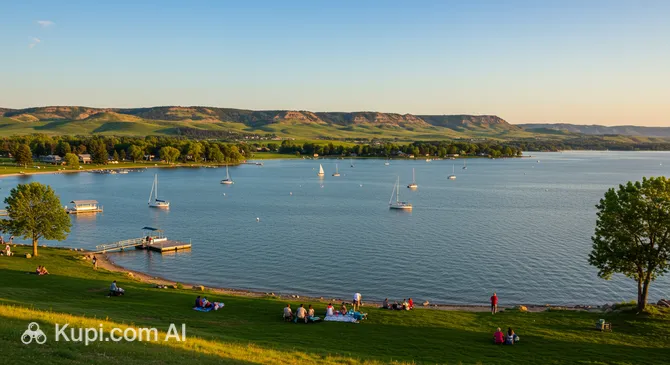
Devils Lake. Source: Kupi.Binoculars

The region is steeped in fascinating stories and cultural heritage. You can delve into the history of Devils Lake to understand how the city developed alongside the legendary waters that have sustained it for generations. From distinct local legends to its growth as a regional hub, the town's past adds a rich layer of depth to your visit.

Tourists primarily flock here for the world-class fishing, as the area is famously known as the Perch Capital of the World. Beyond the water, Grahams Island State Park offers excellent camping and hiking facilities, while the downtown area features charming local shops and dining options. Whether you are visiting for the renowned ice fishing in winter or boating in the summer, Devils Lake promises an unforgettable experience in the great outdoors.

Weather Overview

The climate in this North Dakota city is defined by drastic seasonal contrasts, offering distinct experiences for travelers throughout the year. Summers are typically warm and inviting, with July being the hottest month, boasting an average temperature of 21.7°C and daily highs often reaching 26.8°C. This season also sees the highest frequency of precipitation; June is usually the wettest month with approximately 12 wet days, so carrying a raincoat is advisable for outdoor excursions.

Winter brings a dramatic change, turning the region into a cold, frosty landscape perfect for ice-based recreation. Temperatures plunge significantly, with February averaging -12.3°C and lows dropping to -17.2°C. While precipitation volume is lower during these months, the freezing conditions ensure that the cold is a constant presence. To help plan your wardrobe and activities, it is helpful to review the detailed weather in Devils Lake before your arrival.

Spring and autumn serve as transitional periods with rapidly changing conditions, bridging the gap between the extremes. Overall, visitors can expect warm summers with occasional rain and cold, dry winters that demand heavy thermal clothing.

Interesting Facts

Beyond the main attractions and outdoor activities, Devils Lake holds many fascinating secrets and historical quirks that surprise many visitors. Here are some intriguing facts about this unique North Dakota community:

  • The city's name stems from a significant linguistic misunderstanding. The indigenous Dakota people originally called the lake "Mni Wakan," which translates to "Spirit Water" or "Holy Water." However, early settlers mistranslated this as "Bad Spirit," which eventually led to the permanent moniker of Devils Lake.

  • The lake itself is a geological anomaly known as a closed basin, meaning it has no natural outlet to the ocean. Consequently, the water levels fluctuate dramatically based on rainfall; since the 1990s, the lake has expanded to nearly four times its previous size, swallowing thousands of acres of farmland and forcing the city to build massive dike systems for protection.

  • Downtown features a rare piece of architectural history at the Lake Region Heritage Center. This museum is housed in the former Sheriff's House and Jail, built in 1910, where the sheriff's family lived in the front of the building while prisoners were incarcerated just a few feet away in the back.

  • Despite its modest population, the city is a vital stop on one of America's most famous rail journeys. It serves as a station for Amtrak's Empire Builder, directly connecting this remote prairie town with major metropolises like Chicago and Seattle.

How to Get There

Reaching this North Dakota destination involves a journey through the scenic plains of the United States. While the town itself does not host a large commercial airport, it is accessible via several regional hubs connected by well-maintained highways. You can find more about how to get to Devils Lake and plan your specific route in our detailed guide.

The closest commercial hub is Grand Forks International Airport (IATA: GFK), located in the city of Grand Forks. It is situated approximately 127 km from Devils Lake. Travelers landing here can expect a drive of about 1 hour and 30 minutes by taxi or rental car to reach their final destination. Although it is a smaller facility, it offers essential connections for domestic travelers.

For a wider range of flight options, many visitors choose Hector International Airport (IATA: FAR) in Fargo. This airport is located about 203 km away and serves as a major regional gateway with higher passenger traffic. The transfer time from Fargo to Devils Lake is typically around 2 hours and 15 minutes by road. Alternatively, Minot International Airport (IATA: MOT) in Minot offers another viable entry point, located roughly 180 km to the west.

For clarity, here is a summary of the main airports:

Airport Name City Passenger Traffic Km from City
Winnipeg James Armstrong Richardson International Airport Winnipeg Large 232.4
Hector International Airport Fargo Medium 203.0
Bismarck Airport Bismarck Medium 206.0
Minot International Airport Minot Small 180.4
Grand Forks International Airport Grand Forks Small 127.3

Regarding rail connections listed in the vicinity, the data points to the Winnipeg Railway Station (IATA: XEF). It is important to note that this station is located in Winnipeg, Canada, approximately 235 km from Devils Lake. Traveling from this station requires crossing the international border, and the subsequent drive takes roughly 3 hours. Travelers should verify visa and border entry requirements if choosing this route.

Below is the information for the railway station:

Station City Passenger Traffic Km to Center
Winnipeg Railway Station Winnipeg 234.7

Main Attractions

The crown jewel of the region is undoubtedly Devils Lake itself. As the largest natural body of water in North Dakota, it serves as a premier destination for outdoor enthusiasts throughout the year. The lake is widely renowned for its exceptional fishing opportunities, often cited as one of the best fisheries in North America for walleye, northern pike, and white bass. In the summer, the waters are alive with boaters and water skiers, while winter transforms the surface into a bustling village of ice fishing houses.

For those who wish to stay close to nature, Grahams Island State Park is a must-visit location. Situated on an island within the lake and accessible by a paved road, this park offers a perfect blend of accessibility and wilderness. It features a large campground, picnic shelters, and a bait shop, making it an ideal base camp for anglers and families alike. The park's well-maintained boat ramps provide easy access to the water, while the surrounding woodlands offer peaceful spots for relaxation.

Nature lovers should not miss a trip to the White Horse Hill National Game Preserve. Located just a short drive from the city, this refuge is a sanctuary for local wildlife, including American bison, elk, and prairie dogs. Visitors can explore the preserve via a scenic driving route or hike along interpretive trails that wind through forests and prairie hills. The overlook at the top provides a breathtaking panoramic view of Devils Lake, offering one of the most photogenic spots in the entire region.

To explore the cultural history of the area, a visit to the Lake Region Heritage Center is highly recommended. Housed in the historic former Sheriff's House and Jail, which dates back to 1910, the museum offers a fascinating glimpse into the past. Exhibits display period artifacts, clothing, and photographs that tell the story of the early settlers and the development of the community. The unique setting, where the sheriff's family lived just steps away from the jail cells, adds an intriguing layer to the historical experience.

Local Cuisine

The culinary scene in Devils Lake is a heartwarming reflection of its Great Plains heritage and its status as a premier fishing destination. The food culture here is defined by unpretentious, hearty Midwestern comfort food that relies heavily on local ingredients and traditional recipes. Visitors will find a welcoming atmosphere where portions are generous, and the dining experience is often as much about the community as it is about the meal. From lakeside grills to classic downtown diners, the city offers a taste of authentic North Dakota hospitality.

Given the city's reputation as the "Perch Capital of the World," it comes as no surprise that freshwater fish is the star of the local menu. Walleye is the undisputed favorite, often served freshly caught and prepared in a variety of ways. You simply cannot leave without trying a plate of pan-fried or beer-battered walleye fillets, typically accompanied by tartar sauce and a side of crispy hash browns or fries. For a true local delicacy, look for walleye cheeks, a tender and flavorful cut that is highly prized by anglers and foodies alike.

Beyond the bounty of the lake, the region's German-Russian and Scandinavian roots have left a lasting mark on the cuisine. A must-try dish is Knoephla soup, a thick, creamy potato and dumpling soup that is legendary in North Dakota. It is the perfect comfort food, especially after a long day of ice fishing or hiking in the crisp air. Additionally, you might encounter Fleischkuechle, a savory meat pie that is fried to golden perfection, or dishes featuring locally raised bison, which offers a leaner and richer alternative to traditional beef.

The beverage culture in Devils Lake is relaxed and informal. While you won't find an abundance of high-end cocktail lounges, the local bars and restaurants take pride in serving regional craft beers brewed across North Dakota and Minnesota. The "supper club" tradition is also alive here, where dinner is often preceded by a classic relish tray and a simple mixed drink. For non-alcoholic options, hot coffee is a staple fuel for the early mornings, and the local diners serve up classic milkshakes and floats that appeal to travelers of all ages.

Travel Tips

Planning a trip to Devils Lake requires a bit of preparation, especially given its distinct seasons and focus on outdoor recreation. To help you make the most of your visit to this welcoming community in the United States, we have compiled a list of essential practical tips that cover everything from packing the right gear to navigating local customs.

  1. Clothing and Gear: The weather in North Dakota dictates your wardrobe. If you are visiting in winter, heavy-duty thermal clothing, a windproof parka, insulated boots, and gloves are non-negotiable necessities to survive the sub-zero temperatures. In summer, light and breathable fabrics are suitable, but always bring a light jacket for cooler evenings. Since much of the activity here revolves around the lake and parks, bring comfortable walking shoes and, crucially, high-quality insect repellent to ward off mosquitoes during the warmer months.

  2. Transportation: Public transportation options like subways or extensive bus networks do not exist in this small city. The most practical way to get around is by renting a car, which gives you the freedom to explore the lake's various bays and the surrounding nature preserves at your own pace. While there are local taxi services, ride-hailing apps may have limited availability compared to major metropolitan areas, so it is best not to rely on them exclusively.

  3. Finances: The local currency is the US Dollar (USD). Credit and debit cards are widely accepted at hotels, large retailers, and most restaurants. However, it is wise to carry some cash, particularly for small transactions at bait shops, rural convenience stores, or when tipping guides. ATMs are readily available throughout the town. The standard tipping culture applies here: 15-20% is customary for restaurant service, and it is polite to tip fishing guides if you book a charter.

  4. Health and Safety: Devils Lake is generally a very safe community for tourists. For medical needs, the city is served by CHI St. Alexius Health, which provides emergency care. Pharmacies like Walmart or Thrifty White are available for over-the-counter medications during standard business hours. The biggest safety concern is often the environment; in winter, always check road conditions and travel with an emergency kit in your vehicle in case of snowstorms.

  5. Communication: English is the primary language spoken by locals. The dialect is standard Midwestern, often spoken with a friendly and polite tone. Mobile coverage is generally good within the city limits and main lake areas, with major carriers like Verizon and AT&T providing the best service. Free Wi-Fi is standard in most hotels and coffee shops, but coverage might be spotty if you venture deep into the nature preserves.

  6. Local Etiquette: The local culture is defined by "North Dakota Nice"—people are generally warm, helpful, and chatty. It is polite to greet shopkeepers and acknowledge passersby with a nod or a smile. If you are driving on rural backroads, it is customary to give a small wave to oncoming drivers. Dress codes are very casual; practical outdoor attire is acceptable almost everywhere, including dining establishments.

  7. What to Avoid: Never underestimate the ice conditions in winter. Do not drive or walk onto the frozen lake unless you are absolutely certain of the ice thickness or are following a marked ice road; conditions can change rapidly. Additionally, respect private property rights; while the lake is public, much of the surrounding land is private farmland, so look for "Posted" signs and do not trespass to reach fishing spots.

  8. Fishing Regulations: Since fishing is a primary draw, ensure you are compliant with local laws. You must purchase a valid North Dakota fishing license before casting a line. These can be bought easily online or at local gas stations and bait shops. Be aware of daily catch limits and size restrictions, as game wardens frequently patrol the area to protect the fishery.

By keeping these practicalities in mind, you can focus on enjoying the stunning natural beauty and legendary fishing that Devils Lake has to offer. Whether you are drilling a hole in the ice or casting from a boat, a little preparation ensures a safe and memorable adventure in this unique corner of North Dakota.

Entertainment & Nightlife

Entertainment in Devils Lake reflects the city's friendly and laid-back character. While you will not find sprawling nightclubs or neon-lit dance floors here, the nightlife is defined by welcoming sports bars, cozy lounges, and a lively casino scene. The atmosphere is distinctly casual and unpretentious, where jeans and flannel are the standard dress code, and locals are always ready to strike up a conversation with visitors.

The main hub for evening activity within the city limits is Downtown Devils Lake, particularly along 4th Street. This walkable district allows you to easily hop between a few local favorites without needing a vehicle. On weekends, these venues often host live bands or karaoke nights, drawing a mix of anglers, locals, and travelers looking to unwind after a day on the water.

For the most comprehensive entertainment experience, Spirit Lake Casino & Resort is the undisputed center of action. Located just a short drive from the city, this venue offers 24-hour gaming excitement with hundreds of slot machines and table games. Beyond the casino floor, it serves as the region's primary concert venue, frequently hosting touring country artists and comedy acts in its auditorium or at the outdoor amphitheater during warmer months.

If you prefer a view with your evening drink, Proz Lakeside at the Cove is a must-visit destination. Situated right on the water at Woodland Resort, this spot is famous for its vibrant summer patio where you can watch the sunset over the lake. It combines a full-service restaurant with a spirited bar atmosphere, making it a popular gathering place for groups celebrating their catch of the day.

For craft beer enthusiasts, Black Paws Brewing Company offers a modern touch to the downtown scene. As a local brewery, it provides a relaxed setting to sample unique beers brewed right in the heart of North Dakota. It is an excellent spot for a quieter evening of conversation and tasting local flavors before heading out to livelier venues.

Practical planning is essential for a night out in this small community. Most bars stay open until 1:00 AM or 2:00 AM, but kitchen hours often end much earlier. Ride-sharing services like Uber or Lyft are virtually non-existent here, and taxi availability can be limited, especially late at night. It is highly recommended to have a designated driver or arrange your transportation in advance to ensure a safe return to your accommodation. The city is very safe for walking, but winter temperatures demand that you dress warmly even for short distances.

Daytime entertainment in Devils Lake offers a slower pace suitable for families and those looking to relax indoors. Encore 301, the local cinema, provides a comfortable setting to catch the latest Hollywood blockbusters with fresh popcorn in hand. For a bit of friendly competition, the local bowling lanes offer family-friendly fun, serving as a perfect alternative when the weather limits outdoor activities.

Parks & Museums

While the massive lake is the region's defining feature, the city and its surroundings also maintain charming green spaces and impressive historical institutions. For visitors looking to explore beyond the shoreline, Devils Lake offers parks perfect for relaxation and museums that preserve the rich, and sometimes complex, heritage of the North Dakota prairie.

Ruger Park serves as the central hub for community recreation within the city limits. This spacious urban park is a favorite among local families and visitors alike, offering well-maintained playgrounds, picnic shelters, and ample open space for casual sports. It provides a peaceful, leafy retreat where travelers can enjoy a quiet afternoon or a picnic lunch without leaving the convenience of the town center. Nearby, Roosevelt Park complements the city's green offerings, featuring recreational facilities and serving as another accessible spot for those seeking fresh air within the city grid.

For a deep dive into the region's past, the Fort Totten State Historic Site is an essential stop located just south of the lake. This remarkably well-preserved site features 16 original brick buildings surrounding a parade ground, dating back to 1867. Originally a military post and later a boarding school, the site now operates as a museum offering a poignant look at the area's layered history. Visitors can walk through the historic structures, view exhibits on military and pioneer life, and explore the Lake Region Pioneer Daughter's Museum housed within the complex.

In the heart of the city, the Lake Region Heritage Center continues to be a focal point for culture, housed in a distinct neoclassical building. While the Sheriff's House is a known highlight, the center also features a beautifully restored historic courtroom that transports visitors back to the early 20th century. The museum frequently rotates exhibits showcasing local art, vintage clothing, and artifacts that narrate the daily lives of the early settlers, making it a comprehensive cultural venue for history buffs.

For a unique local experience, take a drive along the scenic roads surrounding Fort Totten. The area offers not only historical architecture but also stunning views of the rolling hills and wooded areas that contrast sharply with the open plains, providing some of the best landscape photography opportunities in the region.

Getting Around

Navigating Devils Lake is quite different from exploring a major metropolitan area, and visitors should be aware that the city does not possess a complex public transport network comprising subways, trams, or extensive fixed-route bus lines. Instead, the local transportation infrastructure is designed primarily for a small community, relying heavily on on-demand services and private vehicles to move around the city and the surrounding lake areas. The atmosphere is relaxed, and traffic congestion is virtually non-existent.

The primary form of public transit available is a demand-response bus service, often operated as a "dial-a-ride" system using minibuses or vans. Unlike traditional buses that follow a strict timetable and map, this service operates on a curb-to-curb basis. Travelers must call the dispatch office in advance—typically at least 24 hours beforehand—to schedule a pickup. This service is open to the general public and is a viable option for getting from your hotel to downtown shops or essential services during standard business hours.

Regarding payment, simplicity is key. The fare for the demand-response transit is very affordable, usually consisting of a small flat fee per ride. Drivers generally do not carry change, so it is essential to have the exact amount in cash when you board. There are no electronic travel cards, mobile apps, or multi-day tourist passes for this local system; it operates strictly on a pay-per-ride basis using physical currency.

For practical advice, tourists should note that the public transit service typically operates only on weekdays and during limited daytime hours. It is not an option for late-night dining or weekend excursions. If you plan to use this service, patience and advanced planning are required. You cannot simply wait at a designated stop; you must be proactive in booking your ride by phone during office hours.

Given these limitations, the most popular alternative and highly recommended method for tourists is renting a car. Having your own vehicle provides the necessary freedom to explore the state parks, fishing spots, and scenic overlooks that are located outside the immediate city center. Taxis are available, but the fleet is small, and wait times can be longer than expected. If you choose to take a taxi, it is wise to call for one well before your desired departure time rather than trying to hail one on the street. Ride-sharing apps are not reliably available in this region.

A special feature of the city's transport landscape is its historic railway station. While not a metro system, the depot serves as a vital stop for the Amtrak Empire Builder line. This classic station connects the small community to the broader rail network of the United States. Even if you are not arriving by train, the station itself is a notable landmark that highlights the town's enduring connection to the cross-country railroad heritage.

Accommodation

Accommodation in Devils Lake is designed primarily to support the influx of outdoor enthusiasts who visit the region year-round. The city offers a practical mix of lodging options ranging from familiar budget-friendly motels and mid-range chain hotels to specialized lakeside resorts. Because the area is a premier fishing destination, many establishments are tailored to the needs of anglers, often providing amenities such as boat parking, fish cleaning stations, and freezer space for your catch.

For those seeking convenience and familiarity, the area along Highway 2 serves as the main corridor for hospitality. Here, travelers can find standard hotels that offer comfortable rooms, complimentary breakfasts, and easy access to the city's dining and retail sectors. This area is ideal for visitors who want to be close to the amenities of the town center while remaining just a short drive from the boat ramps.

If you prefer to stay closer to the water, the shoreline features several resorts and campgrounds that offer a more immersive experience. These properties often provide cabin rentals and direct access to the lake, allowing you to wake up and be on the water within minutes. Notable examples in the region include the Spirit Lake Casino & Resort, which offers extensive amenities including gaming and dining, and Woodland Resort, which is well-regarded for its boat rentals and on-site services. Staying in these locations provides a scenic backdrop and a true "lake life" atmosphere.

Booking Tip: Since Devils Lake hosts numerous fishing tournaments in the summer and is a hotspot for ice fishing in the winter, accommodation can fill up quickly during peak seasons. It is highly recommended to book your stay several weeks in advance, especially if you plan to visit during a major event or a holiday weekend.

The general price range for accommodation in the city is budget to mid-range, making it an affordable destination for families and groups. Luxury 5-star properties are not characteristic of this rural community; instead, the focus is on cleanliness, comfort, and utility. Booking is straightforward, with most major hotels and resorts listing their availability on popular online travel platforms, though some smaller, family-run cabins may require direct phone reservations.

Nearby Cities

Located in the heart of the Drift Prairie, Devils Lake is relatively remote, yet it maintains strong connections to the major urban centers of North Dakota and neighboring regions. For travelers extending their journey or seeking urban amenities, several significant cities are accessible via the state's highway network. These destinations offer a contrast to the outdoor focus of the lake region, providing opportunities for shopping, historical sightseeing, and cultural events.

The closest major hub is Grand Forks, situated to the east. As a vibrant college town and commercial center, it is a frequent destination for residents and visitors alike. To the west lies Minot, often called the "Magic City," which serves as a key gateway to the western plains. To the southeast, the largest metropolitan area in the region is anchored by Fargo, known for its lively downtown and extensive retail options. Just across the river lies Moorhead, completing this major urban hub. Finally, the state capital, Bismarck, located to the southwest, provides a deep dive into the area's political and pioneer history.

Below is a list of these nearby cities, including their approximate populations and distances from Devils Lake:

City Population Distance (km)
Grand Forks 63,767 138
Minot 48,005 181
Bismarck 89,825 205
Fargo 207,310 208
Moorhead 44,129 210

Shopping & Souvenirs

Shopping in Devils Lake offers a relaxed and welcoming experience that mirrors the friendly atmosphere of the community. While the city does not feature massive luxury shopping complexes, it provides a delightful mix of practical retailers, outdoor outfitters, and charming local boutiques. Visitors will find everything they need for their stay, alongside unique regional treasures that reflect the spirit of North Dakota and the United States.

The heart of the local retail scene is the historic Downtown District. Centered around 4th Street, this walkable area is lined with independent businesses housed in classic brick buildings. Here, you can browse through specialty shops offering women's fashion, home décor, and distinctive gifts. It is also the best place to find antique stores, where collectors can hunt for vintage items and memorabilia connected to the region's pioneer history.

Given the city's status as a world-class fishing destination, it is no surprise that sporting goods are a major focus of the local economy. Anglers and outdoor enthusiasts will find several well-stocked outfitters and bait shops dedicated to the lake lifestyle. These stores are essential stops for purchasing high-quality fishing tackle, ice augers, and weather-appropriate clothing designed to withstand the rugged North Dakota elements. The staff at these locations are often local experts who can provide valuable advice on what gear is working best on the water.

For a more traditional indoor shopping experience, the Holiday Mall serves as the primary enclosed shopping center in the area. It features a selection of national chain stores, service providers, and casual dining options. It is a convenient destination for travelers needing to replenish travel essentials, buy electronics, or shop for standard apparel in a climate-controlled environment.

Visitors looking for souvenirs should keep an eye out for locally made products. "Pride of Dakota" items, which can range from gourmet foods like chokecherry jelly to handcrafted lotions and artwork, are popular choices. Additionally, merchandise branded with the Devils Lake name—such as hoodies, caps, and mugs—makes for a perfect memento of your trip to the "Perch Capital of the World."

Shopping Tips:

  • Hours: Business hours in Devils Lake are generally traditional. Most downtown shops open around 9:00 AM or 10:00 AM and close by 5:30 PM or 6:00 PM on weekdays. Weekend hours can be shorter, and many smaller boutiques may be closed on Sundays.
  • Sales Tax: Be aware that state and local sales taxes are applied to most purchases at the register.
  • Seasonal Markets: During the summer and early autumn, look for local farmers markets where you can buy fresh produce, baked goods, and handmade crafts directly from area growers and artisans.

Reached the end of the page?

That means the route is fully explored