Support

Grand Forks

About

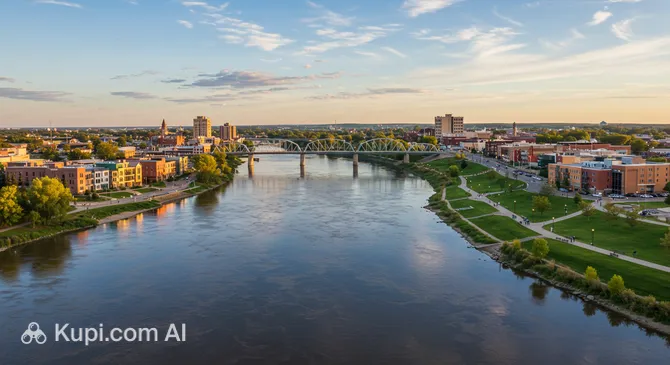
Grand Forks is a welcoming city situated on the western banks of the Red River of the North. As a key cultural and economic hub in North Dakota, this destination offers a distinctive blend of small-town charm and the amenities of a larger community. Located in the northern United States, it serves as a gateway to the scenic Red River Valley and is known for its friendly residents and vibrant atmosphere.

With a population of over 60,000 people, the city maintains a youthful energy, largely due to the presence of the University of North Dakota. The area has a rich past, evolving from a steamboat trading post into a modern center for commerce and education. Visitors interested in how the community has shaped its identity over the years can explore the history of Grand Forks, which includes stories of resilience and growth on the Great Plains.

Grand Forks. Source: Kupi.Binoculars

The city is renowned for its impressive outdoor recreation opportunities. The Greenway, a massive system of parks and trails spanning thousands of acres along the river, provides the perfect setting for biking, hiking, and cross-country skiing. For sports enthusiasts, the Ralph Engelstad Arena is a must-visit landmark, widely considered one of the finest hockey venues in the country. Additionally, the North Dakota Museum of Art offers a touch of culture with its diverse exhibitions.

Whether you are drawn by the excitement of collegiate sports, the beauty of the northern plains, or the local arts scene, Grand Forks makes for an engaging stop on your journey. It is a destination that invites travelers to experience the authentic heart and hospitality of the region.

Weather Overview

Grand Forks features a distinct continental climate with four well-defined seasons, offering travelers a different experience depending on the time of year. The winter months are characteristically cold, with January and February seeing average temperatures of -11.6°C and lows dropping to nearly -17°C, making warm clothing essential for any visit during this period.

In contrast, the city warms up significantly by mid-year. July is typically the hottest month, with an average temperature of 22.6°C and daily highs reaching up to 28.1°C. Precipitation is moderate, though late spring and early summer are generally the wettest times, seeing up to 10 wet days per month. Travelers can expect warm summers with occasional rain and cold, dry winters. To ensure you are fully prepared for current conditions, be sure to check the weather in Grand Forks before your trip.

Interesting Facts

Beyond the main attractions, Grand Forks holds many fascinating secrets and unique distinctions that often surprise visitors. Here are some intriguing details about this vibrant North Dakota city:

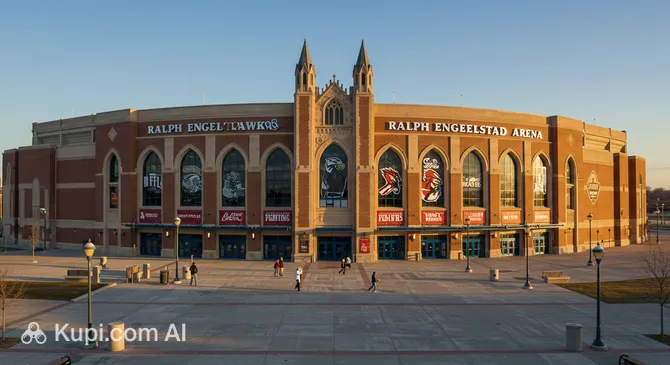
  • The city is home to the Ralph Engelstad Arena, which is widely regarded as one of the finest hockey venues in the world. Often called the "Taj Mahal of Hockey," this facility features granite floors and leather seats, offering a level of luxury rarely seen in collegiate sports.

  • Grand Forks transformed a natural disaster into a recreational masterpiece with the creation of the Greenway. Developed after the historic flood of 1997, this massive system of parks and trails is approximately twice the size of New York City's Central Park.

  • The city is a global hub for aviation training, thanks to the University of North Dakota's John D. Odegard School of Aerospace Sciences. It operates one of the largest collegiate flight training fleets in the world, meaning the skies above the city are often filled with future pilots honing their skills.

  • A symbol of international friendship can be found in Sertoma Park, which houses a serene Japanese Garden. This beautiful space was a gift from the sister city of Awano, Japan, and features traditional stone lanterns and rocks imported directly from Japan.

Ralph Engelstad Arena. Source: Kupi.Binoculars

How to Get There

Reaching Grand Forks is straightforward, with several reliable transportation options available for visitors. Whether you prefer flying directly into the city or landing at a larger regional hub nearby, you can easily plan your journey. For a detailed overview of all routes and travel tips, you can read more about how to get to Grand Forks.

The most convenient entry point is the local Grand Forks International Airport (GFK), situated just 11 km from the city center. As a key regional facility, it offers a quick and easy arrival experience, with a taxi or car ride to downtown taking approximately 15 to 20 minutes. For travelers seeking more flight connections, Hector International Airport (FAR) in Fargo is a popular alternative. Although it is located in Fargo, about 113 km away, the drive to Grand Forks is smooth and typically takes around 1 hour and 15 minutes via the interstate.

Another significant option is Winnipeg James Armstrong Richardson International Airport (YWG), located in Winnipeg, Canada. This large international airport is approximately 221 km north of Grand Forks. While it offers extensive global connections, travelers should account for a drive of about 2.5 to 3 hours and the necessary border crossing procedures.

For clarity, here is a summary of the main airports:

Airport Name City Passenger Traffic Km from City
Winnipeg James Armstrong Richardson International Airport Winnipeg Large 220.7
Hector International Airport Fargo Medium 112.9
Grand Forks International Airport Grand Forks Medium 11.0
Falls International Airport International Falls Small 279.1
Crow Wing County Airport Brainerd Small 277.5

For those considering rail travel options in the wider region, the Winnipeg Railway Station (XEF) serves as a notable hub. It is not located in Grand Forks but in Winnipeg, roughly 218 km away. From there, visitors would need to arrange a bus transfer or rental car to complete the journey south across the border, which generally takes between 2.5 to 3 hours.

Below is the information for the nearest railway station listed:

Station City Passenger Traffic Km to Center
Winnipeg Railway Station Winnipeg - 218.5

Main Attractions

Grand Forks offers a delightful variety of attractions that cater to sports fans, nature enthusiasts, and foodies alike. From world-class athletic facilities to serene outdoor spaces and cozy local eateries, the city provides memorable experiences for every type of traveler. Exploring these highlights is the best way to understand the local culture and vibrant community spirit.

A tour of the city would not be complete without visiting the Ralph Engelstad Arena. Often cited as one of the most beautiful hockey venues in the world, this arena is the proud home of the University of North Dakota's hockey team. Even if you are not attending a game, the building itself is a marvel, featuring Italian marble floors and an atmosphere that rivals professional stadiums. It stands as a testament to the city's deep passion for ice sports.

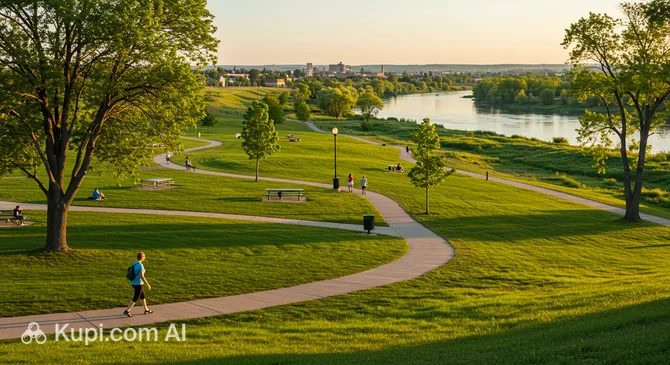
For those seeking outdoor recreation, Lincoln Drive Park is a fantastic destination located within the Greater Grand Forks Greenway. This versatile park is a favorite among locals for its well-maintained trails, which are perfect for hiking and biking in the warmer months. In the winter, the park transforms into a hub for cross-country skiing and sledding, ensuring year-round fun for families and active visitors.

Lincoln Drive Park. Source: Kupi.Binoculars

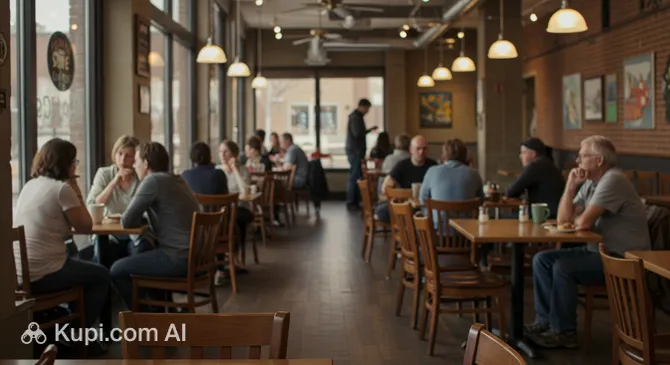
To get a true taste of the local lifestyle, make sure to stop by Darcy's Cafe. This beloved diner is famous for its welcoming, old-school atmosphere and hearty American comfort food. It is the perfect spot to enjoy a traditional breakfast and chat with friendly residents, offering a cozy retreat from the bustling city streets.

Darcy's Cafe. Source: Kupi.Binoculars

Local Cuisine

The culinary landscape of Grand Forks is a reflection of its agricultural roots and warm Midwestern hospitality. Visitors can expect hearty portions, comfort food staples, and a dining scene that prioritizes flavor and tradition over pretension. With the fertile Red River Valley producing an abundance of potatoes, sugar beets, and grains, local ingredients often take center stage in the city's most beloved recipes.

One of the most unique treats you must try in Grand Forks is the "Chipper." These chocolate-covered potato chips are a legendary local confection that perfectly balances sweet and salty flavors, paying homage to the region's status as a top potato producer. Another regional classic is Knoephla soup, a creamy, thick soup filled with dumplings and potatoes that reflects the area's German-Russian heritage. For a satisfying meal on the go, look for "grinders," the local take on sub sandwiches, often topped with a signature white sauce that has a cult following among residents.

When it comes to beverages, the locals have a distinct favorite known as "Red Beer." This concoction typically mixes a domestic light beer with tomato juice, sometimes garnished with pickles or olives. It is a popular choice for brunch or while watching a hockey game. The city also boasts a growing craft beer scene, with local breweries experimenting with ingredients grown right in the North Dakota soil.

The food culture in Grand Forks is casual and community-focused, ranging from lively sports bars to cozy family diners. Breakfast is a particularly important meal here, often serving as a social gathering time. For a quintessential experience of this morning tradition, you can visit Darcy's Cafe. This spot is a prime example of the city's diner culture, where the aroma of pancakes and fresh coffee invites tourists to eat like a local.

Travel Tips

Visiting Grand Forks offers a genuine slice of Midwestern life, but knowing a few local logistics can make your stay much more comfortable. Whether you are here for a university event or to explore the outdoors, these practical tips will help you navigate the city like a pro.

  1. Clothing and Gear: The most critical factor for packing is the season. Winters are long and harsh, so if you visit between November and March, you must bring a heavy insulated coat, thermal layers, gloves, a hat, and waterproof boots. Summers, conversely, can be warm and humid, requiring light, breathable fabrics. Standard US power adapters (Type A and B) are needed for your electronics.

  2. Transportation: While the Cities Area Transit (CAT) bus system covers key routes, the best way to explore Grand Forks is by renting a car. This gives you the flexibility to visit the Greenway or nearby attractions at your own pace. Ride-sharing apps like Uber and Lyft are available but may have longer wait times during off-peak hours compared to larger metropolises.

  3. Finances: The local currency is the US Dollar (USD). Credit and debit cards are accepted almost everywhere, from hotels to small cafes. ATMs are widely available throughout the city. Tipping is standard practice in the United States; expect to leave 15-20% of the bill at restaurants and bars for good service.

  4. Health and Safety: Grand Forks is generally a very safe city with low crime rates. The biggest safety concern is often the weather; in winter, frostbite can occur in minutes, so keep skin covered. For medical needs, the Altru Health System is the primary provider, and there are several pharmacies and urgent care clinics accessible for tourists.

  5. Communication: English is the primary language spoken. You will find that locals are chatty and helpful, often speaking with a distinctive, friendly accent. Free Wi-Fi is standard in most hotels, coffee shops, and public buildings. If you need a SIM card, major US carriers have stores at the mall and shopping centers.

  6. Local Etiquette: The culture here is defined by "North Dakota Nice." It is polite to greet shopkeepers, hold doors open for others, and make small talk in lines. Refusing a friendly gesture or being overly rushed can be perceived as rude. A smile and a "hello" go a long way here.

  7. What to Avoid: Do not underestimate winter driving conditions. Black ice is common, and you should avoid speeding or tailgating during snowy months. Also, avoid assuming that all businesses are open late; many local shops close earlier on Sundays or weekday evenings compared to bigger cities.

  8. Event Planning Tip: Be aware of the University of North Dakota's hockey schedule. On game weekends, hotels fill up quickly, and restaurants near the arena become packed. If you aren't attending the game, it might be wise to dine a bit further from the venue to avoid the crowds.

By keeping these essentials in mind, you will be ready to embrace everything this friendly city has to offer without any hassles. Pack appropriately for the weather, drive carefully, and get ready to enjoy the warm community spirit that defines Grand Forks.

Entertainment & Nightlife

Nightlife in Grand Forks is vibrant and unpretentious, fueled largely by the youthful energy of the university population and a tight-knit local community. The city’s evening scene is centered primarily in the historic Downtown district, particularly along North 3rd Street and DeMers Avenue. Here, red-brick buildings house a variety of gastropubs, dive bars, and dance clubs, creating a walkable hub where visitors can easily hop from one venue to another.

For those who enjoy craft beverages and a relaxed atmosphere, local breweries like Half Brothers Brewing Company offer a perfect setting to start the evening. The crowd is generally a mix of students, young professionals, and hockey fans, creating a lively but welcoming environment. Dress codes are almost exclusively casual; jeans and flannel are as common as trendy evening wear. Most bars stay open until 2:00 AM, with the energy peaking between 10:00 PM and midnight on weekends.

A major pillar of evening entertainment in the city is the Ralph Engelstad Arena. While famous for hockey, this venue also serves as a premier location for big-ticket concerts and events that light up the city at night. Catching a show or a game here is a quintessential Grand Forks experience, often followed by a trip to nearby sports bars like Joe Black's to celebrate with the locals.

Safety is generally not a major concern in the entertainment districts, but it is always wise to stay in well-lit areas and travel in groups late at night. Rideshare services like Uber and Lyft are readily available and are the most convenient way to get back to your hotel, especially during the cold winter months. Prices for drinks and cover charges are quite reasonable compared to larger US cities, making a night out here very budget-friendly.

Before the nightlife kicks off, the city offers plenty of daytime diversions. Visitors can spend their afternoons exploring the North Dakota Museum of Art, catching a matinee at the Empire Arts Center, or enjoying the recreational trails along the river. Whether you prefer cultural exhibits or outdoor leisure, the transition from a relaxed day to an energetic night is seamless in Grand Forks.

Parks & Museums

Grand Forks boasts an impressive array of green spaces and cultural institutions that reflect the city's resilience and appreciation for the arts. From expansive riverfront trails to galleries showcasing regional creativity, the city offers numerous ways for visitors to connect with its natural beauty and heritage.

The crown jewel of the city's outdoor offerings is the Greater Grand Forks Greenway. This massive system of parks and trails spans approximately 2,200 acres along the Red River and Red Lake River, providing a scenic backdrop for cycling, hiking, and fishing. It is a testament to the community's ability to turn floodplains into recreational treasures. Within this extensive network, visitors can explore popular areas like Lincoln Drive Park, which serves as a hub for year-round activities ranging from disc golf in the summer to skiing in the winter.

Another must-visit green space is Sertoma Park, located on the south end of the city. This park is particularly famous for housing the serene Japanese Garden, a gift from the sister city of Awano, Japan. Visitors can stroll past traditional granite lanterns, carefully arranged rocks, and peaceful greenery, offering a moment of Zen amidst the North Dakota plains. The park also features walking paths and picnic areas, making it a favorite spot for families.

For culture enthusiasts, the North Dakota Museum of Art is a significant landmark located on the University of North Dakota campus. Housed in a distinctive limestone building that was once the university gym, the museum features contemporary art from around the globe, with a special focus on the art and culture of the Northern Plains. Its ever-changing exhibitions and lovely outdoor sculpture garden make it a dynamic place to experience the region's artistic pulse.

To dive deeper into the local backstory, the Grand Forks County Historical Society Myra Museum offers a fascinating glimpse into the past. The complex includes the Campbell House, a log cabin, and other historic structures that narrate the pioneer history of the Red River Valley. It is an excellent stop for those who wish to understand the early days of settlement and the evolution of the community.

Architecturally, Downtown Grand Forks stands as a historic district that has been beautifully preserved and revitalized. Walking down these streets, visitors can admire early 20th-century brick buildings that now house vibrant shops and restaurants. Notable among the historic sites is the grandiose St. Michael's Catholic Church, known for its stunning architecture and enduring presence in the city's skyline.

For a unique local experience, look for the flood obelisks located near the river in the downtown area. These markers indicate the high-water levels of historic floods, providing a tangible sense of the river's power and the city's triumph over natural challenges.

Getting Around

Public transport in Grand Forks is primarily served by the Cities Area Transit (CAT) system. While the city is predominantly car-dependent, this bus network provides a reliable and affordable way to navigate between key destinations, including the downtown district, the University of North Dakota campus, the Columbia Mall, and even across the river into East Grand Forks, Minnesota.

The CAT system operates a fleet of modern buses on several fixed routes. There is no metro, tram, or trolleybus system in the city. For visitors, the bus is a convenient option for daytime travel, but it is important to note that the network is designed more for local commuting than for extensive sightseeing. The buses are generally clean, safe, and equipped with bike racks, making them user-friendly for travelers combining cycling with transit.

Payment for the bus is straightforward. You can pay with cash directly upon boarding, but you must have the exact change as drivers cannot provide change. One-way fares are very affordable, typically costing around $1.50. If you plan to use the bus frequently, you might consider purchasing a 10-ride pass or a 31-day unlimited pass. These passes can be bought at the Cities Area Transit designated locations, such as the Metro Transit Center downtown or at certain local grocery service counters.

Regarding operating hours, the service typically runs from early morning, around 6:00 AM, until the evening, with most routes ending between 6:00 PM and 10:00 PM on weekdays. Saturday service is usually available but with reduced hours, and it is crucial for tourists to know that there is generally no fixed-route bus service on Sundays or major holidays. Therefore, you should always check the latest schedule on the official CAT website or via standard map apps before planning your day.

Given the limitations of the bus schedule, especially in the evenings and on weekends, many visitors find that renting a car is the most practical solution for getting around. This offers the flexibility to explore the wider region and is particularly recommended during the cold winter months when waiting at bus stops can be uncomfortable. Major car rental agencies are available at the airport and within the city.

For those who prefer not to drive, taxis and ride-sharing apps like Uber and Lyft are active in Grand Forks. They are reliable alternatives for late-night transportation or for trips to areas not covered by the bus routes. Additionally, during the warmer months, the city is quite bike-friendly, with extensive paths along the Greenway, though this is more of a recreational option than a primary mode of transit for most tourists.

Accommodation

Accommodation in Grand Forks is designed to be practical, comfortable, and accessible, catering primarily to families, university visitors, and event-goers. The city does not typically feature high-end luxury resorts; instead, visitors will find a wide selection of reliable mid-range hotels, well-known national chains, and budget-friendly motels. Most properties offer standard amenities such as free Wi-Fi, complimentary breakfast, and parking, ensuring a hassle-free stay for travelers exploring the region.

When choosing where to stay, location is a key factor. The most popular area for lodging is along the 32nd Avenue South corridor and near the Interstate 29 exits. This district serves as the commercial heart of the city, placing guests within walking distance of the Columbia Mall, numerous restaurants, and grocery stores. It is an excellent base for those who want easy access to the highway and modern conveniences.

Another highly sought-after area is the neighborhood surrounding the University of North Dakota. Staying here is particularly convenient for those attending games or concerts at the Ralph Engelstad Arena. Hotels in this vicinity allow fans to be close to the action, often eliminating the need for a long drive after a night of excitement. While downtown offers fewer hotel options compared to the commercial strips, it provides a unique charm with its proximity to local dining and the riverfront.

Booking Tip: Grand Forks is a passionate hockey town, and the city's occupancy rates are heavily influenced by the university's sports schedule. During home hockey weekends or major university events, hotels can sell out weeks or even months in advance, and prices may rise significantly. If your trip coincides with a game, it is essential to book your room as early as possible.

Generally, the price range for accommodation is moderate and budget-friendly compared to larger metropolitan areas. Reservations can be easily made through major online booking platforms or directly with the hotels. For the best rates and availability, especially during the winter sports season, planning ahead is highly recommended.

Nearby Cities

For those looking to explore the surroundings, Grand Forks serves as an excellent base for day trips to several interesting nearby locations:

City Population Distance (km)
Fargo 207,310 118
Moorhead 44,129 119
West Fargo 37,913 117
Holt 25,755 75
Bemidji 15,114 169

One of the most popular destinations for a quick getaway is Fargo, the largest city in North Dakota. Located just over an hour south, Fargo offers a vibrant downtown area filled with eclectic shops, art galleries, and the iconic Fargo Theatre. Visitors can explore the Roger Maris Museum or enjoy the lively dining scene that rivals much larger metropolitan areas, making it a perfect spot for urban exploration.

For nature enthusiasts and fans of American folklore, Bemidji in neighboring Minnesota is a delightful choice. Known as the "First City on the Mississippi," it is famous for its massive statues of Paul Bunyan and Babe the Blue Ox, which are classic roadside attractions. The town is surrounded by lakes and forests, offering excellent opportunities for hiking, fishing, and photography in a scenic Northwoods setting.

Just across the river from Fargo lies Moorhead, which is renowned for its deep Scandinavian roots. A highlight here is the Hjemkomst Center, which houses a full-scale replica of a Viking ship and a stave church. It provides a fascinating look into the region's heritage and is close enough to be combined with a trip to Fargo for a full day of sightseeing.

These nearby destinations offer a glimpse into the diverse culture and landscapes of the region.

Shopping & Souvenirs

Grand Forks serves as a premier retail hub for the Red River Valley, attracting shoppers from across North Dakota and neighboring Minnesota, as well as visitors from Canada. The city offers a balanced mix of well-known national retailers and independent local boutiques, making it easy to find everything from the latest fashion trends to unique regional products. Whether you are looking for outdoor gear to tackle the local climate or specialty gifts, the city provides a relaxed and accessible shopping environment.

For a distinctively local experience, head to Downtown Grand Forks. This revitalized historic district features tree-lined streets and beautifully preserved brick buildings that house an array of specialty shops. Here, you can browse through home décor stores, art galleries, and clothing boutiques that offer items you won't find in big-box chains. Another major commercial corridor is 32nd Avenue South, often referred to as the Grand Forks Marketplace. This bustling area is lined with large department stores, electronics retailers, and convenient strip malls, serving as the go-to destination for everyday needs and major purchases.

Travelers who prefer an enclosed shopping experience should visit the Columbia Mall. Located conveniently on South Columbia Road, this is the city's primary shopping center. It features several major anchor department stores, a food court, and a variety of apparel and accessory shops. It is a comfortable place to spend an afternoon, especially during the colder winter months when indoor shopping is a welcome respite from the weather.

During the summer and early autumn, the Town Square Farmers Market becomes a highlight of the city's retail scene. Held in the downtown area on Saturdays (and some weekdays), this market brings together local growers and artisans. It is the perfect place to pick up fresh produce, homemade jams, baked goods, and handcrafted jewelry, offering a direct connection to the region's agricultural roots and creative community.

When it comes to souvenirs, there is one local treat that stands above the rest: "Chippers." These chocolate-covered potato chips, famous in the region, can be found at Widman's Candy Shop and make for a delicious and unique gift. For sports enthusiasts, no trip is complete without visiting the Sioux Shop located inside the Ralph Engelstad Arena. This store offers an extensive selection of hockey apparel and merchandise, allowing fans to take home a piece of the city's legendary sports culture.

Most retail stores in Grand Forks operate from 10:00 AM to 9:00 PM on weekdays and Saturdays, with reduced hours on Sundays, typically from noon to 6:00 PM. Credit and debit cards are universally accepted, and contactless payment is becoming increasingly common. Sales tax is applied to most purchases, but the rates are generally reasonable compared to the national average.

A unique benefit for international visitors, specifically residents of Canada, is the North Dakota sales tax refund program. Canadian tourists who make qualifying purchases of taxable goods may be eligible for a refund of the state sales tax. To take advantage of this, visitors should save their receipts and look for designated refund forms or centers, making Grand Forks an even more attractive shopping destination for its northern neighbors.
Reached the end of the page?

That means the route is fully explored