Support

Berens River

About

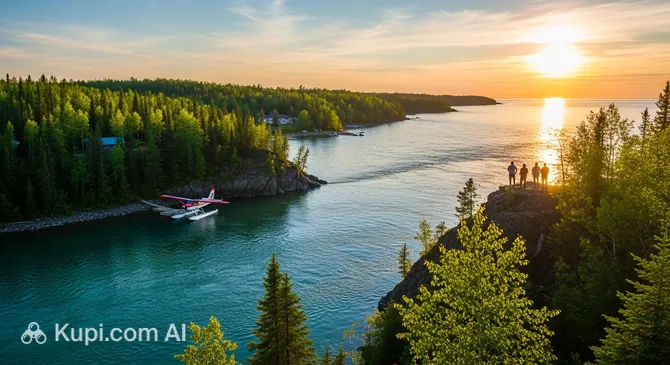
Welcome to Berens River, a captivating community situated along the eastern shore of the vast Lake Winnipeg in the province of Manitoba. Nestled at the mouth of the river that shares its name, this destination offers a glimpse into the rugged and pristine beauty of Canada. While the area retains its remote northern charm, it is now connected to the provincial highway network via the all-season road PR 304, making it accessible to adventurous travelers year-round.

Berens River. Source: Kupi.Binoculars

The area is deeply connected to the land and its indigenous roots. Visitors interested in the region's development can explore the fascinating history of Berens River, which is intrinsically linked to the local First Nation community. The settlement has long served as a gathering place and a hub for trade and transportation, preserving a strong sense of tradition and community spirit that endures to this day.

Nature enthusiasts will find plenty to admire in this serene environment. The nutrient-rich waters of Lake Winnipeg and the Berens River are renowned for excellent fishing, particularly for species like walleye and northern pike. The surrounding boreal forest offers a stunning backdrop for wildlife viewing and photography, creating a peaceful atmosphere far removed from the hustle and bustle of urban life.

Whether you are an avid angler seeking your next big catch or a traveler wishing to witness the quiet majesty of the north, Berens River offers a unique escape. We invite you to discover the natural splendor and warm hospitality of this welcoming Manitoban gem.

Weather Overview

The climate in this region is characterized by distinct seasons, offering travelers a true northern experience. Generally, visitors can expect warm summers with occasional rain and cold, dry winters. The warmest month is typically July, when average temperatures reach 20.8°C and daily highs can climb to 23.9°C, creating excellent conditions for enjoying the outdoors.

In contrast, the winter season requires warm clothing, as temperatures drop significantly. February is often the coldest month, with averages around -16.5°C and lows dipping near -20°C. While precipitation volume is generally low, the summer months tend to have a higher frequency of wet days compared to the winter. To help you pack appropriately for your specific travel dates, we recommend checking the detailed forecast for the weather in Berens River.

The shoulder seasons of spring and autumn provide a transition between these extremes. May sees temperatures warming up to an average of 7.7°C, while September remains relatively mild at 14.1°C before the colder air begins to settle in during October and November.

Interesting Facts

Beyond its scenic landscapes and role as a transportation hub, Berens River holds a collection of fascinating stories and geographical quirks that few visitors know about. From curious naming histories to ancient legends hidden in the rocks, this community offers a rich tapestry of local lore.

  • The Case of the Moving Name: The river was originally known as the "Pigeon River" by early explorers. When it was renamed to honor Joseph Berens, a Governor of the Hudson's Bay Company (1812–1822), the original name didn't disappear. Instead, the "Pigeon River" title was simply transferred to the next river located just to the south, effectively shifting the map.

  • A Rare Geographical Phenomenon: In a unique hydrological twist, the Berens River shares a common origin with the Pigeon River. Both major waterways flow out of the same body of water, Family Lake, before embarking on separate journeys west to empty into Lake Winnipeg—a rare occurrence where two distinct rivers are born from one lake.

  • Legends of the Rock People: The area is famous in anthropological circles due to the stories shared by Chief William Berens in the 1930s. He detailed the local belief in the memengwesiwag—small, semi-human spiritual beings said to live within the rock cliffs along the river. According to oral history, these mysterious figures once gifted powerful medicine to his great-grandfather, a renowned leader named Yellow Legs.

  • A Historic Signature: The community was the home of Jacob Berens (Nah-wee-kee-sick-quah-yash), a pivotal figure in Canadian history who was the first to sign Treaty No. 5 in 1875. His original chief's uniform and treaty medal are among the few from that era that have been preserved and reunited after 150 years, serving as a tangible link to the region's foundational moment.

How to Get There

Reaching the community of Berens River requires a bit of planning due to its location along the eastern shore of Lake Winnipeg. While the journey offers scenic views of the Canadian Shield, visitors typically arrive via major transport hubs in southern Manitoba before continuing their trip north via Provincial Road 304. For a detailed breakdown of routes and transportation options, you can read more about how to get to Berens River.

The most significant gateway for air travelers is the Winnipeg James Armstrong Richardson International Airport (YWG), located in the city of Winnipeg, approximately 273 km from Berens River. As a major international hub, it offers the widest range of flight connections. From Winnipeg, visitors can rent a vehicle or arrange transport to travel north on the all-season road. Other regional airports include Pikangikum (YPM) and Island Lake Airport (YIV). These facilities primarily serve remote communities and are generally accessed via charter flights, without direct road links to Berens River for standard travel.

For clarity, here is a summary of the main airports:

Airport Name City Passenger Traffic Km from City
Winnipeg James Armstrong Richardson International Airport Winnipeg Large 272.9
Island Lake Airport Island Lake Medium 230.4
Red Lake Airport Red Lake Small 265.2
Pikangikum Pikangikum Small 217.3

For those preferring rail travel, the region is not directly serviced by train, but you can arrive at a major station in the provincial capital. The Winnipeg Railway Station (XEF) is located in Winnipeg, approximately 275 km south of Berens River. This historic station connects travelers to the broader Canadian rail network. From the station, you can continue your journey by renting a car or arranging bus transport to take the highway north to Berens River.

Below is the information regarding the nearest railway station:

Station City Passenger Traffic Km to Center
Winnipeg Railway Station Winnipeg Medium 274.5

Main Attractions

While Berens River is primarily known for its vibrant community spirit and remote location, the true allure for visitors lies in its breathtaking natural surroundings. The area does not boast commercial theme parks or large museums; instead, it offers an authentic connection to the Canadian Shield's rugged beauty. Here are the main highlights for those venturing to this northern gem.

The Berens River Waterway is the heart of the region and the community’s namesake. Flowing into Lake Winnipeg, this pristine river is a paradise for anglers and boating enthusiasts. Tourists are drawn here for the exceptional fishing opportunities, particularly for walleye and northern pike, which thrive in these cool, nutrient-rich waters. Beyond fishing, a canoe or boat trip along the river offers a peaceful way to observe the shoreline's lush vegetation and rocky outcrops.

Lake Winnipeg’s Eastern Shoreline offers a spectacular natural playground. Unlike the rocky cliffs found in some parts of the shield, the area around Berens River features stretches of beautiful sandy beaches. These spots are perfect for summer picnics, swimming, and witnessing the awe-inspiring sunsets over one of the world's largest freshwater lakes. The sheer vastness of the lake creates an "inland ocean" atmosphere that is both humbling and serene.

The Boreal Forest Wilderness surrounds the community, providing endless opportunities for eco-tourism and wildlife observation. The dense forests are home to majestic wildlife, including moose, black bears, and bald eagles. For photographers and nature lovers, a hike along the local trails or a guided excursion into the bush offers a chance to experience the untouched quiet of the north. In the winter, this landscape transforms into a premier destination for snowmobiling and cross-country skiing.

Local Cuisine

The culinary landscape of Berens River is defined by its remote location and deep connection to the land and water. You will not find sprawling food courts or international restaurant chains here; instead, the local cuisine is authentic, hearty, and heavily reliant on the bounty of the surrounding wilderness. The food culture is intrinsically linked to the traditions of the local First Nation community, offering visitors a chance to taste ingredients sourced directly from the boreal forest and Lake Winnipeg.

The undisputed star of the local table is freshwater fish. Walleye (often referred to locally as pickerel) is the most prized catch, renowned for its sweet, flaky white meat. It is typically prepared simply—pan-fried with a light coating or smoked to preserve its rich flavor. Another essential staple is Bannock, a traditional bread that is either baked or fried golden brown. It is a versatile comfort food, served alongside meals, dipped in soups, or enjoyed as a snack with jam made from wild berries like blueberries or saskatoons harvested from the woods.

When it comes to beverages, the focus is on warmth and comfort to counter the cool northern air. Hot coffee and tea are the drinks of choice, serving as a social glue during community gatherings or after a long day outdoors. Travelers should be aware that alcohol availability may be limited compared to urban centers, as the focus here is more on social tea drinking and staying hydrated with pristine local water rather than a vibrant nightlife scene.

For tourists, the quintessential dining experience in Berens River is the famous shore lunch. This tradition is particularly popular among anglers, where guides prepare the morning's catch over an open fire on the riverbank, usually accompanied by fried potatoes and beans. Outside of these outdoor feasts, dining options are generally found within local lodges or small community establishments that serve home-style meals, emphasizing hospitality and shared portions over formal service.

Travel Tips

Visiting a remote northern community like Berens River is a rewarding adventure, but it requires significantly more preparation than a standard city trip. To ensure your journey is safe and respectful of the local way of life, here are some essential practical tips to keep in mind.

  1. Dress for the Wilderness. The weather in the boreal forest can be unpredictable. In summer, lightweight, breathable clothing is best, but carrying a heavy-duty insect repellent is absolutely critical to ward off mosquitoes and black flies. If you visit in winter, you must bring professional-grade thermal gear, including a parka, insulated boots, and gloves, as temperatures frequently drop well below freezing.
  2. Plan Your Transportation. There is no public transit, metro, or ride-sharing service within the community. Most visitors arrive by personal vehicle via the all-season road (PR 304) or by small charter aircraft. If you are driving, a sturdy vehicle with high clearance (like an SUV or truck) is highly recommended due to the gravel conditions of the access road.
  3. Carry Sufficient Cash. While there is a local store that may accept cards, system outages can happen in remote areas. It is wise to carry enough Canadian Dollars (CAD) in cash to cover meals, fuel, and incidental expenses for the duration of your stay. ATMs are not widely available, so withdraw money in Winnipeg or a larger town before heading north.
  4. Health and Medical Needs. The community is served by a nursing station rather than a full-service hospital. You should bring a well-stocked personal first-aid kit and an ample supply of any prescription medications you require. For serious medical emergencies, patients typically need to be airlifted to a major city, so ensure your travel insurance covers medical evacuation.
  5. Communication and Connectivity. English is the primary language spoken, though you may hear local Indigenous languages like Ojibwe. Cell phone coverage is available but can be spotty or limited to specific carriers (often MTS/Bell network). Do not rely on having high-speed data for streaming; instead, download offline maps and essential documents before you leave.
  6. Respect Local Etiquette. Berens River is a First Nation community with deep traditions. Always show respect to Elders, who are held in high regard. A friendly wave to passing drivers is a common gesture on rural roads. If you wish to take photographs of people or their property, always ask for permission first.
  7. Respect the Land and Privacy. Avoid wandering onto private property or exploring restricted areas without an invitation. The land is integral to the local lifestyle, often used for hunting and trapping; strictly avoid littering or disturbing wildlife, as sustainability and respect for nature are core community values.
  8. Fuel Management. If you are driving, be mindful of your fuel levels. Gas stations are few and far between on the road north. It is a good "life hack" to fill up your tank in Pine Falls or Manigotagan before embarking on the final stretch of the journey to ensure you have plenty of fuel for the return trip.

By packing the right gear and approaching your visit with a spirit of respect and self-reliance, you will be well-equipped to enjoy the unique beauty of Berens River. Safe travels!

Entertainment & Nightlife

Unlike the bustling metropolises of southern Canada, the "nightlife" in Berens River is not defined by neon lights, thumping bass, or crowded dance floors. Instead, the evening entertainment here is deeply rooted in the tranquility of the wilderness and the warmth of community connection. Visitors should not expect to find commercial nightclubs, cocktail bars, or late-night entertainment districts. The atmosphere is serene and quiet, with the setting sun marking a shift from outdoor adventure to peaceful relaxation or social gatherings within private homes and community spaces.

The true "stars" of the evening entertainment in this region are quite literally the stars above. Due to the complete absence of light pollution, the area transforms into a world-class venue for astronomy enthusiasts. On clear nights, the Shores of Lake Winnipeg offer a front-row seat to the cosmos, where the Milky Way is visible with the naked eye. During the winter months, this location becomes a prime theater for the Aurora Borealis (Northern Lights), which frequently dance across the sky in vibrant shades of green and violet, providing a spectacular natural light show that rivals any urban club production.

Social life in Berens River often revolves around community-organized events rather than commercial venues. The Berens River Community Centre (or local band hall) is often the hub of activity, frequently hosting Bingo nights, feasts, and social gatherings that welcome respectful visitors. These events are the heartbeat of the town after dark, offering a chance to experience local culture, share stories, and enjoy a cup of tea. Another popular pastime for locals and visitors alike is night fishing along the Berens River banks, where the quiet of the night is broken only by the splash of a walleye or the call of a loon.

For those planning to venture out after dark, practical preparation is essential. There is no dress code other than "dress for the weather"; even in summer, evenings by the water can be cool, so a warm sweater is recommended. In winter, thermal gear is mandatory. Safety in Berens River is less about avoiding crime and more about respecting the wildlife. When walking at night, it is advisable to carry a flashlight and be aware of your surroundings, as bears and other wildlife may be present near the community's edge. Since there are no taxi services or Uber, you will need your own vehicle or a pre-arranged ride to get around.

Before the sun sets, daytime entertainment focuses on immersing oneself in the rugged landscape. Visitors can explore the local trails, enjoy boating on the river, or visit the local Northern Store to stock up on supplies. While you won't find museums or amusement parks, the cultural richness of the area and the pristine environment provide a fulfilling itinerary for those seeking an authentic northern experience.

Parks & Museums

In Berens River, the concept of "parks" and "museums" takes on a different meaning than in urban centers. Here, the entire region serves as a vast, unfenced natural park, and the history is not kept behind glass but is etched into the landscape and lived by the community. Visitors come here to immerse themselves in the raw beauty of the boreal forest and to connect with a rich cultural heritage that dates back thousands of years.

Lake Winnipeg’s Natural Beaches serve as the community's primary recreational "green" spaces. Unlike manicured city parks, these areas are wild and rugged, featuring long stretches of fine sand backed by dense spruce and pine forests. During the summer, these beaches are the center of local life, offering pristine spots for swimming, picnicking, and watching the powerful waves of the lake crash against the shore. The absence of commercial development allows for a purely natural experience, where the only soundtrack is the wind and the water.

Just south of the community lies Pigeon River Provincial Park, a magnificent protected area that showcases the Canadian Shield in its most dramatic form. While it requires a boat or a short journey to access fully, it is a key natural landmark for the region. The park is defined by the Pigeon River's whitewater rapids, waterfalls, and steep rock cliffs. It serves as a sanctuary for wildlife, including woodland caribou and moose, and offers adventurous travelers a chance to experience the untouched wilderness that defines eastern Manitoba.

While you will not find a traditional building labeled "museum," the Rock Paintings (Pictographs) located along the Berens and Pigeon Rivers act as an ancient, open-air art gallery. These red ochre symbols, painted on vertical rock faces centuries ago, offer a glimpse into the spiritual and historical lives of the Indigenous people who have traveled these waterways for generations. Viewing these sacred sites requires a boat and a respectful distance, but they provide a profound connection to the area's history that no indoor exhibit could replicate.

The Historic Mission Churches stand as architectural landmarks reflecting the post-contact history of the settlement. The community has been a gathering place for trade and religion since the 19th century. The local churches, often built with traditional craftsmanship, serve not only as places of worship but as keepers of community genealogy and history. They mark the intersection of traditional Indigenous spirituality and the arrival of European missionaries, representing a pivotal era in the region's development.

For a truly authentic experience, ask a local guide about the Old Hudson’s Bay Company Post site. While the original bustling trade structures have changed over time, the location remains historically significant. Standing on the riverbank where fur brigades once arrived offers a powerful sense of the past. It is a quiet spot for reflection, allowing visitors to visualize the canoe fleets and traders that once made this remote outpost a vital hub of the North.

Getting Around

Travelers planning a visit to Berens River should be aware that the community does not possess a public transport network. There are no metros, trams, trolleybuses, or municipal bus routes operating within the area. The local infrastructure is designed primarily for personal vehicle use, reflecting the remote and rural nature of the settlement, so you will not see the familiar sights of bus stops or subway stations here.

Since there is no formal transit system, there are no travel passes, transport apps, or ticket validation machines to navigate. You will not need to purchase tickets or worry about fare zones. Instead of budgeting for a travel card, visitors should allocate funds for fuel and vehicle maintenance, as getting around is entirely dependent on private transportation.

Ride-sharing services like Uber or Lyft are not available in this region, and there are no official taxi companies stationed in the community. While local residents are friendly and the community is tight-knit, tourists cannot rely on hailing a cab or booking a ride through a smartphone. Car-sharing platforms are similarly non-existent, meaning you must have your own means of travel secured before you arrive.

The most practical advice for navigating the area is to rent a reliable vehicle in a major urban center, such as Winnipeg, before beginning your journey north. A vehicle with high clearance, such as an SUV or a truck, is highly recommended due to the gravel roads and varying terrain. Walking is a feasible option for moving between nearby buildings in the central part of the settlement, but distances between the airstrip, the lodge, and the river can be significant, making a car essential for convenience.

Given the location along a major waterway, boats often serve as a crucial mode of transport for locals, particularly for accessing fishing spots or camps along the shore. While there is no scheduled "water bus" service for the general public, the river acts as a natural highway. In the winter months, the frozen landscape transforms, and snowmobiles often replace cars as the preferred method for off-road travel and accessing areas that are otherwise unreachable.

Accommodation

When planning a visit to Berens River, it is essential for travelers to adjust their expectations regarding accommodation. As a remote First Nation community rather than a commercial tourist resort, the area does not feature international hotel chains, luxury resorts, or widespread online booking availability. Instead, lodging options are functional, rustic, and deeply integrated into the local community and the surrounding wilderness.

The primary establishment serving visitors is the Berens River Log Inn. Situated in the heart of the community, this facility offers a comfortable and authentic northern experience. Guests can typically choose between standard rooms and separate cabins, which are favored for their privacy and views of the river. The inn is known for its scenic location, often providing glimpses of the local waterfalls and the rugged beauty of the Canadian Shield right from your doorstep.

For those traveling specifically for world-class angling, accommodation is often arranged through specialized fishing lodges located along the Berens River water system or on nearby lakes. These lodges operate seasonally and usually offer all-inclusive packages that combine rustic cabin stays with guided fishing excursions. They are designed to provide a "home away from home" in the wilderness, often featuring communal dining areas where guests can share stories of the day's catch.

Important Booking Tips:

  • Book Directly: You will not find local accommodations listed on major travel aggregators or booking apps. Reservations must be made by calling the establishment directly. It is advisable to book well in advance, especially during the summer fishing season or winter road season when rooms may be occupied by visiting workers.
  • Payment Methods: While some local businesses may accept cards, telecommunications in the north can be unpredictable. It is highly recommended to carry sufficient cash (CAD) to cover your stay and incidental expenses.
  • Amenities: Facilities are comfortable but basic. Do not expect high-speed internet, room service, or 24-hour concierge. Visitors should come prepared with personal essentials and a flexible attitude.

For many travelers, the accommodation is part of the adventure, offering a rare chance to disconnect from the noise of modern city life and wake up to the sound of the boreal forest. If the local inn is fully booked, the nearest alternative commercial lodging is hundreds of kilometers away in southern towns like Pine Falls or Winnipeg, making prior planning absolutely critical for your trip.

Nearby Cities

For those looking to explore the surroundings, Berens River serves as an excellent base for day trips to several interesting nearby locations:

Winnipeg, the provincial capital, is the most significant urban center in the region and offers a stark contrast to the quiet wilderness of the north. Known as the "Chicago of the North," it boasts world-class attractions such as The Forks, a historic meeting place at the confluence of the Red and Assiniboine Rivers, and the Canadian Museum for Human Rights. Visitors can enjoy a vibrant arts scene, diverse culinary options, and extensive shopping opportunities before returning to the tranquility of the river.

To the southeast lies Steinbach, a city renowned for its rich Mennonite heritage. It is an excellent destination for history buffs, featuring the Mennonite Heritage Village, an open-air museum that recreates life from the turn of the century with a functioning windmill and traditional buildings. The city is also known for its manicured parks and friendly community atmosphere, offering a glimpse into the agricultural roots of southern Manitoba.

For those willing to venture slightly across the provincial border into Ontario, Kenora offers a spectacular lakeside experience. Situated on the northern shore of the Lake of the Woods, it is a premier destination for boating, fishing, and summer cottages. The town's harbourfront is bustling with activity during the warmer months, featuring unique shops, breweries, and the famous Husky the Muskie sculpture, making it a perfect spot for nature lovers who enjoy a resort-town vibe.

City Population Distance (km)
Winnipeg 705,244 274
Brandon 48,859 347
Steinbach 15,829 315
Kenora 15,096 338
Portage La Prairie 13,304 280

These nearby destinations offer a glimpse into the diverse culture and landscapes of the region.

Shopping & Souvenirs

Shopping in Berens River is a unique experience defined by the community's remote location and its focus on practicality and tradition rather than commercial retail therapy. Visitors should not expect a bustling downtown filled with boutiques or designer outlets. Instead, the shopping scene here is centered around essential supplies and the opportunity to purchase authentic, locally made Indigenous crafts directly from artisans. The limited retail options reflect the self-reliant lifestyle of the north, offering a stark but refreshing contrast to the consumerism of large cities.

The main hub for commerce in the community is the Northern Store (NorthMart), which serves as the general store, grocery, and department store all rolled into one. Located centrally within the settlement, this is the primary destination for locals and visitors alike to purchase food, clothing, hardware, and outdoor gear. It acts as the commercial heart of Berens River, where you can find everything from fresh produce to winter parkas. There are no "shopping streets" in the traditional sense; instead, commerce is concentrated in this single, vital location.

Travelers looking for large-scale retail experiences or shopping malls will not find them in Berens River. The community does not have shopping centers, cinemas, or food courts. For those needing to make significant purchases or looking for brand-name fashion, it is advisable to do so in Winnipeg before traveling north. The isolation of the region means that the focus is on supplying necessities for daily life in the boreal forest.

While there are no permanent markets like those found in southern cities, the community often hosts informal craft sales or gatherings at the local community hall. These events are excellent places to find homemade baked goods, including traditional bannock, or jams made from wild berries harvested in the surrounding woods. Keep an eye out for community bulletin boards or ask locals about any upcoming events during your stay.

The true treasure for shoppers in Berens River lies in the souvenirs. The region is home to talented artisans who continue the traditions of the Ojibwe people. Visitors may find exquisite handmade items such as beaded moccasins, leather gauntlets, and dreamcatchers. Unlike mass-produced trinkets found in airport gift shops, these items are crafted with genuine skill and cultural significance. Purchasing these goods often involves speaking directly with the artist, making the transaction a personal and memorable cultural exchange.

Opening hours for the few retail establishments are generally standard, typically operating from morning until early evening, though hours may be reduced on weekends. The Northern Store usually accepts major credit cards and debit cards, but smaller transactions with local craftspeople will almost certainly require cash (CAD). Given the potential for telecommunications outages in remote areas, carrying sufficient cash is always the most reliable payment method.

Regarding taxes, the prices displayed on shelves usually do not include sales tax. In Manitoba, a 7% Provincial Sales Tax (PST) and a 5% federal Goods and Services Tax (GST) are added at the register. Tourists should be aware that Canada does not offer a general VAT or sales tax refund program for international visitors on goods purchased for personal use, so the price you pay at the checkout is final.
Reached the end of the page?

That means the route is fully explored