Support

Island Lake

About

Island Lake is a remote and captivating community located in the northeastern reaches of Manitoba. Far removed from the bustle of urban life, this settlement sits on the shores of the province's sixth-largest lake, offering a true escape into the heart of the wilderness. It is not a typical city but rather a cluster of communities, including a northern settlement and several First Nations reserves, united by the vast, island-dotted waters that give the area its name. The atmosphere here is defined by tranquility, the rhythms of nature, and a deep connection to the land that has sustained its inhabitants for generations.

Geographically, Island Lake is situated within the rugged Canadian Shield, surrounded by dense boreal forest and pristine waters. The region experiences a subarctic climate, characterized by long, cold winters that transform the lake into a frozen thoroughfare for winter roads, and short, mild summers perfect for outdoor exploration. Accessible primarily by air or seasonal winter roads, it stands as a testament to the vastness of Canada and the resilience of its northern communities.

The area is rich in cultural heritage, being the traditional home of the Oji-Cree people. The local culture is vibrant and deeply rooted in the history of the region, from ancient traditions to the days of the fur trade when the Hudson’s Bay Company established a post here. To understand the unique tapestry of this community, exploring the history of Island Lake offers fascinating insights into its development and the enduring spirit of its people.
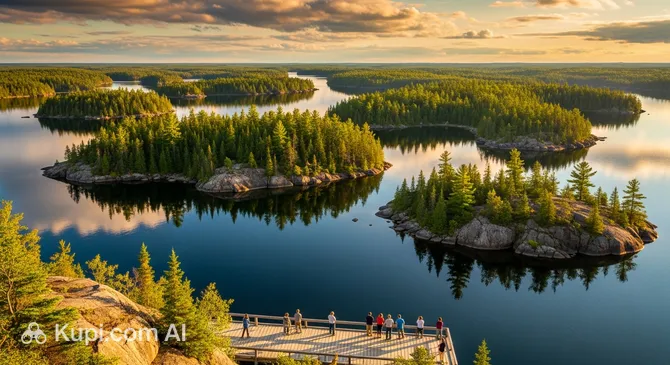
Island Lake. Source: Kupi.Binoculars

For visitors, the primary allure of Island Lake lies in its world-class fishing. The lake's cold, clear waters are teeming with trophy-sized Northern Pike, Walleye, and Lake Trout, making it a dream destination for anglers seeking a challenge in a spectacular setting. Local lodges provide guides and access to the best spots among the lake's thousands of islands, ensuring an unforgettable experience on the water.

Beyond fishing, the untouched natural beauty of the area offers incredible opportunities for photography and wildlife viewing. The archipelago nature of the lake creates a stunning visual landscape, while the lack of light pollution makes it an exceptional spot for viewing the Northern Lights (Aurora Borealis) dancing across the night sky. Whether you are an avid angler or a traveler seeking the solitude of the true north, Island Lake welcomes you to experience its wild and majestic charm.

Weather Overview

The climate in this region is characterized by distinct seasons, ranging from pleasant, mild summers to long, frigid winters. When planning your trip, it is helpful to review the current weather in Island Lake to ensure you are properly equipped for the conditions. The warmest time of year occurs in July, where average temperatures sit around 18.7°C, with daily highs often reaching nearly 23°C. This period is ideal for fishing and exploring the outdoors, although travelers should be prepared for frequent showers, as the summer months typically see about 14 to 15 wet days.

In contrast, the winter season is severe and requires heavy thermal gear. January and February are the coldest months, with average temperatures plummeting to approximately -18°C and minimums often dropping below -22°C. While winter precipitation levels are generally low, the cold air sustains a snowy landscape for months. Overall, you can expect comfortable, warm summers with regular rainfall and very cold, relatively dry winters.

Interesting Facts

Beyond the scenic vistas and fishing lodges, Island Lake holds several intriguing aspects that define life in this remote part of the province. Here are a few unique facts about this fascinating northern region:

  • A Labyrinth of Islands: The name of the lake is not an exaggeration; it is home to over 3,000 islands of varying sizes. This dense archipelago creates a complex maze of channels and bays, making the waterways intricate and requiring deep local knowledge to navigate safely.

  • A Forgotten Gold Rush: Long before it became a destination for sport fishing, the area was the site of a mining boom. In the 1930s, gold was discovered here, leading to the establishment of the Island Lake Gold Mine, which briefly turned this quiet wilderness into a hub of industrial activity.

  • The Winter Road Lifeline: The community is accessible by land only during the coldest months of the year. A temporary winter road is constructed annually over frozen lakes and muskeg, stretching hundreds of kilometers to connect the settlement to the provincial road network, allowing for the vital delivery of heavy supplies and fuel.

  • A Commute by Water: Unlike traditional towns connected by paved streets, the distinct communities around the lake—such as Garden Hill and St. Theresa Point—rely on the water as their main highway. It is a unique place where visiting a neighbor or going to the store often involves a boat ride in the summer or a snowmobile trip across the ice in winter.

How to Get There

Reaching the remote community of Island Lake is an adventure in itself, primarily relying on air travel due to its isolated location in the Canadian Shield. For travelers planning their journey, you can find more about how to get to Island Lake and the specific logistics involved on our detailed transport page. The region is served by its own local airport, which connects it to major hubs, making flight the most practical and common method of arrival.

The most convenient entry point is the Island Lake Airport (IATA: YIV), located directly in the community, just 0.8 km from the center. It serves as a vital link for the area, handling a steady flow of passengers relative to the settlement's size. The transfer from the airport to the main settlement is extremely quick, taking just a few minutes by taxi or shuttle. Another regional facility is the Sachigo Lake Airport (IATA: ZPB), situated in the city of Sachigo Lake. It is located about 162 km away from Island Lake. Travel between these remote points is complex and often dependent on seasonal winter roads or charter flights, as there are no standard all-season ground connections.

For clarity, here is a summary of the main airports:

Airport Name City Passenger Traffic Km from City
Thompson Thompson Medium 298.2
Island Lake Airport Island Lake Small 0.8
Pikangikum Pikangikum Small 231.9
Sachigo Lake Airport Sachigo Lake Small 162.3

Main Attractions

When visiting this remote northern community, the primary attractions are not found in museums or architecture, but in the breathtaking expanse of the natural world. The most significant draw is, of course, Island Lake itself. Spanning a vast area and dotted with over 3,000 islands, this freshwater jewel offers some of the finest angling opportunities in Manitoba. Fishermen travel from afar to cast their lines into its deep, cold waters, hoping to catch trophy-sized Northern Pike and Walleye. The labyrinth of channels and bays provides endless spots for boating and exploration, ensuring that every day on the water feels like a new adventure.

Surrounding the water is the dense, untouched beauty of the Boreal Forest. For nature enthusiasts and photographers, this wilderness serves as a living gallery of Canadian flora and fauna. The region is home to diverse wildlife, including moose, black bears, and bald eagles, offering rare opportunities for wildlife viewing in a completely natural habitat. The silence of the forest, broken only by the sounds of nature, provides a profound sense of tranquility that is becoming increasingly rare in the modern world.

As night falls, the sky above the community transforms into one of its most spectacular features. Far from the light pollution of major cities, the region is a prime location for witnessing the Aurora Borealis, or Northern Lights. During clear nights, especially in the colder months, the sky often dances with vibrant ribbons of green, violet, and pink. Visitors willing to brave the evening chill are rewarded with a celestial display that defines the magic of the subarctic north.

Local Cuisine

The culinary experience in Island Lake is defined not by a bustling restaurant scene or street food markets, but by the rugged wilderness and the bounty of the waters that surround the community. For visitors, who are almost exclusively guests at the region's fishing lodges, the cuisine is hearty, unpretentious, and centered around the day's catch. The food culture here is a direct reflection of the northern lifestyle: fresh, sustainable, and designed to fuel long days spent outdoors in the fresh air.

The absolute signature dish of the region is the traditional Shore Lunch. This is a beloved ritual for anglers where the morning's catch—typically fresh Walleye (often called pickerel locally)—is filleted and cooked over an open fire on one of the lake's thousands of islands. The fish is usually breaded and fried to a golden crisp, served alongside simple staples like canned beans, fried potatoes, and corn. Eating freshly caught fish just minutes out of the water, surrounded by the pristine boreal forest, is widely considered the gastronomic highlight of any trip to Island Lake.

Beyond the fish, the local food culture is deeply influenced by the traditions of the Oji-Cree people. Bannock, a type of flatbread that can be either baked or fried, is a staple comfort food often found at community gatherings or served as a side in lodges. The surrounding land also offers seasonal treats; during the warmer months, wild berries such as blueberries and raspberries grow in abundance and may feature in desserts or jams. While wild game like moose is a dietary cornerstone for local residents, it is less commonly served to tourists due to regulations, though some lodges may offer game meats as a specialty item.

Dining options for travelers are generally limited to the dining halls of the fishing lodges, where meals are served family-style. These venues focus on home-cooked comfort foods—roasts, stews, and heavy breakfasts—meant to provide warmth and energy. As for beverages, the remote nature of the area means there are no local breweries or bars. Hot coffee and tea are the drinks of choice to combat the northern chill, while alcohol policies vary; some lodges are licensed, but visitors should be aware that many First Nations communities in the north are "dry," prohibiting the sale and sometimes possession of alcohol within the reserve boundaries.

Travel Tips

Visiting a remote northern community like Island Lake requires a bit more preparation than a typical city break, but the reward is an authentic experience in the Canadian wilderness. To help you make the most of your adventure, here are some essential practical tips to ensure a smooth and respectful journey.

  1. Clothing and Gear: The weather in the north can be unpredictable, so the key is layering. Even in summer, evenings on the water can be chilly, so bring a warm fleece and a windproof, waterproof jacket. Sturdy, waterproof footwear is essential for navigating rocky shores and docks. Do not forget high-quality insect repellent and a bug net for your hat, as mosquitoes and black flies can be intense in the boreal forest during June and July.

  2. Transportation: Forget about subways, buses, or ride-hailing apps; they do not exist here. In the summer, the primary mode of transport between the airport, lodges, and communities is by boat. In winter, locals use snowmobiles and ice roads. Most visitors will rely entirely on their lodge for transfers, so ensure all your travel logistics are arranged with your host before arrival.

  3. Finances: The local currency is the Canadian Dollar (CAD). While fishing lodges usually accept credit cards, local general stores or artisans selling handicrafts may strictly prefer cash. ATMs are scarce and can be unreliable due to connectivity issues, so it is highly recommended to withdraw sufficient cash in Winnipeg or a major hub before flying north. Tipping fishing guides and lodge staff is customary.

  4. Health and Safety: Medical facilities are limited to local nursing stations which handle primary care and emergencies; serious cases require an air ambulance evacuation to a city. Always travel with a full supply of any necessary prescription medications and a basic first-aid kit. Be "bear aware" and never wander far into the woods without a guide, as black bears are common in the area.

  5. Communication: English is widely spoken, though the primary language for many locals is Oji-Cree. Learning a simple greeting like "Boozhoo" (Hello) is a nice gesture. Cellular service can be spotty and is often limited to major carriers like Bell or MTS within the immediate settlement areas. Wi-Fi is generally available at lodges, but speeds may be slower than what you are used to in the city.

  6. Local Etiquette: Island Lake is home to several First Nations communities. It is important to be respectful of local culture and privacy; always ask for permission before taking photographs of people or their homes. A friendly wave to passing boats is the standard greeting on the water. Life here moves at a relaxed pace, so patience and a polite attitude go a long way.

  7. What to Avoid: Be very careful regarding alcohol. Many First Nations communities in Northern Manitoba are "dry," meaning the possession and consumption of alcohol are prohibited on reserve lands. While some fishing lodges may have a license to serve guests on their specific property, you should never bring alcohol into the local communities or public areas to avoid legal issues and offending local norms.

  8. Shopping Tip: The "Northern Store" is typically the commercial hub of these remote communities. It sells everything from groceries to hardware. If you need a snack or forgot a toothbrush, this is the place to go. Be prepared for prices to be significantly higher than in southern cities due to the high cost of freight shipping to this isolated region.

By packing the right gear and respecting the unique customs of this isolated region, you will be well-equipped to enjoy the stunning natural beauty of Island Lake. Embrace the quiet, disconnect from the digital world, and let the pristine wilderness provide a truly refreshing escape.

Entertainment & Nightlife

Travelers accustomed to the neon lights, bustling boulevards, and thumping bass of urban nightlife will find a completely different rhythm in Island Lake. There are no nightclubs, cocktail bars, discos, or entertainment districts in this remote northern community. The concept of a "night out" here is redefined by the isolation and the pristine wilderness. The atmosphere is one of profound quiet, where the evening entertainment is not manufactured but provided by the natural world and the company of fellow travelers in the comfort of a lodge.

The primary "venue" for evening activity is the night sky itself. Far from the light pollution of southern cities, the darkness here is absolute, creating a canvas for one of nature's most spectacular shows. On clear nights, the Aurora Borealis (Northern Lights) often streaks across the horizon in vibrant shades of green and violet. The best place to witness this is simply from the dock of your lodge or the shores of Canada's vast wilderness lakes. Stargazing is equally impressive, with the Milky Way visible in startling clarity, making a simple walk outside a breathtaking experience.

Social life in the evenings revolves almost exclusively around the fishing lodges. After a long day on the water, guests gather in the main dining halls or common rooms. The vibe is casual and communal; dress codes are non-existent, with flannel shirts and wool socks being the standard attire. Entertainment consists of sharing stories of the day's catch, playing cards, or enjoying a warm drink by a wood stove. It is important to note that many of the local First Nations communities are "dry," meaning the sale and possession of alcohol are prohibited. Visitors should strictly adhere to the rules of their specific lodge regarding alcohol consumption and never bring beverages into the local settlements.

During the daylight hours, entertainment remains deeply rooted in the outdoors. You will not find movie theaters, amusement parks, or shopping malls in this region. The "amusement" is the adventure of navigating the archipelago of Island Lake, exploring uninhabited islands, and spotting wildlife like moose and eagles. For those interested in culture, daytime visits to the local communities—when invited or during public events like Treaty Days—can offer a glimpse into the rich traditions and heritage of the Oji-Cree people, far more impactful than a typical museum visit.

Safety at night in Island Lake is less about avoiding crime and more about respecting the environment. There are no streetlights outside the main settlements, so a high-quality flashlight or headlamp is essential if you are moving between cabins or buildings. The wilderness is right at your doorstep, which means wildlife, including black bears, can be active at night; it is advisable not to wander far from the lodge perimeter after dark. Taxis are not available for night hops, so your evening is invariably spent where you are staying, wrapped in the peaceful silence of the north.

Parks & Museums

In the remote community of Island Lake, the concepts of "parks" and "museums" are redefined by the vast, untamed wilderness and the deep-rooted traditions of the Oji-Cree people. You will not find manicured city gardens with paved paths or glass-walled art galleries here. Instead, the entire region serves as an immense, open-air park, and the history of the land is preserved not in display cases, but in the stories of the elders and the remnants of the area's trading and mining past. For visitors, the experience is about immersing oneself in a living landscape where nature and culture are inextricably linked.

The Great Outdoors: Nature as a Park

The most significant natural area is, undeniably, Island Lake itself. Functioning as the region's primary recreational space, this massive body of water acts as a substitute for a traditional central park. With over 3,000 islands scattered across its surface, it offers an endless labyrinth for exploration. Visitors can navigate through sheltered bays and open waters that remain largely unchanged since the last Ice Age. It is a sanctuary for biodiversity, where one can observe eagles nesting in the tall pines or moose wading along the marshy shorelines, offering a raw and authentic wildlife experience that no city zoo can replicate.

Surrounding the communities is the endless expanse of the Manitoba Boreal Forest. This is not a fenced-off reserve but a boundless natural environment that encircles the settlements of Garden Hill, St. Theresa Point, and Wasagamack. In the summer, the forest floor is carpeted with moss and wild berries, inviting adventurous hikers to explore ancient trails used by locals for generations. In the winter, this same landscape transforms into a playground for snowshoeing and snowmobiling. The forest is the lungs of the region, providing a pristine, quiet atmosphere that allows visitors to completely disconnect from the modern world.

Cultural Heritage and Historical Sites

While there are no formal museums with ticket counters, the region is steeped in history. One point of significant historical interest is the site of the former Hudson’s Bay Company Post. Established during the fur trade era, this post was a vital hub that connected the indigenous population with the global fur market. While the original bustling activity has long since ceased, the location stands as a testament to the area's pivotal role in the early economic development of Northern Manitoba. Visiting the vicinity of these historic grounds offers a poignant glimpse into the interactions that shaped the community over a century ago.

Another intriguing site for those interested in industrial history is the area surrounding the old Island Lake Gold Mine. Active in the 1930s, this mine was the catalyst for a brief but intense period of development in the region. Although the mine is no longer in operation, the legacy of this "gold rush" era remains part of the local lore. The remnants of this period serve as a rugged, open-air exhibit of the challenges faced by early prospectors who sought fortune in this unforgiving subarctic terrain.

Authentic Cultural Experiences

To truly understand the culture of Island Lake, one must look beyond buildings. The most vibrant display of local heritage occurs during the annual Treaty Days gatherings held by the local First Nations communities. These events are a celebration of Oji-Cree culture, featuring traditional drumming, dancing, and feasts that bring the history of the people to life. For a visitor, being invited to witness these festivities is a privilege that offers a far deeper understanding of the local spirit than any static museum display could provide. Additionally, simply engaging with local guides during a fishing trip often turns into an impromptu history lesson, as they share knowledge of the land and legends passed down through oral tradition.

Getting Around

Navigating Island Lake offers an experience completely distinct from the typical urban commute. Visitors will not find a subway system, scheduled bus routes, trams, or trolleybuses crisscrossing this remote northern community. Instead, the transport infrastructure is dictated entirely by the rugged geography, where the vast waterways and seasonal ice serve as the primary thoroughfares replacing asphalt roads and rails.

During the open-water season, the "public transport" system consists almost exclusively of boats and water taxis. Since the local airport and the various communities—such as Garden Hill and St. Theresa Point—are often separated by the lake, small motorboats are the standard method for moving people and supplies. In the winter months, the landscape undergoes a dramatic transformation; the lake freezes over to become a natural highway, where snowmobiles and trucks driving on maintained ice roads become the main mode of transit.

The payment system here is straightforward and entirely informal. There are no travel passes, smart cards, or mobile ticketing apps. All transactions operate exclusively on cash. Whether you are catching a water taxi across the channel or a lift in a vehicle on land, you pay the operator directly. Prices are typically flat rates for specific crossings or trips, but it is essential to confirm the price before you board, as meters are not used.

For tourists, the most practical advice is to rely on the transport services provided by your accommodation. Most fishing lodges arrange their own shuttles—boats in summer or tracked vehicles in winter—to transfer guests from the airstrip to their facilities. If you do need to hire a local ride, ensure you carry sufficient cash in small denominations, as drivers will not have card terminals. Operating hours are not fixed; services generally run based on demand and daylight, so planning ahead is crucial.

Alternatives such as car-sharing apps, bike rental stations, or formal taxi companies with dispatched fleets do not exist in this isolated region. Within the settlements, "taxis" are often local residents using personal pickup trucks or SUVs to offer rides for a negotiated fee. While walking is possible within small areas of a community, the distances between different settlements and the difficult terrain make it impractical for inter-community travel.

Accommodation

Finding a place to stay in Island Lake is quite different from booking accommodation in a typical city. You will not find standard chain hotels, roadside motels, or budget hostels here. Instead, the region is famous for its specialized wilderness lodges and fishing resorts. These establishments are designed specifically for outdoor enthusiasts, offering a blend of rustic charm and comfort in the heart of the Canadian Shield. For the vast majority of leisure travelers, these lodges are the only practical option, providing not just a bed, but a complete base of operations for exploring the area.

The location of these accommodations is almost exclusively centered around the water. Most lodges are situated on their own private islands or secluded stretches of the shoreline, far removed from the main settlements like Garden Hill or St. Theresa Point. This isolation is part of the appeal, ensuring absolute privacy and immediate access to the prime fishing spots. Guests typically arrive by boat or floatplane directly to the dock of their chosen resort, making the "neighborhood" effectively the wilderness itself.

When planning a trip, it is important to understand that booking acts more like purchasing a vacation package than reserving a simple hotel room. Accommodations here are generally priced in the mid-to-high range and are often sold as all-inclusive deals. These packages typically cover the charter flight from Winnipeg, daily meals, boat rentals, and professional guiding services. Because these lodges operate seasonally and have limited capacity, the best advice is to book several months, or even a year, in advance to secure your spot.

The booking process is rarely done through standard online aggregators. Instead, reservations are usually made directly through the lodge’s own website or via specialized outdoor travel agents. Whether you are looking for a cozy cabin with a wood stove or a main lodge with dining facilities and modern amenities, the experience is tailored to provide a warm, communal atmosphere after a long day in the fresh northern air.

Nearby Cities

While the community is deeply isolated within the Canadian Shield, it sits within a vast region where other northern hubs offer unique experiences for those traveling through Manitoba. Exploring these neighboring towns provides a broader perspective on life in the north, from industrial heritage to historic fur trade traditions.

Although the region is quite remote, the city of Thompson stands out as the nearest major urban hub, often referred to as the "Hub of the North." Located approximately 293 km away, it offers a distinct mix of industrial activity and breathtaking nature. Visitors here can explore the Wolf Centre of Excellence or venture out to see the magnificent Pisew Falls, which are among the highest in Manitoba. It provides a stark but fascinating contrast to the quiet isolation of the lakeside communities.

Further afield lies The Pas, a historic town known as the "Gateway to the North." This destination is steeped in the traditions of the fur trade and is famous for hosting the Northern Manitoba Trappers' Festival. Nature lovers are often drawn to the nearby Clearwater Lake, renowned for its incredibly transparent water and scenic hiking trails. While the distances in this part of Canada are vast, these towns represent the vibrant culture and history that define the northern experience.

City Population Distance (km)
Kenora 15,096 456
Thompson 13,678 293
Selkirk 10,278 440
East St Paul 9,372 461
The Pas 5,300 433

These nearby destinations offer a glimpse into the diverse culture and landscapes of the region.

Shopping & Souvenirs

Shopping in Island Lake is a purely functional experience rather than a recreational one. As a remote cluster of northern communities, the area does not feature fashion boutiques, department stores, or souvenir shops. Instead, the retail scene is driven by necessity, focusing on providing essential goods to local residents and the few visitors who venture this far north. Travelers should arrive with all specialized gear and personal items they need, viewing any local shopping as a way to restock basic supplies rather than an opportunity for retail therapy.

The commercial heart of the region is undoubtedly the Northern Store (often branded as NorthMart). Located in the main settlements such as Garden Hill and St. Theresa Point, these large general stores serve as the lifeline for the community. They are "one-stop shops" in the truest sense, selling absolutely everything required for life in the subarctic: from fresh produce and canned goods to hardware, winter clothing, snowmobiles, and fuel. For a visitor, wandering through the aisles offers a fascinating glimpse into northern economics, where the high price of goods reflects the complex logistics of air freight and winter road transport.

There are no shopping malls, arcades, or pedestrian shopping streets in the region. The retail infrastructure is limited to the main general stores and perhaps a few small, locally-owned convenience stands or gas stations that sell snacks and cigarettes. The concept of window shopping does not exist here; people go to the store with a specific purpose and leave once their errands are complete.

While there are no formal craft markets, the region is home to many talented artisans. The best "shopping" for a tourist is the chance to purchase authentic Indigenous handicrafts directly from the makers. The local Oji-Cree people are renowned for their skill in beadwork and leather crafting. If you ask your lodge guide or a local contact, you may be able to buy beautiful, hand-sewn moccasins, gauntlets (mittens), or beaded jewelry. These items are not mass-produced; they are culturally significant pieces of art that make for meaningful and unique souvenirs.

When it comes to payment and hours, cash is the most reliable method of transaction. While the major Northern Stores accept credit and debit cards, connectivity issues can sometimes disrupt electronic payments. Smaller vendors or local artisans will deal exclusively in cash. ATMs are scarce and often out of service, so it is highly recommended to bring sufficient Canadian currency with you. Store hours are generally limited to standard business times, typically closing by 6:00 PM, and may be reduced on weekends or holidays.

Regarding taxes, the standard Canadian Goods and Services Tax (GST) and Manitoba Provincial Sales Tax (PST) apply to most purchases. There is no specific tax-free refund system for tourists at the point of sale in these remote communities. Visitors should simply expect the final price at the register to be higher than the sticker price due to these taxes, in addition to the already elevated cost of goods in the north.

Reached the end of the page?

That means the route is fully explored