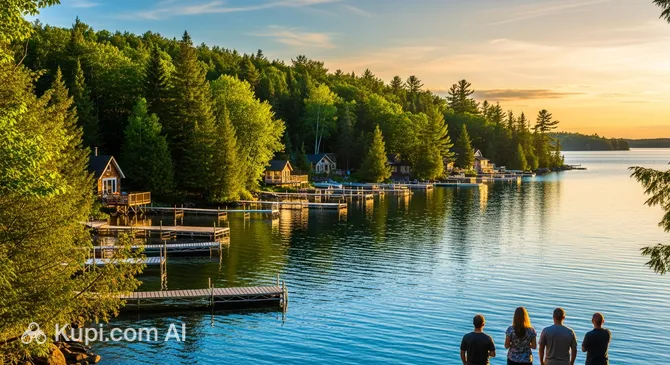
In the remote wilderness of Round Lake, the concept of parks and museums takes on a different meaning. You will not find manicured botanical gardens or grand exhibition halls here. Instead, the entire region functions as a massive, open-air nature reserve, and the cultural heritage is preserved not in glass cases, but in the living traditions, language, and crafts of the North Caribou Lake First Nation. For visitors, the "sightseeing" experience is about immersing oneself in the raw beauty of the land and the enduring spirit of its people.
The most significant natural area is, of course, Weagamow Lake itself. It serves as the community's central park, swimming pool, and gathering place all in one. In the summer, the shorelines offer pristine spots for picnicking and watching the sunset, while the water provides endless opportunities for boating and exploration. Unlike urban parks with designated paths, the lake offers total freedom to explore its bays and islands, where one can observe eagles nesting or catch glimpses of moose wading in the shallows.
Just beyond the immediate settlement lies the vast expanse of the Boreal Forest. This is not a fenced park but a boundless wilderness that surrounds the community. It is a haven for hikers and nature photographers who wish to experience the Canadian Shield in its most authentic state. The forest floor is carpeted with moss and lichen, and the dense stands of black spruce and jack pine provide a habitat for diverse wildlife. Walking here offers a profound sense of solitude and connection to nature that is impossible to find in southern provincial parks.
For those willing to venture further, North Caribou Lake offers a wilder experience. Located a short distance from the community, this massive body of water is known for its rugged beauty and deep, clear waters. It is a destination for serious outdoor enthusiasts looking for an untouched environment. The lake's rocky outcrops and windswept islands are dramatic and beautiful, serving as a natural gallery of geological history shaped by ancient glaciers.
regarding cultural institutions, Round Lake does not have formal museums or art galleries. The history of the Oji-Cree people is kept alive through oral storytelling and traditional practices rather than static exhibits. Visitors interested in local culture should look for opportunities to see traditional craftsmanship firsthand. Local artisans are often skilled in creating beadwork, moccasins, and snowshoes using techniques passed down through generations. These items are not just souvenirs but functional pieces of art that reflect the community's adaptation to the northern landscape.
While there is no dedicated building for history, the local church and the Community Hall often serve as focal points for social and cultural gatherings. These spaces are where the community comes together for feasts, celebrations, and ceremonies. For a more formal museum experience, travelers typically visit the Red Lake Regional Heritage Centre in the town of Red Lake before flying into the community. This center provides excellent context on the history, geology, and Indigenous heritage of the broader Patricia Region, helping visitors understand the significance of the area they are about to explore.
For a truly authentic experience, ask a local guide about the seasonal camps used for hunting and fishing. These temporary settlements on the land are where the true "culture" of the region is practiced daily. Visiting one of these sites (with permission) offers a glimpse into a way of life that has sustained the people of Round Lake for centuries, far more vivid and impactful than any museum display.