Support

Wunnummin Lake

About

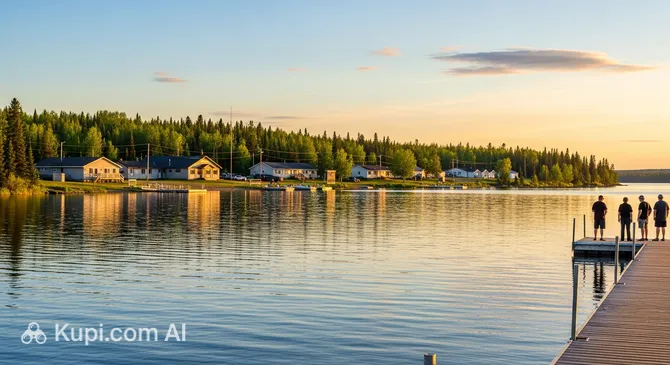
Wunnummin Lake is a remote and serene First Nation community located in the Kenora District of northwestern Ontario. It offers a distinct perspective on life in the northern reaches of Canada, defined by its isolation and the breathtaking wilderness that surrounds it. This destination is a place of quiet reflection, deeply connected to the land and the traditions of its people.

Wunnummin Lake. Source: Kupi.Binoculars

Geographically, the community is situated on the shores of the lake bearing the same name, roughly 360 kilometers northeast of Sioux Lookout. Due to its location, it is primarily accessible by air or via winter ice roads, adding to its allure for those seeking an off-the-beaten-path experience. The climate here is typical of the subarctic region, characterized by long, cold winters and short, mild summers, which shapes both the local lifestyle and the stunning landscape.

Visitors interested in the region's heritage can explore the fascinating history of Wunnummin Lake, which is rooted in the enduring culture of the Oji-Cree people. The area is a haven for outdoor enthusiasts who appreciate pristine environments, offering excellent opportunities for fishing and witnessing the raw beauty of the Canadian Shield. Whether you are drawn by the cultural significance or the untouched wilderness, Wunnummin Lake provides a unique and memorable glimpse into the heart of the north.

Weather Overview

The local climate is defined by significant contrasts between the seasons, shifting from deep freezes to pleasant warmth. Winters are rigorous and long, with January typically being the coldest month, featuring average temperatures of -17.9°C and lows plunging to -21.2°C. As the year progresses, the weather warms considerably, reaching its peak in July when daily highs average a comfortable 23.4°C.

Precipitation is distributed throughout the year but tends to be slightly higher during the warmer months. Travelers can expect mild summers with frequent showers, as wet days often reach up to 14 per month from June to September, while winters remain very cold and relatively dry. To help plan your trip around these conditions, you can review the detailed weather in Wunnummin Lake.

Interesting Facts

Beyond its serene landscapes and quiet isolation, Wunnummin Lake holds fascinating details that define its unique character in the Canadian North. From ancient traditions to logistical marvels, these lesser-known facts offer a deeper glimpse into life in this remote community.

  • The Meaning of the Name: The word "Wunnummin" is derived from the Oji-Cree term for "vermilion" or red ochre. This reddish mineral was historically highly valued by the Indigenous people of the area, who used it for ceremonial purposes and traditional decoration.

  • A Seasonal Lifeline: While the community is fly-in only for most of the year, it transforms during the coldest months with the construction of a winter road. Built over frozen lakes and muskeg, this temporary infrastructure allows for the transport of heavy building materials and fuel that are impossible to deliver by air.

  • Linguistic Heritage: Wunnummin Lake is one of the few places where the Oji-Cree language (Anishininiimowin) remains the primary language of daily communication for many residents. This distinct dialect blends elements of both Cree and Ojibwe, reflecting the community's specific cultural history and geographic location.

How to Get There

Travel to Wunnummin Lake requires specific logistical arrangements, as it is primarily a remote fly-in community in Northern Ontario. There are no permanent all-season roads connecting it to the provincial highway system, meaning air travel is the standard mode of access for visitors and residents alike. During the coldest months, a seasonal winter road network may be established, but this is typically used for freight rather than general tourism. For a deeper understanding of the available routes and planning requirements, you can read more about how to get to Wunnummin Lake.

When looking at the broader transport data for this vast region, other facilities appear, though they are often quite distant from Wunnummin Lake itself. For instance, the data lists Sachigo Lake Airport (IATA: ZPB). It is important to understand that this airport is located approximately 232.5 km away in the separate community of Sachigo Lake. It does not serve as a practical connection point or hub for reaching Wunnummin Lake, but rather illustrates the dispersed nature of infrastructure in the north.

Below is a summary of the regional airport data found in the vicinity:

Airport Name City Annual Volume Distance from Wunnummin Lake
Sachigo Lake Airport Sachigo Lake 7,500 232.5 km

Main Attractions

Wunnummin Lake is a destination defined by its raw, untouched beauty rather than commercial tourism infrastructure. The primary allure of this remote community lies in its breathtaking natural surroundings, offering a true escape into the Canadian wilderness. For visitors venturing to this northern part of Ontario, the attractions are the land, the water, and the sky themselves.

The most significant feature is the Wunnummin Lake itself, a vast body of water that serves as the lifeblood of the area. It is a paradise for anglers and outdoor enthusiasts, teeming with freshwater fish such as walleye and northern pike. In the warmer months, the lake offers opportunities for boating and canoeing, allowing visitors to navigate its calm waters while admiring the rugged shoreline of the Canadian Shield. In winter, the frozen surface becomes a hub for ice fishing, a traditional and popular activity in the region.

Surrounding the community is the dense and majestic Boreal Forest. This endless expanse of spruce, pine, and tamarack trees provides a habitat for a diverse array of wildlife, including moose, black bears, and timber wolves. For those interested in photography or wildlife observation, the forest offers a chance to see these majestic creatures in their natural environment. The landscape invites exploration through hiking in the summer or snowshoeing and snowmobiling during the long, snowy winters.

Another spectacular natural attraction is the Aurora Borealis, or Northern Lights. Due to Wunnummin Lake's high latitude and the absence of light pollution, the night skies here are exceptionally dark and clear. On many nights, especially during the colder months, the sky comes alive with dancing ribbons of green, pink, and violet light. Witnessing this celestial display is a profound experience that draws travelers to the north, offering a magical backdrop to the serene silence of the wilderness.

Local Cuisine

The culinary landscape of Wunnummin Lake is defined not by commercial restaurants or bustling markets, but by the deep connection between the Oji-Cree people and the land. For visitors, the "food scene" here is an immersion into traditional country food—sustenance harvested directly from the surrounding wilderness. The local diet is seasonal, fresh, and organic, relying heavily on hunting, fishing, and gathering, offering an authentic taste of the Northern Ontario lifestyle.

One of the most iconic foods to try is Bannock, a simple yet beloved quick bread that is a staple in many Indigenous communities. It can be baked in an oven or, more traditionally, fried in a pan or cooked on a stick over an open fire. It is dense, filling, and often served alongside the day's catch or dipped into hearty soups. Another signature dish is fresh Walleye (often called pickerel locally). Prepared as a "shore lunch," the fish is filleted, breaded, and fried in cast-iron pans over a campfire mere moments after being caught, providing a flavor that is impossible to replicate in an urban setting.

Wild game also plays a central role in the local diet. Moose meat is highly valued and is typically prepared in slow-cooked stews with root vegetables, making for a warming meal during the cold winters. In terms of beverages, hot tea is the universal drink of hospitality and warmth. You might also encounter traditional herbal infusions made from local plants, such as Labrador tea, which is brewed from leaves gathered in the muskeg and is known for its aromatic and soothing properties.

Tourists should be aware that Wunnummin Lake does not have a conventional dining infrastructure with cafes, bars, or restaurants. Instead, the food culture is communal and domestic. Visitors are typically hosted by community members or guides, sharing meals in homes or at outdoor camps. Supplies can be purchased at the local Northern Store, but the true gastronomic experience lies in participating in a community feast or enjoying a meal cooked outdoors under the vast northern sky.

Travel Tips

Visiting Wunnummin Lake offers a rare opportunity to experience the authentic lifestyle of a remote Northern Ontario community, but it requires a different level of preparation than a standard tourist destination. To ensure your trip is safe, respectful, and enjoyable, here are some practical tips to help you navigate this unique environment.

  1. Clothing and Gear: The weather dictates your wardrobe here. In winter, you absolutely need subarctic-rated gear, including a heavy parka, insulated snow pants, and thermal boots rated for -30°C or lower. In summer, while temperatures are mild, the insect population can be intense; pack high-quality insect repellent, a bug jacket (mesh shirt), and long sleeves. Comfortable, waterproof footwear is essential year-round due to the rugged terrain.

  2. Transportation: There is no public transit, taxi service, or car rental agency in the community. Wunnummin Lake is small enough to navigate on foot, which is how most locals move around the central area. For longer distances or during winter, transportation is typically arranged privately via snowmobile or truck with your hosts or guides. Always confirm your airport transfers in advance.

  3. Finances: The currency used is the Canadian Dollar (CAD). While the local general store (Northern Store) typically accepts debit and credit cards, system outages can occur due to remote connectivity issues. It is highly advisable to bring enough cash for your entire stay to cover incidental expenses, tips for guides, or purchases from local artisans, as ATMs may not be available or reliable.

  4. Health and Safety: Medical facilities are limited to a local nursing station, which handles primary care and emergencies. There are no pharmacies, so you must bring an adequate supply of any prescription medications and basic first-aid supplies. For any serious medical condition, evacuation by air to a hospital in a larger city is required, so comprehensive travel insurance that covers medical evacuation is crucial.

  5. Communication: English is widely spoken and understood, but the primary language for many residents is Oji-Cree. Learning a simple greeting like "Booshoo" (Hello) is a nice gesture. Cell phone coverage can be spotty and is often limited to specific regional providers; check with your carrier beforehand. Wi-Fi is available in some community buildings, but speeds may be slower than what you are used to in urban centers.

  6. Local Etiquette: Wunnummin Lake is a close-knit First Nation community. Always ask for clear permission before taking photographs of people, their homes, or cultural activities. It is polite to nod or wave when passing someone on the road. Respect for Elders is paramount; if you are speaking with an Elder, listen patiently and avoid interrupting.

  7. What to Avoid: Do not wander onto private property or trap lines without a guide; the land is often working territory for locals. Additionally, many remote Indigenous communities have strict regulations or bans regarding alcohol and drugs. Avoid bringing alcohol into the community without explicitly checking the local by-laws first to avoid causing offense or legal issues.

  8. Shopping Tip: Be prepared for "northern prices" at the local store. Due to the high cost of freight shipping (often by air), everyday items and groceries can be significantly more expensive than in southern Canada. Bringing some of your own specialized snacks or dietary necessities is a smart "life hack" for visitors.

By packing the right gear and approaching your visit with an open heart and respect for local customs, you will find Wunnummin Lake to be a welcoming and deeply moving destination. These small preparations allow you to focus fully on the incredible natural beauty and the rich cultural heritage of the North.

Entertainment & Nightlife

Entertainment and nightlife in Wunnummin Lake differ vastly from the urban experience of bustling clubs and neon-lit districts. Travelers expecting bars, discotheques, or late-night restaurants will find none here. Instead, the "nightlife" is defined by the profound silence of the wilderness, the crackling of campfires, and the communal warmth of local gatherings. The atmosphere is peaceful and intimate, suited for those who wish to disconnect from the noise of the modern world and reconnect with nature and people.

The most spectacular evening show in this region is provided by the sky itself. Located far from the light pollution of major cities, Wunnummin Lake is a prime destination for stargazing and witnessing the Aurora Borealis. On clear winter nights, the Northern Lights often dance overhead in vibrant shades of green and purple, a natural phenomenon that serves as the community's primary nocturnal attraction. Visitors often spend their evenings outdoors, wrapped in heavy parkas, simply looking up at the cosmos.

Social life in the evenings revolves around community infrastructure rather than commercial entertainment venues. The Wunnummin Lake Arena is often the heartbeat of activity, especially during hockey season. Residents of all ages gather here to play or watch matches, making it a spirited place to experience the local culture and friendly competition. Another focal point is the Community Hall, which occasionally hosts feasts, bingo nights, or traditional gatherings. These events are welcoming but require an invitation or prior knowledge of the schedule, often shared by word of mouth.

Practical planning for evenings here is essential. There are no taxis or public transport services; getting around is done on foot within the central area or by vehicle arranged with your hosts. As a remote First Nation community, Wunnummin Lake generally does not have licensed bars or liquor stores, and the sale of alcohol is typically prohibited. Visitors should be respectful of these local regulations and the dry nature of the community. Dress codes are purely functional: wear your warmest thermal layers, as temperatures drop drastically after sunset.

Safety at night is less about crime and more about the environment. While the community streets are generally safe for walking, lighting can be sparse. It is crucial to carry a high-quality flashlight or headlamp. Furthermore, the community is surrounded by wilderness, meaning wildlife such as black bears or stray dogs can be present. It is advisable not to walk alone on the outskirts of the village after dark and to always stay aware of your surroundings.

During the daylight hours, entertainment remains focused on the outdoors. Visitors can explore the rugged terrain through hiking or boating on the lake. While there are no museums or amusement parks, the land itself serves as a living classroom for learning about traditional Oji-Cree skills, such as fishing, trapping, and preparing traditional foods, offering a cultural richness that replaces the need for commercial attractions.

Parks & Museums

Wunnummin Lake is a destination where the concept of "parks" and "museums" is redefined by the vastness of the landscape and the depth of living tradition. Instead of manicured gardens or enclosed galleries, visitors encounter an environment where the wilderness serves as a massive natural park and the community itself acts as a living guardian of history.

The most prominent natural area is, unsurprisingly, Wunnummin Lake itself. It functions as the community's central "park," offering endless opportunities for recreation and reflection. The shoreline varies from rugged, rocky outcrops typical of the Canadian Shield to small, secluded sandy stretches that serve as natural beaches during the warm summer months. It is a dynamic space where the water changes character with the wind and seasons, providing a pristine setting for boating, swimming, and observing waterfowl in their natural habitat.

Surrounding the community is the boundless expanse of the Boreal Forest, which can be viewed as an immense, unorganized nature reserve. There are no marked trails with signposts; instead, the forest is a network of traditional paths and game trails used by locals for generations. This "green space" is rich with spruce, birch, and poplar trees, offering a sensory experience of fresh pine air and the sounds of nature. For the adventurous traveler, accompanied by a local guide, this wilderness offers an authentic hiking experience far removed from the gravel paths of urban parks.

Regarding cultural institutions, travelers should note that Wunnummin Lake does not have formal museums or art galleries in the traditional sense. The history of the Oji-Cree people is not kept behind glass but is preserved through oral storytelling and the continued practice of traditional skills. The Community Hall often serves as the cultural heart of the village. While not a museum, it is the venue where the community's heritage is most visible during gatherings, feasts, and celebrations. Here, one might see intricate beadwork, handmade moccasins, or traditional drumming, which offer a more vibrant and immediate connection to the culture than any static exhibit could.

Another significant "cultural venue" is the land itself, specifically the sites associated with the vermilion (ochre) deposits that gave the lake its name. Historically, these mineral deposits were of immense cultural and ceremonial value to Indigenous peoples in the region. While there is no building dedicated to this history, the locations where this red clay was harvested remain important. Visiting these areas with a knowledgeable community member provides a window into the ancient trade networks and spiritual practices that have existed here for centuries.

For a truly authentic experience, seek out opportunities to learn from the Elders of the community. They are the keepers of the "living library" of Wunnummin Lake. A conversation with an Elder, if approached with respect and an offering of tobacco (a traditional protocol), can reveal legends of the land and personal histories that no guidebook can capture. This direct interaction is the closest and most meaningful equivalent to a guided museum tour in this remote part of Canada.

Getting Around

Travelers planning a visit to Wunnummin Lake must adjust their expectations regarding public transportation, as the community does not possess a formal transit system. There are no subways, trams, public buses, or trolleybuses operating here. The infrastructure is typical of a remote, fly-in First Nation community, designed for practicality and private use rather than mass transit. Consequently, you will not find ticket machines, transport apps, or scheduled routes.

The primary mode of getting around the central area of the community is simply walking. The village layout is compact, and most essential services, such as the Northern Store, the nursing station, and the band office, are located within a reasonable walking distance of one another. For tourists, this means that sturdy, weather-appropriate footwear is the most important "transportation" tool you can bring. In winter, this becomes even more critical due to snow and ice.

Since there are no commercial taxi companies or ride-sharing services like Uber, transportation for distances too far to walk is typically managed through private arrangements. Most visitors arrive with a pre-arranged itinerary where their host, guide, or lodge operator provides vehicle transfers. These vehicles are usually pickup trucks or SUVs capable of handling the gravel roads. If you need a ride and have not arranged one, it is common to ask a local resident, though this is an informal favor rather than a paid service. Offering a small amount of cash to cover fuel costs is a polite and appreciated gesture.

A unique feature of transport in Wunnummin Lake is its heavy reliance on seasonal vehicles. During the long winter months, snowmobiles become the standard way to travel across the land and frozen waterways. They are essential for accessing areas outside the main village. Conversely, in the summer, ATVs (All-Terrain Vehicles) are widely used by locals to navigate rough trails, and boats are the primary means of moving along the lake and river systems. Visitors generally do not rent these vehicles themselves but rather ride as passengers with experienced local guides.

For practical advice, the most critical step is to confirm your airport transfer before you depart for the community. The airport is located a short distance from the settlement, and there are no shuttles waiting for arriving flights. Ensure your host knows your arrival time to meet you at the strip. Additionally, always carry cash, as there are no card payment systems for informal rides or gas contributions. Understanding this self-sufficient and community-based approach to mobility is key to a smooth experience in Wunnummin Lake.

Accommodation

Accommodation in Wunnummin Lake is extremely limited and differs significantly from standard tourist destinations. Visitors should adjust their expectations, as there are no international hotel chains, luxury resorts, or hostels in the community. The available lodging is functional and designed primarily to serve visiting professionals, such as healthcare workers, contractors, and government officials, rather than leisure travelers.

The primary option for visitors is typically a community-run motel or transient units managed by the First Nation. These facilities offer basic but comfortable amenities, usually consisting of a private bedroom with shared or private bathrooms and access to a communal kitchen. Because dining options in the village are scarce, having access to kitchen facilities to prepare your own meals—using groceries purchased at the local Northern Store—is a key feature of staying here.

In terms of location, all accommodation is situated within the central area of the community. This makes it convenient for accessing essential services like the Band Office, the nursing station, and the general store on foot. Since the village is compact, "neighborhoods" are not a relevant concept for choosing where to stay; you will essentially be in the heart of the community regardless of which specific building you are assigned.

Booking Tip: You cannot book accommodation in Wunnummin Lake through major online travel agencies or apps. Reservations must be made directly, usually by calling the Wunnummin Lake Band Office or the motel manager well in advance of your trip. Due to the limited number of rooms, the motel can be fully booked by visiting work crews for weeks at a time, so arriving without a confirmed reservation is not an option.

Prices generally fall into a mid-range to high category, reflecting the high cost of operating in a remote fly-in community rather than luxury status. Payment methods can be old-fashioned; while some facilities may accept credit cards or company cheques, it is highly advisable to confirm payment options when booking. Carrying enough cash to cover your stay is a smart precaution in case of electronic system outages.

Nearby Cities

For those looking to explore the surroundings, Wunnummin Lake serves as a unique starting point for discovering the vastness of Northwestern Ontario. While "day trips" in this remote region typically require air travel or winter road travel, several key hubs and communities offer interesting opportunities for a short visit or a stopover during your journey.

Sioux Lookout is often referred to as the "Hub of the North" and is the primary connection point for many remote communities. Visitors here can explore the rich history of the area at the local museum, enjoy the scenic waterfront of Pelican Lake, or learn about the town's vital role in northern aviation and healthcare. It is a bustling center where Indigenous culture and settler history intersect.

Red Lake offers a fascinating glimpse into the rugged spirit of the Canadian frontier. Known as the "Norseman Capital of the World," it is famous for its gold mining heritage and bush plane history. Aviation enthusiasts will appreciate the annual Norseman Festival, while outdoor lovers can enjoy the pristine waters that make it a premier fishing destination.

Dryden, situated a bit further away, is known as the "Wilderness City." It serves as a larger service center for the region and offers attractions such as the famous "Max the Moose" statue, scenic suspension bridges, and a variety of hiking trails. It provides a comfortable mix of urban amenities and immediate access to the boreal wilderness.

City Population Distance (km)
Geraldton 20,000 384
Dryden 7,749 433
Sioux Lookout 5,000 368
Red Lake 4,107 386
Pikangikum 3,800 354

These nearby destinations offer a glimpse into the diverse culture and landscapes of the region.

Shopping & Souvenirs

Shopping in Wunnummin Lake is a strictly functional experience rather than a recreational one. As a remote fly-in community, the retail landscape is designed to meet the essential needs of residents rather than to attract tourists. Visitors will not find boutiques, fashion outlets, or electronics stores here. Instead, the shopping scene is defined by a single general store that serves as the lifeline for the community, providing everything from groceries and clothing to hardware and outdoor gear.

The primary and virtually only "shopping district" is the central location of the Northern Store. This establishment is typical of remote communities across northern Canada and functions as a department store, grocery, and convenience shop all in one. Here, you can purchase daily necessities, non-perishable food, winter clothing, and basic camping supplies. It is the hub of commercial activity in the village and the place where you will likely make all your necessary purchases during your stay.

Travelers should be aware that there are no shopping malls in Wunnummin Lake. The concept of a mall does not exist in this region due to the small population and logistical challenges of construction and supply. For any specialized shopping needs, residents typically travel to larger urban centers like Sioux Lookout or Thunder Bay, or rely on mail-order services. Visitors are strongly advised to bring all specialized equipment, prescription medications, and specific dietary items with them.

While there are no formal public markets, the community occasionally hosts informal sales or craft fairs, particularly during local festivals or gatherings at the Community Hall. In these settings, you might find homemade baked goods, traditional foods like bannock, or second-hand items. These events are not held on a fixed schedule, so it is best to ask your local host or guide if any such activities are happening during your visit.

For those seeking souvenirs, the true treasures of Wunnummin Lake are the handmade crafts created by local artisans. The Oji-Cree people are known for their exquisite beadwork, traditional moccasins, and leather mitts (gauntlets) often lined with fur for warmth. These items are not usually sold in a formal shop; instead, purchases are often arranged directly with the artists. Buying these authentic goods supports the local economy and provides you with a meaningful keepsake that carries the spirit of the land and its culture.

Opening hours in the community are generally limited compared to urban centers. The Northern Store typically operates from Monday to Saturday, often closing around 5:00 PM or 6:00 PM, with reduced hours or full closures on Sundays. Payment methods usually include cash, debit, and major credit cards. However, due to the reliance on satellite connections, electronic payment systems can sometimes go offline. It is highly recommended to carry sufficient cash (Canadian Dollars) to cover your purchases in case the card terminals are temporarily unavailable.

Regarding taxes, the Harmonized Sales Tax (HST) of 13% applies to most goods and services in Ontario. There is generally no tax-free shopping or refund mechanism available for international tourists at the point of sale in small communities like Wunnummin Lake. Visitors should expect the shelf price to be lower than the final total once the tax is added at the register.
Reached the end of the page?

That means the route is fully explored