Support

Bearskin Lake

About

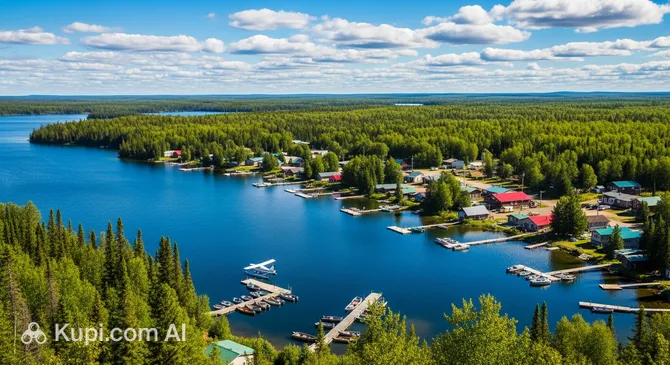
Bearskin Lake is a serene and remote community located in the far reaches of Northern Ontario. Known formally as Bearskin Lake First Nation, this destination offers a profound connection to the untouched wilderness and the traditional lifestyle of the Oji-Cree people. It is a place where the pace of life slows down, allowing visitors to truly appreciate the vastness of the surrounding nature.

Situated approximately 425 kilometers north of Sioux Lookout, the community sits within the rugged and beautiful terrain of Canada. Access to this isolated location is primarily by air or via winter roads, adding to its allure as a destination for those seeking genuine adventure away from urban centers. The settlement is located on the shores of Michikan Lake, surrounded by dense boreal forests and pristine waterways.

The community has a rich heritage rooted in the land. Originally located on the actual Bearskin Lake, the people moved to the current site on Michikan Lake in the mid-20th century to access better resources. To understand more about the community's development and its cultural roots, you can explore the history of Bearskin Lake.

Bearskin Lake. Source: Kupi.Binoculars

Visitors who make the journey here are often drawn by the incredible outdoor opportunities. The surrounding lakes and rivers are excellent for fishing, particularly for walleye and northern pike, which are abundant in these cold, clear waters. In the winter, the landscape transforms into a snowy wonderland, offering spectacular chances to witness the mesmerizing Aurora Borealis dancing across the dark northern sky.

If you are an adventurer seeking an authentic off-the-beaten-path experience, Bearskin Lake provides a rare opportunity to immerse yourself in the tranquility of the North. Whether you are interested in cultural exchange or simply want to experience the silence of the wilderness, this community offers a warm welcome.

Weather Overview

The climate in this northern region is characterized by distinct seasonal contrasts, offering a true subarctic experience. Visitors should be prepared for significant temperature variations depending on the time of year, with long, frigid winters and short, mild summers. To help you pack the right gear for your trip, it is helpful to review the detailed weather in Bearskin Lake before you depart.

Winter is the dominant season here, with temperatures dropping significantly to create a frozen landscape. January and February are typically the coldest months, where the average temperature hovers around -19.0°C, and minimums can plunge below -23.0°C. Despite the deep freeze, precipitation during these months is minimal, averaging just 1mm, which results in cold but generally dry conditions ideal for winter enthusiasts who are well-bundled.

In contrast, the summer months offer a brief but pleasant respite with much milder conditions. July is usually the warmest time of year, boasting an average temperature of 18.2°C and daily highs reaching up to 22.9°C. However, the warmer weather also brings more moisture; travelers should expect frequent showers, as the period from June to July typically sees between 13 and 14 wet days per month. Overall, you can expect warm summers with occasional rain and very cold, dry winters.

Interesting Facts

Beyond the main attractions, Bearskin Lake holds many fascinating secrets regarding its heritage and geography. Here are a few unique insights into this Northern Ontario community:

  • The Meaning of Michikan: While the community is named Bearskin Lake, it is located on Michikan Lake. The word "Michikan" translates from the local indigenous language to "fish weir" or "fish fence." This name honors the traditional wooden traps historically built in the river to catch fish, highlighting the area's long-standing importance for sustenance.

  • A Unique Language Blend: The local population primarily speaks Oji-Cree, also known as Anishininiimowin. This distinct language is a structural mix of the Ojibwe and Cree languages, evolving because the community sits in the transition zone between these two major cultural groups.

  • Historic Treaty Adhesion: Although Treaty No. 9 was originally established in 1905, Bearskin Lake First Nation formally entered the agreement later. The community signed an adhesion to the treaty in July 1929 at Big Trout Lake, a significant historical event that defined their relationship with the federal government.

  • The Winter Lifeline: During the coldest months, the community connects to the provincial road network via a temporary winter road. This ice road links Bearskin Lake to the all-season Windigo Road, allowing for the transport of heavy fuel, construction materials, and supplies that are too expensive or difficult to fly in during the rest of the year.

How to Get There

Reaching the remote community of Bearskin Lake requires careful planning, as it is situated deep in the boreal forests of Northern Ontario. Air travel is the most practical method for accessing this isolated region, though adventurous travelers may utilize winter roads during the coldest months. For a comprehensive overview of your travel options, you can read more about how to get to Bearskin Lake.

Travelers often fly into regional hubs to reach the area. One of the closest facilities is Sachigo Lake Airport (ZPB), located in the neighboring community of Sachigo Lake. It is situated approximately 82 km from Bearskin Lake. Since there are no permanent all-season roads connecting these distinct communities, access is primarily coordinated through air transfers or seasonal winter roads. This airport handles a modest volume of passengers annually, serving as a vital link for the surrounding settlements.

Another option for accessing the broader region is Island Lake Airport (YIV). This airport is located in the city of Island Lake, which is about 243 km away from Bearskin Lake. Given the remote geography and absence of standard highway connections, this facility acts as a larger regional hub rather than a direct entry point by car. It serves a larger number of travelers compared to other local airstrips, connecting visitors to the stunning landscapes of the north.

For clarity, here is a summary of the main airports in the vicinity:

Airport Name City Passenger Traffic Km from City
Island Lake Airport Island Lake Small 243.3
Sachigo Lake Airport Sachigo Lake Small 81.7

Main Attractions

Bearskin Lake is a destination defined by its pristine natural environment rather than commercial tourism infrastructure. For visitors making the journey to this remote community, the primary allure lies in the untouched wilderness and the serene landscapes of Northern Ontario. The attractions here are not built by hand but formed by nature, offering a peaceful retreat for outdoor enthusiasts and those seeking solitude.

Michikan Lake is the heart of the area and the most significant geographical feature for the community. As the body of water upon which the settlement resides, it serves as a vital resource and a recreational hub. During the warmer months, the lake is a paradise for anglers, teeming with walleye and northern pike. The crystal-clear waters are also perfect for boating and canoeing, allowing visitors to explore the shoreline and appreciate the tranquil beauty of the region from a different perspective.

Surrounding the lake is the vast expanse of the Boreal Forest, a dense and rugged landscape that characterizes much of the Canadian Shield. This area offers immense opportunities for wildlife observation. The forests are home to moose, black bears, and a variety of bird species, making it a rewarding spot for photographers and nature lovers. While there are few manicured trails, the raw wilderness provides a genuine backdrop for hiking and connecting with the land in its most natural state.

One of the most spectacular sights in Bearskin Lake appears after the sun goes down. Due to its high latitude and lack of light pollution, the community is a prime location for viewing the Aurora Borealis (Northern Lights). On clear winter nights, the sky often comes alive with dancing ribbons of green, violet, and pink. This celestial display is a breathtaking experience that draws adventurers to the north, offering a magical and unforgettable light show.

For those interested in the broader regional geography, the waterways connected to the Severn River system offer adventurous routes for experienced paddlers. The intricate network of rivers and lakes in this part of Ontario has been used for generations by the Indigenous people for travel and sustenance. Exploring these waters provides a deep sense of connection to the history of the land and offers a challenging yet rewarding experience for canoeists seeking off-the-grid adventures.

Local Cuisine

The culinary experience in Bearskin Lake is deeply rooted in the traditions of the Oji-Cree people and the bounty of the surrounding wilderness. You won't find fine dining restaurants or fast-food chains here; instead, the local food culture revolves around "country food"—sustenance harvested directly from the land and waters. For visitors, this offers a unique opportunity to taste ingredients that are organic, wild, and prepared with time-honored methods.

Fish is the cornerstone of the local diet, with Walleye (often referred to locally as pickerel) and Northern Pike being the most common staples. A quintessential experience for any traveler to this region is the traditional "shore lunch." Freshly caught fish is filleted, breaded, and fried over an open fire on the banks of the lake, often accompanied by fried potatoes/beans. The freshness of the catch, combined with the smoky flavor from the wood fire, creates a meal that is simple yet incredibly satisfying.

Another essential element of the cuisine is bannock, a type of bread that is a dietary staple across Northern Canada. It can be baked in an oven or fried in a pan and is served with almost every meal, from breakfast to dinner. It is often used to soak up savory broths from traditional stews, which may be made from wild game such as moose. In the summer months, these hearty meals are complemented by wild berries, particularly blueberries and raspberries, which grow abundantly in the forest and are used in desserts or eaten fresh.

Regarding dining venues, tourists should be aware that Bearskin Lake does not have commercial restaurants or cafes. Visitors typically rely on the hospitality of local lodges if they are on a fishing expedition, where meals are provided as part of the package. Alternatively, those staying independently usually purchase supplies at the local general store to prepare their own meals. Communal feasts are central to the social fabric here, and if you are fortunate enough to visit during a community gathering, you might be treated to a shared meal that showcases the warm hospitality of the residents.

Travel Tips

Visiting a remote northern community like Bearskin Lake offers a unique and rewarding experience, but it requires a level of preparation far beyond the average city break. To ensure your trip to this isolated part of the Canadian Shield is safe, respectful, and enjoyable, we have compiled a list of essential practical advice.

  1. Clothing and Gear: The weather in Northern Ontario dictates your wardrobe. In winter, you need expedition-weight parkas, insulated pants, and boots rated for -30°C or lower. For summer visits, waterproof clothing and breathable layers are key, but the most critical accessory is high-quality insect repellent and a bug jacket; the black flies and mosquitoes can be intense. Regardless of the season, bring a portable power bank, as cold temperatures drain batteries quickly, and outlets may not always be accessible during outdoor activities.
  2. Transportation: Forget about ride-hailing apps, taxis, or public transit; they do not exist here. Bearskin Lake is a compact community where walking is the primary mode of getting around for visitors. In winter, snowmobiles are the standard vehicle, while ATVs and pickup trucks are used in summer. If you require transport from the airport or to a specific lodge, it must be arranged in advance with your host or a local guide.
  3. Finances: The local economy operates on a mix of cash and cards, but reliability can be an issue due to internet connectivity. The local general store (Northern Store) typically accepts debit and credit cards, but it is highly recommended to carry sufficient Canadian cash for small purchases or in case electronic systems go down. There are no banks and ATM access is very limited, so withdraw money in a major city like Sioux Lookout or Thunder Bay before you fly in.
  4. Health and Safety: Medical facilities are limited to a local Nursing Station which handles primary care and emergencies. For serious medical issues, an air ambulance evacuation to a southern hospital is required. Ensure you have comprehensive travel insurance that covers medical evacuation. Bring a full supply of any prescription medications and a basic first-aid kit, as there is no commercial pharmacy available for over-the-counter needs.
  5. Communication: English is widely spoken and understood, though Oji-Cree is the first language for many residents. Cellular service is available but can be spotty and is often limited to major providers (like Tbaytel or Rogers); check your roaming coverage beforehand. Wi-Fi is generally available at community buildings or the school, but speeds may be slower than what you are used to via satellite connections.
  6. Local Etiquette: Respect for the land and the Elders is paramount in First Nation communities. Always ask for explicit permission before photographing local residents, their children, or private homes. A friendly wave or handshake is the standard greeting. If you are invited to a community event or feast, it is polite to wait until an Elder has opened the proceedings before eating.
  7. What to Avoid: Do not bring alcohol or drugs into the community without verifying the local by-laws. Bearskin Lake, like many remote First Nation communities, may have strict regulations regarding the possession and consumption of alcohol (often being a "dry" community). Public intoxication is considered highly disrespectful and can lead to legal issues or expulsion from the community.
  8. Shopping Tip: Be prepared for "northern prices." Due to the high cost of freight (flying in supplies), everyday items like fresh fruit, vegetables, and milk are significantly more expensive than in southern cities. If you have specific dietary needs or crave fresh produce, it is a common "life hack" for visitors to pack a cooler with some of their own groceries to bring along on the flight.

By packing the right gear and approaching your visit with an open heart and respect for local customs, you will find yourself warmly welcomed in Bearskin Lake. This preparation allows you to focus less on logistics and more on the breathtaking silence of the wilderness and the rich culture of the Oji-Cree people.

Entertainment & Nightlife

Travelers planning a visit to Bearskin Lake should adjust their expectations regarding nightlife. Unlike urban centers with bustling districts, bars, or nightclubs, this remote First Nation community offers evenings defined by tranquility and the rhythms of nature. There are no commercial nightlife venues, pubs, or discos here. Instead, the "nightlife" is dominated by the spectacular show in the sky and the quiet social fabric of the community.

The primary evening entertainment for visitors is witnessing the Aurora Borealis. Without the light pollution found in cities, the night sky over Michikan Lake becomes a canvas for vibrant displays of green and purple lights, particularly during the winter months. The atmosphere is one of profound silence and awe, with the only sounds often being the cracking of ice or the wind in the boreal forest. The dress code is strictly functional: thermal layers, insulated boots, and heavy parkas are essential to enjoy the outdoors after dark.

Social life in the evenings revolves around community facilities rather than private businesses. The Bearskin Lake Community Arena is often the hub of activity, where locals gather for hockey games, skating, and social events. In many northern communities, community halls also host regular Bingo nights, which are major social occasions filled with excitement and conversation. Visitors lucky enough to be in town during a feast or gathering will find a warm, welcoming crowd, though alcohol is generally not part of these public events due to local regulations.

For those venturing out at night, practical considerations are vital. There are no taxis or public transport services; getting around is done on foot or, in winter, by snowmobile. Safety in Bearskin Lake at night is less about urban crime and more about the environment. Many areas lack streetlights, so carrying a high-powered flashlight is mandatory to navigate uneven terrain and to remain visible. Additionally, visitors must be vigilant regarding wildlife, as bears and stray dogs can be active in the community after sunset.

During the daylight hours, entertainment shifts to outdoor adventures. The region is a prime destination for angling, with the pristine waters offering world-class fishing experiences. Cultural enthusiasts can spend time learning from local residents about traditional trapping and crafts. While there are no museums or amusement parks, the land itself serves as a living gallery of the Oji-Cree heritage and the rugged beauty of the Canadian Shield.

Parks & Museums

In Bearskin Lake, the concept of parks and museums differs significantly from the manicured gardens and curated galleries found in southern cities. Here, the entire landscape serves as a vast, living natural park, and the culture is preserved not in glass cases but through the daily lives, language, and traditions of the Anishinini inhabitants. Visitors will find that the wilderness itself is the primary venue for exploration, and the community's heritage is best experienced through direct interaction with the land and its people.

Michikan Lake is effectively the community's central park and most vital recreational space. Unlike an urban park with paved paths, this natural body of water offers pristine shorelines and crystal-clear waters that are the focal point of local life. In the summer, the lake's edge is the perfect spot for swimming, launching canoes, or simply sitting to watch the sunset. It is a dynamic space that changes with the seasons, serving as a boating hub in warm months and a vast, frozen playground for snowmobiles and ice fishing during the winter.

Surrounding the community is the endless expanse of the Boreal Forest, which functions as a boundless nature reserve. There are no gates or admission fees; instead, you step off the beaten path directly into a rugged wilderness of spruce, pine, and muskeg. This area is ideal for those who appreciate raw nature, offering opportunities for berry picking—particularly blueberries and raspberries—and observing wildlife in its natural habitat. It is a place of quiet solitude where the air is fresh, and the connection to the earth is palpable.

Regarding cultural institutions, Bearskin Lake does not possess formal museums or commercial art galleries. The history of the Oji-Cree people is maintained through oral storytelling and the preservation of traditional skills passed down through generations. The Community Hall or the local school often serves as a temporary exhibition space during special events or cultural days, where beaded crafts, traditional clothing, and historical photographs may be displayed. Travelers interested in the local arts should look for opportunities to purchase authentic handicrafts, such as moccasins or beadwork, directly from local artisans, which supports the community and offers a tangible connection to their artistic heritage.

One of the most significant historical sites is the location of the Old Bearskin Lake Settlement. Before moving to the current site on Michikan Lake (Fish Weir Lake) in the mid-20th century, the community was situated roughly 50 kilometers away. While few structures remain, the site holds immense historical and spiritual value for the residents. It represents their roots and the resilience required to adapt to changing conditions in the north. Visiting this area usually requires a local guide and boat or snowmobile transportation, making it a profound journey into the past.

For a unique architectural and cultural landmark, look for the local Anglican Church. In many remote First Nation communities, the church stands as a central meeting place and a historic structure that reflects the complex history of the region. It is often one of the most recognizable buildings in town and serves as a gathering point for community celebrations and solemn occasions alike, blending Christian practices with local community values.

Insider Tip: Ask a local guide about the "Fish Weir" (Michikan) spots in the river systems. These traditional fishing structures, from which the lake takes its name, are a testament to the ingenuity of the ancestors who built sustainable traps to harvest fish. Seeing the remnants or modern interpretations of these weirs provides a fascinating glimpse into the traditional engineering and survival skills that have sustained the people of this land for centuries.
Getting Around

Travelers arriving in Bearskin Lake should be aware that the community does not possess a formal public transport system. Due to its small population and remote location, there are no buses, trams, subways, or trolleybuses operating within the settlement. The infrastructure is designed for a close-knit community where commercial transit services are neither available nor necessary for daily life.

The primary mode of transportation for visitors is simply walking. The community layout is relatively compact, with most essential services, such as the Northern Store, the nursing station, and community buildings, situated within a reasonable distance of one another. For tourists, this means that a sturdy pair of walking shoes or boots is the most valuable "travel pass" you can have. The roads are unpaved, consisting of gravel and packed dirt, so navigating on foot requires footwear suitable for rugged terrain.

Since there are no official taxis or ride-sharing apps like Uber or Lyft, getting around for longer distances—such as from the airport to a lodge—requires private arrangements. Most visitors rely on their hosts, guides, or lodge operators to provide vehicle transfers. These rides are typically conducted in pickup trucks or SUVs, which are essential for handling the local road conditions. It is crucial to confirm these transfer details before you arrive, as you cannot simply hail a vehicle upon landing.

The "payment system" for transportation is entirely informal. There are no transit cards, ticket machines, or mobile apps to download. If you are staying at a lodge, transport costs are usually included in your package. If you arrange a ride with a local resident, it is customary to offer cash to cover fuel costs or as a gesture of thanks, but there are no fixed fares or meters. Carrying small denominations of cash is advisable for such situations.

A unique feature of transport in this northern region is its heavy reliance on seasonal vehicles. During the winter months, when the ground is covered in deep snow and ice, snowmobiles become the dominant form of transit, effectively replacing cars for many residents. In the summer, all-terrain vehicles (ATVs) are widely used. For an adventurous tourist, riding on the back of a snowmobile or ATV might be the closest experience to "local transit," offering a practical and thrilling way to traverse the landscape.

Accommodation

Accommodation options in Bearskin Lake are very limited, reflecting the remote and non-commercial nature of the community. Visitors will not find international hotel chains, luxury resorts, or backpacker hostels here. Instead, lodging is primarily functional and designed to serve essential travelers, such as contractors, government workers, and medical staff. The available facilities offer basic amenities, focusing on warmth and shelter rather than leisure or opulence.

The main accommodation provider is typically a community-operated motel or hotel. These facilities are generally located centrally, close to the airport and the Northern Store, making them convenient for visitors who are navigating the settlement on foot. The rooms are usually simple, equipped with standard necessities like a bed, private or shared bathroom, and sometimes a small kitchenette, as dining out is not really an option.

For those visiting for outdoor activities such as fishing or hunting, accommodation is often provided as part of a package with a local outfitter or lodge. These lodges are situated to provide immediate access to Michikan Lake and the surrounding wilderness. They offer a more rustic experience, often featuring cabins that allow guests to immerse themselves in the peaceful environment of the boreal forest.

Booking Tip: It is absolutely essential to arrange your accommodation well before you arrive. Due to the small number of rooms available, the hotel can be fully booked by visiting professionals or construction crews for weeks at a time. You cannot simply show up and expect to find a room.

Regarding costs and booking methods, prices in Bearskin Lake can be higher than one might expect for the level of luxury provided, due to the high cost of operating and heating buildings in the north. Budget accordingly for mid-range pricing. Online booking platforms (like Booking.com or Expedia) are rarely used here. The standard way to secure a room is to call the community band office or the hotel manager directly to make a reservation.

Nearby Cities

For those looking to explore the surroundings, Bearskin Lake serves as an excellent base for planning regional excursions to several interesting locations. Given the vast distances of Northern Ontario, these visits often require air travel, offering a unique perspective on the Canadian Shield and the remote beauty of the area.

One of the most notable nearby destinations is Red Lake. Known as the "Norseman Capital of the World," this municipality is steeped in gold mining history and aviation heritage. It serves as a gateway to Woodland Caribou Provincial Park, making it a fantastic spot for history buffs and nature lovers alike. Another significant community is Sioux Lookout, often referred to as the "Hub of the North." Situated on the scenic shores of Pelican Lake, it is a central gathering place that celebrates local culture and offers excellent fishing and boating opportunities.

City Population Distance (km)
Kenora 15096 519
Thompson 13678 489
Dryden 7749 475
Sioux Lookout 5000 427
Red Lake 4107 374

These nearby destinations offer a glimpse into the diverse culture and landscapes of the region, providing travelers with a broader understanding of life in the north.

Shopping & Souvenirs

Shopping in Bearskin Lake is a unique experience defined by necessity and local culture rather than commercial variety. Visitors should adjust their expectations, as there are no shopping malls, boutiques, or souvenir shops in this remote community. Instead, retail activity is concentrated in a single general store that serves as the lifeline for the residents, providing everything from groceries to outdoor gear.

The primary commercial venue is the Northern Store. This establishment functions as a modern-day trading post, offering a mix of food, clothing, household goods, and hardware. For a tourist, a visit here offers insight into the logistics of life in the north. You will find that the selection is tailored to the rugged environment, with shelves stocked with practical items like heavy-duty winter boots, parkas, and non-perishable foods alongside fresh produce flown in from the south.

While standard retail therapy is limited, the true hidden gems of Bearskin Lake are the authentic Indigenous handicrafts made by local artisans. The community is home to skilled craftspeople known for their exquisite beadwork, leather mitts, and traditional moccasins. These items are not typically sold in a formal store; instead, they are often available directly from the artists. Visitors interested in purchasing these beautiful, functional pieces should inquire at the Band Office or check community bulletin boards for contacts.

When planning to make purchases, be prepared for "northern pricing." Due to the high cost of air freight and winter road transport, everyday items are significantly more expensive than in urban centers. While the general store usually accepts debit and credit cards, it is highly advisable to carry cash when attempting to buy crafts from locals, as individual artisans may not have electronic payment terminals.

Reached the end of the page?

That means the route is fully explored