Support

Red Lake

About

Nestled in the heart of the boreal forest, Red Lake is a vibrant community in Northwestern Ontario that serves as a gateway to the untamed wilderness. This municipality is renowned not only for its prolific gold mines but also for its stunning natural surroundings. As a key destination in this remote part of Canada, it offers visitors a chance to experience the authentic northern lifestyle.

The town is situated at the end of Highway 105, approximately 535 kilometers northwest of Thunder Bay. With a population of around 4,100 people, Red Lake acts as a major service hub for the region. Despite its modest size, the area buzzes with activity, driven by both the resource sector and a thriving tourism industry focused on outdoor adventure.
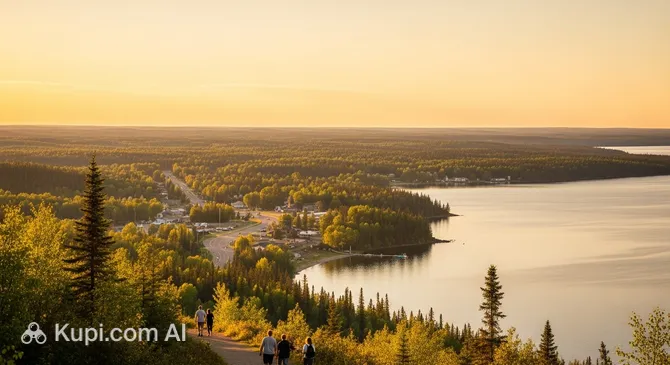
Red Lake. Source: Kupi.Binoculars

History buffs will find plenty to explore here. The town is proudly known as the "Norseman Capital of the World," honoring the legendary bush plane that opened up the north. The history of Red Lake is deeply intertwined with aviation and the gold rush of the 1920s, stories of which are preserved at the Red Lake Regional Heritage Centre. The annual Norseman Floatplane Festival is a highlight, drawing aviation enthusiasts from far and wide.

Beyond its industrial roots, the area is a premier destination for anglers and hunters. The lake itself provides excellent fishing for walleye, northern pike, and lake trout. For those seeking solitude, the nearby Woodland Caribou Provincial Park offers world-class canoeing routes and the chance to spot diverse wildlife in a pristine environment.

Whether you are looking to catch a trophy fish, explore the legacy of bush pilots, or simply enjoy the tranquility of the north, Red Lake welcomes you. It is an ideal spot for travelers seeking a genuine adventure off the beaten path.

Weather Overview

Red Lake features a continental climate characterized by significant temperature contrasts between the seasons. Summers are generally warm and inviting, making them the most popular time for visitors. July is typically the warmest month, with an average temperature of 19.9°C and daily highs reaching up to 24.4°C. However, travelers should be aware that summer also brings the highest frequency of precipitation, with June and July seeing about 13 to 14 wet days each.

In contrast, the winter months are long and intensely cold, shaping the region's rugged character. January and February are the coldest times of the year, with average temperatures hovering around -15°C and minimums often dropping below -19°C. To pack appropriately for your specific travel dates, it is best to consult the detailed weather in Red Lake before your trip.

Spring and autumn act as crisp transition periods, with May warming up to an average of 10.2°C and October cooling down to roughly 5.2°C. Overall, you can expect warm summers with occasional rain and very cold, relatively dry winters.

Interesting Facts

Beyond the bustling waterfront and deep mines, Red Lake holds a collection of intriguing stories that showcase its unique spirit. Here are a few fascinating details that reveal the depth of this northern community's heritage.

  • The Legend of the Name: According to local Ojibwe folklore, the town's name has a dramatic origin. The legend tells of two hunters who tracked and killed a massive moose near the shore; the animal's blood was so copious that it turned the waters a deep red, bestowing the name "Red Lake" upon the area.

  • A Mining Revolution: In 2000, the local gold mine became the center of a groundbreaking experiment known as the "Goldcorp Challenge." The company's CEO released proprietary geological data to the public online, offering a prize to anyone who could identify new gold targets. This bold crowdsourcing move led to the discovery of massive deposits and is now a famous case study in business innovation.

  • Decades of Isolation: Although a massive gold rush began here in the mid-1920s, the community remained unconnected to the provincial road network for over twenty years. Until Highway 105 was completed in 1947, all residents and supplies had to arrive by boat, bush plane, or tractor trains traveling over frozen waterways during the winter.

  • A Tribute to Aviation: While many know it as the "Norseman Capital of the World," the town honors this title with a dedicated park in the downtown area. The centerpiece is a fully restored Noorduyn Norseman plane mounted on a pedestal, serving as a permanent monument to the aircraft that was instrumental in developing the remote regions of Canada.

How to Get There

Reaching this northern municipality is part of the adventure, offering a transition from urban centers to the pristine wilderness of the boreal forest. While the location is remote, it remains accessible for travelers. You can find detailed information and more about how to get to Red Lake on our dedicated page.

The most convenient entry point is the local Red Lake Airport (IATA: YRL), situated just 6.3 km from the town center. It handles regional flights and serves as a vital link for the community; a taxi ride to downtown is quick, typically taking approximately 10 to 15 minutes. For those arriving from further afield, the nearest major international hub is Winnipeg James Armstrong Richardson International Airport (IATA: YWG) in Winnipeg.

Travelers should be aware of the geography when planning a trip from Winnipeg. While the airport is approximately 271 km away in a straight line, the actual ground journey is significantly longer due to the road network around the lakes. The driving distance is roughly 570 km, and the trip by car or bus generally takes about 7 hours.

For clarity, here is a summary of the main airports:

Airport Name City Passenger Traffic Km from City
Winnipeg James Armstrong Richardson International Airport Winnipeg Large 271.4
Sioux Lookout Airport Sioux Lookout Medium 169.2
Falls International Airport International Falls Small 274.1
Red Lake Airport Red Lake Small 6.3
Pikangikum Pikangikum Small 90.1

The city of Red Lake does not have a railway station, so train travel requires a multi-leg journey. You can arrive at the Winnipeg Railway Station in the city of Winnipeg. Similar to the airport, while the station is about 266 km away geodetically, the connecting road trip to Red Lake covers nearly 570 km and takes roughly 7 hours by rental car or bus transfer.

Below is the information for the nearest railway station:

Station City Passenger Traffic Km to Center
Winnipeg Railway Station Winnipeg Medium 266.0

Main Attractions

While Red Lake is often celebrated for its industrial roots, the town offers a surprising array of cultural and natural points of interest that captivate visitors. From its deep connection to aviation history to the pristine wilderness that surrounds it, the local attractions provide a well-rounded experience of life in the north.

One of the most significant stops for any traveler is the Red Lake Regional Heritage Centre. This facility is far more than a typical museum; it serves as a cultural hub that preserves the area's diverse stories. Visitors can explore fascinating exhibits detailing the rich history of the local First Nations, the dramatic gold rush of the 1920s, and the evolution of bush flying. It is an excellent place to gain a deeper understanding of the people and events that shaped this remote community.

Just a short walk from the town center, you will find Norseman Park, a tribute to the town's title as the "Norseman Capital of the World." The park's centerpiece is a fully restored Noorduyn Norseman bush plane mounted on a pedestal, symbolizing the aircraft's vital role in opening up the Canadian North. Located on the shores of Howey Bay, the park also offers scenic views of the water, where you can often watch modern floatplanes taking off and landing, continuing the tradition celebrated by the monument.

For nature enthusiasts, Woodland Caribou Provincial Park is a world-class destination located just west of the town. As part of the Pimachiowin Aki UNESCO World Heritage Site, this vast wilderness is a paradise for backcountry canoeists and hikers. It features over 2,000 kilometers of canoe routes and offers the rare opportunity to see the elusive woodland caribou in their natural habitat. The park is also known for its ancient Indigenous pictographs, which add a layer of spiritual and historical significance to the rugged landscape.

The waterfront area along Howey Bay acts as the bustling heart of the community during the summer months. It is one of the busiest floatplane bases in the world, and simply walking along the shore provides a unique spectacle of aviation in action. Whether you are embarking on a fly-in fishing trip or just enjoying a picnic by the water, the bay captures the adventurous spirit that defines Red Lake.

Local Cuisine

The culinary scene in Red Lake is deeply influenced by its location in the rugged Canadian Shield, where the wilderness dictates the menu. The most iconic gastronomic experience here is undoubtedly the traditional shore lunch. Famous among the many anglers who visit the region, this meal typically features freshly caught walleye (often called pickerel locally) or northern pike. The fish is usually breaded, fried to a golden crisp over an open fire, and served alongside potatoes and baked beans, offering a true taste of the north.

For those dining in town, the fare is hearty and unpretentious, designed to fuel outdoor adventures and warm you up during the cold winters. You will find excellent examples of classic Canadian comfort food, such as poutine—crispy fries topped with cheese curds and rich gravy. Given the diverse community, the local eateries also offer a surprising variety of international flavors, ranging from savory Chinese-Canadian dishes to authentic Italian-style pizzas, all served in generous portions.

In the summer months, the surrounding forests provide a natural dessert in the form of wild blueberries. These small, flavorful berries are a local staple and often find their way into pies, tarts, and pancakes at local diners. Visitors in late summer might even have the chance to pick their own, turning a hike into a delicious foraging expedition.

The food culture in Red Lake is casual and welcoming, reflecting the town's friendly spirit. There is no need for formal attire here; restaurants are filled with locals, pilots, and visitors sharing stories of the day's catch. Many dining spots offer views of Howey Bay, allowing you to enjoy a meal while watching floatplanes take off and land. For a drink, the local choice is often a crisp Canadian lager or a Caesar, a spicy cocktail made with vodka and clamato juice that is a favorite across the country.

Travel Tips

Visiting Red Lake offers a unique opportunity to experience the rugged beauty of the Canadian North, but traveling to such a remote destination requires some specific preparation. To help you make the most of your adventure in the "Norseman Capital of the World," here are some practical tips to ensure your trip is safe and enjoyable.

  1. Clothing and Gear: The season dictates your packing list entirely. In winter, you need heavy-duty thermal wear, insulated boots, and a windproof parka to handle temperatures that can drop below -30°C. In summer, while the days are warm, the evenings can be cool, so bring layers. Most importantly, pack high-quality insect repellent and light-colored long sleeves, as black flies and mosquitoes can be intense in the boreal forest.
  2. Transportation: There is no public mass transit system like metros or trams in Red Lake. While there are local taxi services, the best way to explore the area and reach nearby trailheads or lodges is by renting a car. If you plan to visit during winter, ensure your vehicle is equipped with winter tires and an emergency kit.
  3. Finances: The local currency is the Canadian Dollar (CAD). Credit and debit cards are widely accepted at hotels, restaurants, and major stores in town. However, it is wise to carry some cash, especially if you plan to buy bait from small shops, tip fishing guides, or visit remote outposts where electronic payment terminals might be unreliable.
  4. Health and Safety: Red Lake is a safe community, but the wilderness poses natural risks. Always be "bear aware" when hiking and keep a safe distance from wildlife. For medical emergencies, the Red Lake Margaret Cochenour Memorial Hospital provides 24/7 care. Pharmacies are available in the town center but check their opening hours, as they are not open late at night.
  5. Communication: English is the primary language spoken here. Mobile coverage is generally good within the town limits but can disappear quickly once you head out on the highway or into the bush. It is recommended to download offline maps before leaving the town center. Wi-Fi is standard in most accommodations and cafes.
  6. Local Etiquette: The vibe here is friendly and informal. It is customary to greet people with a nod or a "hello" when passing on walking trails or in smaller shops. If you are fishing, strictly adhere to catch-and-release regulations and slot sizes; conservation is taken very seriously by locals who cherish their natural resources.
  7. What to Avoid: Do not venture onto active mining roads or private industrial properties. Red Lake is a working mining town, and heavy machinery operates frequently in specific zones. These areas are restricted for your safety and are usually clearly marked—ignoring signs can be dangerous and is considered trespassing.
  8. Northern Lights Tip: Because of its northern latitude and low light pollution, Red Lake is a fantastic spot for viewing the Aurora Borealis. If you are visiting between late August and April, download an aurora forecast app and be prepared to stay up late; the best displays often occur after midnight.

By keeping these practicalities in mind, you will be well-equipped to navigate the local lifestyle and focus on the incredible outdoor experiences that await. Whether you are here for the trophy fishing or the aviation history, a little preparation goes a long way in this welcoming northern community.

Entertainment & Nightlife

Entertainment in Red Lake is defined by its spirited community and the great outdoors, rather than a bustling urban nightlife scene. Visitors here will find that leisure time is best spent participating in local traditions, enjoying recreational sports, or relaxing in the company of friendly locals. The town offers a variety of activities that shift dramatically with the seasons, ensuring there is always something to do whether the sun is shining or the snow is falling.

The social calendar is anchored by several major events, with the Norseman Floatplane Festival being the undisputed highlight of the summer. Held annually in July, this festival draws crowds from all over Canada and beyond. It features live music, street entertainment, fireworks, and, of course, a spectacular display of historic and modern aircraft. In the colder months, the Winter Carnival brings warmth to the community with snow sculpture competitions, dog sled races, and family-friendly games, showcasing the town's resilience and joy during the freeze.

For those who enjoy active leisure, the Red Lake Golf and Country Club is a must-visit destination. Situated on the shores of McNeely Bay, it boasts the title of the most northerly 18-hole grass green golf course in Ontario. The course offers a scenic and challenging round for golfers of all skill levels, complete with a clubhouse that provides stunning views of the water—perfect for a post-game meal or drink.

Indoor recreation is centered around the community's well-equipped facilities. The Cochenour Arena and the local curling club are hubs of activity during the winter, where visitors can watch local hockey matches or try their hand at curling, a quintessential Canadian pastime. Additionally, the Red Lake Regional Heritage Centre often hosts workshops, art exhibitions, and cultural presentations that offer a more relaxed form of entertainment.

When the sun goes down, the nightlife is casual and laid-back. You won't find large clubs, but you will find welcoming pubs and lounges where the atmosphere is warm and the conversation flows easily. These spots are popular with anglers sharing "fish tales" and locals unwinding after a day of work. It is the perfect setting to enjoy a local brew, play a game of pool, and experience the genuine hospitality of the North.

Parks & Museums

While Red Lake is famous for its rugged industrial exterior, the town and its surroundings offer a surprising wealth of green spaces and cultural institutions. Visitors here can seamlessly transition from exploring the deep history of the Canadian Shield to immersing themselves in the pristine wilderness that defines this northern community.

The most prominent natural area is undoubtedly Woodland Caribou Provincial Park. Located just west of the town, this vast wilderness park is a paradise for outdoor enthusiasts and a significant part of the Pimachiowin Aki UNESCO World Heritage Site. Unlike typical parks with manicured lawns, this is a raw, untouched landscape featuring over 2,000 kilometers of canoe routes and a dense boreal forest. It is an ideal destination for those looking to experience the solitude of the north, offering chances to spot moose, black bears, and the park's namesake, the woodland caribou.

Closer to the town center, Norseman Park serves as a beautifully landscaped tribute to the area's aviation heritage. Situated along the waterfront of Howey Bay, it is the perfect spot for a leisurely stroll or a family picnic. The park is dominated by the iconic Noorduyn Norseman monument, but beyond the statue, it offers benches and green areas where visitors can relax and watch the floatplanes taxiing on the water. It acts as a community gathering space that connects the town's history with its scenic natural beauty.

For a more traditional recreational experience, Pakwash Provincial Park is a favorite among locals and tourists alike, located a short drive south on Highway 105. Known for its 1.5-kilometer sandy beach and shallow, warm waters, it is one of the best swimming spots in the region. The park also features well-maintained nature trails that wind through the forest, providing excellent opportunities for birdwatching and seeing local flora, including wild orchids and blueberries in the summer.

The cultural heart of the municipality is the Red Lake Regional Heritage Centre. This modern facility goes beyond the standard small-town museum, offering high-quality, multimedia exhibits that narrate the region's complex story. Visitors can delve into the rich history of the local Anishinaabe people, learn about the frantic gold rush of 1926 that put the town on the map, and explore the evolution of bush flying. The centre also frequently hosts traveling art exhibitions and workshops, making it a dynamic venue for arts and culture.

In terms of historical landmarks, the waterfront along Howey Bay is itself a living museum of aviation. As one of the busiest floatplane bases in Canada, the docks and terminals preserve the atmosphere of the pioneering era. While not a formal museum, walking this area allows you to see historic aircraft still in active service, maintaining the legacy of the "Norseman Capital of the World."

For an authentic local experience, head to Rahill Beach. Tucked away from the main tourist paths, this quiet spot on the lake is where residents go to unwind. It offers a fantastic vantage point for watching the sunset over the water, providing a peaceful end to a day of exploration.

Getting Around

Travelers planning a visit to Red Lake should be aware that the city does not operate a conventional public transportation system. Due to its relatively small population and the layout of the municipality, there are no subways, trams, trolleybuses, or scheduled municipal bus routes available. The community is spread across several distinct areas—including Red Lake proper, Balmertown, and Cochenour—making personal vehicles the primary mode of transit for locals and visitors alike.

For those arriving without a personal vehicle, local taxi services are the most reliable alternative to public transit. There are a few taxi companies operating within the area that connect the airport, the downtown core, and the surrounding communities. Unlike in major metropolitan hubs, you generally cannot hail a cab from the street; it is standard practice to call the dispatch number in advance to arrange a pickup. Fares are typically metered or based on flat rates for specific zones, and while cash is always accepted, it is advisable to ask about credit card availability when booking your ride.

Given the distances between the main town site and the mining communities of Balmertown and Cochenour, renting a car is highly recommended for the most flexibility. Several rental agencies operate in the area, often with counters at the airport. Having your own vehicle allows you to explore local attractions, access trailheads, and travel between the different town centers at your own pace without relying on taxi availability.

For short distances within the downtown area of Red Lake, walking is a pleasant and feasible option, especially during the warmer months. The waterfront and main commercial streets are compact, allowing you to easily access shops, restaurants, and the heritage centre on foot. Cycling is also a popular recreational activity, though there are no dedicated bike-sharing schemes; visitors interested in cycling should plan to bring their own gear or inquire locally about potential rentals.

A unique feature of the local transport "network" is the extensive use of floatplanes and boats. While these are not used for daily commuting within the town, they serve as the essential link to the remote wilderness. In this region, the waterways and the sky act as the highways, transporting people and supplies to isolated fishing lodges and outposts that are otherwise inaccessible. Watching these bush planes take off from Howey Bay provides a glimpse into the authentic transportation culture of the north.

Accommodation

Finding the right place to stay in Red Lake is straightforward, with options that cater to both outdoor adventurers and business travelers. The accommodation landscape reflects the town's character, offering a mix of reliable brand-name hotels, family-owned motels, and distinct wilderness lodges. Whether you are here for a quick stopover or a week-long fishing expedition, you will find facilities that range from budget-friendly basics to comfortable, full-service establishments.

For those who value convenience and proximity to amenities, the downtown area of Red Lake is the most popular choice. Staying here places you within walking distance of local restaurants, the waterfront, and the Red Lake Regional Heritage Centre. This central location is ideal for visitors who want to explore the town's history or watch floatplanes depart from Howey Bay without needing to drive constantly. Another cluster of accommodations can be found in the nearby community of Balmertown, which is well-connected by road and often serves the needs of the resource sector and travelers alike.

A unique feature of the local lodging scene is the abundance of fishing lodges and resorts. These are often situated directly on the lakefront or on islands, providing a more immersive nature experience. Ranging from rustic housekeeping cabins to all-inclusive lodges with guided services, these spots are perfect for tourists seeking the quintessential northern getaway. While they offer a peaceful retreat, many are still just a short boat ride or drive from the town's main services.

Booking Tip: Red Lake is a seasonal hotspot, particularly during the summer fishing months of June through August. During this peak period, and also during the winter when contract workers frequent the town, vacancy rates can drop quickly. It is highly advisable to book your accommodation several weeks in advance to secure your preferred dates and location.

In terms of cost, the price range is generally mid-range compared to larger Canadian cities. You won't typically find ultra-luxury 5-star hotels or large youth hostels here; instead, the market is dominated by standard, comfortable rooms and cabins. Major hotels and motels can usually be booked via popular online travel platforms, but for many of the specialized fishing lodges and independent cabins, contacting the owners directly or visiting their specific websites is often the best way to arrange your stay.

Nearby Cities

For those looking to explore the surroundings, Red Lake serves as an excellent base for day trips to several interesting nearby locations:

Located roughly three hours south, Kenora is a premier destination situated on the majestic Lake of the Woods. Known as a hub for boating and fishing enthusiasts, it offers a lively waterfront, unique shops, and the famous "Husky the Muskie" statue. Visitors can enjoy a scenic cruise on the MS Kenora or explore the vibrant harbourfront, making it well worth the drive for a full day of activity.

Closer to home, the township of Ear Falls lies along Highway 105, approximately an hour's drive south. It is a fantastic stop for nature lovers, featuring the stunning Lac Seul and the namesake waterfalls. The area provides excellent opportunities for picnicking, bald eagle viewing, and golfing at the local course, offering a relaxed outdoor experience without venturing too far from Red Lake.

City Population Distance (km)
Winnipeg 705244 266
Steinbach 15829 262
Kenora 15096 147
Portage La Prairie 13304 337
Winkler 12660 358

These nearby destinations offer a glimpse into the diverse culture and landscapes of the region.

Shopping & Souvenirs

Shopping in Red Lake offers a practical and authentic experience that reflects the lifestyle of the Canadian North. Unlike major urban centers filled with high-end fashion boutiques and sprawling department stores, the retail scene here is focused on essential goods, outdoor gear, and locally inspired products. Visitors will find a selection of friendly, locally-owned businesses that cater to both the resident community and the many anglers and hunters who flock to the region.

The primary shopping district is located in the Downtown area along Highway 105 and Howey Street. This walkable strip serves as the commercial heart of the municipality, featuring a variety of convenience stores, pharmacies, and specialty shops. It is the best place to pick up daily necessities or browse for unique gifts while enjoying views of the waterfront. Another key commercial hub is found in the nearby community of Balmertown, which offers additional grocery options, hardware stores, and services supporting the local mining industry.

Travelers should not expect large shopping malls in this remote municipality. Instead, the retail landscape is characterized by small strip plazas and standalone storefronts. These compact centers provide everything from groceries and liquor to clothing and household items, ensuring that visitors have access to modern conveniences without the crowds associated with big-city shopping complexes.

For those interested in local produce and handmade goods, seasonal markets are a highlight during the warmer months. While there is no permanent daily market hall, pop-up farmers' markets and craft sales often take place in community spaces or near the waterfront. These events are excellent opportunities to purchase fresh berries, home-baked goods, and crafts directly from local artisans, offering a genuine taste of the region's community spirit.

When it comes to souvenirs, Red Lake offers several unique options that celebrate its heritage. The gift shop at the local heritage centre is a treasure trove for visitors, offering books on aviation history, "Norseman Capital" branded apparel, and locally crafted items. Given the area's rich Indigenous culture, you can often find beautiful First Nations handicrafts, such as beadwork, moccasins, and dreamcatchers. Additionally, samples of local minerals or gold-themed keepsakes are popular reminders of the town's status as a major gold mining hub.

Store opening hours in Red Lake are typical for a small town. Most businesses operate from approximately 9:00 AM to 5:00 PM or 6:00 PM on weekdays and Saturdays. On Sundays, many smaller shops may be closed or have reduced hours, so it is wise to plan your shopping needs in advance. Major grocery stores and gas stations generally offer extended hours to accommodate travelers and shift workers.

Payment methods are modern and convenient. The Canadian Dollar (CAD) is the official currency, and credit and debit cards are widely accepted at almost all retailers, restaurants, and hotels. However, if you plan to visit smaller market stalls or purchase bait from independent vendors, carrying a small amount of cash is recommended.

Regarding taxes, the posted prices in stores usually do not include the sales tax, which is added at the register. In Ontario, the Harmonized Sales Tax (HST) is 13%. Visitors should be aware that Canada does not generally offer a VAT refund system for tourists on regular goods purchased for personal use, so the tax paid at the counter is final.

Reached the end of the page?

That means the route is fully explored