Support

Dryden

About

Welcome to Dryden, a vibrant community nestled in the heart of Northwestern Ontario. Often referred to as the "Wilderness City," this destination serves as a perfect hub for travelers exploring the vast natural beauty of Canada. Whether you are driving along the Trans-Canada Highway or looking for a peaceful retreat, Dryden offers a warm welcome with its friendly atmosphere and scenic surroundings.
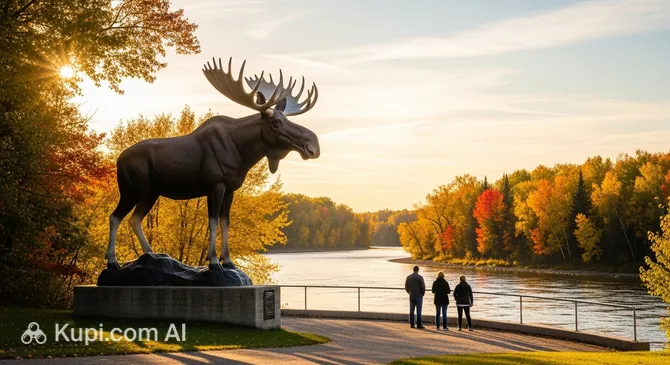
Dryden. Source: Kupi.Binoculars

Geographically, the city is beautifully situated on the shores of Wabigoon Lake, providing stunning waterfront views and easy access to outdoor recreation. With a modest population of approximately 7,700 residents, it maintains a cozy, small-town feel while providing essential amenities. The local climate features warm summers perfect for aquatic activities and snowy winters that transform the landscape into a wonderland for snowmobiling and ice fishing.

The area has evolved significantly from its early days as an agricultural settlement and a hub for the paper industry. Visitors interested in how this community grew from a humble railway stop into a thriving regional center can delve deeper into the history of Dryden. The local heritage is quietly woven into the streets and the enduring spirit of the people who call this place home.

No visit to Dryden is complete without snapping a photo with Max the Moose, the city's famous 5.6-meter tall mascot that greets travelers and stands as a symbol of the region. For those seeking scenic vistas, the Roy Wilson Suspension Bridge offers a picturesque walk across the Wabigoon River, surrounded by lush greenery. Nature enthusiasts will also appreciate the abundance of hiking trails and prime fishing spots that make the surrounding wilderness truly accessible.

If you are planning a trip through Ontario, be sure to add Dryden to your itinerary. It is an ideal spot to recharge, connect with nature, and experience the authentic hospitality of the north. Come and discover why this "Wilderness City" captures the hearts of so many visitors.

Weather Overview

Dryden experiences a true continental climate with four distinct seasons, offering a wide range of conditions for travelers. The city is known for its comfortably warm summers, which are perfect for enjoying the nearby lakes, and its snowy, cold winters that support a variety of ice and snow activities.

The warmest time of the year occurs in July, when the average temperature rises to approximately 20.3°C, with daytime highs often reaching 25.1°C. Summer months like June and August are also pleasant, though they tend to have a higher frequency of wet days, with rain occurring roughly 12 to 13 days per month.

Winters in the region are significantly colder, particularly in January and February, where average temperatures drop to around -13.8°C and nightly lows can plunge below -18°C. Despite the freezing temperatures, precipitation volume is generally recorded as low during these months, resulting in crisp, dry cold spells interspersed with snowy days.

To help you plan your trip and pack the right gear, you can view more detailed information about the weather in Dryden. In general, you should expect warm summers with occasional rain and cold, relatively dry winters.

Interesting Facts

Beyond the scenic vistas and the famous moose mascot, Dryden holds several fascinating stories that define its unique identity. Here are a few interesting facts that reveal the history and character of this Northern Ontario community.

  • The city owes its existence to a humble patch of clover. In 1895, John Dryden, the Ontario Minister of Agriculture, noticed clover growing near a railway siding known as Barclay Tank while his train was stopped. Recognizing the soil's fertility, he established an experimental farm on the site, which eventually blossomed into the community that bears his name today.

  • Dryden is a proud hockey town and the birthplace of NHL Hall of Famer Chris Pronger. The city has a rich tradition of producing top-tier talent, and its local arenas serve as a focal point for the community's deep passion for the sport.

  • While Max the Moose is a familiar face to travelers, his sheer mass is often underestimated. Standing 5.6 meters tall, the steel and concrete structure weighs approximately 18 tonnes, making him one of the heaviest and most enduring roadside attractions in Canada.

  • Travelers should check their watches, as the city operates on Central Standard Time. Unlike the majority of Ontario, which follows Eastern Time, Dryden aligns its clocks with Winnipeg, reflecting its strong geographic and economic ties to the west.

How to Get There

Reaching Dryden is a journey into the scenic heart of Northwestern Ontario. While the city is a well-known stop along the Trans-Canada Highway, many visitors choose to arrive by air through neighboring regional hubs. For a detailed guide on planning your trip, you can read more about how to get to Dryden and the various transport options available.

Travelers can fly into Sioux Lookout Airport (IATA: YXL) in the city of Sioux Lookout, which is approximately 76.5 km from Dryden. This regional hub handles a moderate volume of passengers, and the transfer by taxi or shuttle typically takes about 1 hour. Alternatively, international travelers might consider Falls International Airport (IATA: INL), located across the border in International Falls. This airport is about 141 km away, with a travel time of roughly 2 hours by road.

For clarity, here is a summary of the main airports serving the region:

Airport Name City Passenger Traffic Km from City
Sioux Lookout AirportSioux LookoutMedium76.5
Falls International AirportInternational FallsSmall141.1
Red Lake AirportRed LakeSmall158.4
PikangikumPikangikumSmall240.6

In addition to air travel, Dryden is easily accessible by road, situated directly on the Trans-Canada Highway (Highway 17). This makes it a convenient stop for those driving between Winnipeg and Thunder Bay. Bus services and rail options may also be available, offering scenic routes through the Canadian Shield for those who prefer ground transportation.

Main Attractions

Attractions:

While the famous Max the Moose statue often steals the spotlight, the city offers a variety of other engaging sites that showcase the region's history and natural beauty. Visitors looking to explore beyond the roadside landmarks will find excellent museums, parks, and conservation areas that highlight the unique character of Northwestern Ontario.

Dryden & District Museum is a must-visit for history enthusiasts. Housed in the historic Hambleton House, this museum holds a collection of over 10,000 artifacts that tell the story of the area's development. Exhibits cover a wide range of topics, from the region's First Nations heritage and the pioneer era to the evolution of the local paper and mining industries. It provides a fascinating glimpse into the lives of the people who shaped the community.

Nature lovers should head to Aaron Provincial Park, located just a short drive east of the city on the shores of Thunder Lake. This park is a favorite destination for both locals and tourists, offering sandy beaches perfect for swimming and sunbathing during the warm summer months. The park also features several hiking trails that wind through the boreal forest, providing opportunities to spot local wildlife and enjoy the tranquility of the Canadian Shield.

For a scenic outdoor experience closer to town, the Laura Howe Marsh Conservation Area offers a peaceful retreat. This wetland area features a two-kilometer loop trail that is ideal for a leisurely walk or a morning jog. It is a haven for birdwatchers and photographers, as the marsh ecosystem supports a diverse array of bird species and aquatic life, making it a vibrant spot for observing nature in every season.

Sandy Beach Park is another gem situated along the Wabigoon Lake waterfront. It serves as a recreational hub with well-maintained grassy picnic areas, a playground, and a beautiful sandy shoreline. It is the perfect spot for a family afternoon, offering stunning views of the lake and easy access for boating or fishing, which are popular pastimes in the region.

Local Cuisine

The culinary landscape of Dryden is deeply influenced by its location in the heart of Northwestern Ontario, offering hearty meals that reflect the region's rugged wilderness and outdoor lifestyle. While you will not find high-end molecular gastronomy here, you will discover a warm, unpretentious food scene focused on fresh, local ingredients and comfort food that fuels adventures in the "Wilderness City."

The undisputed star of the local menu is Walleye, often referred to locally as pickerel. Given the abundance of fishing lakes surrounding the city, this freshwater fish is a staple in many households and restaurants. Visitors simply must try a traditional "shore lunch," where the fish is freshly caught, breaded, and fried to golden perfection, typically served with beans and potatoes. Even if you are not out on a boat, many local diners serve excellent pan-fried or battered walleye that captures the authentic taste of the north.

Beyond the catch of the day, the region is known for its natural harvest. Wild rice, which grows in the shallow waterways of the Canadian Shield, is a common ingredient found in soups, casseroles, and side dishes. In the late summer, wild blueberries blanket the forest floor, making their way into delicious seasonal pies, muffins, and jams. These local flavors provide a genuine taste of the land that is distinct from the agricultural produce found in southern parts of the province.

The dining atmosphere in Dryden is relaxed and welcoming, characterized by family-run restaurants, cozy diners, and casual pubs. It is a place where flannel shirts are as common as dinner jackets, and the focus is on generous portions and friendly service. During the summer months, the local farmers' market is a great spot for tourists to pick up local honey, homemade preserves, and fresh baking.

When it comes to drinks, the choices are equally grounded in Canadian tradition. A spicy Caesar cocktail is a popular choice to start a meal, especially during brunch or dinner. For beer lovers, local pubs often feature brews from regional Northwestern Ontario breweries, offering a refreshing way to unwind after a long day of hiking or fishing.

Travel Tips

To ensure your visit to Dryden is as enjoyable and stress-free as possible, a little preparation goes a long way. Whether you are coming for the world-class fishing or simply passing through on a cross-country road trip, these practical tips will help you navigate the local customs and conditions of this Northern Ontario gem.

  1. Clothing and Gear: The weather dictates your wardrobe here. In summer, bring light layers and comfortable walking shoes, but most importantly, pack high-quality insect repellent, as mosquitoes and black flies can be intense in the bush. If visiting in winter, thermal underwear, a heavy parka, insulated boots, and gloves are non-negotiable necessities. The electrical standard is the same as the rest of Canada (Type A and B plugs), so US travelers need no adapters, while others will.
  2. Transportation: A rental car is the most practical way to explore Dryden and its surrounding wilderness areas. While there is a small local transit service and taxi companies are available, they operate on limited schedules compared to major cities. Having your own vehicle gives you the freedom to reach trailheads, lodges, and scenic lookouts that are otherwise inaccessible.
  3. Finances: The local currency is the Canadian Dollar (CAD). Major credit and debit cards are widely accepted at hotels, restaurants, and supermarkets. However, it is wise to carry some cash for smaller bait shops, seasonal stands, or tipping. The standard tipping culture applies here: 15-20% for good service in restaurants and for taxi drivers.
  4. Health and Safety: Dryden is a safe community with a low crime rate, but environmental hazards are real. The Dryden Regional Health Centre provides medical care, and there are several pharmacies in town, though they are not open 24/7. When driving, especially at dawn or dusk, stay vigilant for wildlife like moose and deer crossing the highway, which pose a significant safety risk.
  5. Communication: English is the primary language spoken throughout the city. Mobile network coverage is reliable within the city limits and along the main Trans-Canada Highway but can become spotty or non-existent once you venture onto remote logging roads or deep into the lakes. Free Wi-Fi is commonly available in hotels, coffee shops, and the public library.
  6. Local Etiquette: The vibe in Dryden is friendly and informal. It is polite to greet shopkeepers and passersby with a simple "hello" or a nod. Since outdoor recreation is a huge part of the lifestyle, the "Leave No Trace" principle is strictly observed; always clean up after yourself when fishing, hiking, or camping to respect the local nature and community.
  7. What to Avoid: Do not underestimate the distance between gas stations if you are driving out of town; always fill up your tank when you can. Additionally, avoid feeding any wildlife you encounter. It is not only dangerous for you but also harmful to the animals and often illegal.
  8. Time Zone Check: A crucial detail for planning your itinerary is that Dryden operates on Central Standard Time (CST). If you are arriving from Thunder Bay or Toronto, remember to turn your watch back one hour, as you are crossing the time zone boundary just east of the region.

By keeping these simple tips in mind, you will be well-equipped to experience the best of the "Wilderness City." The locals are generally very helpful, so do not hesitate to ask for advice or directions if you find yourself in need of assistance during your stay.

Entertainment & Nightlife

Entertainment and nightlife in Dryden reflect the community's laid-back, outdoor-oriented lifestyle. You will not find sprawling nightclubs or bustling entertainment districts here; instead, the evening scene is defined by cozy sports bars, hotel lounges, and friendly pubs where locals gather to unwind. The atmosphere is consistently casual and welcoming, making it easy for visitors to strike up a conversation and experience the genuine hospitality of Northwestern Ontario.

Most of the evening activity is concentrated along Government Street and the Trans-Canada Highway, which run through the heart of the city. These areas are where you will find the majority of dining and drinking establishments. The dress code is almost universally informal—jeans and flannel are the norm—and the vibe is "come as you are," whether you have spent the day fishing on the lake or driving across the province.

For a classic local experience, The Patricia Inn (often affectionately referred to as "The PI") is a popular spot. It features a sports bar atmosphere where you can catch the latest hockey game, enjoy a casual meal, and mingle with residents. It is a go-to destination for a relaxed evening of drinks and socializing without the high energy of a big-city club.

If you are looking for interactive entertainment, Timberlanes is an excellent choice. This venue combines a bowling alley with a licensed lounge, making it a favorite for groups and families. It offers a fun environment where you can enjoy a few frames of bowling along with beverages and snacks, providing a lively alternative to a standard bar setting.

During the daytime, entertainment shifts towards cultural and recreational activities. The Dryden & District Museum offers an educational afternoon, while the The Centre (Dryden Regional Training and Cultural Centre) frequently hosts concerts, theater productions, and community events. It is worth checking their schedule to see if a performance aligns with your visit.

Practicalities for a night out in Dryden are simple. Most venues close earlier than in major urban centers, typically between 11:00 PM and 2:00 AM, depending on the day of the week. Prices for drinks and cover charges (if any) are generally very reasonable. While the town is walkable, especially in the central areas, it is advisable to use a taxi service for getting back to your accommodation late at night, particularly during the cold winter months. Local taxi companies are reliable, but it is best to call for one in advance as you prepare to leave.

Safety is rarely a concern in Dryden, as it is a peaceful community. The main streets are well-lit and safe for walking in the evening, but visitors should always remain aware of their surroundings. The biggest "danger" at night might actually be the wildlife; keep an eye out for deer or even moose if you are on the outskirts of town. Sticking to the main commercial areas and using designated transport ensures a hassle-free and enjoyable night.

Parks & Museums

The cultural and natural landscape of Dryden offers a delightful mix of manicured green spaces, rugged wilderness, and venues that celebrate the region's heritage. Visitors will find that the city seamlessly blends outdoor recreation with an appreciation for local arts, making it easy to enjoy a morning hike followed by an afternoon of cultural exploration.

While the immediate area is famous for its lakes, Blue Lake Provincial Park is a standout destination worth the short drive west of the city. Renowned for its incredibly clear, aquamarine waters that rival tropical destinations, this park is a favorite for swimming, kayaking, and camping. The long sandy beach and the surrounding boreal forest provide a pristine setting for relaxation, distinct from the darker waters often found in the region.

For a more rugged, authentic local experience, Flat Rock is a beloved spot situated on the shores of Wabigoon Lake. As the name suggests, this area features expansive, smooth bedrock sloping into the water, creating a natural sunbathing platform and a unique picnic location. It is an excellent place to witness the classic geography of the Canadian Shield up close and enjoy a sunset over the lake without the crowds found at larger beaches.

In terms of culture, the Naked North Art Gallery serves as a creative hub for the community. This volunteer-run venue showcases the work of talented regional artists, ranging from paintings and pottery to handcrafted jewelry. It offers visitors a chance to see the landscape through the eyes of locals and perhaps pick up a one-of-a-kind souvenir that captures the spirit of Northwestern Ontario.

For a memorable family excursion, Egli's Sheep Farm in nearby Minnitaki is a highly recommended stop. As one of the largest wool and sheepskin specialty shops in the country, it offers high-quality local products perfect for the northern climate. The farm also features an animal park where children can interact with small animals, making it a fun and educational side trip just minutes from Dryden.

Within the city limits, Kinsmen Park offers a serene escape along the Wabigoon River. It is a favored spot for locals to enjoy a peaceful walk or a picnic by the water, providing excellent views of the river's flow and the surrounding greenery. The park's accessible location makes it an easy addition to any day of sightseeing.

For a truly unique excursion, ask a local for directions to Ghost Lake. Located near the city, this body of water is famous for its exceptional clarity and depth, which creates a mesmerizing, sometimes eerie, optical effect where you can see deep into the underwater formations.

Getting Around

Navigating Dryden is relatively straightforward due to its compact size, but visitors should be aware that the city does not possess an extensive public transportation network like those found in larger metropolitan centers. There is no metro, tram, or trolleybus system here. The city is primarily designed for automobile travel, and most residents rely on personal vehicles to get around.

For tourists without a car, local taxi services serve as the primary substitute for public transit. There are a few reliable taxi companies operating within the city limits that can transport you between your hotel, restaurants, and local attractions. Unlike in big cities where you might hail a cab on the street, it is standard practice here to call the dispatcher in advance to book your ride. This is especially important during peak times or late at night when availability might be lower.

Regarding payment, taxis in the city generally accept cash and major credit cards. However, it is always a good practical tip to ask the dispatcher or driver about card machines before starting your journey to avoid any inconvenience. Prices are metered or based on flat zones within the town, and fares are generally reasonable given the short distances involved. Tipping the driver around 10-15% is customary for good service.

Since the public transport options are limited, renting a car is the most highly recommended alternative for visitors. Having your own vehicle provides the freedom to explore not just the downtown core, but also the surrounding lakes, hiking trails, and the famous suspension bridge at your own pace. Several rental agencies operate in the area, often located near the airport or along the main highway.

For those staying in the central district, the city is quite walkable. Many shops, cafes, and the waterfront area are within comfortable walking distance of each other. Cycling is also a pleasant option during the warmer months, allowing you to enjoy the scenic views of the community and its natural surroundings without the need for a motor vehicle.

Accommodation

Accommodation in Dryden is designed to meet the needs of two main groups of travelers: those driving long distances across the Trans-Canada Highway and outdoor enthusiasts arriving for the region's world-class fishing and hunting. As a result, the city offers a practical mix of reliable lodging options ranging from familiar brand-name hotels to independent roadside motels and rustic wilderness cabins.

The most convenient area to stay is along Government Street and the Trans-Canada Highway (Highway 17). This corridor serves as the primary commercial artery of the city, placing visitors within easy reach of gas stations, restaurants, and grocery stores. Staying here is ideal for road trippers looking for a quick, comfortable overnight stop without deviating far from their route.

For those seeking a more scenic experience, there are several lodges and resorts situated on the outskirts of town, particularly along the shores of Wabigoon Lake. These establishments often offer housekeeping cottages or chalet-style rooms, providing a peaceful setting with direct access to the water. These are perfect for families or anglers planning a multi-day stay to explore the natural surroundings.

Booking Tip: While finding a room is usually straightforward, the summer months (June through August) and the autumn hunting season can be quite busy. It is advisable to book your accommodation in advance during these peak times to secure your preferred location, especially if you are traveling with a trailer or boat and require specific parking facilities.

In terms of cost, Dryden is generally affordable. The price range typically spans from budget-friendly motels to mid-range hotels, with very few high-end luxury options. Most establishments offer standard amenities like free Wi-Fi and breakfast, and bookings can be easily made through major online platforms or by contacting the properties directly.

Nearby Cities

For those looking to explore the surroundings, Dryden serves as an excellent base for day trips to several interesting nearby locations. While the distances in Northwestern Ontario can be vast, the scenic drives through the Canadian Shield make the journey part of the adventure.

Kenora is the most popular destination for a convenient day trip, located approximately an hour and a half west of the city. Situated on the spectacular Lake of the Woods, it is a premier hub for boating, fishing, and summer cottages. Visitors can wander along the revitalized harbourfront, take a scenic cruise on the lake, or visit the famous "Husky the Muskie" statue. The town offers a lively summer atmosphere with unique shops and restaurants that differ from the offerings in Dryden.

For those willing to drive a bit further, Thunder Bay to the east offers a complete change of pace as the largest metropolitan center in the region. Sitting on the shores of Lake Superior, it is home to the iconic Sleeping Giant Provincial Park and the fascinating Fort William Historical Park. Although it is a longer drive, the city provides access to urban amenities, diverse dining, and significant historical sites that showcase the rich heritage of the Great Lakes.

City Population Distance (km)
Winnipeg 705,244 310
Thunder Bay 107,909 305
Geraldton 20,000 424
Steinbach 15,829 280
Kenora 15,096 119

These nearby destinations offer a glimpse into the diverse culture and landscapes of the region, ranging from lakeside resort towns to major urban centers.

Shopping & Souvenirs

Shopping in Dryden offers a practical and friendly experience, catering well to both local residents and travelers passing through along the Trans-Canada Highway. While the city is not a destination for high-end luxury fashion or sprawling mega-complexes, it provides a solid selection of essential services, outdoor outfitters, and charming local boutiques. Visitors can expect to find everything from specialized camping gear for wilderness adventures to unique handcrafted gifts that reflect the spirit of Northwestern Ontario.

The heart of the local retail scene is found in the Downtown district, particularly along King Street and Earl Avenue. This walkable area is home to independent shops, florists, and specialty stores where you can browse in a relaxed, small-town atmosphere. For those seeking larger chain stores, supermarkets, and automotive services, the commercial strip along the Trans-Canada Highway (Highway 17) serves as the main hub, offering convenient access and ample parking for travelers making a quick stop.

The city is served by several functional shopping plazas and retail centers located primarily along the highway corridor. These commercial areas house a variety of essential retailers, including grocery stores, pharmacies, and everyday clothing outlets. These spots are perfect for restocking supplies or grabbing necessities before heading out to the lakes or continuing a road trip across Canada.

During the warmer months, the Dryden Farmers' Market becomes a vibrant focal point for the community. Typically held seasonally, it is the best place to discover fresh local produce, home-baked goods, and artisanal crafts. A visit here offers a great opportunity to meet local growers and makers, providing a genuine taste of the region's agricultural bounty and a chance to buy direct from the source.

When looking for souvenirs, items related to Max the Moose—the city's famous mascot—are a fun choice, ranging from postcards to plush toys. For something more authentic, look for wild rice harvested from regional lakes or Indigenous artwork and crafts, such as beadwork and moccasins. Additionally, high-quality sheepskin products are a renowned regional specialty, with warm slippers, mitts, and hats being highly sought after by visitors preparing for the northern climate.

Most retail stores in the city operate from approximately 9:00 AM to 6:00 PM on weekdays and Saturdays. On Sundays, many smaller independent shops in the downtown area may be closed, while larger grocery stores and national chains typically remain open with reduced hours. Canadian Dollars (CAD) are the standard currency, and major credit and debit cards are widely accepted, though carrying a small amount of cash is recommended for market stalls or smaller vendors.

Travelers should be aware that the advertised shelf prices usually do not include sales tax. In Ontario, a Harmonized Sales Tax (HST) of 13% is added to most goods and services at the register. There is generally no sales tax refund system available for international tourists on typical consumer goods, so visitors should budget accordingly for this additional cost at the checkout.

Reached the end of the page?

That means the route is fully explored