Support

Angling Lake

About

Angling Lake is a serene and remote community located in the vast wilderness of Northern Ontario, Canada. Known primarily as the home of the Wapekeka First Nation, this destination offers a unique glimpse into life in the boreal forest, far removed from the bustle of major urban centers. It is a place where the pace of life is dictated by nature, offering a profound sense of tranquility and a deep connection to the land.

Geographically, the settlement is situated approximately 450 kilometers northeast of Sioux Lookout, making it a true northern outpost. Accessibility is part of its exclusive charm; it is largely a fly-in community served by its own airport, though seasonal winter roads provide a temporary link to the wider region during the coldest months. The climate here is subarctic, characterized by crisp, snowy winters and pleasantly mild summers. Visitors interested in the roots of this enduring community can explore the history of Angling Lake, which traces its evolution from traditional seasonal encampments to the permanent Oji-Cree settlement seen today.
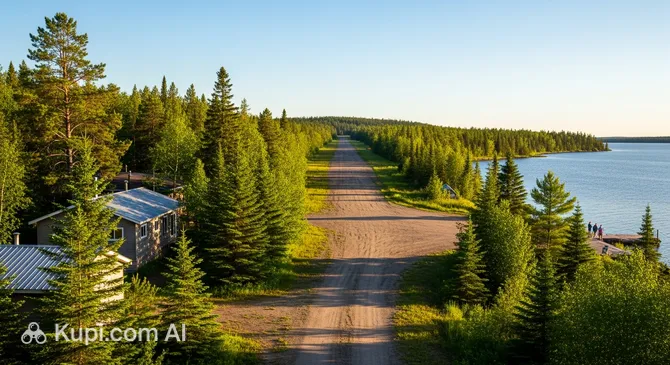
Angling Lake. Source: Kupi.Binoculars

True to its name, Angling Lake is a haven for fishing enthusiasts looking to cast their lines in pristine, uncrowded waters teeming with fish. The surrounding landscape is a tapestry of dense forests and crystal-clear lakes, offering unparalleled opportunities for experiencing the raw beauty of the Canadian Shield without the crowds of more accessible parks. Additionally, its northern latitude makes it an exceptional spot for viewing the Northern Lights (Aurora Borealis), which frequently dance across the dark, unpolluted skies, providing a spectacular natural light show.

For the intrepid traveler, Angling Lake provides an authentic experience of Northern Ontario's rugged spirit. Whether you are drawn by the promise of world-class fishing, the chance to witness the aurora, or simply the desire to seek the quiet solitude of the north, this community invites you to embrace the wild beauty of the landscape.

Weather Overview

The climate in this northern region is subarctic, defined by significant seasonal shifts that shape the local lifestyle. Visitors can expect distinct variations throughout the year, ranging from deep freezes to comfortable warmth. To help plan your trip effectively, it is recommended to review the current weather in Angling Lake for the specific dates of your visit.

Winters are long and intensely cold, with January and February being the harshest months; average temperatures often hover around -19°C, and nightly lows can dip to -23°C. In contrast, the summer season brings a pleasant thaw, with July offering the warmest conditions. During this time, average highs reach approximately 23°C, making it an ideal period for outdoor activities. While total precipitation volume is generally low year-round, expect frequent wet days particularly from July through October, so packing waterproof layers is advisable alongside warm clothing.

Interesting Facts

Beyond the main attractions of pristine wilderness and fishing, Angling Lake holds fascinating cultural secrets that define its unique identity. This remote community is not just a point on a map, but a place where language, geography, and tradition intersect in surprising ways.

  • Meaning of the Name: While the settlement is widely known as Angling Lake, the local community is the Wapekeka First Nation. The name "Wapekeka" comes from the Oji-Cree language and translates to "at the white sands" or "white beach," a poetic reference to the sandy shorelines that contrast with the dense boreal forest surrounding the area.

  • The Ice Highway: For most of the year, the community is accessible only by air, but winter brings a dramatic change. A temporary winter road is constructed annually over frozen lakes and muskeg, connecting the isolated village to the provincial highway network for a few weeks. This engineering feat allows heavy supplies to be trucked in, transforming local logistics.

  • A Distinct Language: The primary language spoken by many residents is Oji-Cree (Anishininiimowin). This unique dialect serves as a linguistic bridge between the Cree language of the Hudson Bay lowlands and the Ojibwe language of the south, preserving a cultural heritage that is distinct to this specific region of Ontario.

  • A Literal Namesake: The English name "Angling Lake" was not chosen at random; it was historically designated by surveyors due to the extraordinary abundance of fish. The waters are naturally teeming with Walleye and Northern Pike, which have sustained the local population for generations long before modern fishing tourism existed.

How to Get There

Reaching the remote community of Angling Lake is an adventure that requires planning, as it is situated in the far north of Ontario. It is primarily a fly-in destination served by its own local airfield, Wapekeka Airport, which connects the community to larger regional hubs like Sioux Lookout. While seasonal winter roads are constructed during the coldest months, these are mainly for transporting heavy freight and are not a standard route for visitors. You can find detailed information and all ways to reach the city on our dedicated page.

For those analyzing regional connections, data often lists Sachigo Lake Airport (IATA: ZPB) as a nearby facility. Located approximately 175 km away in the neighboring community, it serves as another vital link in this remote network. However, travelers should be aware that there are no regular ground transportation services connecting Sachigo Lake to Angling Lake. Access between these northern communities is almost exclusively by air, emphasizing the importance of arranging flights directly to the destination rather than relying on overland travel between regional points.

For clarity, here is a summary of the main airports in the vicinity:

Airport Name City Passenger Traffic Km from City
Sachigo Lake Airport Sachigo Lake Small 175.4

Main Attractions

As a remote fly-in community, the attractions of Angling Lake are defined by the raw and untouched beauty of the Canadian Shield rather than built infrastructure. The primary draw for any visitor is Angling Lake itself, the expansive body of water that sustains the local way of life. Known for its crystal-clear depths and pristine quality, the lake is the centerpiece of the region. It offers exceptional opportunities for boating and exploring the calm waters, where the silence is often broken only by the call of a loon or the splash of a fish.

The shoreline of the community offers another scenic highlight, often referred to as the White Sands. This natural feature, which gives the Wapekeka First Nation its name, consists of striking sandy beaches that contrast beautifully with the dark green of the surrounding coniferous forest. In the warmer months, these sandy stretches provide a perfect spot for relaxation, picnics, and enjoying the long daylight hours of the northern summer, offering a rare beach-like experience in the heart of the boreal wilderness.

Surrounding the settlement is the endless expanse of the Boreal Forest, which serves as a vast, open-air attraction for nature lovers. Without formal park gates or paved trails, the forest invites exploration through traditional paths and rugged terrain. Visitors can immerse themselves in an ecosystem rich with wildlife, including moose, black bears, and eagles. For photographers and eco-tourists, this untouched landscape provides a backdrop of dense spruce and pine trees, mossy floors, and wetland areas that change dramatically with the seasons.

Local Cuisine

The culinary experience in Angling Lake is defined by the boreal wilderness and the enduring traditions of the Wapekeka First Nation. Unlike urban destinations with commercial dining scenes, the food culture here is rooted in subsistence and a deep connection to the land. For visitors, the "gastronomy" is not found in restaurants, but in the freshness of ingredients harvested directly from the surrounding forests and waters.

The absolute highlight for any traveler is the traditional Shore Lunch. This is the quintessential Northern Ontario meal, typically enjoyed outdoors on an island or a rocky point. The centerpiece is freshly caught Walleye (Pickerel) or Northern Pike, filleted moments after being pulled from the lake. The fish is usually lightly breaded and fried in a cast-iron pan over an open fire until golden and crispy. It is often served alongside potatoes, beans, or corn, offering a rustic and unforgettable flavor that no city restaurant can replicate.

Another staple of the local diet is Bannock, a simple but delicious type of bread that has been a part of Indigenous cuisine for generations. It can be baked in an oven or fried in a pan, resulting in a dense, scone-like texture that pairs perfectly with jams made from local wild berries. During the summer months, the forests around Angling Lake are abundant with blueberries and raspberries. These are gathered by hand and eaten fresh or used in desserts, providing a sweet, natural contrast to the savory game and fish dishes.

Regarding beverages, the focus is on warmth and comfort to counter the northern chill. Hot tea is the standard drink, often brewed strong and enjoyed during a break from fishing or hiking. It is worth noting that many remote communities in the north restrict or prohibit alcohol to promote community wellness; therefore, there is no nightlife or bar scene. The "local watering hole" is quite literally the pristine lake itself, offering some of the cleanest freshwater in the world, which is refreshing when properly treated or boiled.

Visitors should be aware that Angling Lake does not have standard tourist restaurants, cafes, or street food stalls. Dining is almost exclusively done at the accommodation facilities, such as fishing lodges, where meals are prepared for guests, or through self-catering using supplies flown in or purchased at the local community store. For those lucky enough to be invited to a community gathering or feast, there may be opportunities to try traditional wild game dishes, such as moose or goose, prepared according to time-honored recipes.

Travel Tips

Visiting a remote northern community like Angling Lake requires a different level of preparation compared to a standard city break, as the wilderness dictates the rules here. To ensure your adventure into the Wapekeka First Nation is safe, respectful, and enjoyable, here are some essential practical tips to keep in mind before you board your flight.

  1. Clothing and Gear: The weather in Northern Ontario can be unforgiving, so packing the right gear is critical. In the summer, bring waterproof layers and sturdy hiking boots, but most importantly, pack a high-quality bug jacket or head net and strong insect repellent, as black flies and mosquitoes can be intense. If visiting in winter, you need extreme cold-weather gear: a heavy parka, insulated snow pants, thermal base layers, and boots rated for -30°C or lower.
  2. Transportation: Forget about subways, buses, or ride-hailing apps like Uber; they do not exist here. The community is small and walkable, but locals typically get around using ATVs in the summer and snowmobiles in the winter. If you are staying at a fishing lodge, they will likely provide boat transportation or shuttle you from the airstrip. Otherwise, prepare to walk on gravel roads and trails.
  3. Finances: The local currency is the Canadian Dollar (CAD). It is highly recommended to bring sufficient cash in smaller denominations ($20s and $10s) before you arrive. While the local general store (Northern Store) may accept debit or credit cards, telecommunication outages can occur, rendering card machines useless. There are no banks, and relying on a single ATM in a remote area is risky.
  4. Health and Safety: There is no hospital or 24-hour pharmacy in Angling Lake. Medical services are provided by a Nursing Station staffed by nurses who handle basic care and emergencies; serious cases require an air ambulance evacuation. Bring a full supply of any prescription medications you need, plus a basic first-aid kit. Regarding safety, the community is generally very safe, but be "bear aware" when walking near the forest edge.
  5. Communication: English is widely spoken and understood, though Oji-Cree is the first language for many residents. Cell phone coverage is often limited to specific regional providers (like Tbaytel) and may not support international roaming or other major carriers. Wi-Fi is typically available at lodges or community buildings but can be slow or weather-dependent. Downloading offline maps and entertainment beforehand is a smart move.
  6. Local Etiquette: Angling Lake is a close-knit community, not a typical tourist town. Always be respectful and friendly; a wave or a simple "Hello" (or "Booshoo" in Ojibwe/Oji-Cree) goes a long way. Ask for permission before taking photographs of people, their homes, or cultural activities. It is important to remember that you are a guest on traditional territory.
  7. What to Avoid: Do not bring alcohol or drugs into the community without explicitly checking the local regulations first. Many remote First Nations communities are "dry" or have strict bylaws prohibiting the possession and consumption of alcohol to promote community wellness. Violating this can lead to confiscation and expulsion.
  8. Supplies and Logistics: The Northern Store is the hub for groceries and general goods, but prices are significantly higher than in the south due to freight costs. If you have specific dietary requirements or need specialized items (like specific batteries or camera gear), buy them in a larger city like Sioux Lookout or Thunder Bay before flying in.

By packing smart and respecting the local way of life, you will find that the hospitality in Angling Lake is as warm as the winters are cold. Embracing the slower, nature-focused pace of this unique community will undoubtedly make your trip a memorable experience in the Canadian North.

Entertainment & Nightlife

Travelers accustomed to the bustling nightlife of urban centers will find a completely different rhythm in Angling Lake. As a remote community and home to the Wapekeka First Nation, there are no nightclubs, bars, or late-night entertainment districts here. The concept of "nightlife" is redefined by the pristine wilderness that surrounds the settlement. Instead of neon lights and loud music, the evening entertainment is provided by the awe-inspiring canopy of the night sky and the profound silence of the boreal forest.

The primary nocturnal attraction in this region is the Aurora Borealis (Northern Lights). Due to the total absence of light pollution and the community's northern latitude, Angling Lake serves as a world-class natural amphitheater for stargazing. On clear nights, especially from late autumn to early spring, the sky comes alive with dancing ribbons of green, violet, and pink. The best "venues" for this spectacle are simply the open shores of Angling Lake or the dark expanse near the airstrip, where the horizon is unobstructed. Visitors are advised to dress in their warmest layers, as temperatures drop significantly after sunset, and patience is the key to witnessing this celestial show.

Socializing in the evenings is a low-key, intimate affair, typically taking place within the accommodation facilities, such as local fishing lodges or cabins. The atmosphere is rustic and relaxed; the "dress code" is strictly functional—wool socks, fleece, and comfortable indoor wear. Evenings are often spent sharing stories of the day's catch around a wood stove, playing cards, or enjoying a campfire if the season permits. It is important to remember that this is often a "dry" community or one with strict alcohol regulations, so the social culture revolves around community and conversation rather than drinking.

Regarding safety and logistics, navigating Angling Lake at night requires preparation. There are no taxi services or public transport. Movement is entirely on foot or by snowmobile/ATV, depending on the season. The streets and paths may not be illuminated, so carrying a high-quality flashlight or headlamp is essential. While the community is safe from urban crime, the real caution applies to wildlife; black bears and other animals can be active at dusk and dawn. Visitors should avoid walking alone on the outskirts of the settlement after dark and should always be aware of their surroundings.

During the daylight hours, entertainment remains deeply connected to the land. There are no cinemas, shopping malls, or amusement parks. Instead, the "daytime theaters" are the vast stretches of water and forest. Visitors spend their time engaged in world-class fishing, boating, or hiking through the rugged terrain. For those interested in culture, simply observing the daily life of the community or visiting the Northern Store—the central hub for supplies and casual interaction—offers a glimpse into the resilience and lifestyle of Canada's remote north.

Parks & Museums

Angling Lake is not a destination defined by manicured city parks or glass-walled museums; rather, it is a place where the wilderness itself acts as a vast, open-air sanctuary and the local culture is a living history shared through tradition. Visitors here will not find ticketed attractions, but instead will discover a profound connection to the land and the enduring heritage of the Wapekeka First Nation.

Key Parks and Green Spaces

The concept of a "park" in Angling Lake differs significantly from urban centers. Here, the entire region is effectively a protected natural area, offering pristine landscapes that have remained unchanged for centuries.

The White Sands Shoreline
Often considered the community's natural playground, the sandy beaches along the shores of Angling Lake serve as the primary recreational area. Unlike the rugged, rocky coastlines typical of the Canadian Shield, this area features striking white sands that provide a perfect setting for summer gatherings, swimming, and community feasts. It is a natural "park" where families congregate to enjoy the brief but beautiful northern summer, offering a serene spot to watch the sun dip below the horizon.

Fawn River Waterway Provincial Park
Located in the broader region surrounding the community, this waterway park protects the Fawn River, a significant tributary of the Severn River. It is a destination for the truly adventurous, offering world-class canoeing and backcountry exploration opportunities. The park is not a fenced area with gates but a designated corridor of wilderness that supports a diverse range of wildlife, including caribou and wolverines. For visitors to Angling Lake, it represents the gateway to the deep backcountry, where one can travel ancient water routes used by Indigenous people for generations.

Museums and Cultural Heritage

Travelers should be aware that there are no formal museums or art galleries in Angling Lake. The history of the area is not kept behind glass; it is preserved in the stories, language, and skills of the residents.

Wapekeka Community Centre
While not a museum in the traditional sense, the Community Centre acts as the cultural heart of the village. It is the venue for important gatherings, feasts, and celebrations where the Oji-Cree culture is vibrant and visible. During special events, visitors might witness traditional drumming, dancing, or the display of handcrafted items such as beaded moccasins and tamarack geese. It is the best place to observe the "living museum" of the community’s heritage and interact with locals.

The Land as a Cultural Archive
The true "gallery" of Angling Lake is the land itself. Throughout the surrounding forests and lakeshores, there are sites of historical significance, such as traditional seasonal camps and fishing grounds that have been used for thousands of years. For those interested in history, a guided trip with a local elder or guide can reveal these hidden landmarks, transforming a simple hike into an educational journey through the history of the Wapekeka people.

Historical and Architectural Sites

The Community Church
One of the most recognizable structures in the settlement is the local church. Serving as a spiritual anchor for many residents, the building stands as a testament to the community's resilience and the historical influence of missionaries in the north. Its modest architecture reflects the practical necessities of building in a remote location, yet it remains a central point for social and spiritual life.

Insider Tip

For a truly authentic experience, ask a local guide about the "Winter Road" route during the summer months. seeing the path where the road runs over muskeg and water in winter gives you a fascinating perspective on the isolation and ingenuity required to live in Canada's far north. It is a stark reminder of the community's unique connection to the changing seasons.

Getting Around

Travelers planning a visit to Angling Lake must be aware that the community does not possess a public transportation system in the traditional sense. Due to its remote location and small population size, there are no subways, trams, trolleybuses, or scheduled city bus routes. The infrastructure that defines urban transit is entirely absent here, reflecting the wilderness setting of the Wapekeka First Nation. Visitors should not expect to find bus stops, timetables, or transit maps.

Because there is no formal public transport network, there is no ticketing or payment system to navigate. You will not need to purchase travel passes, validate tickets, or download transit apps like Uber or Lyft, as these services do not operate in the region. The concept of "fares" does not apply to movement within the settlement, and cash is generally only needed for goods at the local store rather than for getting around.

For tourists and visitors, the primary mode of transportation is arranged privately. Most travelers arriving in Angling Lake are staying at fishing lodges or are guests of the community, and transportation from the local airstrip is typically organized by your host. Lodges usually provide shuttle services using pickup trucks or vans to transport guests and their gear to their accommodations. It is crucial to confirm these arrangements before your flight lands, as there are no taxi stands or car rental agencies at the airport.

Daily movement within the community changes dramatically with the seasons. In the summer months, locals and visitors get around on foot, by pickup truck, or using All-Terrain Vehicles (ATVs), which are well-suited to the gravel roads. The waterways serve as the "highways" of the warmer season, with motorboats being the standard vehicle for reaching fishing spots or neighboring areas. Conversely, during the long winter, the snowmobile becomes the essential king of the road, allowing travel over frozen lakes and snow-covered trails that would otherwise be impassable.

For those exploring the village itself, walking is the most practical and common option. The community is compact, and most key locations—such as the Northern Store, the nursing station, and the band office—are within a reasonable walking distance of one another. Visitors are advised to bring durable footwear suitable for gravel and dirt paths. If you need to travel a longer distance or haul heavy equipment, asking your lodge host for assistance is the standard practice, as informal rides are often the only alternative to walking.

Accommodation

Finding accommodation in Angling Lake requires a shift in expectations compared to visiting a standard tourist city. As a remote fly-in community located in the far north of Ontario, there are no commercial hotel chains, motels, or budget hostels here. The accommodation landscape is almost exclusively defined by the outdoor tourism industry. For visitors, the primary options are rustic fishing lodges, housekeeping cabins, and wilderness outposts designed specifically for anglers and adventure travelers seeking immersion in the boreal forest.

The most popular and convenient area for tourists to stay is, naturally, along the shoreline of Angling Lake itself. Lodges are typically situated directly on the water's edge or on private islands within the lake, offering immediate access to boats and fishing grounds. These locations provide stunning views of the sunrise over the water and are often just a short boat ride or shuttle trip from the Wapekeka Airport. Staying near the water not only facilitates the main activity of fishing but also places guests in the heart of the region's scenic beauty.

Booking Tip: Planning ahead is absolutely essential when visiting this part of Canada. Accommodation facilities here are small, often family-run, and have very limited capacity. During the peak fishing season (May to September), lodges can be fully booked months or even a year in advance. It is highly recommended to secure your reservation as soon as you know your travel dates, rather than hoping to find a room upon arrival.

Regarding costs and booking methods, travelers should anticipate a mid-to-high price range. This is due to the remote logistics of operating in the north and the fact that most accommodations operate on an "all-inclusive" or "American Plan" basis, which typically includes meals, boat rentals, and sometimes even the charter flights from regional hubs. You will not find these properties on standard hotel aggregators or booking apps. Reservations are almost exclusively made by booking directly with the lodge outfitters via their websites or by phone.

Nearby Cities

Given the remote location of Angling Lake, visitors typically do not venture to nearby towns for casual day trips. Instead, the surrounding settlements serve as vital regional hubs and transit points that connect this isolated community to the rest of the province. These locations are often the gateways through which travelers pass on their journey into the deep north.

Sioux Lookout: Known as the "Hub of the North," this town is the primary logistical center for northwestern Ontario and the most common connection point for flights into Angling Lake. It balances Indigenous heritage with aviation history, offering visitors a chance to learn about the region's development at the local museum or enjoy views from Sioux Mountain before heading further north.

Red Lake: Situated to the west, this community is famous as the "Norseman Capital of the World." It has a rich history rooted in gold mining and bush plane aviation. For travelers interested in the mechanics of northern transport, the town hosts an annual festival celebrating the iconic Norseman plane, which has been the workhorse of the wilderness for decades.

Dryden: Located along the Trans-Canada Highway, this city acts as a major stopover for those driving through the province. It is easily recognized by "Max the Moose," a large roadside statue. Dryden offers a transition between the urban south and the rugged north, providing essential services, shopping, and scenic walking trails like those found at Roy Wilson Park.

City Population Distance (km)
Geraldton 20000 492
Dryden 7749 506
Sioux Lookout 5000 448
Red Lake 4107 430
Pikangikum 3800 376

These communities provide the essential infrastructure and services that support travel and life in the wider region.

Shopping & Souvenirs

Shopping in Angling Lake is a unique experience defined by the remote nature of the community and the practical needs of life in the Canadian North. Visitors should adjust their expectations immediately: this is not a destination for retail therapy, fashion boutiques, or window shopping along bustling avenues. Instead, the "shopping scene" here is purely functional, centered around survival essentials, outdoor gear, and the occasional opportunity to purchase authentic, handcrafted Indigenous art directly from local artisans.

Main Shopping Areas

There are no shopping districts or commercial streets in Angling Lake. The retail activity of the entire community is concentrated in a single, vital location: the Northern Store. This general store serves as the lifeline for the village, functioning as a grocery store, hardware shop, clothing outlet, and pharmacy all in one. For tourists, this is the place to restock on food, buy batteries, or pick up rubber boots if you forgot yours. It is also a social hub where you can observe the daily rhythm of the community.

Shopping Malls

Travelers should be aware that there are no shopping malls, department stores, or chain retailers in Angling Lake. The nearest shopping centers are hundreds of kilometers away in urban hubs like Sioux Lookout or Thunder Bay. If you require specialized electronics, luxury items, or specific brands of clothing, it is absolutely essential to purchase these items in a larger city before boarding your flight to the community.

Markets

Formal marketplaces, such as flea markets or farmers' markets, do not exist here in the traditional sense. However, the community spirit often gives rise to informal "pop-up" sales, particularly during local festivals, treaty days, or community feasts at the band office or community centre. On these occasions, you may find residents selling homemade traditional foods, such as bannock or smoked fish, offering a delicious and authentic taste of the local culture.

Souvenirs and Local Crafts

While there are no souvenir shops, Angling Lake is a hidden gem for high-quality, authentic Indigenous crafts. The Wapekeka First Nation is home to skilled artisans known for their traditional work. The best souvenirs to bring back include hand-sewn moose hide moccasins or mitts, often featuring intricate beadwork that tells a story. Another distinct regional craft is the Tamarack Goose, a decoy made from the twigs of the tamarack tree, which carries a distinct, pleasant aroma. To find these items, it is best to ask respectfully at the Northern Store or your lodge if there are any local artists selling their work during your visit.

Opening Hours and Payment

Retail hours in the community are limited compared to urban centers. The general store typically operates from morning until late afternoon, often closing around 6:00 PM, and may have reduced hours or be closed on Sundays. regarding payment, Cash (CAD) is the most reliable method. While the store generally accepts debit and credit cards, telecommunication outages can occur due to weather or technical issues, rendering card machines temporarily useless. Carrying sufficient cash in smaller denominations is highly recommended to avoid any inconvenience.

Tax Information

Sales in Angling Lake are subject to the standard taxes applicable in Ontario and Canada. There is no specific tax-free refund system available within the community itself for tourists. Visitors should not expect duty-free shopping facilities, as the local airport is a small domestic airfield without such amenities.

Reached the end of the page?

That means the route is fully explored