Support

Sachigo Lake

About

Welcome to Sachigo Lake, a serene and remote community nestled in the vast wilderness of Northern Ontario. This destination offers a unique glimpse into the pristine beauty of the boreal forest and the traditional lifestyle of the north. Far from the hustle and bustle of major cities, Sachigo Lake provides a tranquil atmosphere where visitors can truly disconnect and immerse themselves in nature. Located in Canada, this hidden gem is primarily accessible by air, adding to its allure as an exclusive retreat for those seeking adventure off the beaten path.
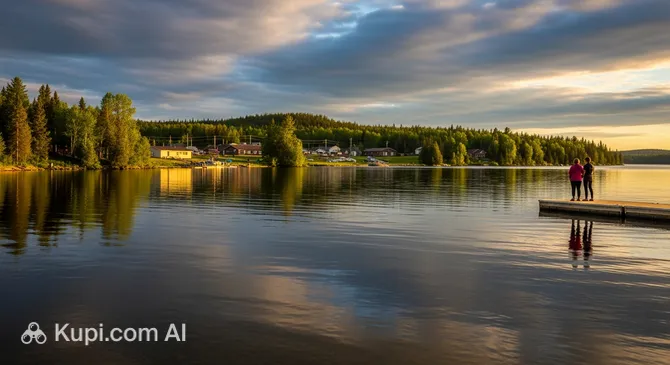
Sachigo Lake. Source: Kupi.Binoculars

Geographically, the community is situated on the shores of the lake bearing the same name. The climate here is subarctic, characterized by crisp, snowy winters and mild, pleasant summers that are perfect for outdoor activities. While the population is small, the community is vibrant and welcoming, deeply rooted in its Oji-Cree heritage. To fully appreciate the cultural significance of this area, it is worth exploring the history of Sachigo Lake, which tells the story of the First Nation people and their enduring connection to this land.

For nature enthusiasts, Sachigo Lake is a paradise. One of the main draws is the exceptional fishing; the lake's crystal-clear waters are teeming with walleye and northern pike, making it a dream destination for anglers. The surrounding wilderness offers unparalleled opportunities for wildlife viewing, where patient observers might spot moose, black bears, or bald eagles in their natural habitat. Additionally, during the winter months, the lack of light pollution makes this an ideal spot to witness the breathtaking dance of the Northern Lights (Aurora Borealis).

If you are looking for an authentic northern experience that combines breathtaking landscapes with a peaceful environment, Sachigo Lake awaits your visit. Whether you are an avid fisherman, a photographer chasing the perfect sunset, or simply a traveler looking to explore the quieter side of the north, this community offers a memorable escape into the wild.

Weather Overview

The climate in this northern region is characterized by significant seasonal contrasts, offering distinct experiences depending on when you visit. Winters are long and intensely cold, with average temperatures in January and February hovering around -19°C and lows often dipping to -23.5°C. Conversely, summers provide a mild and comfortable escape; July is typically the warmest month, featuring average temperatures of 18.4°C and daily highs that can reach 23.1°C.

Precipitation is generally light in terms of volume, but the frequency of wet days varies throughout the year. While winter months remain quite dry with minimal precipitation, the summer season sees a higher occurrence of damp conditions, with July and October experiencing up to 15 wet days. For precise forecasts and planning, it is helpful to review the current weather in Sachigo Lake.

Overall, travelers should expect mild summers with frequent wet days and very cold, dry winters. Spring and autumn act as short transitional periods, where temperatures rise or fall rapidly between the seasonal extremes.

Interesting Facts

Beyond the main attractions, Sachigo Lake holds many fascinating secrets rooted in its remote geography and deep cultural history. This community is defined not just by its scenic location, but by the resilience and unique traditions of its people.
  • The Longest Ice Crossing: During the coldest months, the community becomes accessible via a seasonal winter road. Remarkably, this route features a 34-kilometer stretch directly across the frozen surface of the lake, making it the longest ice crossing in Ontario's entire winter road network.

  • A Unique Linguistic Blend: The primary Indigenous language spoken here is Oji-Cree (Anishininiimowin). This distinct dialect serves as a linguistic bridge, blending elements of the Ojibwe and Cree languages, and is actively preserved by the community elders and schools.

  • Historic Treaty Adhesion: Although the famous Treaty No. 9 was first signed in 1905, Sachigo Lake formally entered the agreement later. The community was part of the adhesions signed in 1929 and 1930, a significant historical event that affirmed their rights and relationship with the Crown.

  • Connection to the Bay: The community is situated on the Sachigo River, a major tributary that flows northward. This waterway feeds into the massive Severn River, eventually draining into Hudson Bay, historically linking the people here to the vast fur trade routes of the past.

How to Get There

Reaching the remote community of Sachigo Lake requires careful planning, as it is situated in the far north of Ontario where transportation infrastructure is limited. The most practical and common method for visitors is air travel. For a complete overview of travel options and logistics, you can read more about how to get to Sachigo Lake.

The community is served by its own local airfield, Sachigo Lake Airport (IATA: ZPB), which is the primary point of entry for residents and visitors alike. It is a small facility with an annual passenger traffic of approximately 7,500 people, connecting the area to other northern hubs. The airport is conveniently located just 2.3 km from the settlement's center. Upon arrival, the transfer to the main community is just a short drive by local transport. While there are other airfields in the broader region, such as Island Lake Airport (IATA: YIV) in Island Lake and Pikangikum Airport (IATA: YPM) in Pikangikum, they are significantly further away. Island Lake Airport is approximately 163 km distant, and Pikangikum Airport is about 259 km away, making them impractical for direct ground transfers due to the lack of connecting all-season roads.

For clarity, here is a summary of the main airports in the region:

Airport Name City Passenger Traffic Km from City
Sachigo Lake Airport Sachigo Lake Small 2.3
Island Lake Airport Island Lake Medium 163.0
Pikangikum Pikangikum Small 258.7

Sachigo Lake is not connected to the national railway network, and there are no train stations in or near the community. The rugged terrain and remote location mean that rail travel is not a viable option for reaching this destination. Visitors should rely primarily on air transport or, during specific winter months, the seasonal winter road network that connects the community to the south.

Main Attractions

While Sachigo Lake is not a typical tourist destination filled with museums or theme parks, its primary allure lies in its untouched natural environment and authentic northern lifestyle. The most significant attraction is the lake itself, a vast and pristine body of water that defines the community's existence. Part of the Sachigo River system, the lake offers world-class angling opportunities, particularly for walleye and northern pike. For visitors, spending a day on these crystal-clear waters provides not only the thrill of the catch but also a chance to experience the profound silence and beauty of the Canadian Shield.

For those seeking a true adventure, the Sachigo Lake Winter Road serves as a unique seasonal attraction. Accessible only during the coldest months, typically from mid-January to March, this temporary infrastructure connects the remote community to the south. It features a remarkable 34-kilometer stretch directly across the frozen ice of the lake, known as the longest ice crossing in Ontario's winter road network. Traveling this route offers an adrenaline-filled journey through the snowy wilderness that few outsiders get to experience.

One of the community's most anticipated events is the Annual Ice Fishing Derby. This gathering draws participants from across the region and serves as a vibrant showcase of local culture and community spirit. It is more than just a competition; it is a celebration of the Oji-Cree way of life, where traditional skills meet modern recreation. Visitors lucky enough to be in town during this event can witness the excitement firsthand and engage with the friendly local residents in a festive atmosphere.

Surrounding the community is the boundless Boreal Forest, a playground for nature enthusiasts and photographers. The dense woodlands are home to diverse wildlife, including moose, black bears, and timber wolves, offering exceptional opportunities for wildlife observation. In the evenings, the lack of light pollution transforms the sky into a spectacular canvas for the Northern Lights. Watching the Aurora Borealis dance in vibrant greens and purples over the dark treeline is an unforgettable experience that captures the magic of the north.

Local Cuisine

The culinary landscape of Sachigo Lake is deeply rooted in the traditions of the Oji-Cree people and the resources of the surrounding boreal forest. In this remote northern community, food is more than just sustenance; it is a connection to the land and a way of life. The local diet relies heavily on "country food"—wild game and fish harvested directly from the region's pristine waters and woodlands. Visitors will find that the most authentic flavors come from ingredients like walleye (often called pickerel locally), northern pike, and whitefish, which are staples in nearly every household. These freshwater delicacies are typically prepared simply—pan-fried, smoked over an open fire, or simmered in hearty soups that provide warmth during the long, cold winters.

No description of the local cuisine would be complete without mentioning bannock. This versatile, unleavened bread is a cornerstone of the diet and a beloved comfort food across Northern Ontario. Whether baked in an oven or cooked in a skillet, a fresh piece of warm bannock served with butter, jam, or as a side to a bowl of fish chowder is a "must-try" experience. While you won't find fine dining establishments here, the hospitality of the community often shines through its food. If you are fortunate enough to visit during a community gathering or the annual Ice Fishing Derby, you might be treated to traditional dishes like moose stew or roasted goose, prepared with recipes passed down through generations.

For those looking to dine out, options are limited but welcoming. The primary hub for social dining is the restaurant located within the Sachigo Lake Business Centre Complex, often referred to locally as the Sachigo Women's Diner. This establishment serves as the community's kitchen, offering hearty, homestyle meals such as all-day breakfasts, burgers, and sandwiches. It is a place where locals gather to catch up on news, making it an excellent spot for visitors to soak in the friendly atmosphere. For quick snacks, groceries, and hot take-away items, the Northern Store is the main commercial outlet, providing essential supplies and a taste of familiar modern conveniences in this remote setting.

When it comes to beverages, the culture here is centered around warmth and conversation. Hot tea and coffee are the drinks of choice, essential for combating the subarctic chill. You might also encounter traditional cedar tea, a soothing and aromatic infusion made from local cedar boughs, known for its high vitamin C content and medicinal properties. It is important to note that Sachigo Lake is generally a dry community, meaning the sale of alcohol is restricted or non-existent within the settlement. Travelers should respect these local regulations and embrace the opportunity to enjoy the pure, refreshing water of the lake and the comforting warmth of a hot cup of tea shared with new friends.

Travel Tips

Visiting a remote northern community like Sachigo Lake is a unique adventure that requires a bit more preparation than a typical city trip. To ensure your journey into the Canadian wilderness is safe, respectful, and enjoyable, here are some practical tips to help you plan effectively.

  1. Clothing and Gear: The weather dictates your wardrobe here. In winter, you must bring heavy-duty thermal gear, including a high-quality parka, insulated pants, and boots rated for -30°C or colder. In summer, the climate is mild, but the boreal forest is home to black flies and mosquitoes; packing strong insect repellent, a bug jacket, and long-sleeved clothing is essential for comfort.

  2. Transportation: There is no public transit, taxi service, or ride-sharing app in Sachigo Lake. The community is small enough that the central area is walkable, but locals typically use pickup trucks, ATVs, or snowmobiles depending on the season. If you require transport for luggage or longer distances, it is best to arrange this with your host or a local contact in advance.

  3. Finances: The local currency is the Canadian Dollar (CAD). While the Northern Store typically accepts debit and credit cards, telecommunication outages can occur, rendering card machines useless. It is highly recommended to bring enough cash to cover your expected expenses, as banking facilities are limited and ATMs may not always be reliable.

  4. Health and Safety: The community is served by a local nursing station that handles basic health needs and emergencies. However, there are no pharmacies open 24/7. You should bring a sufficient supply of any prescription medications and a basic first-aid kit. For serious medical emergencies, air evacuation to a southern hospital is required.

  5. Communication: English is widely spoken and understood, so communication will not be a barrier. The local language is Oji-Cree, and learning a simple greeting like "Boozhoo" (Hello) is a nice gesture. Be aware that cellular service may be limited to specific providers (often Tbaytel or Rogers coverage areas), and Wi-Fi is generally only available in specific buildings like the band office or business center.

  6. Local Etiquette: Sachigo Lake is a close-knit community where people value respect and privacy. Always ask for permission before taking photographs of local residents, their children, or their homes. It is customary to show deference to Elders, who are highly respected holders of tradition and knowledge.

  7. What to Avoid: Sachigo Lake is generally a dry community, meaning the possession and consumption of alcohol are strictly prohibited. Do not attempt to bring alcohol into the community, as this is considered disrespectful to local bylaws and can lead to confiscation or legal issues.

  8. Community Hub: The Northern Store is more than just a shop; it is the lifeline of the community for groceries and general merchandise. If you need supplies, snacks, or information, this is the best place to go. Keep in mind that selection can vary based on when the last shipment arrived, so it is wise not to rely on finding specific specialty items.

By keeping these tips in mind, you will be well-equipped to navigate the logistics of northern travel and focus on the incredible experience of visiting Sachigo Lake. Respecting the land and the local way of life will ensure a warm welcome and a memorable stay in this beautiful part of Ontario.

Entertainment & Nightlife

Travelers planning a visit to Sachigo Lake should adjust their expectations regarding nightlife. As a remote First Nation community, this destination does not offer the bustling urban scene of bars, nightclubs, or late-night discos found in major cities. Instead, the evening atmosphere is defined by tranquility, community connection, and the breathtaking beauty of the natural world. It is important to remember that Sachigo Lake is generally a "dry community," meaning the sale and public consumption of alcohol are prohibited. Consequently, you will not find pubs or cocktail lounges here; the "nightlife" is centered around social gatherings and the great outdoors.

The most spectacular evening entertainment in Sachigo Lake is provided by nature itself. Without the light pollution typical of southern cities, the night sky here is a dazzling display of stars. During clear winter nights, the Northern Lights (Aurora Borealis) frequently dance overhead, painting the sky in vibrant shades of green and purple. For many visitors, standing on the shores of the frozen lake in the silence of the boreal forest, watching this celestial show, surpasses the excitement of any nightclub. The best "venue" for this is simply a dark spot near the lake's edge, just a short walk from the main settlement.

Social life in the evenings revolves around community facilities rather than commercial entertainment districts. The Sachigo Lake Arena is often the hub of activity, particularly during the winter months. Hockey is a passion in the north, and catching a local game is a great way to experience the community's energy and spirit. The atmosphere is warm and family-friendly, with residents of all ages cheering on their teams. Another focal point is the Community Hall, which occasionally hosts social events, feasts, or bingo nights—a popular pastime in many northern communities. While these are not tourist attractions in the traditional sense, respectful visitors are often welcomed to observe or participate.

When it comes to practicalities, navigating Sachigo Lake at night requires some preparation. There are no taxi services, Uber, or public transport options. Getting around is done primarily by walking, or for locals, by truck or snowmobile. Since street lighting can be sparse in certain areas, it is highly recommended to carry a sturdy flashlight or headlamp if you are walking after dark. In terms of safety, the community is generally very safe, but visitors should be mindful of loose dogs and the potential for wildlife, such as black bears, roaming near the outskirts. It is always best to walk with a companion and stay within the main lit areas of the settlement.

During the daylight hours, entertainment shifts to outdoor adventures and cultural immersion. While there are no amusement parks or large museums, the land itself offers endless engagement. Visitors can spend their days fishing on the pristine waters, exploring the surrounding trails, or learning about Oji-Cree culture from local residents. For a quiet break, the Northern Store serves as the main commercial meeting place, where you can pick up snacks or supplies before heading out for an evening of stargazing.

Parks & Museums

Unlike urban destinations defined by manicured gardens and curatorial institutions, Sachigo Lake offers a raw and immersive experience where the land itself serves as the park and the community as the living museum. Here, the distinction between nature and culture blurs, as the Oji-Cree people have maintained a symbiotic relationship with this environment for generations. Visitors will not find ticketed gates or glass display cases; instead, they are invited to explore a vast, open wilderness and engage with a vibrant, living history.

The most significant natural area is undoubtedly the Sachigo Lake Shoreline. Serving as the community's primary "park," the lake's edge offers miles of pristine, sandy beaches and rocky outcrops that are perfect for summer picnics, swimming, and meditative walks. In the evenings, the shoreline transforms into a front-row seat for spectacular sunsets that reflect off the calm waters, providing a tranquil setting that rivals any designed landscape. It is a communal gathering space where families meet, children play, and elders share stories, making it the beating heart of outdoor life in the settlement.

Surrounding the community is the boundless Boreal Forest Wilderness, which functions as an immense, unmanaged nature reserve. This dense tapestry of spruce, pine, and poplar trees offers endless opportunities for hiking, berry picking, and wildlife observation. Unlike marked city trails, the paths here are traditional routes used for hunting and trapping, offering a genuine connection to the land. Walking these trails provides a chance to see the forest through the eyes of the locals, discovering medicinal plants and observing the habitats of moose and woodland caribou in their undisturbed natural state.

In terms of cultural institutions, Sachigo Lake does not possess traditional museums; rather, the culture is preserved and displayed through The Community Hall. This central venue acts as the hub for cultural expression, hosting feasts, ceremonies, and gatherings where the history of the Oji-Cree people is celebrated. During special events, the hall often transforms into a temporary gallery showcasing historical photographs, community achievements, and traditional regalia, offering visitors a profound insight into the resilience and spirit of the residents.

Another key aspect of the local "gallery" scene is the Local Arts and Crafts Tradition. Instead of visiting a formal art gallery, tourists can often view and purchase authentic indigenous art directly from local artisans. The community is known for its exquisite beadwork, moccasins, and traditional tamarack geese. These items are not merely souvenirs but are artistic masterpieces that reflect the deep cultural heritage of the region. Engaging with the artists provides a personal narrative that no museum plaque could ever convey.

For those interested in local landmarks, the Sachigo Lake Church stands as a significant architectural and historical site. As a focal point for spiritual life, the building represents the intersection of traditional values and faith within the community. Its simple yet sturdy structure is a testament to the community's history and serves as a quiet place for reflection. Additionally, the seasonal Winter Road, when in operation, is a marvel of engineering and a historic lifeline, representing the ingenuity required to thrive in the remote north.

For a truly authentic experience, ask a local guide about the Old Post Site or historical camping grounds along the river. These lesser-known spots are not marked on any map but hold the memories of ancestors and the fur trade era. Visiting these areas with a knowledgeable local offers a rare glimpse into the past that is strictly off the beaten path.

Getting Around

Travelers arriving in Sachigo Lake should be aware that the community does not possess a formal public transport system. Unlike larger urban centers, there are no subways, trams, trolleybuses, or scheduled city bus routes operating within the settlement. The infrastructure is designed for a small, close-knit population where distances are relatively short, and the terrain often dictates the mode of travel. Consequently, visitors will not find bus stops, route maps, or transport timetables.

Given the absence of a municipal transit network, there is no ticketing system to navigate. You will not need to purchase travel passes, validate smart cards, or download transport apps. If you manage to arrange a ride with a local resident or a lodge owner, any payment would likely be an informal cash arrangement rather than a fixed fare. It is advisable to carry small denominations of cash, as digital payment terminals are generally restricted to the main store and may not be available for private services.

For most visitors, the primary method of getting around the central area of the community is simply walking. The settlement is compact, and key facilities such as the Northern Store, the nursing station, and the band office are situated within a reasonable distance of one another. However, weather conditions play a crucial role; during the winter months, extreme cold requires heavy thermal clothing for even short walks. It is highly recommended to arrange airport transfers and transport for longer distances in advance with your host or the lodge where you are staying, as hailing a vehicle on the street is not a standard practice.

In terms of alternatives to standard cars, the "transport" culture here is adapted to the rugged northern environment. While you will not find ride-sharing apps like Uber or traditional taxi companies, you will see a high prevalence of all-terrain vehicles (ATVs) in the summer and snowmobiles in the winter. These vehicles are essential for locals to navigate the trails and unpaved routes surrounding the community. For a tourist, riding as a passenger on a snowmobile can be a thrilling "special feature" of northern travel, offering a unique way to experience the landscape that replaces the need for a historic metro or cable car.

Accommodation

Accommodation in Sachigo Lake is practical and limited, reflecting the remote nature of this northern community. Unlike major tourist destinations filled with sprawling resorts and international hotel chains, the options here are designed primarily to support visiting professionals, contractors, and the occasional adventurer. Travelers should expect clean, modest, and functional lodging that provides a warm and safe haven from the subarctic elements, rather than luxury amenities or extensive guest services.

The primary form of accommodation is typically the community-operated motel or "transient units." These facilities are often situated near the Sachigo Lake Business Centre or within a short distance of the airport, ensuring that guests are centrally located. Staying in this area is the most convenient option, as it places you within walking distance of the Northern Store, the nursing station, and other essential community hubs. The rooms are generally equipped with basic necessities, including private or shared bathrooms, satellite television, and sometimes small kitchenettes, allowing guests to prepare their own meals—a valuable feature given the limited dining options.

Booking Tip: Planning ahead is absolutely essential when visiting Sachigo Lake. Because the number of rooms is very small and priority is often given to essential service workers (such as medical staff or infrastructure technicians), "walk-in" availability is virtually non-existent. You should aim to confirm your reservation several weeks before your intended arrival date to ensure you have a guaranteed place to stay.

Regarding prices and booking methods, travelers should be prepared for a different process than what is found on standard travel websites. You will not find these accommodations listed on global platforms like Booking.com or Expedia. Instead, reservations must be made directly, usually by calling the local Band Office or the accommodation manager. Prices can be higher than standard roadside motels in the south, reflecting the high cost of utilities and maintenance in the remote north. Payment policies vary, so it is wise to confirm whether credit cards are accepted or if cash or a company purchase order is required upon arrival.

Nearby Cities

Given the remote location of Sachigo Lake, the concept of "nearby" takes on a different meaning in the vast expanse of the north. The following cities serve as important regional hubs and gateways, often acting as transit points for travelers heading to or from the community or as destinations for separate excursions in the wider region.

Located approximately 337 kilometers to the south, Red Lake is the closest major municipality to Sachigo Lake. Known as the "Norseman Capital of the World," this town plays a crucial role in northern aviation and logistics. It is steeped in gold mining history, which can be explored at the local heritage centre. For many travelers, this town is the last stop before heading into the deep wilderness, offering a mix of history and outdoor recreation on its surrounding waterways.

Often called the "Hub of the North," Sioux Lookout is a central connecting point for dozens of northern First Nation communities. Situated about 421 kilometers from Sachigo Lake, it provides essential services and transportation links. Visitors passing through can enjoy the scenic beauty of Pelican Lake and learn about the area's significance at the local museum. It is a town that bridges the gap between the urban south and the remote north.

Although situated further afield at a distance of 484 kilometers, Kenora is a premier destination for those who love the water. Located on the spectacular Lake of the Woods, it offers a vibrant harbourfront, diverse dining options, and the famous "Husky the Muskie" statue. While it requires a dedicated journey to reach, it represents the vibrant culture of the region and serves as a major center for commerce and tourism in Northwestern Ontario.

City Population Distance (km)
Kenora 15096 484
Thompson 13678 420
Dryden 7749 458
Sioux Lookout 5000 421
Red Lake 4107 337
These destinations highlight the diverse landscapes and communities that define this part of the Canadian Shield.

Shopping & Souvenirs

Shopping in Sachigo Lake is a strictly utilitarian experience rather than a leisure activity. As a remote fly-in community, the retail landscape is designed to meet the daily needs of residents rather than to serve as a tourist attraction. You will not find fashion boutiques, souvenir shops, or electronics superstores here; instead, the focus is on groceries, hardware, and outdoor gear essential for life in the north.

There is no "shopping district" or high street in the traditional sense. The commercial activity of the community is concentrated in a single central hub. The primary—and essentially only—retail destination is the Northern Store, which serves as a general store, grocery, and department store rolled into one. It is located in the heart of the settlement, easily accessible on foot from most accommodation units and community buildings.

Travelers should be aware that there are no shopping malls in Sachigo Lake. The infrastructure supports a small population, and the concept of a multi-store complex does not exist here. The closest shopping centers are hundreds of kilometers away in urban hubs like Sioux Lookout or Winnipeg, accessible only by air.

Formal public markets, such as weekly farmers' markets or flea markets, are not a standard feature of the community. However, the spirit of a market can be found during community gatherings or special events at the Community Hall. On these occasions, local cooks and bakers may sell fresh bannock, wild berry jams, or traditional meals, offering a "pop-up" style experience that is authentic and welcoming.

While you cannot buy souvenirs in a standard gift shop, Sachigo Lake offers something far more valuable: authentic Indigenous arts and crafts. The community is home to talented artisans known for their intricate beadwork, handmade moccasins, and traditional tamarack geese. These items are not mass-produced; they are crafted with skill and cultural pride. The best way to purchase these unique keepsakes is to ask around the community or look for notices at the Band Office, as sales are often conducted directly by the artists.

The Northern Store typically operates daily, with standard business hours from Monday to Saturday, often opening around 9:00 AM and closing by 6:00 PM or 7:00 PM. Sunday hours are usually reduced. Regarding payment, the store generally accepts Canadian cash, debit cards, and major credit cards. However, telecommunication interruptions can occur in the north, temporarily disabling electronic payment systems. It is highly recommended to carry sufficient cash as a backup to ensure you can purchase necessary supplies.

There are no tax-free shopping facilities or refund counters in Sachigo Lake. The standard Harmonized Sales Tax (HST) applies to taxable goods. Tourists looking for tax refund opportunities would need to inquire at major international airports or border crossings upon leaving Canada, although such programs are subject to specific national regulations.

Reached the end of the page?

That means the route is fully explored