Support

Shamattawa

About

Welcome to Shamattawa, a remote and resilient community located in the northern reaches of Manitoba. This settlement offers a unique perspective on life in the subarctic wilderness of Canada. With a population of around 1,000 residents, it provides a quiet and intimate atmosphere far removed from the bustle of major urban centers, making it a destination for those truly seeking to go off the beaten path.

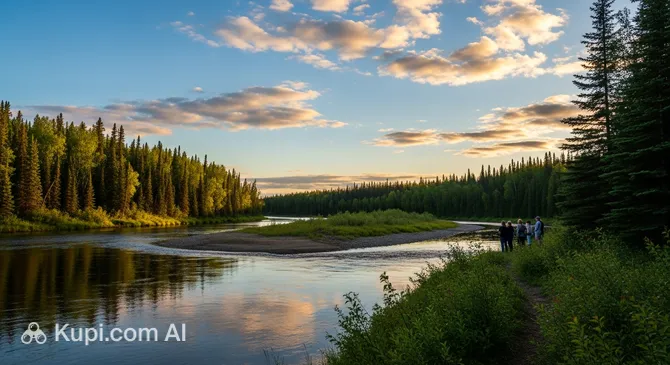
Shamattawa. Source: Kupi.Binoculars

Geographically, Shamattawa is situated at the picturesque confluence of the Gods River and the Echoing River. This strategic location has long been vital for the local population, predominantly members of the Shamattawa First Nation. Visitors interested in the roots of this community can explore the deep history of Shamattawa, which is intrinsically tied to the land, the rivers, and traditional Cree culture. The climate here is characterized by long, crisp winters and short, mild summers, shaping a landscape of rugged and enduring beauty.

For the adventurous traveler, the area offers unparalleled access to pristine nature. The surrounding boreal forest and river systems are excellent for experiencing the raw beauty of the North. During the winter months, the lack of light pollution makes this a prime location for viewing the mesmerizing Northern Lights (Aurora Borealis) dancing across the dark sky. The rivers also provide opportunities for fishing and observing local wildlife in their natural habitat.

If you are looking to experience the authentic spirit of the North and witness a way of life defined by the wilderness, Shamattawa invites you to visit. It is a place that commands respect for nature and offers a distinct travel experience unlike any other.

Weather Overview

When planning your visit, it is essential to consider the weather in Shamattawa, which is characterized by significant seasonal variations typical of a subarctic climate. The winters are long and rigorously cold, with January seeing average temperatures around -21.4°C and minimums plunging to -25.2°C. Travelers arriving between November and March should be prepared for freezing conditions and short daylight hours.

In contrast, the summer months offer a brief but pleasant warm season. July is typically the warmest time of year, with an average temperature of 17.3°C and daily highs reaching up to 22.9°C. While the total precipitation volume remains quite low throughout the year—often recorded at just 1mm to 3mm per month—the summer period from June to August sees the highest frequency of wet days, with rain occurring on approximately 12 to 13 days each month.

Overall, you can expect mild summers with occasional rain and extremely cold, dry winters that require heavy thermal gear.

Interesting Facts

Beyond the main attractions, Shamattawa holds many fascinating secrets that reveal the deep connection between its people, history, and the rugged landscape. Here are some little-known facts about this unique community:

  • A Name Written in Water: The name "Shamattawa" is derived from the Cree word Kishe-mattawa (or Shamataw), which translates to "where the rivers join" or "great branching." This perfectly describes the settlement's geographic heart at the precise confluence of the Gods River and the Echoing River.

  • The Winter Lifeline: For the majority of the year, the community is completely cut off from the provincial road network. However, during the coldest months, a temporary winter road is constructed over frozen muskeg, lakes, and rivers. This ice road is often open for only six to eight weeks, during which time a year's supply of fuel, construction materials, and heavy goods must be trucked in before the route melts away.

  • Heirs to a Fur Trade Legacy: Shamattawa shares a direct ancestral link to the historic York Factory, once the Hudson's Bay Company’s most important trading headquarters on Hudson Bay. When the factory operations finally ceased in 1957, many of the Indigenous families who had lived and worked there for generations relocated inland to Shamattawa, carrying with them centuries of fur trade history.

  • The Wandering Polar Bear: Although located deep inland within the boreal forest, the village has experienced rare visits from Arctic giants. In August 2010, a polar bear was spotted in the community—roughly 400 kilometers south of its typical range along the Hudson Bay coast—serving as a stark reminder of the wild and unpredictable nature of the region.

How to Get There

Reaching the remote community of Shamattawa requires careful planning due to its isolated location in northern Manitoba. While the journey offers a unique glimpse into the Canadian wilderness, logistics are key. You can find more about how to get to Shamattawa and the specific travel options available to ensure a safe and smooth trip.

When looking at the broader map of the region, the nearest listed aviation hubs are Sachigo Lake Airport (ZPB) in Sachigo Lake and Island Lake Airport (YIV) in Island Lake. However, travelers must be aware that while these are the closest regional airports geographically, they do not offer direct road access to Shamattawa. There are no connecting highways or summer roads between these airports and the community, making them unsuitable as direct transfer points for ground travel.

For reference, here are the details of these regional airports:

Airport Name City Passenger Traffic Km from City
Sachigo Lake Airport Sachigo Lake Small 219.5
Island Lake Airport Island Lake Medium 277.0

The most practical and common way to reach Shamattawa is via scheduled flights directly to the local community airport, which serves as the main lifeline for residents and visitors. Alternatively, during the peak of winter, the community becomes accessible by land through a seasonal winter road originating from the town of Gillam. This temporary ice road is primarily used for hauling freight and fuel, but it also provides a vital ground link for vehicles while the terrain remains frozen.

Main Attractions

Gods River is undoubtedly the crown jewel of the region and the primary reason many outdoor enthusiasts make the journey to this remote part of Manitoba. Renowned among anglers worldwide, the river is famous for its crystal-clear waters and exceptional fishing opportunities, particularly for trophy-sized brook trout. The fast-flowing currents and deep pools provide a perfect habitat for these colorful fish, offering a challenging and rewarding experience for both fly-fishers and spin-casters seeking a catch in a pristine environment.

At the heart of the community lies the Confluence of the Gods and Echoing Rivers, a scenic natural landmark that defines the settlement's identity. This meeting point is a sight to behold, where visitors can stand on the banks to witness the merging of these two powerful waterways surrounded by the untouched beauty of the boreal forest. It is an ideal spot for photography and for appreciating the raw power of nature that sustains the local way of life.

During the long winter nights, the Northern Lights (Aurora Borealis) become a spectacular natural attraction. Far from the light pollution of southern cities, Shamattawa offers front-row seats to this celestial show. The expansive, dark skies serve as a perfect canvas for the dancing ribbons of green, pink, and violet light. For winter travelers, braving the cold to witness the aurora shimmering over the frozen river landscape is an unforgettable experience that captures the magic of the subarctic.

For those seeking true adventure, the surrounding Subarctic Wilderness offers unparalleled opportunities for wildlife observation and exploration. The dense forests and muskeg terrain are home to a variety of wildlife, including moose, black bears, caribou, and wolves. While exploring this rugged landscape requires caution and preferably a local guide, it provides a rare chance to connect with nature in its wildest form, far removed from paved trails and commercial tourism.

Local Cuisine

The culinary landscape of Shamattawa is defined not by commercial restaurants or trendy cafes, but by a deep and enduring connection to the land. In this remote community, "country food"—sustenance harvested directly from the surrounding wilderness—remains the heart of the local diet. For visitors, the gastronomic experience here is rare and authentic, offering a taste of traditional Cree culture where meals are often shared and ingredients are organic, wild, and seasonally sourced.

The pristine waters of the Gods River and Echoing River provide a bounty of fresh fish that serves as a staple for many families. Brook trout and walleye (pickerel) are commonly caught and prepared simply to highlight their natural flavor. You might find these fish pan-fried over an open fire, smoked to preserve them for the winter, or boiled in a hearty soup. Wild game is another pillar of the local cuisine, with moose and caribou meat often featuring in stews or roasted, providing essential nutrition during the cold subarctic winters.

No description of the local food culture would be complete without mentioning bannock. This versatile, unleavened bread is a comfort food staple across Northern Canada. In Shamattawa, it is typically enjoyed daily, either baked in an oven or fried in a pan until golden and crispy. It serves as the perfect accompaniment to soups and stews, or it can be eaten on its own with jam and berries gathered from the forest during the summer months.

When it comes to beverages, the culture here revolves around warmth and community. A steaming cup of hot tea is the drink of choice, serving as a gesture of hospitality and a way to warm up after a day outdoors. Whether sitting in a local home or taking a break on the trail, "boiling the kettle" is a social ritual. Due to the community's focus on traditional living and family, the environment is generally quiet, and you will not find bars or nightlife; instead, evenings are often spent sharing stories over hot drinks.

Travelers should be aware that Shamattawa does not have a conventional dining scene with restaurants or street food vendors. Visitors typically rely on self-catering using supplies flown in or purchased at the local general store, which stocks essential groceries. However, those lucky enough to be invited to a community feast or a local gathering will discover the true warmth of Shamattawa's hospitality, where food is a gift to be shared and respected.

Travel Tips

Visiting a remote northern community like Shamattawa is a unique experience that requires a different level of preparation than a standard city break. Because of its isolation and extreme environment, being self-sufficient and respectful of local customs is the key to a successful and memorable trip.

  1. Pack for Extremes and Insects. If you are visiting in winter, standard winter coats are often insufficient; you need parka-grade gear, insulated pants, and heavy-duty mukluks or boots rated for temperatures below -30°C. In the summer, the weather is milder, but the insects can be intense. A high-quality insect repellent and a bug jacket or head net are absolutely essential for enjoying the outdoors without being overwhelmed by black flies and mosquitoes.

  2. Expect to Walk. There is no public transportation, taxi service, or car rental agency in Shamattawa. The community is compact, and walking is the primary way for visitors to get around. In winter, locals travel by snowmobile, and in summer by ATV, but as a tourist, you should be prepared to navigate unpaved roads and trails on foot. Ensure your footwear is waterproof and comfortable for walking on gravel or mud.

  3. Bring Cash and Plan Finances. While the local general store typically accepts debit and credit cards, telecommunication outages can happen, rendering card machines useless. There are no banks and ATM access is not guaranteed. It is highly advisable to bring enough Canadian cash to cover your anticipated expenses for the duration of your stay to avoid being stuck without purchasing power.

  4. Be Self-Sufficient with Health Needs. The community is served by a nursing station that handles primary care and emergencies, but it is not a full-service hospital. You should bring a complete supply of any prescription medications you need, as well as a basic first-aid kit. For any serious medical issues, patients are airlifted to larger cities, so comprehensive travel insurance that covers medical evacuation is strongly recommended.

  5. Prepare for Limited Connectivity. Do not expect high-speed internet or widespread Wi-Fi. Cellular service is generally available but may be limited to specific major carriers (such as Bell or MTS) and can be spotty depending on the weather. View your trip as a chance to disconnect, and download any necessary maps or documents to your phone before you arrive.

  6. Respect Community Protocols. Shamattawa is a close-knit First Nation community. When walking through the village, a friendly wave or nod to passersby is polite. Always ask for explicit permission before taking photographs of local residents, their homes, or cultural activities. The land is integral to their way of life, so treat the environment with the utmost respect—pack out what you pack in.

  7. Check Alcohol Regulations. Many remote Indigenous communities in Northern Canada have strict bylaws regarding the possession and consumption of alcohol to ensure community safety. It is crucial to respect these local laws; do not bring alcohol into the community without verifying the current regulations, as unauthorized possession can lead to confiscation and legal issues.

  8. The Northern Store is the Hub. In remote towns, the "Northern Store" (or general store) is more than just a shop; it is the lifeline for groceries, dry goods, and often the social center where you can catch up on local news. If you need information, supplies, or just want to get a feel for the daily rhythm of the town, this is the place to go.

By packing the right gear and approaching your visit with an open heart and a respectful mindset, you will find that the challenges of the remote location are far outweighed by the raw beauty of the land and the quiet resilience of the people. Safe travels!

Entertainment & Nightlife

Travelers arriving in Shamattawa expecting a bustling urban nightlife scene with nightclubs, cocktail bars, or late-night discos will find a completely different reality. This remote community is not a destination for partying in the conventional sense; there are no nightlife districts, pubs, or commercial entertainment venues. Instead, the "nightlife" here is defined by the profound silence of the subarctic wilderness and the spectacular displays of nature that light up the dark skies.

The primary evening entertainment in Shamattawa takes place overhead. Due to the complete absence of light pollution, the community is one of the best places in Manitoba to witness the Northern Lights (Aurora Borealis). On clear winter nights, the sky transforms into a vibrant canvas of dancing green, violet, and pink ribbons. The banks of the Gods River serve as the ultimate open-air "venue" for this natural light show, offering unobstructed views that rival any theatrical performance.

It is important to understand the local culture and regulations regarding social life. Shamattawa is a "dry" community, meaning the sale and consumption of alcohol are generally prohibited or strictly restricted. Consequently, you will not find bars or liquor stores. Socializing takes a more traditional and intimate form, often revolving around community gatherings, feasts, or quiet visits between families. The atmosphere is peaceful and domestic, with evenings dedicated to rest and storytelling rather than loud music or dancing.

For those venturing out after dark, safety and preparation are paramount. The streets are not brightly lit like in a city, so carrying a high-quality flashlight or headlamp is essential. Furthermore, the wilderness surrounds the village, and wildlife—including stray dogs and occasionally larger predators like bears—can roam near the settlement at night. It is highly advisable not to walk alone after sunset and to remain vigilant of your surroundings. If you need to move between locations at night, arranging a ride with a local host is the safest option, as there are no commercial taxi services.

While the nights are quiet, daytime entertainment offers a chance to connect with the land. Visitors can spend their daylight hours exploring the rugged terrain or engaging in world-class fishing on the local rivers. The Northern Store acts as the central hub for the community during the day, where you can pick up supplies and observe the daily rhythm of life in the North. Without museums or amusement parks, the entertainment here is self-made, immersive, and deeply rooted in the appreciation of the natural world.

Parks & Museums

Unlike urban destinations defined by manicured gardens and curated exhibit halls, Shamattawa offers a raw and immersive experience where the entire landscape serves as a vast natural park and a living museum. Here, the "green spaces" are the endless stretches of the boreal forest, and the "galleries" are the riverbanks and the stories held by the community elders, reflecting a heritage deeply intertwined with the land.

The Boreal Wilderness and Riverbanks

There are no fenced city parks in Shamattawa; instead, the community is surrounded by the pristine Boreal Forest, one of the world's largest intact ecosystems. This immense natural area functions as a limitless playground for outdoor enthusiasts. Visitors can explore the dense woodlands of spruce and pine, which provide a habitat for moose, caribou, and black bears. The forest floor, often carpeted in moss and lichen, offers a quiet retreat for hiking and berry picking during the summer months, allowing travelers to connect directly with the uncultivated beauty of Northern Canada.

The banks of the Gods River serve as the community's central recreational area. In the absence of formal promenades, the river's edge is where locals and visitors alike go to relax, fish, and enjoy the scenery. The confluence where the Gods River meets the Echoing River is particularly significant, offering panoramic views of the water and the sky. In winter, this frozen landscape transforms into a hub for snowmobiling and ice fishing, proving that the local concept of a "park" is a year-round engagement with the elements.

Cultural Heritage and History

Travelers looking for traditional museums with ticket booths and audio guides will not find them here. Instead, Shamattawa is home to a Living Culture rooted in the Cree way of life. The history of the region is preserved not in glass cases, but through the oral traditions, language, and skills of the Shamattawa First Nation people. Cultural learning happens through observation and interaction—watching the preparation of traditional foods, seeing the craftsmanship of handmade mukluks, or listening to stories about the ancestors who navigated these waterways for generations.

While located some distance away on the coast of Hudson Bay, the York Factory National Historic Site is spiritually and historically central to the people of Shamattawa. Many residents are descendants of the families who lived and worked at this former Hudson's Bay Company headquarters. Although it is not a museum located within the village itself, York Factory represents the "historical wing" of the community's identity. Understanding this connection provides visitors with crucial context about the resilience and migration of the local population following the decline of the fur trade.

Insider Tips

To truly appreciate the cultural history of the area, approach your visit with humility and a willingness to listen. The best "guides" are often the local elders; if you are respectful and fortunate enough to be invited to a community gathering, you will learn more about the region's history over a cup of tea than you ever could from a plaque. Additionally, treat the land with the reverence of a museum artifact—leave no trace and disturb nothing, as the wilderness is both the home and the heritage of the people who live here.

Getting Around

Navigating Shamattawa requires a complete shift in expectations for travelers accustomed to urban public transit. It is important to understand immediately that this remote community does not possess a public transportation infrastructure. There are no buses, trams, metros, or trolleybuses operating here. The settlement is small, compact, and isolated, meaning the standard networks found in cities are non-existent.

Because there is no formal transport system, there are no travel passes, ticket machines, or mobile apps for transit payment. You will not need to budget for bus fares or subway tokens. The concept of "validating a ticket" does not apply in Shamattawa. Movement within the community is informal and relies heavily on personal means or physical activity.

For the vast majority of visitors, the primary mode of getting around is walking. The village layout is relatively dense, clustering homes and essential services like the Northern Store and the nursing station within a walkable distance of the airport. Tourists should be prepared to walk on gravel roads in the summer and packed snow or ice in the winter. Consequently, the best practical advice is to pack high-quality, weather-appropriate footwear—mud-proof boots for the warmer months and heavily insulated winter boots for the cold season.

Regarding alternatives like taxis or ride-sharing, services such as Uber, Lyft, or commercial taxi companies are not available. There are also no car rental agencies. If you have heavy luggage or need to travel a longer distance within the area, you must rely on pre-arranged transport. Most visitors arriving for work or specific visits have a local host who will pick them up from the airport in a private vehicle, typically a pickup truck or SUV suited for the rugged terrain.

While there is no public transit, you will notice distinct local methods of transport that change with the seasons. In the summer, ATVs (All-Terrain Vehicles) are a popular way for residents to traverse the unpaved roads and trails. In the winter, the snowmobile becomes the king of the road, essential for travel over the frozen landscape. While these are not available for public rental, they represent the "lifeblood" of local mobility, replacing the role that cars or buses might play elsewhere.

Accommodation

When planning a trip to Shamattawa, it is crucial to adjust your expectations regarding accommodation. Unlike typical tourist destinations, this remote First Nations community does not have a commercial hospitality sector with standard hotels, motels, hostels, or vacation rentals. There are no luxury resorts or international chains here. Accommodation options are extremely limited and are primarily designed to serve visiting professionals, such as healthcare workers, contractors, or government officials, rather than leisure tourists.

For the average visitor, the only potential accommodation within the settlement itself is often in the form of transient units. These are basic, functional lodging facilities typically managed by the local Band Council or the Northern Store. They usually provide the essentials—a bed, a shared or private bathroom, and sometimes a communal kitchen—but offer few amenities. Because these units are scarce and prioritized for essential workers, availability for travelers can be virtually non-existent without prior arrangement.

In the wider surrounding wilderness, there are occasionally fly-in fishing lodges that operate seasonally. These are distinct from "hotels" and are usually all-inclusive remote outposts located on the river systems, accessible only by floatplane. These lodges cater specifically to anglers and outdoor enthusiasts and operate on a package basis rather than a nightly room rate.

Booking Tip: You cannot book accommodation in Shamattawa using online travel agencies or apps. There is no digital booking infrastructure. You must secure a place to stay well before you board your flight. This typically involves calling the Shamattawa First Nation Band Office or the local Northern Store directly to inquire about availability and to receive permission to enter the community as a visitor.

Regarding costs and payment, prices for transient accommodation in remote northern communities can be surprisingly high due to the cost of maintaining infrastructure in such an isolated location. Expect prices to be in the mid-to-high range relative to the simple standard of the facilities. Payment is often required in cash upon arrival, as card machines may not always be reliable or available. Arriving without a confirmed reservation is not an option, as there are no alternative places to stay if the few available beds are full.

Nearby Cities

Given Shamattawa's isolated position deep in the northern wilderness, the concept of "nearby" is relative. The following communities act as regional neighbors and essential hubs within the vast Canadian Shield. It is important for travelers to recognize that due to the lack of all-season road infrastructure, these locations are not accessible by car; connecting with them typically requires air travel or, in some cases, winter road travel during the coldest months.

Thompson is the primary urban center in Northern Manitoba, often referred to as the "Hub of the North." Located approximately 361 kilometers away, it serves as a crucial logistical point for the region, offering a mix of industrial history and natural beauty. Visitors here can explore the Heritage North Museum, view the stunning Pisew Falls, or walk the Spirit Way, a unique pathway that highlights the region's deep connection to wolves and wildlife.

Red Lake, situated in Ontario, is a historic community famous for its gold mining heritage and its status as the "Norseman Capital of the World." It serves as a gateway to the spectacular Woodland Caribou Provincial Park. For travelers interested in aviation history and world-class fishing, this town offers a vibrant glimpse into the adventurous spirit of the Canadian Shield.

Oxford House is one of the closest communities to Shamattawa geographically, though still separated by 225 kilometers of wilderness. Rich in Cree culture and history dating back to the fur trade era, it provides an authentic look at life in the remote north. The area is known for its pristine waters and traditional lifestyle, making it a respectful destination for cultural appreciation.

City Population Distance (km)
Thompson 13678 361
Red Lake 4107 552
Pikangikum 3800 468
Oxford House 1700 225
Cross Lake 1309 373

These destinations represent the closest points of contact in a region defined by its immense scale and rugged terrain.

Shopping & Souvenirs

Shopping in Shamattawa is a strictly functional experience driven by necessity rather than leisure. As a remote fly-in community, the retail landscape is extremely limited and focuses almost entirely on providing essential goods to residents. Visitors should not expect a commercial shopping scene; instead, they will find a singular, vital hub that sustains the daily life of the settlement. The experience offers a glimpse into the logistics of supply in the Canadian North, where every item on the shelf has traveled hundreds of kilometers by air or winter road to get there.

Main Shopping Areas and Streets

There are no shopping districts, pedestrian boulevards, or high streets in Shamattawa. The commercial activity of the entire community is concentrated in one specific location: the Northern Store. This general store acts as the supermarket, department store, and hardware supplier all rolled into one. Located centrally, typically near the airport to facilitate the offloading of freight, this is the only place where visitors can purchase groceries, clothing, outdoor gear, and household supplies.

Shopping Malls

Travelers should be aware that there are no shopping malls, boutiques, or chain retailers in Shamattawa. The infrastructure simply does not support large-scale commercial developments. If you require specialized equipment, electronics, or fashion items, it is imperative to purchase these in a major city like Winnipeg or Thompson before boarding your flight to the community.

Markets

Shamattawa does not host regular public markets, flea markets, or food bazaars. The distribution of food is centered around the general store and traditional harvesting from the land. However, during community gatherings or special events, you may occasionally find informal sales where locals offer homemade baked goods, bannock, or traditional crafts. These are not scheduled commercial events but rather community-driven exchanges.

Souvenirs

While there are no dedicated souvenir shops, the local craftsmanship in Shamattawa is exceptional and authentic. The best "souvenirs" here are handmade items created by local artisans, such as intricate beadwork, moose hide mitts, and traditional mukluks (winter boots). These items are not mass-produced or sold on store shelves; to find them, you typically need to ask a local resident or check bulletin boards at the Northern Store for contacts. Purchasing these items directly supports local families and provides a meaningful connection to the Cree culture.

Opening Hours and Payment

The Northern Store generally operates during standard business hours, typically opening around 9:00 AM or 10:00 AM and closing by 6:00 PM, with reduced hours on weekends. It is crucial to check the specific hours upon arrival, as they can change without notice. In terms of payment, major credit and debit cards are usually accepted. However, telecommunication outages are common in the north, which can render card terminals useless. Therefore, carrying sufficient cash (Canadian Dollars) is highly recommended to ensure you can purchase supplies during system downtimes.

Tax-Free Shopping

Canada does not offer a specific tax-refund system for international tourists on general goods purchased for export (the visitor rebate program was discontinued). In Shamattawa, the standard Goods and Services Tax (GST) applies to most purchases. Visitors should not expect any tax-free shopping facilities or duty-free shops within the community.
Reached the end of the page?

That means the route is fully explored