Support

Gods Lake Narrows

About

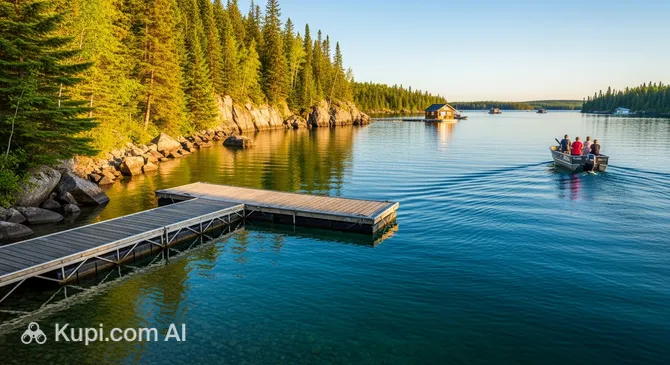
Gods Lake Narrows is a captivating destination nestled in the rugged beauty of northern Manitoba. As a remote community within Canada, it offers an authentic experience of the pristine wilderness that defines this region. With a population of approximately 200 residents, this settlement provides a peaceful retreat far removed from the hustle and bustle of urban life, situated on the narrows of one of the province's most spectacular lakes.

Gods Lake Narrows. Source: Kupi.Binoculars

The geography of the area is defined by the Canadian Shield, featuring rocky shorelines and dense boreal forests. Visitors interested in the local heritage can explore the history of Gods Lake Narrows, which is deeply rooted in the traditions of the First Nation people who have called this land home for generations. Because the community is accessible primarily by air or winter roads, it maintains an exclusive and secluded atmosphere that appeals to true adventurers.

For outdoor enthusiasts, Gods Lake Narrows is a paradise. It is famously known for world-class fishing, attracting anglers from around the globe eager to catch trophy Lake Trout, Northern Pike, and Walleye in its crystal-clear waters. Beyond the thrill of the catch, the untouched surroundings offer incredible opportunities for wildlife viewing and photography. If you are seeking a journey into the wild heart of nature, Gods Lake Narrows invites you to experience its serene and majestic environment.

Weather Overview

The climate in this northern region is characterized by distinct seasonal changes, shifting from frigid winters to pleasantly mild summers. To plan your outdoor activities and packing list effectively, it is recommended to review the detailed weather in Gods Lake Narrows before your trip. The area generally experiences a continental climate where temperature extremes can be quite pronounced depending on the time of year.

Winters are cold and dry, with February often being the coldest month, featuring an average temperature of -19.6°C and lows dipping to -23.5°C. In contrast, the summer months bring warmth and life to the region; July is typically the warmest time, with average temperatures around 18.8°C and daily highs reaching 22.8°C. While winter sees very little precipitation, the summer season is wetter, with July experiencing up to 15 wet days. Overall, visitors can expect warm summers with occasional rain and cold, dry winters ideal for ice fishing and winter trekking.

Interesting Facts

Beyond the main attractions, Gods Lake Narrows holds fascinating stories that add depth to its scenic beauty. This remote community is not just a natural wonder but a place rich in history and local lore, offering visitors a glimpse into a unique way of life in the north.

  • The Ghost Town of Elk Island: A short distance from the main settlement lies the abandoned site of the historic God's Lake Gold Mine. Operating in the 1930s and 1940s, this site once supported a bustling town named Pioneer, and remnants of its industrial past can still be found hidden within the wilderness, offering a haunting glimpse into the region's gold rush era.

  • A Name Steeped in Legend: The lake’s name is a direct translation of the Cree word "Manitou," referring to the Great Spirit. Local oral history recounts that the Great Spirit placed a special stone in the waters, marking the lake as a sacred place that has been honored by Indigenous people for centuries.

  • The Winter Road Lifeline: For a few weeks each year, the isolation of the community is broken by a remarkable engineering feat known as the winter road. Constructed over frozen muskeg and thick lake ice, this temporary route allows vehicles to drive into the settlement, bringing in vital supplies that are too heavy to be transported by aircraft.

How to Get There

Reaching this remote destination requires careful planning due to its location in the northern wilderness. As a community primarily accessible by air or seasonal winter roads, there are no permanent highway connections to the rest of the province. Most travelers arrange their journey through regional hubs before taking a connecting flight. You can find out more about how to get to Gods Lake Narrows and the specific logistics required for this trip to ensure a smooth arrival.

The city of Gods Lake Narrows does not have major international airports directly within its limits; instead, travelers rely on regional airfields in neighboring communities as transit points. One of the closest options is Island Lake Airport (IATA: YIV), located in the city of Island Lake. This airport is approximately 78.5 km from Gods Lake Narrows. Given the lack of all-season roads, the final leg of the journey from here is typically completed via a short charter flight or floatplane, as standard ground transfers are not available.

For a larger regional hub with better connections to major cities, you might consider Thompson (IATA: YTH), situated in the city of Thompson. This facility is about 256.3 km away from Gods Lake Narrows. As a busier transport center with medium passenger traffic, it offers more scheduled flights, serving as a key gateway for the north. From Thompson, visitors usually book a connecting flight to reach the community. Another alternative is Sachigo Lake Airport (IATA: ZPB) in Sachigo Lake, roughly 166.3 km away, which also serves the region.

For clarity, here is a summary of the main airports:

Airport Name City Passenger Traffic Km from City
Thompson Thompson Medium 256.3
Island Lake Airport Island Lake Small 78.5
Sachigo Lake Airport Sachigo Lake Small 166.3

Main Attractions

The primary appeal of Gods Lake Narrows lies in its untouched wilderness and the majestic waters that surround the community. Unlike urban destinations filled with man-made monuments, the attractions here are crafted by nature, offering visitors a chance to disconnect from the modern world and immerse themselves in the rugged beauty of Northern Manitoba. The activities and sights are centered around the outdoors, making it a dream destination for anglers, photographers, and nature lovers.

Gods Lake is undoubtedly the crown jewel of the region and the main reason travelers make the journey north. As the seventh-largest lake in the province, it is renowned for its exceptional water clarity and depth. The lake provides a world-class fishing experience, teeming with trophy-sized Lake Trout, Northern Pike, and Walleye. Exploring the vast expanse of crystal-clear water by boat reveals hidden bays, rocky islands, and a sense of solitude that is becoming increasingly rare. Whether you are casting a line or simply admiring the reflection of the sky on the water, the lake offers a serene and revitalizing experience.

Flowing out of the main lake, Gods River offers a different but equally captivating adventure. This fast-moving waterway is legendary among fly-fishing enthusiasts for its population of native Brook Trout, which are known for their size and vibrant colors. The river winds through the boreal forest, featuring scenic rapids and quiet pools. A guided trip down the river not only promises excellent fishing but also provides opportunities to spot wildlife such as moose, black bears, and bald eagles along the riverbanks.

For those interested in local history and exploration, a visit to Elk Island offers a fascinating glimpse into the past. Located within the lake, this island was once the site of a bustling gold mining operation in the 1930s and 40s. Today, it stands as a ghost town where visitors can find remnants of the old infrastructure and abandoned machinery reclaiming their place in the forest. Walking among these ruins provides a haunting connection to the pioneers who once sought their fortune in this remote landscape.

Finally, the location of Gods Lake Narrows makes it a prime spot for viewing the Northern Lights (Aurora Borealis). Far from the light pollution of major cities, the night skies here are pitch black and filled with stars. During the clearer nights, especially in the colder months, the sky often dances with vibrant curtains of green, purple, and pink light. Watching this natural phenomenon reflect off the calm waters of the lake is an unforgettable experience that defines the magic of the north.

Local Cuisine

The culinary experience in Gods Lake Narrows is defined not by high-end restaurants or bustling markets, but by the rugged authenticity of the northern wilderness. In this remote community, food is inextricably linked to the land and the water. For visitors, particularly the anglers who flock here, the highlight of local dining is the freshness of the ingredients, sourced directly from the pristine environment that surrounds them.

The absolute signature dish of the region is the traditional shore lunch. This is a beloved ritual for anyone exploring the lake, where your morning catch—typically Walleye (often referred to locally as pickerel) or Northern Pike—is filleted and cooked over an open fire on a rocky island or riverbank. The fish is usually lightly battered and fried to golden perfection, served alongside potatoes, beans, and corn. The taste of fish caught just moments before hitting the pan is an unrivaled gastronomic delight that defines the flavor of the north.

Deeply rooted in the local Cree culture, Bannock is another staple that visitors must try. This traditional unleavened bread can be baked or fried and is often served as a hearty accompaniment to meals or enjoyed on its own with jam. Depending on the season, the local diet is also enriched by nature's bounty, including wild berries such as blueberries and raspberries, which grow in the boreal forest and add a sweet, tart contrast to savory dishes.

When it comes to beverages, the choices reflect the practical needs of the climate. There are no trendy cocktail bars here; instead, the drink culture revolves around warmth and comfort. A hot cup of coffee or tea is the standard companion for a misty morning on the water. For a taste of the wild, you might encounter tea brewed from local plants like Labrador tea, an aromatic herbal infusion traditionally used by Indigenous people in the region.

Dining in Gods Lake Narrows is essentially a communal and rustic affair. There is no street food scene or commercial dining strip. Instead, tourists typically eat at the fishing lodges, where meals are hearty, home-cooked, and designed to fuel outdoor adventures. Whether you are dining in a rustic lodge dining room sharing stories of the day's catch, or eating by a crackling fire under the open sky, the atmosphere is always intimate and connected to nature.

Travel Tips

Preparing for a trip to Gods Lake Narrows requires a bit more foresight than the average vacation, as you are heading into a remote and rugged part of the Canadian Shield. To ensure your adventure is safe, comfortable, and respectful of the local community, we have compiled a list of essential practical tips to help you pack and plan effectively.

  1. Clothing and Gear: The weather in the north can be unpredictable, so the golden rule is to dress in layers. In the summer, bring waterproof outerwear and breathable clothing, but prioritize a high-quality insect repellent and perhaps a bug net, as black flies and mosquitoes can be intense. If you are visiting in winter, thermal base layers, a heavy parka, and insulated boots rated for extreme cold are non-negotiable. Comfortable, waterproof footwear is essential year-round due to the rocky and often damp terrain.

  2. Transportation: Unlike urban centers, there is no public transportation, metro, or ride-hailing service here. Gods Lake Narrows is a fly-in community, and once you arrive, getting around is typically done by boat in the summer or snowmobile in the winter. Most visitors stay at fishing lodges that provide boat transfers and guides. Within the settlement itself, distances are short enough to walk, but arrange transport with your host if you need to travel further.

  3. Finances: Cash is king in remote communities. While the local general store (Northern Store) may accept debit or credit cards, systems can go down due to connectivity issues. It is highly recommended to withdraw sufficient Canadian Dollars (CAD) before you leave the major cities, as ATMs are scarce and may run out of cash. Tipping your fishing guides and lodge staff is customary and appreciated, usually done in cash at the end of your stay.

  4. Health and Safety: There is a local nursing station for basic medical needs, but there is no full-service hospital. For serious emergencies, a medical evacuation flight to a larger city would be required, so ensure your travel insurance covers remote air ambulance services. Always be "bear aware" when walking outside the main settlement; keep food stored continually and never approach wildlife.

  5. Communication: English is widely spoken, though the primary local language is Cree. Cellular service can be spotty or non-existent depending on your provider (Bell/MTS has the best coverage in northern Manitoba). Most lodges offer Wi-Fi, but bandwidth may be limited via satellite connections. It is best to inform family of your itinerary beforehand and embrace the opportunity to disconnect digitally.

  6. Local Etiquette: The community is small and tight-knit. A friendly wave or nod to passersby is the norm. Be mindful that you are a guest on traditional territory; always ask for permission before taking photographs of residents or their property. Respect for the land is paramount—First Nation culture holds the environment in high regard, so treat nature with the same level of care.

  7. What to Avoid: Do not bring alcohol into the community without checking the specific regulations first. Many First Nation reserves in the north are "dry" or have strict restrictions on the possession and consumption of alcohol. While fishing lodges often have their own licenses, taking alcohol into the public areas of the village is generally inappropriate and disrespectful of local laws.

  8. Supplies and Logistics: Due to the high cost of freight transport, groceries and supplies at the local store are significantly more expensive than in the south. It is a smart "life hack" to pack your own toiletries, snacks, and any specific medications you need. Do not rely on buying specialized items upon arrival, as stock can be limited.

By keeping these tips in mind, you will be well-equipped to handle the unique logistics of northern travel. A visit to Gods Lake Narrows is a chance to experience the warmth of northern hospitality and the serenity of the wilderness, and a little preparation goes a long way in making it an unforgettable journey.

Entertainment & Nightlife

Travelers arriving in Gods Lake Narrows expecting a bustling urban nightlife with neon-lit clubs, thumping bass, and crowded dance floors will quickly find themselves in a different world entirely. The "nightlife" here is defined not by commercial entertainment, but by the profound silence of the wilderness and the camaraderie of fellow adventurers. The evenings are dedicated to relaxation after a long day on the water, sharing stories of the one that got away, and witnessing the spectacular natural light shows in the sky.

There are no designated nightlife districts, bar streets, or nightclubs in this remote community. The social hub for visitors is almost exclusively centered around the fishing lodges. Places like Gods Lake Narrows Lodge serve as the primary gathering spots. Here, the atmosphere is warm, rustic, and incredibly casual. The "dress code" is strictly outdoor gear or comfortable flannel; there is no need to dress up. Guests typically gather in the main dining areas or lounges to enjoy a hearty meal, play cards, and connect with other anglers from around the world.

Another key venue in the wider area is Elk Island Lodge, located on the lake. While it operates as a fly-in destination, it contributes to the region's reputation for hospitality. Evenings at these lodges often involve sitting around a crackling fire pit near the water's edge. Since the community itself is largely "dry" (alcohol is restricted in the main settlement), the lodges are generally the only places where you might enjoy a drink, provided they hold the necessary licenses. It is essential to verify current alcohol regulations with your lodge before arrival.

The most famous "night show" in Gods Lake Narrows requires no ticket and has no opening hours: the Aurora Borealis. On clear nights, the lack of light pollution makes this one of the best places in Manitoba to view the Northern Lights. For a different kind of evening entertainment, you might visit the Northern Store before it closes to pick up snacks and supplies for a private evening of stargazing from your cabin porch.

Safety at night is a serious consideration here, but not for the usual urban reasons. The area is safe from crime, but the wilderness is right on your doorstep. If you are walking between cabins or near the treeline after dark, always carry a flashlight and be "bear aware," as wildlife can venture close to the settlement. There are no taxis or public transport services; movement at night is limited to walking within your lodge's grounds.

While the nights are quiet, the daytime offers its own form of entertainment centered on the outdoors. Aside from the world-class fishing, visitors can explore the rugged terrain or take boat tours to see the historic gold mine ruins. The entertainment here is slow-paced and immersive, designed for those who find excitement in the call of a loon rather than the beat of a drum.

Parks & Museums

In Gods Lake Narrows, the concept of parks and museums is redefined by the vast, untamed wilderness and the deep historical roots of the region. Rather than manicured city gardens or enclosed galleries, the "green spaces" here are boundless forests and crystal-clear waters, while the "museums" are found in the open-air remnants of the past and the living culture of the local people.

Gods Lake itself serves as the community's most magnificent natural park. Encompassing hundreds of square kilometers, this aquatic playground offers more than just fishing; it is a sanctuary of pristine islands, hidden bays, and rocky shores typical of the Canadian Shield. Visitors can explore the coastline by boat, treating the lake as a vast, moving trail system where the scenery changes with every turn, offering unparalleled opportunities for photography and wildlife observation.

Surrounding the water is the endless expanse of the Boreal Forest, which functions as a massive, unmanaged nature reserve. This dense woodland is home to a diverse array of flora and fauna, offering a rugged environment for those who wish to hike off the beaten path. In the summer, the forest floor is carpeted with moss and wild berries, while the canopy provides shelter for moose, black bears, and countless bird species, making it a dream destination for naturalists seeking a truly wild ecosystem.

While there are no traditional indoor museums in the settlement, the Ghost Town of Elk Island acts as a fascinating open-air museum. located on an island within the lake, this site preserves the industrial heritage of the 1930s gold rush. Visitors can walk among the decaying structures and rusted machinery of the old God's Lake Gold Mine, witnessing a frozen moment in time where nature is slowly reclaiming the works of man. It provides a haunting and educational look into the pioneer spirit and the economic history of Northern Manitoba.

The cultural history of the area is best experienced through the Gods Lake Narrows First Nation community itself. Instead of viewing artifacts behind glass, visitors have the rare chance to witness a living culture that has thrived on this land for centuries. The traditions, oral histories, and land-based knowledge of the Cree people are woven into the daily life of the settlement, offering a cultural immersion that is far more personal and impactful than a standard museum visit.

For a unique insider experience, ask a local guide to take you to some of the isolated sandy beaches scattered across the lake's islands. These hidden gems are often unmarked and unnamed, offering a private slice of paradise where you can enjoy a shore lunch or a swim in complete solitude, far removed from the rest of the world.

Getting Around

Visitors arriving in Gods Lake Narrows should be aware that this is a remote wilderness community with a small population, and as such, it does not possess a conventional public transport system. There are no subways, trams, city buses, or trolleybuses operating in the area. The local infrastructure is designed for a tight-knit settlement rather than a bustling metropolis, meaning you will not find ticket machines, designated bus stops, or transit route maps anywhere in the village.

For most tourists, particularly those visiting for fishing expeditions or outdoor adventures, the primary mode of transportation is arranged directly through their accommodation. Fishing lodges and outfitters typically provide private shuttle services using vans or pickup trucks to transport guests from the local airstrip to the water's edge. Once on the water, boats become the essential "vehicles" of the region, ferrying visitors between the main settlement, the lodges, and the various islands scattered across the lake.

In terms of payment and tickets, the standard urban concepts do not apply here. There are no travel cards, mobile apps, or transit passes to purchase. Transportation provided by lodges is usually included in the overall package price of your stay. If you need to travel within the community outside of these arranged transfers, it is best to carry cash. While there is no official taxi fleet, you may occasionally find a local resident willing to offer a ride, for which a cash payment is the only accepted method.

Walking is a viable and pleasant option for getting around the immediate settlement area. The community is compact, and key locations like the general store or the nursing station are generally within walking distance of each other. However, visitors should be mindful of the terrain, which consists largely of gravel roads and dirt trails that can become muddy; therefore, sturdy walking shoes are highly recommended over casual city footwear.

A unique aspect of transport in this region is its heavy reliance on seasonal vehicles, which effectively replace standard cars. During the winter months, the frozen lake and snow-covered trails turn snowmobiles into the most popular form of transit. In the summer, All-Terrain Vehicles (ATVs) and quads are frequently used by locals to navigate the rugged trails. While tourists generally do not rent these vehicles independently, they may experience them as part of a guided tour or lodge activity.

Finally, it is important to note that modern conveniences such as ride-sharing apps (like Uber or Lyft), car rental agencies, and bike rental stations are completely unavailable in this area. To ensure a smooth trip, the best practical advice is to confirm all transfer logistics with your host or lodge manager well before you arrive. Do not assume you can hail a ride upon landing; ensuring you have a pre-arranged pick-up is essential for navigating this remote destination.

Accommodation

Finding a place to stay in Gods Lake Narrows is quite different from booking a hotel in a typical city. As a remote fly-in community located deep in the Canadian wilderness, the accommodation landscape is almost exclusively defined by fishing lodges and outdoor outfitters. You will not find standard budget hostels, backpacker dorms, or international luxury hotel chains here. Instead, the options range from rustic housekeeping cabins to comfortable, full-service lodges designed specifically for anglers and adventure travelers seeking an immersive nature experience.

The most popular and convenient areas for tourists to stay are naturally situated along the shores of Gods Lake or on its various islands. These locations offer immediate access to the water for fishing and boating, which are the primary activities in the region. Staying at a lodge usually means you are right in the heart of the action, often with stunning views of the lake and the boreal forest right from your doorstep. The isolation of these spots is part of their charm, providing a peaceful retreat far removed from the noise of urban life.

While the list of accommodations is short, the quality of hospitality is high. The primary establishment serving the area is the Gods Lake Narrows Lodge. This lodge is the hub of tourism in the community, offering a range of services from guided fishing trips to comfortable dining. Another notable mention in the wider region is Elk Island Lodge, located on an island within the lake. These establishments typically operate as all-inclusive destinations, providing not just a bed, but a complete package that often includes meals, boat rentals, and professional guides.

Booking Tip: Because these lodges operate seasonally—primarily during the summer fishing season and occasionally for winter activities—availability can be extremely limited. It is highly recommended to book your stay several months in advance. Many visitors plan their trips up to a year ahead to secure their preferred dates, especially if they are targeting prime fishing times in June or July.

regarding costs, travelers should anticipate a mid-to-high price range. This is largely due to the remote logistics and the all-inclusive nature of the packages. Most bookings are made directly through the lodge's website or by phone, rather than through general hotel aggregators. When budgeting, remember that the quoted price often covers your accommodation, meals, and guided activities, making it a comprehensive "per person" rate rather than a simple nightly room charge.

Nearby Cities

Nearby Cities:

Due to the remote location of Gods Lake Narrows in the vast wilderness of Northern Manitoba, the concept of "nearby" cities is quite relative. The settlement is isolated from the province's major urban network, meaning that the closest significant communities are hundreds of kilometers away. These neighboring cities primarily serve as essential transit hubs, supply centers, and gateways for travelers venturing into the deep north.

The most important regional center for visitors is Thompson, situated approximately 252 km to the west. Often referred to as the "Hub of the North," Thompson is the primary commercial and logistical base for the region. It offers the most comprehensive services, including a larger airport, major retail stores, and medical facilities, making it a common stopover for those traveling to Gods Lake Narrows.

Further afield, travelers may encounter Flin Flon, a historic mining city located about 476 km away on the border of Manitoba and Saskatchewan. Another notable community is The Pas, known as the "Gateway to the North," which lies roughly 449 km to the southwest. To the southeast, across the provincial border in Ontario, are the communities of Red Lake and Pikangikum, which share similar rugged geographic characteristics with the region.

The following table lists the closest cities and towns, providing an overview of their population and distance from Gods Lake Narrows:

City Population Distance (km)
Thompson 13,678 252
Pikangikum 3,800 308
Red Lake 4,107 396
The Pas 5,300 449
Flin Flon 6,000 476

Shopping & Souvenirs

Shopping in Gods Lake Narrows is a purely functional and unique experience, vastly different from the retail therapy found in major cities. As a remote fly-in community, the town does not possess fashion boutiques, department stores, or commercial promenades. Instead, the shopping scene is centered on survival essentials, outdoor gear, and the daily needs of the residents. For tourists, the appeal lies not in variety, but in the opportunity to find authentic local crafts and to experience the "general store" culture that is the lifeline of the Canadian North.

There are no designated shopping districts or bustling high streets here. The commercial activity of the entire settlement is effectively concentrated in a single location: the Northern Store. This establishment serves as the community's grocery store, department store, pharmacy, and hardware supplier all rolled into one. Walking through its aisles offers a glimpse into life in the remote wilderness, where you might see fresh produce sold alongside heavy-duty winter parkas, snowmobile parts, and fishing tackle. It is the social and economic hub where you can purchase everything from snacks for your boat trip to forgotten toiletries.

Travelers looking for shopping malls will not find them in Gods Lake Narrows. The infrastructure is designed to support a small population of approximately 200 people, rendering large retail complexes unnecessary. The retail environment is intimate and immediate, devoid of the chains and franchises that dominate urban landscapes.

While there are no formal markets or bazaars, the community is rich in artistic talent. The best "market" experience here is often informal and personal. Visitors interested in local culture should inquire at their lodge or the band office about purchasing arts and crafts directly from local artisans. The region is home to skilled creators who continue traditional practices, and buying directly from them ensures that your money supports the local economy.

When it comes to souvenirs, the most prized items are authentic Indigenous handicrafts. The local Cree culture is renowned for exquisite beadwork, handcrafted moccasins, and mukluks made from moose or deer hide. These items are not mass-produced; they are often made to order or sold in small quantities, representing a genuine piece of Northern Manitoban heritage. Additionally, fishing enthusiasts often pick up locally proven lures or branded apparel from the fishing lodges to commemorate their catch.

Opening hours are generally limited compared to big cities. The Northern Store typically operates from morning until early evening, often closing around 6:00 PM or 7:00 PM, with reduced hours on weekends and holidays. Regarding payment, cash is the most reliable method. While the main store accepts credit and debit cards, the telecommunications infrastructure in the north can be temperamental. Internet outages may render card machines temporarily useless, so it is highly recommended to carry sufficient Canadian Dollars (CAD) to cover your purchases. If you are buying crafts directly from a local artist, cash is almost exclusively the only accepted form of payment.

Regarding tax-free shopping, visitors should be aware that Canada does not offer a VAT or GST refund system for general tourist shopping. The prices you see usually exclude the sales tax, which is added at the register. Given the remote location, prices for goods are generally higher than in the south due to the substantial cost of air freight transport required to bring items into the community.
Reached the end of the page?

That means the route is fully explored