Support

The Pas

About

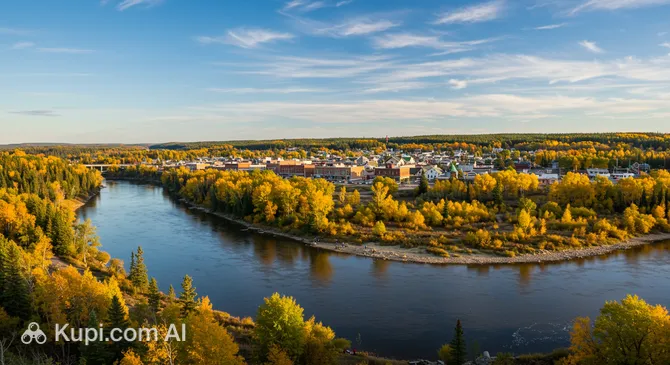
Welcome to The Pas, a captivating town nestled in the verdant landscape of Manitoba. Often referred to as the "Gateway to the North," this community serves as a vital link to the northern reaches of the province. Located in Canada, The Pas offers a distinct blend of raw natural beauty and warm hospitality, making it an intriguing destination for adventurers and culture enthusiasts alike.

The Pas. Source: Kupi.Binoculars

Geographically, the town is situated near the confluence of the Pasquia and Saskatchewan Rivers, surrounded by the dense boreal forest. With a population of approximately 5,300 residents, it maintains a friendly, small-town vibe while providing essential services for the region. The history of The Pas is rich and multifaceted, dating back to its origins as an early fur trading post and a gathering place for Indigenous peoples, which laid the foundation for its development into a modern northern hub.

Travelers are drawn to the area's stunning outdoor attractions. One of the highlights is the nearby Clearwater Lake Provincial Park, famous for its incredibly clear, turquoise waters and excellent trout fishing. Inside the town, the Sam Waller Museum offers a fascinating glimpse into local curiosities and heritage. Additionally, the town is renowned for hosting the annual Northern Manitoba Trappers' Festival, a lively winter celebration that honors the region's pioneer traditions.

Whether you are looking to explore the pristine wilderness or immerse yourself in the unique culture of the north, The Pas is a destination worth discovering. Its combination of scenic landscapes and historical depth ensures a memorable experience for every visitor.

Weather Overview

The climate in this northern Manitoba town is characterized by distinct seasons, offering a true continental experience. Generally, visitors can expect warm summers with occasional rain and cold, dry winters. To help plan your activities and packing list, it is helpful to review the current weather in The Pas before your journey.

Summer brings the most comfortable conditions for outdoor adventures. July is typically the warmest month, with average temperatures around 19.9°C and daily highs reaching up to 24.5°C. This season also sees the highest frequency of wet days, particularly in June and July, though the overall precipitation volume remains moderate.

Winters are significant and require proper thermal gear, as the region transforms into a snowy landscape. January and February are the coldest months, where average temperatures drop to approximately -16.4°C, and nightly lows can dip below -20°C. Despite the cold, these months are quite dry, often providing clear, crisp days suitable for enjoying the local winter festivals.

Interesting Facts

Beyond the main attractions and scenic landscapes, The Pas holds many fascinating secrets and unique claims to fame that surprise most visitors. From quirky historical artifacts to geological marvels, this northern community is full of unexpected discoveries.

  • Clearwater Lake is officially recognized as one of the few "true blue" lakes in the world due to its exceptional water quality. The water is so transparent that the bottom is visible at depths of up to 11 meters (35 feet), making it one of the clearest freshwater lakes globally.

  • The local Sam Waller Museum houses one of the most unusual collections in the region, including a set of "dressed fleas" (Pulgas Vestidas). These microscopic curiosities, dressed in tiny wedding attire, are a rare example of a lost Mexican folk art and a testament to the museum's eclectic nature.

  • The town hosts the Northern Manitoba Trappers' Festival, which is the oldest winter festival in Manitoba and one of the oldest in Canada. Established in 1916, it celebrates the region's pioneer history with traditional events like dog sled racing and flour packing.

  • Geologically, the area features a phenomenon known locally as "The Caves," which are not actual underground caverns but rather deep crevices. These vertical fissures were formed when huge rock masses split away from the dolomite cliffs of the Pas Moraine, creating a maze-like trail for hikers.

How to Get There

Reaching this northern destination is an adventure in itself, offering a transition from the bustling cities of the south to the serene landscapes of the boreal forest. Whether you are flying in for a quick visit or taking a scenic drive, planning your journey is the first step toward exploring the region. You can find detailed information and all ways to reach The Pas on our dedicated transport page.

For air travelers, the primary gateway is Clearwater (IATA: YQD). Located approximately 19.1 km from the center of The Pas, this regional hub connects the town with major cities like Winnipeg. The drive from the airport to the town center typically takes around 20 minutes by taxi or shuttle service. While it is a smaller facility, it handles a steady flow of passengers and serves as a vital lifeline for the community.

For clarity, here is a summary of the main airport serving the area:

Airport Name City Passenger Traffic Km from City
ClearwaterThe PasSmall19.1

Beyond air travel, The Pas is accessible by road via Highway 10, which offers a scenic route through Manitoba's changing geography. Additionally, the town is a stop on the VIA Rail network, providing a classic rail experience for those journeying north toward Churchill or south to Winnipeg.

Main Attractions

To explore The Pas is to step into a world where rugged northern wilderness meets rich historical narratives. The city and its surroundings offer a variety of sites that showcase the unique character of Manitoba's north, from crystal-clear waters to intriguing local collections. Here are some of the top places to visit during your stay.

One of the most renowned natural wonders in the region is Clearwater Lake Provincial Park. True to its name, this lake is celebrated for its incredibly transparent water, which allows visibility up to 11 meters deep. It is a summer haven for swimming, boating, and fishing for trophy lake trout. The park's pristine environment and "tropical" blue color make it a surprising and delightful destination in the heart of the boreal forest.

For a deep dive into the area's heritage, the Sam Waller Museum is an essential stop. Housed in a historic brick building that once served as the court house, the museum presents an eclectic mix of exhibits ranging from Indigenous history and the fur trade to natural history specimens. It is famously known for its curiosities, including a rare collection of "dressed fleas," which continues to fascinate visitors with its quirkiness and intricate detail.

Nature enthusiasts should not miss the Caves Self-Guiding Trail, located within Clearwater Lake Provincial Park. These are not underground caverns but rather deep, vertical crevices formed by rock masses splitting away from the dolomite cliffs. A wooden boardwalk and trail system allow you to safely explore these moss-covered fissures, offering a geological perspective that is unique to this part of the province.

Another significant landmark is Christ Church Anglican, often referred to as the "Cathedral of the North." Built in 1896, this historic church is admired for its beautiful craftsmanship, including hand-hewn pews and intricate woodwork. It stands as a testament to the early missionary history of the region and remains a peaceful site for reflection and architectural appreciation.

Finally, take a stroll through Devon Park, situated along the banks of the Saskatchewan River. It is a lovely spot for a picnic or a leisurely walk, featuring a monument to the explorer Henry Kelsey. The park offers scenic views of the river and serves as a reminder of the waterway's vital role in the development and history of the community.

Local Cuisine

The culinary scene in The Pas reflects its northern geography and rich cultural heritage, offering visitors a taste of hearty, comfort-focused cuisine. While you will not find high-end molecular gastronomy here, you will discover authentic flavors derived from the surrounding wilderness. The local food culture is unpretentious and deeply connected to the land, with many dishes featuring ingredients sourced directly from the nearby lakes and boreal forests.

One of the absolute must-try dishes in this region is Walleye (often referred to locally as pickerel). Freshly caught from the pristine waters of lakes like Clearwater or the Saskatchewan River, this fish is a staple on many menus. It is typically served pan-fried with a light breading to highlight its delicate, sweet flavor, often accompanied by home-style fries or roasted vegetables. Another regional favorite is Bannock, a traditional Indigenous fried bread. Dense, golden, and satisfying, it is frequently served alongside soups and stews, or used as a bun for burgers, offering a delicious glimpse into the area's history.

For those with a sweet tooth, the local forests provide an abundance of wild berries, particularly Saskatoon berries and blueberries. During the summer harvest, these find their way into homemade pies, jams, and desserts that are popular in local cafes. The flavors are intense and distinct, capturing the essence of the short but vibrant northern summer.

When it comes to beverages, the drink of choice is often determined by the season. In the colder months, locals warm up with robust coffees and hot chocolates. However, for a classic Canadian experience, you should try a Caesar. This savory cocktail, made with vodka, clamato juice, hot sauce, and Worcestershire sauce, is a beloved standard in pubs and restaurants throughout the town. It is the perfect accompaniment to a casual meal after a day of exploring.

Dining in The Pas is a relaxed affair. The town is dotted with family-run diners, drive-ins, and casual eateries where the atmosphere is friendly and welcoming. It is common to strike up a conversation with residents who are happy to share stories about the town. During the annual Northern Manitoba Trappers' Festival, the food culture truly comes alive with community feasts and traditional cooking competitions, making it an excellent time for food lovers to visit.

Travel Tips

Preparing for a trip to The Pas requires a bit of foresight, especially given its northern location and unique environment. To help you make the most of your visit to this welcoming community, we have compiled a list of essential practical tips that cover everything from packing the right gear to navigating local customs.

  1. Clothing and Gear: The weather here dictates your wardrobe. In winter, you must bring a heavy parka, insulated boots, thermal layers, and windproof accessories, as temperatures drop significantly. Summers are warm, so light clothing is suitable, but carrying a light jacket for cooler evenings is wise. Crucially, if you plan to explore the outdoors in summer, bring high-quality insect repellent and long sleeves to protect against mosquitoes. For electronics, Canada uses Type A and B power plugs with a standard voltage of 120V, so bring an adapter if needed.

  2. Transportation: Public transport options like metros or trams do not exist in a town of this size, and bus services are limited. The best way to get around The Pas and explore nearby attractions like Clearwater Lake is by renting a car. Taxis are available for short trips within the town, but having your own vehicle gives you the freedom to travel at your own pace. If you are staying downtown, many amenities are within walking distance.

  3. Finances: The local currency is the Canadian Dollar (CAD). Credit and debit cards are widely accepted at hotels, restaurants, and larger stores. However, it is advisable to carry some cash for smaller purchases, local craft markets, or tipping. ATMs are available at banks and some convenience stores. The standard tipping culture applies here; leaving 15-20% at restaurants and bars is customary for good service.

  4. Health and Safety: The Pas is generally a safe community, but standard precautions should be taken. For medical emergencies, St. Anthony's General Hospital provides care. Pharmacies are available in town, though they typically do not operate 24/7, so ensure you have necessary prescriptions filled. If you are hiking or exploring the wilderness, be "bear aware" and keep a safe distance from all wildlife.

  5. Communication: English is the primary language spoken throughout the town. Mobile network coverage is reliable within The Pas but can become spotty or non-existent as you venture further into the surrounding boreal forest or parks. Free Wi-Fi is commonly available in hotels, cafes, and public buildings like the library, making it easy to stay connected in town.

  6. Local Etiquette: People in northern Manitoba are known for their friendly and unpretentious nature. It is polite to greet shopkeepers and passersby with a smile or a "hello." The region has a significant Indigenous population and history; showing respect for local culture and traditions is important. When visiting natural sites, follow the "Leave No Trace" principle to respect the environment.

  7. What to Avoid: Avoid underestimating the weather conditions, regardless of the season. In winter, driving can be hazardous due to ice and snow, so do not speed and keep an emergency kit in your vehicle. In summer, avoid leaving food unattended outdoors, as it can attract unwanted wildlife.

  8. Local Insight: Be mindful of operating hours. Unlike major cities, many shops and businesses in The Pas may close earlier in the evening and might be closed or have reduced hours on Sundays. Planning your shopping and dining needs in advance will save you from disappointment.

By keeping these practical tips in mind, you will be well-equipped to enjoy the rugged beauty and warm hospitality of The Pas. Whether you are here for the fishing, the festivals, or the history, a little preparation ensures a smooth and memorable northern adventure.

Entertainment & Nightlife

Nightlife in The Pas reflects the town's close-knit, friendly character. You will not find sprawling nightclub districts or high-end cocktail lounges here; instead, the evening entertainment scene is centered around cozy hotel bars, spirited local pubs, and community gatherings. The atmosphere is consistently laid-back and welcoming, making it easy for visitors to strike up conversations with locals and experience the genuine hospitality of northern Manitoba.

The social hub for many residents and visitors is often the local hotel lounges. The Wescana Inn is a well-known establishment in town, housing facilities that often serve as the go-to spot for an evening drink, a game of pool, or casual dining. It is the kind of place where the dress code is informal—jeans and casual wear are the norm—and the crowd is a mix of travelers, workers, and long-time residents unwinding after a day in the outdoors.

For a unique entertainment experience, you must visit the Lido Theatre. This is not just a cinema; it is one of the few remaining atmospheric theatres in Canada, designed to look like a courtyard under a starry sky. Watching a movie here is a step back in time, and the venue occasionally hosts live performances and community events. Another popular spot for a relaxed evening is the Royal Canadian Legion Branch 19, which frequently hosts social events, meat draws, and quiet nights perfect for a pint and a chat.

Practicalities for a night out in The Pas are straightforward. Prices for food and drinks are generally reasonable and lower than in major cities. Most venues are located within the central downtown area, making them relatively close to one another. However, given the northern climate, walking between venues at night can be extremely cold, especially in winter. It is highly recommended to use a local taxi service to get around safely and comfortably after dark.

In terms of safety, The Pas is generally a safe community, but standard precautions apply. The downtown area is well-lit, but it is always advisable to travel in groups or use a vehicle late at night. The vibe is rarely rowdy, focusing more on socializing than partying.

During the daytime, entertainment shifts towards cultural and recreational activities. Apart from the outdoor adventures mentioned earlier, visitors can spend time at the Sam Waller Museum to delve into local history or enjoy bowling at the local lanes. The town's pace is unhurried, offering a relaxing break from the high-energy entertainment of larger urban centers.

Parks & Museums

The cultural and natural landscape of The Pas is defined by its deep roots in the fur trade and its proximity to the pristine boreal wilderness. Visitors will find that the town’s green spaces and heritage sites offer an intimate look into the life of northern Manitoba, blending outdoor recreation with fascinating historical narratives.

For nature lovers, Clearwater Lake Provincial Park is the crown jewel of the region. While famous for its crystal-clear waters, the park also boasts excellent hiking opportunities, most notably the self-guiding trail through "The Caves." These deep rock crevices, formed by splitting dolomite cliffs, are carpeted in lush mosses and ferns, creating a magical, almost prehistoric atmosphere for walkers. In the winter, the park transforms into a hub for cross-country skiing and snowshoeing, ensuring it remains a vital recreational space year-round.

Closer to the town center, Devon Park offers a serene escape along the banks of the Saskatchewan River. It is a favorite spot for locals to enjoy a sunset stroll or a quiet picnic while watching the river's steady current. The park features a paved walking path and an amphitheater that occasionally hosts community events. It also serves as a historical marker, housing a monument dedicated to Henry Kelsey, the first European explorer to travel the Saskatchewan River, connecting the modern town to its exploration past.

When it comes to culture and history, the Sam Waller Museum is the definitive stop. Located in the majestic former courthouse, which is an architectural gem in itself, the museum is a treasure trove of the odd and the educational. It goes beyond typical displays by presenting an eclectic collection that includes Indigenous beadwork, taxidermy, and artifacts from the early fur trade era. It acts as the memory keeper for the community, offering visitors a comprehensive understanding of the human and natural history that shaped this northern gateway.

Another significant site is Christ Church Anglican. As one of the oldest buildings in the area, it is a stunning example of Gothic Revival architecture adapted for the frontier. Inside, visitors can admire the intricate woodwork and hand-hewn pews, which were crafted by early members of the congregation. The church is not just a place of worship but a monument to the resilience and craftsmanship of the town's founders.

For a truly authentic local experience, take a walk along the Community Walking Path atop the dike that protects the town. This route offers elevated views of the river and the townscape, providing a unique perspective on how The Pas coexists with the powerful waterways that surround it. It is a peaceful, uncrowded way to soak in the northern atmosphere.

Getting Around

Navigating The Pas is refreshingly simple and straightforward, as the town’s compact size means there is no need for a complex public transport network. Visitors will not find a metro, tram, or municipal bus system here. Instead, getting around primarily relies on private vehicles, local taxi services, and walking, which allows for a more relaxed and flexible pace of travel.

The most common form of motorized public transport within the city is the taxi. Reliable local providers, such as City Cabs and Cal's Cab, operate throughout the town and its immediate surroundings. These taxis are readily available for short trips between hotels, restaurants, and attractions, or for transfers to and from the airport. Taxis can typically be hailed by phone rather than flagged down on the street, so it is advisable to keep a local dispatch number handy.

Regarding payment, the system is traditional and uncomplicated. Since there are no city buses or trams, you do not need to worry about purchasing travel passes, transit cards, or downloading ticketing apps. Taxi fares are generally metered or based on flat rates for specific zones. While major credit and debit cards are increasingly accepted, it is highly recommended to carry some cash (Canadian Dollars), as this remains the most reliable payment method for shorter rides or smaller operators.

For those wishing to explore beyond the town center, particularly to visit scenic spots like Clearwater Lake, renting a car is the most practical option. Agencies such as U-Drive Car Rental (often located at Twin Motors) and Enterprise (available at the airport) provide vehicles that offer the freedom to travel the region's highways at your leisure. Renting a vehicle is often considered essential for experiencing the vast, open landscapes characteristic of this part of Canada. If you prefer active travel, the downtown area is very walkable. A dedicated 10-kilometer walking path loops around the town, offering a scenic and healthy way to see local landmarks and the riverfront without needing a vehicle at all.

Finally, while it is not for intra-city transport, the VIA Rail station on Hazelwood Avenue serves as a key transport hub. It connects the community to the wider region, including trips north to Churchill or south to Winnipeg. However, for daily movement within The Pas itself, sticking to a rental car or utilizing the friendly local taxi service remains the best advice for a stress-free visit.

Accommodation

Accommodation in The Pas is designed to meet the practical needs of northern travelers, offering a selection of comfortable and unpretentious options. Visitors will not find sprawling luxury resorts or high-rise international chains here. Instead, the town specializes in reliable mid-range hotels, cozy motels, and family-run inns that reflect the warm hospitality of the region. Whether you are in town for business, the annual winter festival, or an outdoor adventure, you can expect clean facilities and friendly service.

Most lodging options are concentrated within the town center, providing convenient access to local dining, shops, and services. Staying downtown is ideal for those arriving by train or bus, as many amenities are within walking distance. For travelers seeking a more scenic experience, there are options located closer to the outskirts or near Clearwater Lake. These areas offer a quieter atmosphere and easy access to nature, including campgrounds and cabins that are particularly popular during the summer months.

The available hotels typically offer standard amenities such as Wi-Fi, on-site dining, and ample parking, catering to both road-trippers and fly-in guests. Some of the larger establishments serve as community hubs, featuring lounges and meeting spaces that bustle with activity. For those on a tighter budget, smaller motels provide essential comforts at a lower price point. If you are planning a fishing or hunting trip, you may also find lodges in the surrounding area that specialize in outdoor packages.

When it comes to booking, timing is important. While accommodation is generally available throughout the year, the town fills up quickly during major local events, most notably the Northern Manitoba Trappers' Festival in February. During this time, it is highly recommended to book your room several months in advance. Similarly, the summer season can see high demand from tourists and outdoor enthusiasts. Prices in The Pas are generally moderate and stable, with most establishments accepting online reservations, though calling directly can sometimes secure better availability or specific room requests.

Nearby Cities

For those looking to explore the surroundings, The Pas serves as an excellent base for day trips or short visits to several interesting nearby locations:

Thompson, located approximately 305 km to the northeast, is known as the "Hub of the North." It offers a rugged wilderness experience and is famous for its "Spirit Way," a pathway highlighting the city's unique relationship with wolves. Nearby, visitors can witness the raw power of Pisew Falls, Manitoba's second-highest waterfall, making it a rewarding destination for nature enthusiasts.

Traveling west into Saskatchewan, Prince Albert sits as a gateway to the northern forests. This city combines rich history with a vibrant arts community and serves as the primary access point for the stunning Prince Albert National Park. It is an ideal spot for those wishing to combine urban amenities with outdoor recreation along the North Saskatchewan River.

To the south, Yorkton offers a glimpse into the cultural heart of the prairies. Known for its celebrated film festival and the Western Development Museum, it provides a mix of heritage and hospitality. The city’s historic architecture and well-maintained parks make it a pleasant destination for a relaxing visit.

City Population Distance (km)
Prince Albert35926307
Yorkton16343302
Thompson13678305
Warman11020395
Martensville9645401

These nearby destinations offer a glimpse into the diverse culture and landscapes of the region, ranging from the rocky Canadian Shield to the rolling parklands.

Shopping & Souvenirs

Shopping in The Pas is largely practical and community-focused, reflecting its status as a service hub for Northern Manitoba. While you will not find high-end luxury fashion districts or sprawling mega-malls, the town offers a genuine selection of retailers that cater to outdoor enthusiasts, residents, and visitors alike. The shopping scene here is characterized by friendly service and a distinct emphasis on goods necessary for life in the north, alongside unique local crafts that make for perfect mementos.

The heart of the local retail experience is located in the downtown area, particularly along Fischer Avenue and Edwards Avenue. This walkable district features a mix of independent businesses, including clothing boutiques, gift shops, and hardware stores. It is the ideal place to stroll and pick up essentials or browse for casual apparel. The atmosphere is relaxed, and shop owners are often happy to chat about the town and offer recommendations for your stay.

For a more concentrated shopping experience, the Otineka Mall is the primary destination. Although situated just across the Saskatchewan River in the neighboring Opaskwayak Cree Nation, it serves as the main shopping centre for The Pas and the surrounding region. This indoor mall houses a large grocery store, a pharmacy, various clothing retailers, and a food court. It is a convenient one-stop spot for travelers needing to restock supplies or seeking general merchandise in a climate-controlled environment.

Visitors interested in local culture should look for the The Pas & District Farmers Market, which typically operates seasonally. Here, you can find fresh local produce, home-baked goods, and handmade crafts. It is a vibrant part of the community where you can taste the flavors of the region. Additionally, keep an eye out for pop-up craft sales, especially around the holidays or during the Northern Manitoba Trappers' Festival.

When it comes to souvenirs, the best items to bring back are those that reflect the area's rich Indigenous heritage and northern lifestyle. Look for authentic Indigenous beadwork, handcrafted moccasins (mukluks), and leather goods, which are often available at local gift shops or directly from artisans. Items branded with the "Gateway to the North" slogan or memorabilia from the Trappers' Festival are also popular choices for remembering your trip to this unique part of Canada.

Store hours in The Pas generally follow a standard schedule, opening around 9:00 AM or 10:00 AM and closing by 6:00 PM on weekdays. Some larger stores and the mall may stay open later on Thursdays or Fridays. On Sundays, many smaller downtown businesses may be closed or have reduced hours, so it is wise to plan ahead. Payment is straightforward, with the Canadian Dollar (CAD) being the official currency. Major credit and debit cards are widely accepted, though carrying a small amount of cash is recommended for market stalls or smaller vendors.

Regarding taxes, the price you see on the shelf usually does not include sales tax. In Manitoba, a combination of the Goods and Services Tax (GST) and Provincial Sales Tax (PST) is added at the register. Tourists should be aware that Canada no longer offers a general GST/HST visitor rebate program for accommodation or goods, so tax refunds are typically not available for international travelers.
Reached the end of the page?

That means the route is fully explored