Support

Gillam

About

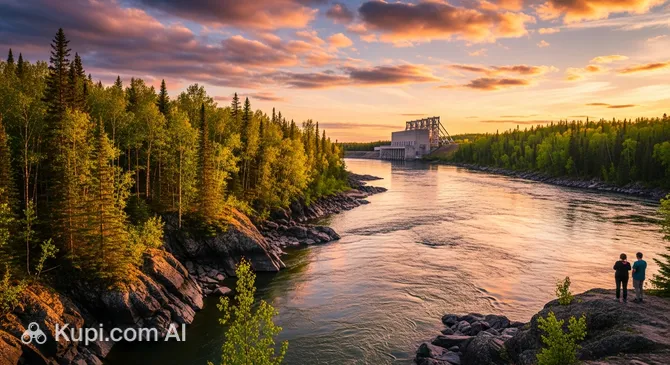
Welcome to Gillam, a remarkable community situated in the rugged wilderness of northern Manitoba. Known as the "Gateway to the North," this town offers a unique blend of industrial marvels and pristine natural beauty. Located in Canada, Gillam serves as a vital hub for the region and provides travelers with a glimpse into life in the subarctic boreal forest.

Gillam. Source: Kupi.Binoculars

With a population of approximately 1,200 residents, Gillam is a friendly and tight-knit community. The town is geographically defined by its proximity to the powerful Nelson River, which plays a central role in the local landscape and economy. The climate here is true to the north, featuring snowy winters that are perfect for viewing the spectacular Aurora Borealis, and mild summers that invite exploration of the outdoors.

The town is famous for being the center of massive hydroelectric development, home to several of Manitoba's largest dams. Those interested in the history of Gillam will discover a fascinating narrative that intertwines the construction of the Hudson Bay Railway with the engineering feats of modern hydropower. It is also a popular stop for adventurers traveling by train to Churchill.

Whether you are visiting to tour the impressive generating stations, cast a line for world-class fishing, or simply experience the tranquility of the north, Gillam welcomes you. It is an ideal destination for those seeking an authentic off-the-beaten-path adventure in the heart of the Canadian wilderness.

Weather Overview

The climate in this northern region is characterized by distinct seasonal contrasts, offering a true subarctic experience. To help you pack appropriately for your trip, it is useful to understand the typical weather in Gillam throughout the year. Winters here are long and dominate the calendar, while summers are short but pleasantly mild.

During the coldest months of January and February, average temperatures hover around -22.1°C, with lows frequently dropping to -26.7°C. Despite the biting cold, this season is relatively dry, typically seeing only about 1mm of precipitation per month. As spring arrives, temperatures slowly climb, reaching an average of 5.8°C by May.

Summer offers the most comfortable conditions for outdoor activities, particularly in July, which is the warmest month with an average temperature of 17.6°C and highs reaching 22.8°C. However, travelers should be prepared for wetter conditions during this time, as July and August can have up to 14 wet days each. Overall, you can expect mild summers with occasional rain and cold, dry winters that create a crisp, snowy landscape.

Interesting Facts

Beyond the main attractions, Gillam holds fascinating details that reveal the ingenuity and history required to thrive in the subarctic. Here are a few unique facts about this northern community:

  • An Indoor Town Center: To combat the extreme winter cold, much of the community’s essential infrastructure was designed to be interconnected. The Gillam Town Centre is a massive complex that houses the school, recreation center, library, and shopping area all under one roof. Unlike the famous complex in Churchill, the hospital here is a separate facility, but the center still allows residents to access daily services without stepping out into the snow.

  • The End of the Road: For those driving north, Gillam marks a significant frontier. It sits at the terminus of Provincial Road 280; to travel further north toward the Hudson Bay coast and Churchill, the highway ends, and travelers must switch modes of transport to the railway or air travel.

  • Historical Namesake: The town is named after Captain Zachary Gillam, a 17th-century maritime explorer. He was a pivotal figure in the early voyages of the Hudson's Bay Company, linking this modern industrial hub to the earliest chapters of the fur trade history in the region.

  • A Heritage Railway Stop: The Gillam Train Station, built in 1930, is a designated Heritage Railway Station. It stands as a testament to the era when the Hudson Bay Railway was being pushed through the wilderness, serving as a critical division point long before the hydroelectric boom.

How to Get There

Reaching this northern destination requires some preparation, as it is situated in a remote part of Manitoba. Travelers typically combine air travel with a scenic drive or utilize the railway network to arrive. For detailed planning, you can find more about how to get to Gillam and the specific routes available.

The city of Gillam does not have a major commercial airport for scheduled passenger jets, so most visitors fly into a regional hub first. The most significant nearby option is Thompson (YTH), located in the city of Thompson, approximately 206 km from Gillam. This airport serves as a key gateway for the north. From there, you can rent a car or arrange transport; the journey by road typically takes about 5 hours and 30 minutes via Provincial Road 280. Another regional facility is Churchill Airport (YYQ), situated in Churchill, roughly 269 km away. While it is a well-known northern hub, please note that there are no all-weather roads connecting Churchill to Gillam, making train travel the primary link between these two communities.

For clarity, here is a summary of the main airports:

Airport Name City Passenger Traffic Km from City
Thompson Thompson Medium 205.9
Island Lake Airport Island Lake Small 277.5
Churchill Airport Churchill Small 269.0

Rail travel is a popular and historically significant way to traverse this region. The city of Gillam does not have the only station in the area; you can also access the network via the Churchill Railway Station (XAD) in the city of Churchill. Located about 271 km from Gillam, this station is the northern terminus of the line. While it is quite a distance away, it connects travelers to the same rail system that serves Gillam, offering a unique journey through the subarctic wilderness.

Below is the information regarding the nearby railway station:

Station City Passenger Traffic Km to Center
Churchill Railway Station Churchill Small 271.2

Main Attractions

Exploring Gillam offers a distinct set of experiences that highlight the town's role as a northern industrial hub and a gateway to the wilderness. The attractions here are defined by their sheer scale and natural beauty, providing visitors with a unique mix of educational tours and outdoor adventures.

The Manitoba Hydro Generating Stations are the most prominent landmarks in the region. Gillam is situated in the vicinity of three massive dams: Kettle, Long Spruce, and Limestone. Limestone is the largest generating station in the province and a true marvel of engineering. Visitors are often awestruck by the immense concrete structures that tame the powerful flow of the river. These sites demonstrate the incredible effort required to power the north and offer a rare glimpse into large-scale industrial operations amidst the boreal forest.

The Nelson River is the lifeblood of the area and a prime destination for nature lovers. Beyond its role in power generation, the river provides world-class opportunities for sport fishing. Anglers travel here to challenge themselves against trophy-sized northern pike and walleye in the swift, cold waters. In the summer, the riverbanks offer scenic spots for picnicking and photography, allowing you to appreciate the rugged, untouched landscape of northern Manitoba.

During the winter months, the Aurora Borealis becomes the star attraction. Because Gillam is located far from the light pollution of major cities and sits directly under the auroral oval, it offers some of the most spectacular views of the Northern Lights in the world. The expansive, dark skies serve as a perfect canvas for the dancing ribbons of green and violet light, creating an unforgettable experience for those willing to brave the cold.

For a glimpse into the town's history, visitors should stop by the historic Gillam Train Station. Built in the 1930s, this heritage building stands as a reminder of the railway's pivotal role in developing the north. Just nearby, you can view the preserved Gillam Switching Engine, a monument that pays tribute to the community's transportation legacy. These landmarks provide a charming setting for photos and offer insight into the era before the hydroelectric boom transformed the region.

Local Cuisine

The culinary scene in Gillam is defined by its remote northern location and the hearty, comfort-focused nature of its food. While you will not find high-end fine dining establishments here, the town offers warm, home-style cooking that provides the necessary fuel for outdoor adventures in the subarctic climate. The atmosphere is consistently casual and welcoming, reflecting the tight-knit spirit of the community.

Given the town's proximity to the Nelson River and numerous lakes, freshwater fish is a local highlight. Anglers and visitors alike often enjoy Walleye (locally known as pickerel), which is typically served pan-fried or lightly battered. Another significant element of the region's food culture is bannock. This traditional Indigenous fried bread is a staple in Northern Manitoba, often enjoyed with hearty stews, soups, or simply topped with jam and butter.

For those looking for classic Canadian comfort food, poutine is widely available and serves as the perfect warming meal during the cold winters. Visitors can also expect to find reliable North American standards such as juicy burgers, steaks, and pizza. Dining out is generally centered around the local hotel restaurants and the town centre, where locals and workers gather to socialize.

When it comes to beverages, the focus is often on keeping warm. Hot coffee and hot chocolate are essential companions for any winter excursion to view the Northern Lights. In the evenings, local establishments serve a selection of standard domestic Canadian beers and spirits, offering a relaxed environment to unwind after a day of exploring the wilderness.

Travel Tips

Visiting Gillam is a unique adventure into the Canadian North, and a little preparation goes a long way in ensuring a comfortable trip. Because of its remote location and subarctic environment, keeping these practical tips in mind will help you navigate the town and its surroundings with ease.

  1. Clothing and Gear: The most critical item to pack depends entirely on the season. In winter, you must bring heavy-duty thermal layers, a high-quality parka, insulated boots, and windproof accessories to withstand temperatures that can drop below -30°C. In summer, the weather is mild, but you should pack long sleeves and pants alongside strong insect repellent, as black flies and mosquitoes can be intense in the boreal forest.
  2. Transportation: Gillam is a small community with no public transit system like buses or metros, and ride-hailing apps are not available. The town centre is compact and walkable, especially since many facilities are connected indoors. However, to visit the hydroelectric dams or explore the outskirts, you will need a vehicle. It is often best to rent a car in Thompson before driving up, as rental options within Gillam itself can be very limited or non-existent.
  3. Finances: The local currency is the Canadian Dollar (CAD). Credit and debit cards are widely accepted at the main hotel, the Co-op store, and the gas station. However, it is wise to carry some cash for smaller transactions. There is a financial institution with an ATM in the town centre, but banking hours may be shorter than in major cities. Tipping 15-20% at the local restaurant is standard practice.
  4. Health and Safety: The Gillam Hospital provides essential medical services and emergency care, though specialized treatments may require transport to a larger city. For safety, always be "wildlife aware," even near town; black bears are common in the area. If you plan to hike or fish, let someone know your itinerary, as the wilderness here is vast and unforgiving.
  5. Communication: English is the primary language spoken in Gillam. Cell phone coverage is generally good within the town limits (major carriers like Bell/MTS usually work), but signals fade quickly once you leave the main community area. Wi-Fi is available in the hotel and the recreation centre. It is highly recommended to download offline maps before heading out on excursions.
  6. Local Etiquette: As a tight-knit community of about 1,200 people, the atmosphere is friendly and informal. It is polite to greet people you pass on the street or in the corridors of the Town Centre. Respect the local Indigenous culture and history, which are integral to the region's identity.
  7. What to Avoid: Do not underestimate the weather conditions; avoiding proper gear in winter can be dangerous. Additionally, avoid wandering onto restricted Manitoba Hydro property near the dams without a guide or permission, as these are active industrial sites with strict safety zones.
  8. Shopping Hours: Be mindful that shopping options are limited to a few main establishments, and opening hours may be restricted, particularly on Sundays or holidays. Plan your grocery and supply runs during regular business hours to avoid being caught without essentials.

By packing the right gear and respecting the local environment, you will be well-equipped to enjoy everything this northern gateway has to offer. Gillam’s community is welcoming to visitors, and a bit of planning ensures your focus remains on the stunning northern lights and the majestic Nelson River.

Entertainment & Nightlife

Nightlife in Gillam is a quiet, community-focused affair that reflects the town's character as a hardworking northern hub. You will not find neon-lit nightclub districts, thumping dance floors, or all-night parties here. Instead, the evening entertainment scene revolves around cozy, warm spaces where locals, hydro workers, and travelers gather to unwind after a day in the wilderness. The atmosphere is incredibly casual and friendly, offering a genuine slice of life in the subarctic.

The center of activity is undoubtedly Railway Avenue, the town’s main thoroughfare. This is where the primary social venues are located, making it easy to navigate the "entertainment district" on foot, provided you are dressed for the weather. The vibe is relaxed and unpretentious; the dress code is almost exclusively jeans, flannel, and work boots. Visitors are welcomed warmly, but it is important to remember that this is a small town where everyone knows everyone, so a respectful and friendly attitude goes a long way.

For a drink and a hearty meal, the Kettle River Inn & Suites is the most popular spot in town. It serves as the de facto social hall for visitors, offering a lounge area where you can enjoy a cold beer and chat with locals about the latest fishing conditions or the northern lights forecast. Another key pillar of the community is the Royal Canadian Legion Branch 245. Like in many small Canadian towns, the Legion here is more than just a veterans' club; it is a welcoming venue for social gatherings, occasional events, and a quiet pint in a traditional setting. Opening hours for these venues can be shorter than in major cities, often winding down by 11:00 PM or midnight, so it is best to start your evening early.

If you are looking for entertainment that doesn't involve a bar, the Gillam Recreation Centre is the heart of the town's evening activity. This impressive complex is not just for sports; it houses a 46-seat theatre that screens movies, offering a classic cinema experience in the middle of the north. The centre also features a bowling alley and a library, making it a great alternative for families or those seeking a low-key night out. Since everything is under one roof, it is a perfect refuge from the winter cold.

Practical advice for a night out in Gillam focuses mainly on preparation. Most establishments accept cards, but carrying some cash (Canadian Dollars) is recommended for smaller transactions or at the Legion. There are no rideshare services like Uber, and taxi availability can be sporadic. Fortunately, if you are staying at the local hotel, you are likely already on Railway Avenue and within walking distance of everything. However, safety is paramount: never walk alone on the outskirts of town at night. While crime is low, the wilderness is right on the doorstep, and black bears can wander near the town. Always stay in well-lit areas and dress in layers, as temperatures drop rapidly after sunset.

Parks & Museums

While Gillam may not possess the sprawling botanical gardens or vast art complexes found in major metropolitan areas, it offers a distinct kind of cultural and natural heritage. The town's attractions are deeply rooted in its industrial history and the pristine wilderness of the subarctic. Visitors here will find green spaces defined by rugged boreal forests and cultural venues that tell the story of the railway and hydroelectric power that built the north.

Stephens Lake is the premier recreational area in the region and serves as the community's main "park" for water-based activities. Formed by the construction of the Kettle Dam, this vast body of water features a sandy beach area that is popular with families during the mild summer months. It is an excellent spot for picnicking, swimming, or launching a boat to explore the calm waters. The lake is also a prime location for anglers looking to catch northern pike and walleye in a scenic setting.

For those who enjoy immersing themselves in the raw beauty of the north, the banks of the Nelson River offer an unmanicured but breathtaking natural escape. There are various informal trails and lookout points along the river where visitors can watch the powerful water surge past. It is a fantastic area for photography, especially during the "golden hour," and provides a peaceful environment to observe local wildlife, including bald eagles and osprey.

The cultural heart of the town is undoubtedly the Gillam Train Station. This designated Heritage Railway Station, built in 1930, is a classic example of the architecture used by the Canadian National Railways during the expansion of the line to Churchill. Today, it serves as a museum and visitor center, housing photographs, artifacts, and stories that chronicle the challenges of building a railway through the unforgiving muskeg and permafrost. It is an essential stop for history buffs wanting to understand the town's origins.

Although not a traditional museum, the Kettle Generating Station offers one of the most educational experiences in the area. As one of the largest hydroelectric dams in Manitoba, it provides visitors with a chance to learn about the engineering marvels that power the province. Guided tours are often available, taking you inside the massive structure to see the turbines and control rooms. It is a fascinating look at modern industrial culture and the sheer scale of human ingenuity in the wilderness.

In terms of historical landmarks, the Gillam Switching Engine is a beloved local monument located near the train station. This preserved small locomotive, often affectionately referred to by locals, stands as a tribute to the steam era and the railway workers who kept the lines open in extreme conditions. It is a popular photo opportunity and a tangible link to the days when steam trains were the lifeline of the north.

For a truly authentic experience, ask a local about the best spots for berry picking in late summer. The forests surrounding Gillam are rich with wild blueberries, cranberries, and cloudberries. Wandering the edge of the boreal forest to gather fresh berries is a quintessential northern pastime that offers a delicious reward and a quiet connection with the land.

Getting Around

Due to the small population and compact nature of Gillam, the city does not operate a formal public transport system. Travelers will not find subways, trams, or municipal bus networks here. Instead, the community is designed on a scale where most essential services and residential areas are concentrated within a relatively small footprint, making the transport dynamics very different from larger urban centers.

For getting around the immediate town center, walking is the most common method of transport. The community is unique in that many of its key facilities—such as the school, library, recreation center, and shopping area—are housed within the interconnected Gillam Town Centre complex. This design is a practical adaptation to the subarctic climate, allowing residents and visitors to move between services without exposing themselves to the harsh winter elements. For tourists, this means that once you are in the central hub, you can access most daily necessities on foot.

Since there are no buses or metros, there are no travel passes, transport cards, or ticket validation machines to worry about. If you require transportation beyond walking distance, such as to the airport or the railway station with heavy luggage, you may need to rely on local taxi services. Availability can be sporadic in such a remote location, so it is highly advisable to arrange rides in advance if possible. Payment for these services is typically done in cash, although some operators may accept cards; always confirm before starting your journey.

For those wishing to explore the surrounding wilderness, visit the hydroelectric dams, or reach the shores of the Nelson River, a private vehicle is essential. Car rental agencies are not standard within the town itself, so most visitors rent a vehicle in the city of Thompson before driving up Provincial Road 280. If you drive, you will find that parking is plentiful and generally free throughout the town. In the summer months, renting a bike can be a pleasant alternative for getting around the local streets, though you will likely need to bring your own equipment or inquire locally about availability.

While not an intra-city transit option, the VIA Rail train service is the most significant transport feature in Gillam. The historic train station serves as the community's primary link to the outside world for those who do not drive. It connects the town south to Thompson and Winnipeg, and north to Churchill. While you cannot use the train to hop around town, the station acts as the central transportation hub where many journeys in this region begin and end.

Accommodation

Finding a place to stay in Gillam requires a bit of planning, as the accommodation landscape is quite different from typical tourist destinations. Due to its status as a remote industrial hub rather than a leisure resort town, the options are limited and functional. Visitors should not expect luxury resorts, hostels, or a wide array of vacation rentals. Instead, the local hospitality scene consists primarily of modest, comfortable hotels and motels designed to serve hydro workers, business travelers, and those passing through on the railway.

The geography of the town is compact, so location is rarely an issue regardless of where you book. Most accommodation is situated centrally, particularly along or near Railway Avenue. Staying in this area places you within easy walking distance of the Gillam Town Centre, the train station, and the few local dining options. This central convenience is especially appreciated during the winter months, minimizing the time spent outdoors in the subarctic cold.

The primary establishment serving the community is the Kettle River Inn & Suites. As the main hotel in town, it functions as a central hub for visitors, offering standard amenities such as Wi-Fi, an on-site restaurant, and a beverage room. It provides a warm and reliable base for exploring the area, but because it is one of the few options available, it is often bustling with activity. The rooms are generally simple, clean, and equipped with the necessities required for a comfortable stay in the north.

Booking Tip: It is highly recommended to book your accommodation well in advance of your trip. Because Gillam accommodates a large transient workforce for Manitoba Hydro, the limited number of rooms can fill up quickly, sometimes months ahead. Do not rely on finding a vacancy upon arrival, especially during the peak summer construction season or prime aurora viewing times.

Regarding costs and booking methods, prices in Gillam tend to be in the mid-range category. While the amenities are standard, the cost reflects the remote location and the logistics of operating in the north. While some online travel agencies may list local properties, it is often more effective to call the hotel directly to confirm availability and rates. This direct contact ensures you have the most up-to-date information and secures your reservation in a town where alternative lodging options are virtually non-existent.

Nearby Cities

For those looking to explore the surroundings, Gillam serves as an excellent base for day trips or short visits to several interesting nearby locations. While the distances in Northern Manitoba are vast, the journey itself through the boreal forest is part of the adventure.

Thompson is the closest major city and serves as the "Hub of the North." Located approximately 207 km away, it is a feasible destination for a long day trip or an overnight stay. Thompson is known as the "Wolf Capital of the World" and features Spirit Way, an award-winning walking path lined with wolf statues and Canada's largest photo-real mural. Visitors can also explore the Heritage North Museum to learn about the region's fur trade and mining history, or simply enjoy the urban amenities and shopping that are less available in smaller communities.

Although situated further away, Flin Flon and The Pas are unique northern communities worth considering for a longer excursion. Flin Flon is famous for being built directly on the rugged volcanic rock of the Canadian Shield, offering a distinct landscape and a rich mining heritage symbolized by the statue of the fictional character Flintabbatey Flonatin. The Pas, often called the "Gateway to the North," is renowned for the incredibly clear waters of Clearwater Lake Provincial Park, which provides exceptional opportunities for fishing and boating.

City Population Distance (km)
Thompson 13678 207
Flin Flon 6000 483
The Pas 5300 503
Pikangikum 3800 508
Pukatawagan 1800 417

These nearby destinations offer a glimpse into the diverse culture and landscapes of the region.

Shopping & Souvenirs

Shopping in Gillam is a unique experience shaped by its remote location and the practical needs of life in the north. Unlike larger cities with sprawling retail districts, the shopping scene here is compact, functional, and community-oriented. Visitors will not find high-end fashion boutiques or department stores; instead, the town offers essential services, outdoor gear, and a selection of local goods designed to support residents and workers in the subarctic environment.

The primary hub for commerce in the city is the Gillam Town Centre. This impressive multi-use complex is the lifeline of the community, designed to keep residents indoors and warm during the harsh winters. Inside, you will find the main commercial outlets, including the grocery store and other essential services. It serves as the "main street" of the town, but entirely under one roof. Walking through its corridors offers a glimpse into how northern communities adapt their infrastructure for comfort and convenience.

Given the size of the population, there are no traditional large-scale shopping malls in Gillam. The Gillam Town Centre effectively functions as the community's mall, gathering the school, library, recreation facilities, and retail spaces in a single location. This centralization creates a bustling atmosphere where you can pick up supplies, grab a snack, and mingle with locals all in one place, without ever needing to step out into the cold.

While there are no permanent daily markets, the community spirit often shines through in seasonal craft sales and local fundraisers. These events are typically held in the recreation centre or community hall and are excellent places to find homemade baked goods, preserves, and handcrafted items. It is worth checking local bulletin boards or asking at the hotel front desk to see if any such events coincide with your visit.

When looking for souvenirs, the best keepsakes are those that reflect the local culture and the rugged environment. Authentic Indigenous beadwork and handicrafts made by local artisans are highly prized and support the community. Additionally, practical items such as high-quality winter accessories—mittens, tuques, or mukluks—make for meaningful gifts that carry the story of the north. You might also find branded merchandise related to the town or the railway at local service counters.

Store opening hours in Gillam are generally standard, typically running from around 9:00 AM to 6:00 PM on weekdays, with reduced hours on Saturdays. It is important to note that many businesses may be closed or have very limited hours on Sundays and holidays. Regarding payment, the Canadian Dollar (CAD) is the official currency. Major credit and debit cards are widely accepted at the main stores and the hotel, but carrying some cash is advisable for smaller purchases or if you attend a local craft sale.

Travelers should be aware that Canada does not offer a VAT or sales tax refund system for international visitors. In Manitoba, a combination of the federal Goods and Services Tax (GST) and the Provincial Sales Tax (PST) is added to most purchases at the register. The price you see on the shelf usually does not include these taxes, so expect the final total to be slightly higher.
Reached the end of the page?

That means the route is fully explored