Support

Churchill

About

Welcome to Churchill, a remote and captivating town that offers some of the most extraordinary wildlife encounters on the planet. Often referred to as the "Polar Bear Capital of the World," this unique destination is located on the rugged shores of Hudson Bay in northern Manitoba. Although it is a small community with a population of just under 900 residents, it holds a significant place on the tourism map of Canada due to its pristine wilderness and subarctic charm.
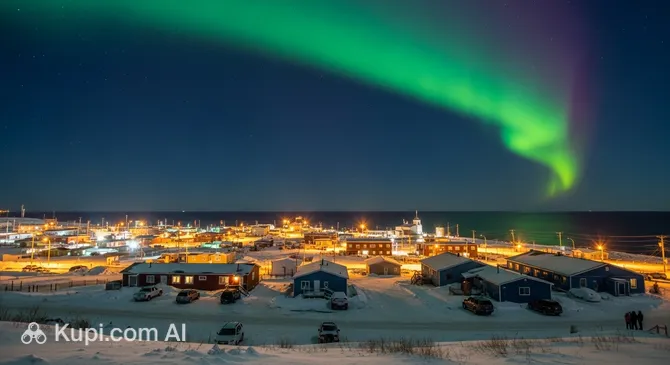
Churchill. Source: Kupi.Binoculars

The town is accessible only by air or rail, adding to its sense of adventure and isolation. While the climate is subarctic with long, cold winters and cool summers, the natural beauty of the region makes it a year-round draw for intrepid travelers. Beyond its natural wonders, the area has a fascinating past. Visitors can delve into the history of Churchill to learn about its origins as a fur-trading post and its strategic military importance, as well as the enduring heritage of the Indigenous peoples who have called this land home for centuries.

Churchill is world-renowned for three major natural spectacles. In the autumn, visitors flock here to see polar bears gathering on the coast as they wait for the sea ice to form. During the summer months, the Churchill River estuary teems with thousands of migrating beluga whales, earning the town another nickname: the "Beluga Capital of the World." Additionally, its location directly beneath the auroral oval makes it one of the premier spots on Earth to witness the mesmerizing Northern Lights.

Whether you are looking to kayak with whales, ride a tundra buggy across the frozen landscape, or simply gaze at the dancing aurora borealis, Churchill promises an unforgettable journey into the wild. It is truly a bucket-list destination for nature lovers and photographers alike.

Weather Overview

Churchill experiences a subarctic climate characterized by long, harsh winters and short, cool summers. Understanding the weather in Churchill is essential for packing the right gear, as conditions fluctuate drastically throughout the year. The town is known for its extreme seasonality, offering distinct experiences depending on when you visit.

Winters are intensely cold, with February typically being the coldest month, featuring an average temperature of -25.0°C and lows dropping to -28.0°C. Despite the freezing temperatures, this season is quite dry, with February seeing negligible precipitation. In contrast, the summer months bring a welcome thaw. August is usually the warmest time of year, with average temperatures around 13.8°C and highs reaching nearly 17°C.

While the warmer months offer relief from the cold, they also bring more moisture. The number of wet days increases significantly from summer into autumn, peaking at around 13 days in September and November. Expect cool, breezy summers with frequent chances of rain and extremely cold, dry winters that require heavy-duty thermal clothing.

Interesting Facts

Beyond the main attractions, Churchill holds many fascinating secrets and quirks that make daily life here truly unique. This remote community is defined not just by its wildlife, but by the extraordinary measures taken to coexist with it.

  • Unlocked Car Doors: It is a widely known local custom to leave car doors unlocked at all times, even when parked. This is not due to a lack of crime, but rather a safety precaution; it ensures that any pedestrian who encounters a polar bear on the street has an immediate escape route into a safe vehicle.

  • The Polar Bear Jail: Churchill is home to the world's only "Polar Bear Holding Facility," locally referred to as the polar bear jail. Bears that repeatedly wander too close to town are humanely captured and held here before being airlifted by helicopter to a remote location far away from the community.

  • Miss Piggy: Just outside the town, visitors can find a large C-46 Commando aircraft known affectionately as "Miss Piggy." The plane crashed in 1979 without fatalities and was left on the rocks, becoming a popular, albeit unusual, landmark for photographers and sightseers.

  • Rocket History: While now famous for nature, the town was once a hub for space research. The Churchill Rocket Research Range launched over 3,500 sounding rockets into the upper atmosphere between the 1950s and 1980s to study the aurora borealis and the ionosphere.

How to Get There

Reaching this remote subarctic destination is an adventure in itself, as there are no roads connecting the town to the rest of Canada. Visitors must arrive by air or rail, making the journey part of the unique experience. For a detailed breakdown of all travel options and routes, you can consult our guide on how to get to Churchill.

The most common and fastest way to arrive is via Churchill Airport (IATA: YYQ). This facility serves as the primary gateway for travelers coming from Winnipeg and other northern communities. It is located approximately 6.4 km from the town center. Once you land, the travel time to downtown is usually around 30 minutes by taxi or shuttle bus, allowing you to quickly settle in and start your exploration.

For clarity, here is a summary of the main airports:

Airport Name City Passenger Traffic Km from City
Churchill Airport Churchill Small 6.4
Arviat Arviat Small 259.2

For travelers seeking a more scenic and leisurely route, the train is a legendary option. You can arrive directly at the Churchill Railway Station (IATA: XAD), which is the northern terminus of the railway line. The station is conveniently situated just 0.3 km from the heart of the town. Because of its central location, getting to your accommodation is very quick; even with luggage, the transfer typically takes about 20 minutes.

Below is the information regarding the railway station:

Station City Passenger Traffic Km to Center
Churchill Railway Station Churchill Small 0.3

Main Attractions

Churchill is a destination where history and raw wilderness converge, offering visitors a chance to explore unique sites that tell the story of the North. While the wildlife often steals the show, the town's constructed landmarks and historical sites provide a fascinating backdrop to the natural wonders.

Prince of Wales Fort National Historic Site is a monumental reminder of the fur trade era. Built by the Hudson's Bay Company over the course of 40 years in the 18th century, this massive stone fortress stands guard at the mouth of the Churchill River. Tourists are drawn here not only for the impressive architecture—star-shaped walls designed to deflect cannon fire—but also for the immersive history. Walking through the ruins, you can imagine the rivalry between the British and French as they vied for control of the fur resources in the subarctic.

For a deep dive into the region's cultural heritage, the Itsanitaq Museum is an essential stop. This small but incredibly rich museum houses one of the world's finest collections of Inuit carvings and artifacts, some dating back to the Pre-Dorset culture. Visitors are often captivated by the intricate ivory sculptures and the displays that vividly depict the traditional lifestyle, survival skills, and spirituality of the Indigenous peoples who have thrived in this harsh environment for millennia.

Cape Merry National Historic Site offers some of the most spectacular views in the area. Located at the tip of the peninsula, this spot provides a panoramic vantage point overlooking the Churchill River and Hudson Bay. It is a favorite among photographers and nature lovers, as it is an excellent location to spot beluga whales entering the estuary in the summer. The site also features the remnants of an old stone battery, adding a layer of military history to the breathtaking scenic beauty.

Another intriguing landmark is the MV Ithaca Shipwreck, located just outside the town. This steamship ran aground during a storm in 1960 and has remained stuck in the shallow waters of Hudson Bay ever since. At low tide, visitors can walk out near the rusting hull (with caution and local guidance), making it a hauntingly beautiful subject for photography and a tangible piece of Churchill's maritime lore.

Local Cuisine

The culinary scene in Churchill is a reflection of its subarctic location and rich cultural heritage. While the town is small, the food here is hearty, comforting, and deeply connected to the land and sea. Visitors can expect a dining experience that focuses on locally sourced ingredients, wild game, and traditional preparation methods designed to warm you up after a day on the tundra.

One of the absolute must-try dishes is Arctic Char. This cold-water fish is a staple in Northern cuisine, known for its delicate flavor and pink flesh, similar to salmon or trout but with a unique texture. It is often served pan-seared or baked, highlighting its freshness. For those with a taste for game meat, Bison and Elk feature prominently on menus. You will frequently find bison burgers or hearty elk stews, offering a lean and flavorful alternative to beef that perfectly complements the rugged surroundings.

Another local specialty is Bannock, a traditional Indigenous bread that has been a dietary staple for centuries. It can be baked or fried and is often served as a side to soups and stews, or enjoyed on its own with jam. Speaking of jam, the region is famous for its wild berries, particularly cloudberries (often referred to locally as bakeapples). These tart, amber-colored berries grow in the bogs of the tundra and are transformed into delicious jams, pie fillings, and toppings for desserts, providing a sweet taste of the boreal forest.

When it comes to drinks, the focus is often on staying warm. Rich hot chocolates and freshly brewed coffee are essential companions for any excursion. For something stronger, local establishments often serve a selection of Manitoba craft beers. You might find brews inspired by the North, offering a great way to unwind and swap stories with fellow travelers after a day of spotting polar bears or beluga whales.

The food culture in Churchill is casual, unpretentious, and incredibly welcoming. There are no fast-food chains here; instead, you will find family-run businesses and hotel restaurants that serve as community hubs. Gypsy's Bakery is a legendary spot in town, beloved by both locals and tourists for its fresh pastries, hearty meals, and lively atmosphere. Whether you are grabbing a quick bite at a bakery or sitting down for a full dinner at a hotel pub, the dining experience is centered around hospitality and the shared adventure of being on the edge of the Arctic.

Travel Tips

Planning a trip to the edge of the Arctic requires a bit more preparation than your average vacation, given the remote location and extreme environment. To ensure your adventure in Churchill is as safe and enjoyable as it is memorable, here are some practical tips to help you navigate the unique challenges of the North.

  1. Clothing and Gear: The golden rule in Churchill is to dress in layers. In winter, you will need heavy-duty thermal underwear, a high-quality parka, insulated pants, and boots rated for at least -40°C; many tour operators offer rental gear if you do not own these. In summer, the weather can be unpredictable, so bring waterproof jackets and sturdy walking shoes. Crucially, if visiting in July or August, pack a bug jacket and high-strength insect repellent, as the mosquitoes and bulldog flies can be intense.

  2. Transportation: There is no public transit system like a metro or bus network in this small town. The town center is compact and walkable, but for airport transfers or trips just outside the center, local taxis are available. You generally do not need to rent a car, as most wildlife viewing is done via organized tours on specialized Tundra Buggies or boats. Ride-hailing apps like Uber do not operate here.

  3. Finances: The local currency is the Canadian Dollar (CAD). While major credit and debit cards are widely accepted at hotels, restaurants, and tour offices, it is wise to carry some cash for smaller purchases or tips. There is a bank and an ATM in town, but they can occasionally be out of service, so arriving with some cash is recommended. Tipping around 15-20% is standard practice in restaurants and for tour guides.

  4. Health and Safety: Safety here revolves primarily around wildlife. The town has a unique "Polar Bear Alert Program" with a 24-hour hotline (675-BEAR). Never walk alone in areas with poor visibility or near the shoreline, especially after dark. For medical needs, the Churchill Health Centre provides emergency services and basic care. Pharmacies are not open 24/7, so bring an adequate supply of any prescription medications you need.

  5. Communication: English is the primary language spoken throughout the town. Cell phone coverage can be spotty depending on your provider; the major networks generally work within the town limits, but signal fades quickly on the tundra. Wi-Fi is available in most hotels and some cafes, though speeds may be slower than in major cities. It is a good idea to download offline maps before you arrive.

  6. Local Etiquette: Churchill is a tight-knit, friendly community where it is customary to greet passersby with a smile or a "hello." When interacting with locals, including Indigenous residents, be respectful and polite. Always ask for permission before taking photographs of people or their private property. Patience is a virtue here; "northern time" means things happen at a more relaxed pace.

  7. What to Avoid: Do not ignore the air raid siren; if you hear it, it often signals that a polar bear is in or near the town—seek shelter immediately. Additionally, avoid walking between the rocks along the coast, as bears can easily blend in and surprise you. Never attempt to feed or approach wildlife; it is illegal and dangerous for both you and the animal.

  8. Grocery Tips: Be prepared for "northern prices" at the local grocery store, as most goods have to be freighted in by train or plane. If you have specific dietary snacks or personal toiletries you cannot live without, it is often more economical and convenient to buy them in a larger city before you travel north.

With these tips in mind, you are ready to embrace the wild beauty of the subarctic with confidence. Stay alert, respect the powerful nature surrounding you, and enjoy the warm hospitality that makes this isolated community so special.

Entertainment & Nightlife

Nightlife in Churchill is a unique experience that reflects the town's remote, subarctic character. You will not find sprawling nightclub districts, neon-lit dance floors, or midnight markets here. Instead, the evening entertainment is defined by cozy atmosphere, storytelling, and a strong sense of community. The "nightlife" is centered along Kelsey Boulevard, the main street where locals and visitors from around the world gather to unwind after a day of exploration. The vibe is incredibly casual and welcoming; hiking boots and fleece jackets are the standard dress code, and the conversations often revolve around the day's wildlife sightings.

For those looking to enjoy a drink and a hearty meal, the options are limited but full of character. The Tundra Inn Pub is widely considered the social heartbeat of the town. It offers a rustic, laid-back environment where you can enjoy local craft beers and live music on select evenings. It is the perfect place to swap stories with fellow travelers and meet friendly locals. Another popular spot is Captain's Cove, located within the Seaport Hotel. This venue serves as a comfortable restaurant and lounge, offering a warm refuge from the cold with a menu featuring both standard pub fare and local specialties.

In Churchill, the most spectacular "night club" is the sky itself. During the aurora season, the primary nocturnal activity is chasing the Northern Lights. Many visitors spend their nights far away from the town lights, often in heated viewing domes or specialized Tundra Buggies, watching the green and purple ribbons dance across the stars. This natural light show provides an entertainment experience that rivals any man-made venue.

When venturing out at night, safety is the absolute priority. The town is situated in the middle of polar bear country, and bears can—and do—wander into town, especially after dark. Walking alone at night is strongly discouraged, even for short distances within the town limits. It is essential to remain vigilant and heed the advice of locals. For getting around safely, relying on local taxi services is the best practice. Taxis are readily available and affordable for the short hops between hotels, restaurants, and the airport.

While the evenings are for relaxing or aurora hunting, daytime entertainment in Churchill offers a different kind of cultural immersion. Beyond the wildlife tours, visitors can explore the Parks Canada Visitor Centre located at the train station, which features interactive exhibits on the region's history and ecology. The Town Centre Complex is another hub of activity, housing a library, a swimming pool, and a playground, offering a glimpse into the daily lives of the residents who call this extraordinary place home.

Parks & Museums

While Churchill does not feature the manicured flower gardens or playgrounds typical of southern cities, its "green spaces" are vast, untamed expanses of subarctic beauty. The town serves as a gateway to some of the most pristine wilderness areas in Canada, where the landscape itself is the main attraction. Cultural exploration here is equally fascinating, with venues dedicated to the region's rich Indigenous heritage, fur-trading history, and unique ecology.

For nature enthusiasts, Wapusk National Park is a site of global significance. Its name means "White Bear" in Cree, and it protects one of the largest polar bear maternity denning areas in the world. Unlike traditional parks, Wapusk is a remote wilderness that is largely inaccessible to casual foot traffic; it is best experienced through licensed tour operators who can navigate the rugged terrain safely. The park transitions from boreal forest to arctic tundra, offering a protected habitat not only for bears but also for wolves, moose, and hundreds of bird species.

Closer to town, the Churchill Wildlife Management Area offers a more accessible taste of the tundra. This is the primary area where the famous Tundra Buggies operate, allowing visitors to traverse the rocky ridges and wetlands to view wildlife. In the summer, the area transforms into a tapestry of wildflowers, lichens, and berries. It is a spectacular location for birdwatching, where you might spot rare species like the Ross's gull or the peregrine falcon amidst the stunning backdrop of the Hudson Bay coast.

In terms of cultural institutions, the Parks Canada Visitor Centre, located within the historic train station, serves as an excellent educational hub. This facility functions as a museum, offering interactive exhibits that delve into the history of the fur trade and the construction of the nearby fortifications. It also features detailed displays on the local ecosystem, providing visitors with a deeper understanding of the life cycles of polar bears and beluga whales. It is a perfect starting point for families and history buffs alike.

For those interested in local artistry, the Arctic Trading Company operates as both a store and a gallery, showcasing the incredible craftsmanship of the region. Here, you can view and purchase authentic handmade items such as caribou hair tuftings, birch bark bitings, and intricately beaded moccasins. It is a vibrant space that celebrates the artistic traditions of the Cree, Dene, and Inuit peoples, offering a cultural connection that goes beyond standard souvenirs.

For a unique local experience, take a walk behind the Town Centre Complex to visit the Inukshuk statue. This stone landmark stands on the Precambrian shield rocks overlooking the bay and offers a peaceful spot for reflection. It is an iconic location for photography, especially at sunset, and provides a quiet place to listen to the waves of the Hudson Bay crashing against some of the oldest rocks on Earth.

Getting Around

Due to its small population and remote nature, Churchill does not possess a conventional public transport system like those found in major cities. There are no metros, trams, trolleybuses, or municipal bus networks operating within the town. The community is compact and laid out on a grid, making it highly walkable. Most key locations, including hotels, restaurants, and the train station, are located within a short distance of each other, allowing visitors to navigate the town center easily on foot.

For transportation beyond the immediate downtown area, such as transfers to the airport or trips to local landmarks, taxis are the primary option. Local taxi services are reliable and familiar with the needs of tourists. Since there is no centralized ticketing system or travel pass, payment is made directly to the driver. Fares are typically standard or flat-rate for common routes like the airport transfer. While some drivers may accept cards, it is highly recommended to carry Canadian currency (cash) to ensure smoother transactions.

A unique feature of transport in this region, though used exclusively for sightseeing rather than commuting, is the Tundra Buggy. These massive, specialized all-terrain vehicles are designed to navigate the rough tundra and semi-frozen waters safely. While you cannot use them as a public shuttle, they are the standard mode of travel for accessing the wildlife areas. Tourists generally book seats on these vehicles through tour operators well in advance of their trip.

Regarding alternatives, car rentals are available but are very limited in number and can be expensive compared to southern destinations. Most visitors find that a rental car is unnecessary because tour operators typically provide shuttle buses to and from hotels for excursions. In the summer months, bike rentals may be an option for those who wish to explore the coast independently, but riders must always be vigilant about wildlife safety and stay within designated areas.

Practical advice for tourists involves relying on the shuttle services included with your accommodation or tour packages. If you require a taxi, it is best to call the dispatch number in advance rather than expecting to hail one on the street. Taxis generally operate around flight and train schedules, but service late at night can be sparse. Always confirm the price with the driver before starting your journey to avoid confusion.

Accommodation

Accommodation in Churchill is quite different from what you might find in a typical tourist destination. There are no sprawling luxury resorts or international hotel chains here. Instead, the town offers a small but welcoming selection of locally owned lodges, inns, bed and breakfasts, and modest hotels. The options range from simple, budget-friendly rooms to more comfortable, mid-range establishments that provide a cozy refuge from the subarctic elements. The focus is on hospitality and warmth rather than opulence, with many places featuring rustic decor that complements the rugged surroundings.

Geographically, the choice of location is very straightforward. The vast majority of accommodation is concentrated along or near Kelsey Boulevard, the town's main thoroughfare. Staying in this central area is highly convenient, as it places you within easy walking distance of the grocery store, local restaurants, the post office, and the train station. Given the town's compact size, you are never far from the action, but staying centrally means you can easily retreat to your room to warm up between excursions.

While the selection is limited, there are several well-regarded establishments that have hosted travelers for decades. Visitors often choose places like the Seaport Hotel, which is known for its central location and onsite dining, or the Tundra Inn, a family-run business that offers a comfortable, home-away-from-home atmosphere. For a more unique experience, the Lazy Bear Lodge is famous for its log-cabin architecture, built from wood reclaimed from a forest fire, offering a rustic charm that fits perfectly with the northern wilderness experience.

Booking advice: This cannot be overstated—you must book your accommodation well in advance. During the peak polar bear season (October and November) and the beluga whale season (July and August), rooms are often sold out six months to a year ahead of time. Many hotels block out rooms for tour operators, so independent travelers need to be particularly proactive. If you are planning a trip during these high-demand windows, securing your lodging should be your very first step.

regarding costs, visitors should be prepared for prices that are generally higher than in southern Canadian cities. Due to the remote location and the short tourism season, rates fall into the mid-to-high range. While some budget options exist, they are scarce. Most bookings can be made via online travel platforms or directly through the hotel's website. Additionally, many visitors opt for all-inclusive vacation packages, where accommodation is bundled with guided tours and meals, simplifying the logistics of a trip to the edge of the Arctic.

Nearby Cities

For those looking to explore the surroundings, Churchill serves as an excellent base for day trips to several interesting nearby locations. However, it is important to note that "nearby" in the Canadian North is a relative term. Since there are no roads connecting Churchill to its neighbors, these excursions typically involve a short flight or a train journey, turning them into unique adventures into the heart of the subarctic and Arctic regions.

Arviat is the closest community to Churchill, located just north of the Manitoba border in the territory of Nunavut. Accessible by a short flight, this hamlet is a cultural treasure, renowned for its rich Inuit heritage and vibrant arts scene. Visitors here can experience traditional throat singing, drum dancing, and view exquisite stone carvings. It is also a prime location for spotting wildlife, including caribou and polar bears, in a landscape that feels truly untouched.

Further south lies Thompson, known as the "Hub of the North." Often the starting or ending point for those traveling by train to Churchill, this city offers a different slice of northern life. It is famous as the "Wolf Capital of the World" and features the Spirit Way, a walking path adorned with stunning wolf statues and murals. Nature lovers visiting Thompson can also explore the nearby Pisew Falls Provincial Park, home to Manitoba's second-highest waterfall.

For those interested in Indigenous art, Rankin Inlet (Kangiqliniq) in Nunavut is a compelling destination. As a regional business and transportation hub, it is famous for its unique ceramics produced at the Matchbox Gallery. The town offers a fascinating blend of modern industry and traditional Inuit culture, along with archaeological sites that date back to the Thule people, the ancestors of the modern Inuit.

City Population Distance (km)
Thompson 13678 403
Arviat 3300 261
Rankin Inlet 2800 464
Pukatawagan 1800 547
Oxford House 1700 430

These nearby destinations offer a glimpse into the diverse culture and landscapes of the region, providing a broader understanding of life in Canada's vast North.

Shopping & Souvenirs

Shopping in Churchill is a unique experience that mirrors the town's character: small-scale, authentic, and deeply connected to the local culture. You will not find sprawling shopping centers, designer boutiques, or international chains here. Instead, the retail scene is focused on essential goods for life in the North and high-quality local artistry. For visitors, shopping is primarily an opportunity to discover Indigenous crafts, specialized winter gear, and distinct regional souvenirs that you cannot find anywhere else.

The main hub for all commercial activity is Kelsey Boulevard. This is the town's primary artery, and almost every shop of interest to a tourist is located along this dusty (or snowy) stretch. A stroll down this street allows you to visit the majority of the local businesses within a few minutes. It is a laid-back environment where shop owners are often happy to chat about the history of their wares and the stories behind the local artists.

There are no shopping malls in Churchill. The closest thing to a general department store is The Northern Store, a staple in remote Canadian communities. It sells everything from groceries and hardware to clothing and snowmobiles. While it is not a "mall" in the traditional sense, it is a fascinating place to visit to see the logistics of northern living and the prices of everyday goods in the subarctic. The Town Centre Complex also houses a few facilities, but it is more of a recreational and community hub than a shopping destination.

While there are no formal flea markets or weekly street markets, the Arctic Trading Company functions as a cultural marketplace. It is an iconic institution in town, filled to the brim with handmade goods. Walking inside feels like stepping into a trading post from a bygone era, where you can browse through an extensive collection of local crafts, furs, and books. It effectively serves the role of a market for those looking for variety and local flavor.

When it comes to souvenirs, Churchill offers exceptional quality. The most prized items are Inuit soapstone carvings and traditional Indigenous artwork. You can find intricate sculptures of polar bears, narwhals, and hunters, often signed by the artists. Handmade moccasins, mukluks (winter boots), and gauntlets adorned with beadwork or fur are also popular and practical purchases. For a taste of the tundra, look for jars of cloudberry jam (locally known as bakeapple) or fireweed jelly, which make for delicious and easy-to-pack gifts.

Store opening hours are generally standard, typically from 9:00 AM or 10:00 AM to 5:00 PM or 6:00 PM. However, hours can be reduced on weekends, and some smaller shops may close on Sundays. It is also worth noting that hours may fluctuate depending on the tourist season; shops are often open longer during the peak polar bear season in October and November. Regarding payment, major credit and debit cards are widely accepted in most establishments. However, carrying some cash (Canadian Dollars) is advisable for smaller purchases or if you are buying directly from a local artist.

Tourists should be aware that the Goods and Services Tax (GST) and Provincial Sales Tax (PST) are applicable to most purchases in Manitoba. While Canada used to have a tax refund program for visitors, it was discontinued several years ago. Therefore, the price you pay at the register, including tax, is generally final, and tax-free shopping is not a standard feature for tourists in this region.

Nearby cities

Reached the end of the page?

That means the route is fully explored