Support

Arviat

About

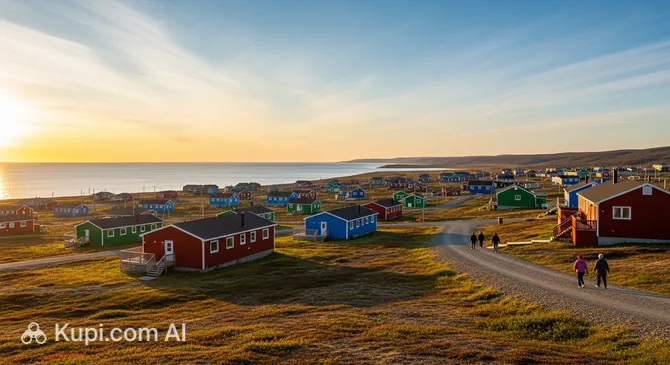
Welcome to Arviat, a vibrant and culturally rich community located on the western shores of Hudson Bay. As the southernmost community on the mainland of Nunavut, it serves as a unique gateway to the Arctic, blending traditional Inuit heritage with the breathtaking beauty of the tundra. Situated geographically close to the center of Canada, Arviat offers travelers a rare opportunity to experience life in the North, where the land and sea shape the daily rhythm of its approximately 3,300 residents.

The settlement has deep roots in the region. Visitors interested in the past can explore the fascinating history of Arviat, which transformed from a seasonal hunting camp for the Paallirmiut Inuit into a permanent community formerly known as Eskimo Point. Today, it is renowned as an artistic hub, celebrated for its skilled stone carvers, seamstresses, and musicians who keep the local traditions alive and thriving.

Arviat. Source: Kupi.Binoculars

Nature enthusiasts are drawn to Arviat for its incredible wildlife observation opportunities. The area is located along the migration path of the Qamanirjuaq caribou herd and is a prime spot for viewing polar bears, especially in the autumn months. Nearby, the McConnell River Migratory Bird Sanctuary attracts thousands of nesting waterfowl, making it a paradise for birdwatchers. Whether you are looking to immerse yourself in Inuit culture or witness the raw power of Arctic nature, Arviat promises an unforgettable adventure.

Weather Overview

Travelers planning a visit to this Arctic community should be prepared for a climate defined by distinct seasonal contrasts. The local environment is shaped by long, freezing winters and short, mild summers, which dictate the rhythm of life on the Hudson Bay coast. To help you pack appropriately for your specific travel dates, we recommend checking the detailed weather in Arviat before your journey.

Winter conditions are intense, with February typically being the coldest month, where average temperatures drop to -28.6°C and minimums can plunge below -31°C. The warmer season brings a welcome change; July is generally the warmest month, featuring average temperatures of 12.7°C and highs that can reach 16.5°C. While total precipitation volume remains low throughout the year (often just 1–3mm), the frequency of precipitation increases in late summer, with August and September experiencing up to 12 wet days each. Expect mild summers with frequent light moisture and extremely cold, relatively dry winters.

Interesting Facts

Beyond the main attractions, Arviat holds many fascinating secrets that highlight its unique position in the Arctic. Here are some little-known facts that reveal the true character of this resilient community.

  • The "Halloween Howl" Phenomenon: Due to the high density of polar bears migrating through the area in late October, Arviat has adapted its traditions for safety. Instead of trick-or-treating door-to-door, the entire town celebrates with a massive indoor party known as the "Halloween Howl," ensuring children can have fun without the risk of encountering a bear on the streets.

  • Closest to the Heart of the Nation: Arviat is the nearest permanent settlement to the geographic center of Canada. While the exact mathematical center lies in the wilderness just west of Hudson Bay, Arviat serves as the closest human community to this significant national landmark.

  • Place of the Bowhead Whale: The name "Arviat" is derived from the Inuktitut word arviq, which means "bowhead whale". Before reclaiming its traditional name in 1989, the community was known as Eskimo Point, a name given by seafarers who noted the geography's resemblance to a whale's shape.

  • A Youthful Hub: Arviat boasts one of the youngest populations in the country. With a median age that has hovered around 20–25 years old in recent censuses, the community is vibrant and growing, driven by a new generation that actively preserves Inuit language and culture.

How to Get There

Reaching this remote Arctic destination is an adventure in itself, primarily relying on air travel due to the absence of connecting roads. For those planning their logistics, you can read more about how to get to Arviat and the available transport options. The community is strictly a fly-in location, making the local airport the essential hub for all arrivals and departures.

The most direct entry point is Arviat Airport (IATA: YEK), conveniently located just 1.6 km from the center of the town. This facility handles the majority of passenger traffic into the community. Upon landing, the transfer to the main settlement is very short; a local taxi or shuttle can cover the distance in approximately 5 to 10 minutes. Travelers should be aware that flight schedules can be weather-dependent, which is typical for the region.

Since direct flights from major southern cities are rare, most visitors connect through regional hubs. Rankin Inlet Airport (IATA: YRT), located in the city of Rankin Inlet about 215 km north, is a key transit point. It serves as a major hub for the Kivalliq region with significant passenger volume. Another common connection point is Churchill Airport (IATA: YYQ) in Churchill, Manitoba, situated approximately 264 km to the south. From either of these airports, travelers catch connecting flights to reach Arviat.

For clarity, here is a summary of the main airports:

Airport Name City Passenger Traffic Km from City
Rankin Inlet AirportRankin InletHigh215.5
Churchill AirportChurchillMedium263.7
ArviatArviatSmall1.6

While there are no rail lines leading directly to Arviat, the Churchill Railway Station (IATA: XAD) in Churchill serves as the closest rail link. Located roughly 261 km south of Arviat, this station is the northern terminus of the rail line from Winnipeg. Since there are no roads connecting Churchill to Arviat, travelers arriving by train must transfer to an aircraft for the final leg of the journey across the Hudson Bay coast.

Below is the information for the nearest railway station:

Station City Passenger Traffic Km to Center
Churchill Railway StationChurchillMedium260.8

Main Attractions

Discovering Arviat means immersing yourself in the raw beauty of the Arctic and the deep traditions of the Inuit people. While the community does not feature typical tourist monuments, its attractions are rooted in the landscape, wildlife, and the vibrant culture of its residents. Visitors here are treated to authentic experiences that offer a glimpse into life on the edge of the Hudson Bay.

A must-visit starting point for any traveler is the Margaret Aniksak Visitor Centre. This facility serves as the cultural heart of the hamlet, offering interpretive displays that showcase the rich history of the Paallirmiut Inuit. Inside, you can explore exhibits featuring traditional clothing, tools, and artifacts that tell the story of the region's transition from nomadic camps to a permanent settlement. It is also an excellent resource for learning about local wildlife and arranging guided tours with community experts.

For nature enthusiasts, the McConnell River Migratory Bird Sanctuary is a world-class destination located just south of the community. This federally protected area is designated as a Ramsar site of international importance and is home to one of the largest breeding colonies of lesser snow geese on the planet. During the migration season, the sky and land are filled with hundreds of thousands of birds, creating a breathtaking visual and auditory spectacle that draws birdwatchers and photographers from around the globe.

Arviat is also widely recognized as a premier destination for Inuit Art. The community is renowned for its unique style of stone carving, which is often described as more abstract and raw compared to art from other Arctic regions. Visitors have the rare opportunity to meet master carvers and seamstresses in their home studios, allowing for a personal connection with the artists. Purchasing a piece of soapstone sculpture or a handmade wall hanging directly from the creator is a highlight for many, serving as a tangible memory of the North.

Finally, the surrounding tundra offers the incredible chance to witness the Qamanirjuaq Caribou Herd. As one of North America's largest barren-ground caribou herds, their seasonal migration passes near the community, offering unparalleled wildlife viewing opportunities. Guided excursions onto the land allow tourists to safely observe these majestic animals in their natural habitat, an experience that underscores the vastness and wildness of the Nunavut landscape.

Local Cuisine

The culinary landscape of Arviat is deeply rooted in the traditions of the Inuit and the abundant resources of the tundra and Hudson Bay. In this Arctic community, the local diet revolves around "Country Food" (Inuktitut: niqituinnaq), which consists of wild game and fish harvested from the surrounding land and waters. For visitors, the cuisine offers a rare opportunity to taste foods that are organic, nutrient-dense, and integral to the local way of life.

Among the most iconic foods to try is caribou, which serves as a staple protein. It is prepared in various ways, from hearty stews to quak—frozen raw meat that is sliced thin and eaten as a warming energy source. Arctic char is another delicacy, often enjoyed fresh, frozen, or dried as pipsi. For a truly traditional experience, adventurous eaters might try maktaaq (whale skin and blubber), which is prized for its unique texture and high vitamin C content. Accompanying almost every meal is bannock, a simple but delicious fried or baked bread that is a comfort food across the North.

When it comes to beverages, hot tea is the undisputed drink of choice. It plays a central role in social hospitality; a pot is always on, and sharing a cup is the standard way to welcome guests or warm up after a day outdoors. It is critical for tourists to be aware that Arviat is a dry community. The possession and consumption of alcohol are prohibited by local regulation, meaning there are no bars, pubs, or liquor stores. The social culture focuses instead on community gatherings involving food, tea, and conversation.

The dining scene in Arviat is informal and limited compared to southern cities. You will not find a bustling district of restaurants or cafes. Most visitors eat at the dining rooms of local hotels, such as the Padlei Inn, or purchase prepared foods and groceries from the Northern Store or the local Co-op. However, the best way to experience the food culture is through community feasts held at the community hall during special events, where the spirit of sharing—a core Inuit value—is most vibrant.

Travel Tips

Visiting Arviat is a truly unique experience that requires careful preparation to fully enjoy the beauty of the Arctic tundra. Because of its remote location and distinct northern culture, a little advance planning goes a long way in ensuring your trip is comfortable, safe, and respectful of local traditions.

  1. Clothing and Gear: The weather in Nunavut is unpredictable and harsh, so dressing in layers is non-negotiable. Even in summer, bring a windproof and waterproof jacket, warm sweaters, and sturdy hiking boots for walking on the tundra. In winter, you will need serious Arctic gear: a heavy parka, insulated pants, heavy-duty mittens, and boots rated for extreme cold (down to -40°C). Don't forget polarized sunglasses to protect against the glare of the sun on snow or water.

  2. Transportation: There is no public transit system like buses or trains within the hamlet. The community is compact enough to be walkable, which is the best way to soak in the atmosphere. For longer distances or during bad weather, local taxi services are available and typically charge a flat rate per person per trip. Rental cars are generally not available, but locals often get around by ATV in the summer and snowmobile in the winter.

  3. Finances: The currency used is the Canadian Dollar (CAD). While the main grocery stores (Northern Store and Co-op) accept credit and debit cards, it is highly recommended to carry cash. You will need cash for taxis and, most importantly, for purchasing beautiful soapstone carvings or wall hangings directly from local artists. There are ATMs in the main stores, but they can occasionally be out of service, so bring enough cash with you.

  4. Health and Safety: Arviat is known for having a high population of polar bears, especially in the autumn. Never wander outside the community limits without a local guide or proper safety gear; bear encounters are a real risk. For medical needs, there is a local Health Centre staffed by nurses, but it is not a full-service hospital. Serious medical emergencies require an air ambulance evacuation to a major city, so comprehensive travel insurance is essential.

  5. Communication: English is widely spoken and understood, so you will have no trouble communicating. However, the primary language for many residents is Inuktitut. Learning a simple greeting like "Tunngasugit" (Welcome) or saying "Matna" (Thank you) is deeply appreciated. Cell phone coverage is available but may be limited to specific major carriers; check with your provider beforehand. Wi-Fi is available at hotels but may be slower than what you are used to in southern Canada.

  6. Local Etiquette: The community is warm and welcoming, but it is important to respect local norms. It is customary to remove your shoes immediately upon entering a home, hotel, or even some public offices to keep the floors clean from mud and snow. When buying art, ask the artist about the story behind the piece; it is a sign of respect for their work and culture.

  7. What to Avoid: Do not bring alcohol into the community. Arviat is a "dry" community, meaning the possession, consumption, and transport of alcohol are strictly prohibited. Violating this rule is not only disrespectful but can lead to legal trouble and confiscation of your goods. Also, avoid photographing locals, especially elders and children, without explicitly asking for permission first.

  8. Shopping Tip: Be prepared for "northern prices." Groceries and everyday items are significantly more expensive than in the south due to the high cost of air freight. If you have specific dietary needs or crave fresh produce, you might consider packing some non-perishable snacks or essential items in your luggage to save money.

By keeping these practical tips in mind, you will be well-equipped to navigate the logistics of your Arctic adventure. Arviat offers a warm welcome to those who arrive with an open mind and a respectful spirit, promising memories of the North that will last a lifetime.

Entertainment & Nightlife

Entertainment in Arviat differs significantly from what travelers might expect in southern cities. As a strictly "dry" community where the sale and consumption of alcohol are prohibited, you will not find any bars, nightclubs, pubs, or liquor stores here. Instead of a bustling nightlife district fueled by drinks, the evening atmosphere is defined by warm community gatherings, traditional festivities, and the spectacular natural light shows of the Arctic sky. The "nightlife" here is family-oriented, culturally rich, and centered around social interaction rather than partying.

The heartbeat of social life after dark is undoubtedly the Arviat Community Hall. This is the central venue for the town's most popular evening activities. Depending on the schedule, you might stumble upon a high-energy square dance, a tradition that has been adapted and embraced by the Inuit with incredible enthusiasm. These dances often feature live accordion music and can last late into the night. Another major pastime is community bingo, which is taken very seriously and draws large crowds. It is a fantastic way to meet locals and witness the tight-knit nature of the hamlet.

For dining out in the evening, options are limited but welcoming. The dining room at the Padlei Inn is the primary spot for a sit-down meal. While it is not a "night restaurant" in the cosmopolitan sense, it serves as a social hub where visitors and locals cross paths. The atmosphere is casual and relaxed; there is no dress code, and practical, warm clothing is the norm. Opening hours for food service can be strict, so it is advisable to check meal times in advance to avoid going hungry.

One of the most breathtaking forms of night entertainment in Arviat is provided by nature itself. During the darker months, the lack of light pollution makes the hamlet a prime location for viewing the Aurora Borealis (Northern Lights). On clear nights, the sky comes alive with dancing ribbons of green, pink, and violet. Visitors often head slightly away from the bright streetlights—while staying safely within the community boundaries—to capture photographs or simply marvel at the display.

Safety and Practical Advice:

When venturing out at night, safety is paramount, but not for the reasons typical in big cities. The primary concern in Arviat is wildlife. Polar bears are frequent visitors to the area, especially in late autumn (October and November). It is critical to stay in well-lit areas and never walk alone on the outskirts of town after dark. The community operates a bear patrol during peak migration, but vigilance is required. To get around safely, use the local taxi service, which charges a flat per-person rate (usually around $7–$10 CAD). Cash is essential for taxis and for participating in events like bingo.

Daytime Entertainment:

Before the sun sets, Arviat offers distinct cultural experiences. The Margaret Aniksak Visitor Centre is the best place to learn about the history of the Paallirmiut Inuit and see local artifacts. The town is also famous for its artistic community; you can spend your day visiting the homes of local carvers and seamstresses to see them work and purchase soapstone carvings or beaded garments directly. For outdoor lovers, guided tours onto the tundra offer chances to see caribou and arctic wildlife, providing a full day of adventure before the quiet, starry evening settles in.

Parks & Museums

In Arviat, the concept of parks and museums extends far beyond the walls of buildings or fenced gardens. Here, the vast Arctic tundra serves as a limitless green space, and the living culture of the community acts as a dynamic, open-air gallery. Visitors will find that the preservation of history and nature is woven directly into the daily life of the hamlet, offering an immersive experience rather than a series of static exhibits.

Key Parks and Green Spaces

While you will not find manicured city parks, the McConnell River Migratory Bird Sanctuary serves as the region's premier protected natural area. Located south of the hamlet, this designated Ramsar site is a wetland of international importance. It is a sprawling landscape of coastal marshes and lowlands that transforms into a vibrant ecosystem during the warmer months. For nature lovers, it offers a raw, untouched environment where the sheer scale of the Arctic sky meets the rich biodiversity of the Hudson Bay coast.

The Hudson Bay Shoreline acts as the community's most accessible natural recreational area. In the summer, the rocky beaches and tidal flats become a place for walking, reflection, and wildlife spotting. It is a natural "park" where locals and visitors alike can watch for beluga whales in the harbour or simply enjoy the cool sea breeze. The stark beauty of the coastline, with its shifting tides and drift ice, provides a serene backdrop for hiking and photography just steps away from the town center.

Museums and Galleries

The cultural anchor of the community is the Margaret Aniksak Visitor Centre. Functioning as the town's primary museum, it houses a curated collection of Inuit artifacts that illustrate the ingenuity and resilience of the Paallirmiut people. Exhibits often include traditional skin clothing, hunting tools, and archaeological finds that trace the transition from nomadic life to permanent settlement. It is an essential stop for anyone wishing to understand the deep historical context of the Kivalliq region.

Arviat is often described as a "living museum" of Inuit Art. Unlike cities with formal art districts, the galleries here are the home studios of world-renowned carvers and seamstresses. The community is famous for its distinct style of stone sculpture—often minimal and rugged—and its intricate beadwork. Visitors are encouraged to engage with the art scene by visiting local co-ops or arranging visits to artists' workshops, where the creative process can be observed firsthand, making the entire hamlet feel like an active cultural exhibition.

Historical and Architectural Sites

History in Arviat is marked by the presence of early religious and trading structures. The site of the original Hudson's Bay Company trading post and the early missions, such as the Anglican mission established in the 1920s, represent the era of contact between the Inuit and European traders. While some original structures have changed over time, the locations remain significant landmarks that tell the story of the community's founding as "Eskimo Point."

Authentic Experiences

For a truly local experience, venture out onto the tundra in late summer to participate in berry picking. The land around Arviat is rich with cloudberries (aqpik), blueberries, and crowberries. Joining locals in this harvest is not just a way to taste fresh Arctic produce; it is a social activity that connects you to the land and the seasonal rhythms of life in Canada's North.

Getting Around

Public transport in Arviat differs significantly from the systems found in larger metropolitan areas. There is no municipal bus network, metro, tram, or trolleybus service operating within the hamlet. Due to the community's compact size and remote location, the transportation infrastructure is simple and functional, designed to meet the specific needs of residents in an Arctic environment. For visitors, this means that navigating the town is straightforward, though it requires adjusting to a different pace and style of travel.

The primary form of "public" transportation available to tourists is the local taxi service. These are standard passenger vehicles that operate somewhat differently than taxis in major southern cities. Instead of a metered fare based on distance or time, taxis in Arviat typically charge a flat rate per person, per trip, regardless of where you are going within the community limits. It is also common practice for taxis to pick up multiple passengers along the way, so do not be surprised if you share your ride with locals heading to the store or visiting family.

When it comes to payment, cash is the absolute standard. While the town has modern amenities, taxi drivers generally do not carry card terminals and mobile payment apps are not used for transport services here. Visitors should ensure they carry sufficient Canadian currency in small denominations (typically $5, $10, and $20 bills) to cover their fares. The flat rate is usually quite affordable, often ranging between $7 and $10 CAD per person, but prices can vary slightly depending on the operator or time of day.

For those preferring to explore on their own terms, walking is a viable and popular option, especially given that the entire community is contained within a relatively small area. Most major points of interest, including the hotels, the Northern Store, and the Visitor Centre, are within walking distance of one another. However, tourists must be mindful of the extreme weather conditions. In winter, walking requires heavy-duty Arctic gear, and during polar bear migration season in the autumn, walking alone on the outskirts of town is unsafe and strongly discouraged.

Alternatives such as car-sharing services (like Uber or Lyft) or conventional car rental agencies do not exist in Arviat. Instead, the "traffic" you will see on the roads consists largely of All-Terrain Vehicles (ATVs) in the summer and snowmobiles in the winter. These are the personal vehicles of choice for locals navigating the rugged terrain. While tourists cannot typically rent these for independent use due to safety and insurance reasons, they are often the mode of transport used during guided tours or excursions out onto the tundra.

Accommodation

Accommodation in Arviat is limited and functional, reflecting the remote nature of this Arctic community. Unlike major tourist destinations with a wide array of options, the hamlet primarily caters to government workers, contractors, and specialized travelers. You will not find budget hostels, luxury resorts, or extensive vacation rental networks here. Instead, the town offers a small selection of hotels and inns that provide warm, comfortable, and essential amenities designed to withstand the northern climate.

Given the compact size of the community, location is convenient regardless of where you stay. Most accommodation providers are situated centrally, keeping you within a short walking distance of key services like the airport, the Northern Store, and the Margaret Aniksak Visitor Centre. Staying in the heart of the hamlet allows for easy interaction with locals and quick access to the few dining options available, which are often located within the hotels themselves.

The available lodgings are typically standard hotels or inns. These establishments generally offer rooms with private baths, cable television, and Wi-Fi, though internet speeds may be slower than what visitors are accustomed to in the south. A well-known example in the community is the Padlei Inn, which serves as a primary base for many visitors and features an on-site dining room. These facilities focus on practicality and warmth, offering a safe haven from the often harsh outdoor elements.

Travelers should be aware that accommodation prices in Arviat are significantly higher than for comparable facilities in southern Canada. This "northern pricing" reflects the high cost of utilities, maintenance, and shipping goods to a fly-in community. Rates are typically in the mid-to-high range. Booking methods are often traditional; while some information might be found online, it is frequently most effective to book directly by phone or email to confirm availability.

Booking Tip: Capacity is very limited. During the summer construction season or when official meetings are taking place, rooms can be fully booked weeks in advance. It is crucial to secure your reservation as soon as your travel dates are confirmed to avoid being left without a place to stay.

Nearby Cities

For those looking to explore beyond the immediate vicinity, Arviat serves as a starting point for regional connections to other unique locations in the Arctic. It is important to note that travel between these nearby communities to visit requires flights, as there are no connecting roads across the tundra. Planning these air journeys offers a chance to experience the broader culture of the Kivalliq region and the northern provinces.

City Population Distance (km)
Thompson13678637
Rankin Inlet2800216
Baker Lake2069371
Pukatawagan1800732
Oxford House1700689

These destinations range from key regional hubs to smaller settlements, each providing a different perspective on life in the North.

Shopping & Souvenirs

Shopping in Arviat offers a perspective vastly different from the commercial centers of the south. You will not find sprawling shopping malls, designer boutiques, or pedestrian high streets here. Instead, the retail experience is focused on essential survival gear, daily sustenance, and, most notably, world-class indigenous art. For visitors, the primary allure lies not in browsing international brands, but in the unique opportunity to acquire authentic Inuit crafts directly from the source, supporting the local economy and taking home a piece of the Arctic's cultural heritage.

The commercial activity of the hamlet is concentrated within a few central blocks, making it easily navigable on foot. There is no specific "shopping district" in the traditional sense; rather, the town's stores serve as multi-purpose community hubs. These locations are where residents gather not just to purchase goods, but to catch up on local news, making a trip to the store a social event as much as an errand.

In the absence of traditional malls, the retail landscape is dominated by two major general stores: the Northern Store and the Padlei Co-op. These establishments function as the department stores of the North, stocking everything from groceries and fresh produce to ATVs, snowmobiles, winter parkas, and hardware. For a tourist, a visit to these stores provides a fascinating glimpse into the logistics of life in a fly-in community, where the price and variety of goods on the shelves are dictated by air freight schedules and sealift arrivals.

While there are no formal flea markets, the entire community operates as an informal marketplace for Inuit art. Arviat is renowned for its specific style of stone carving, which is often characterized by a rugged, minimal aesthetic that differs from the more polished works found elsewhere. The best "market" experience often involves visiting the Margaret Aniksak Visitor Centre, which frequently displays works for sale, or arranging visits to artists' homes. Here, you can purchase soapstone sculptures, antler carvings, and intricate wall hangings directly from the creators.

When looking for souvenirs, the most prized items are undoubtedly handmade Inuit crafts. Beyond stone carvings, Arviat is famous for its textile arts. Look for wall hangings made of felt and embroidery that depict scenes of traditional life, legends, or Arctic wildlife. Additionally, locally made clothing such as kamiks (traditional boots) or mitts trimmed with fur are not only beautiful keepsakes but are also practical for the climate. Beaded jewelry and dolls are also popular and easier to transport in your luggage.

Store hours in Arviat are generally consistent, typically opening from roughly 10:00 AM to 6:00 PM or 7:00 PM on weekdays, with reduced hours on Saturdays. It is important to note that many businesses may be closed or have very limited hours on Sundays. Regarding payment, the main stores (Northern and Co-op) accept major credit and debit cards. However, if you plan to purchase art directly from local carvers or seamstresses at their homes, cash is essential. ATMs are available in the main stores, but carrying enough cash with you is recommended to ensure you don't miss out on a unique piece.

Travelers from other parts of the world or even other provinces in Canada will find the tax situation in Nunavut straightforward. There is no Provincial Sales Tax (PST) in the territory. Purchases are subject only to the federal Goods and Services Tax (GST) of 5%. While there is no specific tax refund program for general tourist goods in Canada, the lower overall tax rate compared to southern provinces makes purchasing higher-value items like art slightly more economical.
Reached the end of the page?

That means the route is fully explored