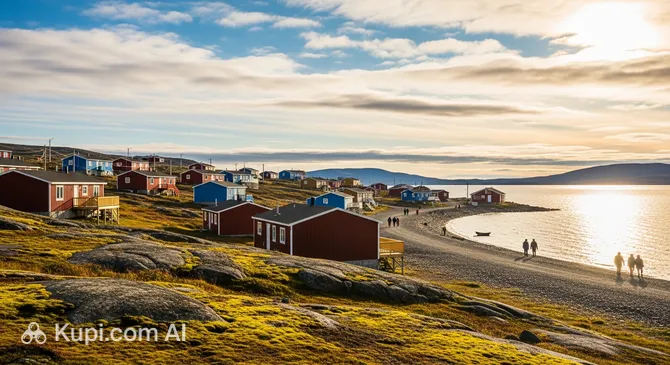
Baker Lake offers a distinct blend of cultural depth and raw natural beauty, serving as both a hub for world-renowned Inuit art and a gateway to the vast, untouched wilderness of the Canadian Arctic. Unlike the manicured gardens found in southern cities, the "green spaces" here are rugged, expansive stretches of tundra that invite exploration and reflection.
For those seeking a designated area to experience the local landscape, Inuujaarvik Territorial Park is the primary destination. Conveniently located near the community, this park serves as a welcoming spot for camping, picnicking, and hiking. It offers visitors a relatively accessible way to step onto the tundra and enjoy panoramic views of the lake without venturing too far into the remote wilderness. In the summer, the area is carpeted with wildflowers and berries, making it a picturesque location for a leisurely afternoon walk.
While not a park in the traditional urban sense, the Thelon Wildlife Sanctuary is a monumental natural area for which Baker Lake serves as the main gateway. It is the largest wildlife refuge in North America, protecting a pristine ecosystem along the Thelon River. Visitors often charter flights or arrange boat trips from the hamlet to reach this remote sanctuary, where they can witness massive herds of caribou, muskoxen, and rare bird species in a habitat that has remained virtually unchanged for centuries.
The cultural soul of the community is best experienced at the Jessie Oonark Centre. Named after the famous Inuit artist, this facility functions as both a workspace and a gallery. It is the epicenter of the region's artistic production, famous for its unique wool duffel wall hangings and stonecut prints. Tourists can often visit the centre to see local artists in action, observing the intricate techniques passed down through generations, and view a rotating display of finished works that depict legends and daily life in the North.
To understand the specific history of the inland people, a visit to the Inuit Heritage Centre is essential. This museum focuses on the distinct culture of the Caribou Inuit, who, unlike their coastal counterparts, relied almost exclusively on caribou for food, clothing, and shelter. The exhibits feature traditional tools, kayaks, and clothing, providing a deep insight into the ingenuity required to survive in the barrenlands. It frequently hosts elders who share oral histories, bridging the gap between the past and the present.
Among the significant landmarks, the Geographical Centre of Canada Marker stands out as a unique site. Located just outside the main settlement, this stone cairn and plaque commemorate the community's proximity to the calculated center of the nation. It is a modest but meaningful monument that draws travelers looking to document their journey to the heart of the country.
For a truly authentic experience, keep an eye out for the small, independent art sales that often happen within the community. While the main centres are excellent, many local carvers and seamstresses create masterpieces in their own homes. Asking a local guide for recommendations on where to see these private collections can lead to discovering hidden gems and meeting the artists personally.