Support

Chesterfield Inlet

About

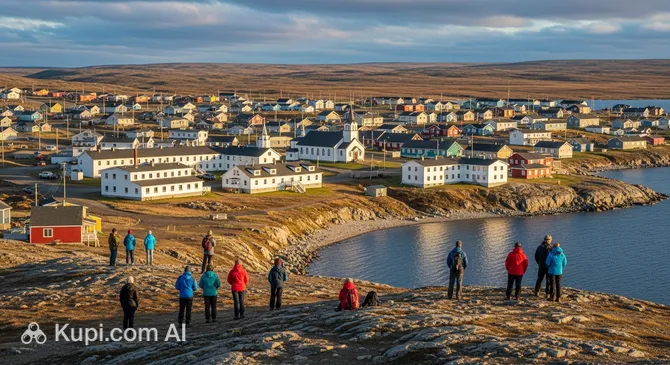
Chesterfield Inlet, known locally as Igluligaarjuk, is a captivating destination that offers a profound connection to the Arctic's past and present. As the oldest permanent settlement in the Canadian Arctic, this small community in the Kivalliq Region of Nunavut holds a special place in the northern heritage of Canada. With a population of just a few hundred residents, it provides an intimate and authentic atmosphere where traditional Inuit culture blends seamlessly with the stark beauty of the tundra.

Chesterfield Inlet. Source: Kupi.Binoculars

Located on the western shore of Hudson Bay, the hamlet serves as a gateway to exploring the rugged landscapes and pristine waters of the North. The area is renowned for its rich cultural legacy, and travelers can delve deeper into the history of Chesterfield Inlet to learn about its origins as a significant mission and trading post. The historic district, featuring buildings from the early 20th century, stands as a testament to the community's enduring spirit and resilience.

Nature enthusiasts will find plenty to admire here, particularly the abundance of wildlife. The inlet is a prime location for spotting beluga whales, seals, and occasionally polar bears, while the surrounding land is home to caribou and arctic foxes. Additionally, the region is dotted with ancient Thule archaeological sites, offering a fascinating glimpse into the lives of the ancestors of the Inuit. Whether you are seeking historical insights or the serene majesty of the Arctic wilderness, Chesterfield Inlet welcomes you to experience its unique charm.

Weather Overview

Chesterfield Inlet experiences a harsh but majestic Arctic climate, defined by long, freezing winters and brief, cool summers. To help you pack the right gear for your expedition, it is helpful to review the current weather in Chesterfield Inlet before departure. The winter months are intense, with February being the coldest time of year; average temperatures drop to approximately -30.6°C, and extreme lows can reach -33.5°C.

The summer season offers a distinct contrast, bringing milder conditions that are better suited for outdoor exploration. July is typically the warmest month, featuring average temperatures of 11.3°C and daily highs that can reach 14.6°C. Overall, travelers should expect cool summers with occasional light rain and extremely cold, dry winters. While precipitation volume is consistently low year-round, often recording just 1mm or 2mm per month, the frequency of wet days peaks in September.

Interesting Facts

  • Meaningful Name: The traditional Inuktitut name for the community is Igluligaarjuk, which translates to "place with few houses," referencing its origins as a small seasonal gathering spot.
  • Historic Milestone: Established in 1911 with the arrival of the Hudson's Bay Company, Chesterfield Inlet holds the distinction of being the oldest permanent settlement in the Canadian Arctic.
  • Architectural Legacy: The hamlet is home to a designated National Historic Site of Canada, featuring a collection of mission buildings constructed between 1912 and 1921 that display unique northern architecture.
  • Inland Gateway: The inlet for which the community is named extends approximately 160 kilometers inland, connecting the salt waters of Hudson Bay to the fresh waters of the Thelon River and Baker Lake.
  • Remote Accessibility: Like most communities in the territory, there are no roads connecting Chesterfield Inlet to the rest of the country; travel is exclusively by air or, during the summer ice-free season, by boat.

How to Get There

Reaching this remote Arctic community is an adventure in itself, primarily relying on air travel due to the lack of connecting roads in the Nunavut territory. Most travelers plan their journey by flying into regional hubs before connecting to the local airstrip. For detailed logistics and route planning, you can read more about how to get to Chesterfield Inlet to ensure a smooth trip to the exhilarating North.

The community is served directly by Chesterfield Inlet Airport (YCS), which is conveniently located just 1.3 km from the settlement. This small local airport handles an annual passenger traffic of approximately 6,000 people and is the primary gateway for residents and visitors alike. Given the short distance, the transfer to the center of the hamlet takes only a few minutes by vehicle or local transport.

Most visitors will first arrive at Rankin Inlet Airport (YRT), which acts as the major transportation hub for the Kivalliq Region. Located in the city of Rankin Inlet, approximately 92.6 km from Chesterfield Inlet, this airport handles significantly more traffic with around 73,000 passengers annually. Since there are no roads connecting these two communities, travelers must take a short connecting flight from this hub to reach their final destination.

For clarity, here is a summary of the main airports:

Airport Name City Passenger Traffic Km from City
Rankin Inlet Airport Rankin Inlet Large 92.6
Baker Lake Baker Lake Medium 285.2
Chesterfield Inlet Chesterfield Inlet Small 1.3

Chesterfield Inlet does not have a railway station, and there are no rail lines operating within the territory of Nunavut. Access to the community is exclusively by air year-round, or by sea during the ice-free summer months when supply barges and boats can navigate the waters of Hudson Bay.

Main Attractions

While Chesterfield Inlet is a small and remote community, it boasts a remarkable density of historical and natural landmarks that draw visitors seeking an authentic Arctic experience. The most prominent attraction is the Chesterfield Inlet Historic Mission Complex. Designated as a National Historic Site, this collection of buildings dates back to the early 20th century and stands as a testament to the area's role as the oldest permanent settlement in the Canadian Arctic. Visitors can walk among the well-preserved structures, including the mission house and the Ste. Therese Hospital, to gain insight into the early interactions between Oblate missionaries and the local Inuit population.

At the heart of the historic district stands the Church of Our Lady of the Deliverance (Notre-Dame-de-la-Délivrande), a visually striking landmark that dominates the hamlet's skyline. Consecrated in the 1920s, this Roman Catholic church is renowned for its distinctive architecture, which blends traditional religious design with the practical necessities of the northern climate. The building's iconic spire serves as a beacon for the community, and its interior offers a peaceful space for reflection, adorned with elements that reflect the spiritual heritage of the region. It remains an active place of worship and a focal point for local culture.

Beyond the settlement's borders, the surrounding landscape offers access to fascinating Thule Archaeological Sites. The region is rich with evidence of the Thule people, the ancestors of the modern Inuit, who inhabited these lands centuries ago. Adventurous tourists can find ancient tent rings, semi-subterranean sod houses, and kayak stands scattered across the tundra. These sites provide a tangible connection to the past, allowing visitors to imagine life in the Arctic long before European contact. Exploring these areas, often with a local guide, is a profound way to understand the enduring ingenuity of the people who have called this land home for generations.

For nature lovers, the Inlet and Coastline itself is a major attraction. The waters of Chesterfield Inlet are a prime habitat for marine wildlife, particularly during the summer months. Visitors often travel here for the opportunity to spot beluga whales, which frequent the relatively shallow waters to feed and calf. The rugged coastline also offers excellent opportunities for hiking and photography, where one might catch a glimpse of caribou migrating across the tundra or, more rarely, a polar bear patrolling the shore. The stark, open beauty of the land provides an unforgettable backdrop for outdoor exploration.

Local Cuisine

The culinary experience in Chesterfield Inlet is deeply rooted in the traditions of the Inuit, revolving around what is locally known as "Country Food". In this remote Arctic community, the diet is defined by the land and sea, with a focus on fresh, organic ingredients harvested directly from the surrounding tundra and waters. For visitors, this offers a rare opportunity to taste subsistence living, where the menu changes with the seasons and the migration patterns of wildlife.

The staples of the local diet are Arctic char and caribou. Arctic char is widely considered a delicacy, often enjoyed raw, frozen (a preparation known as quaq), or dried into strips called pipsi. Caribou is equally versatile, served in hearty stews to warm up during the cold winters or dried as jerky for a nutrient-dense snack. You may also encounter bannock, a simple but beloved fried or baked bread that accompanies almost every meal and is best enjoyed fresh and warm.

Due to the small population of the hamlet, there is no commercial restaurant scene or street food culture in the traditional sense. Travelers should not expect cafes or bistros; instead, dining is a communal and practical affair. Most visitors rely on the kitchen facilities at the Tangmavik Hotel (Inns North), which typically serves home-cooked meals for guests that often feature local ingredients alongside standard Canadian fare. For snacks and basic groceries, the local Northern Store is the primary provider for the community.

When it comes to beverages, hot tea is the undisputed king, serving as a vital source of warmth and a centerpiece for social gatherings. It is important for travelers to be aware that Chesterfield Inlet is a restricted community regarding alcohol. There are no bars or liquor stores, and the possession of alcohol is strictly regulated and requires a special permit. As a result, the local drinking culture focuses on warm hospitality and conversation over a steaming cup of tea rather than nightlife.

Travel Tips

Visiting Chesterfield Inlet, or Igluligaarjuk, is a unique adventure that requires a bit more preparation than your average destination. To ensure your journey to this remote corner of the Kivalliq Region is as smooth and enjoyable as possible, here are some practical tips to help you navigate the local environment and customs.

  1. Clothing and Gear: The Arctic climate demands respect, regardless of when you visit. In winter, you need extreme cold weather gear: a heavy down parka, windproof pants, insulated boots rated for -40°C, and quality mittens. In summer, the weather is milder but unpredictable; dress in layers and bring a waterproof, windproof outer shell. Crucially, if visiting in July or August, pack a high-quality bug jacket or head net and strong insect repellent, as the mosquitoes on the tundra can be intense.
  2. Transportation: There is no public transit, subway, or car rental agency here. The hamlet is small and compact, making walking the primary way to get around the settlement itself. For travel from the airport (YCS) to the Tangmavik Hotel, arrangements are typically made in advance with the hotel for a pickup. Locals travel by ATV in summer and snowmobile in winter; if you wish to explore the surrounding land, you must hire a local guide with a vehicle.
  3. Finances: The currency is the Canadian Dollar (CAD). While the local Northern Store and the hotel accept credit and debit cards, it is highly recommended to bring cash with you. There are no full-service banks, and ATM availability can be unreliable or subject to outages. Cash is also essential if you plan to buy soapstone carvings or traditional crafts directly from local artists. Be prepared for significantly higher prices for groceries and supplies compared to southern Canada.
  4. Health and Safety: There is a local Health Centre staffed by nurses for basic medical needs, but serious emergencies require a medical evacuation by air to a larger center. Safety here also involves wildlife; polar bears can be present in the area. Never wander outside the hamlet's boundaries alone. Always travel with a local guide who carries animal deterrents, and stay alert even when walking near the shoreline within the community.
  5. Communication: English is widely spoken and understood, though Inuktitut is the mother tongue for most residents. Learning a simple greeting like "Ullaakkut" (Good morning) is a great icebreaker. Mobile coverage is limited; check if your provider has roaming agreements in Nunavut (Bell Mobility is the primary network). Wi-Fi is generally available at the hotel, but speeds can be slow and satellite-dependent, so plan for a digital detox.
  6. Local Etiquette: The community is tight-knit and friendly. It is customary to wave or smile at people you pass on the road. When visiting the historic mission or walking through town, always ask for permission before taking photographs of locals, their children, or their property. If you are invited into a home, remember to remove your shoes at the door, which is a standard practice to keep the living space clean.
  7. What to Avoid: Do not bring alcohol without checking the current regulations. Chesterfield Inlet is a restricted community, meaning there are strict rules regarding the possession and importation of alcohol, often requiring a permit from the local Alcohol Education Committee. Additionally, never disturb archaeological sites; if you see ancient tent rings or artifacts on the tundra, look but do not touch or remove anything.
  8. Additional Tip: Since dining options are limited to the hotel or self-catering, consider packing some of your favorite lightweight snacks, tea bags, or instant coffee from home. The local store is well-stocked but relies on air freight, so fresh produce can be expensive and stock levels vary depending on when the last plane arrived.

By packing the right gear and approaching the community with respect and curiosity, you will find that Chesterfield Inlet offers a warm welcome despite the chill of the Arctic. Enjoy the incredible silence of the tundra and the rich history of this enduring settlement.

Entertainment & Nightlife

Travelers planning a trip to Chesterfield Inlet should adjust their expectations regarding nightlife, as the concept here differs vastly from the bustling urban scenes found in southern cities. There are no nightclubs, discos, cocktail bars, or late-night entertainment districts in this small hamlet. Instead, the evenings are defined by a profound tranquility and the rhythms of community life. The atmosphere is quiet and intimate, offering a rare chance to disconnect from the noise of the modern world and experience the serene solitude of the Arctic night.

The primary social hub for visitors is the Tangmavik Hotel. As the main accommodation provider in the settlement, its dining area serves as the de facto gathering spot where guests can relax after a day of exploration. While it does not function as a bar or pub, it provides a warm and welcoming environment to swap stories with fellow travelers or locals. Another key venue for social interaction is the Community Hall. In Inuit communities, the hall is often the heart of public life, hosting gatherings, feasts, and traditional games. If your visit coincides with a community event, such as a square dance or a bingo night, attending is a fantastic way to immerse yourself in the local culture.

It is important to remember that Chesterfield Inlet is a restricted community regarding alcohol. There are no liquor stores or bars, and the sale of alcohol is prohibited within the hamlet. Consequently, the "nightlife" does not revolve around drinking. Instead, entertainment is provided by nature itself. During the winter months, the lack of light pollution makes the hamlet a world-class destination for viewing the Aurora Borealis. Stepping outside to watch the Northern Lights dance across the sky is the ultimate evening activity here. Conversely, during the summer, the Midnight Sun allows for outdoor activities like hiking and photography to continue well into the "night."

When venturing out in the evening, safety must be your top priority. The hamlet is very safe in terms of crime, and you can walk through the main settlement without worry. However, the threat of wildlife is real. Polar bears can venture near or into the community, especially after dark. It is highly advisable not to walk alone on the outskirts of the town or near the shoreline at night. If you do go out to view the stars or the aurora, stay within the lit areas of the hamlet or go with a knowledgeable local guide who can ensure your safety.

While the nights are quiet, daytime entertainment offers a chance to connect with the region's heritage. Visitors can explore the historic mission complex or visit the local Northern Store, which serves as a central meeting point for residents. For those interested in arts and culture, asking around about local carvers can lead to impromptu visits to artists' homes to view soapstone carvings. The entertainment here is subtle and personal, rewarding those who take the time to engage with the land and its people.

Parks & Museums

In Chesterfield Inlet, the concepts of "parks" and "museums" take on a different meaning than in southern cities. Here, the entire landscape serves as a vast, open-air park, and the streets themselves act as a living museum of Arctic history. Instead of manicured gardens and ticketed galleries, visitors will find boundless tundra, pristine coastlines, and historic structures that tell the story of the Canadian North's oldest permanent settlement.

The Open Tundra serves as the community's primary green space, although "green" is a relative term that transforms with the seasons. In the short summer, this treeless expanse bursts into life with wildflowers, lichens, and mosses. It is an unconfined natural area perfect for hiking, where you can walk for miles in any direction. The land is particularly popular in late summer for berry picking, a favorite local pastime where you can gather cloudberries (known locally as aqpiks) and blueberries while enjoying the fresh Arctic air.

The Inlet Waterfront offers a rugged, natural alternative to a traditional seaside park. Walking along the rocky shores provides a front-row seat to the marine ecosystem of Hudson Bay. This area is not developed with benches or playgrounds but offers something far more spectacular: the chance to spot beluga whales swimming near the coast and seals basking on the ice floes or rocks. The shoreline is a place of quiet contemplation, where the silence is broken only by the sound of the wind and the water.

For those seeking cultural and historical insight, the Chesterfield Inlet Historic Mission Complex is the hamlet's most significant "museum." Designated a National Historic Site, this collection of buildings functions as an immersive historical exhibit. Visitors can explore the grounds of the old mission, which includes the Ste. Therese Hospital and the original mission house. These structures, built in the early 20th century, offer a tangible connection to the era when the community was a pivotal hub for Oblate missionaries, the Hudson's Bay Company, and the Royal Canadian Mounted Police.

Beyond the built heritage, the surrounding area contains Thule Archaeological Sites that act as open-air galleries of Inuit ancestry. Located just outside the settlement, these sites feature ancient tent rings (circles of stones used to hold down skin tents), semi-subterranean sod houses, and kayak stands. Viewing these undisturbed artifacts in their original setting provides a profound understanding of how the Thule people, ancestors of the modern Inuit, thrived in this challenging environment centuries ago.

While there is no formal art gallery in the hamlet, the community is home to many talented local artists and carvers. The "gallery" experience here is personal and authentic; visitors often purchase soapstone carvings, traditional sewing, and handmade crafts directly from the artists at their homes. This direct interaction not only allows you to acquire unique pieces of Inuit art but also provides an opportunity to meet the creators and hear the stories behind their work.

For a truly authentic experience, ask a local guide to show you the best spots for berry picking on the tundra during August. It is a meditative activity that connects you with the land and offers a delicious taste of the local diet, far removed from the typical tourist trail.
Getting Around

Travelers arriving in Chesterfield Inlet should be prepared for a transportation environment that is vastly different from major urban centers. There is no public transport system in the traditional sense; you will not find buses, subways, trams, or scheduled shuttle routes circulating through the community. Due to the hamlet's small population and compact size, the infrastructure is designed for personal vehicles and pedestrian movement rather than mass transit.

The primary way to navigate the settlement is simply by walking. The entire community is concentrated within a small area, making it easy to traverse on foot from the airstrip to the hotel or the historic mission complex. Walking allows visitors to absorb the quiet atmosphere of the hamlet at their own pace. However, given the gravel roads and potentially snowy or muddy conditions depending on the season, sturdy waterproof footwear is essential for getting around comfortably.

For transport to and from the airport, visitors typically rely on arrangements made with their accommodation provider. The local hotel generally operates a shuttle vehicle to pick up guests upon arrival, as there are no taxi stands or car rental agencies at the terminal. It is highly advisable to confirm your arrival time with your host in advance to ensure a vehicle is waiting for you, as the airport is located a short distance outside the main residential area.

While there are no official taxi companies with metered cabs, informal taxi services may occasionally operate within the community, usually provided by locals using their personal trucks or SUVs. If such a service is available during your visit, the payment system is strictly cash-based. There are no travel passes, transport apps, or card readers for these rides. A flat rate per person is the standard method of charging, so carrying small denominations of Canadian currency is recommended if you plan to look for a ride.

In terms of local mobility, the "vehicles of choice" change with the seasons. During the winter months, snowmobiles are the dominant form of transport for residents, while All-Terrain Vehicles (ATVs) take over in the summer. Tourists generally do not rent these for self-guided use due to safety and insurance reasons. If you wish to travel further afield onto the tundra or along the coast, you will need to hire a local guide who can provide both the transport and the necessary expertise to navigate the terrain safely.

Accommodation

Finding accommodation in Chesterfield Inlet requires a different mindset than booking a stay in a typical tourist destination. As a small, remote Arctic community with a population of just a few hundred people, the options for lodging are extremely limited. There are no backpacker hostels, luxury resorts, or chain motels here. Instead, visitors will typically find only one main commercial establishment that caters to contractors, government workers, and the few adventurous tourists who make the journey north.

The primary place to stay is the Tangmavik Hotel, which is part of the Inns North network—a group of community-owned hotels found throughout Nunavut. This facility provides the standard for accommodation in the hamlet, offering clean, comfortable, and modest rooms. It operates more like a guesthouse than a full-service city hotel, often providing meals for guests since there are no standalone restaurants in the community. Staying here offers a warm, communal atmosphere where you might share the dining room with pilots, nurses, or researchers working in the region.

In terms of location, the entire community is compact and walkable, so "neighborhoods" are not a factor when choosing where to stay. The hotel is centrally located, placing you within easy walking distance of the airport, the Northern Store, and the historic mission complex. Being close to the water, you are never far from the stunning views of the inlet, allowing you to step outside and immediately immerse yourself in the Arctic environment.

Booking in advance is absolutely essential. You cannot simply show up and expect to find a room, as the hotel has limited capacity and can be fully booked by work crews or visiting officials for weeks at a time. It is highly recommended to contact the hotel directly by phone or email well before your trip to secure your reservation. regarding costs, travelers should be prepared for prices that are significantly higher than in southern Canada. The cost of operating in the North is high, and room rates reflect this, often falling into what would be considered the "luxury" price range elsewhere, despite the amenities being mid-range or basic.

Nearby Cities

For those looking to explore the surroundings, Chesterfield Inlet serves as an excellent base for excursions to several interesting nearby locations.

Given the vastness of the Nunavut territory and the lack of connecting roads, "nearby" is a relative term, but several communities are accessible via short flights. Rankin Inlet is the closest and most significant destination, functioning as the business and transportation hub of the Kivalliq Region. It is renowned for its incredible arts scene, particularly the matchless ceramics produced by local Inuit artists, and serves as a gateway to the historic Marble Island. Another fascinating option is Baker Lake, the territory's only inland community. Situated at the geographic center of Canada, it is famous for its unique printmaking and textile arts, offering a cultural experience distinct from the coastal settlements.

Further south along the coast lies Arviat, a community deeply connected to the land and known for its abundant wildlife. It is often referred to as the "Polar Bear Capital" of the region during migration seasons and is a hub for traditional Inuit hunting culture. Visiting these neighbors provides a broader perspective on life in the Arctic, showcasing the diversity between inland and coastal traditions.

City Population Distance (km)
Rankin Inlet 2800 92
Baker Lake 2069 283
Arviat 3300 304
Kugaaruk 1450 580
Igloolik 1700 781

These nearby destinations offer a glimpse into the diverse culture and landscapes of the region, making them well worth the journey for those wishing to see more of the Canadian North.

Shopping & Souvenirs

Shopping in Chesterfield Inlet is a modest and practical affair, reflecting the remote nature of this small Arctic community. Visitors should not expect bustling shopping districts, souvenir shops, or fashion boutiques. Instead, the retail experience is centered around essential goods and the unique opportunity to acquire authentic Inuit art directly from the creators. The options are limited, but they offer a glimpse into the daily life and culture of the hamlet.

The primary retail outlet in the community is the Northern Store. Serving as the lifeline for residents, this general store carries a wide range of products, from groceries and fresh produce to clothing, hardware, and outdoor gear. For tourists, it is the go-to place for any travel necessities, snacks, or personal items you may have forgotten. It is important to note that due to the high cost of air freight, prices for everyday items—especially perishable foods—are significantly higher than in southern Canada.

The true highlight for visitors is the chance to purchase local Inuit art. Chesterfield Inlet is home to talented artisans known for their skill in traditional crafts. The most sought-after items include:

  • Soapstone Carvings: Intricate sculptures depicting Arctic wildlife like polar bears, seals, and walruses, or scenes from Inuit mythology.
  • Traditional Clothing: Hand-sewn items such as mitts (kamiks) or parkas made from seal skin or other furs, designed for extreme warmth.
  • Jewelry: Unique pieces crafted from bone, antler, or ivory.

Unlike in larger cities, there are no formal art galleries here. Transactions often take place informally. You may find some local crafts displayed at the Tangmavik Hotel or the community office, but often the best way to find art is to ask around. Locals are generally happy to direct you to an artist's home where you can view and purchase their work. This direct interaction allows you to hear the story behind the piece and ensures the full value goes to the artist.

When planning to shop, especially for art, it is essential to carry cash (CAD). While the Northern Store accepts credit and debit cards, local artists typically deal exclusively in cash. Since banking facilities are limited and ATMs may be unreliable, bringing sufficient funds with you is highly recommended to ensure you don't miss out on taking home a piece of the Arctic.

Reached the end of the page?

That means the route is fully explored