Support

Chesterfield Inlet

About the Airport

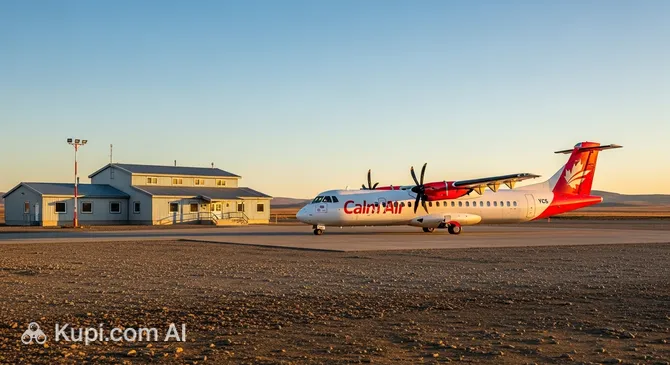
Chesterfield Inlet. Illustration.
Source: Kupi.com AI

Welcome to the air gateway of one of the oldest settlements in the Canadian Arctic. Chesterfield Inlet Airport is not just a point on a map, but a vital "lifeline" connecting this secluded corner of Nunavut with the rest of the world across icy expanses and tundra. Here, on the shores of Hudson Bay, every aircraft landing is a significant event, bringing news, cargo, and reunions, while the modest terminal welcomes travellers with a special northern sincerity.

PropertyValue
IATA CodeYCS
ICAO CodeCYCS
CityChesterfield Inlet
CountryCanada
TimezoneAmerica/Rankin_Inlet
ScheduleOnline Timetable

Airport Features and Significance

Chesterfield Inlet Airport plays a critical role for the local community, as there are no roads connecting the settlement to other populated areas. Air transport is the only year-round method for delivering food, medicine, and mail, as well as the only opportunity for residents to reach larger centres such as Rankin Inlet.

The airport's infrastructure is typical for remote northern regions: it features a gravel runway capable of handling small turboprop aircraft adapted to harsh polar conditions. Despite its modest size and spartan conditions, the airport ensures reliable connectivity, operating even during challenging Arctic weather.

Contact Information

Given that Chesterfield Inlet Airport (YCS) is a small regional hub in the Arctic, it does not have its own dedicated website or a large-scale support service. Management is overseen by the Government of Nunavut, while passenger transport is provided by the airline Calm Air. The most up-to-date contact information is presented below:

  • Official Airport Website: There is no separate website. Official information is available on the Government of Nunavut portal (gov.nu.ca, "Airports" section) or on the Calm Air carrier website (calmair.com).
  • Inquiry Service Phone: +1 800-839-2256 (Calm Air's unified toll-free line for inquiries and reservations). Local airport agent phone: +1 867-898-9104.
  • Airport Address: Chesterfield Inlet Airport, Chesterfield Inlet, Nunavut, X0C 0B0, Canada (located approximately 2 km from the settlement).
  • Email: A direct public email for terminal administration is not provided. For inquiries, it is recommended to use the feedback form on the airline's website.
  • Airport Social Media: There are no official accounts. News can be tracked on Calm Air's pages on Facebook or X (Twitter).
  • Lost Luggage Information: The airline handles tracking. You must contact a Calm Air representative at the counter in the airport or call +1 800-839-2256.
  • Passenger Support Contacts: Support is provided via the Calm Air call centre (operates daily; hours depend on the time zone; the primary language of service is English).

How to Get to the Airport

Given the compactness of the settlement and the harsh climate conditions, logistics in Chesterfield Inlet have their own specifics. The airport is located just 2 kilometres from the village centre, making the trip short but requiring planning, especially during the winter period.

Taxi and Transfer

In the usual sense of city taxi services with meters and apps, none exist here. Transport is provided by local private drivers or representatives of the local hotel. This is the most reliable way to get to the terminal with luggage.

  • Hotel Transfer: If you are staying at the local hotel (usually Inns North / Chesterfield Inlet Hotel), the administration often provides a transfer to the airport for its guests. It is recommended to arrange this in advance when booking your room.
  • Local Carriers: Private drivers operate in the village providing taxi services. Payment is generally made in cash. The cost of the trip is a flat rate and is approximately 5–10 CAD per person. The journey by car takes no more than 5–7 minutes.

Public Transport

Chesterfield Inlet lacks a public transport system. There are no buses, shuttles, or trains. Due to the absence of road connections with other cities, it is also impossible to get here by intercity bus.

Car Rental

There are no familiar international car rental services (Hertz, Avis, etc.) in the village. Renting a standard car is impractical due to the limited extent of the road network (only a few kilometres inside the village). However, depending on the season, local residents or tour guides may offer rentals of snowmobiles (in winter) or ATVs (in summer) for moving around the surroundings, but this relates more to leisure than airport transfers.

Parking

In front of the small terminal building, there is an open area serving as parking. It is not equipped with barriers or a security system. Parking is free. Locals often leave their vehicles (cars or snowmobiles) here when meeting arrivals.

Walking

In good weather during summer, you can walk from the village to the airport in about 20–30 minutes. However, it is strongly advised against doing this in winter or windy weather due to the risk of frostbite and possible encounters with wild animals (including polar bears), which sometimes approach the settlement.

Neighbouring Airports and Transport Hubs

Chesterfield Inlet is part of the complex logistics chain of the Kivalliq Region. Most flights arrive here via the regional hub — Rankin Inlet Airport, located 92 km away. It is through there that connections are made with flights from major cities in southern Canada.

Also in this region are other small airports ensuring connectivity between the communities of Nunavut and Manitoba:

  • Baker Lake (284 km) — the only inland Inuit settlement in the region.
  • Arviat (305 km) — one of the southernmost settlements in Nunavut.
  • Churchill Airport (544 km) — the famous "Polar Bear Capital" in the province of Manitoba.
  • Gjoa Haven Airport (633 km) — a historic place connected with the search for the Franklin expedition.

Terminals and Map

Terminal Structure

Chesterfield Inlet Airport (YCS) is a classic example of Canadian North aviation infrastructure. There is no division into multiple terminals, gates, and levels familiar to city dwellers. The entire airport complex consists of one small single-story building, which serves both departing and arriving passengers.

The compactness of the terminal is its main advantage: it is impossible to get lost here, and the path from the entrance door to the check-in counter takes literally a few seconds. The building is designed to provide basic comfort and protection from the harsh Arctic weather conditions, retaining heat even on the coldest winter days.

Layout and Service Zones

Inside the terminal, everything is extremely functional and intuitive. The space is organised as a single hall, conditionally divided into several zones:

  • Check-in Zone: Located almost immediately at the entrance. Here sits the airline counter (usually Calm Air), where passengers check in for their flight and drop off luggage.
  • Waiting Hall: A small common area with seats for passengers waiting for boarding or meeting arrivals. Amenities here are minimal, but a comfortable temperature is always maintained.
  • Arrival and Luggage Zone: There is no automated luggage belt here. Luggage is unloaded manually by airport staff and handed to passengers in a designated area inside the building or directly at the entrance.

Navigation and Boarding Features

Boarding is carried out in the simplest way — on foot. Jet bridges and apron buses are not provided here. After the boarding announcement, passengers exit the terminal building and walk to the aircraft themselves. The distance is only a few dozen metres.

Important: Be extremely careful when moving across the airfield. In winter, the surface can be slippery, and strong winds can knock you off your feet. Always follow the instructions of the ground staff.

Check-in and Screening Procedures

Despite the airport's miniature size and homely atmosphere, federal aviation security rules apply here.

  • Check-in: It is recommended to arrive at the airport no later than 60 minutes before departure. Check-in counters close strictly 45 minutes before the flight leaves. Given that flights do not operate every day, being late is not an option.
  • Security Screening: The security check procedure is significantly faster than in major hubs due to the small number of passengers (usually no more than 15–30 people). However, requirements for hand luggage and prohibited items remain standard for all of Canada.

Tips for Travellers

The terminal lacks shops, cafes, currency exchange points, or ATMs. If you have a wait before your flight, ensure you have water and a light snack in advance. Restrooms are available in the building for visitors. Please note that there are no dedicated prayer rooms available.

Airport History

The history of Chesterfield Inlet Airport (YCS) is inextricably linked with the development of the settlement of Igluligaarjuk (the Inuit name for the place), which is one of the oldest permanently inhabited points in the Canadian Arctic. Aviation became the bridge that connected ancient Inuit traditions with the modern world, overcoming the isolation of the icy expanses.

The Era of Seaplanes and the Beginning of Flights

Before the appearance of a proper runway, the sky over Chesterfield Inlet was conquered by legendary "bush pilots". In the first half of the 20th century, when the village was already an important centre thanks to the Hudson's Bay Company post and the Catholic mission, planes landed on natural surfaces. In summer, hydroplanes landed on the water surface of the bay, and in winter, ski landing gears touched the thick sea ice. The official establishment of aviation site status occurred in the middle of the last century when the regularity of flights required the creation of ground infrastructure.

Key Stages of Development and Modernisation

The transformation of a temporary landing site into a modern regional airport took place in several stages, reflecting administrative changes in northern Canada:

  • Runway Construction (1970s): The transition to year-round navigation became possible thanks to the construction of a gravel runway. This allowed wheeled aircraft to be received even in the off-season when the ice was melting or not yet strong enough.
  • Transfer of Management (1999): With the formation of the new territory of Nunavut, the airport transferred from federal jurisdiction (Transport Canada) to the management of the local government. This event was key, as it allowed for faster resolution of supply and maintenance issues, focusing on the needs of local residents.
  • Technical Re-equipment (2010s): Large-scale modernisation of lighting equipment was carried out. The installation of new runway lights and navigation beacons significantly increased flight safety during the polar night and frequent fogs from the bay.

Historical Role: Medical Hub of the Arctic

An important historical fact is that for a long time, Chesterfield Inlet was the medical centre of the entire Kivalliq region thanks to a large hospital at the mission. In those years, aviation worked in the "reverse" direction compared to modern times: planes brought patients to Chesterfield Inlet from other settlements, rather than evacuating them from here. The airport was essentially a gateway to saving lives for thousands of Arctic residents before this status passed to Rankin Inlet.

Records and Achievements

The main achievement of YCS airport is its exceptional operational resilience. The runway is maintained in working condition under extreme temperature fluctuations. Airport services ensure flight reception even at temperatures below -50°C, which is a record of endurance for both equipment and personnel.

Interesting Facts

  • Gravel vs. Asphalt: The airport runway is intentionally not paved with asphalt. In permafrost conditions, the ground constantly moves ("breathes"), and rigid asphalt would quickly become covered with dangerous cracks. Gravel surfacing is easier to level and repair, making it the ideal solution for the Arctic.
  • "Flying Priests": Oblate missionaries played a special role in the airport's history, many of whom were licensed pilots. They used aviation to visit remote hunting camps even before the advent of commercial flights.
  • Short Runway: The runway length is only about 975 metres (3200 feet). This imposes strict limitations on the types of aircraft that can land here — mainly reliable turboprop ATR and Beechcraft.

Services and Amenities

Travellers planning to fly from Chesterfield Inlet Airport (YCS) should note that this is a very small regional airfield. The range of services here is minimal and corresponds to the standards of remote Arctic settlements. The terminal is designed exclusively for short-term waiting and protecting passengers from bad weather, so the familiar infrastructure of major airports is not found here.

Dining and Shops

The terminal building lacks cafes, restaurants, coffee shops, and Duty-Free stores. There are also no kiosks with newspapers or souvenirs. Vending machines with drinks and snacks are not always present or may be empty.

  • Tourist Tip: It is strongly recommended to arrange food and drinks in advance. Purchase everything you need at the village store before leaving for the airport or bring it with you if you are in transit. Drinking water may be available in a cooler, but it is better to have your own supply.

Connectivity, Wi-Fi, and Electronics

Technological amenities at YCS are limited:

  • Wi-Fi: Public Wi-Fi for passengers is usually absent or works unstably. Rely on mobile internet if your operator provides coverage in this region (mainly Bell or local providers).
  • Charging Devices: There are no specialised charging stations for gadgets. In the waiting hall, you may find a few standard power outlets, but their number is limited. It is recommended to carry a fully charged power bank.

Financial Services

The airport has no ATMs or currency exchange points. Payment for excess baggage at the check-in counter is most often made by bank card, however, due to possible connection interruptions, it is always useful to carry cash in Canadian dollars for emergencies.

Comfort and Waiting Lounges

The building features one general waiting hall. VIP lounges, business lounges, or smoking rooms are not provided. The hall is equipped with standard seating and is heated, providing shelter from the Arctic cold. Due to the small number of flights, it is rarely crowded, so finding a free seat will not be difficult.

Services for Passengers with Children

There are no specialised mother and child rooms or play areas in the terminal. Changing tables may be absent in the restrooms. When travelling with infants, you must carry all hygiene products and baby food with you, as there will be nowhere to buy them on-site.

Accessibility and Medical Assistance

  • Passengers with Reduced Mobility: The single-story design of the terminal facilitates movement — there are no stairs or elevators. However, boarding the aircraft is done from the apron via stairs. Calm Air staff are always ready to provide physical assistance with boarding and disembarking, but the airline must be notified of the need for such assistance when booking the ticket.
  • Medical Services: There is no medical post or pharmacy at the airport. The nearest Health Centre is located in the settlement of Chesterfield Inlet itself. In emergencies, airport staff will call for help from the settlement.

Accommodation and Business Services

There are no hotels, sleep pods, or conference rooms at the airport. The nearest and only accommodation option is located in the village (approximately 2 km from the terminal):

  • Chesterfield Inlet Hotel (Inns North): A small hotel providing basic amenities, meals, and laundry services. This is the only place to stay overnight in case of a flight delay or business trip.

Where to Eat

Considering the size and remoteness of Chesterfield Inlet Airport (YCS), passengers should be prepared for a complete lack of public catering infrastructure directly in the terminal. Unlike major international hubs, there are no food courts, coffee shops, or even kiosks with ready-made food here. The entire "gastronomic experience" at the airport comes down to what travellers bring with them.

Restaurants and Cafes

In the sole passenger terminal, there are no operating restaurants or cafes. The building functions exclusively as a waiting hall. Vending machines (snack machines) are also absent, so do not count on buying even a chocolate bar or a bottle of water on the spot.

Where to Eat Before Departure

Since it is impossible to buy food at the airport, the only option remains dining in the settlement itself before the transfer departs. It is important to remember that Chesterfield Inlet is only 2 km from the airport, but there may not be enough time to return for a forgotten snack.

  • Village Stores: Network northern stores (Co-op and Northern Store) operate in the settlement. It is recommended to purchase sandwiches, pastries, fruits, or drinks here in advance. Note that food prices in Nunavut are significantly higher than in southern Canada (the "northern markup" can be 200–300%).
  • Hotel: If you are staying at the local hotel, it is wise to have a hearty lunch there or order a packed lunch to take away. This is the most reliable way to get a proper meal before your flight.

Local Cuisine and Delicacies

Although tasting is impossible at the airport itself, the region is famous for its traditional products ("country food"). If you have the opportunity, before flying out, it is worth trying Arctic Char in the village — a fish considered one of the most delicious in the world, or dishes made from caribou meat. However, such delicacies are rarely sold ready-made in stores; they are more often shared by locals or served at the hotel by prior arrangement.

Special Dietary Requirements (Halal, Vegetarian, etc.)

Due to the lack of sales points, there is no possibility to choose a special menu at the airport. For travellers with strict dietary restrictions (such as Halal), it is critically important to carry your own supply of food brought from home or purchased at major transfer hubs (for example, in Winnipeg). The assortment in village stores may be limited to basic canned goods and semi-finished products, and certified Halal options are generally not available locally.

Recommendations and In-Flight Catering

Your main "restaurant" will be the aircraft cabin. Calm Air, serving flights to Chesterfield Inlet, usually offers passengers light snacks and drinks (juice, coffee, tea, water) during the flight. On longer connecting flights, more substantial catering may be offered, but this depends on the specific route.

Tip for a Quick Snack:

  • Be sure to take an empty reusable water bottle with you (it can be filled in the village, as there may not be drinking fountains at the airport).
  • An ideal snack to carry is nuts, energy bars, or dried fruits: they do not spoil, take up little space, and provide energy in the cold climate.
Travel Tips

Travelling to the Arctic requires special preparation, and flying through Chesterfield Inlet Airport is no exception. To make your experience as comfortable and predictable as possible, we have compiled a number of practical tips considering the specifics of flying in Canada's Far North.

Arrival and Check-in

Despite the terminal appearing small and "homely", being late is not accepted here.

  • Arrival Time: The optimal time to arrive at the airport is 60 minutes before departure. This will allow you to calmly check your luggage and pass through security.
  • Schedule Strictness: Remember that Calm Air check-in counters close strictly 45 minutes before departure. If you arrive later, you may not be allowed on the flight, as pilots need time to calculate the aircraft's balance and cargo weight.
  • Documents: For domestic flights within Canada, have a photo ID ready (for example, a passport or driver's license).

Security and Luggage Features

Screening here is quick, but requirements are federal. Given the northern specifics, there are nuances:

  • Outerwear: Be prepared to remove bulky parkas and heavy winter boots when passing through the metal detector frame. Wear shoes that are easy to take off and put on.
  • Hand Luggage (SkyCheck): Aircraft flying here (most often ATR or Beechcraft) have very small overhead bins. A standard "cabin size" suitcase will not fit there. You will be offered the Valet Check (SkyCheck) service: you leave your bag on a cart right at the stairs before boarding and pick it up at the same place immediately after landing.
  • Prohibited Items: Rules are standard — liquids in containers up to 100 ml, no sharp objects. It is prohibited to carry Bear Spray in hand luggage, and it cannot be checked in baggage on passenger flights of some airlines (check in advance).

Seat Selection

On regional aviation flights in Nunavut, a "free seating" rule often applies, or seats are assigned at the check-in counter.

  • Views: If there is a choice, ask for a Window seat. In good weather, the views of the icy expanses of Hudson Bay and the tundra are stunning.
  • Noise: Turboprop aircraft are quite noisy. If you are sensitive to sounds, choose seats in the rear of the cabin, further away from the propellers.

Connections and Transfers

Most passengers fly through Chesterfield Inlet in transit via Rankin Inlet or Winnipeg.

  • Transfer Time: Arctic weather is unpredictable. If you plan to connect with a flight of another airline in a major hub (for example, transferring from Calm Air to Air Canada in Winnipeg), allow a minimum of 3–4 hours, or better yet — an overnight stay. Delays due to blizzards are common here.
  • Luggage: Always check at the registration counter whether your luggage is checked through to the final destination or if you need to collect and re-check it at the transfer point (especially in Rankin Inlet).

Customs Control

Chesterfield Inlet Airport serves only domestic flights. There is no customs or border control here. If you are flying from abroad, you will pass all formalities at the first airport of arrival in Canada (Winnipeg, Montreal, Toronto, etc.).

How to Save Time and Money

  • Food with You: Since there are no cafes or vending machines at the airport, be sure to take a snack and an empty water bottle from the village. Buying food on board (if sold at all, rather than included in the ticket) can be expensive.
  • Excess Baggage: The cost of carrying excess baggage in the north is very high. Weigh your bags in advance (for example, at the hotel). If you are carrying food or cargo for locals, check for special "Country Food" rates or cargo shipments — this may be cheaper than paying for an overweight suitcase.

Actions in Case of Delay or Cancellation

In the Arctic, the phrase "Weather hold" is a common occurrence. A flight may be delayed for several hours or moved to the next day.

  • Contact with Hotel: Do not check out of the hotel in the village until you are sure that the plane has taken off from the previous airport (usually Rankin Inlet). Ask the hotel receptionist to call the airline.
  • Waiting: If the flight is delayed and you are already at the airport, be prepared for a long wait in a small hall. Have a book, downloaded movies, and a fully charged power bank with you — outlets are few, and Wi-Fi may not be available.
  • Cancellation: In the event of a flight cancellation, the airline will rebook you on the next available one, but it may only be in a day or two. Rooms in the village's only hotel can run out quickly, so book a room immediately after the cancellation announcement.

Reached the end of the page?

That means the route is fully explored