Support

Rankin Inlet

About

Welcome to Rankin Inlet, known locally as Kangiqliniq or "deep inlet," a vibrant community located on the northwestern coast of Hudson Bay. As the business and transportation hub of the Kivalliq Region in Nunavut, Canada, this town offers a unique blend of modern amenities and traditional Inuit culture. Despite its relatively small population of approximately 2,800 residents, it stands as the second-largest settlement in the territory and serves as a vital gateway to the vast beauty of the Arctic.

The landscape here is defined by the rugged tundra and the sweeping waters of the bay, creating a stunning backdrop for outdoor adventures. While the climate is characteristically Arctic with long, cold winters and cool summers, the warmth of the local community makes it a welcoming destination for travelers. Visitors interested in the past can explore the fascinating history of Rankin Inlet, which traces its modern roots to a nickel mine established in the 1950s, though the area has been a traditional gathering place for Inuit for centuries.

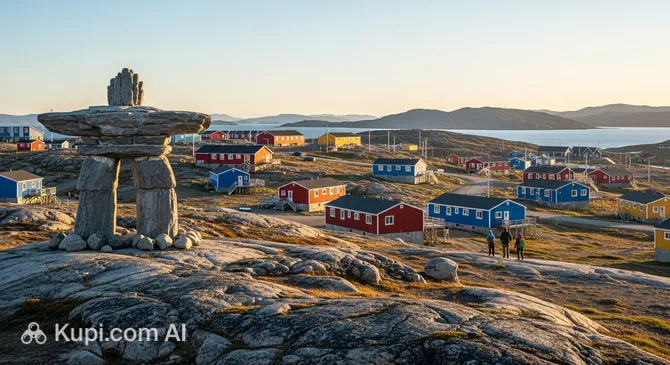
Rankin Inlet. Source: Kupi.Binoculars

Rankin Inlet is renowned for its thriving arts scene, particularly the Matchbox Gallery, which is famous for producing unique Inuit ceramics and prints that differ from the soapstone carvings found elsewhere. Nature lovers should not miss Iqalugaarjuup Nunanga Territorial Park, located just a short distance from town. This protected area offers excellent hiking trails, birdwatching opportunities, and the chance to see ancient Thule archaeological sites. Whether you are here to experience the rich cultural heritage or to witness the raw power of the northern wilderness, Rankin Inlet promises an unforgettable journey into the heart of the North.

Weather Overview

Rankin Inlet experiences a true Arctic climate, characterized by long, frigid winters and short, cool summers. Because conditions can be extreme, it is highly recommended to consult the detailed guide on the weather in Rankin Inlet before packing for your trip. The town's location on Hudson Bay influences its temperatures, keeping the air brisk even during the warmer months.

Winter dominates much of the year, with February being the coldest month, where average temperatures plummet to approximately -31.4°C and can drop as low as -34.5°C. Conversely, July is the warmest time to visit, offering average temperatures of around 12.4°C and daily highs that can reach a pleasant 16.4°C, making it the ideal season for outdoor activities.

Precipitation is generally low in volume, often just a few millimeters per month, though the frequency of wet days increases in the autumn. September sees the most frequent precipitation with about 12 wet days, while mid-winter remains quite dry. Expect cool summers with occasional light rain and extremely cold, dry winters.

Interesting Facts

Beyond its scenic beauty and industrial history, Rankin Inlet holds several unique distinctions and local legends that surprise many visitors. From sports history to mystical island traditions, the town offers plenty of intriguing stories.

  • Home of an NHL First: Rankin Inlet is the hometown of Jordin Tootoo, the first Inuk player to ever play in the National Hockey League (NHL). His journey from this small Arctic community to the major leagues is a significant source of local pride and serves as an inspiration for youth throughout Nunavut.

  • The Legend of Marble Island: Located just off the coast, Marble Island is the subject of a famous local tradition. Legend dictates that all visitors must crawl onto the island's shore on their hands and knees to show respect to the spirit of the island; it is believed that those who walk upright upon arrival will face bad luck or misfortune.

  • A Unique Artistic Medium: While many Arctic communities are famous for soapstone carvings and prints, Rankin Inlet is the only place in the North known for producing Inuit fine art ceramics. This distinct medium allows local artists to express traditional themes in a way that is completely unique to this settlement.

  • A Cultural Melting Pot: Unlike many other Inuit communities that grew from a single family group or tribe, Rankin Inlet was founded as a mining town in the 1950s. This drew people from various regions and dialects across the Arctic, creating a unique "melting pot" of Inuit culture and language that is distinct from other settlements.

How to Get There

Reaching this remote Arctic community is an adventure in itself, as the town is not connected to the rest of Canada by a highway system. Air travel is the primary and most reliable method of transportation for visitors. For a comprehensive overview of routes and logistics, you can read more about how to get to Rankin Inlet to plan your journey effectively.

The main gateway for all travelers is Rankin Inlet Airport (IATA: YRT), strategically located just 1.4 km from the settlement's center. As the central transportation hub for the Kivalliq Region, it facilitates a significant amount of travel, connecting the area with major southern cities like Winnipeg and neighboring communities. Upon arrival, the transfer to the town center is very quick; a taxi or shuttle ride typically takes just a few minutes. While there are other airfields in the vicinity, such as the one in Chesterfield Inlet (IATA: YCS) located approximately 91 km away, it is important to note that there are no roads connecting these communities across the tundra. Therefore, flying directly into the local airport is the only practical option for reaching the town.

For clarity, here is a summary of the main airports in the region:

Airport Name City Passenger Traffic Km from City
Rankin Inlet Airport Rankin Inlet Medium 1.4
Baker Lake Baker Lake Small 258.8
Arviat Arviat Small 217.6
Chesterfield Inlet Chesterfield Inlet Small 91.1

Rankin Inlet is not accessible by train, as there are no railway lines extending into the territory of Nunavut. The vast distances and rugged terrain of the Canadian North make air travel the standard and often sole mode of transport for both locals and tourists visiting the area.

Main Attractions

For those eager to explore the natural beauty of the region, Iqalugaarjuup Nunanga Territorial Park is undoubtedly the highlight. Located about 10 kilometers northwest of the town, its name translates to "the place of little fishes," referencing the distinct geography of the Meliadine River valley. Visitors can hike along scenic trails that wind through wetlands and rocky ridges, offering prime opportunities for birdwatching and spotting local wildlife like peregrine falcons and caribou. The park is also historically significant, preserving archaeological sites that date back to the Thule culture, allowing tourists to connect with the ancient history of the land.

Culture seekers will find a unique treasure in the Matchbox Gallery, a hub of creativity and the center of the community's renowned arts scene. Unlike many other Arctic cooperatives that focus primarily on soapstone carving, this gallery is famous for producing fine ceramic art, a medium introduced to the area in the 1960s. It serves as both a workspace and a display area where visitors can meet local artists, watch them at work, and purchase one-of-a-kind sculptures and prints that reflect Inuit stories and traditions.

A short boat ride from the coast lies the mysterious and beautiful Marble Island, a quartzsite island that gleams white against the blue waters of Hudson Bay. It is a place of great historical intrigue, known as the final resting place of the ill-fated Knight Expedition of the 18th century and a former wintering site for American whalers. Beyond its history, the island is steeped in local legend and offers a striking landscape for photography and exploration, though visitors are reminded to respect local customs when stepping ashore.

Within the town itself, the massive Inukshuk stands as a proud symbol of guidance and hospitality. These stone landmarks are iconic to the Canadian North, traditionally used for navigation or to mark good hunting grounds. The large structure in Rankin Inlet is a popular photo stop for tourists, representing the welcoming spirit of the community. Walking through the town also provides a chance to visit the Kivalliq Regional Visitor Centre, where travelers can gather more information, view displays on local culture, and admire a collection of regional art.

Local Cuisine

The culinary landscape of Rankin Inlet is a fascinating reflection of the Arctic environment, blending modern Canadian staples with traditional Inuit "country food," known locally as niqipiaq. For visitors, the highlight of the local gastronomy is undoubtedly the incredible freshness of the ingredients sourced directly from the land and sea. Arctic Char is the star of the region, widely considered some of the best fish in the world. It is prepared in various ways: smoked, pan-fried, dried into jerky known as pipsi, or eaten frozen and raw as quaq, a traditional method that preserves the nutrient content and natural flavor.

Meat lovers will find unique opportunities to taste game meats that are rare elsewhere. Caribou and muskox are dietary staples, often served in hearty stews to ward off the cold or prepared as steaks and burgers in local eateries. Another traditional delicacy worth seeking out is maktaaq—bite-sized cubes of whale skin and blubber—which is prized for its high vitamin C content and distinct texture. To accompany these meals, you will almost always find bannock, a simple but delicious unleavened bread. Whether baked in an oven or fried in a pan, warm bannock served with butter and jam is the ultimate Arctic comfort food.

When it comes to beverages, hot drinks are a way of life in Rankin Inlet. Strong tea and coffee are consumed throughout the day to maintain warmth and energy. As for alcohol, regulations in Nunavut can be strict compared to southern Canada, but Rankin Inlet has a beer and wine store that serves the community. Visitors can typically enjoy a drink with their meals at licensed dining rooms in the local hotels, which serve as the primary social hubs for evening relaxation.

The dining scene in Rankin Inlet is modest and informal, centered primarily around the town's hotels and a few convenience spots rather than standalone restaurants or street markets. Establishments like the dining room at the Siniktarvik Hotel offer a mix of standard North American fare—such as burgers, fries, and pizza—alongside traditional local dishes. Because importing fresh produce to the North is expensive and logistically challenging, the "food culture" here is less about haute cuisine and more about the community's connection to the land. Sharing a meal in Rankin Inlet is a warm, communal experience, offering a genuine taste of life in the Kivalliq Region.

Travel Tips

Planning a trip to Rankin Inlet requires a bit more preparation than the average vacation, as traveling to the Arctic presents unique challenges and rewards. To help you navigate the local customs, climate, and logistics of this fascinating community in Nunavut, here are some essential practical tips for a safe and enjoyable visit.

  1. Dress for the Extreme Elements: The weather in the Arctic is unpredictable. In winter, you need professional-grade cold-weather gear, including a heavy parka, windproof pants, and insulated boots rated for temperatures below -40°C. In summer, dress in layers, as it can be breezy and cool even in July. Crucially, if you visit during the warmer months, bring a high-quality bug jacket or head net and strong insect repellent; the mosquitoes and black flies on the tundra can be relentless.

  2. Getting Around Town: There is no public transit system like buses or subways, and you won't find traditional car rental agencies at the airport. The town is small enough to walk, but during winter or bad weather, taxis are the standard mode of transport. They typically operate on a flat-rate fee per person, regardless of the distance within town limits. Carry cash for these rides, as drivers may not always have card machines.

  3. Financial Preparedness: The currency is the Canadian Dollar (CAD). While the main stores, hotels, and the airport accept credit and debit cards, it is wise to carry cash. You will need it for taxis and, most importantly, if you wish to buy art directly from local carvers or seamstresses. Be prepared for "northern prices"—groceries and supplies are significantly more expensive than in southern Canada due to air freight costs.

  4. Wildlife and Safety: Never wander outside the town limits alone. Rankin Inlet is in polar bear country, and encounters can happen, especially near the coast or the territorial park. If you plan to hike or explore the land (the nuna), hire a local guide who is experienced with wildlife safety and carries a firearm for protection. Additionally, the nearest major hospital is a flight away in Winnipeg, though the local Rankin Inlet Health Centre handles emergencies.

  5. Connectivity and Language: English is widely spoken and understood, so you will have no trouble communicating. However, the primary language for many residents is Inuktitut. Learning a simple word like Matna (Thank you) is a great way to show respect. Wi-Fi is available in hotels but can be slower and less reliable than fiber-optic connections in the south. Cell service is generally available, but check if your provider has coverage in Nunavut before you go.

  6. Respect Local Etiquette: It is customary to remove your shoes immediately upon entering a home or certain public buildings; you will often see a pile of boots at the entrance. When interacting with locals, be patient and humble—rushing or being loud is often frowned upon. Always ask for permission before taking photographs of people, especially elders and children, or their personal property, such as drying racks for fish and skins.

  7. Alcohol Regulations: Be aware that Nunavut has specific laws regarding alcohol to promote community wellness. Rankin Inlet is not a "dry" community; it has a beer and wine store, but purchasing limits may apply, and hard liquor often requires an import permit. Public intoxication is socially unacceptable and can lead to legal issues, so consume alcohol responsibly and only in private or licensed venues.

  8. Support the Local Arts: Rankin Inlet is a hub for Inuit art, particularly ceramics and jewelry. Instead of buying mass-produced souvenirs, try to purchase authentic items. Visit the Matchbox Gallery or look for artists selling their work around town. This not only gives you a unique keepsake but also directly supports the local economy and preserves cultural traditions.

By keeping these tips in mind, you will be well-equipped to handle the rugged beauty of the North while showing respect for the people who call it home. Embrace the slower pace of life in Rankin Inlet, and you will find that the warmth of the community far outweighs the chill of the Arctic air.

Entertainment & Nightlife

Nightlife in Rankin Inlet is a unique experience that differs significantly from the bustling club scenes of major southern cities. Instead of neon-lit districts and late-night dance floors, the evening entertainment here revolves around community, conversation, and cozy indoor gatherings. The atmosphere is distinctively relaxed and welcoming, reflecting the close-knit nature of the hamlet. Visitors will find that the "nightlife" is centered primarily within the local hotels, which serve as the social hubs for both residents and travelers looking to unwind after a day on the tundra.

The most popular venue for an evening out is the dining room and lounge area at the Siniktarvik Hotel. As one of the main gathering spots in town, it offers a warm environment where you can enjoy a hearty meal and a drink while mingling with locals, mine workers, and fellow adventurers. The vibe is casual and unpretentious; there is no strict dress code, and practical, warm clothing is the norm. Another key spot is Turaarvik Inns North, which also provides a comfortable setting for dining and socializing. These venues typically close earlier than bars in big cities, so it is best to arrive in the early evening to fully enjoy the experience.

Beyond the hotels, the true nocturnal spectacle in Rankin Inlet is often provided by nature itself. During the darker months, the town becomes a prime viewing location for the Aurora Borealis (Northern Lights). On clear nights, simply stepping outside—away from the streetlights—can offer a breathtaking display of dancing green and violet lights. For sports enthusiasts, evening entertainment often involves heading to the local arena to watch a hockey game, which is a passionate pastime in the community and a great way to experience local spirit.

When planning a night out, safety and logistics are paramount. The town does not have a walkable "bar district," and wandering alone at night is strongly discouraged due to the risk of encountering polar bears, which can venture near the settlement, and the extreme cold. The best way to get around is by utilizing the local taxi service. Taxis in Rankin Inlet operate on a flat-rate per-person system (cash is essential), and they are readily available to shuttle you safely between your accommodation and the hotels. Always call a cab rather than walking, even for short distances after dark.

Parks & Museums

Rankin Inlet offers a fascinating blend of rugged Arctic wilderness and rich cultural heritage, where the connection between the land and its people is palpable. While the town does not have manicured city gardens, its protected natural areas and vibrant art spaces provide visitors with a profound understanding of the local environment and the creative spirit of the Kivalliq Region.

Iqalugaarjuup Nunanga Territorial Park is the premier destination for nature enthusiasts and history buffs alike. Located approximately 10 kilometers northwest of the town, this protected area encompasses the scenic valley of the Meliadine River. It is particularly interesting to tourists for its rich archaeological landscape; the park preserves numerous Thule archaeological sites, including tent rings and food caches that date back nearly a millennium. Visitors can hike the marked trails to observe these ancient remnants while enjoying the sight of peregrine falcons nesting in the cliffs and the rush of the river’s rapids.

For a more remote and mystical natural experience, Marble Island serves as a unique destination within the region's park system. Although it sits offshore and requires a boat trip to reach, this island is a geological wonder made almost entirely of white quartzite, giving it a ghostly appearance against the dark waters of Hudson Bay. It is a site of immense historical importance, having served as a winter harbor for 19th-century whalers. Tourists are drawn here not only for the stark beauty of the landscape but also for the local legends that demand respectful rituals from all who set foot on its shores.

In terms of culture, the Matchbox Gallery stands as the artistic heart of the community. Established in the late 1980s, this gallery and production center is world-renowned for its collaborative approach to Inuit art, fostering a unique style that blends traditional themes with contemporary mediums. It is especially famous for its ceramic works, which are rare in other parts of the Arctic. A visit here allows travelers to see the creative process firsthand, meet local artists, and view a stunning collection of prints and sculptures that narrate the stories and myths of the North.

The Kivalliq Regional Visitor Centre is another essential stop for understanding the area's heritage. Functioning as more than just an information desk, the center features a curated exhibition of regional art, tools, and historical artifacts. It provides an excellent introduction to the culture of the Kivalliq Inuit, offering context that enriches the rest of your stay. The displays often highlight the transition from traditional nomadic life to the modern settlement era, making it a valuable educational resource for visitors.

For an authentic local experience, keep an eye out for the small, informal carving sheds often located near artists' homes throughout the town. While not official museums, these spaces are where the magic happens. If you are respectful and polite, many carvers are happy to show you their soapstone works in progress, offering a personal glimpse into the living tradition of Inuit art that you won't find in a formal gallery setting.

Getting Around

Rankin Inlet does not possess a conventional public transport network like those found in major metropolitan areas. There are no subways, trams, trolleybuses, or scheduled municipal bus routes operating within the hamlet. Due to the community's compact size and remote Arctic setting, the transportation infrastructure is simple, relying almost entirely on a regulated taxi system that functions as the primary mode of transit for visitors and residents who do not own vehicles.

The taxi service operates on a unique flat-rate system rather than using a meter based on distance or time. Passengers pay a fixed fee per person for any one-way trip within the town limits. This fee is generally quite affordable, typically around $7 to $10 CAD per person. Payment is made exclusively in cash directly to the driver at the end of the ride. There are no electronic travel passes, transport cards, or mobile apps for ticketing, so it is crucial to carry a sufficient supply of cash and small bills during your stay.

For tourists, navigating this system is straightforward, though it differs from the "hail and ride" culture of other cities. You rarely flag down a cab on the street; instead, you must call a dispatch number to book a pickup. It is standard practice for drivers to pick up additional passengers along the route, so be prepared for a shared ride experience. Taxis are generally available from early morning until late evening, coinciding with flight schedules and local business hours, but it is advisable to book in advance if you need to travel very early in the morning or during a blizzard.

Alternatives to taxis are quite limited. Walking is a feasible and popular option for getting around the central area, as most shops, hotels, and services are located relatively close to one another. However, this is highly dependent on the weather; during the severe winter months, walking even short distances requires professional-grade cold-weather gear. There are no bike-sharing programs or car-sharing apps available. While renting a car is theoretically possible, the fleet is extremely small and often prioritized for industrial or government use, making the taxi system the most reliable choice for the average visitor.

Accommodation

Accommodation in Rankin Inlet is quite different from what travelers might expect in a typical tourist destination. As a remote Arctic community, the town does not offer a wide spectrum of lodging options ranging from backpacker hostels to five-star luxury resorts. Instead, the accommodation sector is small, functional, and primarily geared towards government officials, business contractors, and workers for the mining industry. For visitors, this means that options are generally limited to a few well-established hotels and inns that offer comfortable, mid-range amenities designed to provide a warm refuge from the harsh climate.

There are no specific "tourist districts" to choose from, given the compact size of the settlement. All accommodation providers are located within the central area of the town, placing you within walking distance of the main grocery stores, the health center, and administrative offices. Regardless of where you stay, you are never more than a five-minute taxi ride from the airport or the land's edge, making location a secondary concern compared to availability.

The two most prominent places to stay are the Siniktarvik Hotel and Turaarvik Inns North. The Siniktarvik Hotel is often considered the main hub of the community, offering full-service amenities including a dining room that acts as the town's primary restaurant. It is a large facility by northern standards and is well-equipped to handle travelers. Turaarvik Inns North offers a similar standard of comfort and is part of a network of Inuit-owned hotels found across Nunavut. Both establishments provide essential modern conveniences such as Wi-Fi and cable TV, though travelers should manage their expectations regarding internet speed compared to southern standards.

When planning your stay, it is crucial to understand the pricing and booking landscape. Accommodation in Rankin Inlet is significantly more expensive than in southern Canada, reflecting the high cost of operating in the North. Prices are generally in the "high mid-range" to "premium" bracket, not due to luxury features, but due to logistics. Furthermore, because these hotels often run at near-full capacity with contract workers and visiting medical staff, booking in advance is mandatory. It is highly risky to arrive without a reservation, as you may find every room in town occupied. Booking is typically done directly via phone or the hotel's website, and it is advisable to confirm your reservation a few days before arrival.

Nearby Cities

For those looking to explore the surroundings, Rankin Inlet serves as an excellent base for day trips to several interesting nearby locations:

City Population Distance (km)
Arviat 3300 216
Baker Lake 2069 258
Kugaaruk 1450 647
Kinngait 1441 788
Gjoa Haven 1300 671

While the vast distances of the Canadian Arctic often require air travel rather than a simple drive, visiting neighboring communities provides a deeper understanding of Nunavut. Arviat, located to the south, is a popular destination for wildlife enthusiasts. It is widely known for its proximity to polar bear migration routes, especially in the autumn, and boasts a thriving artistic community that specializes in sewing and beadwork.

Traveling inland brings you to Baker Lake (Qamani’tuaq), the territory's only inland community. Situated at the geographic center of Canada, it offers a landscape distinct from the coastal settlements, defined by fresh water and tundra. Baker Lake is world-renowned for its printmaking and wall hangings, making it a must-visit for art collectors and those interested in the cultural history of the region.

These nearby destinations offer a glimpse into the diverse culture and landscapes of the region.

Shopping & Souvenirs

Shopping in Rankin Inlet is a unique experience that reflects the practical needs and artistic spirit of a remote Arctic community. Unlike southern cities filled with fashion boutiques and sprawling retail centers, the shopping scene here is functional and community-oriented. Visitors will not find designer brands or luxury outlets; instead, the focus is on essential goods, outdoor gear, and, most notably, incredible local art. Be prepared for "northern prices," as the cost of shipping goods to the Arctic results in significantly higher price tags for groceries and everyday items compared to the rest of Canada.

There are no designated "shopping streets" or pedestrian boulevards in the traditional sense. The commercial activity is concentrated within the central area of the hamlet, where the main general stores and services are located within walking distance of each other. This compact layout makes it easy to run errands or browse for supplies without needing to travel far. For tourists, the primary appeal lies not in window shopping, but in discovering authentic Inuit craftsmanship hidden within these general spaces or in the homes of local artists.

In place of standard shopping malls, Rankin Inlet relies on large, multi-purpose general stores that serve as the community's lifelines. The two main establishments are the Northern Store (often referred to as Northmart) and the Kissarvik Co-op. These are not just grocery stores; they are all-encompassing retail hubs selling everything from fresh produce and dry goods to snowmobiles, furniture, electronics, and heavy-duty winter clothing. A visit to one of these stores is a cultural experience in itself, offering a glimpse into the logistics of life in the North.

While there is no permanent public market hall, the "market" in Rankin Inlet is often informal and personal. Local artists frequently sell their work directly to visitors, either through word-of-mouth, at the hotels, or during community events. Occasionally, craft fairs are held at the community hall, especially around holidays, where you can buy handmade goods directly from the creators. This direct trade ensures that the money goes straight to the families and artists, fostering a strong sense of community support.

When it comes to souvenirs, Rankin Inlet offers treasures that cannot be found anywhere else in the world. The town is famous for the Matchbox Gallery, a center for the production of Inuit fine art ceramics. Unlike the soapstone carvings found across the Arctic (which are also available here), these ceramic works are unique to Rankin Inlet and depict distinct legends and creatures. Other excellent items to bring back include hand-sewn mitts and slippers made from seal skin or moose hide, intricate beadwork, and jewelry fashioned from caribou antler or ivory.

Store opening hours are generally standard, typically running from 9:00 AM to 6:00 PM on weekdays, with the larger general stores often staying open later, sometimes until 7:00 PM or 8:00 PM. Weekend hours may be reduced, and many smaller businesses close on Sundays. Payment methods are modern, with credit and debit cards widely accepted at the main stores and hotels. However, if you plan to purchase art directly from a local carver or seamstress, cash is essential. It is advisable to withdraw sufficient cash from the ATMs located in the main stores before heading out to buy souvenirs.

Regarding taxes, Canada does not offer a VAT or GST refund system for tourists for general goods purchased during their stay. However, shopping in Nunavut has a distinct advantage: the territory has one of the lowest sales tax rates in the country. There is no Provincial Sales Tax (PST), meaning you only pay the 5% federal Goods and Services Tax (GST) on most purchases. This makes buying higher-value items, such as significant pieces of art, slightly more affordable compared to provinces with higher harmonized sales taxes.
Reached the end of the page?

That means the route is fully explored