Support

Gjoa Haven

About

Welcome to Gjoa Haven, a remarkable community situated above the Arctic Circle in the Kitikmeot Region of Nunavut. Known in Inuktitut as Uqsuqtuuq, meaning "place of plenty of blubber," this settlement is renowned for its rich maritime heritage and the warmth of its inhabitants. Located on the southeastern coast of King William Island, it serves as a vital hub for those exploring the remote and breathtaking landscapes of northern Canada.
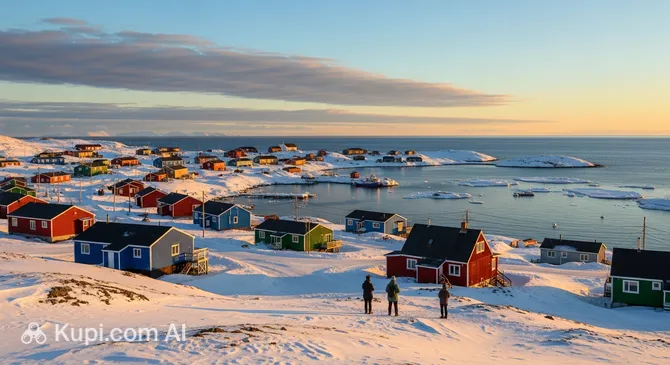
Gjoa Haven. Source: Kupi.Binoculars

With a population of approximately 1,300 residents, Gjoa Haven offers an intimate glimpse into life in the Arctic. The town is geographically significant as the only settlement on the island, surrounded by a pristine environment that transforms with the seasons—from the endless daylight of the Midnight Sun to the dancing colors of the Northern Lights. The climate here is truly polar, shaping a unique lifestyle centered around the land and sea.

The town holds a legendary status in the annals of polar exploration. It is famously known as the place where Norwegian explorer Roald Amundsen spent two winters while navigating the Northwest Passage in his ship, the Gjøa, from which the hamlet takes its name. During his stay, Amundsen learned vital survival skills from the local Netsilik Inuit. You can learn more about these fascinating events and the history of Gjoa Haven by visiting local cultural sites that honor this deep connection between European explorers and Indigenous knowledge.

Visitors are often drawn to the Nattilik Heritage Centre, which houses a world-class collection of artifacts and tells the story of the search for the lost Franklin Expedition. The area is also celebrated for its exceptional Inuit art, particularly distinctive carvings and tapestries that reflect the myths and daily life of the region. Whether you are a history buff or an adventurer seeking the true North, Gjoa Haven invites you to experience its storied past and vibrant culture firsthand.

Weather Overview

The climate in Gjoa Haven is distinctly Arctic, characterized by long, harsh winters and short, cool summers. Temperatures remain below freezing for much of the year, with February typically being the coldest month, averaging around -31.4°C. During this deep freeze, precipitation is virtually non-existent, resulting in dry but intensely cold conditions that demand high-quality thermal clothing.

Summer brings a brief thaw, with July standing out as the warmest month, where the average temperature rises to 8.4°C. Even during this milder season, the weather remains brisk, and rainfall is very sparse, rarely exceeding 1mm or 2mm in any given month. Expect cool summers with minimal precipitation and extremely cold, dry winters. For a more comprehensive breakdown of the seasons and daily forecasts, you can consult the guide to the weather in Gjoa Haven.

Interesting Facts

Beyond the main attractions and historical summaries, Gjoa Haven holds fascinating details that connect this remote hamlet to some of the world's greatest polar achievements. Here are a few intriguing facts about this unique Arctic community.
  • The success of Roald Amundsen at the South Pole is directly linked to his stay in Gjoa Haven. It was here that he realized the superiority of local Inuit clothing—loose caribou skins that allowed for airflow—over the heavy European woolens, a crucial adaptation that later helped him survive the Antarctic expedition while his rivals struggled.

  • The long-lost ships of the Franklin Expedition, HMS Erebus and HMS Terror, were not found solely through modern technology, but by listening to the locals. For over 160 years, Inuit oral history preserved accurate accounts of where the ships sank, and these generational stories ultimately guided researchers to the exact wreckage sites south of King William Island.

  • Amundsen originally chose this location not just for trade, but for its perfect natural defense. He called it the "finest little harbor in the world" because its entrance was narrow and crooked enough to block the massive, crushing pack ice from entering the bay, keeping his small ship safe through two harsh winters.

How to Get There

Reaching Gjoa Haven is an adventure in itself, given its remote location on King William Island in the Canadian Arctic. Since there are no roads or railway lines connecting the community to the southern provinces, air travel is the primary and most practical mode of transport for visitors. For a comprehensive guide on planning your journey to this unique destination, you can read more about how to get to Gjoa Haven.

The town is served by its own local facility, Gjoa Haven Airport (YHK). Situated just 1.6 km from the center of the community, it is a vital lifeline for residents and tourists alike. While it is a small airport, it connects travelers to the wider Kitikmeot region and major northern hubs. Due to the very short distance, the transfer from the terminal to the town is quick, typically taking only about 5 to 10 minutes by local taxi or shuttle.

For clarity, here is a summary of the main airport:

Airport Name City Passenger Traffic Km from City
Gjoa Haven Airport Gjoa Haven Small 1.6

Main Attractions

Gjoa Haven is a destination defined by its incredible history and vibrant culture. While it is a small, remote community, the attractions here offer a profound connection to the stories of polar exploration and the enduring traditions of the Netsilik Inuit. Visitors traveling to this part of the Arctic are treated to a landscape rich in heritage, where every landmark tells a story of survival and discovery.

The Nattilik Heritage Centre is undoubtedly the cultural heart of the hamlet and a must-visit for anyone arriving in Gjoa Haven. This modern facility is renowned for its world-class exhibits that beautifully weave together the history of the local Inuit people and the European explorers who sought the Northwest Passage. It houses a significant collection of artifacts recovered from the lost ships of the Franklin Expedition, HMS Erebus and HMS Terror. Beyond the mysteries of Franklin, the centre celebrates the skills and artistry of the Netsilik people, displaying traditional tools, clothing, and stories that have been passed down through generations.

For those who wish to walk in the footsteps of history, the Northwest Passage Trail offers a compelling self-guided walking tour through the community. This route takes you past several significant historical sites, including the location where Roald Amundsen set up his magnetic observatory during his two-year stay. Walking this trail provides a tangible connection to the past, allowing you to stand on the very ground where European explorers learned crucial survival techniques from the local inhabitants over a century ago.

The Hamlet Waterfront is another focal point, historically significant as the "finest little harbor in the world" that sheltered Amundsen’s ship, the Gjøa, from crushing pack ice. Today, it remains a vital part of community life. In the summer, the shore is active with hunters and fishermen preparing their boats, offering visitors a glimpse into the contemporary maritime lifestyle of the Arctic. It is also a serene spot to look out over the Queen Maud Gulf and imagine the landscape as it appeared to the early navigators.

Finally, Gjoa Haven is famous for its unique artistic community. Exploring the local Arts and Crafts scene is a highlight for many travelers. The town is known for a distinctive style of Inuit carving, often characterized by expressive, spiritual, and sometimes "grotesque" faces that differ from the art found in other Nunavut communities. Visitors can often meet local carvers and purchase soapstone sculptures or intricate wall hangings directly from the artists or at local co-ops, taking home a piece of the region's creative spirit.

Local Cuisine

The culinary landscape of Gjoa Haven is deeply rooted in the traditions of the Arctic, revolving primarily around what is locally known as "Country Food." In this remote environment, the diet is shaped by the land and sea, offering a unique gastronomic experience that connects you directly to the Inuit way of life. For visitors, tasting these local staples is not just a meal; it is an immersion into a culture of survival and respect for nature.

One of the most iconic foods to try is Arctic Char, a cold-water fish that is a dietary staple in Nunavut. It is prepared in various ways: smoked, baked, or dried into jerky known as pipsi. However, to truly eat like a local, you might try it as quaq—frozen raw fish cut into bite-sized pieces, often dipped in soy sauce. Another significant dish involves Muskox or Caribou, which are often served in hearty stews or as roasts. The meat is lean, rich in protein, and has a distinct, flavorful taste that reflects the wild tundra.

No meal in the North is complete without Bannock, a simple but beloved quick bread. Fried or baked, this dense and filling bread is a comfort food found in almost every home and gathering. It is the perfect accompaniment to soups or simply enjoyed warm with butter and jam. For the adventurous eater, you might be offered maktaaq (whale skin and blubber), a delicacy prized for its vitamins and energy, usually eaten raw or diced.

When it comes to beverages, the culture here is warm and welcoming, quite literally. Hot tea is the social glue of the community, consumed throughout the day to stay warm and socialize. You will also find that the local water, often sourced from nearby freshwater lakes or ice, is incredibly pure and refreshing. It is important for travelers to know that Gjoa Haven is a "restricted" community regarding alcohol. There are no bars, liquor stores, or nightlife venues serving spirits, so the beverage scene is strictly non-alcoholic and focused on warm hospitality.

The dining scene in Gjoa Haven is intimate and limited, reflecting its small population. You will not find street food stalls or a wide variety of restaurants. Most visitors dine at the local hotel restaurant, which serves a mix of standard Canadian fare and local specialties when available. However, the true heart of the food culture is found in community feasts and home kitchens. If you are fortunate enough to visit during a festival or are invited by a local host, sharing a communal meal on the floor with cardboard laid out for the "Country Food" is an unforgettable privilege.

Travel Tips

Visiting Gjoa Haven requires a spirit of adventure and careful preparation, as life in the Arctic is distinct from anywhere else in the world. To help you make the most of your journey to this remote community on King William Island, here are some essential practical tips to ensure a safe and respectful experience.

  1. Clothing and Gear: The weather here dictates your wardrobe. In winter, you need professional-grade polar gear: a heavy down parka, insulated windproof pants, and boots rated for at least -40°C. Do not forget thermal base layers, a balaclava, and high-quality mittens. In summer, the weather is milder but unpredictable; dress in layers and bring a waterproof windbreaker. Crucially, if visiting in July or August, bring strong insect repellent and a bug jacket, as mosquitoes on the tundra can be intense.
  2. Transportation: Gjoa Haven is a small, compact hamlet, and most points of interest are within walking distance. There is no public transit system like a metro or bus network, nor are there car rental agencies. For longer distances or airport transfers, local taxi services are available and usually charge a flat rate per person. In winter, snowmobiles are the primary mode of transport, while ATVs are used in summer; you may be able to arrange tours using these vehicles through local outfitters.
  3. Finances: The official currency is the Canadian Dollar (CAD). While the main grocery stores (the Northern Store and the Co-op) and the hotel accept credit and debit cards, it is highly recommended to carry cash. Many local artists sell their carvings and jewelry directly from their homes, and they typically only accept cash. There is an ATM in town, but it can occasionally be out of service, so bringing sufficient funds with you is a wise precaution.
  4. Health and Safety: Medical facilities are limited to a local Health Centre staffed by nurses; serious emergencies require a medical evacuation flight to a larger city, which is weather-dependent. Ensure you have comprehensive travel insurance that covers medevac. Regarding safety, never wander outside the town limits alone. Polar bears are a real presence in the area, and they can be dangerous. Always hire a local guide if you plan to explore the surrounding land.
  5. Communication: English is widely spoken and understood, so you will have no trouble communicating. The local language is Inuktitut, and learning a few words like Tunngasugit (Welcome) or Qujannamiik (Thank you) is deeply appreciated by elders. Mobile coverage is available but limited to specific carriers (mainly Bell and its affiliates); check with your provider before leaving. Wi-Fi is available at the hotel and some public buildings, but speeds are generally slower than in southern Canada due to satellite connections.
  6. Local Etiquette: The community is friendly and tight-knit. It is polite to smile and wave at passersby. When entering a home or certain public buildings, it is customary to remove your shoes at the door to keep the interiors clean from mud and snow. Always ask for permission before taking photographs of local residents, especially elders and children, as a sign of respect for their privacy.
  7. What to Avoid: Be very mindful of alcohol regulations. Gjoa Haven is a "restricted" community, meaning there are strict rules regarding the possession and importation of alcohol, and there are no liquor stores or bars. Do not attempt to bring in large quantities of alcohol or sell it, as this is illegal and culturally insensitive. Also, avoid walking on the sea ice without local knowledge, as currents can make ice unstable even when it looks solid.
  8. Additional Tip: Be prepared for "Northern prices" when shopping for snacks or supplies. Due to the high cost of freight shipping to the Arctic, fresh produce and perishables are significantly more expensive than in the south. It is often a good life hack to pack some of your own lightweight snacks, toiletries, and personal essentials to save money and ensure you have your preferred brands.

By keeping these tips in mind, you will be well-equipped to navigate the unique challenges and rewards of the Arctic. The people of Gjoa Haven are known for their hospitality, and a little preparation goes a long way in ensuring your visit is as comfortable and memorable as the landscape itself.

Entertainment & Nightlife

Travelers expecting a bustling scene of neon-lit nightclubs, cocktail bars, or loud disco districts will find that Gjoa Haven offers a completely different, yet deeply atmospheric, evening experience. As a remote Arctic community, the town does not have a traditional nightlife infrastructure. There are no pubs, dance clubs, or late-night entertainment districts. Instead, the "nightlife" here is dictated by the rhythms of the community and the spectacular natural environment, offering a peaceful solitude that is rare in the modern world.

It is important to note that Gjoa Haven is a "restricted" community regarding alcohol. This means there are no bars or liquor stores where you can buy a drink, and the sale of alcohol is prohibited within the hamlet. The evening social scene is therefore centered around community gatherings, family visits, and events at local venues rather than partying. The atmosphere is quiet, safe, and incredibly welcoming, but visitors should be prepared for evenings spent relaxing at their accommodation or engaging in low-key local activities.

For those looking for a place to socialize, the Amundsen Hotel serves as the primary hub for visitors. While it does not serve alcohol, its dining room is often the busiest spot in town during the evening, where travelers, contractors, and locals mix to share meals and stories. Another key venue is the Community Hall, which frequently hosts recreational activities. Depending on the schedule, you might stumble upon a square dance, a community feast, or traditional Inuit games, which offer a vibrant and authentic glimpse into the local culture far more memorable than a standard night out.

The true star of the night in Gjoa Haven is the sky itself. During the winter months, the lack of light pollution makes this one of the best places on Earth to view the Aurora Borealis (Northern Lights). Stepping outside to watch the green and purple lights dance across the vast tundra is the ultimate nocturnal entertainment here. Conversely, in the summer, the Midnight Sun means the "night" never truly arrives. The sun circles the horizon but never sets, allowing for unique activities like hiking, photography, or even golfing on the tundra at 2:00 AM under bright daylight.

When venturing out at night, safety is paramount, but not for the usual urban reasons. The hamlet is very safe regarding crime, but the environment poses real risks. In winter, temperatures can drop dangerously low, so extreme cold-weather gear is essential even for short walks. More importantly, polar bears are a genuine concern in the area and can occasionally come near the town. It is highly advisable to stay within the illuminated areas of the community, walk in groups, and ask locals about the current wildlife activity before wandering the perimeter of the hamlet.

During the daytime, entertainment shifts towards cultural and historical exploration. The Nattilik Heritage Centre is the focal point for learning, offering exhibits on the Franklin Expedition and local art. For outdoor enthusiasts, walking the Northwest Passage Trail provides a historical perspective on the explorers who once wintered here. While there are no amusement parks or theaters, the opportunity to watch local carvers at work or visit the hamlet's waterfront offers a rich cultural engagement that fills the days with meaning.

Parks & Museums

While Gjoa Haven does not feature the manicured botanical gardens or sprawling urban parks found in southern cities, its "green spaces" are the vast, untamed beauty of the Arctic tundra itself. The community offers a unique blend of natural recreational areas and profound cultural institutions that celebrate the resilience of the Inuit people and the adventurous spirit of polar explorers.

Key Parks and Green Spaces

The Hamlet Waterfront serves as the community's primary outdoor gathering space, functioning much like a town square or central park. Situated along the shoreline where Roald Amundsen once wintered, this area offers unobstructed views of the Queen Maud Gulf. In the summer, it is a hive of activity where families gather, children play on the beach, and hunters prepare their boats. For tourists, it is the perfect spot for a scenic walk to breathe in the crisp polar air and watch the midnight sun dip toward the horizon without ever setting.

For those who enjoy hiking, the Northwest Passage Trail acts as a linear park and historical walkway. This self-guided trail winds through the hamlet and out towards the surrounding tundra, offering a mix of natural beauty and historical significance. As you walk the path, you traverse the same rugged terrain that European explorers and Netsilik Inuit have navigated for centuries. The trail is marked by interpretive plaques, making it an educational outdoor experience where the landscape itself tells the story of survival.

Just outside the main settlement lies Swan Lake, a beloved natural area for locals. It is a popular destination for fishing and picnicking during the warmer months. The area surrounding the lake transforms into a vibrant carpet of wildflowers, mosses, and lichens in July and August. It offers visitors a chance to experience the serene silence of the land and observe local birdlife, including the tundra swans for which the lake is named.

Museums and Galleries

The cultural jewel of the town is the Nattilik Heritage Centre. This modern facility is far more than a typical small-town museum; it is a world-class institution dedicated to the history of the Northwest Passage. It famously houses a collection of artifacts recovered from the wreckages of HMS Erebus and HMS Terror, the lost ships of the Franklin Expedition. Visitors can explore interactive exhibits that showcase traditional Inuit tools, clothing, and kayaks, providing deep insight into how the Netsilik people thrived in this harsh environment long before European contact.

While there are no formal commercial art galleries, the entire hamlet functions as a living Arts and Crafts showcase. Gjoa Haven is renowned for its talented carvers who create distinctive soapstone sculptures known for their spiritual and often gesticulating figures. The local Co-op Store often displays a selection of these works, acting as a gallery where you can view and purchase high-quality Inuit art. Additionally, many artists work from their homes or sheds, and the Heritage Centre often features local masterpieces, allowing tourists to engage directly with the creators of this unique art form.

Historical and Architectural Sites

History buffs should visit the Amundsen Cairn, a monument dedicated to the Norwegian explorer Roald Amundsen. Located near the harbor, this site commemorates his successful navigation of the Northwest Passage and his two-year stay in Gjoa Haven. It stands as a tribute to the friendship between Amundsen and the local Inuit, whose survival teachings were crucial to his success. The site offers a moment of reflection on the convergence of two very different cultures at the top of the world.

Authentic Experiences

For a truly authentic local experience, venture slightly onto the tundra during late summer to try berry picking. The land around Gjoa Haven is rich with cloudberries (aqpiks), which are a prized delicacy in Nunavut. Joining locals in this harvest is a wonderful way to connect with the land. Alternatively, keep an eye out for the drying racks near the shore, where you might see Arctic char being prepared in the traditional way, a sight that perfectly encapsulates the subsistence lifestyle of the region.

Getting Around

Visitors arriving in Gjoa Haven should immediately adjust their expectations regarding public transportation. As a small, remote hamlet with a population of roughly 1,300 people, the town does not possess a public transit infrastructure such as a metro, tram, or municipal bus network. There are no fixed-route vehicles or scheduled stops. Instead, the community is compact and easy to navigate, with a transport system that relies primarily on walking, private vehicles, and local taxi services.

The most common form of motorized transport available to visitors is the local taxi service. These are standard passenger vehicles or SUVs that operate on an on-call basis rather than patrolling the streets for fares. To use a taxi, you typically need to call the dispatch number or arrange a pick-up through your accommodation. The service is reliable and covers the entire hamlet, including transfers to and from the airport. It often functions as a shared-ride system, meaning the driver may pick up or drop off other passengers along the way to your destination.

Regarding payment, the system is straightforward and strictly cash-based. There are no travel passes, smart cards, or mobile ticketing apps. The fare is usually a fixed flat rate per person, per trip, regardless of the distance traveled within the town limits. Prices are generally affordable, typically ranging between $7 and $10 CAD per ride. It is essential to carry small bills and coins, as drivers may not always have change for large denominations, and electronic payment terminals are rarely available in vehicles.

For tourists, the best practical advice is to keep the local taxi number saved in your phone or ask the staff at the Amundsen Hotel to call one for you. Operating hours are generally broad, covering flight arrivals and the active parts of the day, but service may be limited late at night or during severe weather conditions. Since there are no tickets to validate or turnstiles to pass through, you simply pay the driver directly upon exiting the vehicle.

Alternatives to taxis are largely defined by the season and the terrain. Walking is the most popular and feasible way to get around, as you can traverse the entire town from end to end in about 20 to 30 minutes. There are no car-sharing apps like Uber, nor are there formal bike rental stations. However, in the winter months, snowmobiles are the primary mode of transport for locals, while ATVs (all-terrain vehicles) dominate in the summer. While you cannot typically rent these for personal use like a city bike, local outfitters may offer guided transport using these vehicles to explore the surrounding area.

Accommodation

When planning a visit to Gjoa Haven, it is important to manage expectations regarding accommodation. As a remote community in the high Arctic with a population of just over 1,000 people, the options for lodging are very limited. You will not find international hotel chains, luxury resorts, or hostels here. Instead, the hospitality scene is small, functional, and centered around providing a warm, comfortable base for survival and rest in the harsh polar environment.

The primary accommodation provider in the hamlet is the Amundsen Hotel. Operated by the Inns North cooperative, which serves many communities across Nunavut, this hotel is the hub of activity for visitors, including government workers, contractors, and tourists. It offers standard amenities such as private bathrooms, cable television, and laundry facilities. Given the isolation of the region, the hotel also provides Wi-Fi, though travelers should be aware that internet speeds can be slower than in southern Canada due to satellite connections.

The hotel is not just a place to sleep but also the social and culinary center of the town. Its dining room serves breakfast, lunch, and dinner, offering a mix of standard Canadian dishes and, occasionally, local "country food" like Arctic char or muskox. It is crucial to remember that the Amundsen Hotel operates within a "restricted" community, meaning the restaurant does not serve alcohol, and there is no bar on the premises. The atmosphere is quiet and community-focused.

Due to the limited number of rooms and the influx of seasonal workers or research teams, occupancy can fill up quickly. It is highly recommended to book your accommodation well in advance of your trip. Do not rely on finding a room upon arrival. Additionally, visitors should be prepared for "Northern prices." The cost of running a hotel in the Arctic—where heating, electricity, and food shipping are expensive—is reflected in the room rates, which are significantly higher than for comparable facilities in the south.

Beyond the main hotel, formal accommodation options are scarce. Occasionally, the local Co-op may have information on alternative lodging or temporary rentals, but these are not guaranteed and are often unavailable to short-term tourists. There are no official campsites with facilities within the town limits. For the vast majority of travelers, the Amundsen Hotel is the only practical and reliable choice for a stay in Gjoa Haven.

Nearby Cities

For those looking to explore the surroundings, Gjoa Haven serves as an excellent base for day trips or short excursions to several interesting nearby locations. While the vast distances of the Arctic often require air travel rather than a simple drive, these communities offer distinct cultural and geographical experiences within the region.

Cambridge Bay is the regional hub of the Kitikmeot region and is located approximately 373 km to the west on Victoria Island. Known as Ikaluktutiak ("good fishing place"), it is a vibrant community that blends traditional Inuit culture with modern science, hosting the Canadian High Arctic Research Station. Visitors are attracted to its rich wildlife, including muskoxen and caribou, as well as its historical significance regarding the Northwest Passage.

Situated inland to the south is Baker Lake, the only community in Nunavut that is not located on the coast. It is geographically close to the center of Canada and is world-renowned for its unique Inuit art, particularly printmaking and wall hangings. A visit here offers a different perspective on the Arctic landscape, transitioning from sea ice to the vast, rolling tundra and freshwater lakes.

Further to the southeast lies Rankin Inlet, the bustling business center of the Kivalliq region. It is known for its history as a mining town and its celebrated artistic community, especially for Inuit ceramics which are distinct to this area. The town serves as a major gateway for air travel in the north, making it a frequent stop for travelers exploring the wider territory.

City Population Distance (km)
Arviat 3300 842
Rankin Inlet 2800 671
Baker Lake 2069 480
Cambridge Bay 1766 373
Igloolik 1700 568

These nearby destinations offer a glimpse into the diverse culture and landscapes of the region, allowing travelers to experience the different facets of life in Nunavut beyond King William Island.

Shopping & Souvenirs

Shopping in Gjoa Haven is a unique experience that differs significantly from the retail therapy found in southern cities. There are no bustling high streets, luxury boutiques, or sprawling commercial districts here. Instead, the shopping scene is functional and community-oriented, focused primarily on essential goods, survival gear, and groceries. However, for the visitor, the true treasure lies in the local artistic community. The hamlet is world-renowned for its distinctive Inuit art, making it an exceptional destination for collectors seeking authentic sculptures and textiles directly from the source.

There are no designated shopping streets in the traditional sense. The retail activity is concentrated within a few central buildings that serve as the lifeline for the community. Visitors will find that "going shopping" usually means visiting one of the two main general stores located in the heart of the hamlet. These stores are all-encompassing, stocking everything from fresh produce and canned goods to snowmobile parts, winter parkas, and household electronics. Walking between these locations takes only a few minutes, allowing you to see the entire commercial offering of the town in a single short stroll.

You will not find any shopping malls or department stores in Gjoa Haven. The closest equivalent is the Northern Store or the Kissarvik Co-op. These large general stores function as the community's "malls," offering a one-stop-shop experience. They are vital hubs where locals gather not just to buy supplies, but to catch up on news. For a tourist, browsing the aisles offers a fascinating glimpse into Arctic life, particularly when observing the prices of perishable goods, which reflect the high cost of air freight shipping to the North.

While there are no formal flea markets, the Nattilik Heritage Centre and the local Co-op often act as marketplaces for local artisans. The most authentic "market" experience, however, involves interacting directly with the artists. It is common for carvers and craftspeople to sell their work from their homes or to approach visitors respectfully in town. This informal economy allows you to meet the creator behind the piece, hear the story of the artwork, and ensure that the money goes directly to the artist and their family.

When it comes to souvenirs, Gjoa Haven is famous for a specific style of Inuit carving. The local aesthetic often features expressive, spiritual, and sometimes "grotesque" faces, distinguishing it from the art of other Nunavut communities. Soapstone and serpentine sculptures of drumming bears, dancing walruses, and mythological figures are highly prized. Additionally, the region is known for intricate wall hangings and handmade clothing items like mittens or kamiks (traditional boots), which are not only beautiful but practical for the cold climate.

Store opening hours are generally standard, typically running from roughly 9:00 AM to 6:00 PM, though the main grocery stores may stay open later and have limited hours on Sundays. Payment methods in the main stores (Northern and Co-op) include cash, credit, and debit cards. However, if you plan to purchase art directly from local carvers, cash is essential. Many artists do not have card terminals, and the town's single ATM can occasionally be out of service, so it is wise to bring sufficient Canadian currency with you.

regarding taxes, Canada applies a federal Goods and Services Tax (GST) of 5% to most purchases. Unlike the provinces, Nunavut does not have a territorial sales tax (PST), making the overall tax burden lower here than in many other parts of the country. Visitors should note that Canada no longer operates a GST refund program for tourists for general goods bought during their stay, so the price you pay at the register is final.

Reached the end of the page?

That means the route is fully explored