Support

Cambridge Bay

About

Cambridge Bay, known locally as Ikaluktutiak or "good fishing place," is a vibrant hamlet located on the southern shore of Victoria Island in the Nunavut territory of Canada. As the administrative center of the Kitikmeot Region, this community serves as a crucial hub for the High Arctic, offering a unique blend of traditional Inuit culture and modern scientific research. With a population of approximately 1,766 residents, it provides an intimate yet bustling atmosphere where visitors can truly connect with the northern way of life.

The settlement sits along the famous Northwest Passage, making it a significant stop for adventurers and vessels traversing these historic waters. The landscape is defined by vast tundra, pristine waters, and the iconic Mount Pelly. Those interested in the past can explore the history of Cambridge Bay, which ranges from ancient Thule sites to its development as a Hudson's Bay Company post and a strategic site during the Cold War era.
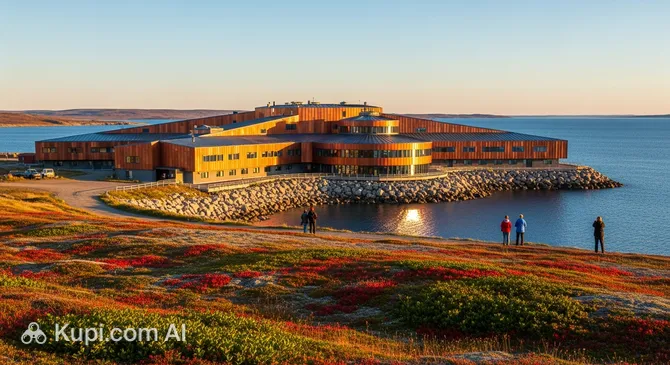
Cambridge Bay. Source: Kupi.Binoculars

Nature lovers are drawn to the nearby Ovallayok Territorial Park, where hiking trails offer chances to spot muskoxen, caribou, and migratory birds against a backdrop of sweeping Arctic vistas. The town is also home to the cutting-edge Canadian High Arctic Research Station (CHARS), a facility that underscores the global importance of polar science. Additionally, the region is renowned for its exceptional fishing and opportunities to witness the mesmerizing Aurora Borealis in the darker months or the Midnight Sun during the summer.

Whether you are looking to immerse yourself in Inuit art and culture or seeking an unforgettable Arctic wilderness adventure, Cambridge Bay offers a warm welcome in one of the world's most remote and beautiful settings.

Weather Overview

The climate in this Arctic hamlet is defined by its extreme seasonal contrasts, typical of the polar region. Winters are long and intensely cold, with average temperatures in February dropping to around -32.7°C. Conversely, the brief summer season offers much milder conditions; July is typically the warmest month, boasting an average temperature of 11.1°C and highs reaching up to 15.1°C. For a more detailed forecast before you pack, checking the current weather in Cambridge Bay is highly recommended.

Precipitation remains exceptionally low year-round, with winter months like January and February often seeing virtually no recorded precipitation. September tends to be the dampest month with approximately 10 wet days, though the actual rainfall amount is still minimal at around 2mm. Overall, expect cool, short summers with very little rain and extremely cold, dry winters that require specialized thermal gear.

Interesting Facts

Beyond its reputation as a hub for scientific research and Arctic exploration, Cambridge Bay holds several fascinating stories that often go unnoticed by the casual observer. From unique construction techniques to its place in maritime history, this remote hamlet is full of surprises.
  • The "Seal Oil" Church: One of the town's most iconic structures is the Old Stone Church, built in 1954. Since traditional construction materials were scarce, the builders used local limestone and a unique mortar mixture composed of clay, sand, and seal oil, allowing it to withstand the harsh Arctic climate for decades.

  • Resting Place of the Maud: For nearly 80 years, the bay was the final resting place of the Maud, a ship belonging to the famous polar explorer Roald Amundsen. The vessel sank at its mooring in 1930 and became a local landmark and tourist attraction before eventually being raised and returned to Norway in 2018.

  • Mapping by Tricycle: Cambridge Bay was one of the first remote communities in Canada to be mapped for Google Street View. Instead of the usual car, a local resident pedaled a specially equipped tricycle across the hamlet's gravel roads to capture the imagery, bringing this secluded location to the digital world.

  • A Cold War Legacy: The community played a strategic role during the Cold War as the site of a Distant Early Warning (DEW) Line station. Known as CAM-MAIN, this facility was crucial for monitoring airspace and has left a lasting imprint on the town's infrastructure and history.

How to Get There

Reaching this remote Arctic community on Victoria Island is an adventure in itself, as there are no roads or railway lines connecting it to the rest of Canada. Air travel is the primary and most practical method of transport for visitors year-round. For a detailed breakdown of routes and logistics, you can read more about how to get to Cambridge Bay.

Travelers will arrive at Cambridge Bay Airport (IATA: YCB), which serves as the vital lifeline for the hamlet. Located approximately 3.3 km from the center of the settlement, the airport handles scheduled flights that typically connect through larger northern hubs such as Yellowknife. The facility is a regional hub with a passenger volume that reflects its importance to the local community rather than mass tourism. Once you land, the town is just a short drive away; a taxi or shuttle ride usually takes about 5 to 10 minutes depending on road conditions.

For clarity, here is a summary of the main airport:

Airport Name City Passenger Traffic Km from City
Cambridge Bay Airport Cambridge Bay Small 3.3

Main Attractions

Although Cambridge Bay is a remote hamlet, it offers a surprising array of sights that blend cutting-edge science, deep-rooted Inuit culture, and raw natural beauty. Visitors here can explore everything from state-of-the-art research facilities to ancient landscapes that tell the story of the Earth's history.

Canadian High Arctic Research Station (CHARS)
Dominating the northern skyline of the hamlet, this world-class facility is a hub for polar science and technology. While its primary purpose is research, the campus itself is an architectural masterpiece designed to mimic the shape of a snowdrift. The public areas often feature stunning Inuit art installations and displays explaining the station's work in monitoring the changing Arctic climate. It is a fascinating stop for those interested in how modern science intersects with traditional Indigenous knowledge.

Ovallayok Territorial Park
Located about 15 kilometers east of the community, this park is the premier destination for hikers and nature enthusiasts. Its centerpiece is Mount Pelly (Ovallayok), which is not a geological mountain but a massive esker—a riverbed formed by melting glaciers thousands of years ago. The park offers several marked trails ranging from easy walks to more challenging climbs. From the summit, you are rewarded with panoramic views of the tundra and waterways, and it is one of the best places in the region to spot herds of muskoxen grazing in their natural habitat.

May Hakongak Community Library and Cultural Centre
Situated within the local high school, this centre is the cultural heart of Cambridge Bay. Operated by the Kitikmeot Heritage Society, it features exhibits dedicated to the history and culture of the Inuinnait (Copper Inuit). Visitors can view impressive collections of archaeological artifacts, traditional clothing, and tools that demonstrate the ingenuity required to survive in the Arctic environment. It is an essential stop for gaining a deeper understanding of the local people and their enduring connection to the land.

The Old Stone Church
While often mentioned for its unique construction, seeing this historic structure in person is a highlight of a walking tour around the town. Built in the 1950s using local limestone and a mortar mixed with seal oil, it stands as a testament to the resourcefulness of the early community. Although it is no longer in active service, its distinct appearance makes it a favorite subject for photographers looking to capture the spirit of the settlement's history.

Local Cuisine

The culinary landscape of Cambridge Bay is defined by its remote Arctic location and the rich traditions of the Inuit people. Here, "country food"—known locally as niqituinnaq—is not just a diet but a way of life. Visitors have the unique opportunity to taste ingredients harvested directly from the surrounding land and waters, offering flavors that are impossible to find elsewhere. The local diet is protein-heavy and nutrient-dense, designed to sustain energy during the long, cold winters.

The star of the local menu is undoubtedly Arctic Char. Fittingly for a town whose traditional name, Ikaluktutiak, means "good fishing place," this fish is served in various forms: fresh, smoked, or dried as piffi (a traditional jerky). Another must-try is muskox, which is leaner than beef and often described as having a rich, savory flavor. You can find it served as a hearty burger, in a warming chili, or even as a high-end roast. Caribou is another staple, often prepared in stews or soups that are perfect for warming up after a day on the tundra.

When it comes to beverages, the focus is largely on warming, non-alcoholic drinks. Coffee culture is surprisingly vibrant here, with locals gathering over specialty coffees and teas to socialize and escape the chill. Alcohol availability is quite different from southern cities; the community has specific regulations, and most restaurants do not serve alcohol with meals. However, you might be able to enjoy a beer at the local Elks Club on specific evenings, which serves as a primary social hub for nightlife.

Dining out in Cambridge Bay is a casual and community-oriented affair. The Kuugaq Café is a favorite among residents and visitors alike, known for its "extension of the living room" atmosphere and dishes like char chowder and muskox burgers. For a slightly different vibe, the Saxifrage Resto-Café offers a cozy spot for meals and coffee. If you want to take a taste of the Arctic home with you, visit Kitikmeot Foods, a processing plant that sells high-quality muskox and char products, including candied fish and jerky, which make for excellent edible souvenirs.

Travel Tips

Visiting Cambridge Bay is a bucket-list adventure for many, but the unique Arctic environment demands respect and careful preparation. To help you navigate this remote hamlet safely and enjoy your stay to the fullest, here are some essential practical tips for your journey.

  1. Clothing and Gear: The golden rule in the Arctic is to dress in layers. In winter (October to May), you absolutely need a heavy parka, windproof insulated pants, and boots rated for at least -40°C. In summer, while temperatures are milder, the weather changes rapidly, so waterproof layers are essential. Crucially, bring a high-quality mosquito head net and strong insect repellent if visiting in July or August, as the insects can be intense on the tundra.

  2. Transportation: There is no public transit system like a metro or bus network. The town is compact and walkable, but for longer distances or airport transfers, local taxi services are available and typically charge a flat rate per person. Ride-hailing apps like Uber do not exist here. If you wish to explore further afield, you will need to rent a vehicle or hire a local outfitter, as there are no standard car rental chains.

  3. Finances: The currency is the Canadian Dollar (CAD). Major credit and debit cards are accepted at the main grocery stores (The Northern and the Co-op) and hotels. However, it is wise to carry cash, as it is often the preferred method of payment when buying arts and crafts directly from local carvers and artists. Be prepared for higher prices on groceries and everyday items due to the cost of freight shipping.

  4. Health and Safety: The Kitikmeot Health Centre provides basic medical services and emergency care, but serious medical conditions require a medical evacuation flight to Yellowknife or Edmonton. Ensure your travel insurance covers high-cost medical evacuation. regarding safety, never hike outside the hamlet limits without a local guide or proper knowledge, as this is polar bear and muskox country.

  5. Communication: English is widely spoken and understood throughout the community. The local Inuit language is Inuinnaqtun; learning a simple greeting like "Halau" (Hello) or "Quana" (Thank you) is a great way to show respect. Cell phone coverage is available (primarily on the Bell and Telus networks) but is limited to the immediate town area. Wi-Fi is available in hotels and public buildings but relies on satellite, so expect slower speeds than in southern cities.

  6. Local Etiquette: The community is friendly and tight-knit; it is polite to smile and wave at passersby. A very important custom is to remove your shoes immediately upon entering a home, and often at certain public offices or lodges, to keep the interiors clean from mud and snow. Ask for permission before taking photographs of local residents or their property.

  7. What to Avoid: Do not approach or attempt to pet sled dogs that are chained up outside homes or on the land. These are working animals, not pets, and they can be aggressive toward strangers. Admire them from a safe distance.

  8. Alcohol Regulations: Be aware that Cambridge Bay has specific alcohol restrictions. There are no liquor stores where you can walk in and buy bottles. Alcohol is generally brought in via a permit system or ordered from outside the territory. While you may find a drink at a club or restaurant, do not expect easy access to alcohol retail.

By packing the right gear and respecting local customs, you will find that the warmth of the community far outweighs the chill of the Arctic air. Embrace the slower pace of life in Cambridge Bay, and you are sure to have an unforgettable experience at the top of the world.

Entertainment & Nightlife

Entertainment and nightlife in Cambridge Bay offer a distinct departure from the high-energy club scenes found in southern Canada. Instead of neon-lit avenues, the atmosphere here is defined by community warmth and shared experiences. In this tight-knit hamlet, a night out is less about partying until dawn and more about connecting with locals and enjoying the unique social fabric of the High Arctic.

The heart of active entertainment is the local Recreation Complex. This facility serves as a vibrant community hub where residents of all ages gather to stay active and socialize. It features a hockey arena that hosts spirited local games, a curling rink which is a popular pastime during the long winter months, and a swimming pool. Whether you are watching a match or joining in a community skate, this is where you will feel the true pulse of the town.

Seasonal festivals also play a major role in the town's social calendar. The highlight is the Omingmak Frolics, a spring festival held every May to celebrate the return of the sun. The event transforms the town with snowmobile races, traditional games, seal skinning contests, and community feasts, offering visitors a joyful immersion into local culture and spirit.

For evening socializing, the Ikaluktutiak Elks Lodge acts as the main "watering hole." As a licensed venue, it hosts dances, live music, and special events on weekends, welcoming visitors to mingle with locals in a relaxed setting. Those seeking a quieter atmosphere might enjoy a hot drink or a late meal at one of the local cafes, which serve as cozy retreats for conversation before winding down for the night.

In the summer, the concept of nightlife shifts entirely under the Midnight Sun. With 24-hour daylight, the "evening" becomes an extension of the day, perfect for late-night hikes, fishing, or simply walking along the shore without the need for a flashlight. Conversely, winter evenings are the prime time for witnessing the spectacular Aurora Borealis dancing overhead, turning the dark sky into the town's greatest natural theater.

Parks & Museums

In Cambridge Bay, the concept of a "park" expands beyond fenced gardens to encompass vast stretches of pristine tundra, while its cultural venues serve as vital repositories for thousands of years of Inuit history. Visitors here are invited to step directly onto the land to experience the raw beauty of the Arctic and step inside community hubs that celebrate the resilience and artistry of the Copper Inuit people.

Ovallayok Territorial Park
Undoubtedly the crown jewel of the area's green spaces, this park protects the landscape surrounding Mount Pelly (Ovallayok). It is designated as a Cultural Landscape, acknowledging its importance in local legend, which describes the mountain as the body of a fallen giant. The park offers a network of trails that are perfect for hiking and observing wildlife, including muskoxen and migratory birds. Instead of manicured lawns, you will find a stunning expanse of wildflowers, lichen, and ancient rock formations that provide a profound sense of solitude and connection to nature.

The Waterfront and Tundra Trails
While not a formal park in the traditional sense, the shoreline of the bay serves as the community's main recreational area. Walking along the gravel paths by the water offers uninterrupted views of the Northwest Passage and the opportunity to watch ice floes drift by in the early summer. Just beyond the town limits, the open tundra becomes a boundless natural park where locals go to pick berries and enjoy the land. It is a place where the horizon seems endless, offering a unique kind of freedom for walkers and photographers.

May Hakongak Community Library and Cultural Centre
Located within the Kiilinik High School, this centre is the primary museum facility in the hamlet. Operated by the Kitikmeot Heritage Society, it is a "living museum" dedicated to preserving the language, history, and culture of the Inuinnait. The exhibits are intimate and impactful, featuring archaeological artifacts, traditional skin clothing, and tools that tell the story of survival in the harsh Arctic environment. It is also a space for community interaction, often hosting workshops on sewing and language, allowing tourists to witness culture in practice rather than just behind glass.

Canadian High Arctic Research Station (CHARS) Public Spaces
While primarily a scientific facility, the public areas of this station function as a modern gallery of sorts. The architecture itself is a tribute to the landscape, and the interior houses a significant collection of Inuit art, including drawings, sculptures, and wall hangings integrated directly into the building's design. A visit here offers a fascinating contrast between cutting-edge polar research and traditional artistic expression, highlighting how the past and future of the Arctic coexist.

Historical Landmarks
For history enthusiasts, the Old Stone Church near the waterfront remains a poignant open-air landmark. Although you cannot enter the structure, walking around its perimeter allows you to examine the unique seal-oil mortar and limestone construction up close. Nearby, you may find cairns and markers commemorating the region's exploration history, including the search for the Northwest Passage, adding a layer of historical intrigue to your outdoor explorations.

For a truly authentic experience, ask a local about the best spots for berry picking in late August. Wandering the hills to gather cloudberries (aqpiks) or blueberries is a beloved local pastime that combines hiking with a delicious reward, offering a peaceful way to engage with the land just as the residents do.

Getting Around

Due to its small size and remote location, Cambridge Bay does not possess a conventional public transport system found in larger cities. There are no subways, trams, or scheduled municipal bus services operating within the hamlet. Instead, the community relies on a straightforward and informal network of transport options suited to the Arctic environment, with the local taxi service acting as the primary form of motorized public transit for visitors and residents alike.

Taxis in the hamlet typically operate on a flat-rate system rather than using meters. The cost is generally a set fee per person per trip within the town limits, regardless of the distance. It is important to note that taxis here are often pickup trucks or SUVs, chosen for their ability to handle the gravel roads and winter snow conditions. Rides are frequently shared; do not be surprised if the driver stops to pick up other passengers along the way who are heading in the same direction.

Regarding payment, cash is the standard and most reliable method. There are no electronic travel passes, transport cards, or mobile ticketing apps available. While some services may occasionally accept credit cards, it is highly recommended to carry Canadian currency in small denominations to pay for your fare. You simply pay the driver directly upon reaching your destination.

For tourists, the most practical advice is to keep the phone numbers of the local taxi dispatchers saved on your phone, as you cannot hail a cab from the street. Service is generally reliable, but during peak times or severe weather, wait times can increase. Operating hours can vary, so if you have an early morning flight or a late-night event, it is wise to pre-arrange your ride or confirm availability in advance.

Given the compact nature of the settlement, walking is a popular and viable alternative for getting around. Most key locations, including hotels, the visitor centre, and stores, are within a 10 to 20-minute walk of each other. However, during the winter months, extreme cold and wind chill can make walking dangerous without proper gear. In these seasons, locals often utilize snowmobiles and ATVs as their main personal transport, though these are typically not available for casual short-term rental without booking a guided excursion through an outfitter.

Accommodation

Accommodation in Cambridge Bay is limited but comfortable, designed to cater primarily to business travelers, government workers, and the steady stream of researchers visiting the High Arctic. You will not find sprawling luxury resorts or international hotel chains here. Instead, the options consist of cozy lodges, executive suites, and bed-and-breakfast style establishments that offer a warm refuge from the Arctic elements.

Since the hamlet is compact, location is rarely an issue; almost all accommodation options are centrally located within walking distance of the main offices, the grocery stores, and the waterfront. Staying in the heart of the community allows for easy access to local services and the chance to immerse yourself in the daily rhythm of the town. Whether you choose a full-service hotel or a smaller guest house, you are never far from the airport or the start of a tundra trail.

Due to the remote nature of the region and the influx of seasonal workers, securing a room can be competitive. It is highly recommended to book your accommodation well in advance, especially during the summer research season and when major community events like the Omingmak Frolics are taking place. Last-minute availability is rare, and capacity fills up quickly.

Prices reflect the high cost of operating in the North, so travelers should expect rates that are generally higher than for comparable lodgings in southern cities. Most establishments fall into the mid-to-high price range. While some places can be booked through major online platforms, many local operators prefer direct bookings via phone or email. Payment is typically accepted via credit card, but it is always wise to confirm this when making your reservation.

Nearby Cities

Situated in the vast expanse of the Kitikmeot Region, Cambridge Bay is a strategic hub that connects to several other unique northern communities. While the distances in the Arctic are immense and there are no connecting roads, a network of regional flights allows travelers to explore beyond Victoria Island. These destinations offer a deeper look into the diverse cultures and landscapes of the North.

Kugluktuk
Located approximately 435 kilometers to the west, Kugluktuk is the closest neighboring community, situated at the mouth of the Coppermine River. Often called the "Garden of the Arctic" because of its slightly milder microclimate, it provides a different perspective on the Nunavut landscape. It is a welcoming spot for those interested in the history of the Copper Inuit and the scenic beauty of the Coronation Gulf.

Yellowknife
Although it lies further south, Yellowknife is the primary gateway for air travel into the region. As the capital of the Northwest Territories, it contrasts sharply with the remote hamlets, offering urban amenities, the historic Old Town, and a famous houseboat community. It is a world-renowned destination for viewing the Northern Lights and serves as the main connection point for flights to and from Cambridge Bay.

Baker Lake
For a distinct inland experience, Baker Lake is notable as Canada's only inland Inuit community. Situated near the geographic center of the country, it is celebrated for its thriving arts scene, particularly printmaking and wall hangings. A visit here offers insight into a lifestyle centered around the caribou and the land, differing from the coastal traditions found elsewhere in the territory.

City Population Distance (km)
Yellowknife 19569 854
Rankin Inlet 2800 914
Baker Lake 2069 666
Igloolik 1700 915
Kugluktuk 1500 435

Travelers should keep in mind that moving between these communities requires careful planning, as air travel is the only mode of transport. Flights may be subject to weather delays, which are a common part of life in the Arctic.

Shopping & Souvenirs

Shopping in Cambridge Bay offers a unique experience that reflects the practical needs and rich culture of life in the High Arctic. Unlike the commercial retail districts found in southern cities, the shopping scene here is small, centralized, and surprisingly diverse. Visitors will not find designer boutiques or sprawling shopping complexes; instead, the focus is on essential goods for Arctic living and exquisite, locally made arts and crafts that are highly sought after by collectors worldwide.

The main commercial activity is concentrated in the heart of the hamlet, where the community's primary general stores are located. These establishments serve as the lifeline for the town, offering everything from fresh produce and winter parkas to snowmobiles and hardware. A walk through these aisles provides a fascinating glimpse into the logistics of northern life, where you might see a high-end television sold next to hunting gear.

In terms of "malls," the town does not have traditional shopping centers. However, the two major retailers—The Northern (Northmart) and the Ikaluktutiak Co-op—function as all-in-one department stores. These large facilities are the go-to spots for residents and visitors alike. They are modern and well-stocked, often serving as social hubs where you can pick up daily necessities, withdraw cash, or grab a quick snack.

While there are no permanent daily markets, the spirit of a marketplace thrives through local artisans. The Kitikmeot Heritage Society, located in the high school, often has a selection of local crafts for sale. Additionally, community events and festivals frequently feature "pop-up" markets at the community hall, where residents sell homemade baked goods, sewn items, and traditional tools. It is also common for artists to approach visitors respectfully in public spaces to showcase their work directly.

When it comes to souvenirs, Cambridge Bay is a treasure trove for authentic Inuit art. The most iconic items to bring back are soapstone or bone carvings, often depicting Arctic animals like polar bears, seals, and muskoxen. Another prized purchase is items made from qiviut, the incredibly soft and warm inner wool of the muskox. Hand-sewn mittens, wall hangings, and prints are also popular. for a taste of the Arctic, look for packaged smoked Arctic char or muskox jerky to share with friends back home.

Store opening hours are generally standard, typically running from 9:00 AM to 6:00 PM, though the major grocery stores may stay open later. Sundays might see reduced hours. regarding payment, major credit and debit cards are widely accepted at the Co-op, The Northern, and hotels. However, if you plan to purchase art directly from local carvers or at a craft fair, carrying cash is essential, as individual artists usually do not have card terminals.

Travelers will be pleased to know that shopping in Nunavut comes with a financial perk. The territory has one of the lowest sales tax rates in Canada, charging only the 5% federal Goods and Services Tax (GST) with no additional provincial sales tax. This makes purchasing higher-value items, particularly local artwork and jewelry, slightly more affordable compared to other parts of the country.

Reached the end of the page?

That means the route is fully explored