Support

Kugluktuk

About

Welcome to Kugluktuk, a vibrant hamlet situated at the mouth of the Coppermine River on the coast of the Coronation Gulf. Known in the local language as "the place of moving water," this community offers a warm welcome despite its location north of the Arctic Circle. It serves as a gateway to the stunning and rugged landscapes of the western Kitikmeot Region.

As the westernmost community in the territory of Nunavut, Kugluktuk is a unique destination in northern Canada. With a population of approximately 1,500 residents, the town maintains a friendly, close-knit atmosphere where traditional Inuit culture blends seamlessly with modern life. The climate here is subarctic, characterized by long, snowy winters perfect for viewing the aurora borealis, and short, mild summers where the midnight sun illuminates the blooming tundra.
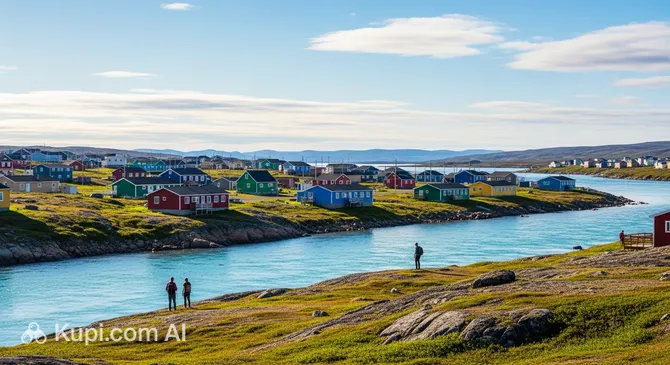
Kugluktuk. Source: Kupi.Binoculars

The region possesses a deep cultural significance, particularly for the Copper Inuit, who have inhabited these lands for centuries. The area was formerly known as Coppermine, reflecting the rich copper deposits found near the river. Visitors interested in the past can delve into the history of Kugluktuk to understand how the community has evolved while preserving its ancestral traditions and stories.

Travelers are drawn to this remote location for its incredible outdoor adventures. The Kugluk (Bloody Falls) Territorial Park is a highlight, offering spectacular views of rushing rapids and excellent opportunities for hiking and photography. The Coppermine River itself is world-renowned among paddling enthusiasts, providing a scenic and challenging route for canoeists and kayakers. Additionally, the pristine environment makes it a premier spot for fishing and witnessing the mesmerizing Northern Lights dancing across the clear dark skies.

Whether you are an avid adventurer seeking the thrill of the Arctic or a culture seeker looking to connect with local traditions, Kugluktuk promises an unforgettable journey. We invite you to experience the breathtaking beauty of the tundra and the genuine hospitality of Canada's North.

Weather Overview

Understanding the local climate is essential for packing the right gear for your Arctic adventure. Kugluktuk features a harsh, cold winter climate that transitions into a cool, mild summer. During the peak of winter in January and February, average temperatures sit around -27°C, requiring heavy thermal layers. In contrast, the warmest period in July sees averages rise to a comfortable 11.5°C, with daily highs sometimes reaching 15°C.

Precipitation volume remains relatively low year-round, though the frequency of wet days tends to peak in late summer and early autumn, particularly in September and October. Expect cool, fresher air in the summer with occasional light rain, and cold, dry conditions throughout the winter. To help plan your activities around the elements, you can consult the full guide to the weather in Kugluktuk.

Interesting Facts

Beyond the main attractions, Kugluktuk holds many fascinating secrets that offer a deeper glimpse into life in the North. From Hollywood connections to unique geographical quirks, these details reveal the distinct character of this Arctic hamlet.
  • Cinematic Fame: This community is the real-life setting for the inspiring movie The Grizzlies. The film depicts the true story of a local high school teacher who introduced lacrosse to students in the early 2000s, sparking a movement of resilience and hope that transformed the town and gained national attention.

  • An Arctic Oasis: Thanks to a sheltered microclimate within the river valley, the area boasts surprisingly lush vegetation compared to other parts of the territory. While much of the surrounding land is barren tundra, you can find dense willow thickets and dwarf birch growing here, creating a greener landscape than one might expect north of the Arctic Circle.

  • Time Zone Trivia: While the capital and much of the territory operate on Eastern time, Kugluktuk observes Mountain Time. This aligns the community’s clock with Western Canada and cities like Edmonton, reflecting its strong regional ties to the west rather than the east.

  • Ancient Metalworkers: The local "Copper Inuit" were historically distinct for their skilled use of native copper found on the surface of the earth. Long before European contact, they developed a unique technology of cold-hammering this raw metal to craft durable knives, arrowheads, and ulus, setting them apart from other circumpolar cultures.

How to Get There

Reaching this remote Arctic community requires some specific travel planning, as it is not connected to the North American road or rail network. The journey itself is part of the adventure, offering views of the vast northern landscape from above. For detailed information on routes and logistics, you can read more about how to get to Kugluktuk to ensure a smooth trip.

The only year-round method to access the hamlet is by air. Visitors will arrive at Kugluktuk Airport (IATA: YCO), which serves as the vital link for the community. The airport is located approximately 2.2 km from the center of town. Because of this short distance, the transfer is very quick; the drive itself typically takes just 5 minutes, making the final leg of your journey seamless. While it is a small facility, it handles regular scheduled flights, typically connecting through Yellowknife.

For clarity, here is a summary of the main airport:

Airport Name City Passenger Traffic Km from City
Kugluktuk Airport Kugluktuk Small 2.2

There is no railway service to Kugluktuk. The territory of Nunavut has no rail connection to the rest of Canada, so train travel is not an option for reaching this destination.

Similarly, there are no all-season roads connecting Kugluktuk to southern Canada. Access is strictly "fly-in," although in the winter, an ice road may occasionally connect to nearby mining sites or winter trails, but these are not suitable for standard tourist travel. Visitors should plan to book flights well in advance.

Main Attractions

While Kugluktuk is a small and remote community, it is surrounded by some of the most spectacular wilderness in the Arctic. The attractions here are not typical museums or theme parks; rather, they are natural wonders and cultural landmarks that offer a deep connection to the land and the history of the Inuit people. Visitors come here to experience the raw beauty of the tundra and the pristine waters of the north.

Kugluk (Bloody Falls) Territorial Park is undoubtedly the most famous destination in the area. Located approximately 15 kilometers southwest of the hamlet, this site is both a Territorial Park and a National Historic Site. It features a stunning set of rapids where the river narrows and rushes through a rocky gorge. For tourists, it offers excellent hiking opportunities across the tundra, prime fishing spots for Arctic char, and a chance to reflect on the history of the area. The landscape here is breathtaking, especially in summer when the wildflowers are in bloom against the backdrop of the rushing water.

The Coppermine River itself serves as a major attraction for outdoor enthusiasts. Designated a Canadian Heritage River, it winds its way north to the coast and is a bucket-list destination for experienced canoeists and rafters. Even if you aren't embarking on a multi-week expedition, you can enjoy the river near the town for boating and fishing. The crystal-clear waters are teeming with fish, making it a paradise for anglers looking to catch a trophy lake trout or grayling under the midnight sun.

For a view of the vast Arctic Ocean, a visit to the shores of the Coronation Gulf is essential. Kugluktuk sits right on the coast, providing unobstructed views of the sea. In the winter and spring, the ocean becomes a solid expanse of ice, used by locals for travel and hunting, while in the short summer, the blue waters are perfect for boat rides. It is an incredible spot for photography, particularly for capturing the colors of the sunset or the mesmerizing aurora borealis reflecting off the ice or water.

Finally, no trip is complete without exploring the local Inuit Art and Culture. Kugluktuk is home to many talented carvers and artisans known for their unique style, often using local stone and organic materials. While there may not be a large formal gallery, visitors can often meet artists at the community complex or heritage center to see intricate carvings of animals, drum dancers, and hunters. Purchasing art here allows you to bring home a piece of the North while directly supporting the local economy and preserving traditional skills.

Local Cuisine

The culinary experience in Kugluktuk is deeply rooted in the land and the traditions of the Copper Inuit. Unlike typical tourist destinations filled with varied restaurants, the food culture here revolves around "country food"—wild ingredients harvested directly from the tundra and the ocean. For visitors, this offers a rare chance to taste some of the freshest and most organic proteins in the world, often prepared using methods passed down through generations.

Given the community's location at the mouth of the Coppermine River, Arctic Char is the undisputed star of the local diet. This fish is renowned for its rich flavor and vibrant color. You might try it prepared in several ways: pipsi (dried fish), which is a chewy and savory snack; boiled fresh; or eaten raw and frozen as quaq, a traditional delicacy that is both energizing and warming in the cold climate. Fishing is a way of life here, and the quality of the catch is exceptional.

Meat from the land also plays a significant role in the local cuisine. Muskox and caribou are staples, providing lean, nutrient-dense meat that keeps locals sustained through the harsh winters. Muskox is often described as having a taste somewhere between beef and elk, and it is delicious in hearty stews, roasted, or made into dry meat jerky. Another essential element of any meal is bannock, a dense, fried or baked bread that is perfect for dipping in soup or eating with jam and tea.

When it comes to dining out, options are very limited in this small hamlet. You will not find fine dining establishments or street food markets. Instead, most social eating happens at home or during community feasts, which are vibrant gatherings featuring large platters of country food. For a quick bite or basic supplies, visitors typically rely on the local Northern Store or Co-op, which offer standard grocery items and sometimes hot deli foods like fried chicken.

Beverages in Kugluktuk are simple and comforting. Hot tea is the universal drink of hospitality, often brewed strong and served with sugar to warm up after a day outdoors. It is worth noting that Kugluktuk is a restricted community regarding alcohol, meaning possession is regulated, and there are no bars or liquor stores. Visitors should be respectful of these local rules and embrace the warm, tea-centric social culture that defines this welcoming Arctic community.

Travel Tips

Traveling to a remote Arctic community like Kugluktuk is a unique adventure that requires careful preparation and respect for the local environment. To help you navigate the logistics of visiting this northern hamlet and ensure a safe, enjoyable experience, we have compiled a list of essential practical advice.

  1. Clothing and Gear: The weather in the Arctic can be unpredictable. In winter, you need professional-grade cold-weather gear, including a heavy parka, windproof pants, and insulated boots rated for extreme temperatures. If visiting in summer, dress in layers, as it can be warm one moment and chilly the next. Crucially, bring a high-quality bug jacket or head net and strong insect repellent; the mosquitoes and black flies on the tundra in July and August can be intense and relentless.

  2. Transportation: Kugluktuk is a small, walkable community, and you can easily get around the main town area on foot. There is no public transit, subway, or ride-sharing service like Uber. Car rentals are generally not available. Locals travel primarily by ATV in the summer and snowmobile in the winter. For airport transfers, it is best to arrange transportation in advance with your lodge or host, as there are no taxi stands.

  3. Finances: The currency is the Canadian Dollar (CAD). Credit and debit cards are accepted at the main grocery stores (Northern Store and Co-op) and the hotel. However, if you plan to buy carvings or crafts directly from local artists, you will need cash. There is usually an ATM in town, but it can occasionally be out of service, so bring sufficient cash with you. Be prepared for significantly higher prices for food and supplies compared to southern Canada due to shipping costs.

  4. Health and Safety: There is a local Health Centre staffed by nurses that handles routine care and emergencies. However, serious medical conditions require a medical evacuation (medevac) to Yellowknife, which can be weather-dependent and costly. Always ensure your travel insurance covers emergency evacuation. Regarding safety, if you plan to hike outside the town limits, be aware of wildlife, including grizzly and polar bears; it is highly recommended to hire a local guide who knows the land.

  5. Communication: English is widely spoken and understood by almost everyone in the community, alongside the local language, Inuinnaqtun. Cell phone coverage is available but is typically limited to major national carriers (like Bell) and may not support high-speed data. Wi-Fi is available at the local hotel and community complex, but bandwidth is often limited via satellite, so do not rely on streaming or large downloads.

  6. Local Etiquette: The community is friendly and close-knit. It is customary to smile and greet people you pass on the street. When entering a home or certain public buildings, it is polite and often required to remove your shoes at the door to keep the interior clean from mud and snow. Always ask for permission before taking photographs of local residents, their children, or their private property.

  7. What to Avoid: Kugluktuk has strict regulations regarding alcohol to promote community wellness. It is often a "restricted" community where you may need a permit to import alcohol, or possession limits may apply. Avoid bringing large quantities of alcohol or consuming it publicly, as this can be offensive and legally problematic. Respect the local norms and check the current rules before you travel.

  8. Shopping Tip: If you are self-catering, be aware of store hours. The Northern Store and Co-op are the lifelines of the community but may close earlier than you are used to, especially on Sundays or holidays. Also, keep an eye out for "fresh food mail" days at the stores; this is when the selection of produce is at its best, and locals will often flock to the shops to get the freshest vegetables and dairy.

By packing the right gear and approaching the community with an open heart and respect for its traditions, you will find Kugluktuk to be a welcoming and unforgettable destination. Enjoy the pristine beauty of the Arctic coast and the warm hospitality of its people.

Entertainment & Nightlife

When it comes to entertainment and nightlife in Kugluktuk, visitors must adjust their expectations from the typical urban experience to the unique rhythm of the Arctic. Unlike southern cities, there are no bustling nightlife districts, neon-lit nightclubs, or pubs lining the streets. Kugluktuk is a "restricted" community regarding alcohol, which means there are no bars or liquor stores in the hamlet. Instead, "nightlife" here is defined by community gatherings, cultural events, and the spectacular natural light shows of the sky.

The social heart of the community is undoubtedly the Kugluktuk Recreation Complex. This is where the town comes alive in the evenings, serving as the central venue for everything from high-energy square dances and community feasts to bingo nights and indoor sports. The atmosphere is incredibly welcoming, informal, and family-oriented. There is no dress code other than dressing warmly; you are more likely to see snow pants and parkas than evening wear. If you are lucky enough to visit during a festival like Nuniok (in spring), this complex becomes the hub of celebration, filled with traditional drum dancing and games that last well into the night.

For a quiet evening meal and a chance to meet locals or fellow travelers, the dining room at the Enokhok Inn is one of the few commercial gathering spots. While it is not a bar, it serves as a warm place to enjoy a hearty meal after a day on the land. The crowd here is typically a mix of government workers, contractors, and adventurous tourists. Since there are no commercial venues for late-night drinking, social life often revolves around private home visits. If you are invited to a local's home for tea and bannock, accept the invitation—it is the most authentic way to experience the local hospitality.

In this part of the world, nature provides the most spectacular entertainment. During the winter months, the "nightlife" consists of bundling up and heading to the shores of the Coronation Gulf to watch the Aurora Borealis. With zero light pollution, the green and purple ribbons of light dancing overhead rival any laser show. Conversely, in the summer, the concept of "night" disappears entirely under the Midnight Sun. Locals often use these bright nights to go fishing or boating on the Coppermine River at 2:00 AM, creating a surreal and energetic atmosphere where the day never really ends.

Safety in Kugluktuk involves different considerations than in a big city. The streets are generally safe from crime, and you can walk around the hamlet freely. However, the real danger lies in the environment. When walking at night, especially near the outskirts of town or the dump, you must be vigilant for wildlife, including polar bears and grizzly bears. It is advisable to travel in groups and carry bear deterrents. There are no formal taxi services like Uber; getting around is done by walking or arranging a ride with your accommodation host.

While evening options are limited to nature and community events, daytime entertainment offers a deeper dive into the culture. Visitors can stop by the local heritage center or community office to view displays of Inuit art and history. Outdoor enthusiasts can spend their days hiking the rocky terrain of the Kugluk (Bloody Falls) Territorial Park, which remains a stunning destination for day trips before settling in for a quiet, peaceful Arctic evening.

Parks & Museums

In Kugluktuk, the concept of a "park" extends far beyond manicured lawns and playgrounds; here, the entire landscape serves as a vast, untamed wilderness area open for exploration. The hamlet's location in the Coppermine River valley provides a unique microclimate that fosters greener vegetation than much of the surrounding Arctic, creating a stunning backdrop for outdoor activities. While formal cultural institutions are few in this small community, the history and heritage of the Copper Inuit are deeply woven into the daily life and scattered displays found throughout the town.

Kugluk (Bloody Falls) Territorial Park is the premier natural attraction in the region and serves as the community's most significant designated green space. Located roughly 15 kilometers from the town, this park protects the spectacular rapids of the Coppermine River. Unlike urban parks, there are no paved paths or swing sets here; instead, visitors find rugged tundra, steep rocky cliffs, and vibrant patches of wildflowers during the summer. It is a dual-status site, recognized both as a territorial park for recreation—ideal for hiking, fishing, and picnicking—and as a National Historic Site due to its importance in Inuit and Dene history.

Closer to the hamlet, the Coppermine River Valley itself acts as a natural recreation area. The riverbanks are lined with dwarf birch and willow thickets, which grow surprisingly tall and dense in this sheltered valley, offering a "forest-like" feel that is rare in Nunavut. Locals and visitors alike use this area for berry picking in the late summer, gathering cloudberries and blueberries, or simply for walking along the water to watch for wildlife such as moose, foxes, and various birds of prey.

For those seeking insight into the local culture, the Kugluktuk Heritage Centre is the focal point for history and art. Often located within the community's administrative or visitor complex, it houses a collection of artifacts that tell the story of the Copper Inuit. Exhibits typically include traditional tools made from native copper, intricate skin clothing, and historical photographs that document the transition from nomadic life to the modern settlement. It provides an intimate look at the resilience and ingenuity required to thrive in this environment.

While not a museum in the traditional sense, the Kugluktuk Recreation Complex often functions as a cultural hub. The lobby and common areas frequently display works by local artists and historical recognitions. Furthermore, the town is effectively an open-air gallery; you will often see carvers working on their porches or in open spaces, shaping soapstone and bone into exquisite sculptures. Engaging with these artists offers a living museum experience where you can learn about the stories and mythology behind each piece directly from the creator.

For a truly authentic experience, take a hike up the rocky ridges and hills that rise above the hamlet. Reaching these elevated vantage points rewards you with a panoramic perspective of the community, the winding river, and the vast expanse of the Coronation Gulf. It is a favorite spot for locals to survey the land and sea, offering a peaceful moment to appreciate the sheer scale of the Arctic landscape without the need for a designated trail.

Getting Around

Travelers visiting Kugluktuk should be aware that there is no formal public transport system within the hamlet. Due to its small population and remote location, you will not find buses, subways, trams, or scheduled shuttle services operating in the town. The infrastructure is designed for a close-knit community where most residents rely on personal vehicles or walking to get around.

Given the compact size of the community, walking is the most common and practical way for visitors to navigate the area. Most key facilities, including the grocery stores, the health center, and the recreation complex, are located within a short distance of each other. If you choose to walk, no tickets or passes are required, but it is essential to dress appropriately for the weather conditions, especially during the harsh winter months.

For those needing to travel longer distances or transport luggage, options are limited. There are typically no car rental agencies available for tourists. Instead, visitors often rely on airport transfers arranged directly through their accommodation providers, such as the local inn or bed and breakfast. It is highly recommended to confirm these arrangements before your arrival, as there are no taxi stands or ride-hailing apps like Uber available at the airport.

While there is no official taxi fleet, a local taxi service may operate intermittently, usually charging a flat rate per person for trips within the town limits. Since there are no electronic ticketing systems or travel cards, any transport services you do find will operate exclusively on cash. Visitors should ensure they carry sufficient Canadian currency in small denominations, as drivers will not accept credit cards or mobile payments.

A unique aspect of transport in Kugluktuk is the seasonal shift in vehicles used by locals. In the winter, snowmobiles are the primary mode of motorized travel, utilizing the snow-covered streets and trails. In the summer, all-terrain vehicles (ATVs) are ubiquitous. While tourists generally do not rent these for self-driving within town, you may experience them if you book a guided tour or an excursion with a local outfitter.

Accommodation

Accommodation options in Kugluktuk are very limited, reflecting the small size and remote nature of the community. Visitors should not expect the variety of hotels, hostels, or luxury resorts found in larger southern cities. Instead, lodging here consists primarily of functional, cozy inns and bed-and-breakfast style setups designed to accommodate government workers, contractors, and the occasional adventurous tourist. The atmosphere is generally informal and homey, offering a warm refuge from the Arctic climate.

Because the hamlet is compact, location is rarely an issue when choosing where to stay. Most accommodation is situated centrally, within easy walking distance of the Coppermine River, the Northern Store, and the recreation complex. Staying in the heart of town allows you to immerse yourself in the daily rhythm of the community, where you can easily access the few local amenities and enjoy views of the Coronation Gulf just a few steps from your door.

The most well-known establishment in town is the Enokhok Inn. It serves as the primary hub for visitors, offering standard hotel-style rooms with private bathrooms, as well as shared kitchen facilities which are invaluable given the limited dining options in town. It is also a social center where travelers often meet locals and other workers in the dining room. There may also be smaller, family-run bed and breakfasts available, though these often operate informally and availability can fluctuate.

Booking Tip: It is absolutely essential to book your accommodation well in advance of your trip. Due to the limited number of rooms, the inn can be fully booked for weeks at a time by construction crews, researchers, or government officials. Do not arrive without a confirmed reservation, as there are no alternative options if the town is full.

Regarding costs, travelers should be prepared for prices that are higher than average. The cost of operating in the North—heating, electricity, and shipping supplies—drives up the price of lodging. Expect to pay rates comparable to high-end hotels in southern cities for basic, standard amenities. Booking is typically done via phone or email, as online booking platforms may not always reflect real-time availability for these small local businesses.

Nearby Cities

For those looking to explore the surroundings, Kugluktuk serves as an excellent base for day trips to several interesting nearby locations:

City Population Distance (km)
Yellowknife 19,569 600
Hay River 3,500 783
Inuvik 3,243 775
Cambridge Bay 1,766 435
Gjoa Haven 1,300 798

Given the vast distances and lack of connecting roads in Nunavut, visiting these "nearby" communities typically involves a short flight, making them ideal for an extended day trip or an overnight excursion. Cambridge Bay is the closest regional hub, located to the east on Victoria Island. It is the administrative center of the Kitikmeot Region and is home to the state-of-the-art Canadian High Arctic Research Station. Visitors here can explore the rich history of the Northwest Passage and enjoy excellent wildlife viewing opportunities, particularly for muskoxen and migratory birds.

To the south lies Yellowknife, the capital of the Northwest Territories. Although it requires a flight across the provincial border, it is the primary gateway for travelers entering or leaving Kugluktuk. As a larger urban center, it offers a distinct contrast to the quiet hamlet life, featuring museums like the Prince of Wales Northern Heritage Centre, a variety of restaurants, and vibrant indigenous cultural festivals. It serves as a perfect spot to enjoy some urban amenities before or after your Arctic wilderness adventure.

Another fascinating destination is Gjoa Haven, situated on King William Island. This community is world-renowned for its connection to the lost Franklin Expedition, as the wrecks of the HMS Erebus and HMS Terror were discovered in the surrounding waters. It is a place of deep historical significance and offers a warm welcome from the local Netsilik Inuit, who are known for their distinct artistic styles and traditional knowledge.

These nearby destinations offer a glimpse into the diverse culture and landscapes of the region.

Shopping & Souvenirs

Shopping in Kugluktuk is a unique experience that differs significantly from visiting a typical tourist destination. As a remote Arctic hamlet, the town does not have shopping malls, fashion boutiques, or pedestrian retail streets. Instead, the retail scene is focused on essential goods for daily life in the North and the incredible artistic output of the local community. Visitors will find that "shopping" here is less about browsing racks of clothes and more about discovering authentic Inuit culture through art.

There are no designated shopping districts or high streets. The commercial activity is concentrated in the center of the hamlet, where the two main general stores are located. These stores serve as the lifeline for the community, providing everything from fresh produce and dry goods to hardware, clothing, and outdoor gear. For a visitor, a walk to these stores offers a glimpse into the logistics of northern living.

In terms of "malls" or large stores, Kugluktuk relies on the Northern Store and the Kugluktuk Co-op. While not malls in the traditional sense, these establishments function as department stores. You can find groceries on one aisle and winter parkas or snowmobile parts on the next. They are the go-to spots for any supplies you might have forgotten, such as toiletries or extra warm layers.

While there are no permanent flea markets, the local art scene operates somewhat like an informal marketplace. The Kugluktuk Heritage Centre or the Recreation Complex often showcase work by local artisans. Additionally, it is common for carvers to sell their work directly to visitors. You might be approached politely by an artist with a backpack full of wrapped carvings; this is a standard and accepted way to buy art in the community.

The most prized souvenirs to bring back are undoubtedly pieces of Inuit art. Kugluktuk is famous for its skilled carvers who work with soapstone, bone, and antler to create intricate sculptures of bears, hunters, and drum dancers. Other unique items include handmade beaded jewelry, wall hangings, and traditional clothing items like kamiks (boots) or mitts made from seal skin or hide. Buying these items directly supports the local economy and preserves traditional skills.

Store opening hours are generally standard, typically from 9:00 AM to 6:00 PM, though they may close earlier on weekends or for lunch hours. The Northern Store and Co-op accept major credit and debit cards. However, if you plan to purchase art directly from local carvers, cash is essential. It is advisable to withdraw cash at the ATM in the stores, as artists rarely have card readers.

Travelers will be pleased to know that Nunavut has one of the most favorable tax structures in Canada. There is no Provincial Sales Tax (PST) in the territory, only the federal Goods and Services Tax (GST) of 5%. This makes purchasing higher-value items, such as substantial art pieces, slightly more affordable compared to other provinces with higher harmonized sales taxes.

Reached the end of the page?

That means the route is fully explored