Support

Hay River

About

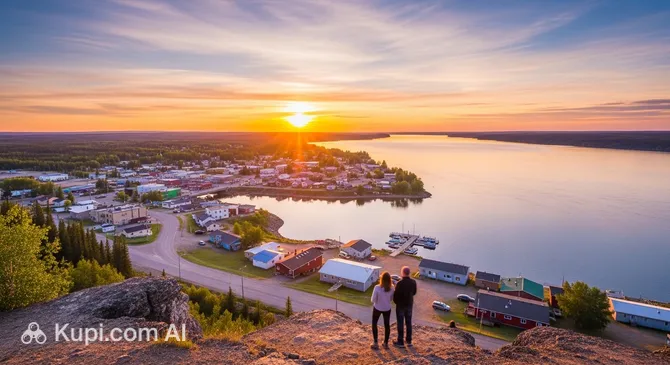
Welcome to Hay River, often affectionately known as the "Hub of the North." Located on the southern shore of the majestic Great Slave Lake in the Northwest Territories of Canada, this vibrant town serves as a crucial gateway to the pristine wilderness of the north. With a population of approximately 3,500 residents, it offers a warm, small-town atmosphere combined with the amenities of a regional center, making it an ideal starting point for Arctic adventures.

Hay River. Source: Kupi.Binoculars

The town is geographically significant, situated where the Hay River flows into the lake, creating a landscape rich in natural beauty. Visitors interested in the past will find the history of Hay River fascinating, as it evolved from a traditional First Nations fishing site and a Hudson's Bay Company trading post into a modern transportation and industrial hub. This unique heritage is celebrated throughout the community and adds depth to any visit.

Nature lovers will be spoiled for choice with the abundance of outdoor activities available. Just a short drive away lies the breathtaking Twin Falls Gorge Territorial Park, home to the spectacular Alexandra Falls and Louise Falls. Within the town, the sandy beaches along Great Slave Lake offer surprising summer relaxation, while the local Heritage Centre provides cultural insights. Whether you are here for the world-class fishing or to witness the Northern Lights, Hay River promises an unforgettable northern experience.

Weather Overview

The climate in this region is marked by distinct seasons, offering a true northern experience. To plan your trip effectively, it is helpful to check the weather in Hay River before packing. Generally, the town experiences significant temperature shifts throughout the year, ranging from deep freezes in winter to comfortable warmth in the summer months.

Winters are characteristically cold and dry. From December through February, average temperatures hover around -17°C to -20°C, with February lows dipping to -23.1°C. Precipitation is minimal during this time, often resulting in crisp, clear winter days. Conversely, summers are quite pleasant; July is the warmest month with an average of 18.9°C and daily highs reaching over 22°C. Expect warm summers with occasional rain and cold, dry winters, as the wetter days tend to concentrate around July and August.

Interesting Facts

Beyond the main attractions, Hay River holds many fascinating secrets that reveal its pivotal role in the region. These unique features highlight the town's resilience and its surprising contrasts, offering visitors a deeper understanding of life in the North.

  • The End of the Line: Hay River is the northernmost terminus of the contiguous North American railway grid. This unique position cements its status as the "Hub of the North," where freight is transferred from trains to barges to be shipped down the Mackenzie River to remote Arctic communities.

  • A Town Relocated: The community has a distinct layout known as "New Town" and "Old Town" due to a battle with nature. The original settlement was located entirely on Vale Island, but repeated flooding forced the town to move its residential and business center to higher ground on the mainland in the 1960s.

  • Unexpected Beach Culture: Despite being located in the subarctic wilderness of Canada, the town boasts miles of pristine sandy beaches along Great Slave Lake. These shores are considered some of the best in the territory, allowing for surprising summer activities like sunbathing and swimming.

  • Deepest Lake Access: The town sits on the shores of Great Slave Lake, which is the deepest lake in North America. The local harbour is a critical shelter and operational base for navigating these massive and often unpredictable waters.

How to Get There

Reaching this northern destination is an adventure in itself, offering a journey through some of Canada's most rugged and beautiful landscapes. For detailed planning, you can read more about how to get to Hay River, including specific routes and tips. The town is well-connected compared to many other northern communities, primarily accessible by air and the all-weather Mackenzie Highway.

The most direct way to arrive is by flying into Hay River (IATA: YHY). Located in Hay River itself, just 3.2 km from the town center, this regional airport serves as a convenient entry point. While smaller in scale, it handles regular scheduled flights that connect the town to the broader network. The commute from the terminal to downtown is very short, taking approximately 5 to 10 minutes by taxi or shuttle.

Another option for travelers is to fly via Yellowknife Airport (IATA: YZF), located in the city of Yellowknife. This is a larger hub with significantly more passenger traffic, offering more frequent connections from major Canadian cities. Although the airport is situated about 198 km away from Hay River in a straight line, the ground journey is significantly longer. To drive between the two, travelers must navigate around the vast Great Slave Lake, covering a distance of approximately 480 km. This scenic road trip typically takes about 5 hours, though many visitors opt for a connecting flight across the lake to save time.

For clarity, here is a summary of the main airports:

Airport Name City Passenger Traffic Km from City
Yellowknife Airport Yellowknife Medium 197.5
Hay River Hay River Small 3.2

While there is no passenger rail service directly to Hay River, the town is famously known as the "Hub of the North" due to its excellent road accessibility. It is the northern terminus of the existing railway grid, but this is used exclusively for freight. Visitors preferring ground travel typically arrive via the Mackenzie Highway, which offers a scenic drive connecting the Northwest Territories to Alberta and beyond.

Main Attractions

While Hay River is often viewed as a transportation hub, it is also a destination rich in natural beauty and cultural history. The town offers a surprising array of scenic spots and community landmarks that showcase the unique character of the Northwest Territories. Here are some of the most interesting places to explore during your visit.

One of the most spectacular natural sites in the entire region is Twin Falls Gorge Territorial Park. Located just a short drive south of the town, this park features the breathtaking Alexandra Falls and Louise Falls. Alexandra Falls is particularly impressive, with water plunging 32 meters over a limestone escarpment, creating a thunderous roar and a beautiful mist. A well-maintained trail system connects the two waterfalls, offering visitors a scenic hike through the boreal forest and several lookout points perfect for photography and picnics.

For a deeper understanding of the local culture and history, a visit to the Hay River Heritage Centre is essential. Housed in the former Hudson's Bay Company building in the Old Town, the museum preserves the rich legacy of the community. Exhibits cover a wide range of topics, from the area's Indigenous roots and the fur trade era to the development of the commercial fishing industry and the railway. It is a charming stop that provides context to the town's nickname, the "Hub of the North."

Visitors are often surprised to find sandy shores this far north, but the Great Slave Lake Beaches are a highlight of Hay River summers. The main public beach creates a seaside atmosphere where locals and tourists alike gather to swim, play volleyball, or simply relax by the water. The vast expanse of the lake, which looks like an ocean, combined with the endless daylight of the midnight sun, makes spending an evening here a truly magical experience.

During the summer months, the Fisherman's Wharf becomes the vibrant heart of the community every Saturday. Located near the harbour, this open-air market offers a fantastic opportunity to mingle with locals. You can sample fresh, locally caught whitefish and chips, browse handmade crafts and artwork from regional artisans, and enjoy the bustling atmosphere. It is the best place to taste the local flavor and pick up a unique souvenir.

Local Cuisine

The culinary scene in Hay River is defined by its location on the shores of Great Slave Lake, the source of some of the finest freshwater fish in the world. As the center of the commercial fishing industry in the Northwest Territories, the town offers visitors a unique opportunity to taste the "catch of the day" just hours after it has been pulled from the icy waters. The food culture here is unpretentious and hearty, focusing on fresh, local ingredients and warm northern hospitality.

The undisputed star of the local menu is Great Slave Lake whitefish. Renowned for its firm texture and mild flavor, this fish is a staple in local households and restaurants alike. You simply cannot leave town without trying a classic meal of pan-fried whitefish or golden, battered fish and chips. Another popular catch is pickerel (walleye), often served alongside locally grown root vegetables. For a taste of traditional Indigenous cuisine, look for dishes accompanied by bannock, a dense and savory flatbread that pairs perfectly with soups, stews, or even jam.

Dining in Hay River is a casual affair, ranging from cozy diners serving homestyle comfort food to seasonal outdoor spots. The highlight of the summer gastronomic calendar is undoubtedly the Fisherman's Wharf. Every Saturday, this bustling market offers the freshest fish and chips in the region, cooked right before your eyes. It is a community gathering place where tourists can join locals at picnic tables to enjoy their meal in the open air, often accompanied by live music.

When it comes to beverages, the town embraces the Canadian classic, the Caesar, a spicy cocktail made with vodka, clamato juice, hot sauce, and Worcestershire sauce, typically garnished with a celery stalk or a pickled bean. For non-alcoholic options, coffee culture is strong, providing a warm respite during the colder months. You may also find a selection of craft beers from regional northern breweries on tap at local lounges, offering a taste of the burgeoning brewing scene of the Northwest Territories.

Travel Tips

Visiting Hay River is a unique adventure that rewards those who come prepared for the realities of the North. To help you make the most of your time in the "Hub of the North," here is a collection of practical advice to ensure your trip is smooth, safe, and enjoyable.

  1. Clothing and Gear: The key to comfort here is layering. In summer, temperatures can be surprisingly warm, so pack light clothing, but always bring a high-quality rain jacket and sturdy hiking boots for the trails. Crucially, summer visitors must bring strong insect repellent and perhaps a bug net, as mosquitoes and black flies can be intense in the bush. If visiting in winter, you need serious thermal gear: a heavy parka, insulated boots rated for -30°C or lower, thermal base layers, and windproof mittens are non-negotiable.
  2. Transportation: While Hay River is a transportation hub, getting around the town itself is best done by car. The town is spread out between the "New Town" (downtown) and "Old Town" (Vale Island), making walking between them impractical. Renting a car is highly recommended to freely visit attractions like Twin Falls or the beaches. Taxis are available but can be expensive for frequent trips. There is no public metro or tram system.
  3. Finances: The local currency is the Canadian Dollar (CAD). Credit and debit cards are widely accepted at hotels, restaurants, and grocery stores. However, it is wise to carry some cash, particularly for the Saturday Fisherman's Wharf market or smaller local artisans who may not have card terminals. ATMs are available at local banks and grocery stores. Tipping follows the standard Canadian norm of 15-20% for good service in restaurants.
  4. Health and Safety: Hay River is generally a safe community, but nature poses the biggest risks. The Hay River Regional Health Centre provides medical services if needed. When hiking or exploring nearby parks, be "bear aware" and carry bear spray, as black bears are common in the area. In winter, frostbite is a real danger; cover all exposed skin. Pharmacies are available in the downtown area but check their operating hours as 24/7 service is not standard.
  5. Communication: English is the primary language spoken throughout the town. Cell phone coverage is generally good within the town limits (provided by major Canadian carriers like Bell and Telus), but be prepared for service to drop off quickly once you drive out on the highway. Wi-Fi is standard in most hotels and cafes. Downloading offline maps before you arrive is a smart move for exploring the surrounding wilderness.
  6. Local Etiquette: The atmosphere in Hay River is friendly and casual. It is polite to greet people you pass on walking trails or in smaller shops. If you are invited into a local home, the custom is almost always to remove your shoes at the door, especially given the mud or snow outside. Respect for Indigenous culture is paramount; always ask for permission before photographing local elders or cultural ceremonies.
  7. What to Avoid: Do not underestimate the local wildlife on the roads. Wood bison frequently graze on the verges of the Mackenzie Highway and the road into town; they are massive, unpredictable, and hard to see at night. Never stop your car in the middle of the road to take photos of them, and never attempt to approach them on foot.
  8. Additional Tip: If you are visiting near the summer solstice (June), pack a high-quality sleep mask. The phenomenon of the "Midnight Sun" means it barely gets dark, which is amazing for sightseeing but can wreak havoc on your sleep schedule if you aren't prepared for bright daylight at 2:00 AM.

By keeping these tips in mind, you will be well-equipped to handle the northern elements and embrace the warm hospitality of Hay River. Whether you are here to fish, hike, or simply watch the aurora, a little preparation goes a long way in this rugged and beautiful corner of Canada.

Entertainment & Nightlife

Entertainment in Hay River reflects the town's close-knit, welcoming character. You will not find sprawling nightclub districts or high-end discos here; instead, the nightlife is centered around cozy hotel lounges, lively pubs, and community gatherings. The atmosphere is distinctly casual and unpretentious, where locals and visitors mingle easily. The primary hub for evening activity is the "New Town" (downtown) area, where most of the hotels and restaurants are concentrated, making it the most convenient place to start your night.

For those looking to unwind with a drink and perhaps some dancing, the local hotel bars are the main attractions. The Doghouse Sports Bar, located within the Ptarmigan Inn, is arguably the most popular spot in town. It features a classic pub atmosphere with pool tables, sports screens, and often hosts live bands or DJ nights on weekends. Another reliable option is the Back Eddy Cocktail Lounge, situated in the Hay River Suites. It offers a slightly more relaxed environment perfect for conversation and enjoying a quiet evening drink after a day of exploring.

When planning a night out, keep in mind that the dress code is almost universally casual; jeans and practical footwear are the norm, especially given the northern climate. Venues typically stay open until around 1:00 AM or 2:00 AM on weekends. Prices are reasonable compared to larger Canadian cities, with a pint of beer or a cocktail costing an average amount for the region. It is always a good idea to carry some cash, although cards are widely accepted.

Safety in Hay River is generally good, but the environment poses its own unique challenges. While the downtown area is safe for walking in the early evening, it is highly recommended to take a taxi late at night. This is not only for personal security but also due to the presence of wildlife; loose dogs or even wildlife wandering into town can be a concern. Taxi services are available, but it is wise to have the number of a local company saved in your phone, as you cannot simply hail one on the street.

Beyond the bars, evening and daytime entertainment often revolves around community facilities. The Riverview Cineplex is the town's movie theater, screening the latest releases and providing a classic cinema experience for families and couples. For a different kind of fun, the local curling club and the golf course often serve as social hubs, hosting events and tournaments that welcome spectators. While there are no large amusement parks, the town's recreational facilities offer a genuine slice of northern life.

Parks & Museums

Exploring Hay River offers a delightful mix of pristine natural landscapes and deep-rooted cultural heritage. The town's unique location in the Northwest Territories of Canada, where the boreal forest meets the vast expanse of Great Slave Lake, provides visitors with accessible green spaces, while its museums and historical sites tell the story of the people who have called this northern hub home for generations.

The crown jewel of the area's natural attractions is undoubtedly Twin Falls Gorge Territorial Park. Located just a short drive south of the town, this park is a haven for hikers and nature photographers. It features a well-maintained 2-kilometre trail that connects the thundering Alexandra Falls to the more serene Louise Falls. At Louise Falls, a unique spiral staircase leads down to the water's edge, allowing visitors to feel the mist and see the limestone layers up close. The park is equipped with excellent day-use areas, making it perfect for a family picnic surrounded by the sights and sounds of the northern wilderness.

For those who prefer to stay within the town limits, Hay River Territorial Park on Vale Island offers a different kind of outdoor experience. Situated directly on the sandy shores of Great Slave Lake, this park is famous for its beach, which rivals many southern destinations during the long summer days. It is an exceptional spot for swimming, driftwood collecting, or simply watching the sun dip towards the horizon late at night. The park also serves as a comfortable base for campers, providing easy access to the water and the nearby amenities of the Old Town.

To understand the rich history of the region, a visit to the Hay River Heritage Centre is essential. Housed in the beautifully restored Hudson's Bay Company building in the Old Town, the museum stands as a testament to the community's resilience and evolution. The exhibits inside are diverse, ranging from traditional Dene beadwork and snowshoes to artifacts from the early days of commercial fishing and the fur trade. Knowledgeable staff often share personal stories that bring the displays to life, offering a genuine connection to the town's past.

Just across the river on the K'atl'odeeche First Nation reserve, the Yamozha Kue Society (Dene Cultural Institute) offers a profound look into the traditions of the local Indigenous people. While it functions primarily as a cultural institute, it is a significant venue for visitors interested in learning about the Dene laws, language, and craftsmanship. The architecture of the building itself is culturally significant, and the centre frequently hosts workshops and gatherings that celebrate the enduring spirit of the land's original inhabitants.

History buffs should also look out for St. Peter's Anglican Church in the Old Town. As one of the oldest standing structures in the area, it offers a glimpse into the missionary era of the North. Its modest wooden architecture contrasts sharply with the modern buildings in the New Town, serving as a quiet reminder of the community's early 20th-century roots.

For a truly local experience, take a stroll through Bob McMeekin Chamber Park. Located near the entrance to the Old Town, this smaller green space is a favourite among locals for a quick break. It features a visitor information centre and offers lovely views of the river, making it a great spot to watch the barges and fishing boats navigate the waterway, which is the lifeblood of this "Hub of the North."

Getting Around

Navigating Hay River is quite different from getting around a large metropolis. Visitors should be aware that the town does not possess a public transport network in the traditional sense; there are no subways, trams, or scheduled municipal bus services operating within the community. Due to its relatively small population and spread-out geography, the transport infrastructure is designed primarily for private vehicles.

For tourists without their own vehicle, taxis are the primary form of public transportation. Local companies, such as Reliable Cab and Hay River Taxi, provide dependable service throughout the town and to the airport. Taxis are generally easy to find at the airport upon arrival or can be called by phone from your hotel or restaurant. Since there are no designated taxi stands scattered around the streets, keeping a local cab company's number handy is essential for getting around.

Regarding payment, the system is straightforward. There are no travel passes, transport cards, or mobile ticketing apps to worry about. Taxis typically operate on a metered basis or have set flat rates for specific zones, such as the trip from the airport to downtown. While many drivers accept major credit and debit cards, it is highly advisable to carry some Canadian currency (cash), as card machines can occasionally be unreliable due to connectivity issues in the North.

The most practical advice for any visitor wishing to explore Hay River thoroughly is to rent a car. The town is divided into two distinct sections: the "New Town" (where most services and hotels are located) and the "Old Town" (located on Vale Island, home to the beach and heritage sites). The distance between these two areas is several kilometers, making walking impractical for daily commuting. Car rental agencies are available at the airport, but due to limited fleet sizes, booking your vehicle weeks or even months in advance is strongly recommended.

Alternatives to driving are limited. There are currently no ride-sharing apps like Uber or Lyft operating in the community. Cycling is a pleasant option during the summer months, as the terrain is relatively flat, but you would typically need to bring your own bike or check with local accommodations if they offer rentals. Walking is feasible within the compact downtown core for shopping and dining, but for visiting the main attractions like the waterfalls or the beaches on Vale Island, motorized transport is necessary.

Accommodation

Accommodation in Hay River is practical and comfortable, designed to meet the needs of both business travelers and tourists seeking northern adventures. As a small town with a population of around 3,500, visitors should not expect sprawling luxury resorts or international hotel chains. Instead, the town offers a selection of reliable mid-range hotels, cozy motels, and welcoming bed and breakfasts. During the summer months, camping becomes a highly popular alternative, allowing visitors to stay close to nature.

When choosing where to stay, location is a key factor. The majority of hotels and motels are concentrated in the New Town (downtown) area. Staying here offers the most convenience, as you will be within walking distance of grocery stores, restaurants, and the airport. Alternatively, the Old Town on Vale Island offers a more scenic and historical setting. While there are fewer traditional hotels here, it is the location of the popular territorial park campground and offers immediate access to the Great Slave Lake beaches.

For those preferring standard hotel amenities, the town features a few well-established properties that serve as the community's hospitality anchors. The Ptarmigan Inn is a central fixture in the downtown area, known for hosting full-service facilities including a restaurant and lounge. Similarly, the Hay River Suites offers comfortable lodging often favoured by those looking for a quiet stay. These establishments typically provide essential modern conveniences such as Wi-Fi and cable TV, ensuring a comfortable refuge after a day of exploring the wilderness.

Booking Tips: Due to the limited number of rooms available in town, it is highly recommended to book your accommodation well in advance. This is particularly important during the peak summer tourist season (June to August) and during the winter months, when hotels can fill up quickly with industrial workers and contractors. Trying to find a room upon arrival can be risky and is not advised.

Price Range and Booking: The cost of accommodation in Hay River is generally in the mid-range category. Prices are comparable to other northern Canadian centers, reflecting the higher cost of operations in remote areas. Budget travelers may find hotels slightly expensive compared to southern cities, making camping a budget-friendly alternative in summer. Reservations can typically be made through major online booking platforms or by calling the properties directly.

Nearby Cities

For those looking to explore the surroundings, Hay River serves as an excellent base for day trips to several interesting nearby locations:

City Population Distance (km)
Fort McMurray 71589 521
Fort St. John 20155 587
Yellowknife 19569 198
Slave Lake 7000 620
Peace River 6943 518

Among these, Yellowknife stands out as the capital of the Northwest Territories and a vibrant destination for a short visit. While the drive around Great Slave Lake is long and scenic, a short flight makes it accessible for a day of exploration. Visitors can wander through the historic Old Town, visit the Prince of Wales Northern Heritage Centre, or enjoy the city's renowned local dining scene.

To the south in Alberta, Peace River offers a beautiful change of scenery nestled in a majestic river valley. It is a significant historical stop, following the path of explorer Sir Alexander Mackenzie. The town provides a welcoming atmosphere with opportunities for boating, hiking, and discovering the rich history of the fur trade era.

These nearby destinations offer a glimpse into the diverse culture and landscapes of the region.

Shopping & Souvenirs

Shopping in Hay River offers a practical and authentic northern experience, distinct from the sprawling retail landscapes of larger cities. While you will not find high-end fashion boutiques or massive department stores here, the town provides everything needed for a comfortable stay, along with unique opportunities to discover local artistry. The retail scene is focused primarily on outdoor gear, daily essentials, and a surprising wealth of handcrafted goods that reflect the rich cultural heritage of the Northwest Territories.

The primary commercial hub is located in the New Town (downtown) area. This district serves as the economic heart of the community, where visitors can find a variety of locally-owned businesses, pharmacies, and general merchandise retailers. A stroll through the downtown core allows travelers to browse through hardware stores well-stocked for northern adventures, cozy bookstores, and gift shops. It is a compact and walkable area where the friendly service is as much a part of the experience as the products themselves.

Travelers looking for large-scale shopping complexes should adjust their expectations, as there are no mega-malls in Hay River. Instead, the town features smaller shopping plazas and commercial centers that house essential services and grocery stores. These centers are convenient one-stop spots for restocking supplies, picking up camping gear, or finding warm clothing suitable for the northern climate.

The highlight of the local shopping scene is undoubtedly the Fisherman's Wharf. Operating every Saturday during the summer months, this open-air market is more than just a place to buy food; it is a vibrant showcase of local talent. Amidst the stalls selling fresh whitefish and produce, visitors can find an array of handmade crafts. It is the best place to meet local artisans directly and purchase authentic goods that you won't find on any store shelf.

When it comes to souvenirs, the items worth bringing home are those that tell a story of the North. Hay River is renowned for its Indigenous arts and crafts. Look for exquisite beadwork, traditional moose hide moccasins, and birch bark baskets. A particularly unique local art form is moose hair tufting, a delicate and intricate craft practiced by Dene artisans. The gift shop at the Heritage Centre is often a treasure trove for these cultural keepsakes, ensuring that your purchase supports the local community.

Store opening hours in Hay River generally follow a standard schedule, with most businesses open from 9:00 AM to 6:00 PM, Monday through Friday. On Saturdays, hours may be reduced, and many smaller shops remain closed on Sundays. Major grocery stores and gas stations typically offer extended hours. Payment methods are modern and convenient; the Canadian Dollar (CAD) is the currency, and credit and debit cards are widely accepted. However, carrying some cash is highly recommended for the Saturday market or smaller independent vendors.

One of the financial advantages of shopping in the Northwest Territories is the tax structure. Unlike many other Canadian provinces that add a provincial sales tax, the NWT charges no Provincial Sales Tax (PST). You will only pay the federal Goods and Services Tax (GST) of 5% on most purchases. While Canada no longer offers a general tax refund program for visitors, the absence of provincial tax makes shopping here significantly more affordable than in many southern destinations.
Reached the end of the page?

That means the route is fully explored